Sura Korean Cuisine
Sura Korean Cuisine on Telegraph Avenue sits within Oakland's most culturally layered dining corridor, where Korean cooking appears not as novelty but as neighborhood institution. The restaurant occupies a stretch of Telegraph that mixes long-standing immigrant kitchens with newer arrivals, placing Korean food firmly in the city's everyday culinary conversation rather than at its exotic edges.
Pearl is the En Primeur Club membership app — saves, bookings, and concierge access live there. Same editors, same standards.
- Address
- 4869 Telegraph Ave (btw 48th & 49th), Oakland, CA 94609
- Directions
- Get directions
 Saves & bookings on Pearl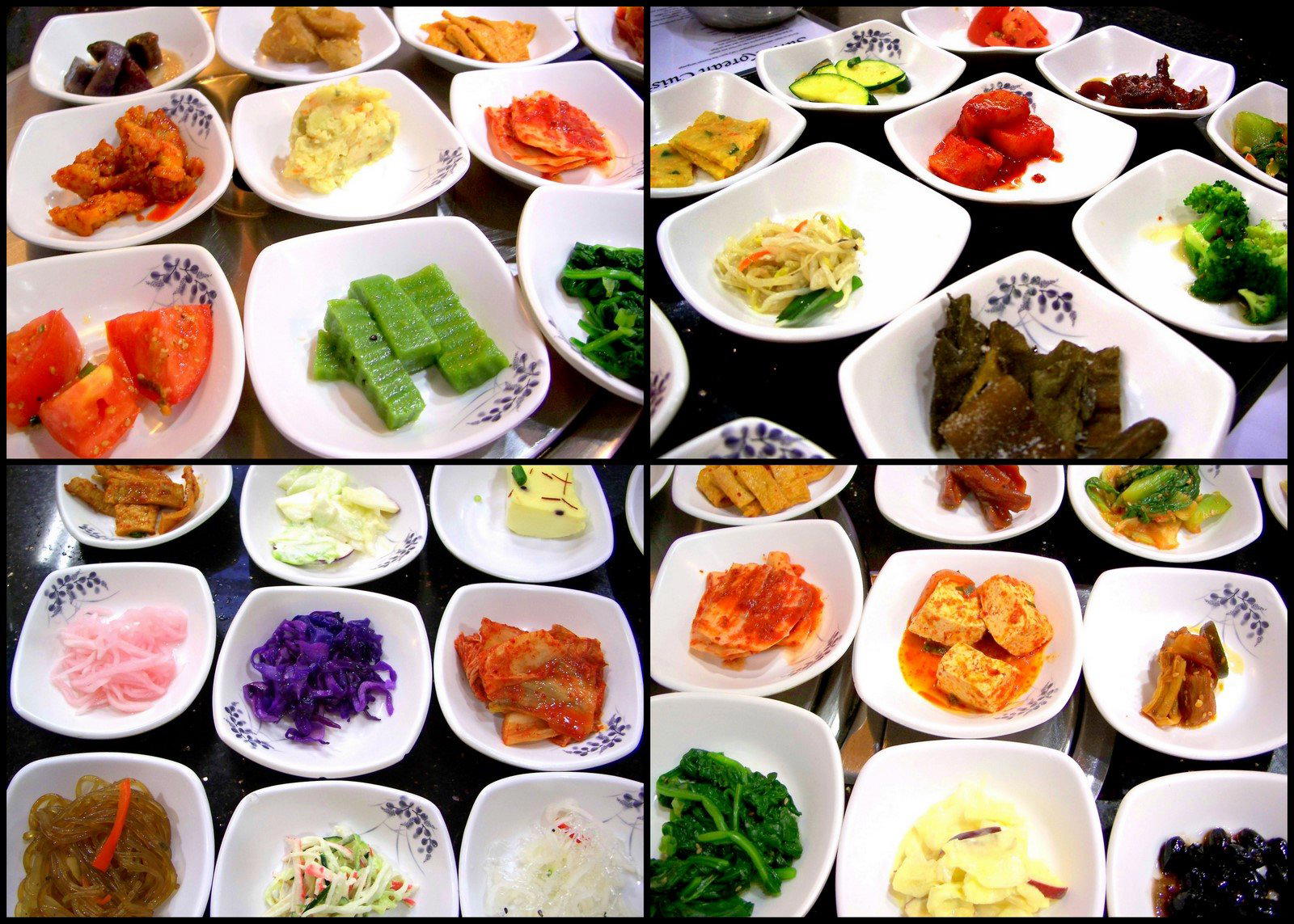
Telegraph Avenue and the Architecture of the Everyday Korean Kitchen
Sura Korean Cuisine is a Korean restaurant in Oakland, CA, at 4869 Telegraph Ave (btw 48th & 49th), with a casual dress code and a walk-in-friendly policy. The block of Telegraph Avenue between 48th and 49th streets in Oakland operates on a register that the Bay Area's more celebrated dining districts rarely manage: it is genuinely local. The corridor running through this part of the Temescal and Rockridge border zone has accumulated restaurants the way old neighborhoods accumulate hardware stores and barbershops, through need and repetition rather than curation. Korean cooking, in this context, is not a trend to be discovered but a fixture to be relied upon. Sura Korean Cuisine belongs to that category of restaurant, the kind anchored to a specific block not because it was placed there strategically but because the neighborhood around it has a use for it.
That distinction matters when you consider how Korean food reads in American cities right now. In markets like New York, the conversation has moved decisively upward, with tasting-counter formats like Atomix in New York City repositioning Korean cuisine in the same prestige tier occupied by Le Bernardin in New York City or Alinea in Chicago. Oakland's version of Korean dining tends to resist that upward pressure. The cooking here stays closer to the table-side grill, the shared bowl, the banchan spread that arrives before you have decided what you want. Sura sits inside that tradition.
The Physical Room and What It Signals
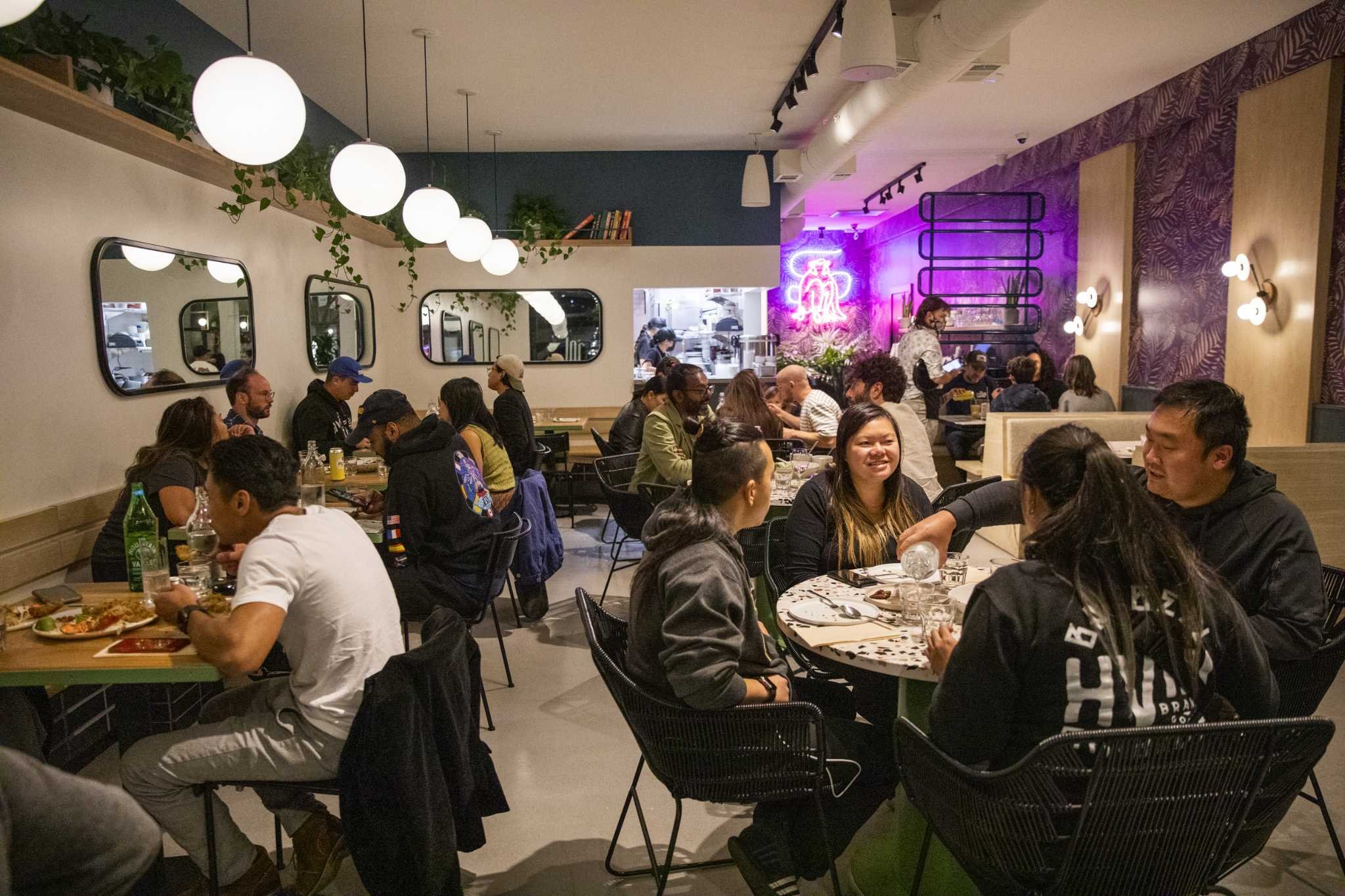
Korean restaurants in this price and neighborhood tier across American cities have developed a fairly consistent spatial grammar: practical tables set for sharing, materials chosen for durability over atmospherics, lighting calibrated to function rather than mood. The room is usually secondary to what arrives on it. This is not a failure of design but a different set of priorities, one that privileges the cooking's communal logic over the architecture's aesthetic ambitions. The table becomes the design element, loaded with small dishes, ceramic bowls, and the hardware of group eating.
What separates the better examples of this format from the merely adequate is the quality of that communal infrastructure. A well-run Korean restaurant in this style reads clearly in the spacing between tables, in the ventilation over a grill station, in the organization of the banchan service. These are the material signals that tell a returning customer whether the kitchen is operating with intention. On Telegraph Avenue, where the dining room often doubles as a social room for the surrounding community, that spatial legibility carries particular weight.
For reference points in the wider Korean dining conversation, the contrast with destination-format restaurants is instructive. Properties like Single Thread Farm in Healdsburg or Blue Hill at Stone Barns in Tarrytown treat the physical environment as an argument about what dining can mean. Neighborhood Korean restaurants make a different argument: that eating well does not require that kind of theater. Both positions are defensible. They serve different readers of the same city.
Korean Cooking in the Oakland Context
Oakland's dining identity has been shaped by decades of immigration from Korea, Vietnam, China, Ethiopia, Mexico, and a dozen other places, and the result is a city where no single cuisine dominates the conversation. Telegraph Avenue alone holds this plurality in a relatively compact stretch. 8th St Cafe 文記茶餐廳 represents the Cantonese tea-room tradition; alaMar Dominican Kitchen brings Caribbean technique to the Oakland table; Agave Uptown holds the Mexican cooking position in a nearby corridor. Korean cuisine fits into this ecosystem not as the dominant note but as one of several anchor traditions that have earned neighborhood permanence.
The cooking tradition Sura draws from, broadly speaking, is among the more structurally distinctive in East Asian cuisine. The banchan system, which distributes flavor across many small preparations served simultaneously rather than sequentially, produces a kind of eating that is collaborative by design. Fermented vegetables, braised proteins, steamed egg, seasoned greens: these arrive as a set and are meant to be navigated across the meal rather than consumed in order. That structure means a Korean meal is almost impossible to eat alone in the same way you eat a bowl of ramen or a plate of pasta.
Oakland also has a comparison set worth noting in this category. 3 Bottled Fish and Alem's Coffee represent adjacent traditions, the former operating in the Bay Area seafood vernacular, the latter in the East African coffee and hospitality register. What they share with Sura is a relationship to neighborhood function: these are not restaurants built to attract visitors from across the Bay but to serve the people who live within walking distance.
Where Sura Sits in the Broader Bay Area Conversation
The Bay Area's high-prestige dining tier is well documented. The French Laundry in Napa, Lazy Bear in San Francisco, and Providence in Los Angeles operate in a register defined by tasting menus, sourcing narratives, and advance booking requirements measured in months. That tier is real and worth engaging with. But Oakland's dining identity is not primarily built there. The city's culinary credibility rests on a different kind of density: the concentration of immigrant-founded, neighborhood-serving restaurants that have operated across multiple decades without requiring either press coverage or Michelin attention to stay full.
Sura occupies that second category. It is a restaurant whose relevance is local by design, drawing on the same Korean cooking traditions that have been institutionalized in cities like Los Angeles and New York but delivering them in a format calibrated to Oakland's specific neighborhood rhythms. For readers accustomed to planning around destination experiences like Addison in San Diego or The Inn at Little Washington in Washington, the value proposition here is fundamentally different: accessibility, repetition, and the particular comfort of a restaurant that does not ask you to perform your appreciation of it.
Know Before You Go
Address: 4869 Telegraph Ave (between 48th & 49th), Oakland, CA 94609
Neighbourhood: Temescal / Rockridge border, Telegraph Avenue corridor
Nearby: Agave Uptown, Alem's Coffee
Peers You’d Cross-Shop
Comparable venues nearby, for context on price, style, and recognition.
| Venue | Cuisine | Price | Notes |
|---|---|---|---|
| Sura Korean CuisineThis venue — the venue you are viewing | Korean Cuisine | $$ | Not listed |
| Casserole House | Korean Jeongol Hot Pots | $$ | Temescal |
| Moo Bong Ri | Korean Soondae Specialist | $$ | Temescal |
| Pyeong Chang Tofu House | Traditional Korean Tofu Soup | $$ | Temescal |
| FuseBOX | Korean-Japanese Fusion Izakaya | $$ | West Oakland |
| Huangcheng Noodle House | Shanxi Knife-Shaved Noodles | $$ | Old Oakland |
Continue exploring
More in Oakland
Restaurants in Oakland
Browse all →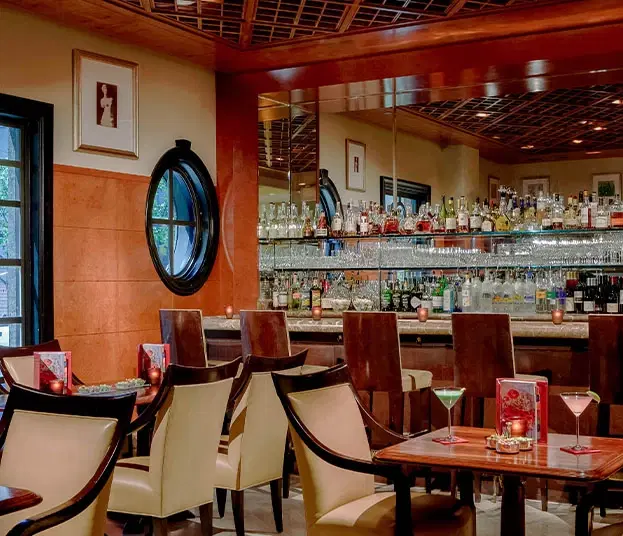
Bars in Oakland
Browse all →
Hotels in Oakland
Browse all →

At a Glance
- Cozy
- Family
- Casual Hangout
Welcoming atmosphere with abundant colorful banchan spreads creating a royal dining experience.