Huangcheng Noodle House
Our verdict
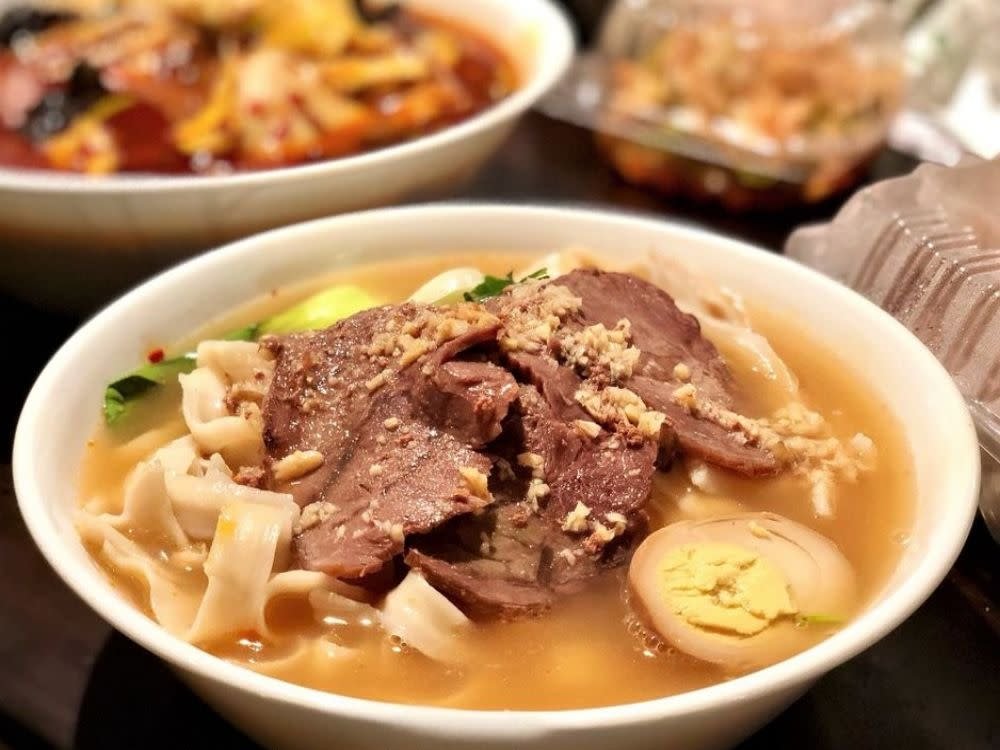
Huangcheng Noodle House on Washington Street sits in the middle of Oakland's Chinatown, a neighborhood that has sustained some of the Bay Area's most consistent Chinese cooking for decades. The format here is the kind that regulars navigate without menus: casual, quick, and built around noodles. It belongs to a tier of Oakland dining where the room matters far less than what arrives in the bowl.

Pearl is the En Primeur Club membership app, where members save venues, book tables and use the concierge.
The menu
What to order
- Chongqing Street Noodle soup
- Knife Shaved Noodles
Oakland's Chinatown and the Noodle House Logic
Washington Street in Oakland's Chinatown operates differently from most dining corridors in the Bay Area. The foot traffic is purposeful, the storefronts are dense, and the restaurants that survive here do so by serving a neighborhood that eats out with frequency and has strong opinions about repetition. In that context, a noodle house is not a concept or a trend, it is a utility, one measured by consistency across hundreds of visits rather than the drama of a single meal. Huangcheng Noodle House at 911 Washington Street sits inside that logic. The address puts it at the functional core of Oakland Chinatown, a district that has been feeding the East Bay's Chinese community since the late nineteenth century and continues to anchor the densest concentration of Cantonese and Chinese regional cooking between San Francisco and Sacramento.
For readers accustomed to building a visit around reservation systems, tasting menus, or chef-driven tasting formats, the kind of experience you'd plan as carefully as a table at Lazy Bear in San Francisco or The French Laundry in Napa, Chinatown noodle houses represent the opposite end of the planning spectrum. The booking experience here is, functionally, no booking experience at all. You show up. The question is when and with what expectations.
How to Approach the Visit
Oakland Chinatown's restaurant rhythm follows the neighborhood's own schedule: morning dim sum and congee crowds, a lunch rush that peaks early and hard, a mid-afternoon lull, and an early dinner service that draws families before the broader city has finished its workday. Noodle houses in this district tend to operate within that cycle, and the practical intelligence that matters most is arriving outside the compression points, the hour before noon on weekends, in particular, when Washington Street's foot traffic stacks up against limited seating across multiple small-format restaurants.
There is no reservation infrastructure to work around here, which is either a relief or a complication depending on how you travel. For groups accustomed to the advance planning required at ticketed or timed-entry formats, think the months-out booking windows at places like Alinea in Chicago or Atomix in New York City, the walk-in model of Oakland Chinatown requires a different kind of preparation. The preparation is geographic and temporal, not digital. Know the neighborhood's peak hours. Arrive with flexibility. Have a secondary option on the same block if the timing doesn't work.
The broader Chinatown cluster on and around Webster and Franklin streets gives Oakland visitors a density of options that makes this flexibility practical. Neighboring spots like 8th St Cafe operate in a similar register, and the overall concentration means that a single visit to the district rarely ends in frustration even when a first-choice spot has a queue. For a wider read on how these restaurants connect across Oakland's dining geography, the EP Club Oakland restaurants guide maps the full picture.
The Chinatown Noodle Tradition and Where This Fits
Chinese noodle houses in American Chinatowns belong to a specific culinary lineage that is easy to underestimate. The formats that look the most casual, laminated menus, fluorescent light, bowls arriving in under ten minutes, are often the ones with the deepest institutional roots. In Cantonese-dominated Chinatowns like Oakland's, the noodle repertoire typically draws from wonton soup traditions, beef brisket preparations, and rice noodle applications that have been refined through decades of community demand rather than critical attention. These kitchens don't change to chase recognition. They change when the community's palate shifts, which is a different and often slower kind of evolution.
This stands in deliberate contrast to the recognition-chasing formats that dominate food media coverage, the farm-to-table architecture of Blue Hill at Stone Barns, the seafood precision of Le Bernardin in New York City, or the produce-forward ambition of Single Thread Farm in Healdsburg. Chinatown noodle houses are not trying to compete in that conversation. Their authority is local, transactional, and earned over years of feeding the same people reliably. Huangcheng sits within that tradition.
Oakland's Chinatown has produced a small number of restaurants that have crossed into broader Bay Area recognition, 3 Bottled Fish represents a more formal iteration of Chinese cooking in the city, but the majority of the district's value is in exactly this kind of format: affordable, fast, and calibrated to a regular rather than a first-timer. That is not a limitation. It is the point.
The Room and the Register
The physical environment on Washington Street in Oakland Chinatown is not designed to signal status. The block reads as a working commercial strip: produce vendors, bubble tea counters, small grocers, and short-order restaurants sharing frontage in buildings that have absorbed decades of use. Entering a noodle house in this context involves a quick recalibration for visitors arriving from Oakland's more design-conscious dining neighborhoods, the bar-forward spots in Uptown, the tasting-menu registers further afield. The room at a Chinatown noodle house is a room built for throughput, not theater. Tables turn. The sound level reflects a full house of people who came to eat, not to be seen eating.
This positions Huangcheng within the same casual, high-frequency category as other neighborhood standbys across Oakland's diverse dining map, the East African influence at Alem's Coffee, the Dominican cooking at alaMar Dominican Kitchen, or the Mexican home-style format of spots like Cenaduria Elvira in the Fruitvale district. These are restaurants that serve communities rather than audiences. The comparison with destination formats, a room like Addison in San Diego or the historical weight of Emeril's in New Orleans, only clarifies what makes Chinatown eating distinct. The metrics of success are entirely different.
For visitors planning an Oakland itinerary that spans multiple neighborhoods and registers, the Chinatown stop works well early in the day or at an off-peak lunch hour. Pair it with the coffee and bakery options nearby, or follow it with a walk through the weekend farmers market if timing allows. The area around Agave Uptown or the fermented-focused Joodooboo offer contrast later in the day for visitors covering more ground.
Planning Your Visit
The visit is a walk-in proposition. The practical advice that applies here applies to most of the district's noodle houses: arrive weekdays before noon or after the lunch rush, expect counter or shared-table seating, and bring cash as a backup. The district's concentration of Chinese restaurants means that any single visit can double as an orientation to several spots simultaneously. First-timers to Oakland Chinatown will find that the density of options on Washington and the surrounding blocks rewards unhurried exploration more than precision targeting.
Frequently asked questions
Would Huangcheng Noodle House be comfortable with kids?
Oakland Chinatown's noodle houses are among the more family-accommodating formats in the city, and 911 Washington St fits that pattern. The format is counter-casual, the pace is fast, and the food arrives quickly, conditions that tend to work better for children than a drawn-out tasting progression. There is no dress code, no reservation barrier, and no pressure to linger.
Is Huangcheng Noodle House better for a quiet night or a lively one?
Neither category applies in the way it would at Oakland's more atmospherically engineered venues. Washington Street in Oakland's Chinatown runs on a daytime and early-evening rhythm, purposeful foot traffic, tables that turn, room noise generated by the crowd rather than a sound system. If you want a designed ambient experience, this is the wrong block; if you want to eat well without staging, it is the right one.
Is Huangcheng Noodle House a walk-in only spot, or does it take reservations?
The Washington Street corridor functions on neighborhood rhythm, early lunch peaks, quick turnover, so arriving outside peak hours is the practical alternative to a reservation system.
What's the best thing to order at Huangcheng Noodle House?
As a general principle in Cantonese noodle houses of this type, the soups and braised noodle preparations tend to be the format's structural core, what the kitchen has practiced longest and what regulars return for. Ordering by what the table next to you has is not a bad strategy on Washington Street.
A Quick Peer Check
Comparable venues nearby, for context on price, style, and recognition.
| Venue | Cuisine | Price | Notes |
|---|---|---|---|
| Huangcheng Noodle HouseThis venue (the venue you are viewing) | Shanxi Knife-Shaved Noodles | $10–20 | Not listed |
| Tastee Steam Kitchen | Chinese Seafood Steam & Hot Pot | $20–30 | Chinatown |
| Classic Guilin Rice Noodle | Authentic Guilin Rice Noodles | $10–20 | Chinatown |
| Lounge Chinatown | Chinese and Taiwanese Street Food | Not listed | Chinatown |
| Shan Dong | Shandong-Style Chinese Noodles & Dumplings | $10–20 | Chinatown |
| Pixiu Mala Hong Tang | Korean-style Sichuan Malatang | $30–50 | Telegraph Avenue |
Continue exploring
More in Oakland
Restaurants in Oakland
All restaurants in Oakland →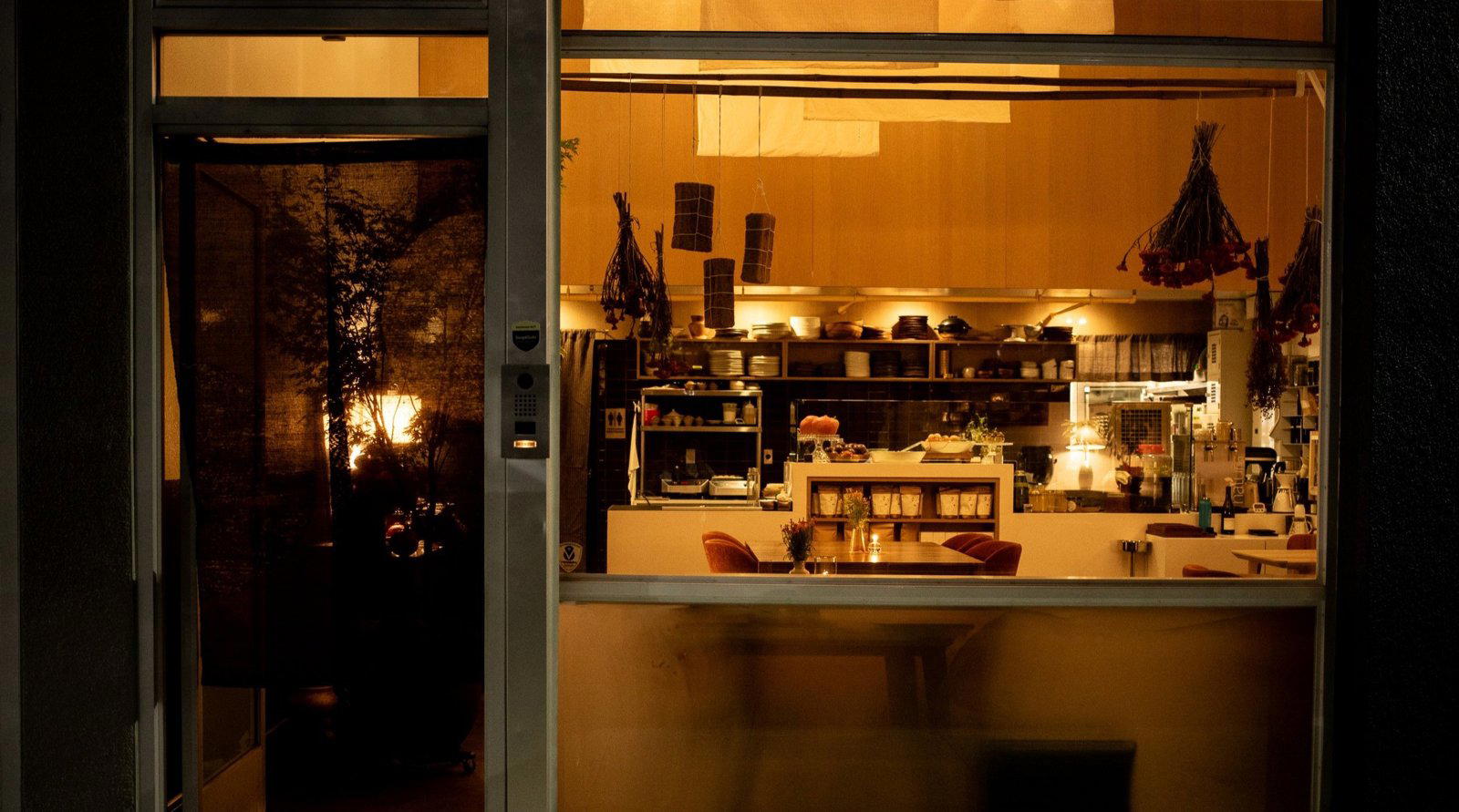
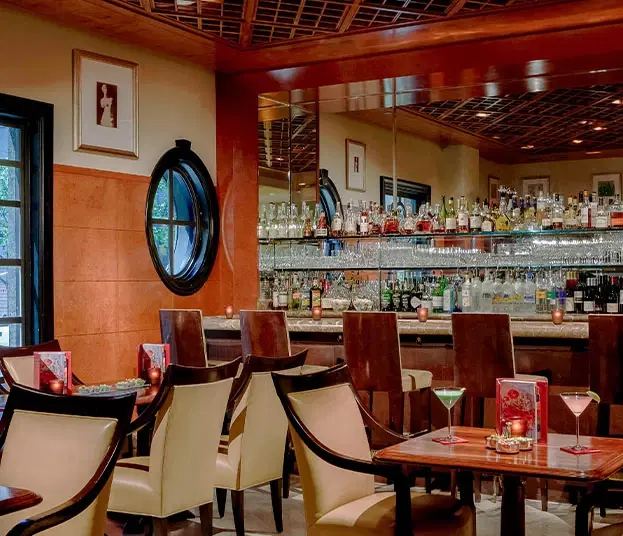
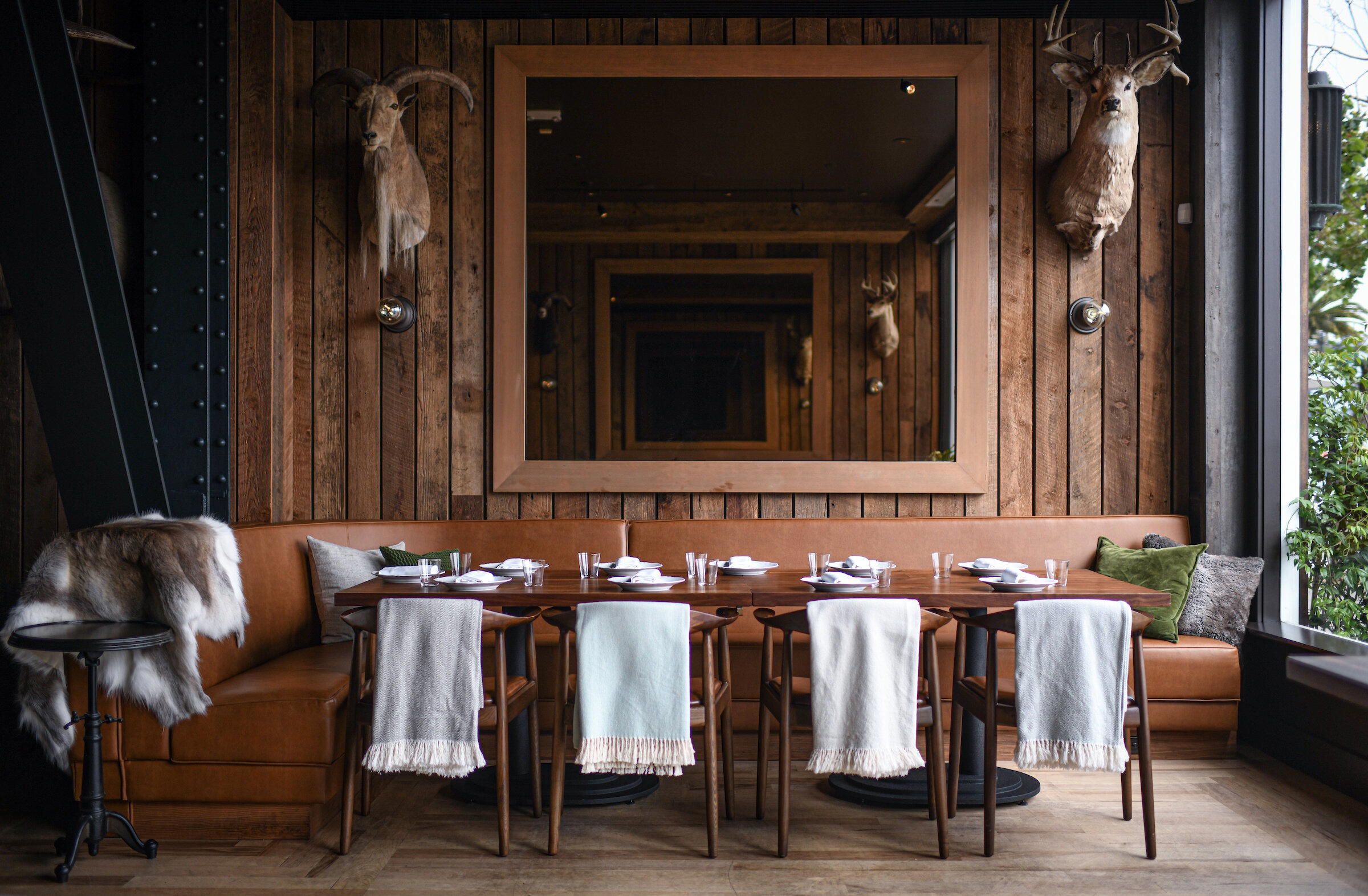
Bars in Oakland
All bars in Oakland →

Details
- Casual
- Casual Hangout
- Open Kitchen
- Local Sourcing
- A La Carte
- Vegetarian Friendly
Current opening hours
- Monday
- 10 AM–9 PM
- Tuesday
- Closed
- Wednesday
- 10 AM–9 PM
- Thursday
- 10 AM–9 PM
- Friday
- 10 AM–9 PM
- Saturday
- 10 AM–9 PM
- Sunday
- 10 AM–9 PM
Hours can change for holidays and private events. Hours as of .
Casual market stall atmosphere with focus on fresh handmade noodles.