Summit


Wine Spectator Best of Award of Excellence · Forbes 4-Star
Our verdict
Summit at The Broadmoor has anchored fine dining in Colorado Springs since 2006, operating as the resort's most formally ambitious restaurant with a seasonally driven tasting menu and a wine tower holding 1,400 bottles. Chef de Cuisine Rocio Neyra Palmer draws on the nearly 3,000-acre property's own farms, greenhouse, and 40 honey hives, alongside ranch-raised wagyu and regional purveyors, to build a program rooted in Colorado's agricultural calendar.

Pearl is the En Primeur Club membership app, where members save venues, book tables and use the concierge.
The menu
What to order
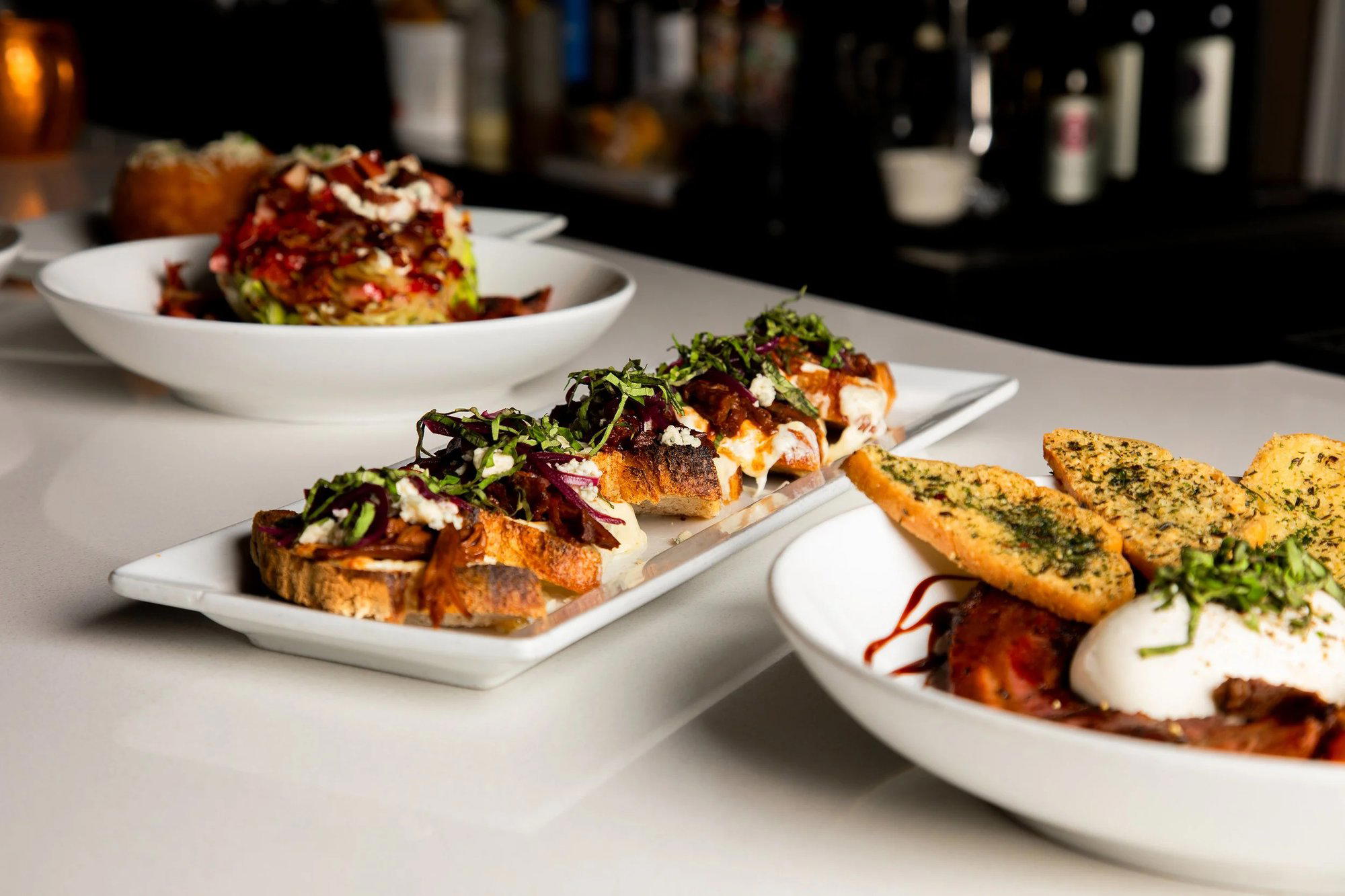
- Peruvian Ceviche
- Potato Crusted Swordfish
- House Made Charcuterie
Where the Rocky Mountains Meet the Table
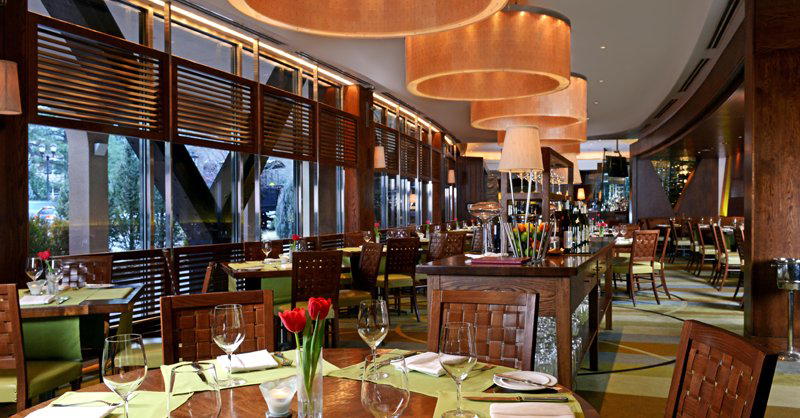
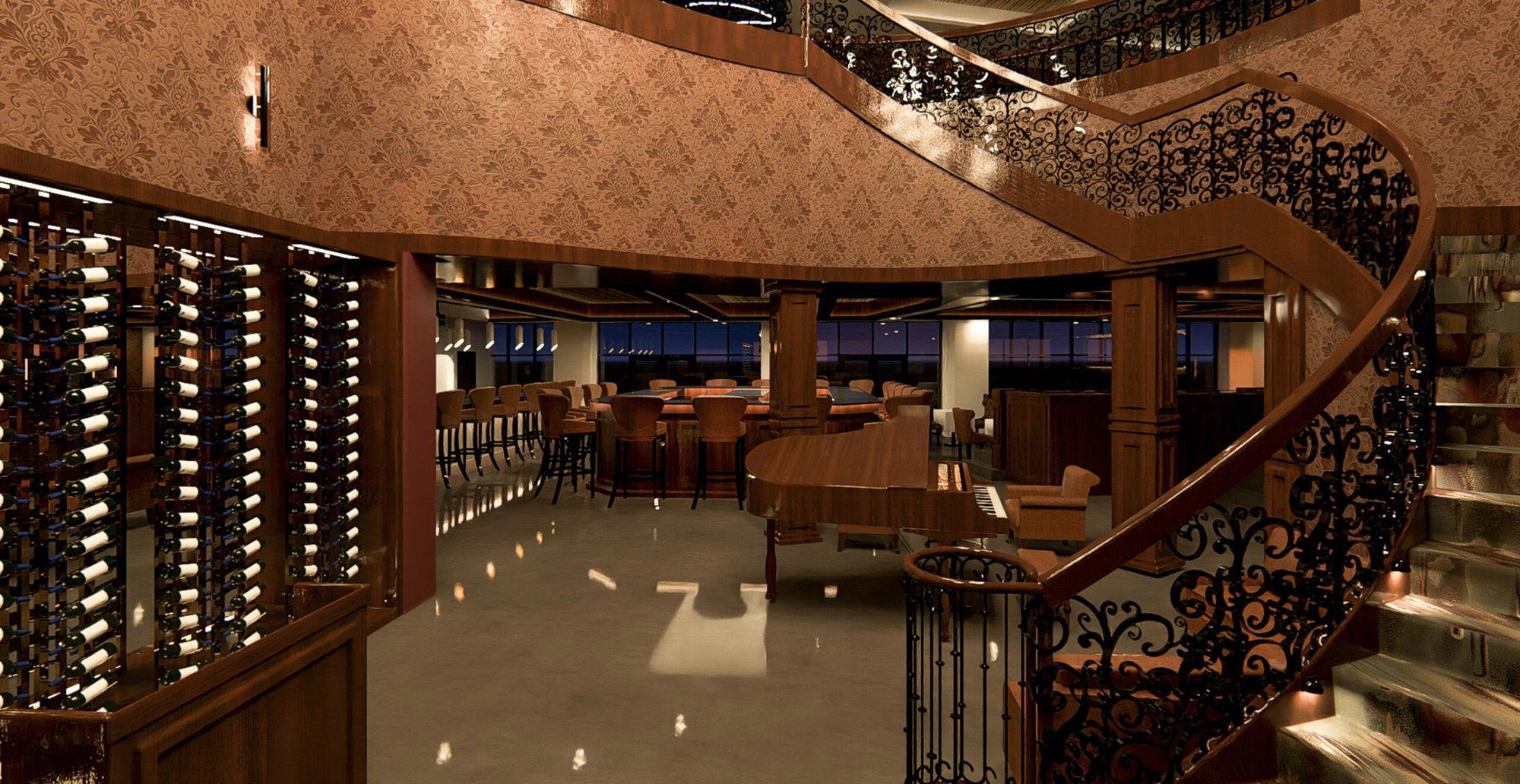
Approaching Summit inside Broadmoor Hall, the first thing that registers is the wine tower: a rotating column of 1,400 bottles that anchors the room the way a fireplace anchors a lodge. Designer Adam Tihany, whose portfolio includes Le Bernardin in New York City and Per Se, took Pikes Peak as his conceptual starting point, translating the mountain's sense of height and movement into a space that wraps around the building with fluid, panoramic intent. The result sits closer to a serious American dining room than to the resort-casual registers elsewhere on the property.
That distinction matters. The Broadmoor operates one of the more extensive restaurant collections of any American resort, but Summit occupies a separate tier within it. Dinner only, smart-casual dress code, reservations required: the operational signals alone position it as the property's highest-ambition table. For a city without a dense fine-dining corridor, that positioning carries real weight. Anyone building a short list of formal dinner options in Colorado Springs will find Summit near the best of it, not because of resort prestige alone but because of what the kitchen is actually doing with the land around it.
A Sourcing Program Built Into the Property
The farm-to-table movement has passed through several phases since it emerged as a culinary ideology in the 1970s and consolidated into mainstream fine dining by the 2000s. At its weakest, the label became decoration, a single local ingredient dropped into an otherwise conventional menu. At its strongest, it describes a kitchen with genuine supply-chain depth: on-property growing, documented ranching relationships, and a chef whose background makes the sourcing agenda coherent rather than cosmetic.
Summit falls into the latter category. The Broadmoor's nearly 3,000-acre property includes Broadmoor Farms, a working operation that grows seasonal herbs and produce curated directly by the resort's culinary team, plus a greenhouse that extends availability through months when Colorado's altitude and temperature compress the growing window. The property also maintains 40 beehives for honey harvested on-site. The wagyu beef served at Summit comes from Eagle's Nest Ranch near Greeley, Colorado, raised specifically for The Broadmoor rather than sourced through a general distributor. This is the kind of supply specificity that programs like Blue Hill at Stone Barns in Tarrytown and Single Thread Farm in Healdsburg have made central to their identity. Summit operates on a resort scale rather than a standalone restaurant scale, which changes some of the logistics, but the sourcing commitment reads as structural rather than incidental.
Chef de Cuisine Rocio Neyra Palmer joined The Broadmoor in 2008 as an international culinary extern and has moved up through the kitchen since. Her background in farming and agronomy is directly relevant here: a chef who understands growing cycles and soil conditions reads a seasonal menu differently than one who simply sources from whatever the purveyor offers that week. Her Peruvian heritage surfaces in specific dishes, including a ceviche trio among the starters and yucca fries alongside beef skewers, giving the Colorado sourcing framework a personal flavor logic that keeps the menu from reading as generic regional American. The flavors in those dishes shift with the season, but the structural presence of the dish on the menu remains consistent.
The Tasting Menu as the Clearest Argument
The kitchen offers both a regular menu and a five- or six-course tasting menu curated daily by the chefs. The tasting menu includes exclusive items not available on the regular menu, which means it functions as the fullest expression of what the kitchen wants to say on a given night rather than a fixed set-piece. The sommelier team, led by Wine Director and General Manager Jake Zubrod with sommeliers Cristobal Esparza and Paul Frampton, can build specialized pairings around the tasting menu, drawing from a list of around 400 selections across 2,500 bottles in inventory.
The wine program is weighted toward California and France, priced at the upper register with many bottles above $100. That scope places it in a different conversation than most Colorado restaurants and makes the sommelier guidance genuinely useful rather than a formality. American fine dining programs at this tier, from Addison in San Diego to Lazy Bear in San Francisco, have consistently shown that the tasting-menu-plus-pairing format is where the kitchen and cellar produce the most integrated dining experience. Summit's structure follows that same logic.
For those at the end of the meal, the dessert section extends beyond the kitchen into the bar program. After-dinner cocktails include the Summit Express, built with vanilla vodka, Kahlua, espresso, and cream, and the Black Forest Alexander, a brandy-based drink with housemade chocolate ice cream, cherry liqueur, and amaretto. The list also runs through dessert wines, ports, sherries, Madeiras, and digestives, which is a more complete sweet-course offering than most resort restaurants bother to maintain.
Finding It, and Planning Around It
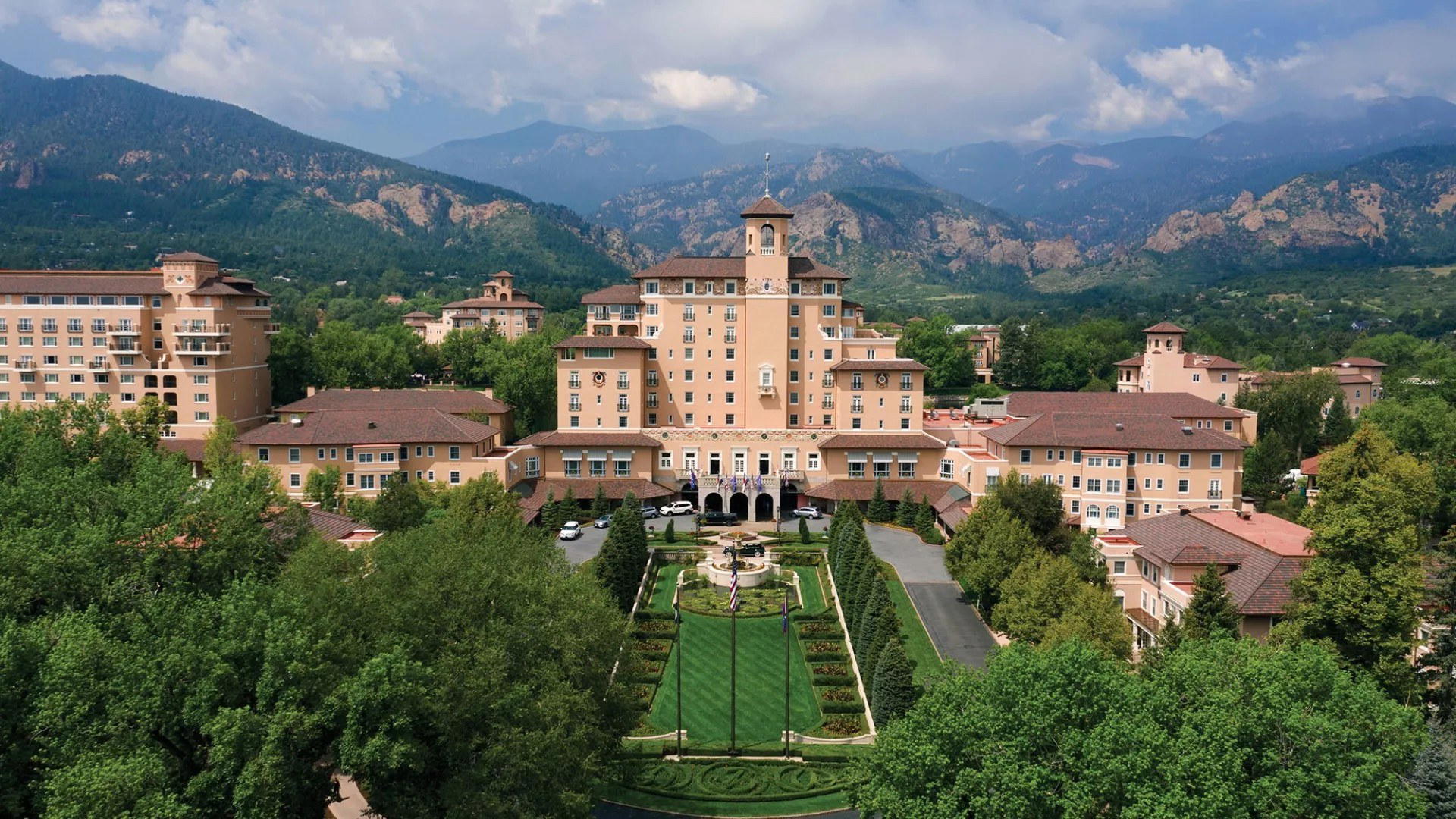
Summit sits inside Broadmoor Hall, just outside the main resort building. The location is worth noting because the property is large enough that navigation without help can add time to an arrival. The concierge desk can provide both a map and direct guidance, which is the practical move for first-time visitors. Dinner is the only service offered, so the evening is the entire window. Reservations are required.
The dress code is smart casual, which positions Summit in the same general register as other serious American tasting-menu rooms, from The Inn at Little Washington to Saga in New York City, without requiring formal attire. The kitchen accommodates gluten-free and vegetarian options, and the restaurant is listed as kid-friendly, though the tasting-menu format and dinner-only service make it a better fit for older children who can engage with a multi-course meal at that pace. Valet parking is available alongside self-parking. Private dining is an option for groups.
For anyone building a broader picture of what Colorado Springs offers at the table, Summit sits inside a city where fine dining is genuinely scarce relative to its Rocky Mountain neighbors. It is the most coherent case that the city makes for ambitious, sourcing-driven American cuisine. Our full Colorado Springs restaurants guide maps the wider field, and guides to hotels, bars, wineries, and experiences in the city cover the surrounding options.
For context on where American farm-to-table fine dining is moving more broadly, the programs at Providence in Los Angeles, Alinea in Chicago, Next Restaurant in Chicago, Albi in Washington, D.C., and The French Laundry in Napa each represent different answers to the same question Summit is working through: what does serious American cuisine look like when it commits fully to place and season. Summit's answer, built on a resort's agricultural infrastructure and a chef with genuine agronomic roots, is one of the more grounded versions of that argument in the Mountain West.
Frequently asked questions
Can I bring kids to Summit?
What kind of setting is Summit?
What do people recommend at Summit?
Fast Comparison
| Venue | Cuisine | Price | Awards | Notes |
|---|---|---|---|---|
| SummitThis venue (the venue you are viewing) | Contemporary American Brasserie | Not listed | Wine Spectator Best of Award of Excellence · Forbes 4-Star | Not listed |
| Le Bernardin | French Seafood Fine Dining | $300–500 | 3 Michelin Stars · World's 50 Best #13 | French, Seafood |
| Atomix | Modern Korean Tasting Menu | $300–500 | 2 Michelin Stars · World's 50 Best #7 | Modern Korean, Korean |
| Lazy Bear | Modern American Tasting Menu | Not listed | 2 Michelin Stars · World's 50 Best #25 | Progressive American, Contemporary |
| Alinea | Avant-Garde Molecular Gastronomy | $300–500 | 2 Michelin Stars · World's 50 Best #37 | Progressive American, Creative |
| Masa | Seasonal Hokkaido Tempura Omakase | $150–200 | Tabelog 100 #34 | Sushi, Japanese |
Recognition history
Dated appearances from independent guides and award organizations, with the underlying list record or original source where available.
Forbes 4-Star
Forbes
Wine Spectator Best of Award of Excellence
Wine Spectator
Full recognition history (4 entries)
Forbes 4-Star
Forbes
Wine Spectator Best of Award of Excellence
Wine Spectator
Continue exploring
More in Colorado Springs
Restaurants in Colorado Springs
All restaurants in Colorado Springs →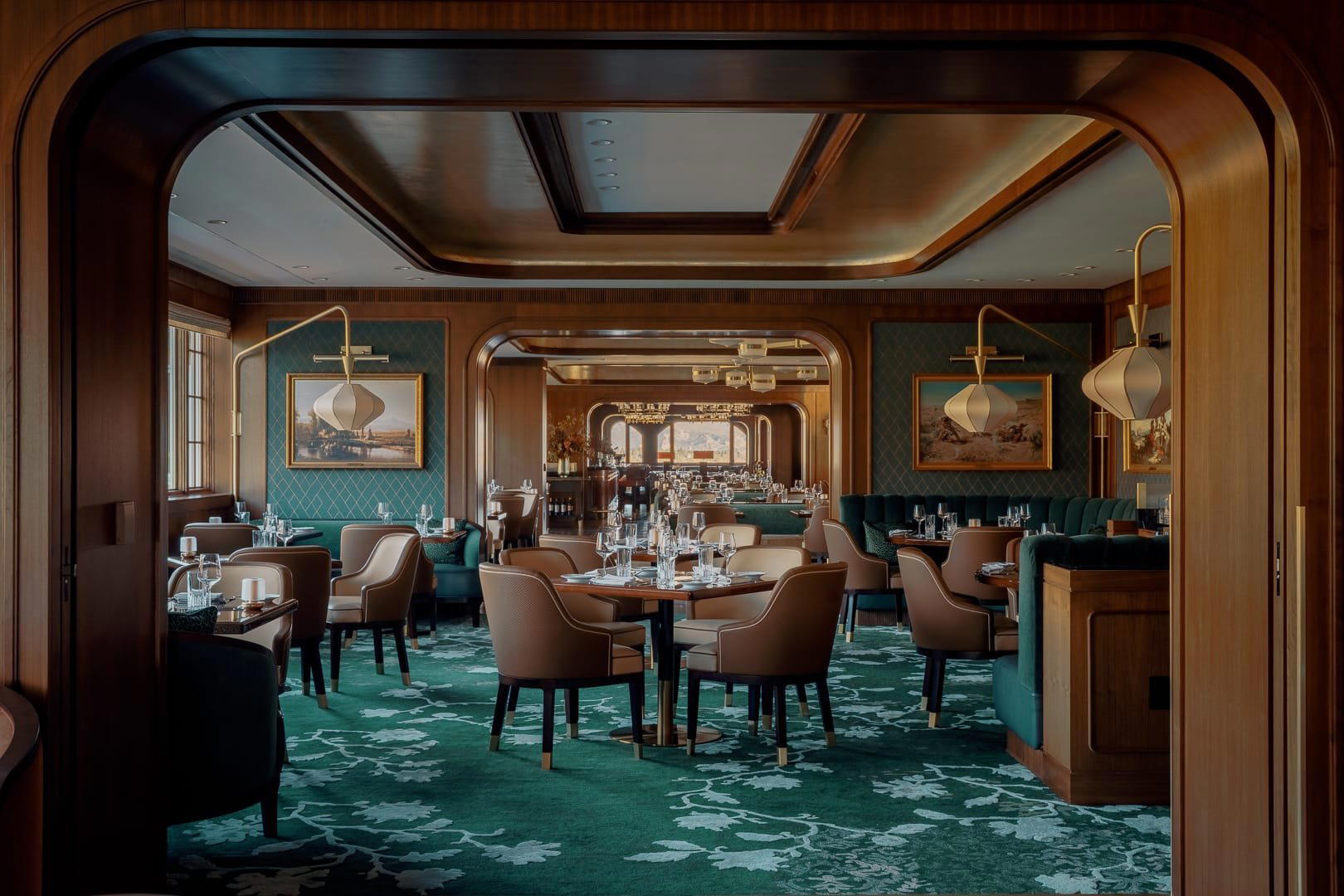


Summit
The wine
Summit holds the Wine Spectator Best of Award of Excellence, which Wine Spectator gives to lists of usually 350 or more selections.
- Wine Spectator
- Wine Spectator Best of Award of Excellence
- Selections
- 400
- Bottles in cellar
- 2,500
- List strengths
- California, France
- Wine director
- Jake Zubrod
- Extensive wine list
- Craft cocktails
Details
- Elegant
- Modern
- Sophisticated
- Date Night
- Special Occasion
- Celebration
- Hotel Restaurant
- Private Dining
- Extensive Wine List
- Craft Cocktails
- Local Sourcing
- Mountain
Current opening hours
- Monday
- 5–9 PM
- Tuesday
- 5–9 PM
- Wednesday
- 5–9 PM
- Thursday
- 5–9 PM
- Friday
- 5–9 PM
- Saturday
- 5–9 PM
- Sunday
- Closed
Hours can change for holidays and private events. Last verified .
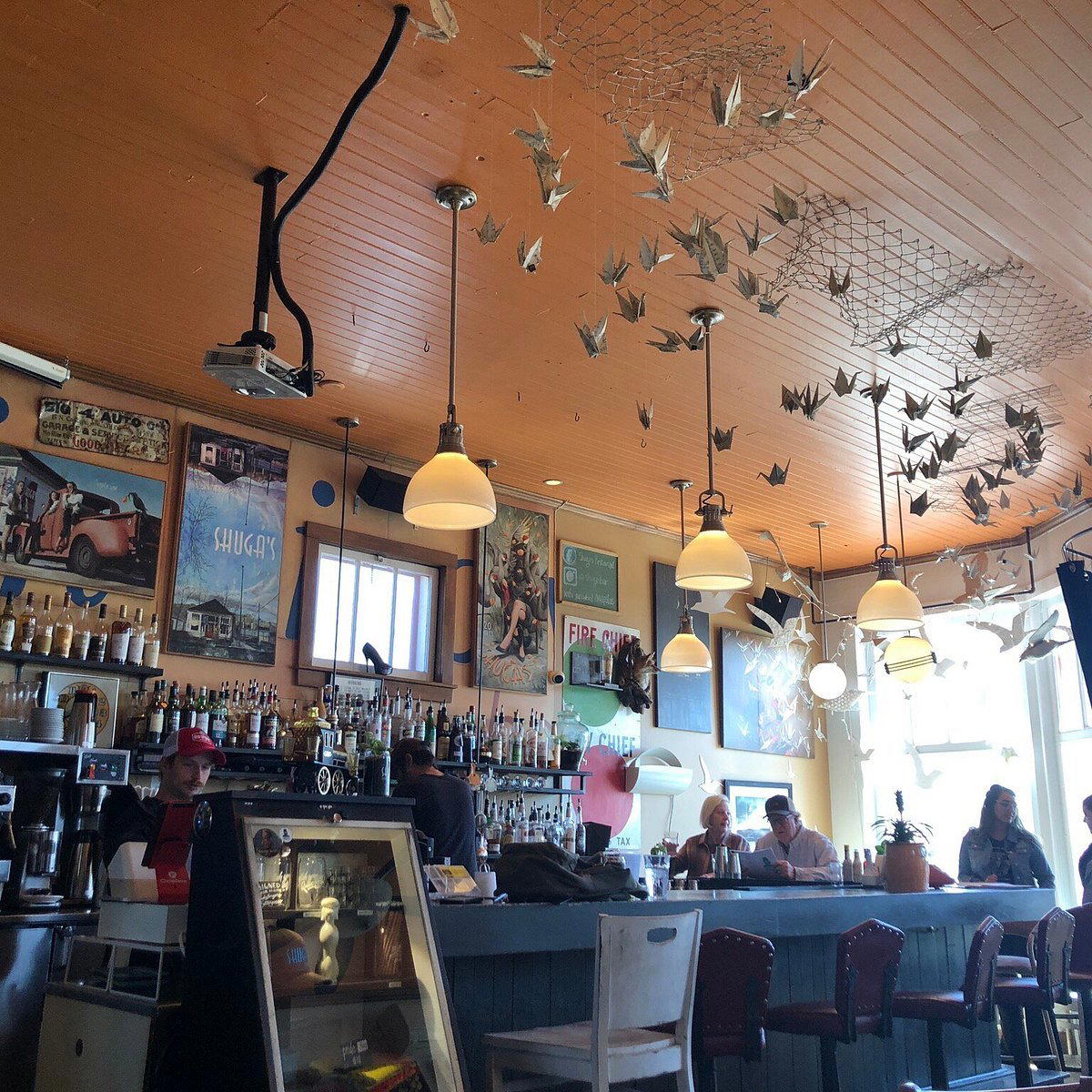
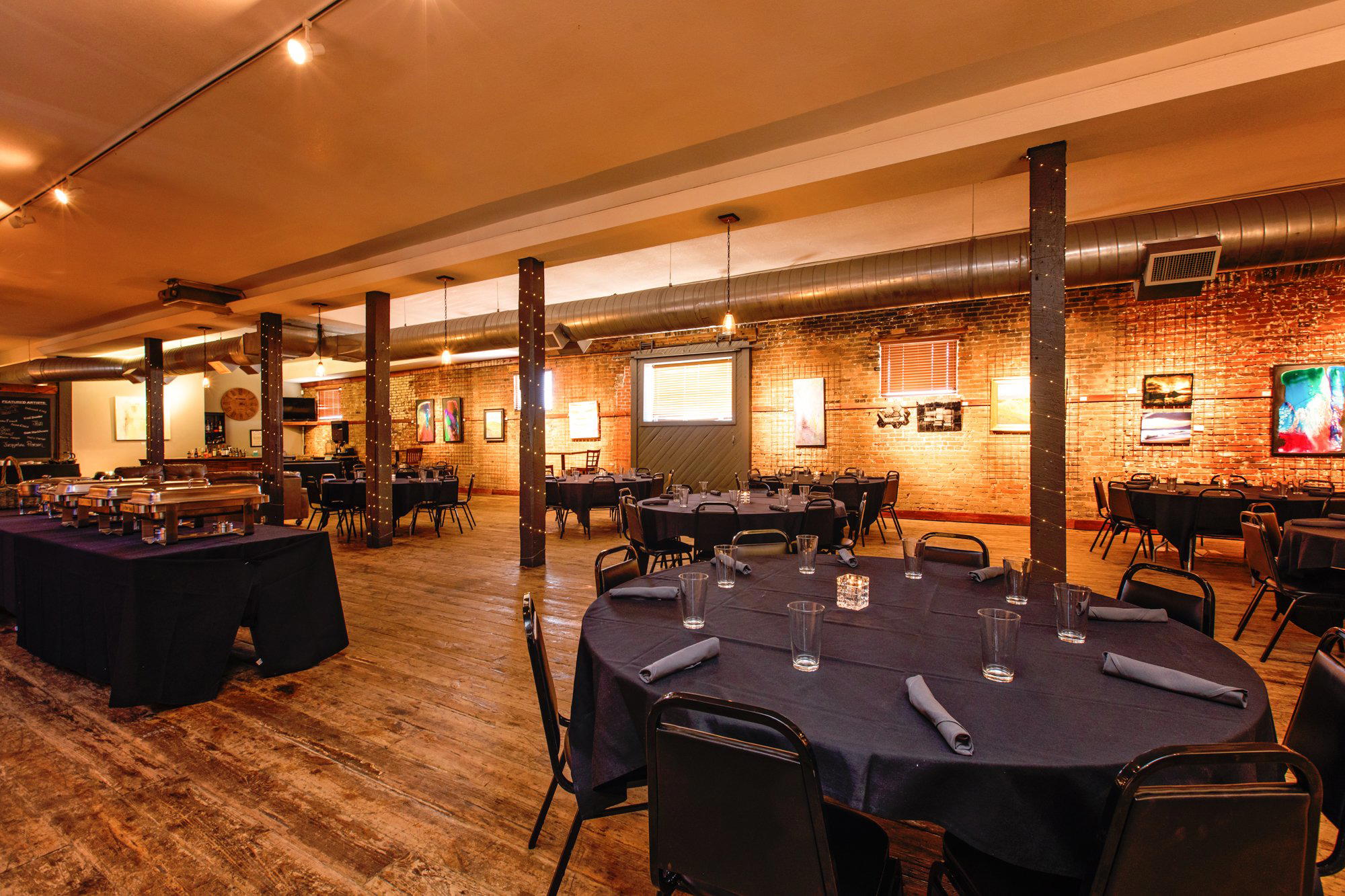
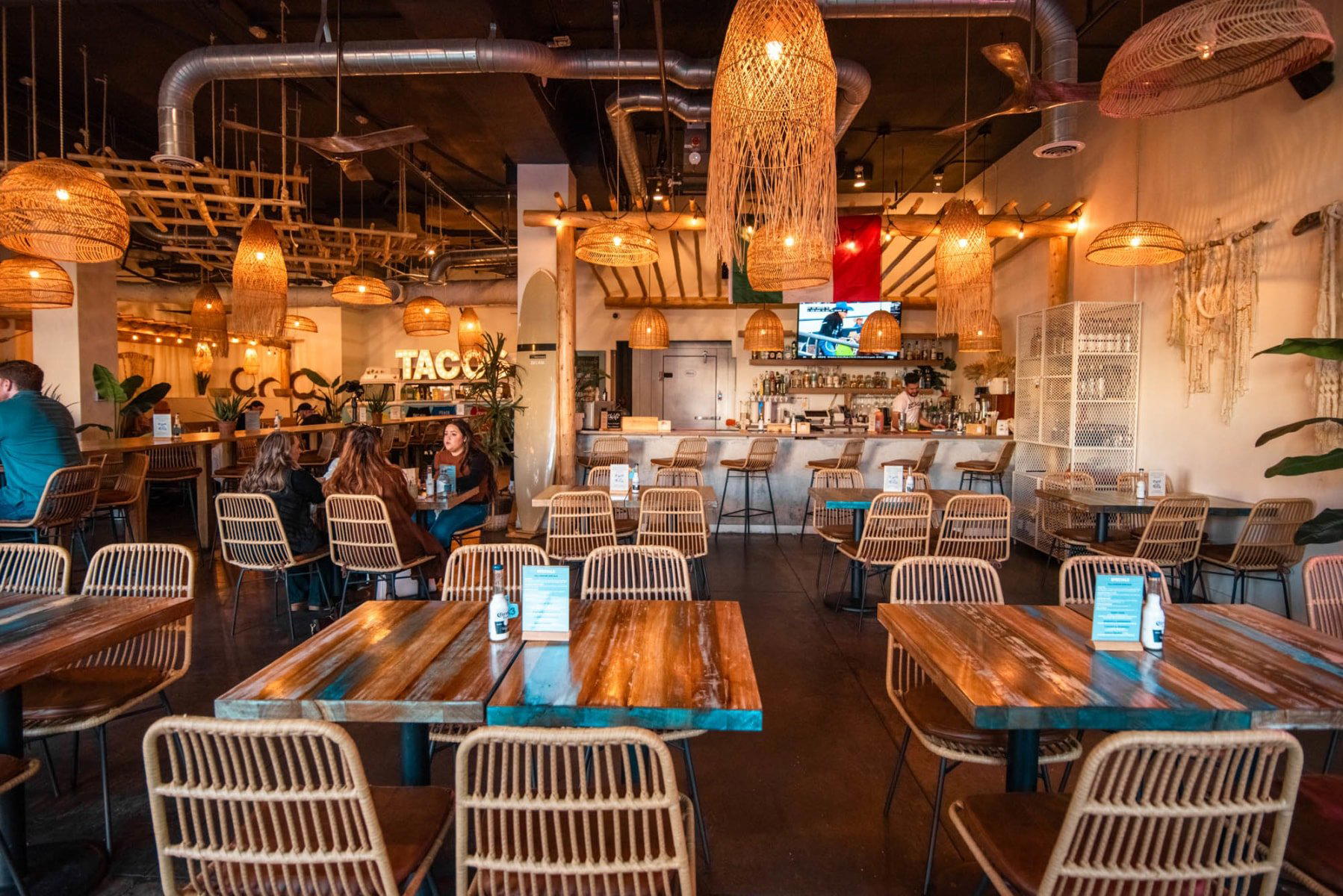
Modern design featuring wood, metal, glass, leather, and fabrics evoking a natural feel with Pike's Peak inspiration; elegant yet sometimes crowded and lively atmosphere.