Ivywild School
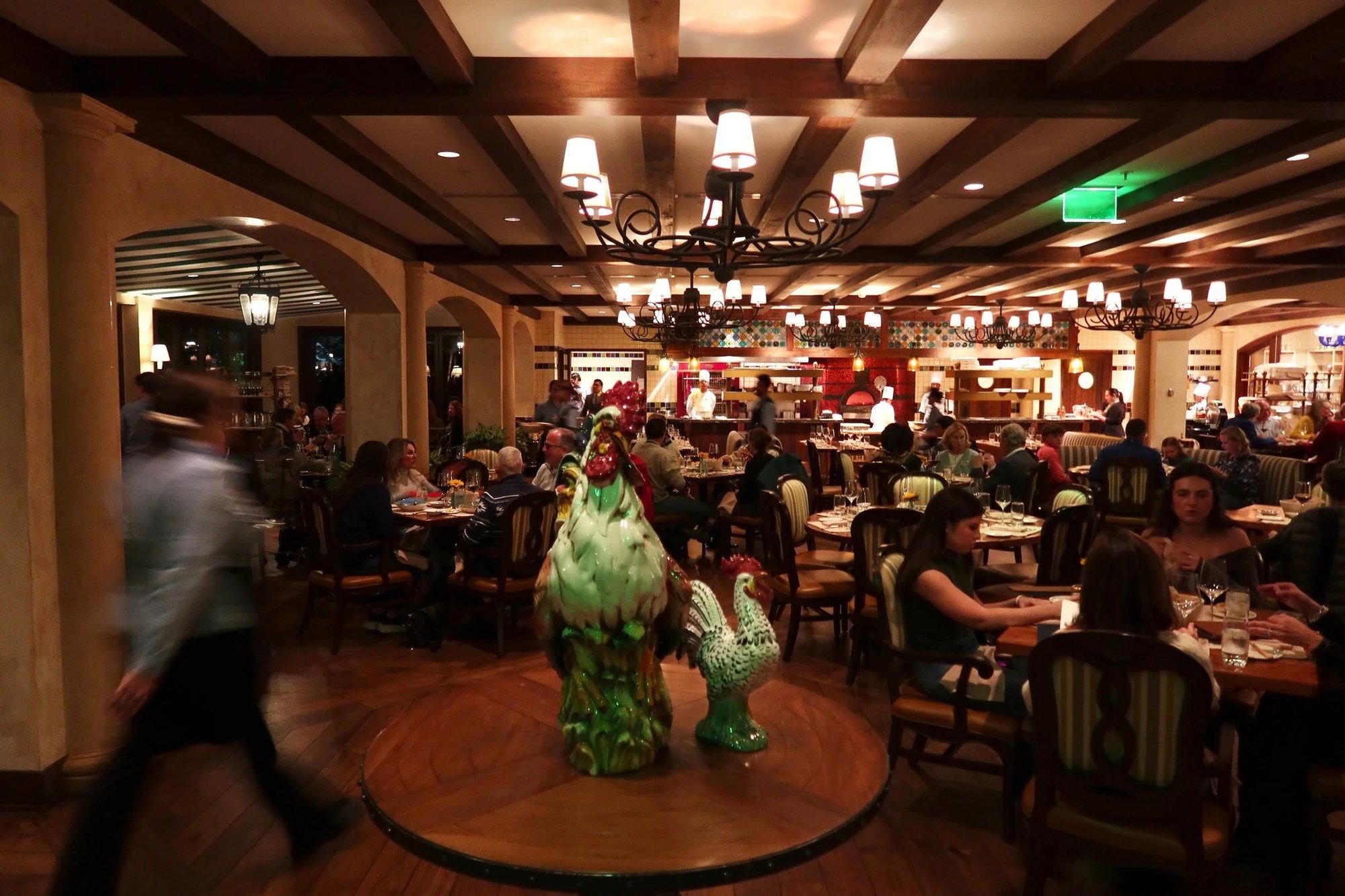
A converted 1924 elementary school on South Cascade Avenue, Ivywild School has become one of Colorado Springs' most distinctive gathering places, housing a brewery, bakery, coffee bar, and rotating food vendors under one adaptive-reuse roof. The format rewards drop-in visits over formal reservations, and the communal atmosphere draws a broad cross-section of the city throughout the week.

Pearl is the En Primeur Club membership app, where members save venues, book tables and use the concierge.
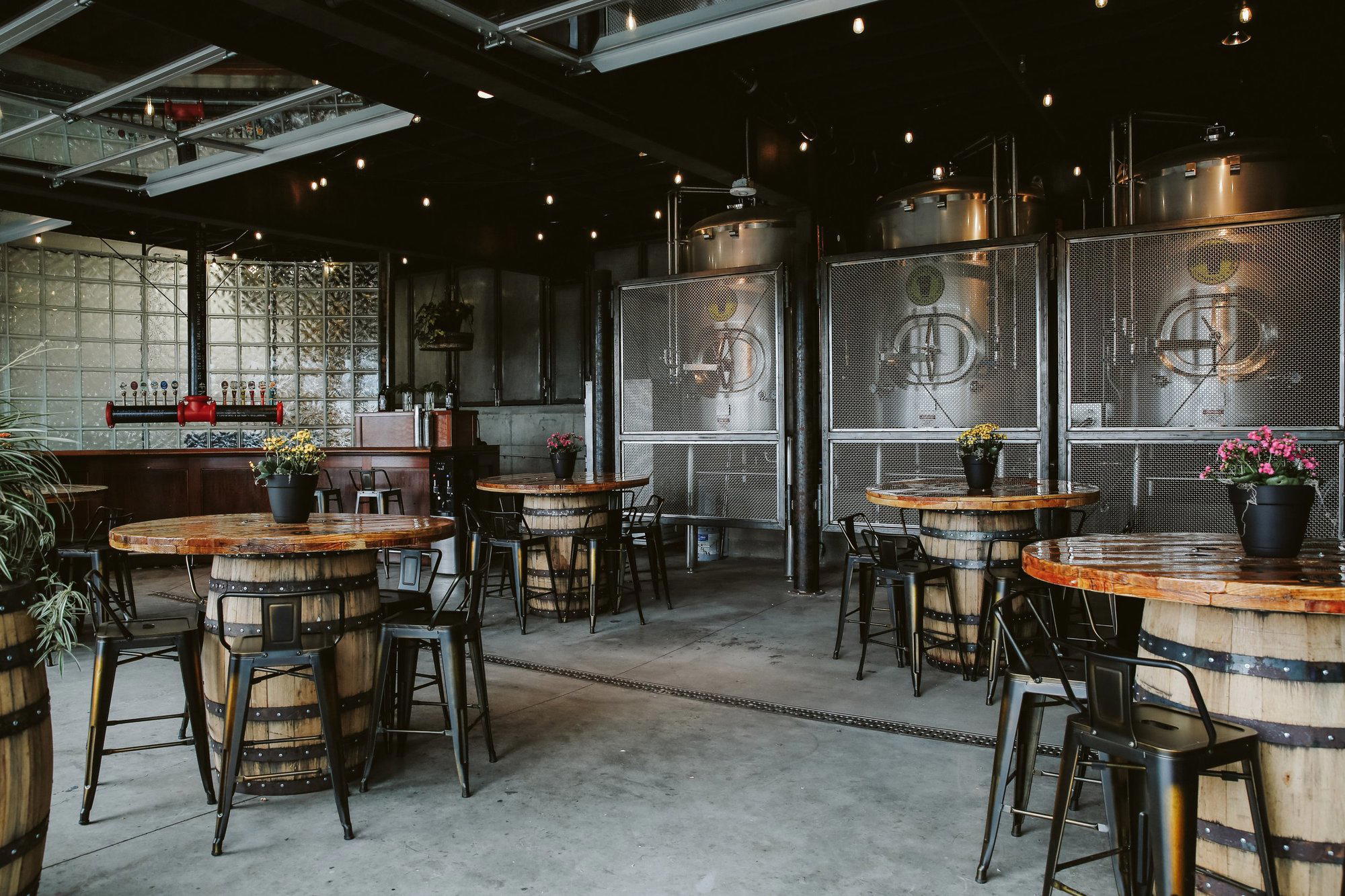
A School Repurposed, A Neighborhood Anchored
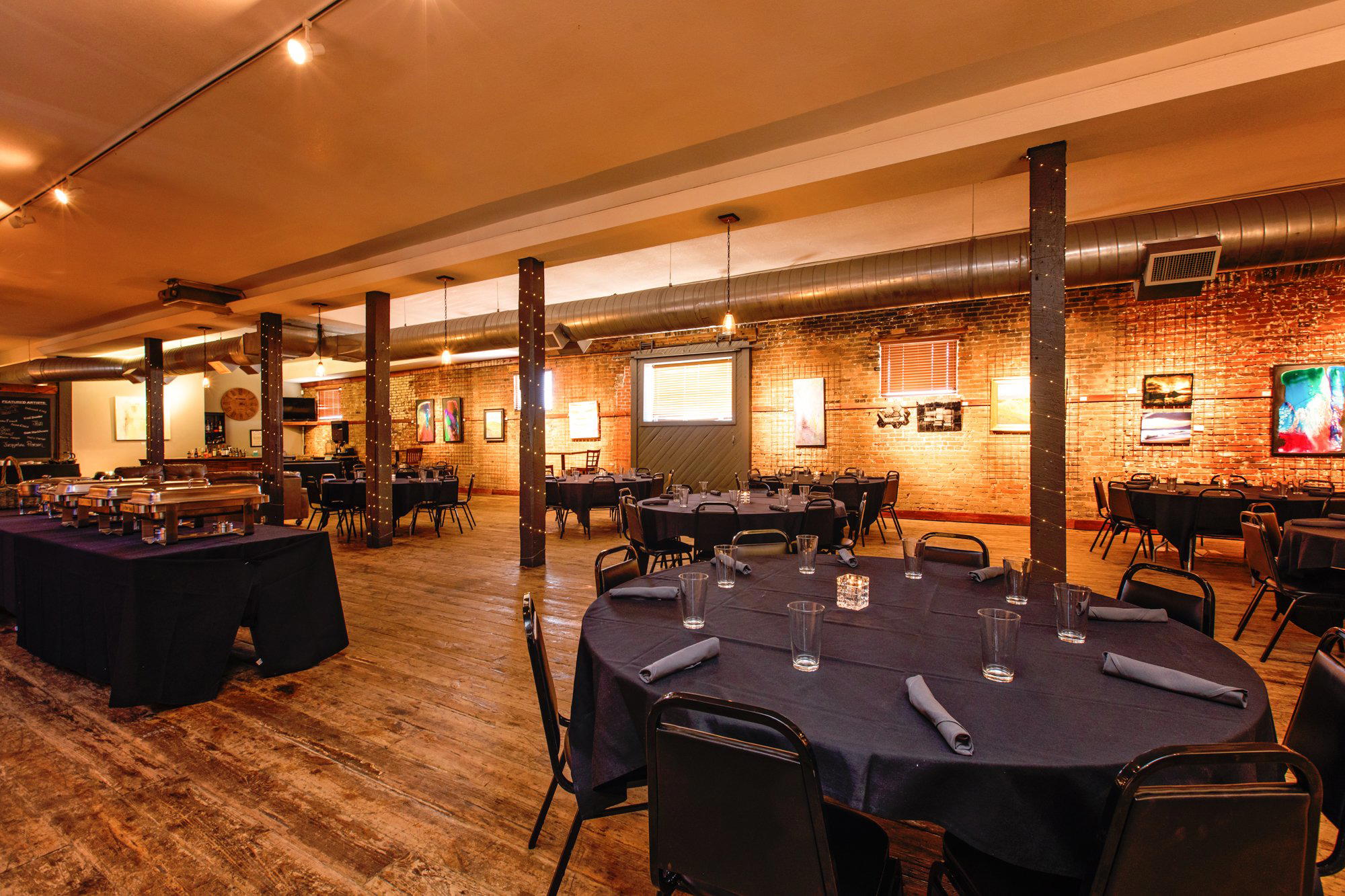
Colorado Springs has no shortage of strip-mall breweries and generic tap rooms, but the conversion of a 1924 public elementary school on South Cascade Avenue into a multi-vendor food and drink hall represents a different kind of civic bet. Adaptive reuse projects of this scale tend to succeed or fail on the same variable: whether the building's bones are strong enough to carry the concept, or whether the architecture becomes a novelty that wears off after one visit. At Ivywild School, the bones hold. Original terrazzo floors, high transomed windows, and gymnasium-scale ceilings create a spatial register that a purpose-built food hall can't manufacture. The building does half the work before anything is poured or plated.
How the Format Reads on the Floor
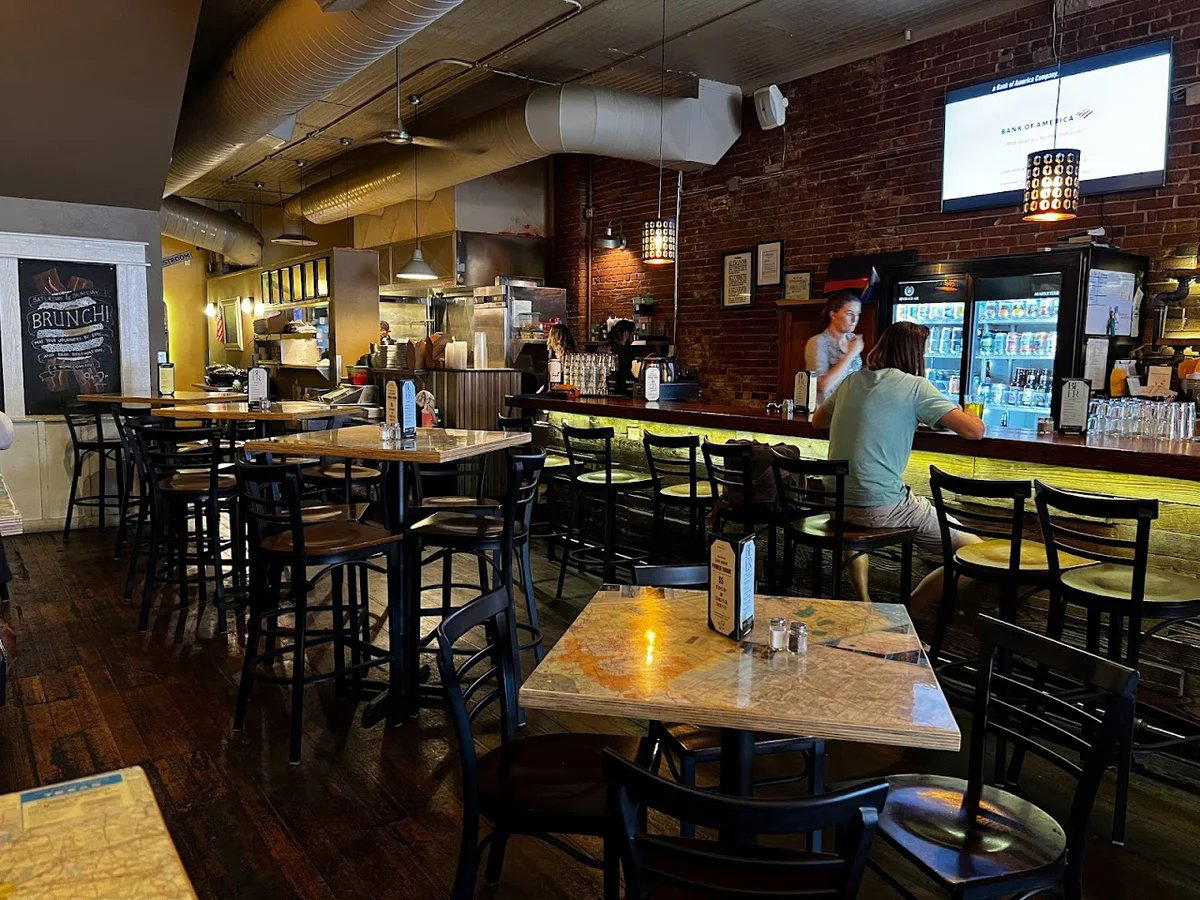
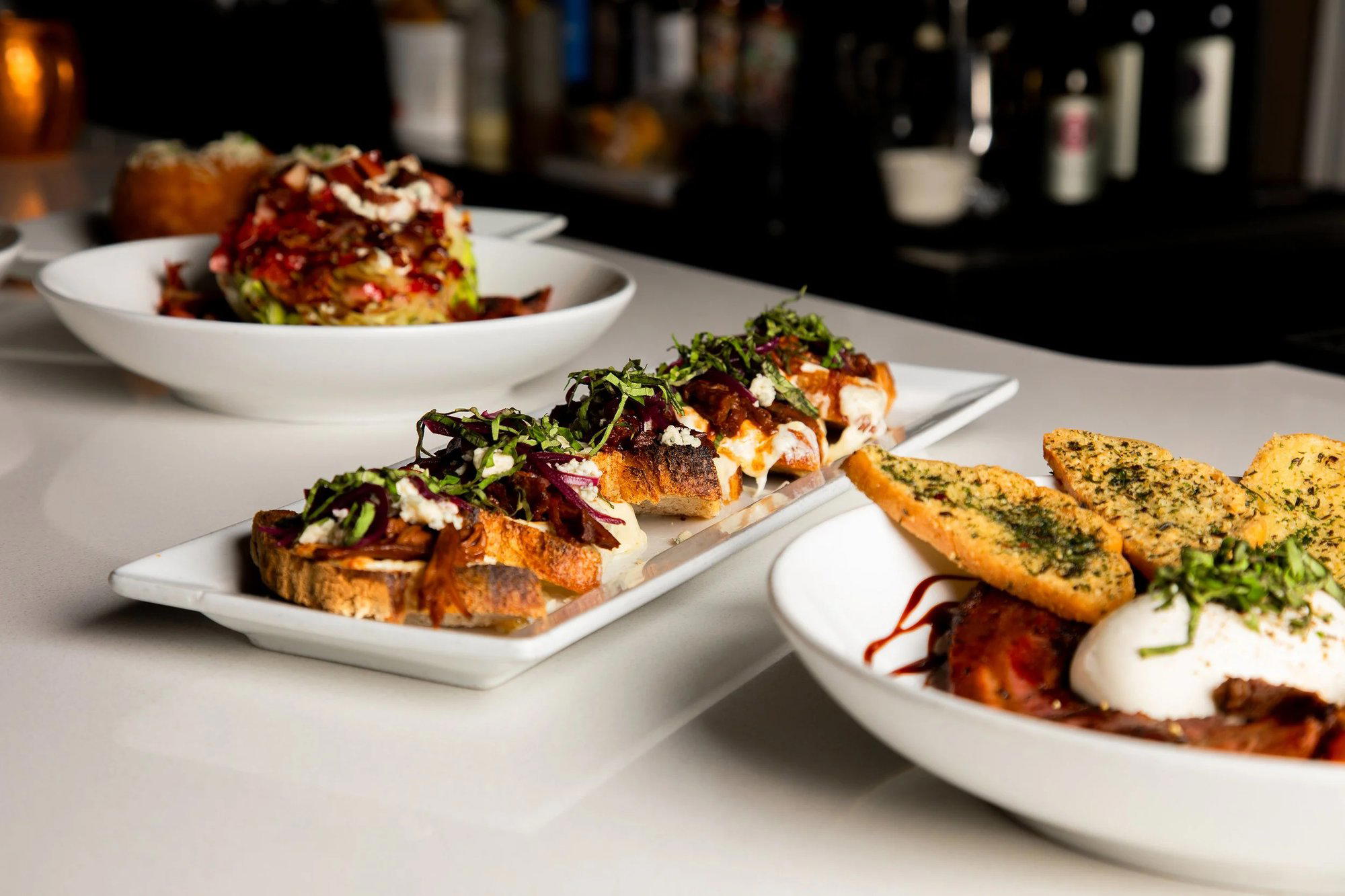
The menu architecture at Ivywild School is less a single list and more a federated model: multiple independent operators sharing a common space, each with its own identity and output. This structure has become increasingly common in secondary American cities over the past decade, as developers and operators recognize that a single-concept venue carries more risk than a mixed-use platform. What distinguishes the Ivywild execution is that the building imposes a coherent atmosphere on tenants that would otherwise read as a loose collection of food stalls. You're not in a converted warehouse with a corrugated-metal aesthetic; you're inside a school that has been carefully maintained, and that specificity of place gives each vendor a shared context to work within.
The anchor tenant is a brewery, which in Colorado is less a novelty than a baseline expectation. Colorado's craft beer density is among the highest per capita in the country, and Colorado Springs has developed its own cluster of serious production breweries. Within that context, the beer program at Ivywild functions as a hub around which the other vendors orbit rather than as a destination in isolation. Visitors who come specifically for the beer will find it alongside baked goods, coffee, and rotating food options, which changes the social logic of the visit from a drinking errand into something closer to an afternoon. That shift in duration is commercially significant and editorially telling: the format is designed to extend dwell time rather than optimize for throughput.
Colorado Springs' Brewing Culture as Context
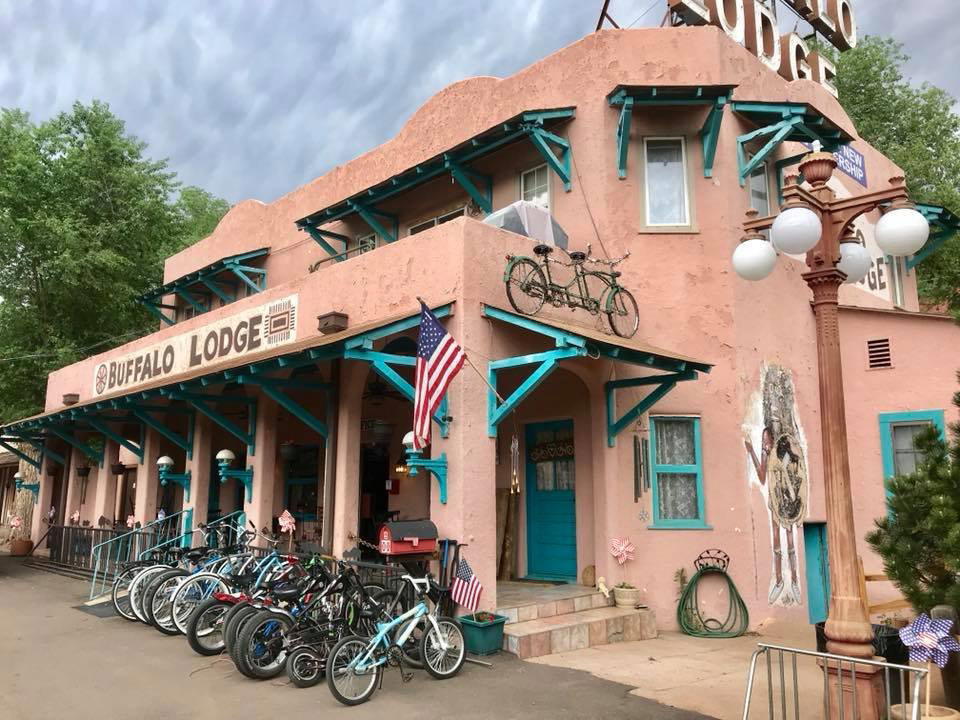
Colorado Springs has developed a range of brewery formats, from production-focused operations to neighborhood tap rooms with tight food programs. Cerberus Brewing Company represents one node in that network, with its own distinct identity and production focus. Burrowing Owl occupies a different register, as does Buffalo Lodge Bicycle Resort, which layers outdoor recreation culture into its hospitality proposition. 503W brings yet another format into the mix. Ivywild's position among these is defined less by what it brews and more by what it has built around the beer: the converted-school infrastructure, the multi-vendor model, and the family-accessible atmosphere that a gymnasium-scale space naturally produces.
Nationally, the bar and brewery category has seen a pronounced shift toward format differentiation. Venues that once competed purely on tap list quality now compete on total experience design. Bars like Kumiko in Chicago, Bar Leather Apron in Honolulu, and Jewel of the South in New Orleans have built reputations on program precision and technical depth. Julep in Houston, Superbueno in New York City, ABV in San Francisco, and The Parlour in Frankfurt on the Main each occupy specialist positions defined by a clear editorial point of view about what drinking should be. Ivywild operates in a different register entirely: it is not a precision cocktail bar or a single-minded production brewery, but a civic gathering space that uses hospitality as its organizing principle. The comparison is less useful across formats and more useful within the secondary-city food hall category, where Ivywild's longevity and neighborhood integration mark it as a reference point rather than an outlier.
What the Building Tells You About the Visit
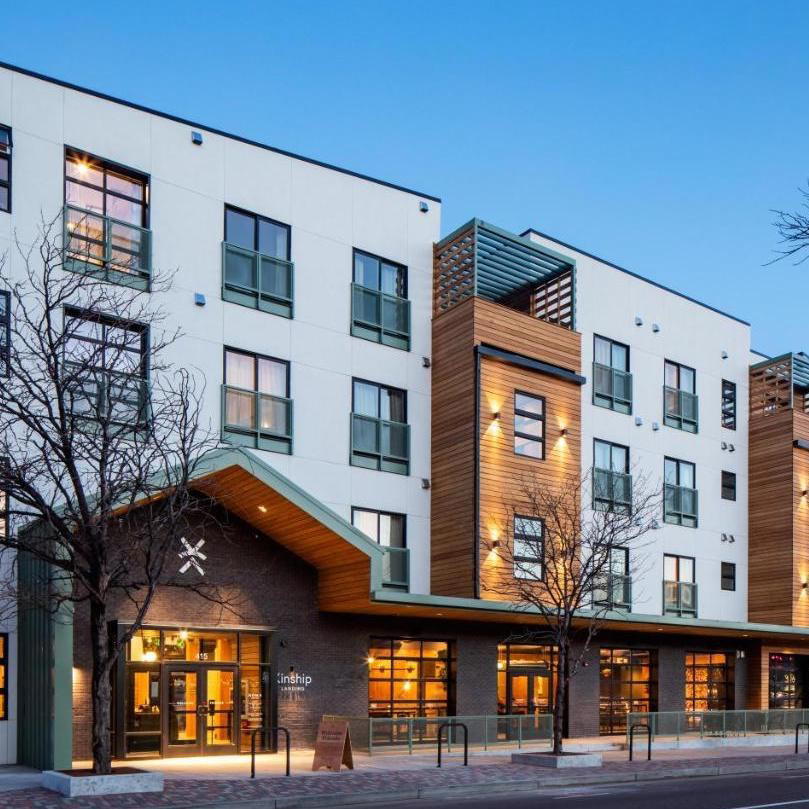
Arriving at 1604 S Cascade Ave, the building signals its own history before you reach the door. School architecture from the 1920s was built to project civic permanence, and this structure does exactly that: brick construction, symmetrical facade, the kind of proportional confidence that contemporary commercial buildings rarely attempt. Inside, the spatial experience shifts between intimate and expansive depending on which room you're in, a function of the original floor plan that subdivided large institutional spaces into smaller classrooms. That spatial variety is an asset in a multi-vendor environment: different vendors can claim different zones without the whole space reading as undifferentiated.
For practical planning purposes, the Ivywild format rewards visits at off-peak hours, when the communal seating fills to a point that changes the energy of the room. Weekend afternoons draw families and cyclists from the surrounding South End neighborhoods, while weekday visits offer a quieter read of the building itself. The address on South Cascade places it within reach of the city's broader South End, a corridor that has accumulated enough independent food and drink operations to constitute a genuine alternative to the downtown cluster. See our full Colorado Springs restaurants guide for a complete map of how the city's dining geography is organized.
Planning Your Visit
Ivywild School operates as a drop-in venue rather than a reservation-driven dining room. The multi-vendor structure means that no single operator controls the full experience, and visitors typically self-select across vendors depending on appetite and time of day. The coffee bar functions as a morning entry point; the brewery and food vendors take over from midday onward. Given the building's capacity and communal seating model, the venue handles groups without the friction that a single-concept restaurant would impose. Specific hours, current vendor lineup, and any ticketed programming should be confirmed directly with the venue before visiting, as the federated model means the offering can shift with individual tenant changes.
Recognition Snapshot
Comparable venues nearby, for context on price, style, and recognition.
| Venue | Cuisine | Price | Notes |
|---|---|---|---|
| Ivywild SchoolThis venue (the venue you are viewing) | pub | $20–30 | Not listed |
| Piglatin Cocina | cocktail_bar | $20–30 | Not listed |
| Zocalo Colorado | lounge | $30–50 | Downtown Colorado Springs |
| Tong Tong Korean Restaurant | Bar | Not listed | Southeast Colorado Springs |
| The Public House at The Alexander | pub | $10–20 | North Nevada Avenue |
| Tony's | dive_bar | $10–20 | downtown |
Continue exploring
More in Colorado Springs
Bars in Colorado Springs
All bars in Colorado Springs →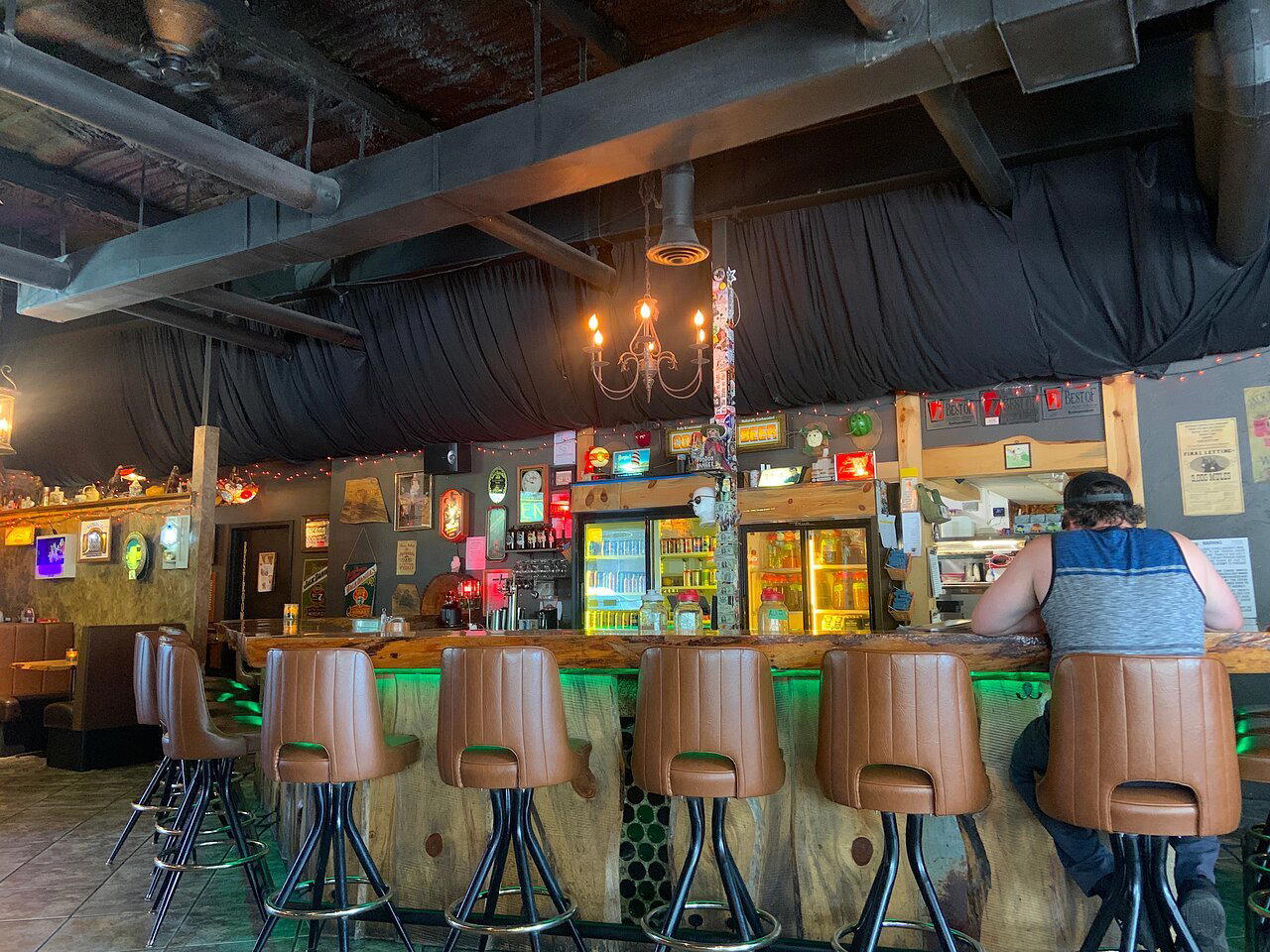
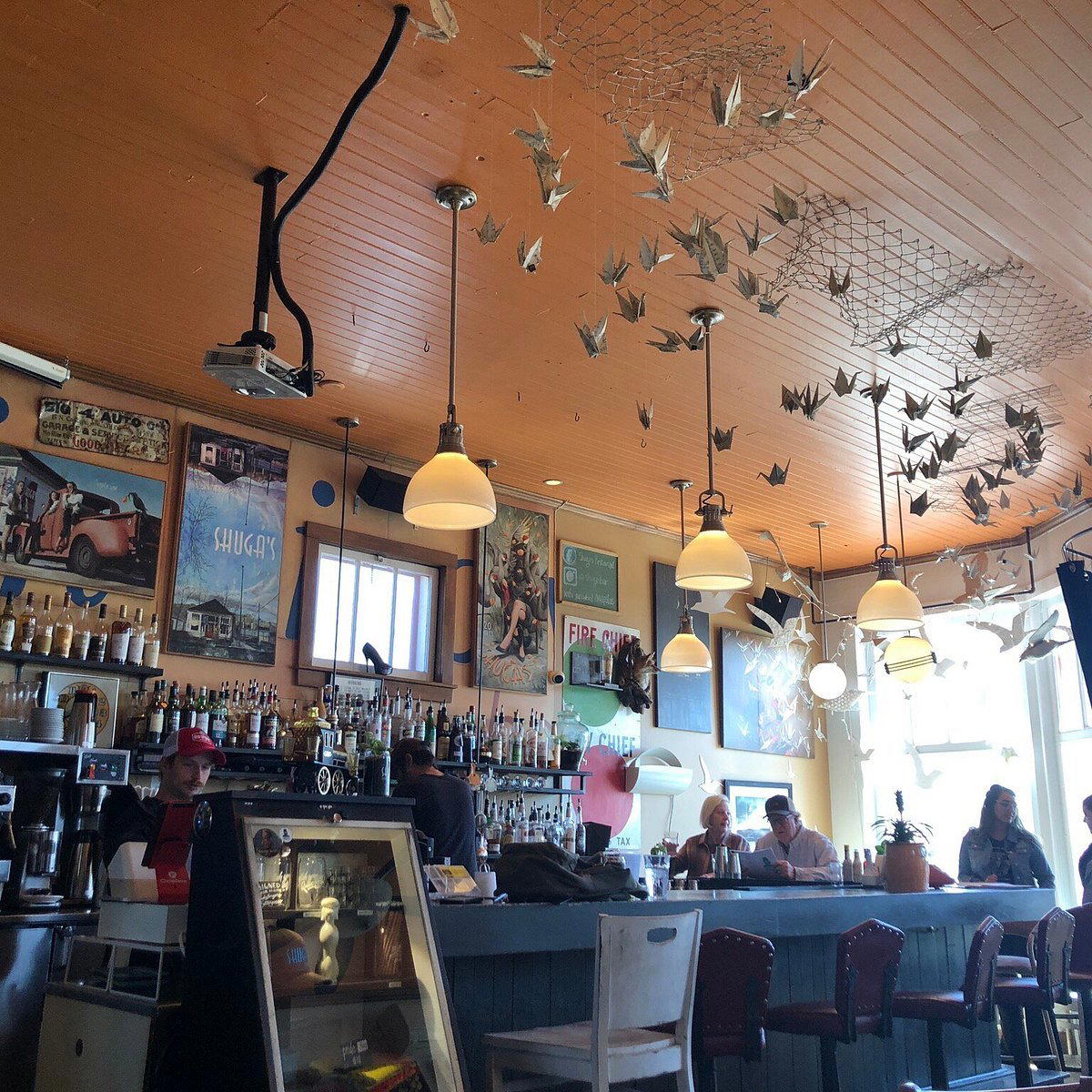
Ivywild School
The drinks
- Craft cocktails
- Craft beer
Signature drinks: Laughing Lab, P.O. Old Fashioned.
Details
- Rustic
- Lively
- Cozy
- Industrial
- Casual Hangout
- Group Outing
- After Work
- Live Music
- Historic Building
- Courtyard
- Lounge Seating
- Outdoor Terrace
- Communal Tables
- Craft Cocktails
- Craft Beer
- Whiskey
Current opening hours
- Monday
- 11 AM–10 PM
- Tuesday
- 11 AM–10 PM
- Wednesday
- 11 AM–10 PM
- Thursday
- 11 AM–10 PM
- Friday
- 11 AM–12 AM
- Saturday
- 11 AM–12 AM
- Sunday
- 11 AM–10 PM
Hours can change for holidays and private events. Last verified .
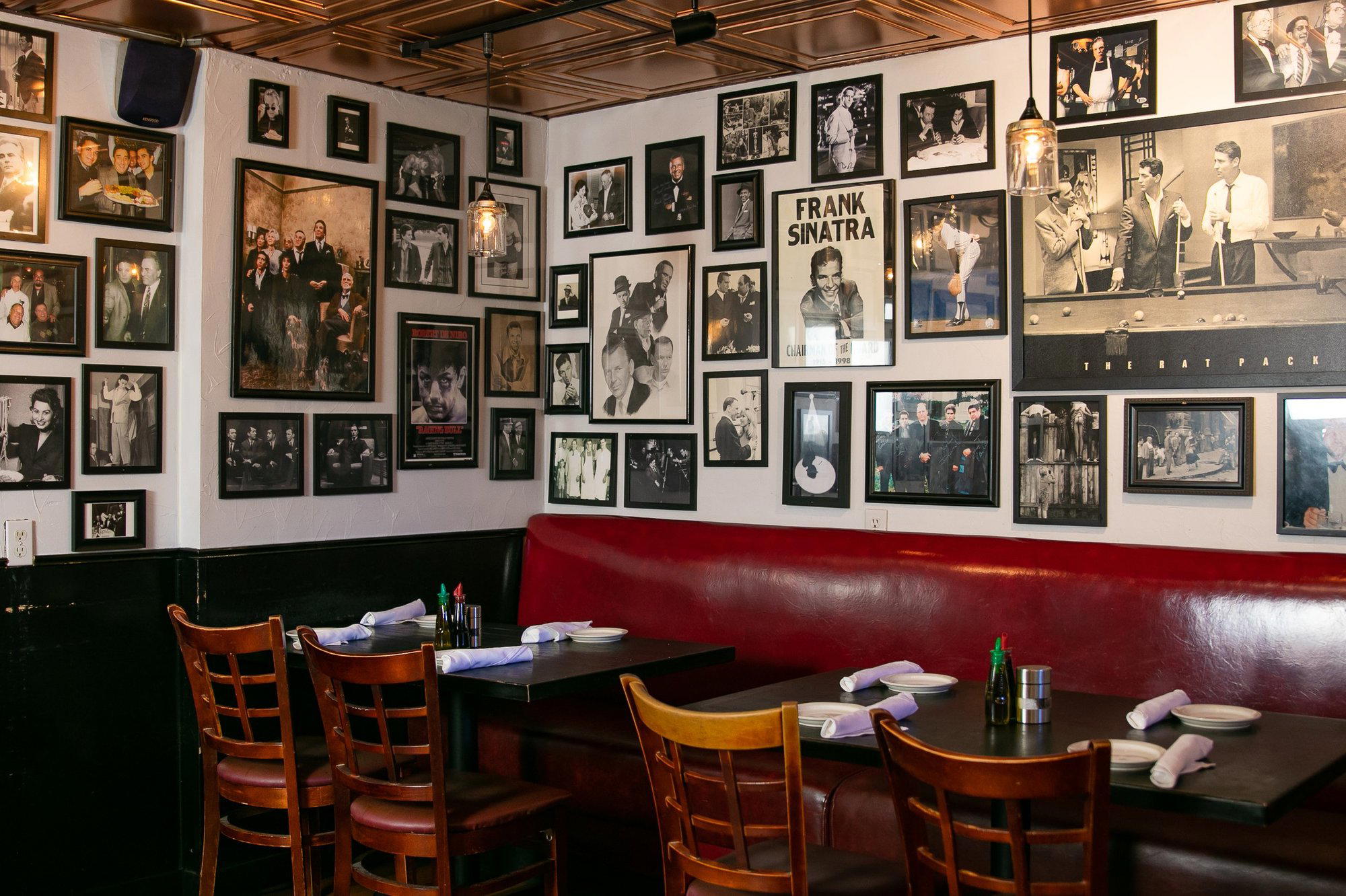
Laid-back and energetic atmosphere in a historic school building with wide hallways, sunny patios, and brewhouse views, blending casual comfort with lively community vibes.