The Ranch at Emerald Valley


USA Today Best Ranches Best Ranches #13
Set within 7,000 acres of Colorado wilderness, The Ranch at Emerald Valley operates under The Broadmoor's hospitality umbrella as an all-inclusive retreat for just 30 guests. Horseback riding, fly-fishing, cattle work, and a farm-sourced culinary program define the daily rhythm. It is one of the most capacity-restricted luxury ranch experiences in the American West.

Pearl is the En Primeur Club membership app, where members save venues, book tables and use the concierge.
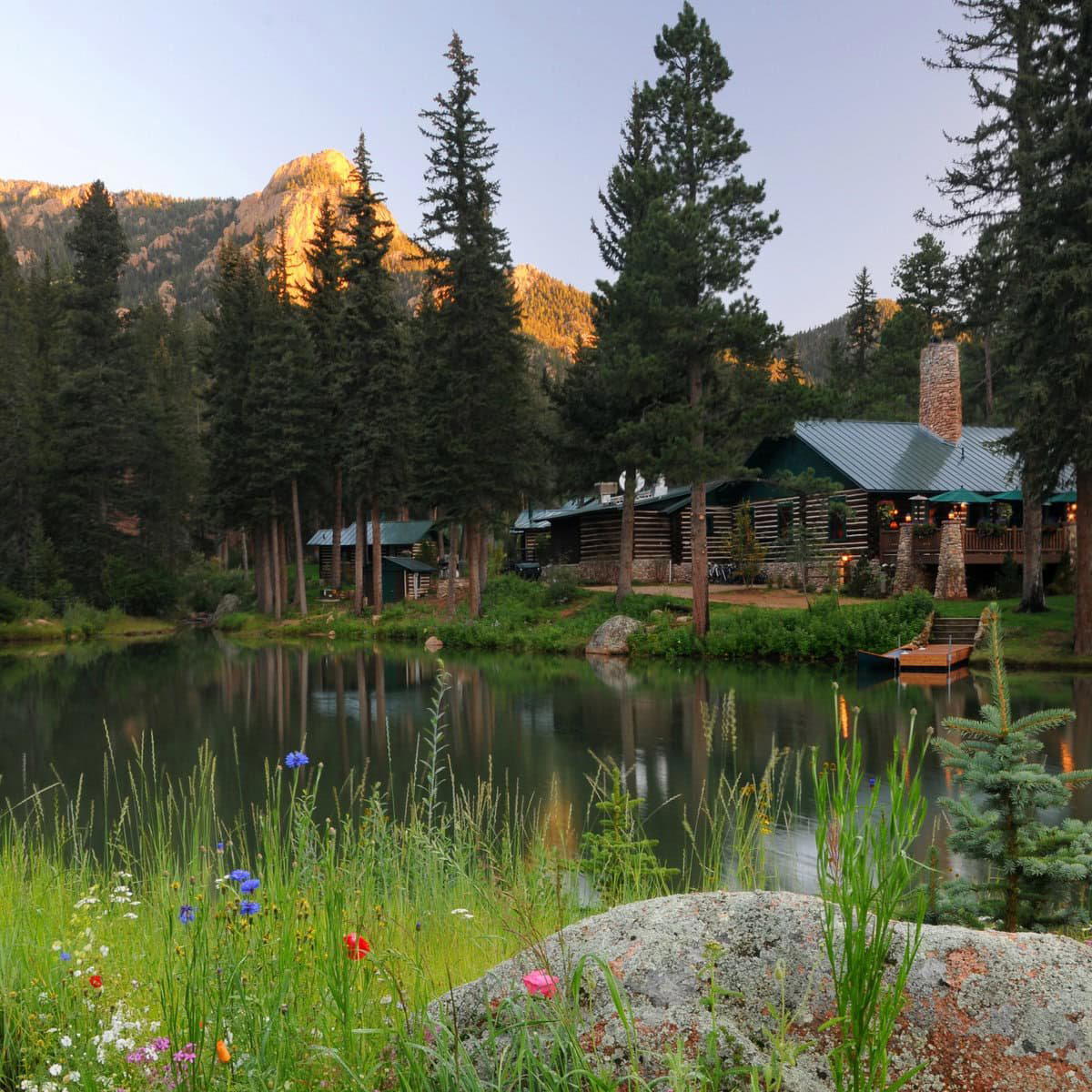
Where the Wilderness Sets the Terms
The approach to Emerald Valley does most of the work before a single bag is unpacked. The Pike National Forest closes in around the road, the altitude makes itself felt, and the 7,000 acres of working ranch land that frame the property establish something that no lobby design can manufacture: a genuine sense of remove. This is not a resort that simulates rurality. It is a functioning cattle operation that has been structured to accommodate guests, and the distinction matters. The rhythm of the place is set by the land, the livestock, and the season, not by a programming director with a whiteboard.
Capacity at 30 guests is the first editorial fact worth sitting with. In the American West's premium ranch tier, where properties like Amangani in Jackson Hole and Amangiri in Canyon Point have built reputations on controlled scale, a 30-guest ceiling is a structural commitment rather than a marketing claim. It shapes everything from the staff-to-guest ratio to the quality of personalisation that becomes possible across a multi-day stay.
The Service Architecture of a Small-Count Property
Luxury ranch hospitality in North America has evolved along two tracks. One route runs through large-footprint dude ranch operations that can accommodate hundreds of guests across sprawling acreage. The other, more recent track runs toward ultra-low-capacity properties where the logic of anticipatory service becomes operationally feasible. The Ranch at Emerald Valley operates firmly in the second category, and its service philosophy follows from that position.
At 30 guests, the staff can learn names, riding experience levels, dietary patterns, and fishing preferences before the second morning. This is not an abstract claim about personalisation but a mathematical reality: the ratio of attention to guest drops sharply once capacity exceeds 50, and at 30, something closer to a private-host model becomes possible. Properties like Little Palm Island Resort and Spa in Little Torch Key operate on a comparable logic of enforced intimacy through limited keys. The constraint is the feature.
The Broadmoor's hospitality infrastructure underpins the operation. The Broadmoor itself is one of the most decorated resort properties in the United States, and its operational standards travel with this outpost. Guests who want the full Colorado Springs context can read our full Colorado Springs restaurants guide for a wider picture of what the region offers, but the Ranch is deliberately designed to make departure feel unnecessary.
Activity, Terrain, and the All-Inclusive Logic
The all-inclusive format at properties of this type functions differently from its resort-chain counterpart. Here, inclusion is about removing friction from a day that begins with a trail ride and ends around a campfire rather than about buffet access. Horseback riding, fly-fishing, cattle work, hiking through aspen groves, and seasonal pursuits including hunting and cross-country skiing form the activity spine. The terrain, 7,000 acres of Colorado wilderness, provides the variety that would require a dozen different venues to replicate in an urban context.
Fly-fishing in particular occupies a distinct position in the Western luxury ranch canon. Access to private water, a competent guide, and the absence of a public-access crowd are the differentiating variables, and all three are structural benefits of a property operating at this scale on private land. Properties like Sage Lodge in Pray, Montana have built their reputation partly on the same logic of exclusive water access. The Ranch at Emerald Valley's position within the Pike National Forest adds a layer of protected landscape that distinguishes the surrounding terrain from privately held ranchland elsewhere in the West.
Guests seeking comparable wilderness immersion at similarly controlled scale elsewhere in the American West might weigh Alpine Falls Ranch in Superior or Ambiente, A Landscape Hotel in Sedona, though both operate in distinct terrain contexts. For those whose benchmark is a property like Post Ranch Inn in Big Sur, the Emerald Valley proposition trades coastal drama for high-altitude working ranch credibility.
The Culinary Program as Agricultural Expression
Ranch dining at the premium end of the American market has moved decisively away from the protein-and-starch formula that once defined the category. The Ranch at Emerald Valley's culinary program draws on Colorado's agricultural network and the property's own organic gardens, a sourcing model that places it in the same broad tradition as farm-to-table operations like SingleThread Farm Inn in Healdsburg, where the farming operation and the kitchen are treated as a single system.
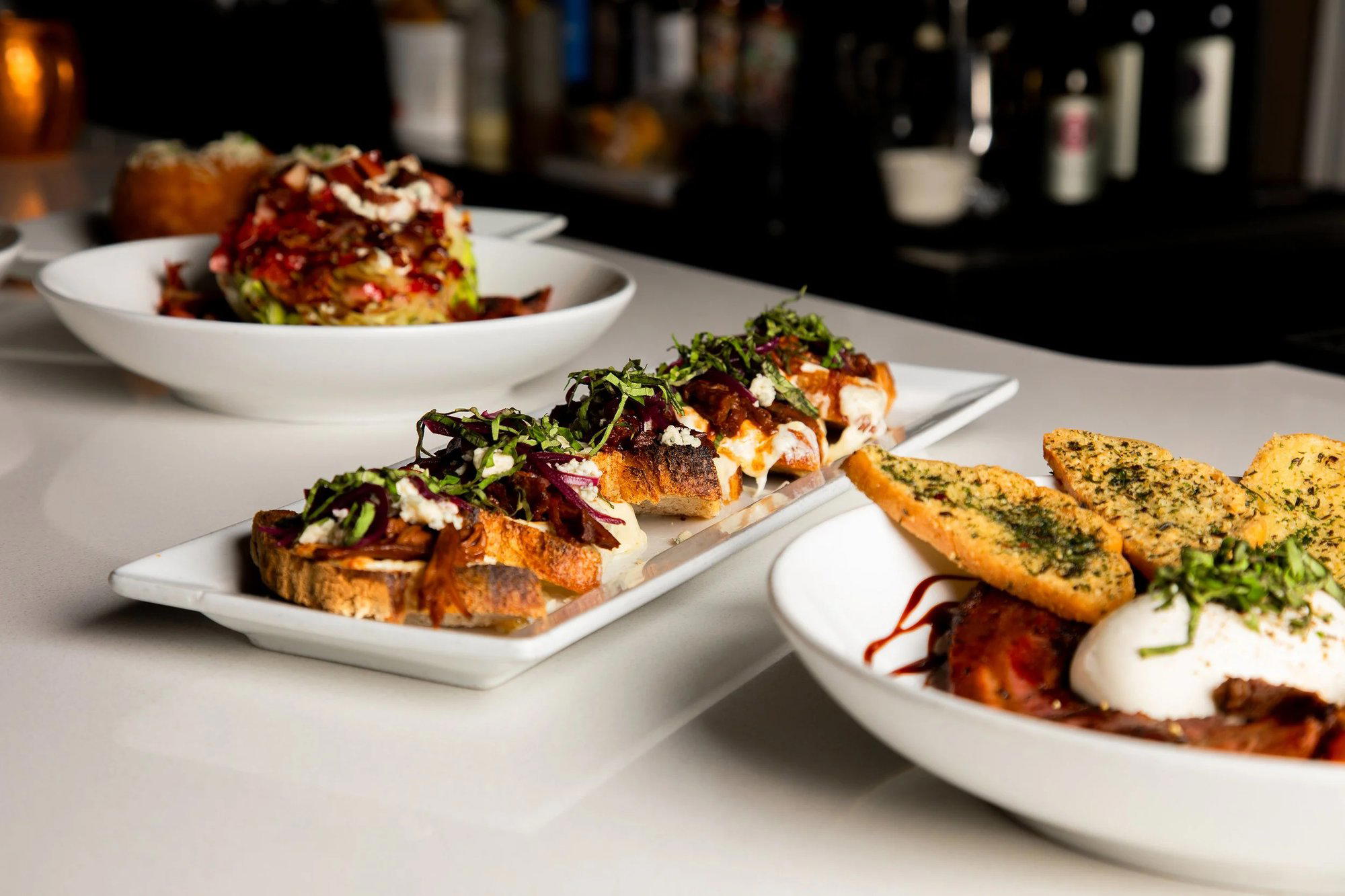
Campfire cooking as part of the guest experience sits at the intersection of authentic Western tradition and curated hospitality. The format works because it is genuinely tied to how the land gets used, not because it photographs well for a promotional campaign. Gourmet dining inside the lodge and campfire cooking in the field represent two registers of the same culinary commitment, one formal, one immediate, both grounded in Colorado ingredients.
Properties like Bernardus Lodge and Spa in Carmel Valley and Auberge du Soleil in Napa operate on a comparable philosophy of regional sourcing tied to a specific agricultural identity. The difference at Emerald Valley is the working ranch context: the cattle operation is not backdrop, it is the supply chain.
Conservation and the Long-Term Calculation
Premium wilderness hospitality increasingly positions conservation not as a brand value but as an operational necessity. A property drawing guests to high-altitude wilderness because of its ecological character has a self-interested reason to maintain that character. The Ranch at Emerald Valley's wildlife habitat restoration work and sustainable ranching practices reflect that calculation. For guests who factor environmental stewardship into their accommodation decisions, the all-inclusive structure also concentrates impact, limiting the sprawl of activity that would accompany a higher-volume operation across the same acreage.
This positions the property in the same conversation as wellness-focused wilderness retreats like Canyon Ranch Tucson in Tucson, though the Emerald Valley model is rooted in working land rather than wellness programming. The spa, which draws on indigenous plants and traditional healing practices, is a secondary pillar rather than the primary identity.
Planning Your Stay
The all-inclusive format means the principal booking decision is the stay length and timing rather than managing individual activity or dining costs. Colorado's ranch season has distinct chapters: summer brings the fullest activity calendar, while autumn introduces hunting season and the aspen colour shift that makes high-altitude Colorado one of the more photographed landscapes in the American West. Winter access and cross-country skiing extend the season for guests willing to trade warmer temperatures for quieter trails and a more contracted guest list.
Given the 30-guest ceiling, lead time matters. Properties in this capacity tier at comparable destinations, whether Kona Village, a Rosewood Resort in Kailua Kona or Troutbeck in Amenia, tend to book weeks or months ahead for peak season dates. The Ranch at Emerald Valley's connection to The Broadmoor provides a contact point for planning, and guests arriving via Colorado Springs can layer a city stay at the main Broadmoor property before or after the ranch component. Those travelling from further afield might compare notes with guests familiar with comparable remote luxury formats at Four Seasons at The Surf Club in Surfside or urban anchors like Raffles Boston, where the service register is formal and consistent, before arriving somewhere the informality is earned rather than performed.
Where It Fits
Comparable venues nearby, for context on price, style, and recognition.
| Venue | Cuisine | Price | Awards | Notes |
|---|---|---|---|---|
| The Ranch at Emerald ValleyThis venue (the venue you are viewing) | Luxury mountain retreat blending authentic Rocky Mountain cabin aesthetics with contemporary comfort and Broadmoor-level service. | $500–750 | USA Today Best Ranches Best Ranches #13 | Not listed |
| The Mining Exchange | Historic preservation meets contemporary luxury boutique hotel with rugged yet refined Western aesthetic. | $200–300 | 1 Michelin Key | downtown Colorado Springs |
| Hotel Polaris | Resort-style mid-century modern hotel inspired by the architectural heritage and aviation legacy of the U.S. Air Force Academy, designed as a contemporary interpretation of modernist principles. | $100–200 | Michelin Selected | North Gate of U.S. Air Force Academy |
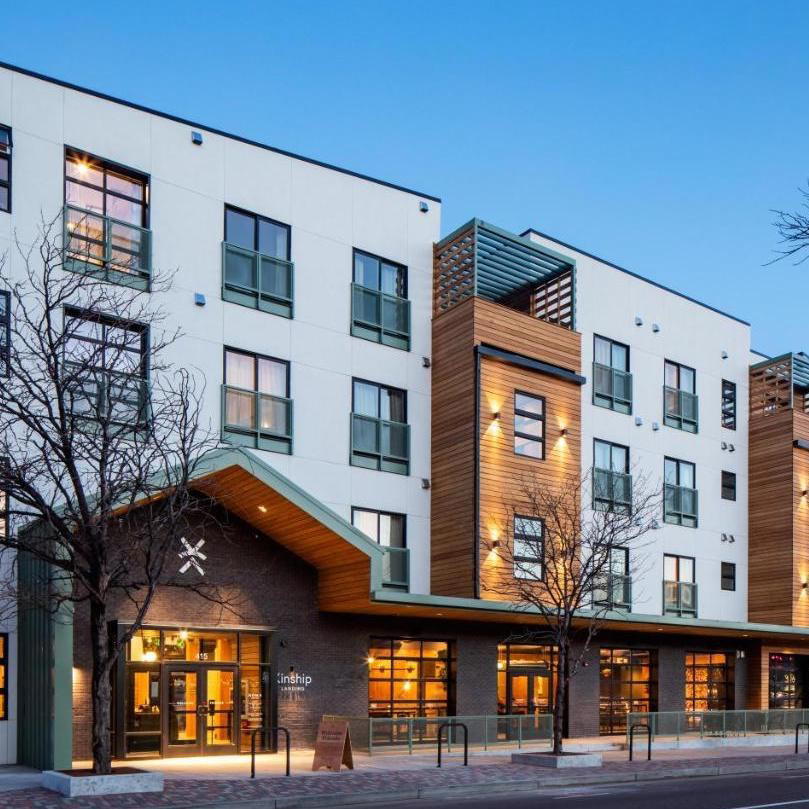
| Kinship Landing | Boutique hotel blending hostel-inspired shared spaces with luxury suites in downtown setting | Not listed | Michelin Selected | downtown |
| The Broadmoor | Historic luxury resort blending Colonial Colorado architecture with contemporary amenities, positioned as a premier destination for informed travelers seeking mountain elegance and comprehensive resort experiences. | $300–500 | 1 Michelin Key · La Liste Top Hotels | Broadmoor |
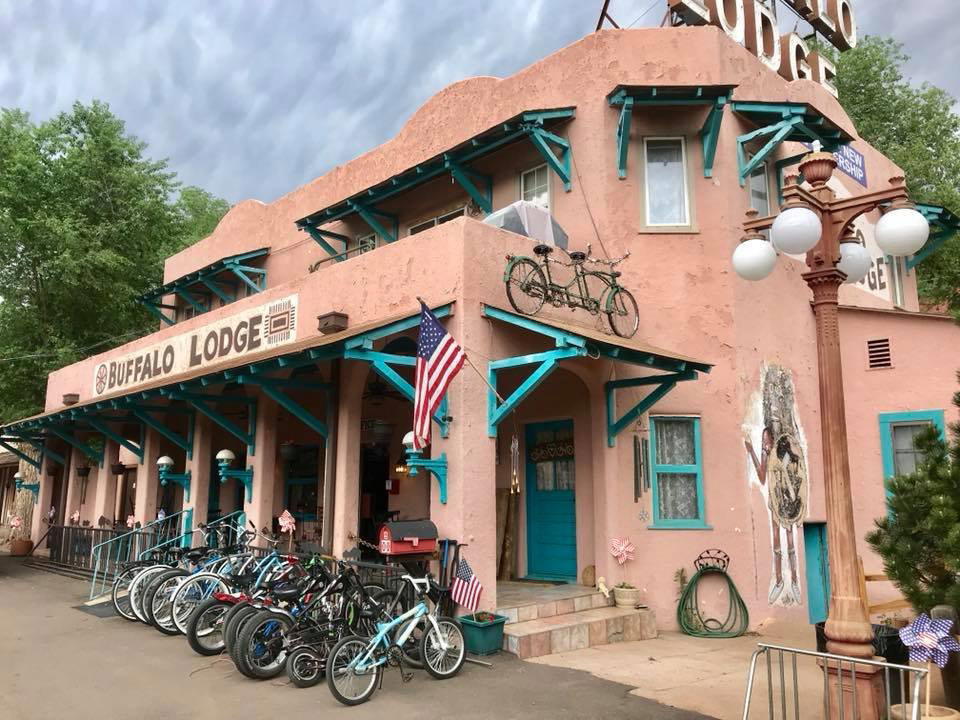
| Buffalo Lodge Bicycle Resort | Historic motor court transformed into cyclist basecamp | Not listed | Not listed | Old Colorado City |
Recognition history
Dated appearances from independent guides and award organizations, with the underlying list record or original source where available.
USA Today Best Ranches Best Ranches #13
USA Today Best Ranches
Robb Report The 50 Greatest Luxury Hotels on Earth #20
Robb Report
Continue exploring
More in Colorado Springs
Hotels in Colorado Springs
All hotels in Colorado Springs →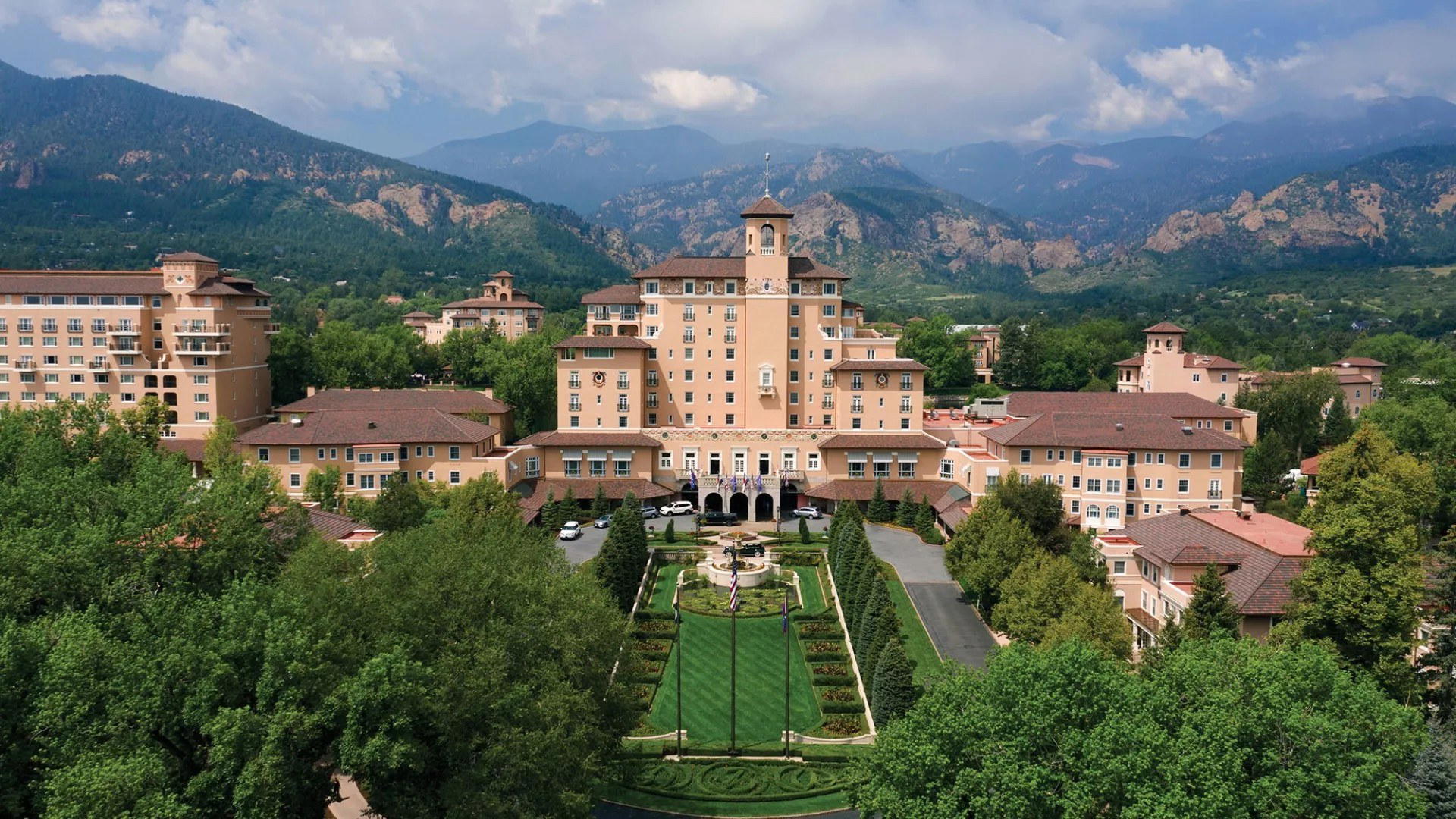
Bars in Colorado Springs
All bars in Colorado Springs →
Details
- Romantic
- Scenic
- Rustic
- Cozy
- Intimate
- Whimsical
- Romantic Getaway
- Family Vacation
- Anniversary
- Weekend Escape
- Group Retreat
- Destination Wedding
- Waterfront
- Garden
- Terrace
- Panoramic View
- Private Dining
- Destination Spa
- Wi Fi
- Hot Tub
- Spa
- Restaurant
- Concierge
- Room Service
- Airport Shuttle
- Fitness Center
- Valet Parking
- Pool
- Mountain
- Waterfront
- Wheelchair Accessible
- Accessible Restroom
- Accessible Parking
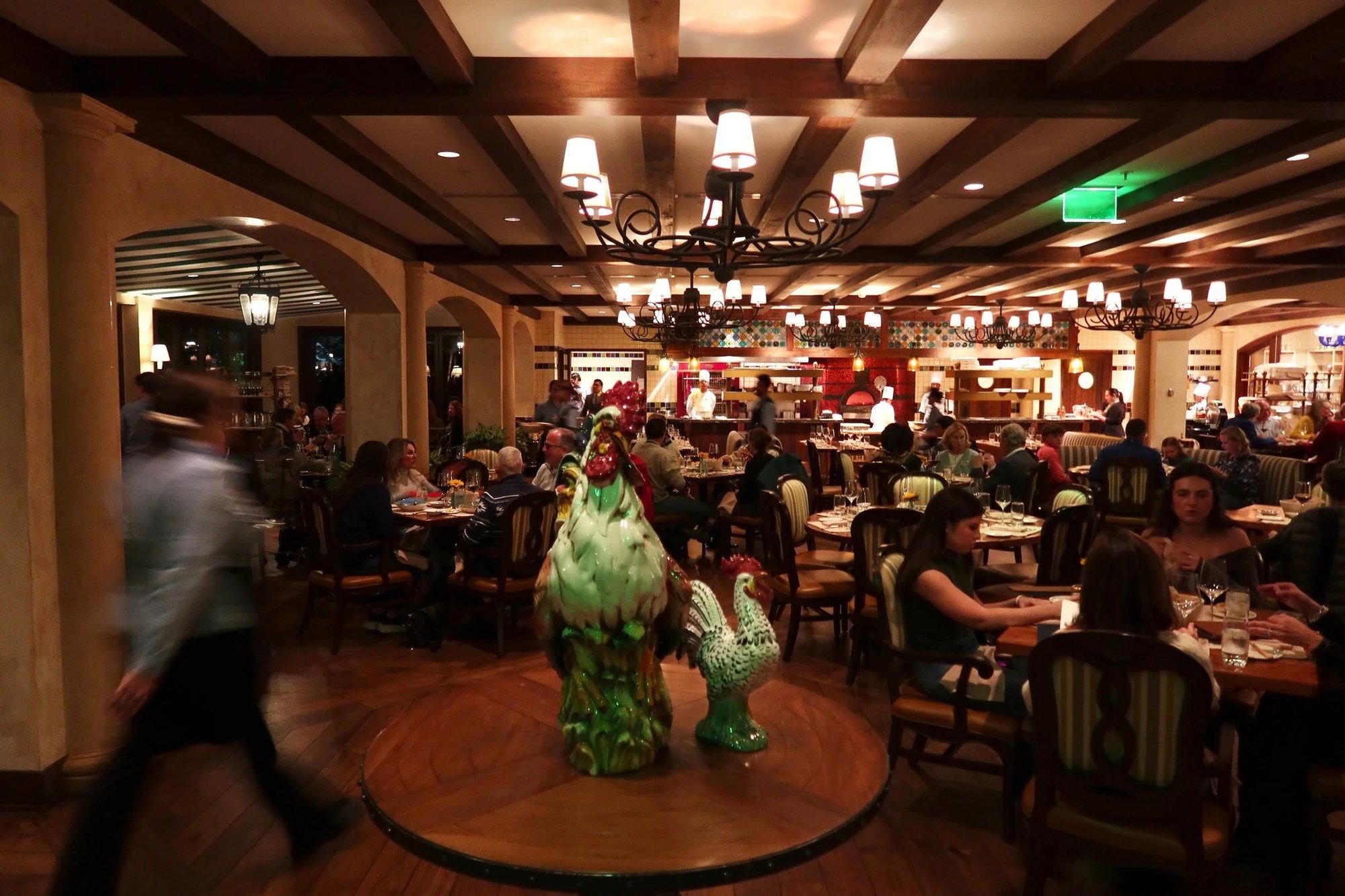
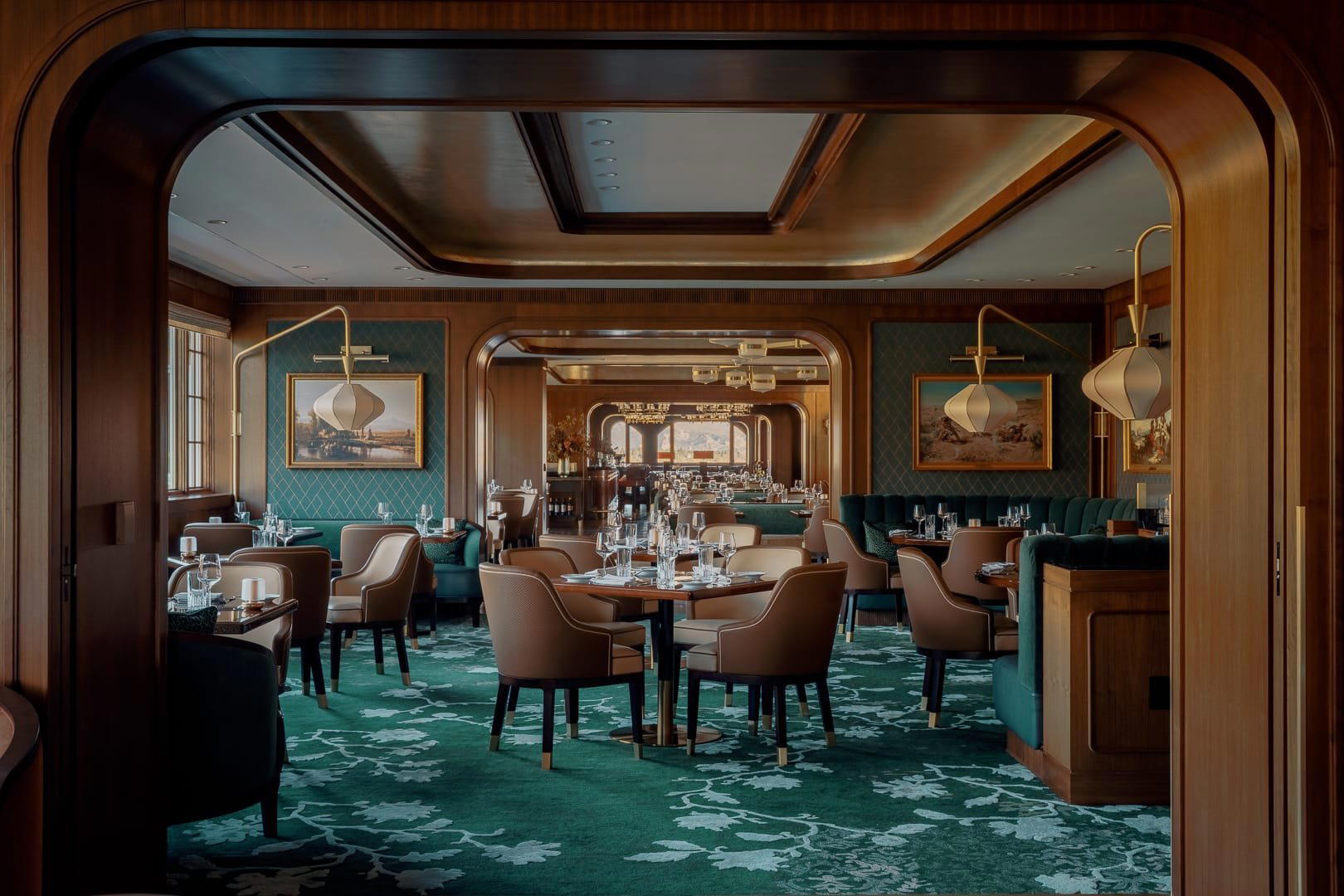
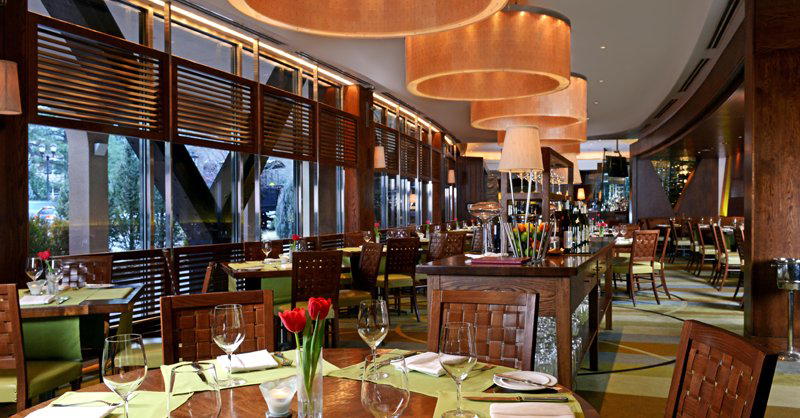
Warm, rustic-refined atmosphere with wood-burning fireplaces, mountain views, and intimate lodge gatherings; designed to disconnect from modern life while maintaining premium comfort and service.