
Michelin Plate
Our verdict
Summer Palace occupies the third floor of the Jing An Hotel, delivering Cantonese fine dining with a focus on luxury ingredients. The room is decorated in traditional Chinese motifs, with private rooms available for group bookings. It's part of Shanghai's hotel-restaurant tier where ceremony and sourcing outweigh innovation.

Pearl is the En Primeur Club membership app, where members save venues, book tables and use the concierge.
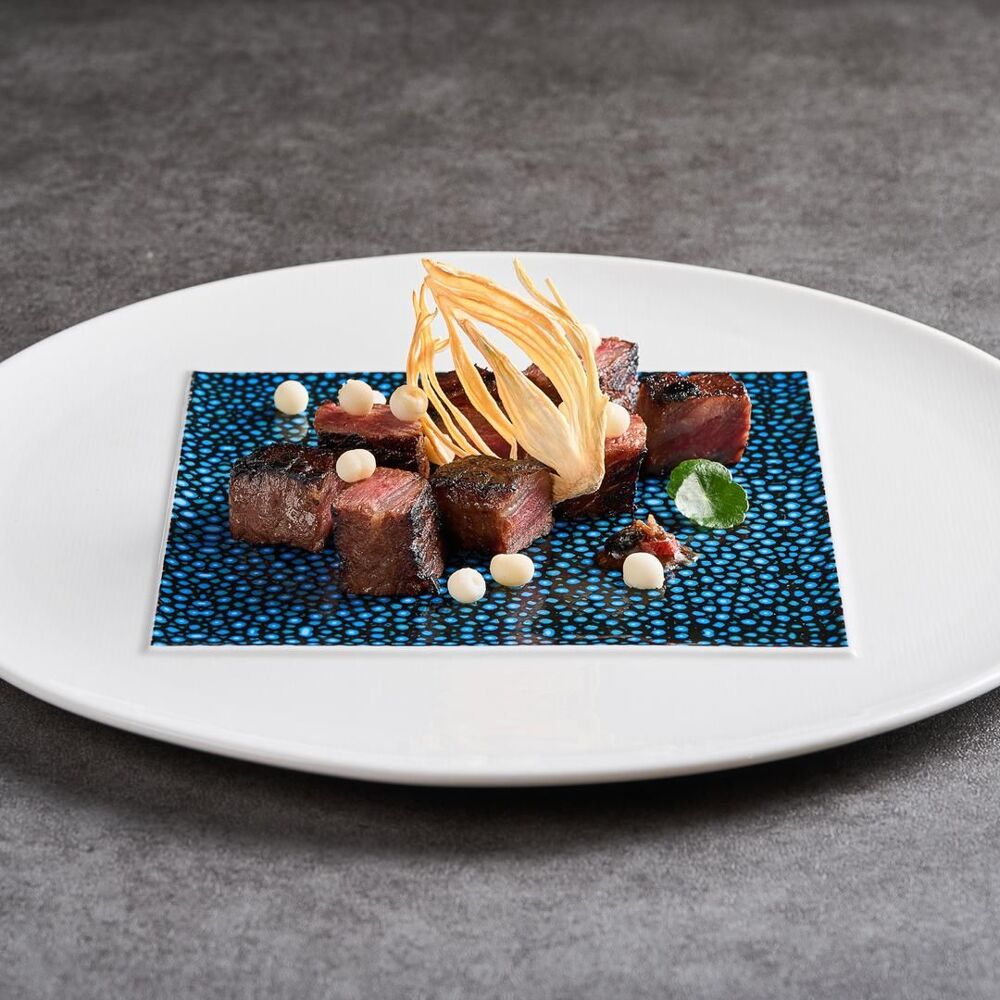
The menu
What to order
- Handcrafted dim sum
- Claypot specialities
- Cantonese classics
- Seasonal hairy crabmeat and roe
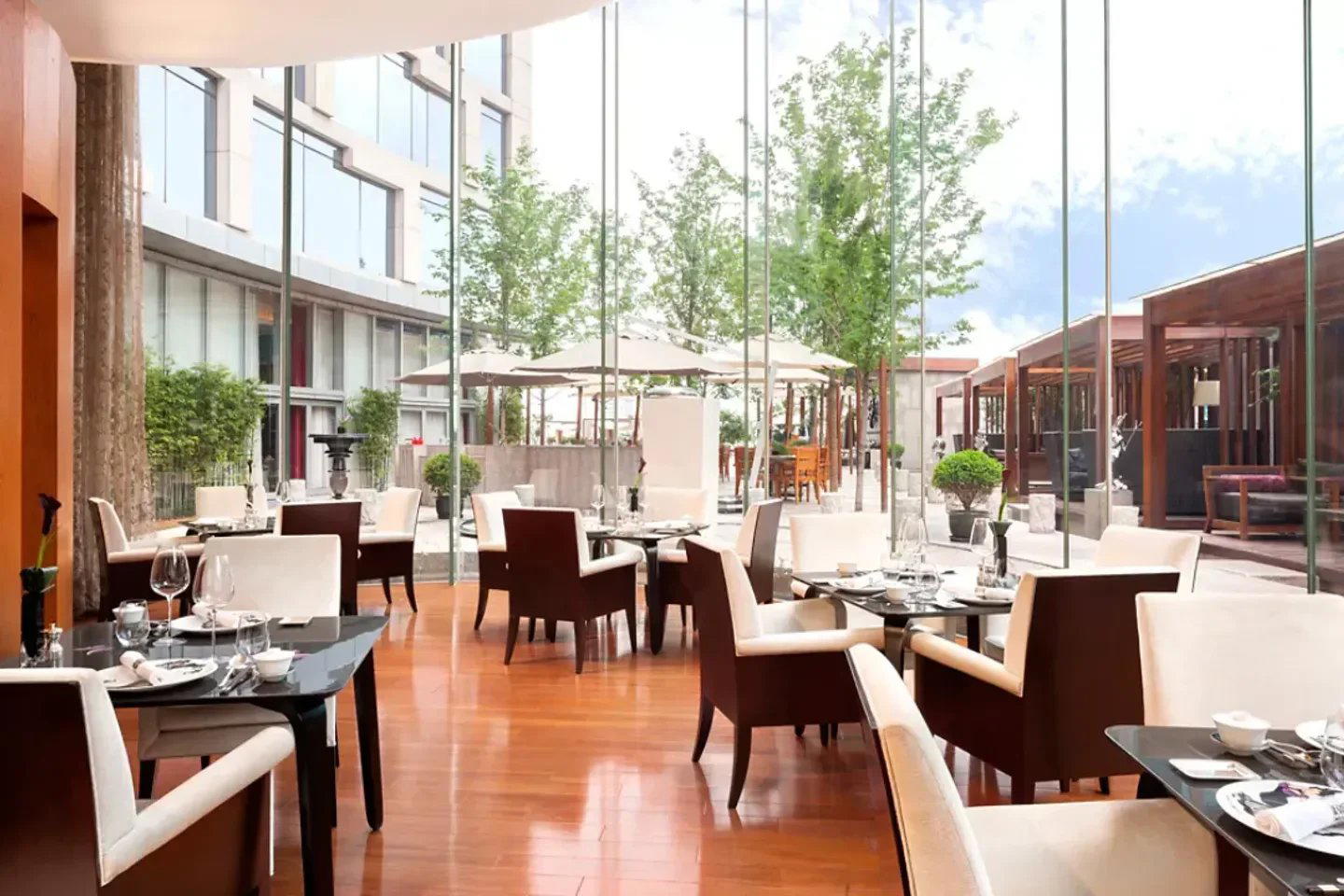
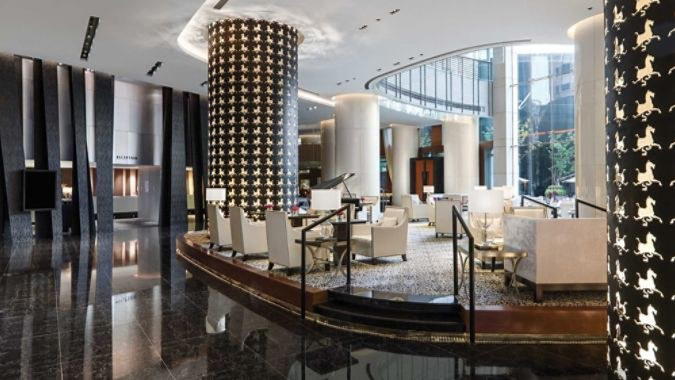
Walk through the Jing An lobby and take the lift to the third floor, where Summer Palace sits in a cocoon of dark wood lattice, silk screens, and lacquered panels. The dining room feels deliberately removed from the street-level energy of Middle Yan'an Road below, quiet, formal, and built around the rituals of classical Cantonese service. Shanghai's Cantonese fine-dining segment now runs in two directions: younger, ingredient-driven concepts that lean on transparency and seasonal sourcing, and this older guard that anchors itself in luxury, ceremony, and hotel infrastructure. Summer Palace belongs to the second category, where abalone, bird's nest, and sea cucumber dictate the price tier more than produce traceability or chef biography.
For context within the city, 102 House (Cantonese) and 100 Century Avenue Cantonese occupy nearby positions in Shanghai's Cantonese hierarchy, though each calibrates sourcing and format differently. If you're comparing hotel Cantonese programs across China, venues like 1949 - Duck de Chine in Beijing or 167 Shan Hai Li in Fuzhou offer useful benchmarks for how regional luxury sourcing and kitchen discipline shift by city. Summer Palace's sumptuously decorated interiors and dependence on high-ticket proteins place it firmly in the hotel Cantonese tradition, where consistency and service depth matter more than culinary disruption.
Luxury Proteins and the Sourcing Model
Cantonese fine dining in this price bracket lives or dies on its protein supply chain. Summer Palace structures its menu around abalone, lobster, geoduck, grouper, and dried seafood, categories that require both capital and logistics. Unlike the farm-direct vegetable relationships that define some younger Shanghai kitchens, this model depends on established importers and auction access, which is why hotel restaurants maintain an advantage. The kitchen here doesn't reinvent steaming technique or knife work; it relies on ingredient quality and classic Cantonese preparations that let texture and natural sweetness do the work. That means you're paying for the abalone itself as much as the kitchen's handling of it.
Shanghai's broader Cantonese scene includes lower-ticket options like Ho Hung Kee, which focuses on noodles and congee at the ¥¥ level, and regional specialists like Hong 0871 (Yunnanese, also ¥¥), which operate on entirely different sourcing logic. Summer Palace's ingredient model aligns it with a narrower set of hotel Cantonese programs where luxury seafood and dried goods form the identity. If you're used to omakase transparency or farm-to-table storytelling, this format feels opaque by design, supply chains are proprietary, and the kitchen doesn't narrate sourcing on the plate.
The Dining Room and Private-Room Culture
The main dining room seats roughly sixty, with a handful of private rooms that book out first for business dinners and family celebrations. Cantonese fine dining in Shanghai still skews heavily toward group bookings and private-room service, where rotating lazy Susans, tea refills, and multi-course sequencing matter more than counter intimacy or chef interaction. Summer Palace is built for that format. The private rooms come with dedicated service staff, custom menus for large parties, and the kind of spatial separation that makes sense for corporate entertaining or milestone events. If you're dining solo or as a couple, expect to sit in the main room, which is quieter and less theatrical than the private enclosures.
This setup contrasts with the counter-forward or open-kitchen formats you'll find at places like Jōdo Saké Bar in Los Angeles or Onigiri Time in Pasadena, where visibility and interaction are part of the service model. At Summer Palace, the kitchen is invisible, and the staff presence is formal, attentive, and scripted. Tea service follows a rhythm, dishes arrive at precise intervals, and conversation happens around the table rather than across the pass. It's a model that privileges comfort and ritual over spontaneity.
For a broader look at Shanghai's dining options across categories, see our full Shanghai restaurants guide. If you're mapping the city's hotel hospitality layer more broadly, our full Shanghai hotels guide covers where Summer Palace fits within the Jing An hotel cluster. For non-dining diversions in the same district, our full Shanghai bars guide and our full Shanghai experiences guide offer context on what else sits within a fifteen-minute radius.
When to Go and What to Expect
Weekday lunch service is calmer and draws a mix of business meetings and hotel guests. Evenings and weekends shift toward group bookings, especially Friday and Saturday nights, when private rooms fill early. If you want the main dining room with flexibility, aim for a weekday dinner reservation. Peak holiday periods, Chinese New Year, Mid-Autumn Festival, require advance notice, and set menus become the default format during those windows.
Timing also matters for ingredient availability. Live seafood tanks and seasonal produce cycles mean the menu isn't static, though the format and price structure remain consistent year-round. If you're used to Western fine dining where seasonal menu rewrites signal a chef's point of view, this model operates differently: the kitchen adapts within a fixed repertoire rather than rebuilding the menu every quarter. That continuity is part of the appeal for repeat guests who return for specific preparations rather than discovery.
Comparing this to other regional Chinese fine-dining formats, venues like #8 in Chengdu, 1913 in Hangzhou, or 1927 Dong Yuan Si Chu in Xiamen all anchor themselves in local ingredient traditions and regional technique, which gives them sharper identity than hotel Cantonese programs that emphasize luxury over locality. Summer Palace's strength is consistency and sourcing depth; its limitation is that it doesn't push the cuisine forward or tell a strong editorial story about where the food comes from beyond the protein itself.
If you're also considering Western hotel restaurants in the same district, Seul & Seul (French) offers a different service register, and 100 Century Avenue Steakhouse or 1515 West Chophouse (Steakhouse) provide alternatives if Cantonese isn't the priority. For a lighter, less formal option nearby, 102 House Shanghai runs a more casual format with overlapping sourcing logic but less ceremony.
Summer Palace delivers what hotel Cantonese is supposed to deliver: reliable luxury-protein execution, formal service, and a dining room that insulates you from the street. It's not innovative, and it's not trying to be. If you're looking for transparency, chef-driven narrative, or ingredient storytelling, this isn't the format. If you want abalone prepared competently in a private room with attentive tea service, it works.
Frequently asked questions
Would Summer Palace be comfortable with kids?
Yes. Summer Palace at Jing An Shangri-La accommodates families in its private rooms, which are often booked for multi-generational celebrations. The main dining room seats around sixty and sees a quieter weekday-lunch crowd, though weekend evenings skew toward group bookings. Staff are accustomed to serving children alongside business diners and hotel guests.
How would you describe the vibe at Summer Palace?
Formal Cantonese service in a hotel setting on Middle Yan'an Road. The dining room is decorated in traditional silks and carved screens, and the atmosphere leans corporate during weekday lunch, then shifts to family and celebration dinners on Friday and Saturday evenings. Expect linen tablecloths, cart service for dim sum, and a higher average age than street-level Cantonese spots.
Does Summer Palace have a Michelin star or similar recognition?
Summer Palace has received recognition including: This smart and sumptuously decorated....
What part of town is Summer Palace in?
Summer Palace is located at 3F, Jing An Shangri-La Hotel, 1218 Middle Yan'an Road, Jingan, Shanghai, Shanghai Municipality, CHN, Shanghai.
What's the best way to book Summer Palace?
Call the Jing An Shangri-La concierge desk or book through the hotel's main reservations line. Private rooms fill earliest, often two to three weeks ahead for Friday and Saturday dinners. Weekday lunch usually holds walk-in capacity, though calling an hour ahead is safer during convention season in Jingan.
A Quick Peer Check
Comparable venues by cuisine and price in the same metro.
| Venue | Cuisine | Price | Awards |
|---|---|---|---|
| Summer PalaceThis venue (the venue you are viewing) | Refined Cantonese & South-Eastern Chinese | $50–100 | Michelin Plate |
| Ho Hung Kee | Hong Kong-Style Cantonese Wonton Noodles | $20–30 | Michelin Bib Gourmand |
| Hong 0871 | Modern Yunnan Cuisine | Not listed | Michelin Plate · Black Pearl 1 Diamond |
| Seul & Seul | French | Not listed | Not listed |
| Beans and Grapes | Modern hotel café & bakery | Not listed | Not listed |
| URBAN Café | Authentic Thai | Not listed | Not listed |
Recognition history
Dated appearances from independent guides and award organizations, with the underlying list record or original source where available.
Michelin Plate
Michelin
Continue exploring
More in Shanghai
Restaurants in Shanghai
All restaurants in Shanghai →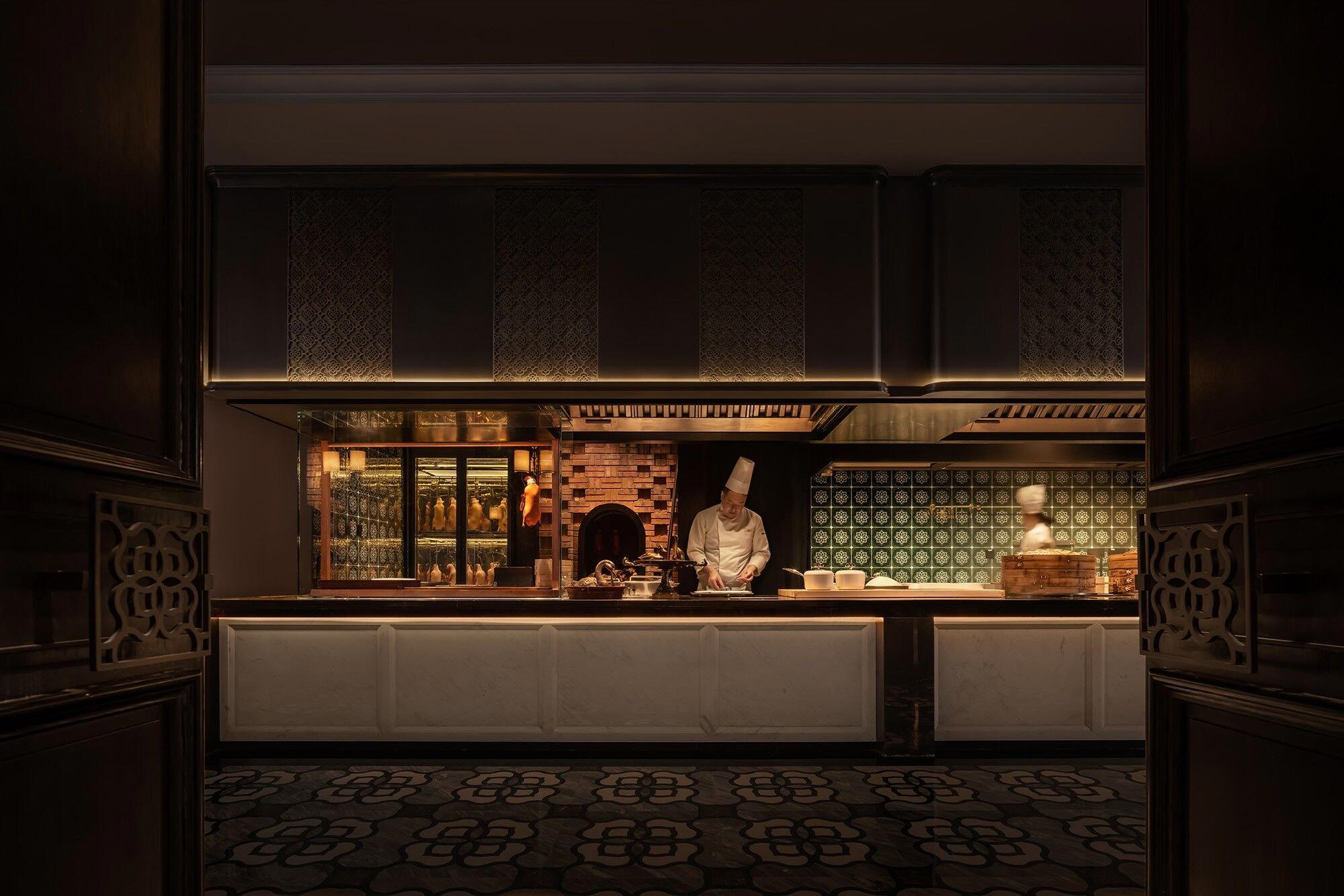
Bars in Shanghai
All bars in Shanghai →
Details
- Elegant
- Sophisticated
- Classic
- Ornate
- Business Dinner
- Special Occasion
- Date Night
- Group Dining
- Private Dining
- Hotel Restaurant
- Extensive Wine List
- A La Carte
- Set Menu
- Wine
- Vegetarian Friendly
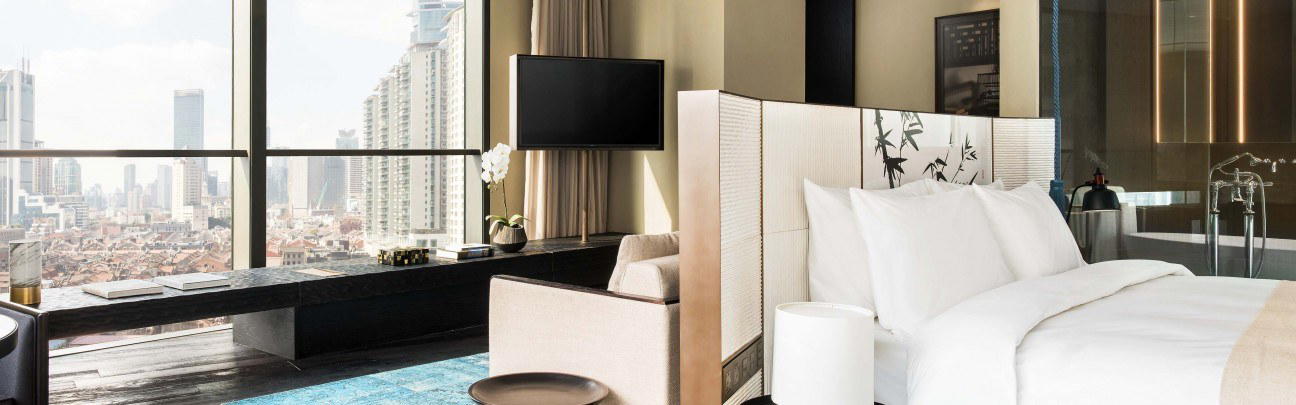
Sumptuously decorated and refined, with a classic hotel-restaurant feel, plush finishes, and a calm, quietly luxurious atmosphere suited to business dining and special occasions.