Our verdict
Beans and Grapes sits in Shanghai’s Jing’an orbit, where café culture, wine-bar habits, and casual dining increasingly overlap. With few public-format signals attached to the venue, the useful reading is contextual: treat it as part of the city’s flexible all-day drinking-and-grazing scene rather than as a formal destination restaurant.

Pearl is the En Primeur Club membership app, where members save venues, book tables and use the concierge.
The menu
What to order
- Handmade cakes
- Coffee drinks
- Bread and pastries
Approaching Shanghai, the city shifts from office-tower polish into the smaller rhythms that define its food and drink culture: glass-fronted rooms, quick coffee stops, wine by the glass, and tables that can move from afternoon laptop time to early-evening conversation without changing costume. Beans and Grapes belongs to that register. The name signals the format clearly enough, coffee and wine as twin anchors, which places it inside a category Shanghai has adopted with particular enthusiasm: venues that blur café, bar, and casual restaurant rather than asking guests to commit to a single mode of eating or drinking.
That flexibility matters in Shanghai because the city’s dining culture is unusually tiered. At one end are formal dining rooms and tasting-menu restaurants; at the other are noodle counters, congee specialists, and regional kitchens built for regular use. Between them sits a growing middle band of rooms designed for partial meals, low-pressure meetings, and drinks that can become dinner. Beans and Grapes reads as part of that middle band, less useful as a grand occasion address than as a practical answer to a familiar city question: where to sit when the plan is not fully fixed.
Coffee-to-wine rooms suit Shanghai's flexible dining day
The café-wine hybrid has gained ground in cities where rent, work patterns, and social habits push venues to cover more than one part of the day. Shanghai is a natural fit. Business meetings often start over coffee, early evenings can begin with a glass before dinner, and the city rewards places that do not demand a long booking commitment. In that context, the sensory cues are part of the proposition: the clink of stemware beside espresso equipment, the lower volume of a room not built around banquet service, and a pace that lets guests stay for a short drink or stretch the visit into something slower.
For readers mapping the broader city, the comparison is less about cuisine than use-case. A formal Shanghai meal asks for a different appetite and usually a clearer dining plan. More ceremonial restaurant formats carry their own portion logic, pacing, and spending expectations. A café-wine address works in the gaps between those decisions, when the priority is atmosphere, conversation, and a drinkable menu rather than a full restaurant sequence.
Shanghai’s casual spectrum is also shaped by regional cooking and everyday dining rooms. Ho Hung Kee and Hong 0871, both in Shanghai’s wider dining mix, sit closer to defined culinary traditions. Beans and Grapes operates in a looser category, where the point is not a codified cuisine but an adaptable room. That distinction is useful: guests looking for a destination meal should read the format differently from those looking for a place to pause, meet, or begin an evening.
Shanghai rewards venues with atmosphere over ceremony
Shanghai has become one of the stronger cities for this kind of low-formality hospitality. The appeal is not only convenience, though that matters; it is the way retail, offices, hotels, and residential streets compress into workable urban routines. A room here does not need to behave like a grand dining room to be useful. It can trade on texture, lighting, table spacing, and the hum of a city where people move between work, shopping, dinner, and late drinks.
That city logic also explains why the venue’s limited public-facing detail should not be overread. The available record points most clearly to the day-to-night coffee-and-wine format rather than to a chef-led tasting structure, seat count, price band, ranking, or named cuisine. For Shanghai planning, that is a signal in itself. This is not a place to judge only by high-ceremony dining markers; it is competing for the hours when visitors want a polished but unfussy place to sit down in the middle of the city.
Travellers building a wider itinerary should keep the hierarchy clear. Use our full Shanghai restaurants guide for meal-led planning, our full Shanghai bars guide for later-night drinking, our full Shanghai hotels guide for base decisions, our full Shanghai wineries guide for wine-focused detours, and our full Shanghai experiences guide for cultural programming around the table. For context inside Shanghai, compare how other rooms sharpen their identities in different ways: La Scala, Scilla, and URBAN Café all point toward more defined dining or café frames than a coffee-wine room usually claims, while Beans and Grapes remains deliberately flexible.
How to read the format before committing an evening
The sensible expectation is measured. Beans and Grapes is better understood as a mood-and-timing choice than as a trophy meal. The pull is the category itself: beans for daytime energy, grapes for evening ease, and a room in Shanghai that can carry both without demanding a formal dining script. That makes it useful for pre-dinner drinks, a light meeting, or a pause between heavier restaurant bookings.
Visitors arriving from cities with strong café-bar cultures will recognize the pattern. It is closer in spirit to flexible drinking rooms than to chef-led restaurants, and that distinction protects the experience from the wrong expectations. In Shanghai, Beans and Grapes sits in that practical zone: useful, atmospheric, and better judged by how well it fits the hour than by how loudly it announces itself. Read it as a coffee-to-wine stop first, and the venue’s value becomes clearer: a place for an adaptable visit rather than a rigid dining plan.
Frequently asked questions
Where do I go for Beans and Grapes?
Beans and Grapes is located in Shanghai.
What's the best way to book Beans and Grapes?
The most practical approach is to plan a direct visit to Beans and Grapes in Shanghai. The venue reads as a coffee-to-wine stop, so it suits flexible timing more than a formal booking ritual.
What's the standout thing about Beans and Grapes?
Its coffee-to-wine format is the point, especially in Shanghai, where venues often work across the whole day. It fits the city’s habit of treating drinks bars as daytime rooms as much as evening addresses.
Is Beans and Grapes good for vegetarians?
It can work well for vegetarians as a coffee-and-wine stop in Shanghai, since the format is lighter than a full dining room. The useful check is the current snack selection before settling in for the evening.
Peers Worth Knowing
Comparable options at the same price tier.
| Venue | Cuisine | Price | Awards | Notes |
|---|---|---|---|---|
| Beans and GrapesThis venue (the venue you are viewing) | Modern hotel café & bakery | Not listed | Not listed | Not listed |
| URBAN Café | Authentic Thai | Not listed | Not listed | Not listed |
| Scilla | Mediterranean Fusion with Local Chinese Ingredients | $150–200 | Michelin Plate · Tatler Listed in Best Restaurants Asia-Pacific | Mediterranean Cuisine |
| La Scala | Modern Italian and Mediterranean | Not listed | Not listed | Not listed |
| Ho Hung Kee | Hong Kong-Style Cantonese Wonton Noodles | $20–30 | Michelin Bib Gourmand | Noodles and Congee |
| Hong 0871 | Modern Yunnan Cuisine | Not listed | Michelin Plate · Black Pearl 1 Diamond | Yunnanese |
Continue exploring
More in Shanghai
Restaurants in Shanghai
All restaurants in Shanghai →
Bars in Shanghai
All bars in Shanghai →


Details
- Modern
- Trendy
- Solo
- Casual Hangout
- After Work
- Business Dinner
- Hotel Restaurant
- Design Destination
- A La Carte
- Coffee
- Tea
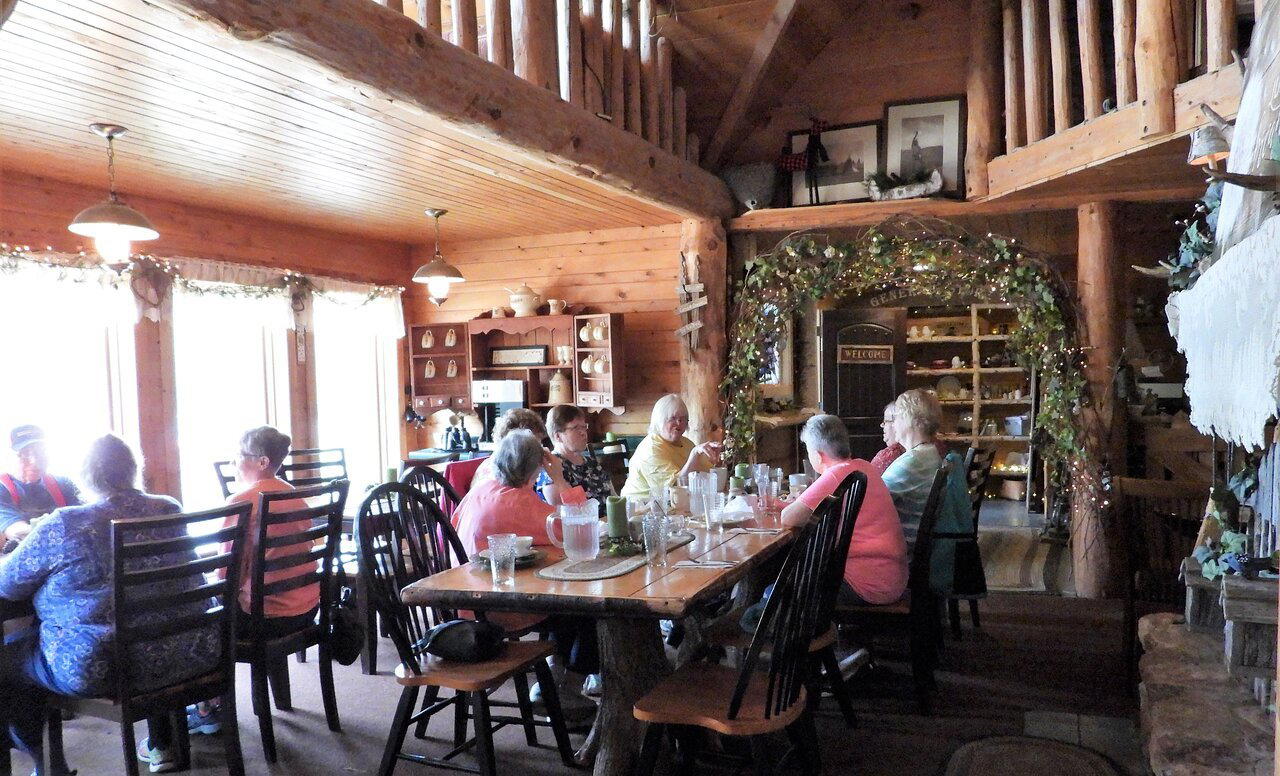
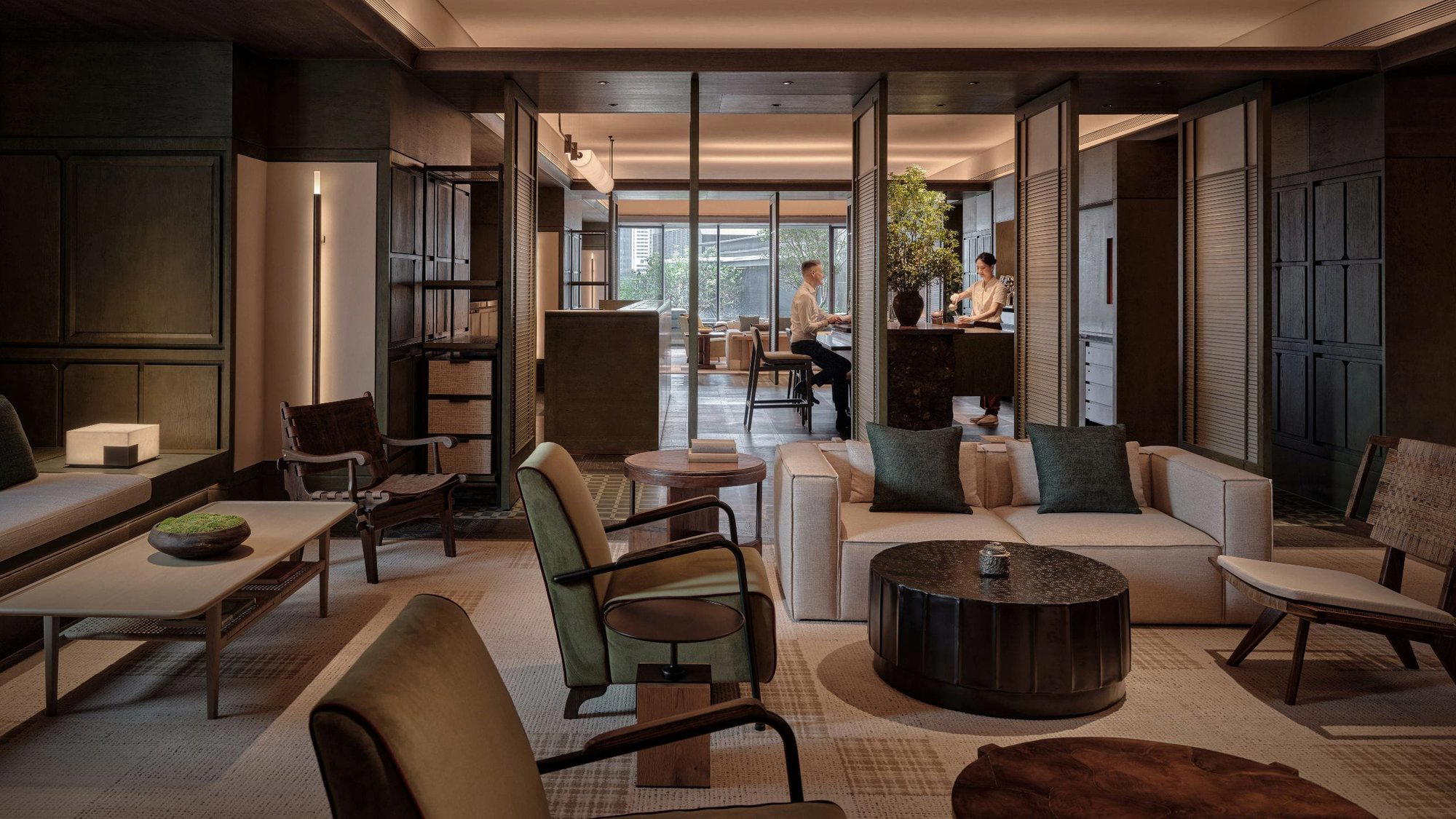
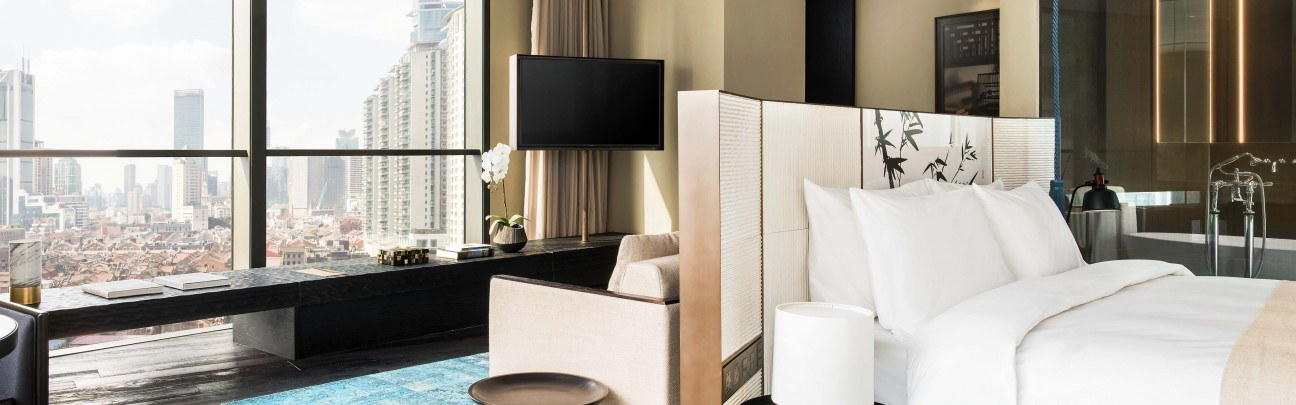
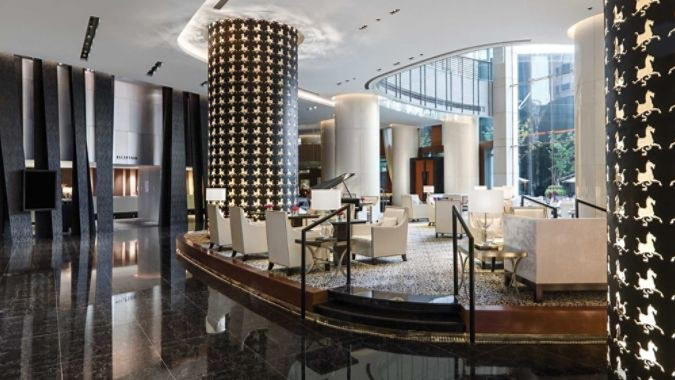
A casual, modern and trendy hotel café with a low‑key feel, comfortable for afternoon tea, quiet reading, or informal business chats, with daylight from the hotel and mall connection.