
Izakaya Chocho belongs to Sendai’s serious izakaya tier: small-room, seafood-led, regional cooking rather than generic drinking food. Its Tabelog 100 Izakaya EAST selections in 2024 and 2025 give it a measurable signal in a city where local sourcing, sake pacing, and compact counters matter more than spectacle.
Pearl is the En Primeur Club membership app — saves, bookings, and concierge access live there. Same editors, same standards.
- Address
- Japan, 〒980-0803 Miyagi, Sendai, Aoba Ward, Kokubuncho, 3 Chome−4−21 第2旭ビル 105号室
- Phone
- +81 22-395-9150
- Website
- cho-cho.net
 Saves & bookings on Pearl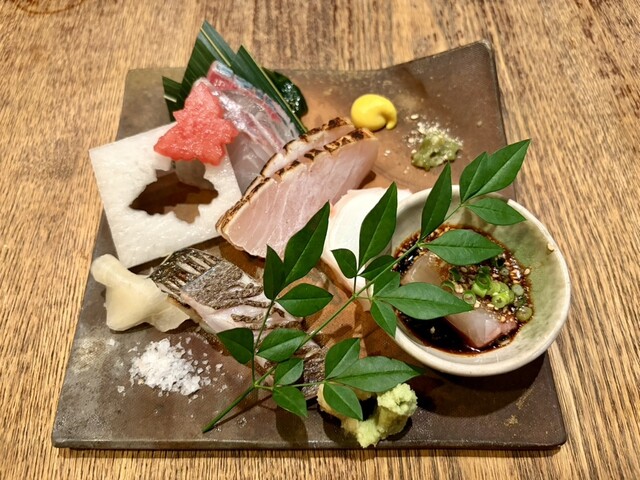
Kokubuncho’s evening rhythm is built on narrow entries, compact rooms, and the slow migration from office streets to drinking streets. In that setting, the Sendai izakaya is not a loose category. It is a test of sourcing, timing, and restraint: seafood from the Tohoku coast, regional dishes that belong to Miyagi rather than a national chain template, and a room small enough for the kitchen’s decisions to remain visible.
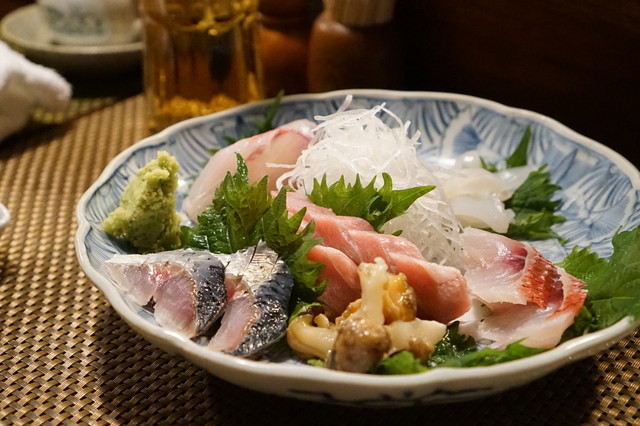
Izakaya Chocho sits in that sharper definition of the genre. The public category signals are plain: izakaya, seafood, and regional cuisine. That combination matters in Sendai because the city’s strongest casual dining is often built around provenance rather than chef spectacle. The point is not a long tasting-menu script. It is whether the kitchen can make a drinking meal feel rooted in place without pushing it into formal kaiseki territory.
Seafood and regional cooking define the serious Sendai izakaya
Sendai’s position gives its izakaya culture a different center of gravity from Tokyo’s late-night density or Osaka’s snack-driven informality. Miyagi faces one of Japan’s great seafood regions, and the inland cooking traditions of Tohoku add another register: preserved flavors, grilled items, seasonal vegetables, and sake-friendly salt, smoke, and fermentation. A convincing izakaya in this city needs to read as local without turning regional identity into a tourist performance.
The Tabelog 100 Izakaya EAST selections in 2024 and 2025 place Izakaya Chocho inside a competitive eastern Japan field, not merely a neighborhood list. That is a useful distinction. Tabelog’s Hyakumeiten lists tend to reward consistency and local credibility across a category, and in the izakaya bracket, that usually favors places with disciplined sourcing, repeat customers, and a menu that works across several rounds of drinking rather than one showpiece plate.
The price band also tells a story about the format. This is not positioned against Sendai’s luxury sushi counters, where Sushi Mino occupies a far higher spend category, or against tempura formats such as Tempura Azumi, where counter technique becomes the main event. It is closer to the serious mid-range izakaya lane: more deliberate than a quick noodle stop such as Sendai Chuka Soba Meiten Kaichi Kokubuncho ten, less ceremonious than the city’s higher-priced specialist rooms. That middle tier is where ingredient buying and kitchen judgment do the heavy lifting.
For readers mapping Sendai by category, the surrounding restaurant field is useful. achaar, Ademain, Ako, ankoya Ekimae ten, and Baisaou show how varied the city’s dining map becomes once it is read beyond beef tongue shorthand. For the wider city edit, use Our full Sendai restaurants guide alongside Our full Sendai hotels guide, Our full Sendai bars guide, Our full Sendai wineries guide, and Our full Sendai experiences guide.
A small-room format where sourcing carries the meal
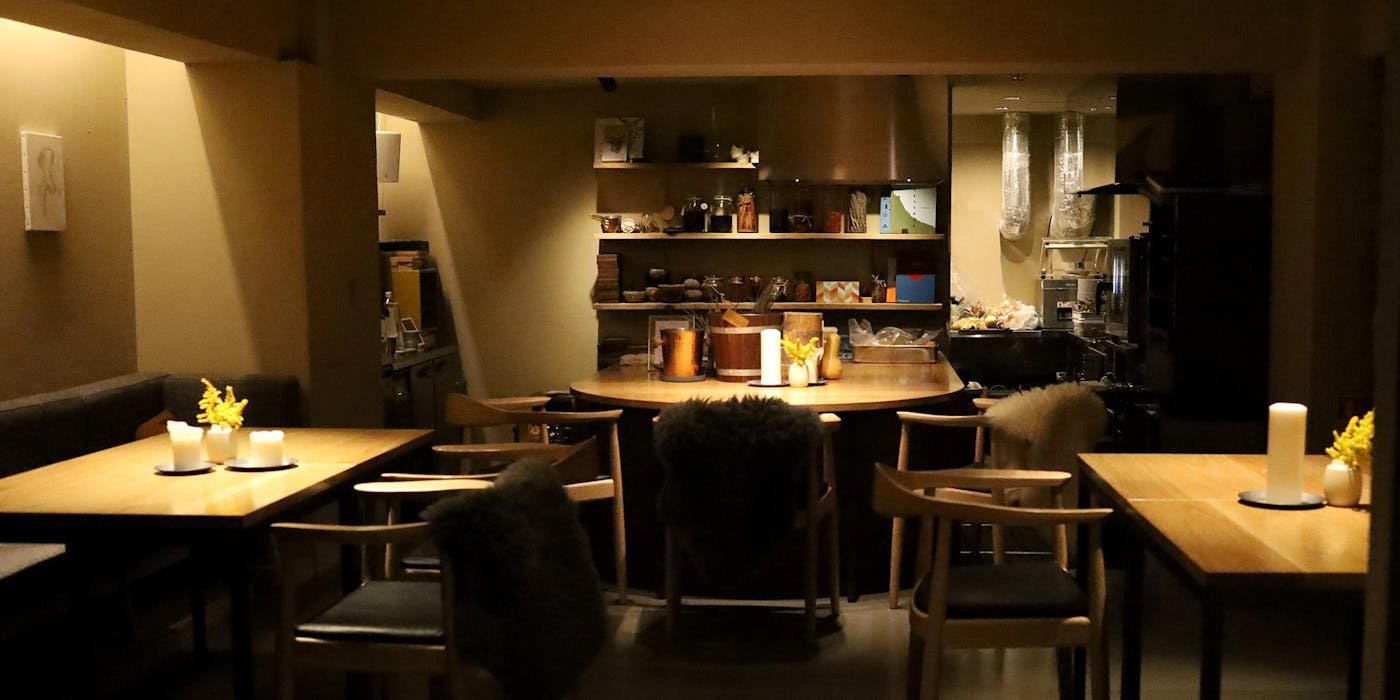
The room’s scale matters. With 25 seats and no private rooms, the format favors a direct izakaya experience over compartmentalized dining. That matters for seafood and regional cooking because the pacing is part of the appeal: a meal can move from raw or lightly handled fish to grilled or simmered dishes, then into stronger sake-paired flavors, without the architecture of a formal course menu. The kitchen’s credibility rests on range and proportion rather than luxury signaling.
That is the central difference between a serious izakaya and a restaurant that simply serves small plates. The izakaya tradition expects food to converse with drink, but the better examples do not reduce cooking to alcohol support. In Sendai, that balance often means letting local seafood and regional preparations set the frame, then allowing the table to build its own rhythm. A 25-seat room also narrows the margin for inconsistency. Small restaurants cannot hide weak sourcing behind volume, and award recognition in this category often reflects that pressure.
The no-smoking policy is another practical marker of where Japanese izakaya culture has moved. Older tavern assumptions have not disappeared, but higher-recognition rooms increasingly appeal to diners who want the informality of an izakaya without the smoke-heavy environment once common in the category. Family-friendly notation and children being welcome broaden the use case, though the format remains evening izakaya dining rather than a casual daytime stop.
There is no named chef story to lean on here, which is not a weakness editorially. Many Japanese izakaya are assessed less through personality branding than through reliability, sourcing networks, and the ability to make regional cooking feel current without stripping away its drinking-house function. The absence of a chef-led narrative keeps attention where it belongs: on how Sendai’s seafood and Tohoku cooking traditions translate into a compact urban room.
How to read it against Japan's broader dining map
For travelers moving through Japan, Izakaya Chocho is a useful counterpoint to destination dining that announces itself through formality. A Kamakura beef specialist such as -Grilled beef Sukiyaki- KAMAKURA TANUKIAN 鎌倉 たぬき庵 in Kamakura, a Tokyo charcoal-and-tuna address like. 鮪と炭火焼き うお炭 秋葉原店 in Tokyo, or a specialist curry shop such as [Curry Senmon Ten] Maruyama Kyoju. in Sapporo may define themselves by a narrower product lane. Sendai’s izakaya strength is broader: the table can become a survey of coastline, prefectural cooking, and drinking culture in one sitting.
That is also why comparisons outside Japan need care. Jōdo Saké Bar in Los Angeles may help American diners understand sake-led pacing, and Onigiri Time in Pasadena shows how Japanese comfort formats travel abroad, but the Sendai izakaya depends on local supply chains and neighborhood repeat business. Even Japanese urban peers such as.cafe in Osaka,.know in Kumamoto, and (Shoku) Vietnam in Kawasaki sit in different category logic.
The editorial case for seeking it out is therefore specific: it offers a compact view of Sendai’s ingredient-first izakaya culture, backed by consecutive Tabelog 100 Izakaya EAST recognition and a format that keeps the meal close to the kitchen. In a city often reduced by visitors to a single regional specialty, this is the more revealing lane: seafood, regional cooking, and sake-house pacing treated as everyday craft rather than performance.
How It Stacks Up
Comparable venues by cuisine and price in the same metro.
| Venue | Cuisine | Price | Awards | Notes |
|---|---|---|---|---|
| Izakaya ChochoThis venue — the venue you are viewing | Traditional Japanese Izakaya with Fresh Seafood | $$ | , | |
| Una Ki | Traditional Japanese Unagi | $$ | , | Kokubuncho |
| Sumibi Yakiniku Gura Sendai asaichi ekimae ten | Japanese Yakiniku BBQ | $$ | , | Aoba-ku |
| Gout | Yoshoku Western-style Japanese | $$ | , | Ichibancho |
| Senrei Zushi JR sendai eki 3 kai ten | Standing sushi counter with Sanriku seafood | $$ | , | Aoba-ku |
| Shiogama Sushi Tetsu S-PAL sendai ten | Traditional Sushi from Shiogama at Sendai Station | $$ | , | Aoba Ward |
At a Glance
- Cozy
- Lively
- Intimate
- Hidden Gem
- Date Night
- Group Dining
- After Work
- Casual Hangout
- Late Night
- Solo
- Standalone
- Sake Program
- Beer Program
- Local Sourcing
- Sustainable Seafood
Cozy and intimate with only about 25 seats, combining classic izakaya warmth and lively Kokubuncho nightlife energy, known for attentive hospitality and a focus on seafood and local sake.