Sumika

Our verdict
Sumika occupies a quiet corner of Los Altos Plaza Central, positioning itself within a dining corridor that punches above its suburban scale. The restaurant draws on Japanese grilling traditions in a town whose restaurant scene sits at the crossroads of Silicon Valley wealth and understated local character. For the South Bay, it represents a different register than the region's Indian and Mediterranean-leaning alternatives.

Pearl is the En Primeur Club membership app — saves, bookings, and concierge access live there. Same editors, same standards.
- Address
- 236 Plaza Central, Los Altos, CA 94022
- Phone
- (650) 917-1822
- Hours
- Mon–Thu 11:30 AM–2 PM, 5:30–8 PMFri–Sat 11:30 AM–2 PM, 5:30–9 PMSun 11:30 AM–2 PM, 5:30–8 PM
- Website
- sumikagrill.com
- Directions
- Get directions
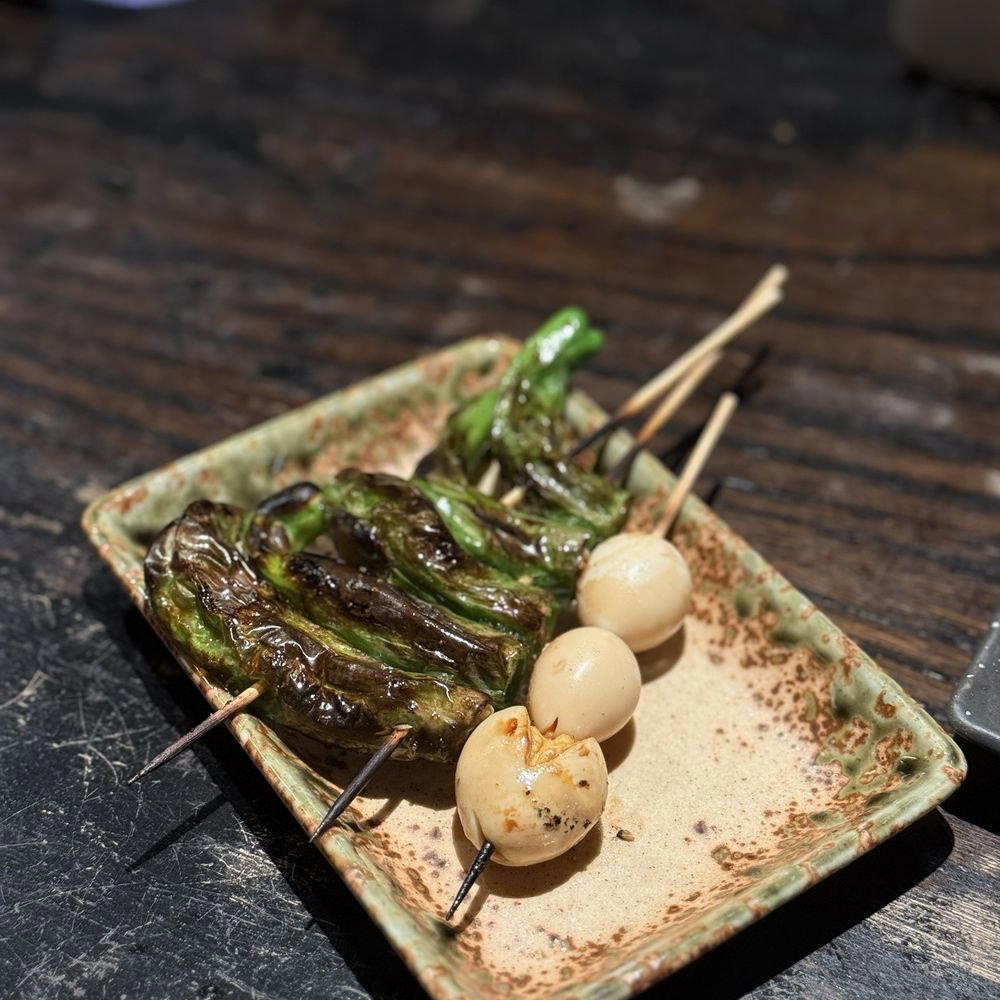
Los Altos on a Tuesday Night
Plaza Central in Los Altos is the kind of downtown square that rewards attention. The blocks around it are low-slung, walkable, and set a pace that the rest of Silicon Valley has largely abandoned in favor of glass campuses and drive-through corridors. Arriving at Sumika, on 236 Plaza Central, you are already in a different register from Palo Alto's University Avenue bustle or the Mountain View strips that cater primarily to the post-shift tech crowd. Los Altos has kept a certain residential composure, and the restaurants along its main plaza reflect that: they are destination choices for locals, not overflow options for conference attendees.
That geographic framing matters more than it might first appear. The South Bay's dining options have historically clustered around a few reliable categories — Indian restaurants (Los Altos alone hosts Amber India and the newer Aurum), Mediterranean-leaning casual spots like Barbayani Greek Taverna, and the kind of neighborhood cafe represented by Cafe Vitale. Sumika occupies a different position in that local set, drawing on Japanese robata and yakitori traditions that are underrepresented across the peninsula at this price point and in this format.
What Japanese Grilling Looks Like Outside the City
Yakitori and robatayaki have a well-documented presence in San Francisco's Japantown adjacencies and in pockets of the East Bay, but suburban iterations of the format tend to dilute the core proposition: live-fire precision, proximity to the grill, and a menu structured around skewers and small plates that reward patience over throughput. The better examples of the format, whether in urban Japan or in serious American interpretations, share a commitment to sourcing and to the discipline of doing relatively few things at high consistency. That discipline is what separates a robata counter from a generalist Japanese menu with a grill section tacked on.
Sumika's presence in Los Altos places it in a tier of the South Bay dining scene that does not have many equivalents. The comparison set for this format, at a serious level, skews toward San Francisco properties or, further afield, toward the kind of destination-restaurant tier represented by Lazy Bear in San Francisco or, nationally, by places like Alinea in Chicago, Le Bernardin in New York City, and The French Laundry in Napa. Sumika is not operating in that tier of formal ambition, but its format belongs to a tradition that those rooms respect: live-fire cooking where the sourcing and the technique carry the menu, not the saucing or the plating theater.
The Neighbourhood Makes the Experience
Eating at Sumika is inseparable from the fact of being in Los Altos rather than in a major dining capital. That is not a qualification; it is a feature. The town's residential character keeps the room from performing the kind of status signaling that attaches to restaurant-dense neighborhoods in San Francisco or Manhattan. The clientele skews local and returning, which shapes service dynamics in ways that urban restaurant rooms, with their higher table-turn pressure and tourist traffic, rarely sustain.
This is a pattern visible across smaller-city dining in Northern California. Single Thread Farm in Healdsburg has made the argument for destination dining outside major metros with particular force, and while Sumika operates at a different scale and without that level of national profile, it benefits from the same underlying logic: a community of regulars willing to spend seriously on food within their own neighborhood reduces the pressure to chase trends and allows a kitchen to develop genuine consistency.
For visitors coming specifically for the food, the practicalities are manageable. Los Altos sits on the Caltrain corridor (the San Antonio station is a short walk from downtown), and the town's walkable plaza means parking and the general mechanics of arrival are simpler than in denser urban settings. The restaurant's address at Plaza Central puts it within easy reach of the cluster of other dining options that make Los Altos worth an evening itinerary, including Campagne One Main, which occupies a different culinary register but shares the same neighborhood audience.
Calibrating Expectations
The South Bay's serious dining options, taken as a group, sit at an interesting remove from both the high-formality end of the California restaurant spectrum (represented by rooms like Providence in Los Angeles, Addison in San Diego, or Blue Hill at Stone Barns in Tarrytown) and the casual-volume end. Sumika inhabits the middle of that range. The format is inherently informal in the Japanese tradition: grilled skewers, shared plates, an order-as-you-go structure that does not impose a set tasting progression. That informality is structural, not incidental.
It also means the experience responds well to the diner's own choices. Ordering broadly, across different parts of the grill menu, will produce a different meal than anchoring on a few items. The latter approach is generally how serious yakitori is consumed in Japan, where a few well-chosen skewers from a focused list reward more than a sweep across a long menu.
Internationally, the yakitori tradition has been absorbed into the broader conversation about live-fire cooking that also includes restaurants like Emeril's in New Orleans in the American cooking canon and, more obliquely, the Korean-influenced tasting format at Atomix in New York City or the European-Asian fusion sensibility at 8 1/2 Otto e Mezzo Bombana in Hong Kong. The broader point is that fire-forward cooking has moved from a niche position to a reference point across serious kitchens globally. Sumika's place in that conversation is local and unpretentious, but the tradition it draws from is not.
For a broader picture of what Los Altos offers across formats and price points, the full Los Altos restaurants guide maps the town's dining options against each other in useful detail. The guide also covers seasonal patterns — a consideration in the Bay Area, where al fresco dining windows in the plaza are genuinely pleasant in the April-to-October range and less reliable outside it.
Planning Your Visit
Sumika is located at 236 Plaza Central, Los Altos, CA 94022. The Plaza Central address is walkable from the San Antonio Caltrain station, which connects directly to San Francisco and San Jose. Given the restaurant's neighborhood format and the Los Altos dining culture generally, weekday evenings tend to be more relaxed than Friday and Saturday, when the plaza sees higher foot traffic. Booking in advance is advisable for weekend visits, though the walk-in experience during quieter periods is part of what makes the neighborhood format work.
Frequently asked questions
Would Sumika be comfortable with kids?
Los Altos dining at this level tends toward an adult-focused atmosphere without being exclusionary. The yakitori format, with shared plates and counter or table seating at 236 Plaza Central, works reasonably well for older children who are comfortable at the table, but the experience is designed around a pace that younger children may find slow. Calling ahead to confirm seating arrangements is the most reliable approach.
Is Sumika formal or casual?
Yakitori restaurants, by their nature, sit at the casual end of serious dining. The grilled-skewer format is built around an unhurried, convivial pace rather than white-tablecloth formality, and Los Altos as a setting reinforces that register. Expect attentive service without ceremony.
Does Sumika offer a yakitori experience comparable to San Francisco's Japanese dining corridors without the commute?
For the South Bay specifically, robatayaki and yakitori at a neighborhood-restaurant scale are limited options, making Sumika's Plaza Central location in Los Altos a practical alternative for diners based in Silicon Valley. The walkable distance from the San Antonio Caltrain station adds an access point that most suburban Japanese restaurants in the region cannot match. The tradeoff is a quieter, smaller-city setting rather than the concentrated dining density of Japantown or the East Bay.
What's the best thing to order at Sumika?
In the yakitori tradition, the dishes that reveal a kitchen's ability are the simplest ones: chicken thigh, chicken skin, and offal cuts where timing and temperature over charcoal carry everything. A kitchen confident enough to let those items speak without heavy seasoning is doing the format correctly. Start with those before moving to anything more composed.
Where is Sumika in Los Altos?
Sumika is located at 236 Plaza Central, Los Altos, CA 94022, Los Altos.
Compact Comparison
Comparable venues nearby, for context on price, style, and recognition.
| Venue | Cuisine | Price | Notes |
|---|---|---|---|
| SumikaThis venue — the venue you are viewing | Japanese Yakitori Izakaya | $30–50 | Not listed |
| Barbayani Greek Taverna | Greek Taverna | $30–50 | Downtown Los Altos, Greek Taverna |
| Urfa Bistro | Turkish Mediterranean | $50–100 | Downtown Los Altos, Turkish Mediterranean |
| Haru | Japanese Sushi Restaurant | Not listed | Not listed |
| Pompeii Ristorante | Authentic Italian Trattoria | $20–30 | Downtown Los Altos, Authentic Italian Trattoria |
| The Post | Modern American Comfort Food | $30–50 | downtown Los Altos, Modern American Comfort Food |
Recognition history
Dated appearances from independent guides and award organizations, with the underlying list record or original source where available.
Opinionated About Dining Casual in North America Recommended
Opinionated About Dining
Continue exploring
More in Los Altos
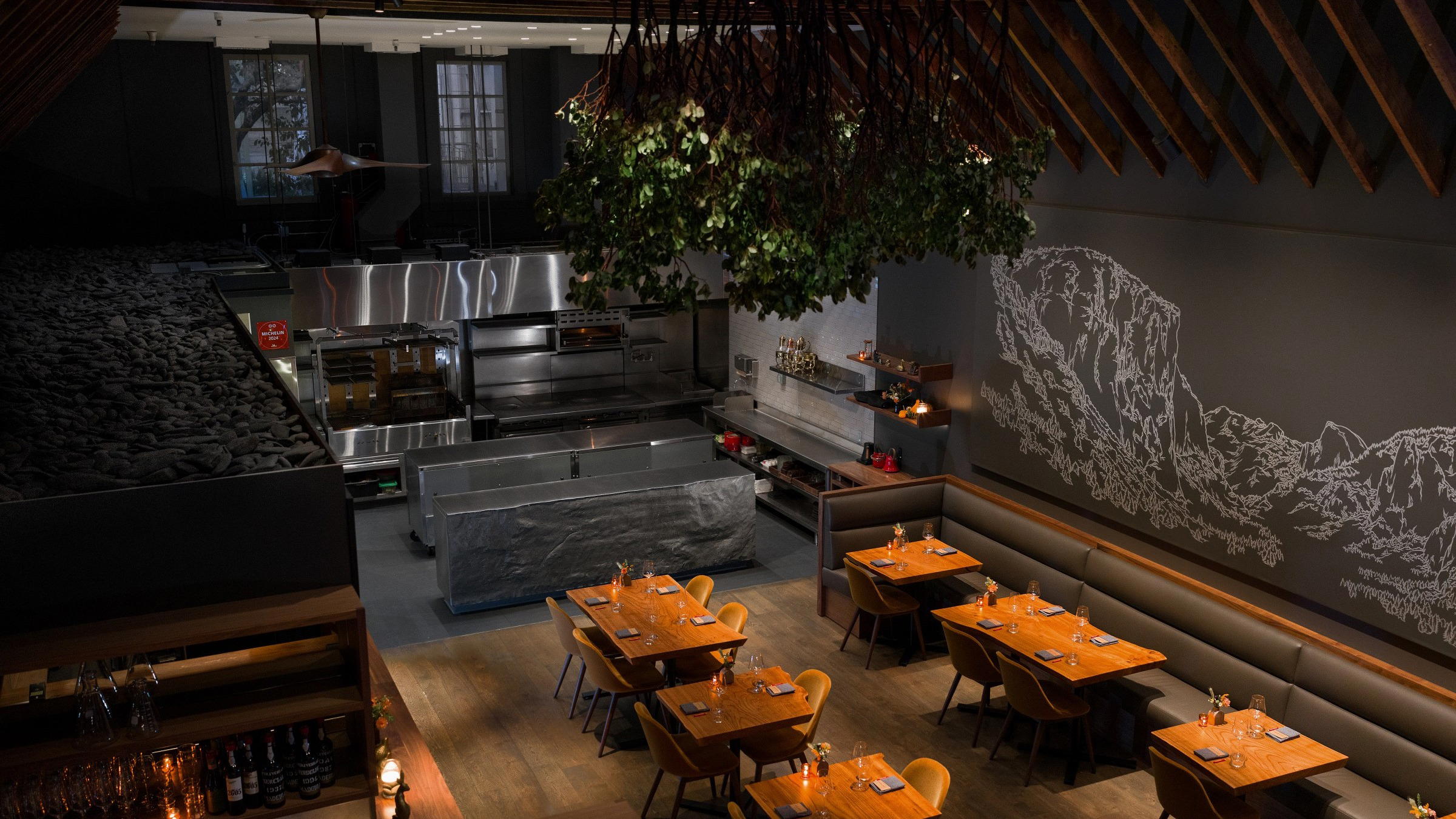
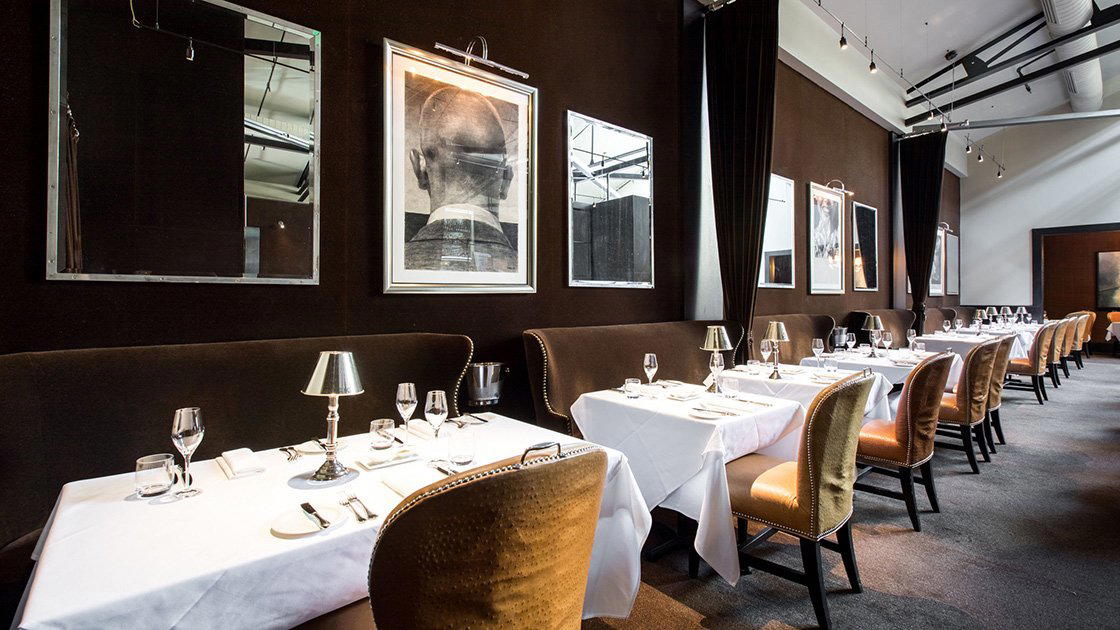
Restaurants in Los Altos
Browse all →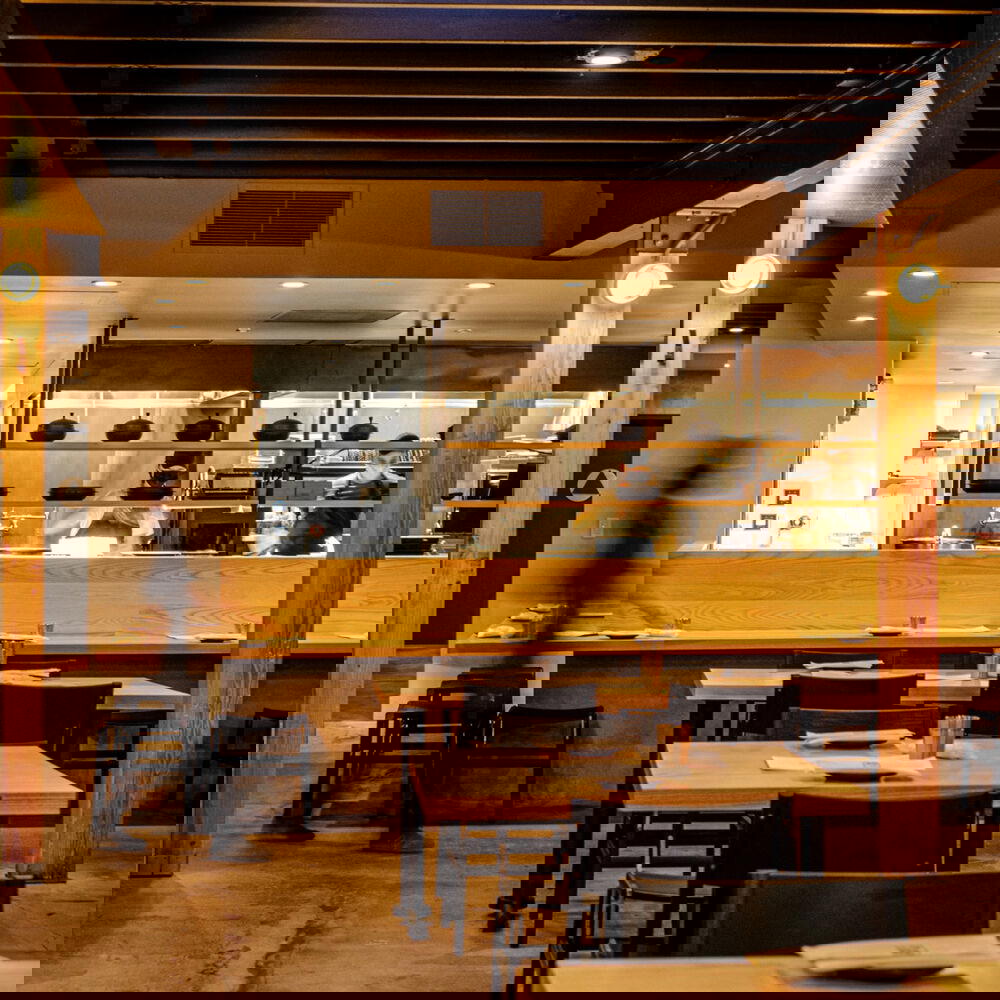
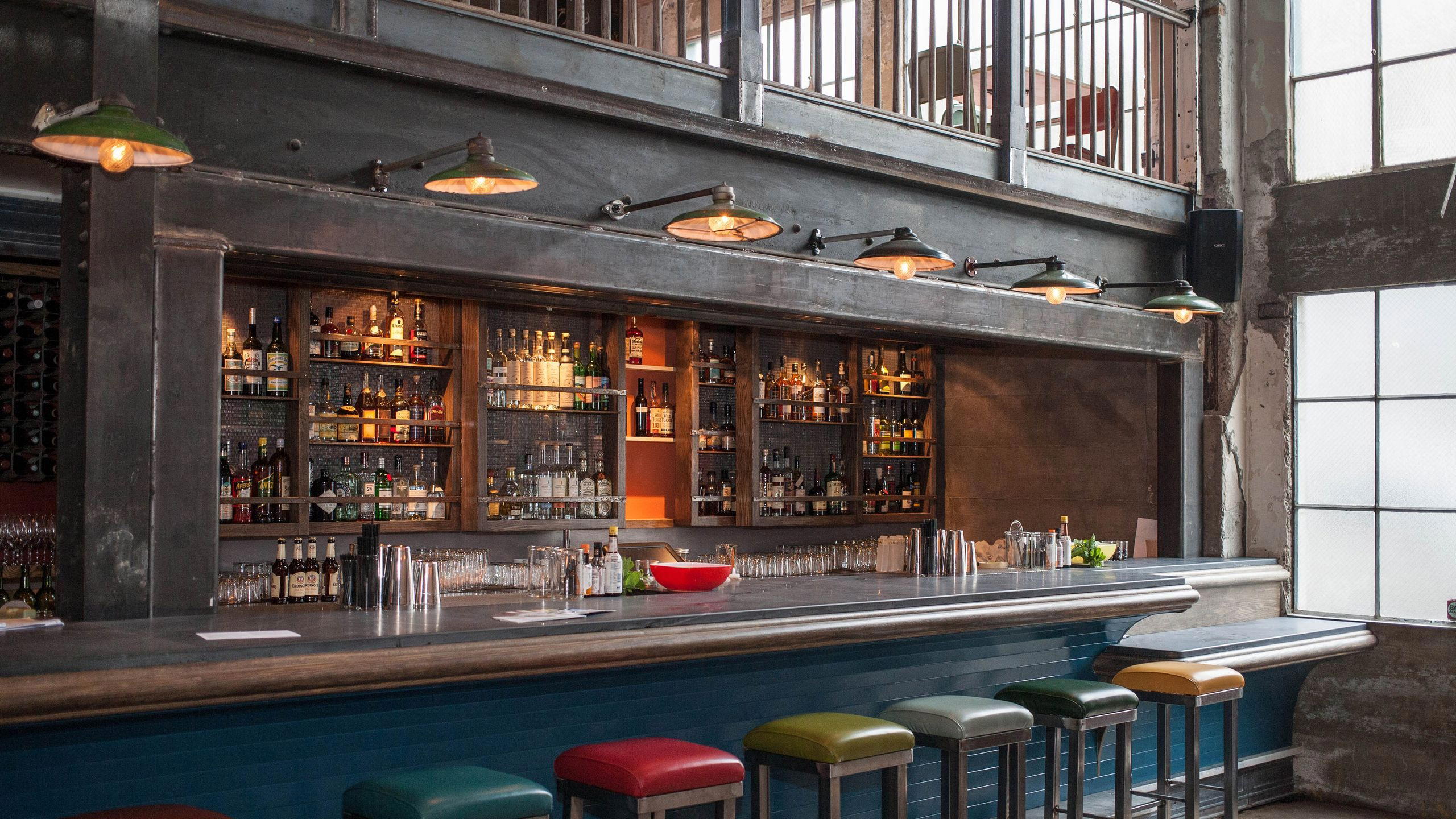
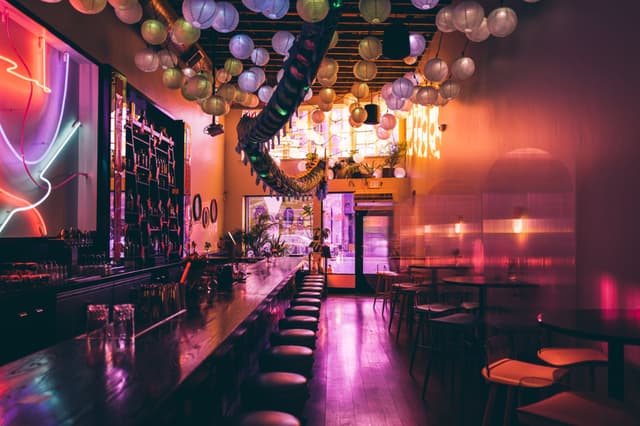
Bars in Los Altos
Browse all →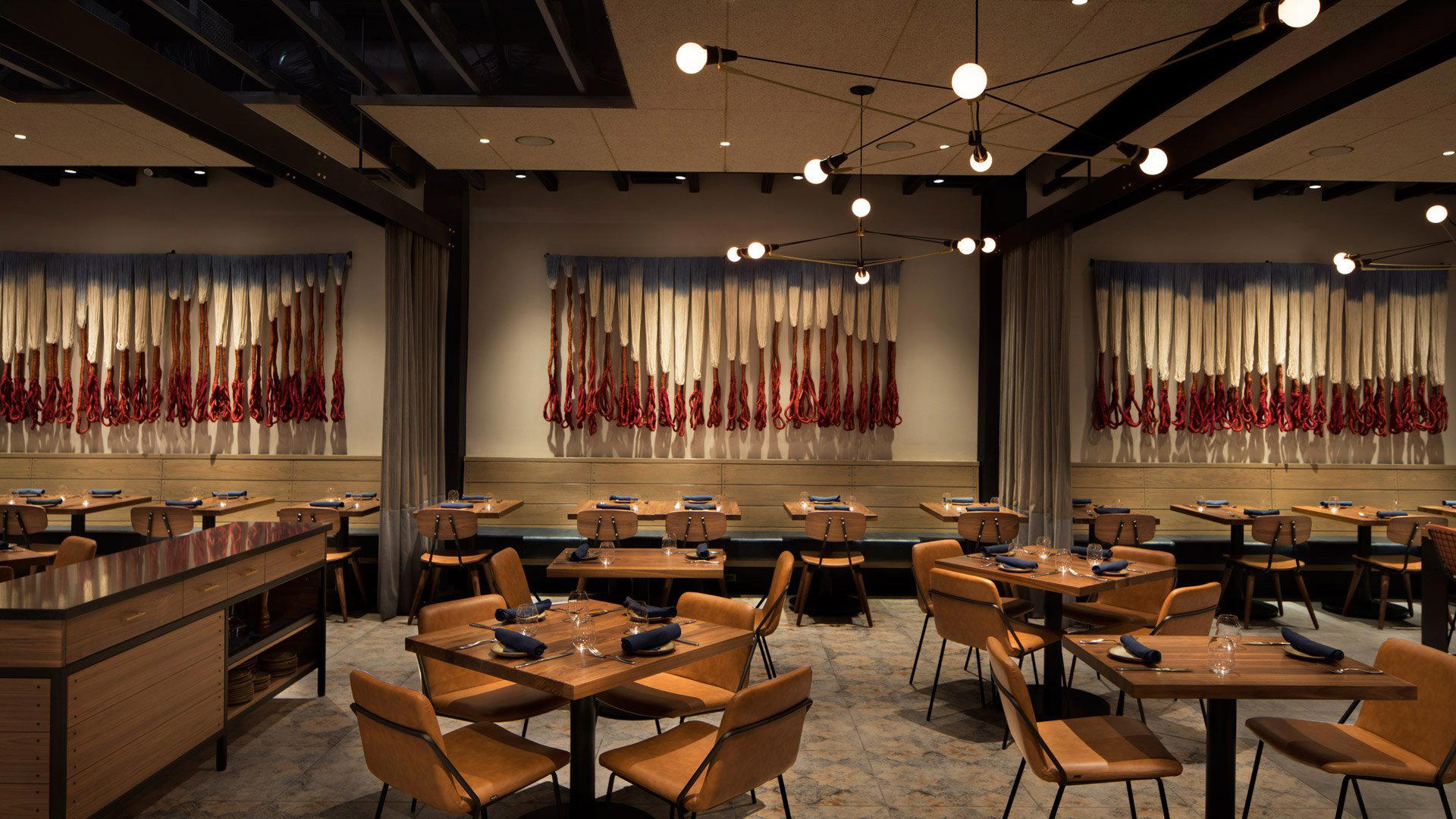
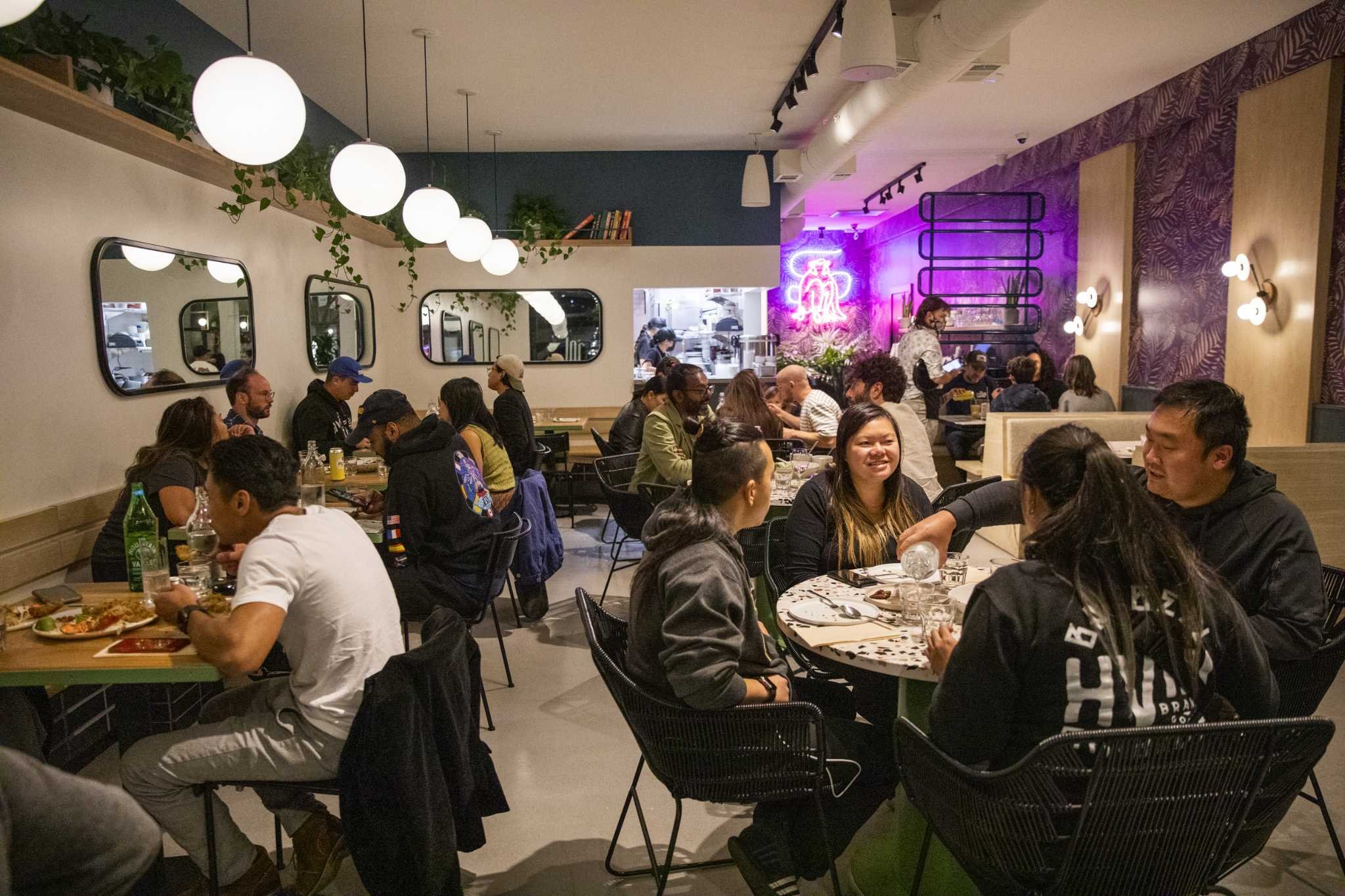
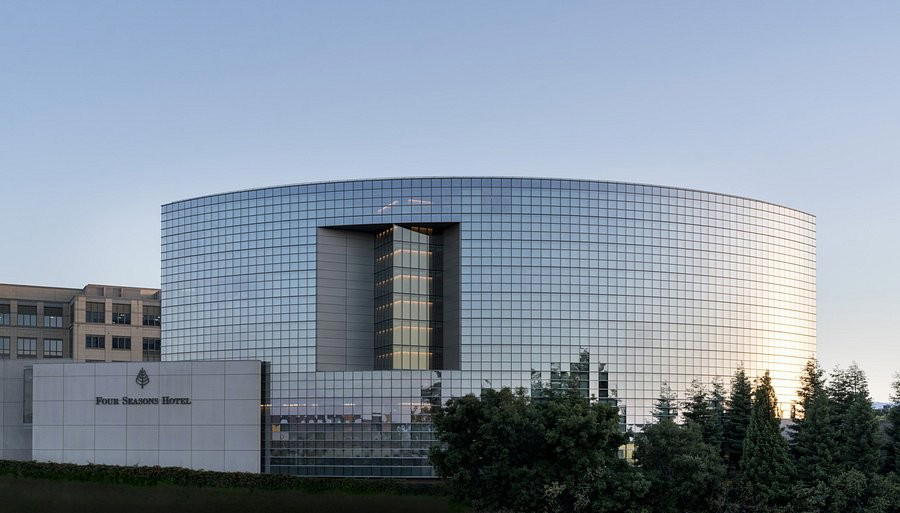
Hotels in Los Altos
Browse all →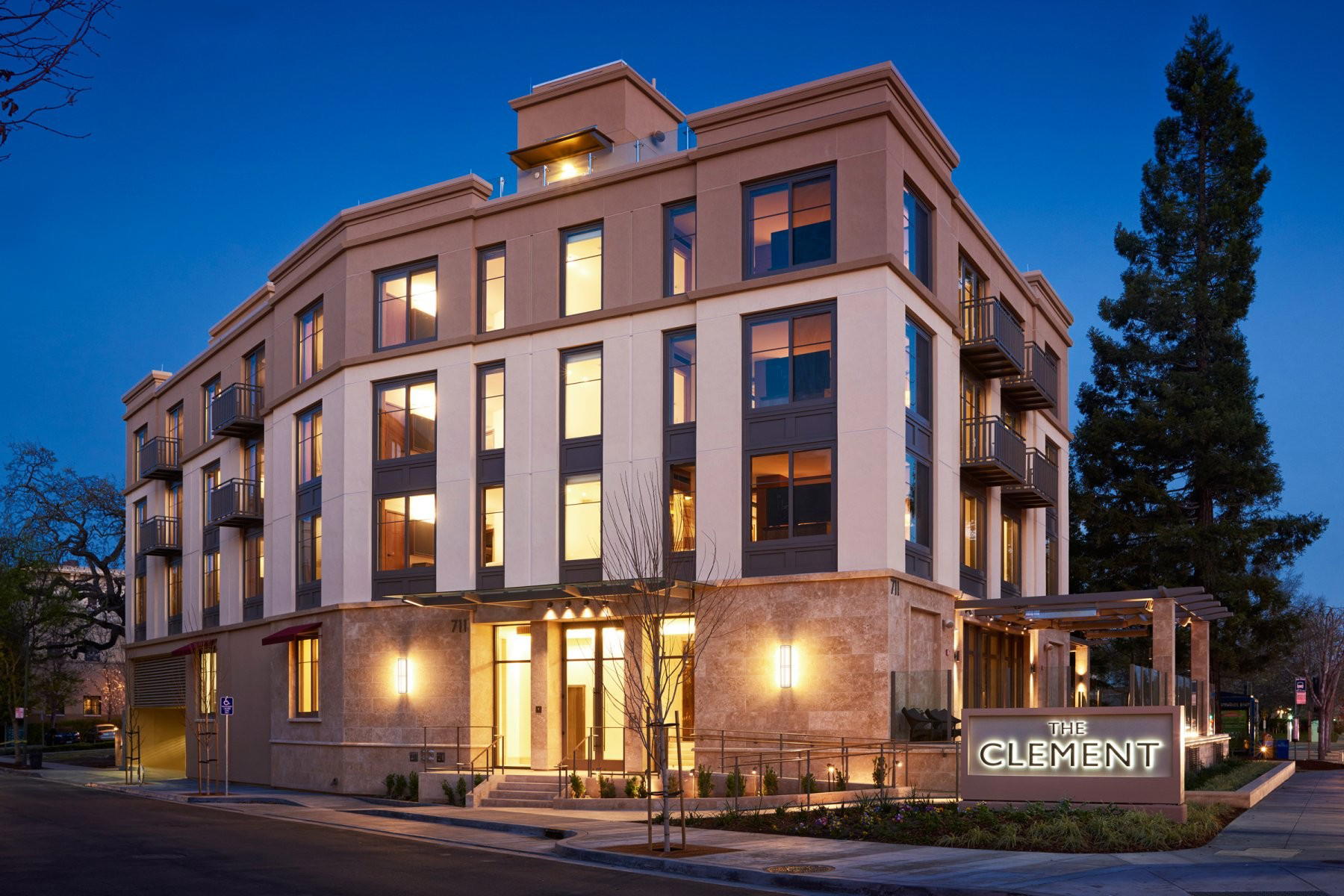

Details
- Cozy
- Warm
- Classic
- Date Night
- Casual Hangout
- Group Dining
- Open Kitchen
- Sake Program
- Beer Program
- A La Carte
- Small Plates
Current opening hours
- Monday
- 11:30 AM–2 PM, 5:30–8 PM
- Tuesday
- 11:30 AM–2 PM, 5:30–8 PM
- Wednesday
- 11:30 AM–2 PM, 5:30–8 PM
- Thursday
- 11:30 AM–2 PM, 5:30–8 PM
- Friday
- 11:30 AM–2 PM, 5:30–9 PM
- Saturday
- 11:30 AM–2 PM, 5:30–9 PM
- Sunday
- 11:30 AM–2 PM, 5:30–8 PM
Hours can change for holidays and private events. Last verified .
Warm-colored décor evoking a classic Japanese izakaya with open kitchen views.