
Hari Ju Doutonbori honten sits in Osaka’s old hot-pot register: sukiyaki, shabu shabu, Japanese cuisine, private rooms, tatami seating, and a scale that suits families as much as business meals. Its Tabelog 100 Hot Pot 2024 selection places it within a serious national category, while the Dotonbori setting keeps it tied to the city’s public appetite for beef, broth, and theatrical dining streets.
Pearl is the En Primeur Club membership app — saves, bookings, and concierge access live there. Same editors, same standards.
- Address
- 1 Chome-9-17 Dotonbori, Chuo Ward, Osaka, 542-0071, Japan
- Phone
- +81 6-6211-7777
- Website
- harijyu.co.jp
 Saves & bookings on Pearl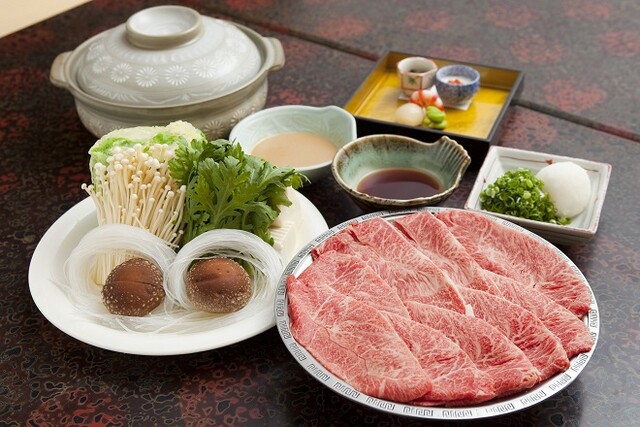
Dotonbori announces itself before any meal begins: signs crowd facades, foot traffic pushes toward the canal, and the neighbourhood’s food culture is loud, quick, and democratic. Here, hot pot differs from nearby takoyaki queues and okonomiyaki counters. It slows the city down. The room becomes dining room, family arrangement, and old Osaka ritual, where beef, broth, heat, and pacing matter more than novelty.
Hari Ju Doutonbori honten belongs to that slower register. Its selection for Tabelog 100 Hot Pot 2024 is useful category placement: sukiyaki and shabu shabu in Japan are judged through repetition, ingredient handling, room discipline, and keeping a familiar format from feeling tired. In Osaka, where casual eating often leads, a hot-pot house of this size and formality gives Dotonbori a counterweight.
Old Osaka beef culture, measured against Dotonbori's faster appetite
Osaka’s reputation for eating is often reduced to street snacks, but the city has long had a parallel culture of beef rooms, private meals, and group dining. Sukiyaki and shabu shabu sit squarely in that tradition. They are not built around the shock of one plate; they depend on sequence, shared heat, and a table rhythm suited to families, colleagues, and visitors wanting ceremony without tasting-menu stiffness.
That distinction matters in Dotonbori. Nearby, the scene can swing from the snack-shop immediacy of 551 Horai (551蓬莱) to the flour-and-sauce comfort of Ajinoya Honten, a comparison venue in a lower price bracket. Hot pot occupies a more deliberate tier. It asks diners to commit to the table rather than the street, and to read Osaka through beef and service instead of neon and speed.
The format explains its durability. Sukiyaki, shabu shabu, and Japanese cuisine give the kitchen a broad but coherent identity, while private rooms and tatami seating point to older urban hospitality. This is not the tiny counter model that dominates international attention in Japan. It is a house-restaurant model, built for volume, privacy, and repeat social use, and more revealing of local dining habits than a smaller, exportable luxury format.
Within Osaka’s meat spectrum, it sits below the expense of Nikushou Nakata Honten, where dinner pricing places the experience in a more rarefied beef category, and above quick casual comparisons such as hadoromanchikka. That middle-to-upper hot-pot position is the editorial point: Dotonbori can feed a visitor in ten minutes, but it can also hold a full-table beef meal structured enough to earn national hot-pot recognition.
Why the room matters as much as the pot
Hot pot is sensitive to setting. A cramped room can feel transactional; a large room can flatten into banquet service. The listed 200 seats and private rooms for parties from two to groups of more than 30 place this restaurant in a category built for different Osaka occasions, not one dining fantasy. Couples, multi-generational families, and work groups can share the same culinary grammar without the same social script.
That flexibility belongs to long-running Japanese specialty restaurants. Many must serve domestic regulars and inbound travellers without becoming museum pieces. The stronger ones keep the format legible: recognizable categories, clear room types, stable service, and booking infrastructure for modern diners. Reservations are available, children are welcome, and strollers are handled at the entrance before guests go upstairs. These practical details reveal the place’s cultural function. Osaka dining is social before it is precious.
The drinks list keeps the frame Japanese without narrowing it. Sake, shochu, and wine cover expected hot-pot pairings and mixed-group habits. The appeal is not sommelier-led performance; it supports a meal whose center of gravity remains the pot. That restraint is useful in a district where excess is often the visual language.
For readers mapping Osaka by category rather than hype, this is where the restaurant earns attention. Pair it mentally with the city’s broader range: espresso and pastry stops such as .cafe and 52CHO-ME BAKERY, Italian-leaning rooms such as a canto (Italian) and 99 Pizza Napoletana Gourmet, and the full spread in our full Osaka restaurants guide. Hot pot gives a different answer to the same question: how does Osaka feed people when the meal is meant to last?
The current case for a classic hot-pot house
The strongest reason to come is not novelty. It is seeing a classic Japanese format operating at a scale many newer dining rooms avoid. Tabelog’s 2024 Hot Pot selection gives the meal a contemporary quality marker, while the Dotonbori address places it inside a neighbourhood better known for instant gratification. That tension is the point. The surrounding city keeps moving; the hot-pot table asks for patience.
There are limits. Diners looking for chef-counter intimacy, experimental plating, or a short modern menu may find the format conservative. Those seeking a polished group meal in central Osaka, with sukiyaki and shabu shabu as the anchor, will understand why the category persists. It is communal, legible, and built around an old pleasure: beef cooked at the table, shared in sequence, and paced by conversation rather than spectacle.
For wider trip planning, the restaurant fits neatly into a Dotonbori or Namba itinerary, especially for travellers comparing food with the city’s hotel, bar, and cultural scenes. Use our full Osaka hotels guide, our full Osaka bars guide, our full Osaka wineries guide, and our full Osaka experiences guide to keep the evening grounded in the right neighbourhood rhythm.
The broader Japan file shows how many forms a serious meal can take: beef-focused dining at -Grilled beef Sukiyaki- KAMAKURA TANUKIAN 鎌倉 たぬき庵 in Kamakura, seafood and charcoal at. 鮪と炭火焼き うお炭 秋葉原店 in Tokyo, modern regional cooking at.know in Kumamoto, Vietnamese cooking at (Shoku) Vietnam in Kawasaki, curry specialization at [Curry Senmon Ten] Maruyama Kyoju. in Sapporo, and Kyoto precision at [ki:] in Kyoto. For overseas contrasts in Japanese food culture, Jōdo Saké Bar in Los Angeles and Onigiri Time in Pasadena show how Japanese formats travel, simplify, and adapt. Osaka’s hot-pot tradition is less portable because the room, group, and city appetite are part of the meal.
Comparable Spots, Quickly
Comparable venues to anchor price and recognition.
| Venue | Cuisine | Price | Notes |
|---|---|---|---|
| Hari Ju Doutonbori hontenThis venue — the venue you are viewing | Traditional Wagyu Sukiyaki & Shabu-shabu | $$$ | Not listed |
| Unagi no Uoi Honten | Traditional Osaka charcoal-grilled unagi | $$$ | Asahi |
| Higyu | Japanese Yakiniku | $$$ | Kita |
| Wagyu Matsushita Kamidoori ten | Premium Wagyu Yakiniku, Sukiyaki & Shabu-Shabu | $$$ | Kita |
| Shinhaku | High-End Yakitori Omakase & Duck Shabu-Shabu | $$$ | Kita |
| Yakitori BLACK | Yakitori Omakase | $$$ | Osaka |
Recognition history
Dated appearances from independent guides and award organizations, with the underlying list record or original source where available.
Tabelog 100 #9 · No. 9
Tabelog · Tabelog 100 - Hot Pot - 2024
Continue exploring
More in Osaka
Restaurants in Osaka
Browse all →




Bars in Osaka
Browse all →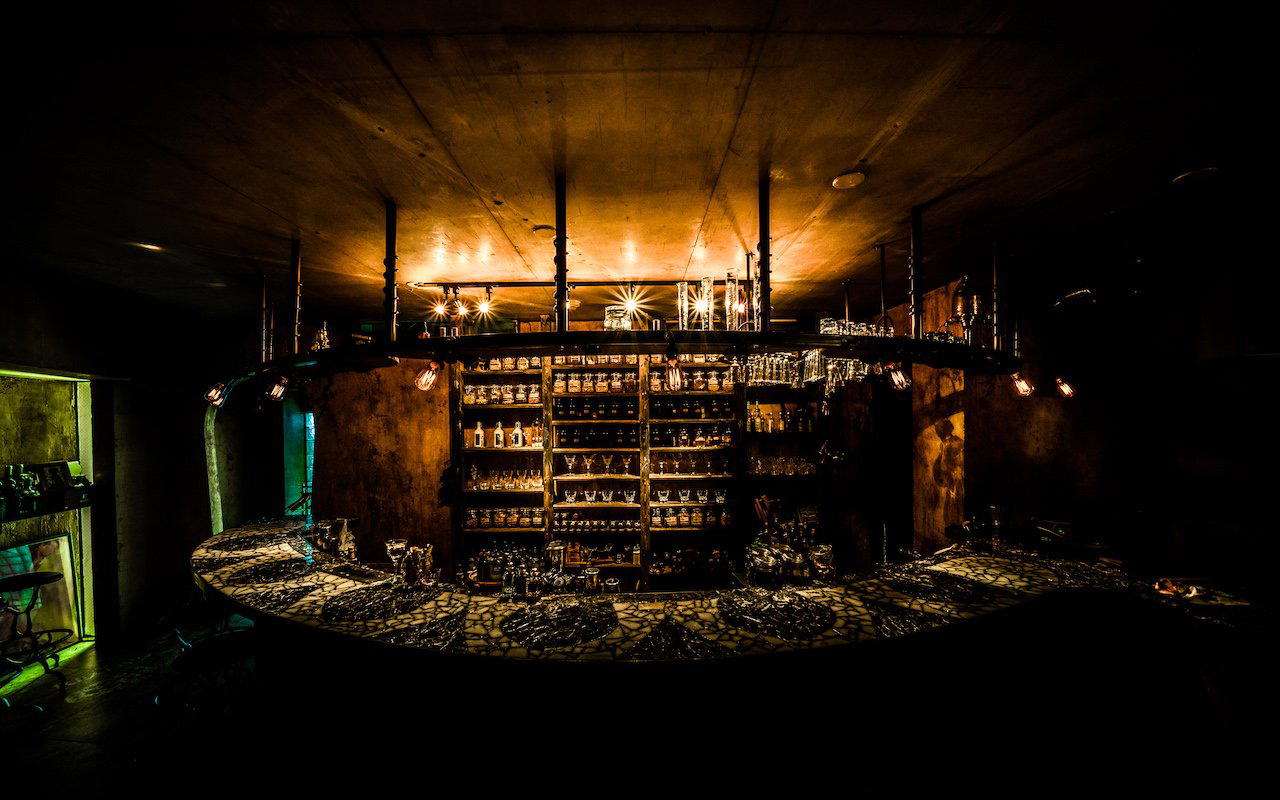


Hotels in Osaka
Browse all →



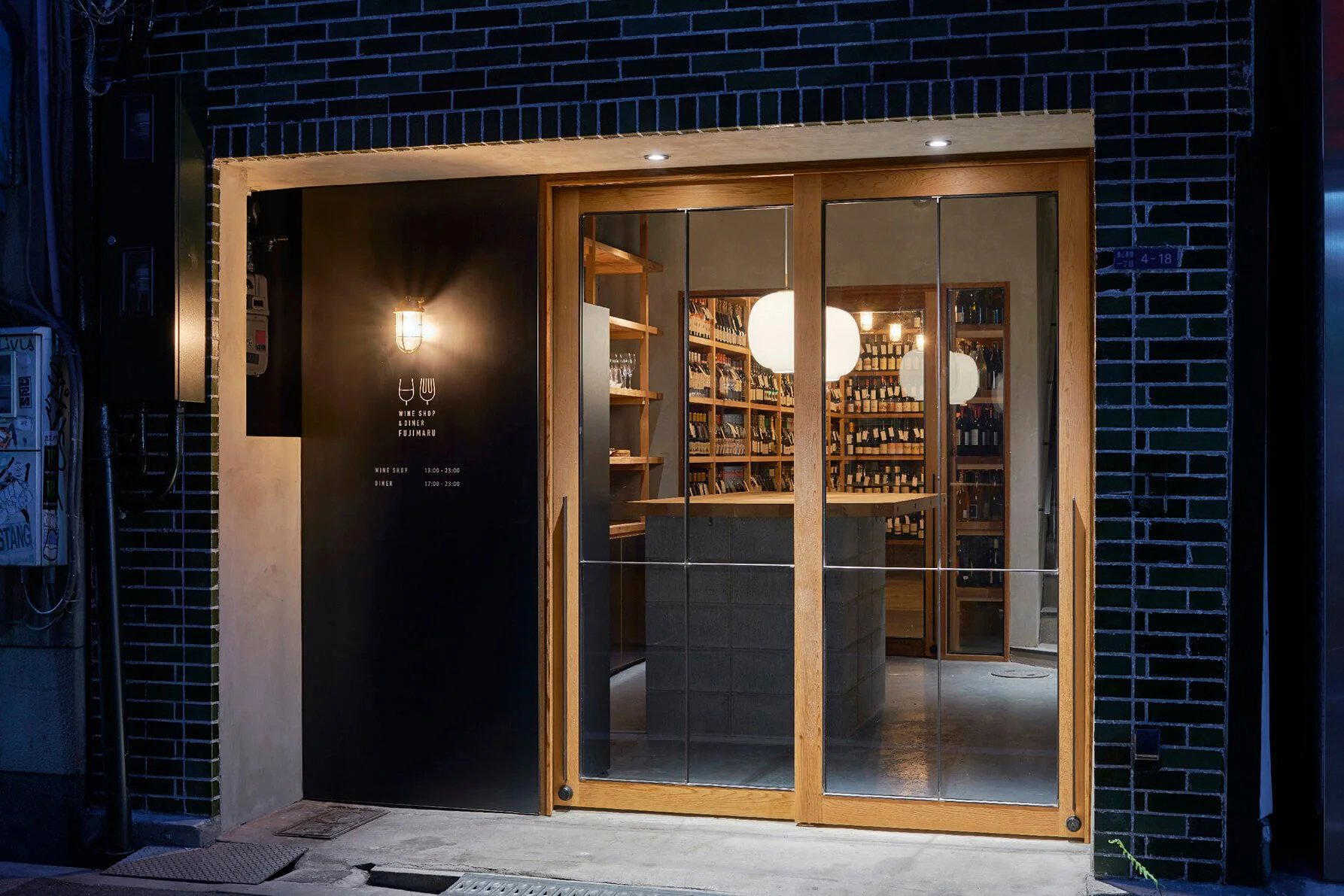
Wineries in Osaka
Browse all →
At a Glance
- Classic
- Elegant
- Well Known
- Special Occasion
- Celebration
- Business Dinner
- Family
- Group Dining
- Date Night
- Private Dining
- Historic Building
- Standalone
- Sake Program
- Local Sourcing
- Street Scene
Current opening hours
- Monday
- 11:30 AM–9 PM
- Tuesday
- Closed
- Wednesday
- 11:30 AM–9 PM
- Thursday
- 11:30 AM–9 PM
- Friday
- 11:30 AM–9 PM
- Saturday
- 11:30 AM–9 PM
- Sunday
- 11:30 AM–9 PM
Hours can change for holidays and private events. Last verified .
A classic, ryokan-like interior in a purely Japanese-style building, with attentive formal service and a calm, refined atmosphere suited to savoring high-quality wagyu over a leisurely meal.