
Karen Oosaka shinsaibashi ten brings Kagoshima beef, pork, chicken, and produce into Osaka’s central hot-pot circuit, with shabu shabu, sukiyaki, and steak as the core grammar. Its Tabelog 100 Hot Pot 2024 selection places it in a more scrutinised category than the casual Namba dinner run, while the private-room structure makes it suited to planned meals rather than improvisation.
Pearl is the En Primeur Club membership app — saves, bookings, and concierge access live there. Same editors, same standards.
- Address
- 大阪府大阪市中央区心斎橋筋2-7-18 プライムスクエア心斎橋 B1F
- Phone
- +81662138929
- Website
- karen-ja.com
 Saves & bookings on Pearl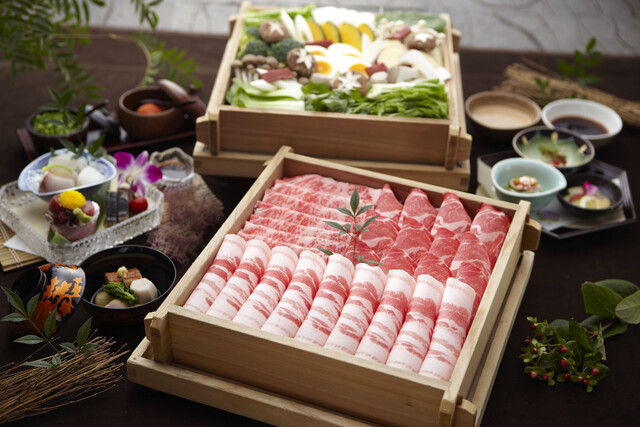
Below street level in Shinsaibashi, Osaka hot pot shifts the city’s usual register of counter takoyaki, station snacks, late ramen, and department-store basements built for quick decisions. Sukiyaki and shabu shabu require a slower tempo: the room matters, the table is the stage, and timing matters more than surprise. Karen Oosaka shinsaibashi ten belongs to this slower branch of Osaka dining, where beef provenance, broth or sauce, and seating format outweigh novelty.
Read it not as a chef-led tasting-menu address, but as an agricultural-producer dining room inside a commercial district. Direct management by the JA Kagoshima Prefecture Economic Association changes the frame: Kagoshima Kuro Beef, Kagoshima Kurobuta pork, Kuro Satsuma chicken, and Kagoshima vegetables are the premise, not supporting characters. In a city full of meat restaurants built around branding, this prefectural supply story gives the hot-pot format a clear editorial logic.
Kagoshima produce in Osaka's hot-pot grammar
Shabu shabu and sukiyaki are formal enough for business, relaxed enough for families, and structured enough to expose ingredient quality rather than hide it. Osaka has flashier signatures, but hot pot is where regional beef culture becomes legible at the table. The 2024 Tabelog 100 Hot Pot selection is the main trust signal here, especially in a category where technique is quiet and comparison depends on sourcing, consistency, and service rhythm.
Kagoshima’s wagyu position gives the menu its centre of gravity. The restaurant highlights Kagoshima Kuro Beef, associated in its materials with an overall championship at the 11th National Wagyu Beef Competition, plus Kurobuta pork and Kuro Satsuma chicken. The result is not a single luxury cut, but a regional agricultural portfolio. For travellers, the appeal is not just “eat wagyu in Osaka”; it is seeing a Kyushu production identity translated into Kansai dining habits.
That distinction matters in Shinsaibashi and Namba, where choices often split between spectacle and convenience. SUGALABO V occupies another luxury register, while Sumibi Yakitori Kibitaki sits in a tighter charcoal-grill lane at a lower dinner spend. Karen Oosaka shinsaibashi ten works in a broader, roomier hot-pot format, closer to group dining than counter theatre. Compared with quick regional staples such as 551 Horai (551蓬莱) or casual daytime stops like 52CHO-ME BAKERY and .cafe, it needs a planned slot and slower appetite.
A room built for groups, not counter drama
The format explains the restaurant’s utility. With 90 seats, private rooms for small groups, and tatami and sunken seating, this is not a tiny Osaka address where scarcity is the story. The appeal is controlled comfort: a table suited to families, business meals, and travellers wanting hot pot without a walk-in gamble. Its scale also avoids the high-pressure reservation culture of micro-counters, where lateness can derail service.
Private rooms change the psychology of sukiyaki and shabu shabu. Hot pot is conversational: diners share pace, split attention between meat and vegetables, and settle into repetition. That makes it more forgiving than chef-counter dining for mixed groups, children, and guests wanting something distinctly Japanese without omakase fluency. Family-friendly positioning, stroller acceptance, a non-smoking policy with designated smoking room, and wheelchair accessibility reinforce that reading.
The drinks list places the restaurant in the market. Sake, shochu, wine, and cocktails are available, with special attention to shochu. For a Kagoshima-linked dining room, shochu is not decorative; it belongs to the same regional conversation as the meat and vegetables. Visitors chasing Osaka’s contemporary drinking culture can map this meal against Our full Osaka bars guide; broader itineraries should keep Our full Osaka restaurants guide and Our full Osaka hotels guide close.
How to place it in an Osaka itinerary
This suits travellers wanting a reservation-led Japanese meal in the Shinsaibashi and Namba orbit without the intensity of a tasting counter. It is less compelling for diners seeking chef biography, avant-garde plating, or a tiny-room chase. Better comparisons are other category-specific Osaka meals: pizza specialists such as 99 Pizza Napoletana Gourmet, Italian rooms such as a canto (Italian), or casual comfort addresses such as MUGUNI. Each has a purpose; hot pot earns its slot when the group wants a shared table and clear regional sourcing.
Planning matters in a district where spontaneous dining can become queue management. Shinsaibashi’s strength is density, but density does not always create calm meals. A hot-pot booking gives the evening a spine: dinner first, then bars, late shopping streets, or a short move toward Namba. For routes beyond restaurants, Our full Osaka experiences guide and Our full Osaka wineries guide frame the city outside the dinner table.
There is national context, too. Sukiyaki and beef-led dining vary by region, from Kansai seasoning traditions to Kanto-style approaches and grilled-beef hybrids. Outside Osaka, -Grilled beef Sukiyaki- KAMAKURA TANUKIAN 鎌倉 たぬき庵 in Kamakura frames beef through another local rhythm. Broader Japanese itineraries might pair Osaka hot pot with. 鮪と炭火焼き うお炭 秋葉原店 in Tokyo, [ki:] in Kyoto.know in Kumamoto, (Shoku) Vietnam in Kawasaki, or [Curry Senmon Ten] Maruyama Kyoju. in Sapporo. For Japanese formats abroad, Jōdo Saké Bar in Los Angeles and Onigiri Time in Pasadena show how focused categories travel once removed from home.
The verdict is clear: not Osaka at its loudest or most experimental, but Osaka as host city for a regional producer, with Kagoshima ingredients inside a format built for conversation, planning, and repeatable pleasure. Tabelog 100 Hot Pot 2024 recognition gives external validation; the stronger reason to go is how the format solves a common travel problem. When a group needs a serious Japanese meal in central Osaka that does not revolve around counter scarcity, this address makes sense.
Cuisine-First Comparison
Comparable venues by category and price.
| Venue | Cuisine | Price | Notes |
|---|---|---|---|
| Karen Oosaka shinsaibashi tenThis venue — the venue you are viewing | Kagoshima Wagyu Shabu-shabu & Sukiyaki | $$$ | Not listed |
| Hon Sekiguchi | Traditional Kansai-Style Sukiyaki & Shabu-Shabu | $$$ | Chūō |
| San Bettei Kitashinchi ten | Okinawan Shabu-Shabu & Sukiyaki | $$$ | Kita |
| Ishii Jr. | Yakitori & Chicken Dishes Omakase | $$$ | Kita |
| Nagahori | Michelin-starred Japanese Izakaya Omakase | $$$ | Chūō |
| Sumiya | Intimate Sushi Omakase Counter | $$$ | Chūō |
Recognition history
Dated appearances from independent guides and award organizations, with the underlying list record or original source where available.
Tabelog 100 #100 · No. 100
Tabelog · Tabelog 100 - Hot Pot - 2024
Continue exploring
More in Osaka
Restaurants in Osaka
Browse all →




Bars in Osaka
Browse all →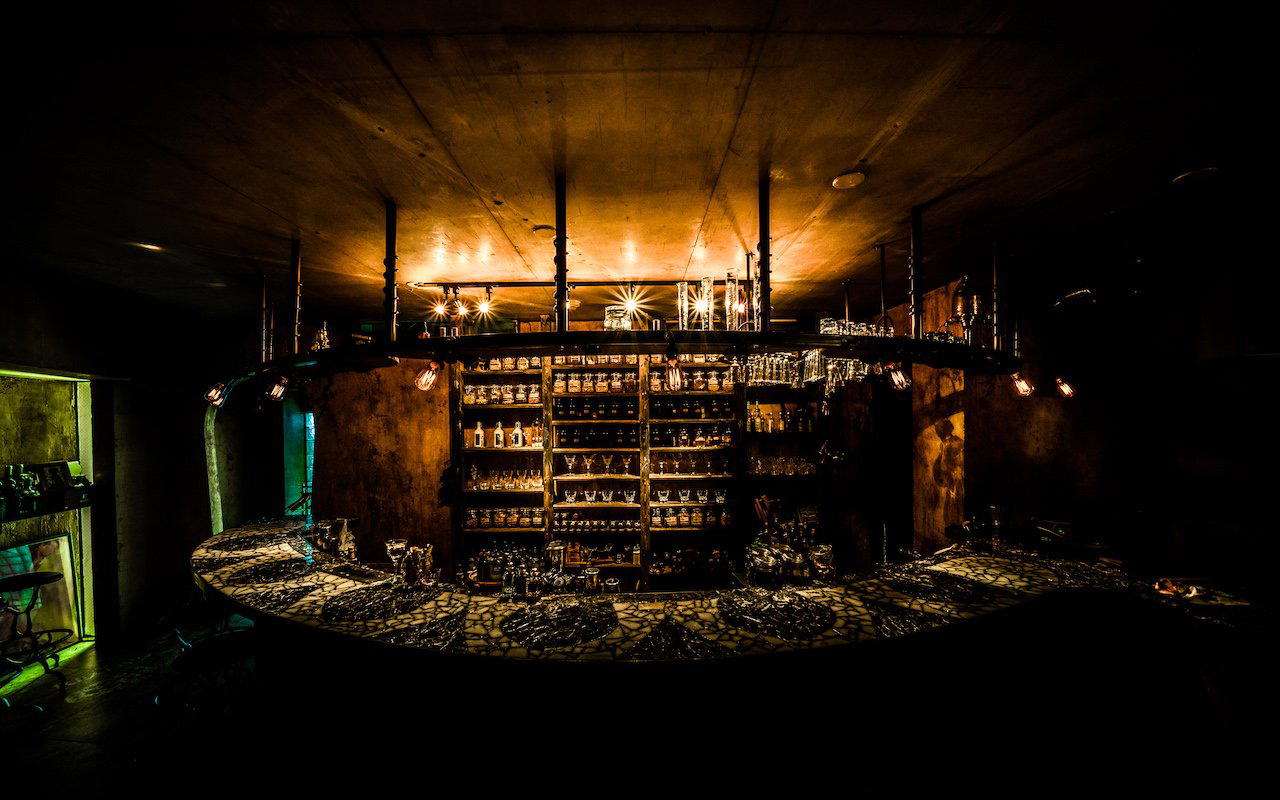

Hotels in Osaka
Browse all →



Wineries in Osaka
Browse all →
At a Glance
- Elegant
- Quiet
- Classic
- Cozy
- Date Night
- Business Dinner
- Group Dining
- Family
- Celebration
- Special Occasion
- Private Dining
- Standalone
- Design Destination
- Sake Program
- Beer Program
- Local Sourcing
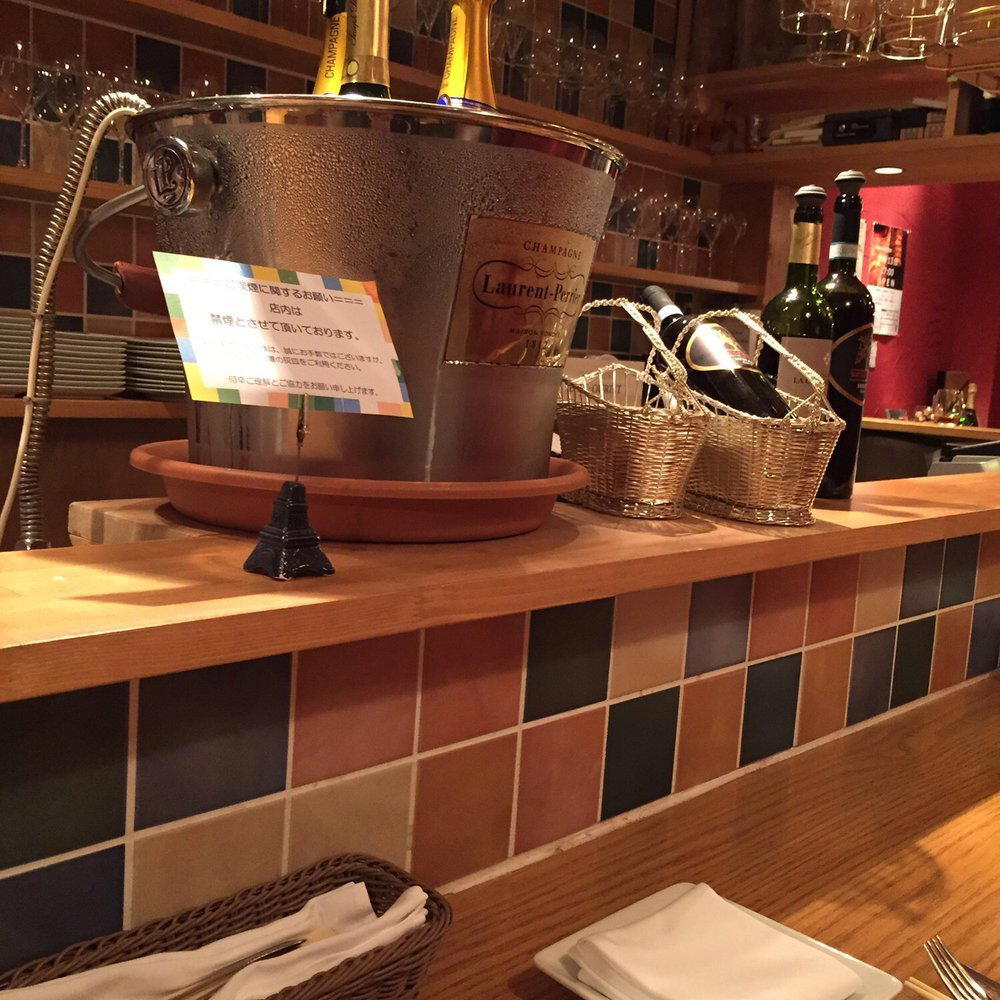
A refined, quietly elegant basement dining room with private rooms and partitioned tables, emphasizing comfort and calm over flash, suited to relaxed meals and celebrations with attentive but unobtrusive service.