
Sumibi Yaki Sanku gives Nichinan a serious place in Japan’s chicken-cuisine conversation, with charcoal grilling, Miyazaki poultry culture, and a course-led format doing the work rather than urban polish. Its selection for Tabelog’s 2025 Chicken Cuisine 100 places it in a national frame, while the rural Miyazaki setting keeps the experience tied to production territory rather than trend-chasing dining.
Pearl is the En Primeur Club membership app — saves, bookings, and concierge access live there. Same editors, same standards.
- Address
- 2693 Kazeda, Nichinan, Miyazaki 887-0034, Japan
- Phone
- +81 987-23-7345
- Website
- sanku.raku-uru.jp
 Saves & bookings on Pearl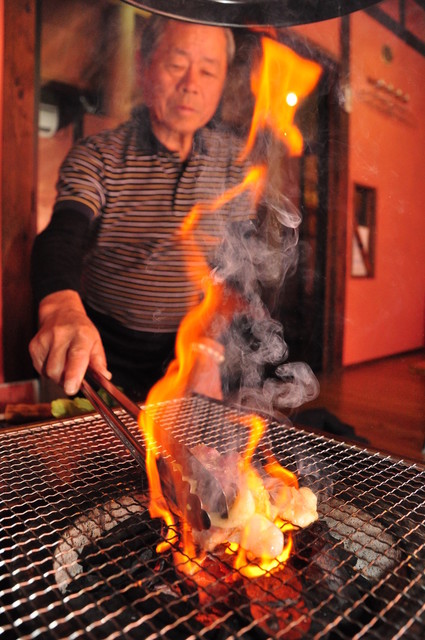
Approach matters in Nichinan. The city sits on Miyazaki’s southern coast, where dining is shaped less by station-front turnover than by farms, fishing ports, family groups, and long drives between appointments. Here, charcoal chicken is not yakitori as metropolitan snack but a regional argument about breed, heat, smoke, and Kyushu’s treatment of poultry as the main event.
Sumibi Yaki Sanku belongs to that argument. Its public category grouping covers chicken dishes, meat dishes, and yakitori, but the sharper reading is narrower: a charcoal-grill address in a prefecture with a serious chicken identity, selected for Tabelog’s 2025 Chicken Cuisine 100. That category-specific recognition places it in a national conversation around toriryori, not casual Japanese dining broadly.
Charcoal chicken in Miyazaki is ingredient sourcing, not nostalgia
Miyazaki’s poultry reputation gives restaurants here an obligation. The ingredient is not a decorative local reference; it is the meal’s point. In the prefecture, chicken is often handled with less mediation than in Tokyo’s polished counter culture: direct heat, firm seasoning, and formats that let diners read differences between cuts. A shichirin charcoal grill makes sourcing visible because poor poultry has nowhere to hide.
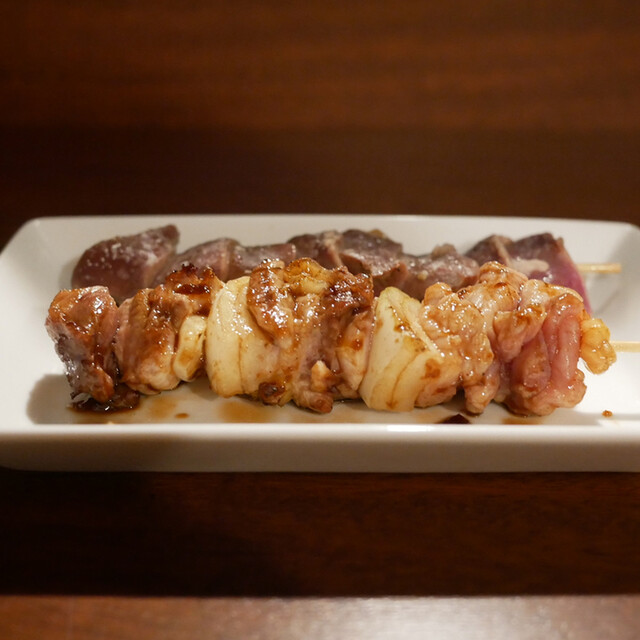
That makes Sumibi Yaki Sanku more interesting than its modest price tier suggests. The restaurant centers on Miyazaki Jitokko, the local chicken associated with the prefecture, and on ingredients grilled before guests over charcoal. Those details place the meal in Kyushu chicken cookery, where texture and fat carry as much authority as sauce or garnish.
Urban yakitori counters often foreground chef lineage, wine pairing, and microscopic service choreography. Nichinan shifts emphasis back to origin and heat. The cooking language is direct, not simple. Charcoal rewards timing, distance, and restraint; it punishes over-management. When the ingredient is the headline, the grill tests whether the kitchen trusts the bird enough to let it lead.
Within Japan’s wider dining map, this sits apart from beef-led regional destinations such as #肉といえば松田 奈良本店 in Kashihara or sukiyaki-focused rooms like -Grilled beef Sukiyaki- KAMAKURA TANUKIAN 鎌倉 たぬき庵 in Kamakura. The comparison is specialization, not hierarchy: beef houses build drama through marbling and service ritual, while Miyazaki chicken restaurants earn attention through cut selection, charcoal control, and regional breed identity.
A rural course format with national-category credibility
The Tabelog Chicken Cuisine 100 selection is the page’s clearest trust signal. For travelers used to Michelin stars or hotel-restaurant rankings, Tabelog’s category lists work differently: they reward depth inside a defined Japanese genre. A toriryori listing does not claim hotel-dining luxury; it says the restaurant belongs in the conversation for chicken cooking, the relevant credential here.
The format also points away from drop-in casualness. A course-led structure turns charcoal dining from reactively ordered skewers into a controlled progression. That suits ingredient-focused cooking, especially when the kitchen moves between chicken, meat dishes, and grill preparations without turning the table into a menu negotiation. Private rooms and private-use availability suggest groups and families, not only solo counter diners chasing a narrow food itinerary.
Nichinan’s position matters. It is not Miyazaki City, nor a transit-heavy restaurant district. Dining here is intentional. Travelers building a southern Miyazaki route should treat the meal as part of the day’s structure, not an add-on after sightseeing. The coastal and rural setting gives the restaurant its context; the same food would read differently in a shopping complex or nightlife quarter.
Comparable local pricing clarifies the value proposition. Out-of-metro chicken and meat addresses in Japan range from low-spend everyday restaurants to higher-ticket specialist rooms. Tori no Sato sits in a lower dinner band, while Yushin reaches higher; Ooyodo Kahan Miyachiku, with its beef association, occupies another nearby price conversation. Sumibi Yaki Sanku falls in the middle: serious enough for national category recognition, but not priced like a luxury counter in a major city.
That middle lane is often regional Japan at its most persuasive. The restaurant does not need Ginza omakase ceremony or hotel polish to justify attention. Its case rests on a specific cuisine, prefecture, and cooking method legible to diners who care about provenance. For broader planning, Our full Nichinan restaurants guide gives the necessary local frame.
How to place it in a Nichinan itinerary
Use the restaurant as the anchor of an evening in southern Miyazaki, especially if regional food matters more than urban convenience. Nichinan rewards a slower itinerary: coastal drives, shrine visits, and meals that do not feel interchangeable with Tokyo or Osaka. A charcoal chicken dinner here explains more about the area than another generic Japanese set meal would.
It also shows that Japan’s regional dining network is not confined to obvious culinary capitals. Specialist meals appear nationwide in focused formats: charcoal seafood at . 鮪と炭火焼き うお炭 秋葉原店 in Tokyo, contemporary small-format dining at [ki:] in Kyoto, curry concentration at [Curry Senmon Ten] Maruyama Kyoju. in Sapporo, and casual precision at 1/3 HAMBURGER FACTORY in Kanazawa. The through-line is focus, not city size.
For a larger Japan food route, the contrast helps..cafe in Osaka.know in Kumamoto, (Shoku) Vietnam in Kawasaki, 1000 in Yokohama, and 1000mヒュッテ 1000m Hut in Kutchan all sit in different dining registers. Sanku’s register is narrower and more regional: a Miyazaki chicken meal built around charcoal rather than breadth.
Internationally, Japanese food culture is often flattened into sushi, ramen, and sake-bar shorthand. That makes regional chicken worth protecting. A Los Angeles sake room such as Jōdo Saké Bar in Los Angeles or a Southern California rice specialist such as Onigiri Time in Pasadena may translate Japanese formats abroad, but Nichinan offers the source-side counterpoint: local ingredient, local heat, local occasion.
Round out the trip with the city, not dinner as an isolated pin. Our full Nichinan hotels guide helps with overnight planning; Our full Nichinan bars guide, Our full Nichinan wineries guide, and Our full Nichinan experiences guide place the meal inside the city’s wider rhythm. The verdict is clear: for travelers who care where Japanese ingredients come from, the restaurant is a sharper Nichinan choice than a generalist dinner.
Comparable Spots, Quickly
Comparable venues by cuisine and price in the same metro.
| Venue | Cuisine | Price | Notes |
|---|---|---|---|
| Sumibi Yaki SankuThis venue — the venue you are viewing | Charcoal-grilled Miyazaki chicken izakaya | $$ | Not listed |
| tonkatsu.jp表参道 | Premium Tonkatsu Specialist | $$ | Omotesando |
| Nagomi (和海) | Specialty Ramen | $$ | Mukogawa |
| Hana Goori Kakigori | Japanese Kakigori (Shaved Ice) | $$ | Roppongi |
| Fukutaro (福太郎) | Osaka Okonomiyaki & Negiyaki | $$ | Sennichimae |
| Kaneko Hannosuke (金子半之助) | Edo-style Tempura Rice Bowls (Tendon) | $$ | Nihonbashi |
Recognition history
Dated appearances from independent guides and award organizations, with the underlying list record or original source where available.
Tabelog 100 #48 · No. 48
Tabelog · Tabelog 100 - Chicken cuisine - 2025
Continue exploring
More in Nichinan

At a Glance
- Cozy
- Rustic
- Casual Hangout
- After Work
- Group Dining
- Late Night
- Standalone
- Beer Program
- Sake Program
- Local Sourcing
Current opening hours
- Monday
- 6–10 PM
- Tuesday
- 6–10 PM
- Wednesday
- 6–10 PM
- Thursday
- 6–10 PM
- Friday
- 6–10 PM
- Saturday
- 6–10 PM
- Sunday
- Closed
Hours can change for holidays and private events. Last verified .
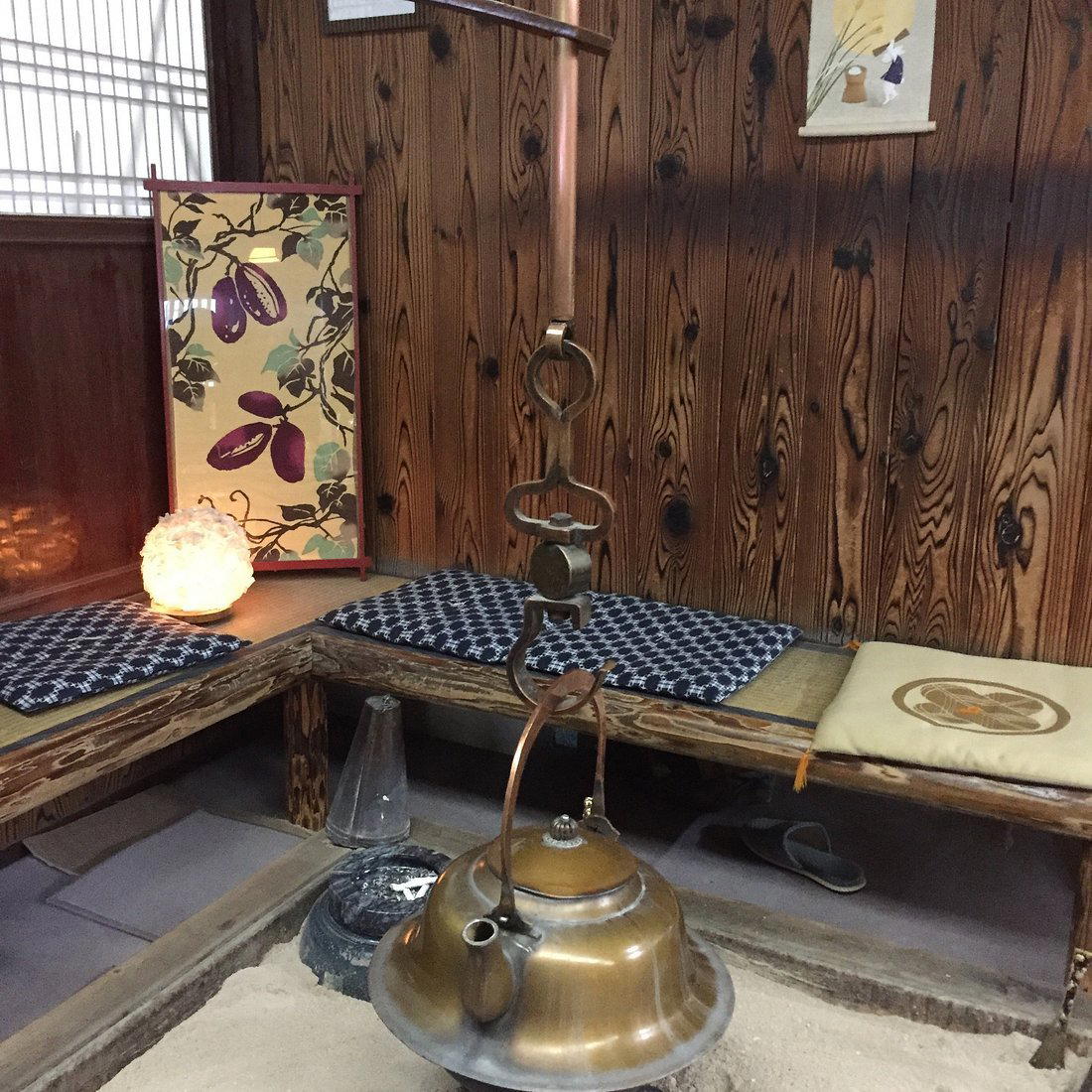
A warm, smoky charcoal-grill izakaya with an intimate, rustic feel, focused on the theatrical aroma and flavor of chicken cooked over glowing bamboo charcoal.