Nagomi (和海) sits in Amagasaki's Mukogawa-cho district, a residential pocket of Hyogo Prefecture where the dining scene runs quieter than Osaka's but no less considered. The name, combining the characters for harmony and sea, signals an orientation toward Japanese culinary tradition rooted in what the water provides. For travellers passing between Kobe and Osaka, it represents the kind of address worth building an itinerary around.
 Discover on Pearl
Pearl is the En Primeur Club membership app — saves, bookings, and concierge access live there. Same editors, same standards.
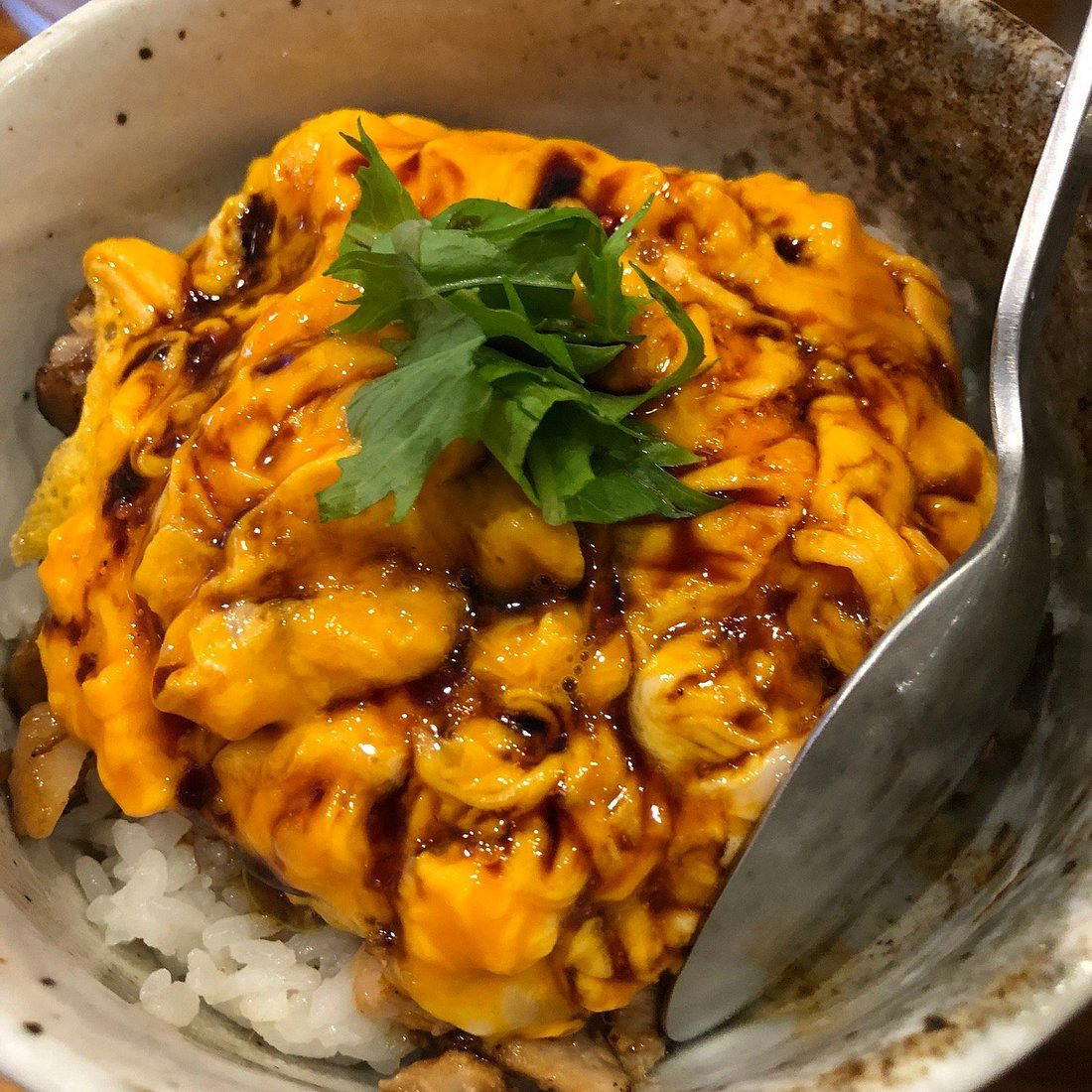
Where Amagasaki Eats Quietly and Well
Amagasaki occupies an awkward position in the mental geography of Kansai travel. Sandwiched between Osaka to the east and Kobe to the west, it rarely appears on the shortlists that bring visitors to Hyogo Prefecture. That overlooked status is, for the city's better restaurants, something close to an advantage. Nagomi (和海) can operate at the pace and pitch its format requires. The address in Mukogawa-cho, a residential stretch that doesn't announce itself as a dining quarter, is consistent with that pattern: the kitchen is the draw, not the postcode.
Japan's broader dining culture has long treated ingredient provenance as a structural value rather than a marketing position. In kaiseki and washoku traditions, the sourcing calendar is the menu calendar. What the sea offers in a given week, and what the mountains and rivers add to that, shapes what appears on the counter. The name Nagomi (和海) reflects that orientation directly: the character 和 (wa) carries meanings of harmony and Japan itself, while 海 (umi, rendered as 海) points to the sea. Together they suggest a kitchen anchored in Japanese culinary logic with a particular attention to marine produce. For context, HAJIME in Osaka and Gion Sasaki in Kyoto represent the high-visibility tier of Kansai dining. Nagomi operates at a different register, in a city that doesn't chase that visibility.
The Logic of Ingredient-Led Cooking in Hyogo
Hyogo Prefecture has genuine claims on the Japanese ingredient map. The prefecture produces Tajima cattle, the source stock for Kobe beef. Its coastline along Osaka Bay and the Seto Inland Sea yields a seasonal rotation of fish and shellfish that has supplied Osaka's markets for centuries. The proximity to Akashi, one of Japan's most referenced fishing ports, means that tidal-channel sea bream, octopus, and shellfish harvested from fast-moving straits are logistically accessible in a way they wouldn't be in an inland city. For a restaurant whose name foregrounds the sea, that geography is not incidental.
Ingredient-led kitchens in Japan tend to impose a discipline on the menu that format-led kitchens don't face in the same way. When the sourcing calendar is primary, the chef's creative latitude is also the sourcing constraint: what arrives sets the agenda. This approach is common across the serious end of Japanese dining, from the sushi counters of Tokyo, where Harutaka in Tokyo operates with a strict seasonal and provenance logic, to the kappo and kaiseki rooms of Kyoto. What varies is the local supply chain and the kitchen's relationship to it. In Amagasaki's case, the Osaka Bay and Inland Sea corridor provides a different seasonal rhythm than the Pacific-facing ports that supply Tokyo's counters. That regional specificity is where a kitchen like Nagomi's has something genuinely its own to express.
For comparison, akordu in Nara and Goh in Fukuoka both demonstrate how regional ingredient identity can anchor a restaurant's positioning outside the major city nodes. The same principle applies here, at a quieter scale.
Amagasaki's Dining Position in the Kansai Picture
The Kansai region's dining hierarchy is steep. Osaka carries the weight of an internationally known food city, with a density of Michelin-recognised addresses and a street-food culture that generates its own tourism category. Kyoto operates at a different pitch: older, more ceremonial, with a kaiseki tradition tied to temple culture and seasonal ritual. Kobe adds a Western-influence thread from its port history. Amagasaki, despite its size as a city, sits outside the frame in most international dining coverage.
That gap between city scale and dining visibility is not unusual in Japan. Within that picture, Mukogawa-cho is not a dining destination in the way that certain Osaka or Kyoto streets are. A restaurant in that location is drawing on local regulars and word-of-mouth referrals rather than walk-in tourism, which tends to produce a specific kind of dining culture: more settled, less performative, with a kitchen that doesn't need to explain itself to strangers every night.
Nearby, Ogitani (Japanese Cuisine, Seafood) and Taniguchi represent other points on Amagasaki's dining map, each with its own positioning within the city's relatively small pool of considered restaurants. Nagomi occupies its own distinct position within that set, given its name's explicit seafood orientation.
Planning a Visit: What to Know Before You Go
Amagasaki Station on the JR Kobe Line connects the city directly to Osaka (approximately 10 minutes) and Kobe (approximately 20 minutes), making it feasible as a dining detour within a Kansai itinerary rather than a dedicated trip. The Mukogawa-cho address is in the western part of the city, near the Muko River. Nagomi is walk-in friendly, with a casual dress code and an estimated price of about $15 per person. For reference on how the Kansai premium dining tier prices itself, HAJIME in Osaka operates at the ¥¥¥¥ level, while the mid-tier addresses in secondary Kansai cities typically occupy a more accessible range.
Across Japan's broader restaurant scene, addresses in residential neighbourhoods that are oriented toward marine ingredients often run evening-only or lunch-and-dinner formats with limited covers. That format logic, common from smaller kappo rooms to intimate seafood counters, favours advance contact. It is worth reaching out to confirm availability well before arriving in the city. Internationally recognised kitchens anchored in seafood and Japanese tradition, from Le Bernardin in New York City to Atomix in New York City, demonstrate that this sourcing-led approach carries weight across markets. At Nagomi's local scale in Amagasaki, the same discipline applies with a casual, walk-in friendly format.
Side-by-Side Snapshot
Comparable venues nearby, for context on price, style, and recognition.
| Venue | Cuisine | Price | Awards | Notes |
|---|---|---|---|---|
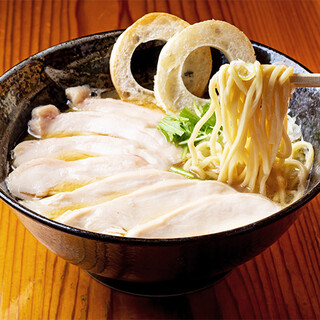
| Nagomi (和海)This venue — the venue you are viewing | Specialty Ramen | $$ | , | |
| Butanohoshi | Tonkotsu Ramen | $$ | , | Nagasu Nishidori |
| Tenteko Mukonosou ten | Okonomiyaki | $$ | , | Mukonoso |
| Rock 'n' Billy Super 1 (ロックンビリーS1) | Award-Winning Ramen | $$ | , | Minamitsukaguchicho |
| Udon Kobo Yuuyu | Udon and Tempura Shop | $ | , | Tsukaguchi |
| Gyoraku Karakara | Seafood-focused Japanese Izakaya | $$$ | , | Mukonoso |
Continue exploring
More in Amagasaki
At a Glance
- Cozy
- Intimate
- Casual Hangout
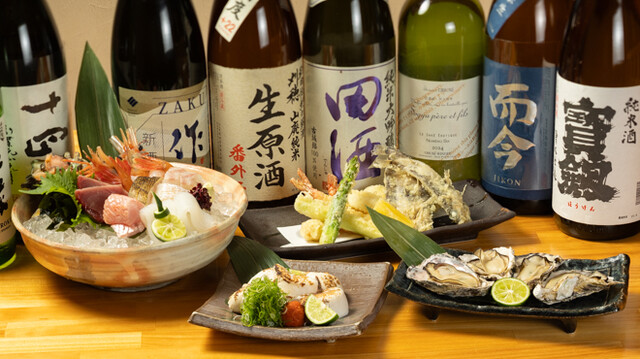
Snug and unpretentious with wood paneling and counter-only seating.