
Tabelog 100 #14
Our verdict
Suki Tei Honten places Nagano’s Shinshu beef culture inside the formal, shared-table language of sukiyaki and shabu-shabu. Its Tabelog 100 Hot Pot 2024 selection gives it a clear credential in a category where regional beef, private-room dining, and family occasions matter as much as culinary technique.

Pearl is the En Primeur Club membership app, where members save venues, book tables and use the concierge.
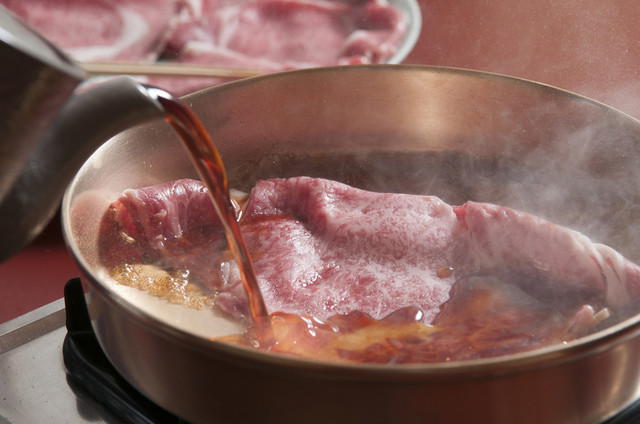
The menu
What to order
- Sukiyaki with Shinshu beef raised on apples
- Shabu-shabu with Shinshu beef
- Steak with Shinshu beef
Approach the meal as Nagano rather than Tokyo. Suki Tei Honten is best read as a regional restaurant for a settled meal, not as a stage for chef-counter theatre or a quick stop between appointments. That matters for sukiyaki: the dish is built around heat, timing, seasoning, and the social rhythm of a table sharing a pot.
Nagano’s dining identity often gets reduced to soba, mountain vegetables, and inn cooking, but sukiyaki gives the city another route into local dining culture. Suki Tei Honten sits in that lane: a Nagano restaurant whose listed category is sukiyaki, the Japanese sweet soy hotpot, with a budget that places it firmly in occasion-meal territory rather than casual everyday dining.
Sukiyaki gives Nagano dining a regional voice
Sukiyaki is often discussed as a national comfort dish, but its serious restaurant version can feel highly regional. Some houses lean toward a prepared sweet soy base, others emphasise cooking and seasoning at the pan, and local restaurants adapt the structure around the habits of group dining. In Nagano, the appeal is less metropolitan polish than the pleasure of a warming, shared meal with a clear regional setting.
The Tabelog Hyakumeiten 2024 recognition places Suki Tei Honten inside a broader conversation about notable sukiyaki restaurants rather than only a local Nagano one. That credential is useful because hot pot is a category where excellence can be hard to read from the outside. The format may be familiar and the menu may seem direct; the difference sits in ingredient handling, seasoning balance, pacing, and how comfortably the restaurant lets the table settle into the meal.
The comparison inside Nagano is instructive. Sushi, French, soba, and mountain-leaning cuisine each speak to a different version of the prefecture: すし崇 and French restaurant "la rencontre" represent more formal urban dining, while Yamanomi and soba-focused rooms read closer to landscape and season. Soba Shunsai Kosuge and Hei Gorou Honten show other everyday and regional registers. Hot pot at Suki Tei Honten belongs to a more occasion-driven category, where the cost reflects a shared sukiyaki meal rather than tasting-menu choreography.
The room is built for shared pots, not counter performance
The important thing to understand is the format. Suki Tei Honten is not selling the intensity of an eight-seat counter; it is selling the comfort of sitting down for a shared sukiyaki meal in Nagano. In a counter restaurant, intimacy is the product; here, the product is the table itself, the pacing of the pot, and the way the meal can hold conversation without making the cooking feel secondary.
That accessibility should not be mistaken for blandness. Sukiyaki rewards restaurants that understand restraint. Too much sweetness in the sauce can make the dish feel anonymous; too much ceremony can turn a social meal stiff. The better reading of this restaurant is as a practical Nagano choice for travellers who want sukiyaki in a form that feels rooted, generous, and suitable for a proper evening rather than a novelty detour.
There are also simple conduct points worth respecting in any traditional Japanese dining room. Arrive on time, book ahead when the meal matters, and allow the table to move at the pace of the pot. Those are not obstacles; they are part of how shared hot-pot dining works when the cooking, serving, and conversation all happen around the same table.
Where it fits in a Nagano itinerary
For a visitor building a Nagano food itinerary, this is the sukiyaki anchor rather than the experimental dinner. Pair it with lighter, more seasonal meals elsewhere in the city and prefecture. Nagano can support many different registers of dining, from soba and sushi to French-influenced rooms and mountain-seasonal cooking, and Suki Tei Honten gives the itinerary a warming, shared, hot-pot centre of gravity.
Travellers extending the theme can compare sukiyaki formats across Japan in broader planning, then return to Nagano for the question that matters here: how does a local sukiyaki restaurant turn a familiar national dish into a full evening? Within the permitted Nagano comparison set, すし崇, French restaurant "la rencontre", Soba Shunsai Kosuge, Hei Gorou Honten, and Yamanomi each point in different directions; Suki Tei Honten is the one to choose when the shared pot is the point.
The verdict is simple: choose this meal when Nagano’s sukiyaki culture is the point of the evening. It is better suited to a seated, shared occasion than to a diner chasing novelty, and its Tabelog Hyakumeiten 2024 recognition gives the booking a credible national marker. For broader planning, use Our full Nagano restaurants guide alongside Our full Nagano hotels guide, Our full Nagano bars guide, Our full Nagano wineries guide, and Our full Nagano experiences guide.
Frequently asked questions
Is Suki Tei Honten suitable for children?
Suki Tei Honten is a Nagano sukiyaki restaurant suited to a seated, shared meal. For family-specific arrangements, confirm directly with the restaurant when booking.
How would you describe the vibe at Suki Tei Honten?
It feels like a practical Nagano restaurant for a shared sukiyaki meal rather than a counter-performance dining room. The mood is best understood as calm, traditional, and occasion-oriented.
What's the pricing like at Suki Tei Honten?
Pricing at Suki Tei Honten is listed as Dinner: JPY 10,000 - JPY 14,999; Lunch: JPY 4,000 - JPY 4,999.
What is Suki Tei Honten known for?
Suki Tei Honten is known for sukiyaki, the Japanese sweet soy hotpot, in Nagano.
A Pricing-First Comparison
Comparable venues by cuisine and price in the same metro.
| Venue | Cuisine | Price | Awards | Notes |
|---|---|---|---|---|
| Suki Tei HontenThis venue (the venue you are viewing) | Traditional Sukiyaki & Shabu-Shabu with Shinshu Beef | $50–100 | Tabelog 100 #14 | Not listed |
| 蕎麦処 そばの実 | Togakushi Soba | $20–30 | Tabelog 100 #53 | Togakushi, Togakushi Handmade Soba |
| Unagi Honda | Traditional Japanese Unagi (Eel) Kabayaki | $30–50 | Tabelog 100 #60 | Iiyama, Traditional Japanese Unagi (Eel) Kabayaki |
| Uzura Ya | Traditional Togakushi soba restaurant | $20–30 | Tabelog 100 #52 | Togakushi, Traditional Togakushi soba restaurant |
| Kikuzushi | Edomae Sushi | $50–100 | Tabelog Silver #54 | Iizuna, Edomae Sushi |
| すし築地日本海 長野駅前店 | Authentic Edomae Sushi & Izakaya | $30–50 | Not listed | Nagano Station (Zenkokuji-guchi), Authentic Edomae Sushi & Izakaya |
Recognition history
Dated appearances from independent guides and award organizations, with the underlying list record or original source where available.
Tabelog 100 #14 · No. 14
Tabelog · Tabelog 100 - Hot Pot - 2024
Continue exploring
More in Nagano
Restaurants in Nagano
All restaurants in Nagano →



Details
- Classic
- Cozy
- Romantic
- Date Night
- Business Dinner
- Group Dining
- Family
- Special Occasion
- Private Dining
- Standalone
- Sake Program
- Local Sourcing
- A La Carte
- Set Menu
- Family Style
- Sake
- Beer
- Tea
- Pescatarian Friendly
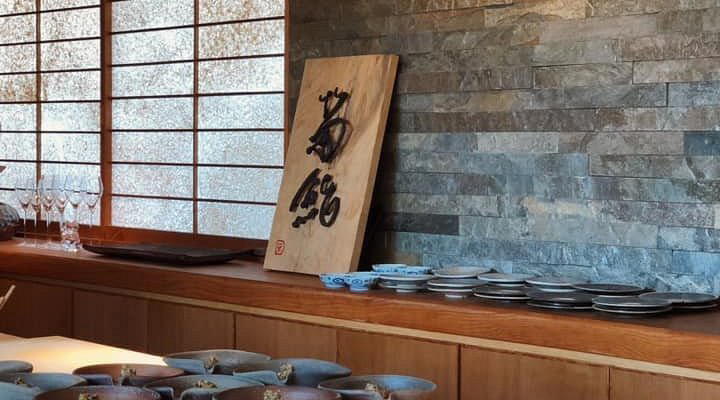
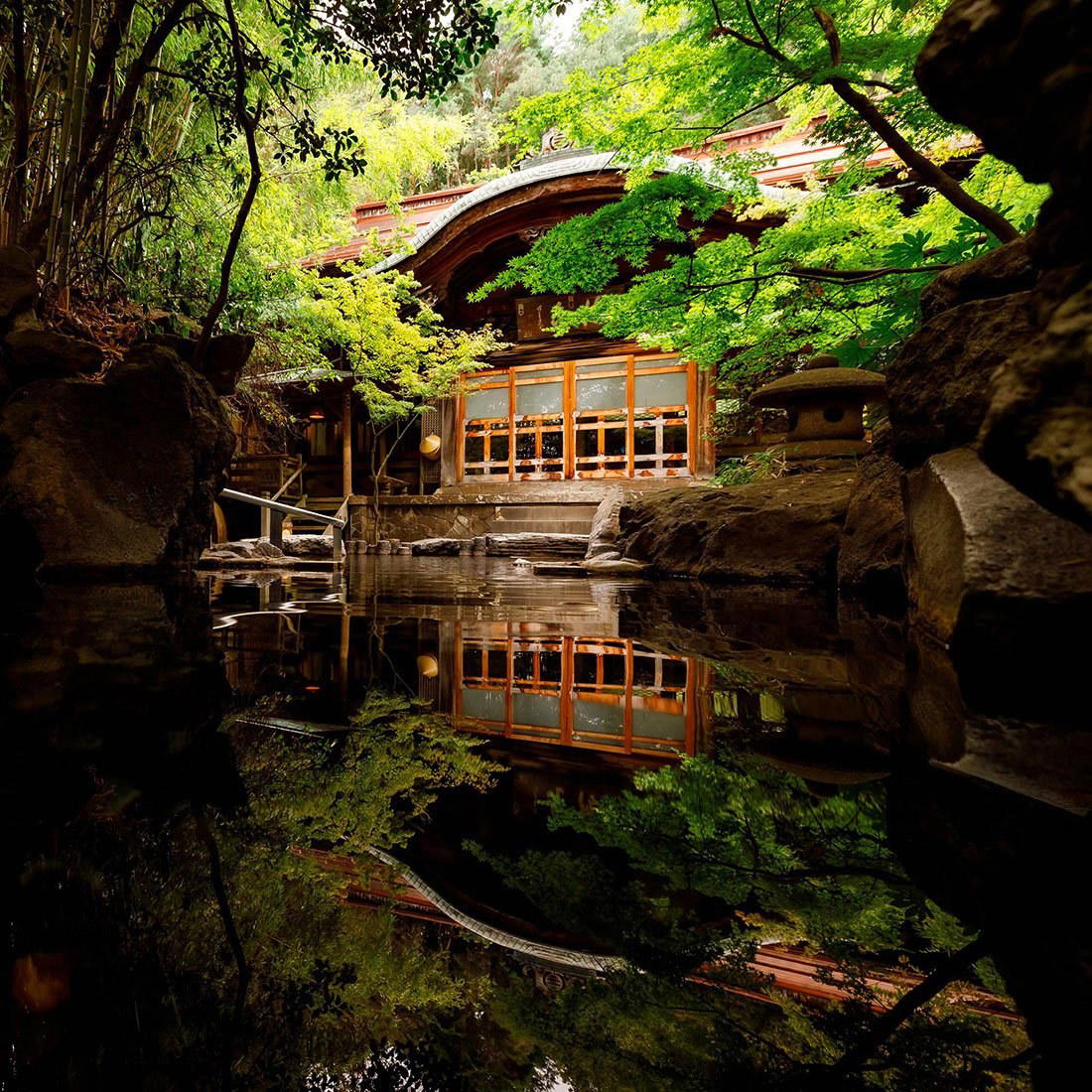
Traditional Japanese tatami-style setting with a calm, classic atmosphere and attentive, formal-feeling service suited to lingering over hot pot courses.