
Tabelog 100 #52
Our verdict
Uzura Ya gives Nagano’s Togakushi soba tradition a clear editorial reason to travel: buckwheat, mountain setting, and a no-reservations rhythm that belongs to the area rather than to metropolitan tasting-menu culture. Its Tabelog Soba EAST 100 selection in 2025 places it among Japan’s closely watched soba specialists, while the experience remains grounded in a house-restaurant format with tempura and nihonshu alongside the noodles.

Pearl is the En Primeur Club membership app, where members save venues, book tables and use the concierge.
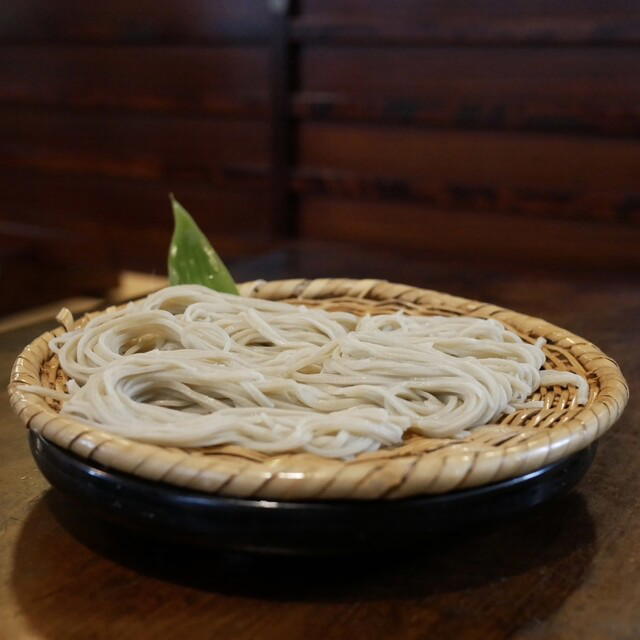
The menu
What to order
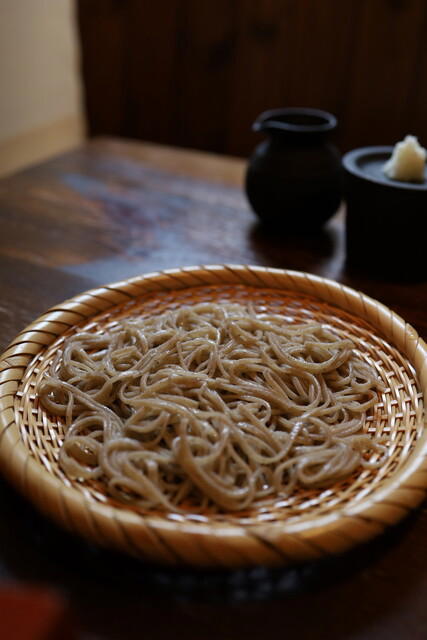
- Togakushi zaru soba
- Miyama oroshi soba with wild vegetables and tempura
- Tempura of mountain vegetables
- Kamoseiro (duck broth soba)
Approaching Nagano for soba is not the same proposition as crossing town for noodles in a station district. The setting changes the meal before the first tray arrives: mountain air, unhurried pacing, and a city whose food culture makes room for buckwheat rather than only for restaurant spectacle. In Nagano, that matters. Soba here is not a neutral carbohydrate; it is an agricultural product, a local craft, and a reason people build a day around one lunch.
Uzura Ya sits squarely inside that tradition. Its place in Tabelog's 2025 recognition for soba is useful not as a trophy line, but as a sorting signal: this is a soba house being measured against serious specialists, not against general Japanese restaurants. The category is narrow, and that narrowness is the point. Soba is judged on buckwheat character, noodle handling, dipping balance, and the surrounding ritual of condiments, tempura, and sake, rather than on luxury cues borrowed from kaiseki or sushi counters.
Nagano soba is a sourcing story before it is a noodle style
Nagano’s soba reputation begins with geography. Buckwheat is closely associated with cooler upland conditions, and the region has long treated the crop as both staple and craft material. The area’s soba culture is tied to mountain travel, local routines, and small restaurants where the meal is direct: noodles, dipping sauce, seasonal accompaniments, and enough restraint to keep the grain in view. That puts a different pressure on a restaurant than a broader Japanese menu would. There is less room to hide behind variety.
The useful comparison is not with high-spend Nagano dining such as Suki Tei Honten, where the decision often centers on a different style of meal and a higher bill. It is closer to the specialist lane occupied by soba names such as 蕎麦 ふじおか, where the reader is choosing depth in one craft rather than range across many. In that frame, Uzura Ya’s listed categories, Soba, Tempura, and Japanese sake bar, read as a coherent local meal rather than a mixed-format menu.
Tempura matters in this context because it gives contrast without shifting the restaurant away from soba. Sake does similar work, especially where nihonshu can turn a midday noodle stop into a slower Nagano lunch. The value of the format is editorially clear: this is not a restaurant trying to aestheticize rusticity from a distance. It belongs to a regional mode where families, friends, and soba pilgrims can share the same dining grammar.
The room favors patience over performance
The practical rhythm shapes the experience. Uzura Ya is best understood as a destination soba stop rather than a frictionless city-center booking. Demand for recognized specialists is often managed by patience and timing, not by luxury-dining ceremony. That makes the meal feel relatively democratic by Japanese destination-dining standards, but it also rewards planning. The serious move is to treat the restaurant as part of a Nagano day rather than as a casual add-on squeezed between appointments.
The mood is different from the tiny-counter model that dominates much of Japan’s prestige dining conversation. A soba restaurant at this listed price level can allow families, groups of friends, and solo travelers to enter the same rhythm without forcing the meal into a hushed special-occasion chamber. The point is not theatrical exclusivity. It is a clear regional craft, served in a format that keeps attention on noodles, tempura, and sake rather than on elaborate ceremony.
Payment and access details should be checked directly before travel, because practical information can change and matters more here than it might at a hotel dining room. For travelers moving through Nagano, that is not cosmetic; it determines whether a carefully timed lunch runs smoothly. Build in enough flexibility for transport, waiting, and the slower tempo that makes a soba outing feel like part of the day rather than a quick refueling stop.
How to place it within a Nagano itinerary
Nagano rewards travelers who separate restaurant types rather than ranking them on one scale. A soba lunch at Uzura Ya answers a different question from other Nagano dining rooms, whether the comparison is a contemporary regional table, a polished city meal, or a special-occasion restaurant. The appeal here is specificity: a Nagano soba house selected in a soba category, operating at a listed price level that keeps the focus on craft rather than ceremony.
That makes it a strong anchor for visitors who want Nagano’s food culture to feel local rather than imported. The surrounding itinerary can move in several directions: mountain-country travel, hot-spring towns, ski-area dining, or a broader look at the prefecture’s producers. For wider planning, see Our full Nagano restaurants guide, Our full Nagano hotels guide, Our full Nagano bars guide, Our full Nagano wineries guide, and Our full Nagano experiences guide.
Readers mapping Japanese regional dining beyond Nagano can use this soba stop as a counterpoint to other single-theme or city-specific venues. The broader lesson is that a narrow format can be the strength, not the limitation: one product, one local context, and a meal that makes sense because it does not try to become everything at once. Other dining in Nagano may offer different kinds of polish, but Uzura Ya’s role is clearer when judged within its own soba-focused lane.
Frequently asked questions
Would Uzura Ya be comfortable with kids?
Uzura Ya’s listed price range, JPY 1,000 - JPY 1,999, keeps it within reach for a casual lunch in Nagano. Check the venue's official channels for the latest details before visiting.
What should I expect atmosphere-wise at Uzura Ya?
Expect a soba-focused restaurant rather than a formal fine-dining room. Its Tabelog-listed categories are Soba, Tempura, and Japanese sake bar, so the experience is best approached as a practical regional meal centered on noodles, sides, and sake.
How much does it cost to eat at Uzura Ya?
Pricing at Uzura Ya is listed as JPY 1,000 - JPY 1,999.
Where is Uzura Ya in Nagano?
Nagano.
Fast Comparison
Comparable venues by cuisine and price in the same metro.
| Venue | Cuisine | Price | Awards | Notes |
|---|---|---|---|---|
| Uzura YaThis venue (the venue you are viewing) | Traditional Togakushi soba restaurant | $20–30 | Tabelog 100 #52 | Not listed |
| Grill The Butcher Nagano (グリル ザ ブッチャー 長野) | Shinshu Beef Steakhouse | $20–30 | Not listed | Nagano Station |
| すし築地日本海 長野駅前店 | Authentic Edomae Sushi & Izakaya | $30–50 | Not listed | Nagano Station (Zenkokuji-guchi) |
| Sobanomi | Togakushi Soba | $20–30 | Tabelog 100 #53 | Togakushi |
| Aoitou | Japanese Sauce Katsudon | $10–20 | Not listed | 西箕輪 |
| いろは堂 | Nagano Oyaki (Stuffed Dumplings) | $10–20 | Not listed | Oniyari |
Recognition history
Dated appearances from independent guides and award organizations, with the underlying list record or original source where available.
Tabelog 100 #52 · No. 52
Tabelog · Tabelog 100 - Soba - EAST - 2025
Continue exploring
More in Nagano
Restaurants in Nagano
All restaurants in Nagano →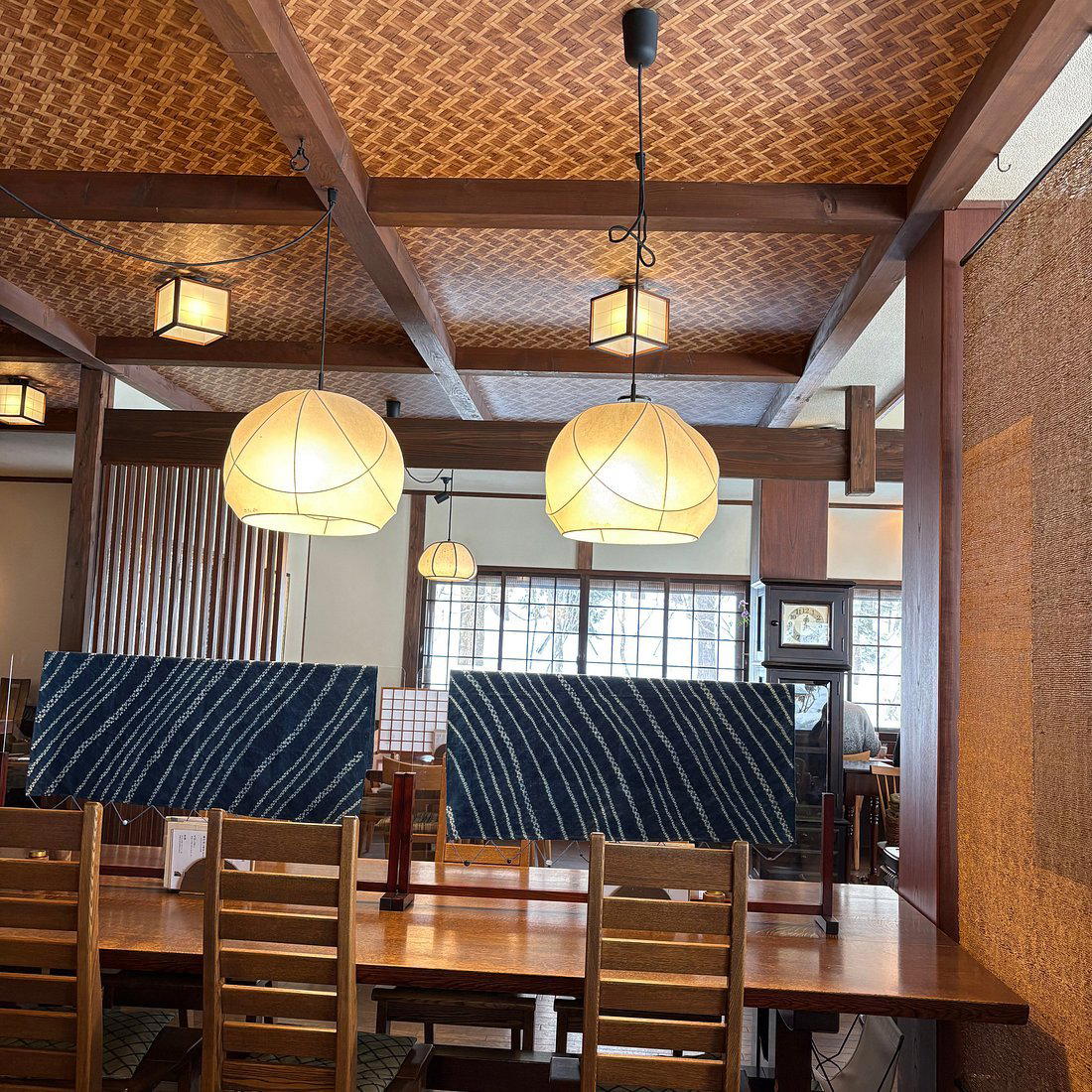

Details
- Classic
- Rustic
- Scenic
- Well Known
- Cozy
- Family
- Group Dining
- Casual Hangout
- Solo
- Special Occasion
- Historic Building
- Standalone
- Sake Program
- Beer Program
- Local Sourcing
- Mountain
- Garden
- A La Carte
- Sake
- Beer
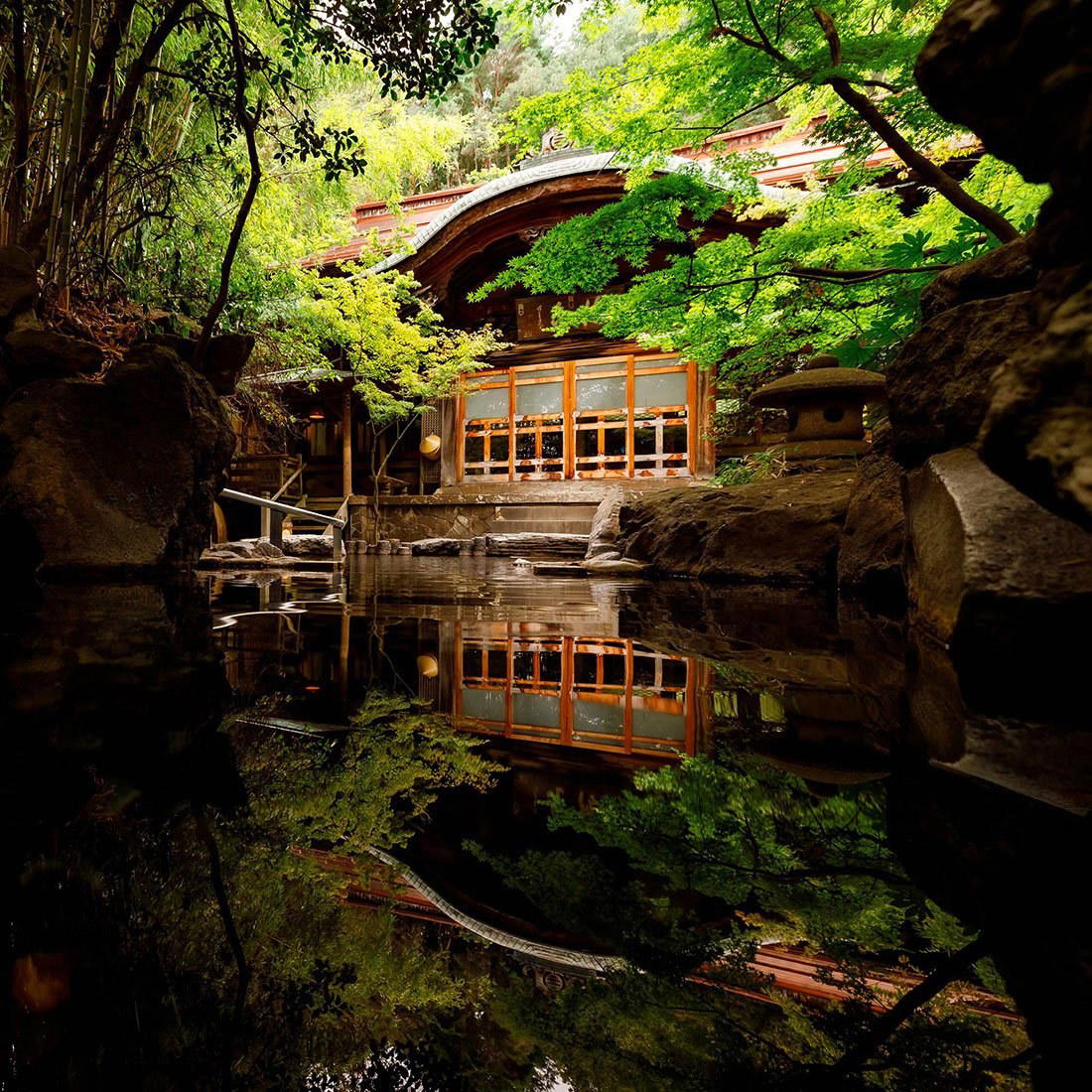
The restaurant feels like a traditional mountain soba house, with a warm and bustling atmosphere, simple wooden interiors, and views of the surrounding Togakushi forest and shrine area; long waits and a name-registration system contribute to an energetic yet welcoming vibe focused on heartfelt hospitality.