Studio Diner
Studio Diner sits at 4701 Ruffin Rd in San Diego's Mission Valley corridor, occupying a classic American diner format that positions it within the city's casual, neighborhood-driven dining scene. With limited public information on file, the kitchen's sourcing approach and menu character place it alongside San Diego's broader culture of laid-back, ingredient-forward cooking. A practical stop for visitors exploring the inland neighborhoods between the coast and Mission Gorge.
Pearl is the En Primeur Club membership app — saves, bookings, and concierge access live there. Same editors, same standards.
- Address
- 4701 Ruffin Rd, San Diego, CA 92123
- Phone
- +1 858 715 6400
- Website
- studiodinersandiego.com
- Directions
- Get directions
 Saves & bookings on Pearl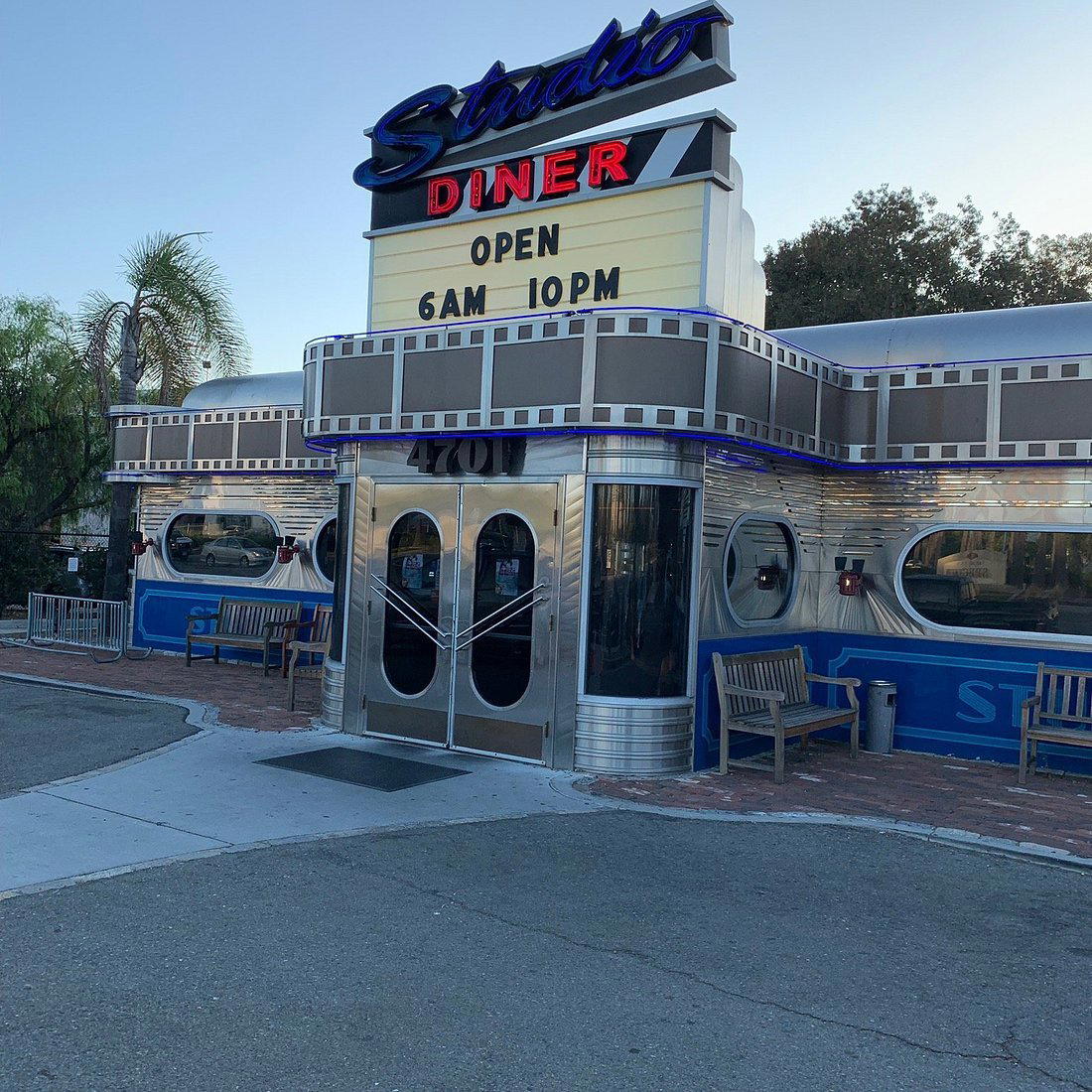
Where Diner Culture Meets San Diego's Ingredient Conversation
There is a particular kind of American diner that survives not on nostalgia alone but on the quality of what comes out of the kitchen. Along Ruffin Road in Kearny Mesa, Studio Diner occupies that bracket: a neighborhood address that draws from the surrounding community rather than the tourist corridors of the Gaslamp Quarter or Little Italy. San Diego's inland dining scene, running through corridors like Kearny Mesa and Mission Valley, tends to reward the traveler willing to move past the waterfront. The food served in these neighborhoods often reflects the city's proximity to the Baja California peninsula and the San Diego County agricultural belt more directly than menus in the downtown core.
Ingredient Sourcing and the San Diego County Advantage
San Diego County produces more variety of crops than any other county in the United States, a fact that shapes the character of every kitchen in the city operating with any attention to season or provenance. From the avocado groves of Fallbrook to the citrus orchards of Valley Center and the strawberry fields running along the coastal plain, the raw material available to San Diego kitchens is broader in scope than most American cities can claim. American diner formats have historically been positioned as utilitarian rather than ingredient-focused, but that distinction has blurred in California over the past two decades. Kitchens across the state, including in the diner category, have absorbed the broader conversation about farm sourcing that once belonged exclusively to fine dining. Restaurants like Addison (French, Contemporary) represent that sourcing discipline in San Diego, applying rigorous provenance standards to a tasting menu format. The interest in where food comes from, however, now extends well below that price tier, and Studio Diner's neighborhood positioning places it within that wider shift.
The contrast is instructive. At the fine dining end of the spectrum, venues like Single Thread Farm in Healdsburg and Blue Hill at Stone Barns in Tarrytown have made ingredient origin the primary editorial frame of their dining experience. Operations like Smyth in Chicago and Atelier Moessmer Norbert Niederkofler in Brunico anchor their menus explicitly to regional ecosystems. The diner format rarely announces itself in those terms, but the underlying logic, of a kitchen drawing from what is geographically close and seasonally available, is the same logic that has always made California's casual restaurants worth taking seriously.
Mission Valley's Dining Geography
Mission Valley is not a dining destination in the way that North Park or the Embarcadero have become. It is a working neighborhood, defined by its freeway interchange, big-box retail, and the kind of steady local traffic that sustains a diner better than intermittent tourist footfall. That context matters for how a venue like Studio Diner functions: the customer base is largely repeat, drawn from nearby office parks, the production facilities along Ruffin Road itself, and residents of the surrounding communities. This kind of embedded, community-serving operation tends to evolve its menu in response to what its regulars want rather than what food media is covering at any given moment, which creates a different kind of reliability.
For comparison, San Diego's more prominent dining addresses occupy different registers entirely. Soichi (Japanese) operates at a level of precision and price that demands advance planning and considered intent. 1450 El Prado and 777 G St serve the downtown and Balboa Park corridors. 94th Aero Squadron draws on its airport-adjacent novelty. The restaurant serves a different function in the city's dining architecture: accessible, repeatable, and neighborhood-anchored.
The Diner Format in American Food Culture
The American diner is one of the country's most durable food formats, and its staying power has less to do with any particular cuisine type than with the social contract it offers: counter seating or booth comfort, a broad menu, fast service, and pricing that does not require deliberation. California's version of that format has been complicated by the state's agricultural wealth and multicultural kitchen influences. A diner in San Diego is not the same object as a diner in New Jersey or Ohio. The Baja influence in particular, expressed through the availability of fresh seafood, chiles, and tortilla formats, has permeated casual cooking across the county in ways that the classic diner menu template does not fully account for.
Kitchens operating nationally at the level of Le Bernardin in New York City or The French Laundry in Napa are not the relevant comparison set for a Mission Valley diner, but they are part of the same continuous spectrum of American food culture. The sourcing conversation that those kitchens helped establish has trickled into every tier. Lazy Bear in San Francisco, Providence in Los Angeles, and Emeril's in New Orleans each occupy mid-to-upper tiers of their respective cities' dining hierarchies while drawing on a similar philosophy of place-based cooking. That philosophy is not the exclusive property of any price point. Frasca Food and Wine in Boulder and Atomix in New York City express it through entirely different formats and price structures. The diner tradition in California has absorbed those influences in its own way. The Inn at Little Washington in Washington demonstrates how a deeply place-rooted kitchen can achieve lasting cultural significance regardless of format. The restaurant's neighborhood role reflects a local version of that same rootedness.
Planning Your Visit
The restaurant is located at 4701 Ruffin Rd, San Diego, CA 92123, in the Kearny Mesa area of Mission Valley, accessible from the I-15 and I-8 interchange. Given the neighborhood's function as a working commercial district, parking is generally available at street level or in adjacent lots, consistent with standard Mission Valley conditions. For visitors building a broader San Diego itinerary that spans the inland and coastal neighborhoods, our full San Diego restaurants guide maps the city's dining scene across price tiers and neighborhoods.
Credentials Lens
Comparable venues nearby, for context on price, style, and recognition.
| Venue | Cuisine | Price | Notes |
|---|---|---|---|
| Studio DinerThis venue — the venue you are viewing | Classic American Diner | $$ | Not listed |
| NM Cafe | Contemporary American Californian | $$ | Linda Vista |
| NOLA on 5th | New Orleans Cajun & Creole | $$ | Uptown |
| Louisiana Purchase | Polished Cajun & Creole | $$ | North Park |
| The Café at Alma San Diego | American Bakery Café | $$ | Downtown |
| Cutwater Tasting Room | American Gastropub with House Spirits | $$ | Mira Mesa |
Recognition history
Dated appearances from independent guides and award organizations, with the underlying list record or original source where available.
Diners, Drive-Ins and Dives Featured Restaurant
Diners, Drive-Ins and Dives · 2026 Diners, Drive-Ins and Dives Featured Restaurants
Continue exploring
More in San Diego
Restaurants in San Diego
Browse all →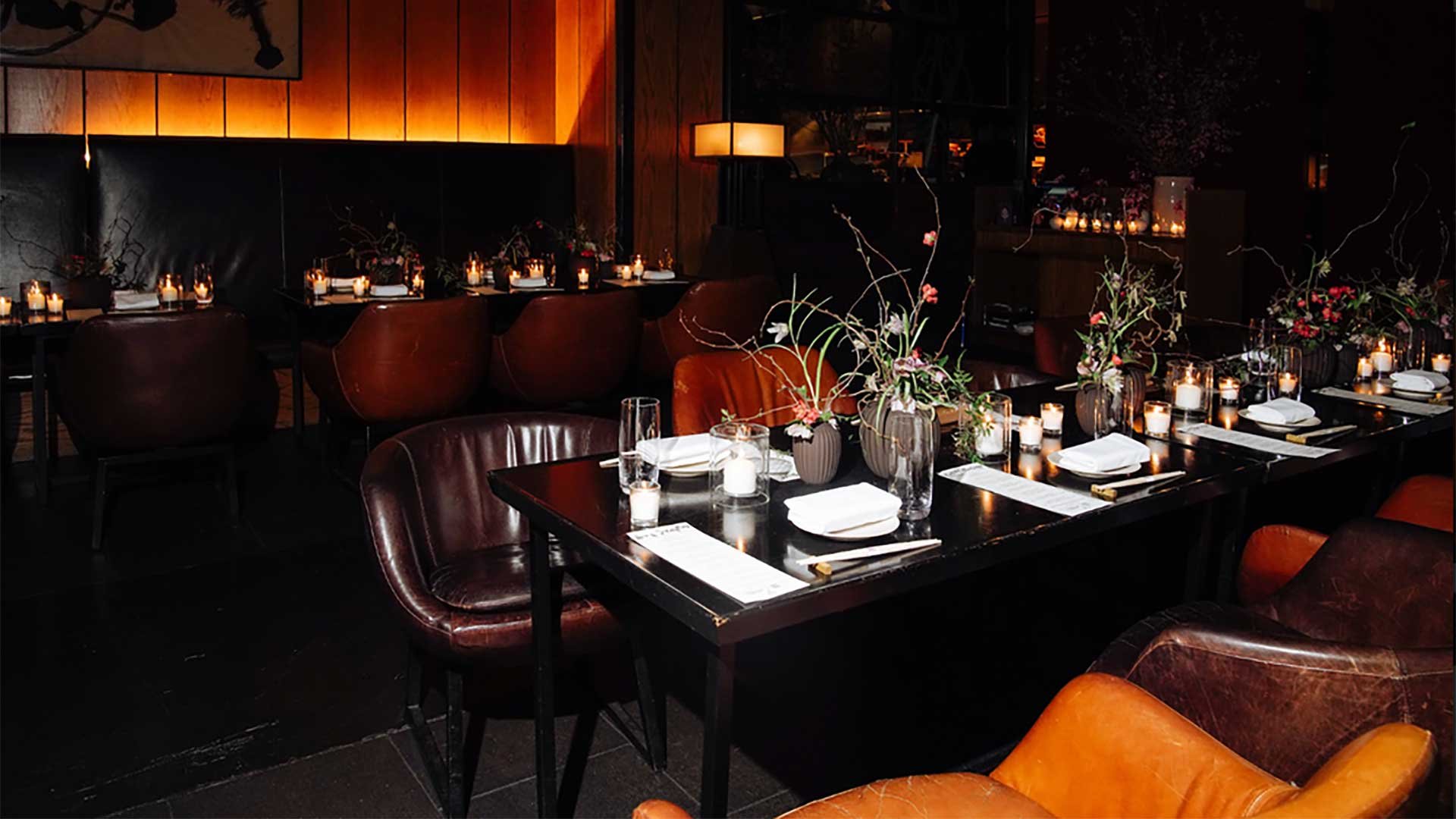
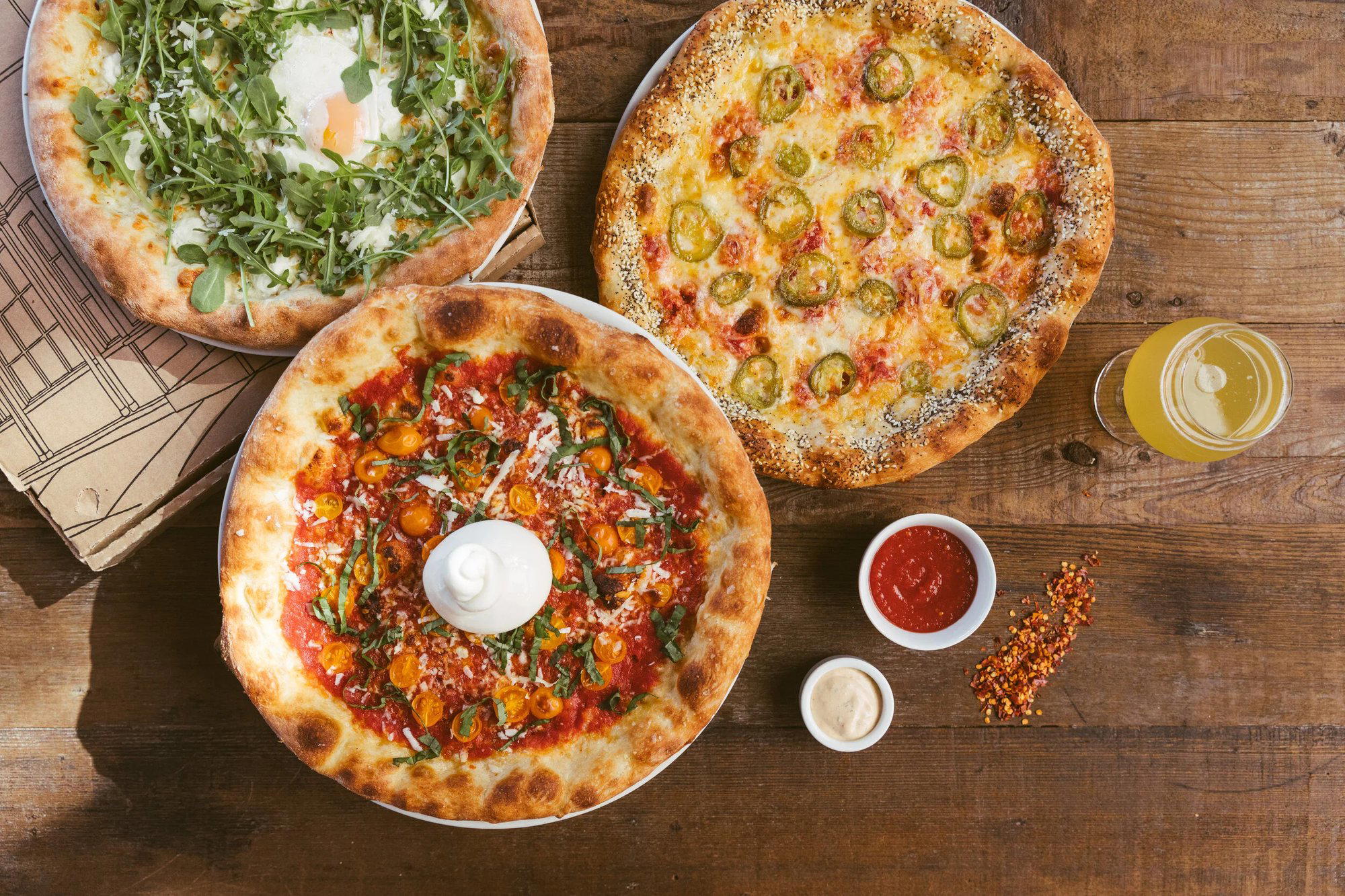
Bars in San Diego
Browse all →
At a Glance
- Classic
- Cozy
- Trendy
- Brunch
- Late Night
- Casual Hangout
- Open Kitchen
Current opening hours
- Monday
- 7 AM–3 PM
- Tuesday
- 7 AM–8 PM
- Wednesday
- 7 AM–8 PM
- Thursday
- 7 AM–8 PM
- Friday
- 7 AM–9 PM
- Saturday
- 7 AM–9 PM
- Sunday
- 7 AM–8 PM
Hours can change for holidays and private events. Last verified .
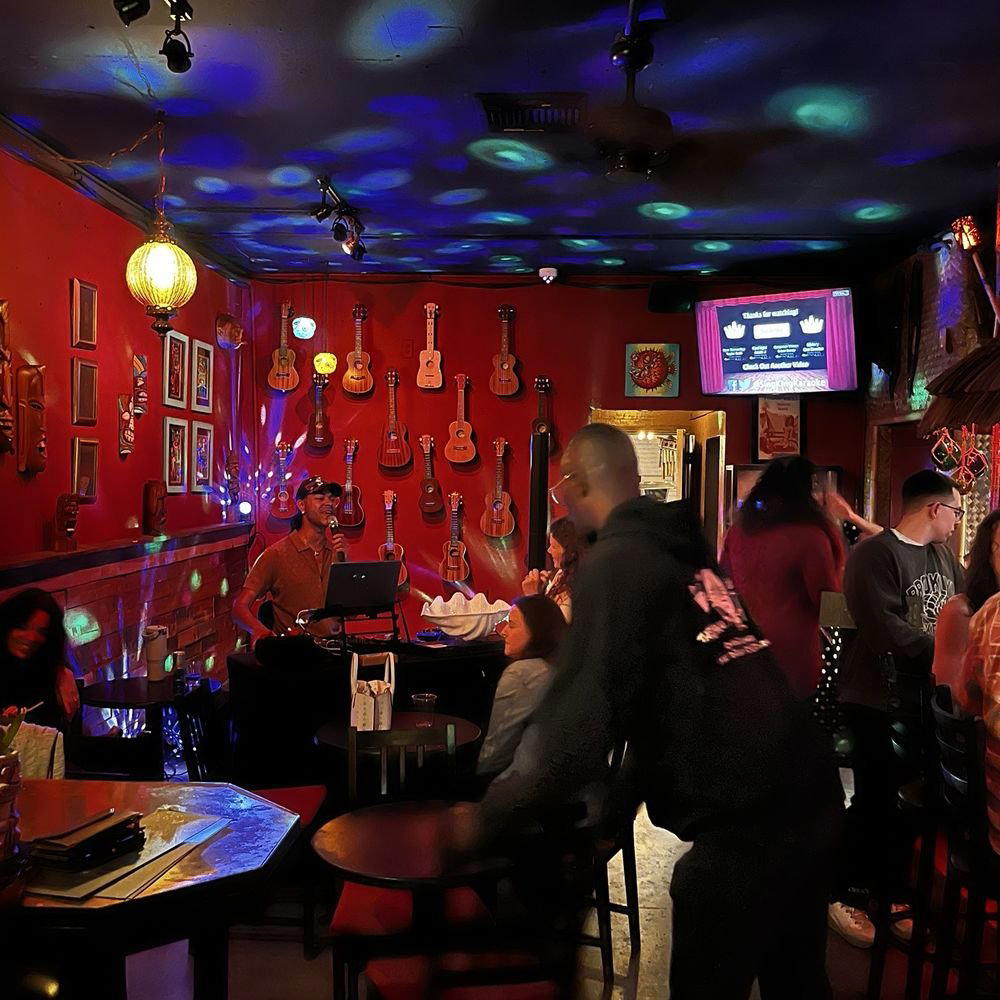
Kitschy 1940s movie-themed interior with chrome accents, old cameras, film reels as condiment holders, and nostalgic lighting evoking classic diner charm.