NOLA on 5th

NOLA on 5th brings the cooking traditions of New Orleans to San Diego's Hillcrest neighbourhood, occupying a corner of Fifth Avenue where Louisiana flavours meet California produce. The room reads as a counter to the city's prevailing Pacific Rim lean, offering a distinct register within San Diego's increasingly varied dining scene. For visitors tracing the city's dining breadth, it sits alongside a range of neighbourhood originals worth knowing.
Pearl is the En Primeur Club membership app — saves, bookings, and concierge access live there. Same editors, same standards.
- Address
- 3683 Fifth Ave, San Diego, CA 92103
- Phone
- +18584446173
- Website
- nolaon5th.com
- Directions
- Get directions
 Saves & bookings on Pearl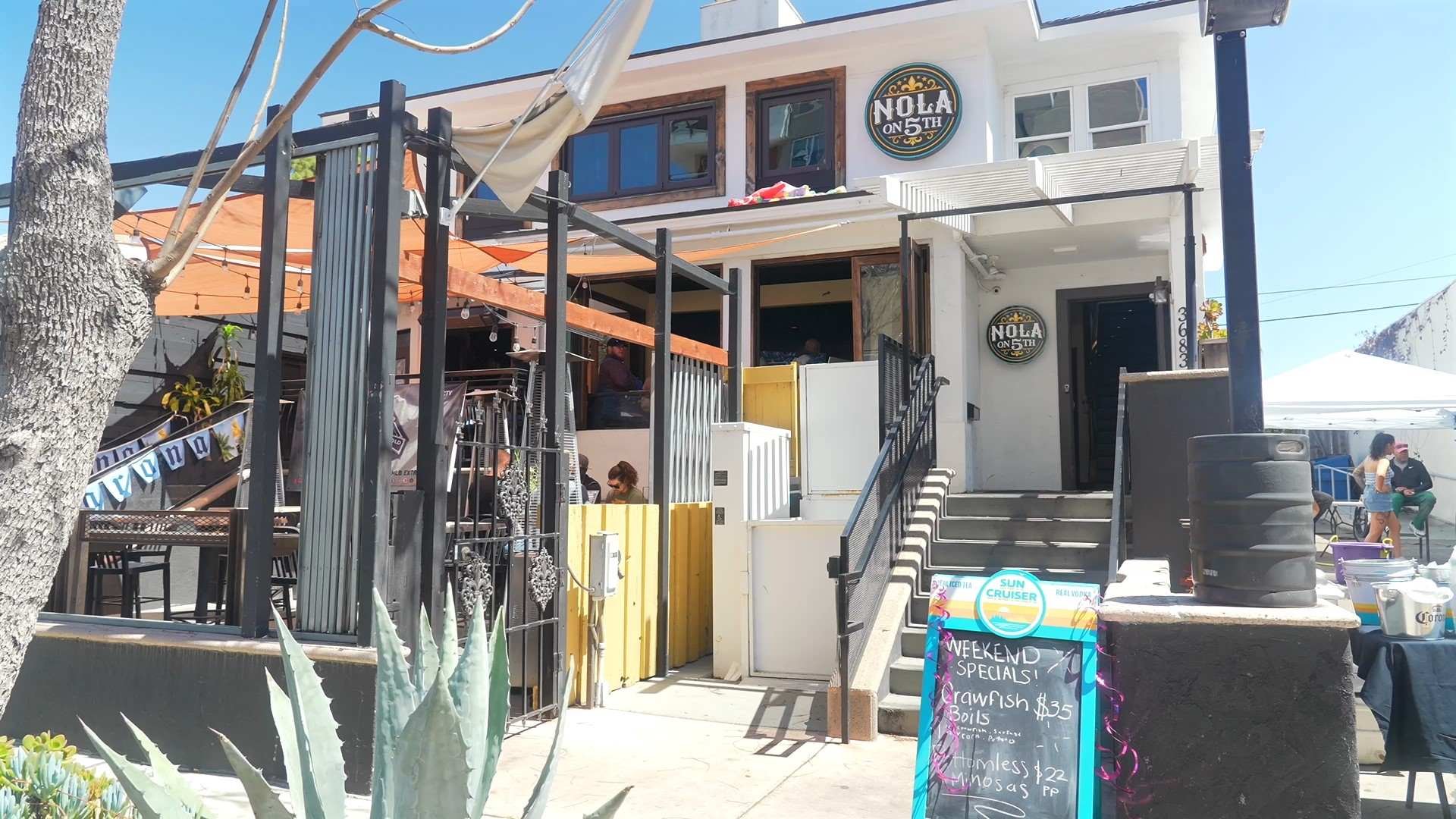
Fifth Avenue, Hillcrest, and the Logic of a New Orleans Kitchen in San Diego
Hillcrest's dining corridor on Fifth Avenue has long tracked the neighbourhood's character: independent, eclectic, resistant to the coastal-casual uniformity that defines much of San Diego's restaurant scene. That resistance is precisely what makes NOLA on 5th legible in context. New Orleans cooking, with its layered French, West African, and Spanish inheritance, does not arrive in San Diego as a novelty act. It arrives as a coherent culinary tradition with a clear internal logic, one that finds an unexpected but workable home in a city where produce quality is high and kitchen ambition has been rising steadily across the past decade.
San Diego's dining scene divides, roughly, into a Pacific Rim-influenced tier anchored by Japanese precision (see Soichi at the summit of that bracket), a California-contemporary tier, and a growing set of neighbourhood originals that resist easy categorisation. NOLA on 5th fits the third category. Its address at 3683 Fifth Ave places it within walking distance of Hillcrest's main residential density, which means it draws a local crowd as much as a destination diner, a distinction that shapes the room's energy and pacing.
The dining traditions of New Orleans carry a specific set of demands for the team executing them. The cuisine is labour-intensive, technically grounded in long-cooked stocks and spice-forward foundations, and highly sensitive to execution gaps between the kitchen and front-of-house. In cities where this food is done well, New Orleans itself, obviously, but also at venues like Emeril's in New Orleans, which helped define the genre's modern form, the connection between what arrives in the bowl and how it is explained and paced at the table matters considerably. A roux-heavy gumbo served without the right contextual framing from the floor can read as heavy; with it, the dish becomes a lesson in technique.
At NOLA on 5th, the team dynamic carries this weight. The front-of-house role at a Louisiana-focused restaurant is not merely hospitality in the generic sense; it functions as translation. Diners unfamiliar with the canon, the distinction between Creole and Cajun registers, the role of the holy trinity in building flavour, the point of a proper étouffée, need a floor team that explains without condescending. The kitchens that execute this cuisine consistently across seasons are the ones where that collaboration is built into the service rhythm rather than improvised per table.
This is a model that appears across American restaurants working in strongly regional traditions. Lazy Bear in San Francisco and Blue Hill at Stone Barns in Tarrytown both demonstrate, at the upper end of the market, how floor-kitchen communication shapes the guest's ability to read what they're eating. The restaurant operates in a more accessible price tier, but the principle holds at any level of ambition.
One of the practical tensions in transplanting Louisiana cooking to Southern California is ingredient sourcing. The Gulf Coast seafood that gives classic New Orleans dishes their character, gulf shrimp, blue crab, crawfish, requires either direct sourcing relationships or substitution with West Coast equivalents. Either choice has culinary implications. The leading versions of this restaurant type resolve the tension by leaning into California produce where it strengthens the dish, while maintaining fidelity to technique and spice structure. The result is neither a museum piece nor a fusion exercise, but a working kitchen making deliberate choices about provenance and flavour priority.
San Diego's proximity to Baja California also opens sourcing options that a New Orleans outpost in, say, Chicago or New York would not have. The city's position as a cross-border food hub is increasingly acknowledged by its more ambitious kitchens. Addison, at the opposite end of the price spectrum, has used that proximity extensively in its contemporary French programme. Whether the restaurant draws on the same regional supply chain sits outside the available record, but the option is a structural advantage of operating in this city.
For those mapping San Diego's wider dining geography, 1450 El Prado represents the city's Balboa Park institutional dining anchor, while 94th Aero Squadron occupies a distinct experiential niche near the airport. The restaurant occupies different ground entirely: a neighbourhood room with a specific culinary tradition, serving a local clientele with the option to attract visitors tracking something outside San Diego's dominant idiom.
The American South's regional cuisines have undergone significant critical reappraisal over the past two decades. Restaurants like Bacchanalia in Atlanta helped legitimise Southern produce-driven cooking within a fine dining frame. New Orleans specifically has long operated with a dual identity: a tourist-facing version of its cuisine (often simplified, occasionally caricatured) and a serious culinary tradition that rewards understanding. The better restaurants working in this register, wherever they are located geographically, lean toward the latter.
At the other end of the ambition scale, venues like Alinea in Chicago, The French Laundry in Napa, and Atomix in New York City demonstrate what happens when a coherent culinary tradition is executed at maximum precision and resource. The restaurant does not compete in that tier, nor does it need to. Its value proposition is neighbourhood accessibility with a cuisine that most San Diego diners encounter less frequently than Japanese, Mexican, or Californian formats. That scarcity within the local market is itself a form of distinction.
Comparable Spots
Comparable venues nearby, for context on price, style, and recognition.
| Venue | Cuisine | Price | Notes |
|---|---|---|---|
| NOLA on 5thThis venue — the venue you are viewing | New Orleans Cajun & Creole | $$ | Not listed |
| Dunedin | New Zealand-Inspired Organic Burgers & Casual Grill | $$ | North Park |
| Phil's BBQ | Mesquite BBQ | $$ | Midway-Pacific Highway |
| Nick's Del Mar | Classic American Comfort | $$ | Carmel Valley |
| Grand Ole BBQ Flinn Springs | Central Texas Style BBQ | $$ | Flinn Springs |
| Hob Nob Hill | Classic American Homestyle | $$ | Uptown |
Recognition history
Dated appearances from independent guides and award organizations, with the underlying list record or original source where available.
Diners, Drive-Ins and Dives Featured Restaurant
Diners, Drive-Ins and Dives · 2026 Diners, Drive-Ins and Dives Featured Restaurants
Continue exploring
More in San Diego
Restaurants in San Diego
Browse all →
Bars in San Diego
Browse all →


At a Glance
- Lively
- Casual
- Trendy
- Casual Hangout
- Group Dining
- Terrace
- Craft Cocktails
- Street Scene
Current opening hours
- Monday
- 11 AM–9 PM
- Tuesday
- 11 AM–9 PM
- Wednesday
- 11 AM–9 PM
- Thursday
- 11 AM–9 PM
- Friday
- 11 AM–9 PM
- Saturday
- 10 AM–9 PM
- Sunday
- 9:30 AM–9 PM
Hours can change for holidays and private events. Last verified .
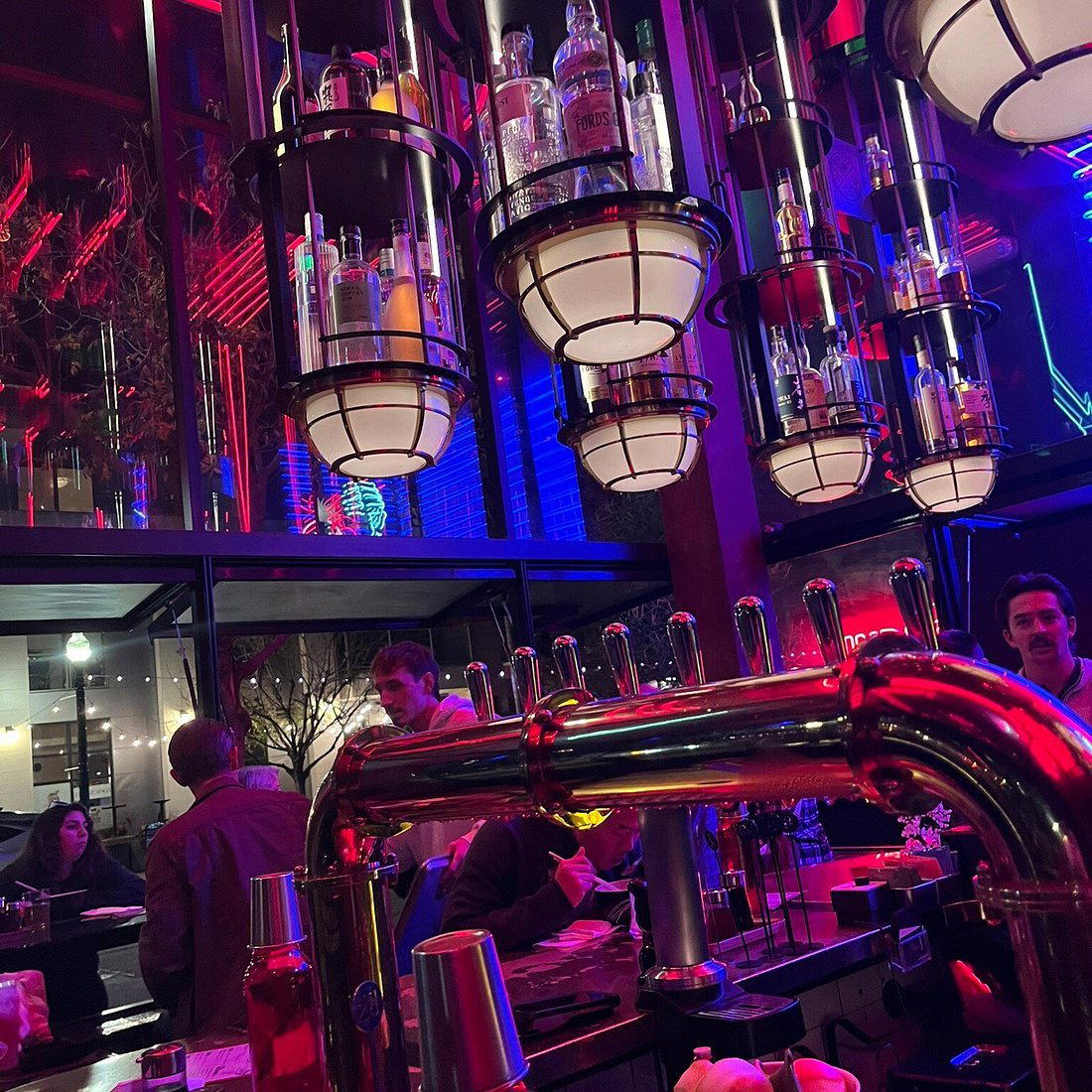
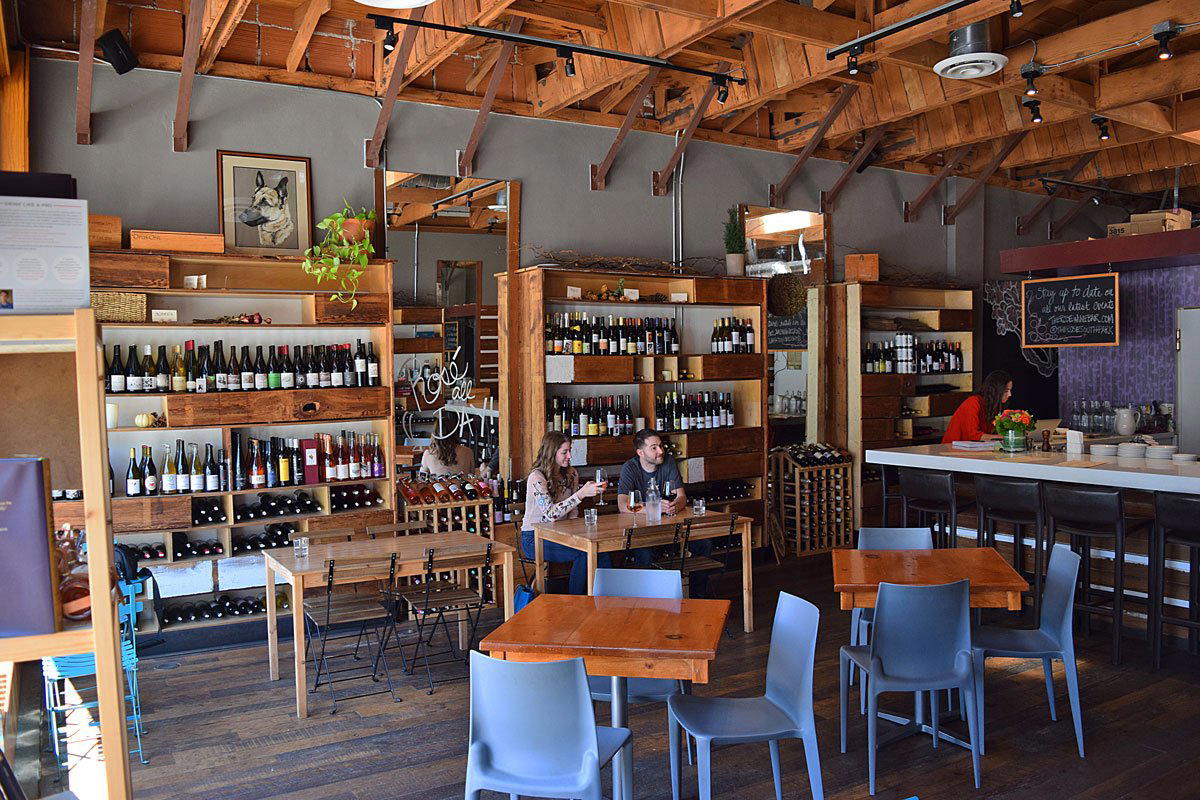
Casual bar and outdoor patio downstairs with a lively atmosphere; more upscale nighttime dining upstairs overlooking bustling 5th Avenue.