Cutwater Tasting Room
Cutwater Spirits' tasting room on Distribution Avenue sits inside the working distillery in San Diego's Miramar corridor, where the production floor doubles as the backdrop for pours. The format places craft spirits at the center rather than a full kitchen, making it a reference point for understanding how San Diego's drinks industry has evolved from craft beer dominance toward a broader production culture.
Pearl is the En Primeur Club membership app — saves, bookings, and concierge access live there. Same editors, same standards.
- Address
- 9750 Distribution Ave, San Diego, CA 92121
- Phone
- +18586723848
- Website
- cutwaterspirits.com
- Directions
- Get directions
 Saves & bookings on Pearl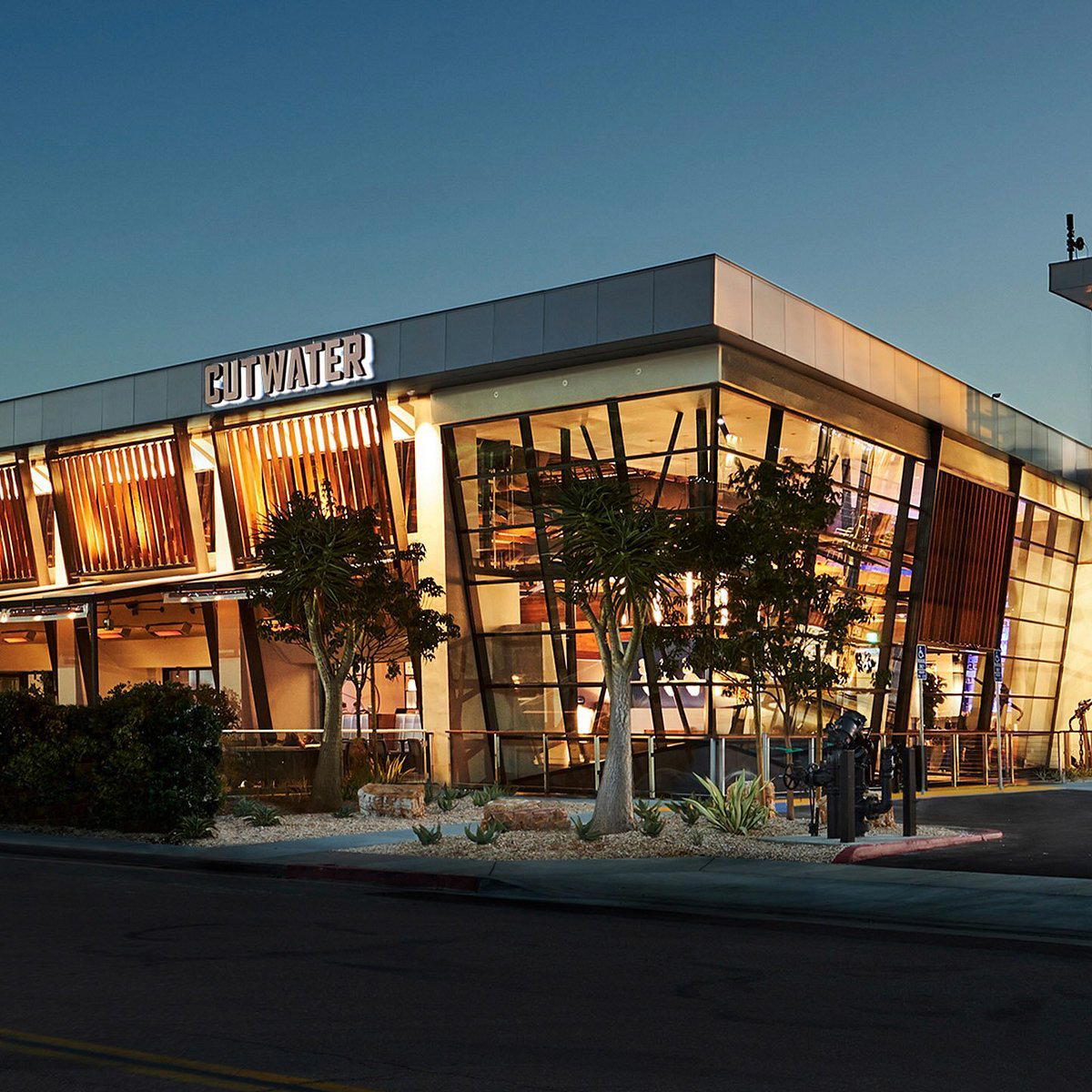
Miramar's Production District and the Rise of Craft Spirits
San Diego spent the better part of two decades building its identity around craft beer, and the Miramar industrial corridor became the physical address of that movement. Warehouse units along Distribution Avenue filled with fermentation tanks, taprooms carved from loading bays, and a tasting culture that prized proximity to production. What has shifted more recently is the arrival of distilling operations in the same zip codes, following a licensing environment that California gradually made more accessible. Cutwater Spirits, operating out of 9750 Distribution Ave, is among the facilities that occupy this newer tier in Miramar's drinks geography.
The tasting room format common to craft distilleries differs structurally from a bar: the production facility is the primary operation, and the consumer-facing space exists as an extension of it. Visitors are, in effect, moving through a working environment rather than a purpose-built hospitality venue. That distinction shapes how the experience reads relative to a cocktail bar in East Village or Little Italy.
How the Tasting Room Format Works
Distillery tasting rooms across the United States have developed along two broad models. The first keeps the experience close to the production line: short pours, flights, and minimal food, with the emphasis on the spirits themselves. The second builds toward a fuller hospitality operation, with cocktail menus, kitchen output, and staffing structures that begin to resemble a bar or restaurant. Cutwater's Miramar location leans toward the latter end of that spectrum more than most craft distilleries in the region, which is part of why it draws a different crowd than the taprooms that originally defined the corridor.
The collaboration between those managing the production side and those handling the guest-facing program is the tension that defines how any distillery tasting room succeeds or fails. When the spirits team and the front-of-house operate in sync, the pour selection and the way staff explain it reflect the same logic. That kind of coordination is harder to achieve in a production facility than in a purpose-built bar, which is why distillery hospitality programs are often uneven across the industry.
Spirits in Context: Where San Diego's Drinks Scene Has Moved
The broader American craft spirits market matured significantly through the 2010s, and San Diego followed a similar arc. Craft beer remained the dominant category in terms of venue count and consumer familiarity, but distilling added a layer to the production culture that existed here. Operations like Cutwater brought a category of product, including canned cocktails distributed nationally, that gives the local production scene a footprint extending well beyond tasting room visits.
For comparison, the direction of travel in San Diego's serious restaurant and drinks scene has pushed toward a higher degree of program depth. Addison, the only restaurant in San Diego with Michelin recognition at the three-star level, represents the upper register of what the city's dining culture can produce in a formal sense. Soichi operates in the premium omakase tier. These are not direct comparators for a distillery tasting room, but they indicate the range of what San Diego has developed across food and drink. The spirits production sector, by contrast, sits in a more informal register where access and volume matter as much as precision.
Nationally, the model of integrating production and hospitality at a single site has worked well for operations that invest in the guest experience at the same level as the product. Single Thread Farm in Healdsburg is an example, in a different category, of a production-rooted hospitality concept where every element from sourcing to service is treated as a coherent whole. Frasca Food and Wine in Boulder similarly demonstrates how a team-driven approach, where the wine program and the kitchen operate as one voice, creates a guest experience that exceeds what either element would produce independently. These are different categories, but the underlying principle of internal coordination carries across formats.
The Team Dynamic in a Production Setting
In any venue where production and service overlap, the relationship between the people making the product and the people presenting it to guests determines the quality of the interaction. At a distillery like Cutwater, the staff who run the tasting room are working in close proximity to the people operating the stills and managing the aging program. That physical closeness can translate into a depth of product knowledge on the floor that a conventional bar, sourcing spirits from multiple suppliers, cannot replicate. Whether that advantage is consistently realized depends on how the operation trains and deploys its front-of-house team.
Venues where this coordination works well tend to show it in how pours are described: not as a menu recitation but as a conversation that connects production decisions, such as grain sourcing, still type, or aging duration, to what the guest is tasting. The same dynamic appears in the programs at places like Smyth in Chicago, where the kitchen and the front-of-house operate as a single interpretive unit rather than separate departments, or at Blue Hill at Stone Barns, where farm and dining room are explicitly linked in every service interaction. The scale and category differ, but the principle of staff coherence as a hospitality differentiator applies across formats.
1450 El Prado, 777 G St, and 94th Aero Squadron, each of which represents a different angle on San Diego's hospitality range. The French Laundry in Napa, Le Bernardin in New York City, Providence in Los Angeles, Lazy Bear in San Francisco, Emeril's in New Orleans, Atomix in New York City, The Inn at Little Washington, and Atelier Moessmer Norbert Niederkofler in Brunico each show what happens when the hospitality team treats product knowledge and guest experience as inseparable.
Address: 9750 Distribution Ave, San Diego, CA 92121
Neighborhood: Miramar, San Diego
Format: Distillery tasting room with spirits flights and cocktails
Booking: Walk-in friendly
Hours: Mon: 11 AM to 9 PM; Tue: 11 AM to 9 PM; Wed: 11 AM to 9 PM; Thu: 11 AM to 9 PM; Fri: 11 AM to 10 PM; Sat: 11 AM to 10 PM; Sun: 11 AM to 5 PM
Price range: $$
Parking: Industrial district; street and lot parking typically available along Distribution Ave
Cuisine Context
Comparable venues nearby, for context on price, style, and recognition.
| Venue | Cuisine | Price | Notes |
|---|---|---|---|
| Cutwater Tasting RoomThis venue — the venue you are viewing | American Gastropub with House Spirits | $$ | Not listed |
| The Mission | Modern Chino-Latino American | $$ | North Park |
| Lucky's Lunch Counter | Classic American Breakfast & Lunch | $$ | Downtown |
| Lefty's Chicago Pizzeria | Chicago-Style Pizza | $$ | North Park |
| Slater's 50/50 | Gourmet American Burgers | $$ | Peninsula |
| 94th Aero Squadron San Diego | American Steakhouse with Seafood | $$ | Kearny Mesa |
Continue exploring
More in San Diego
Restaurants in San Diego
Browse all →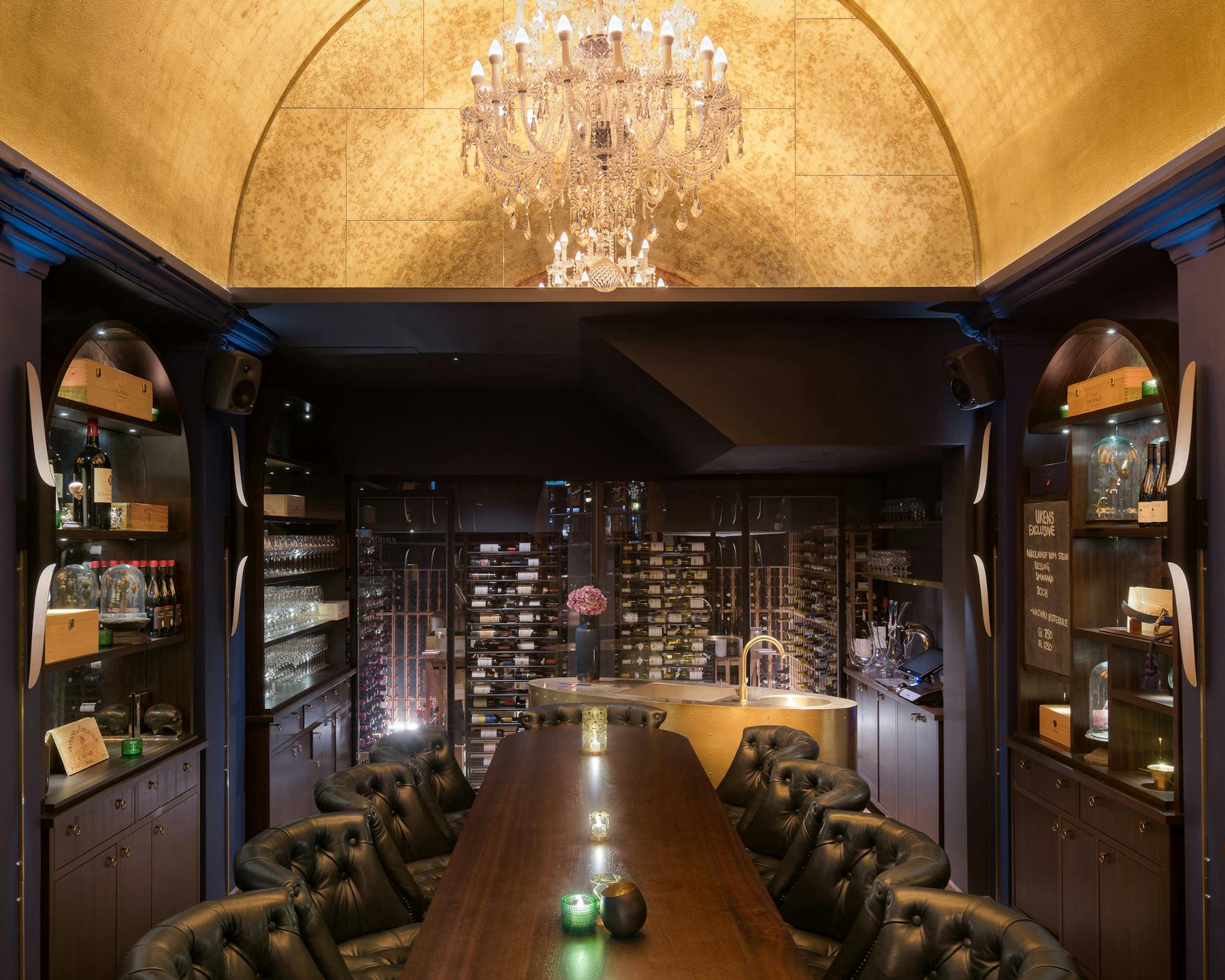
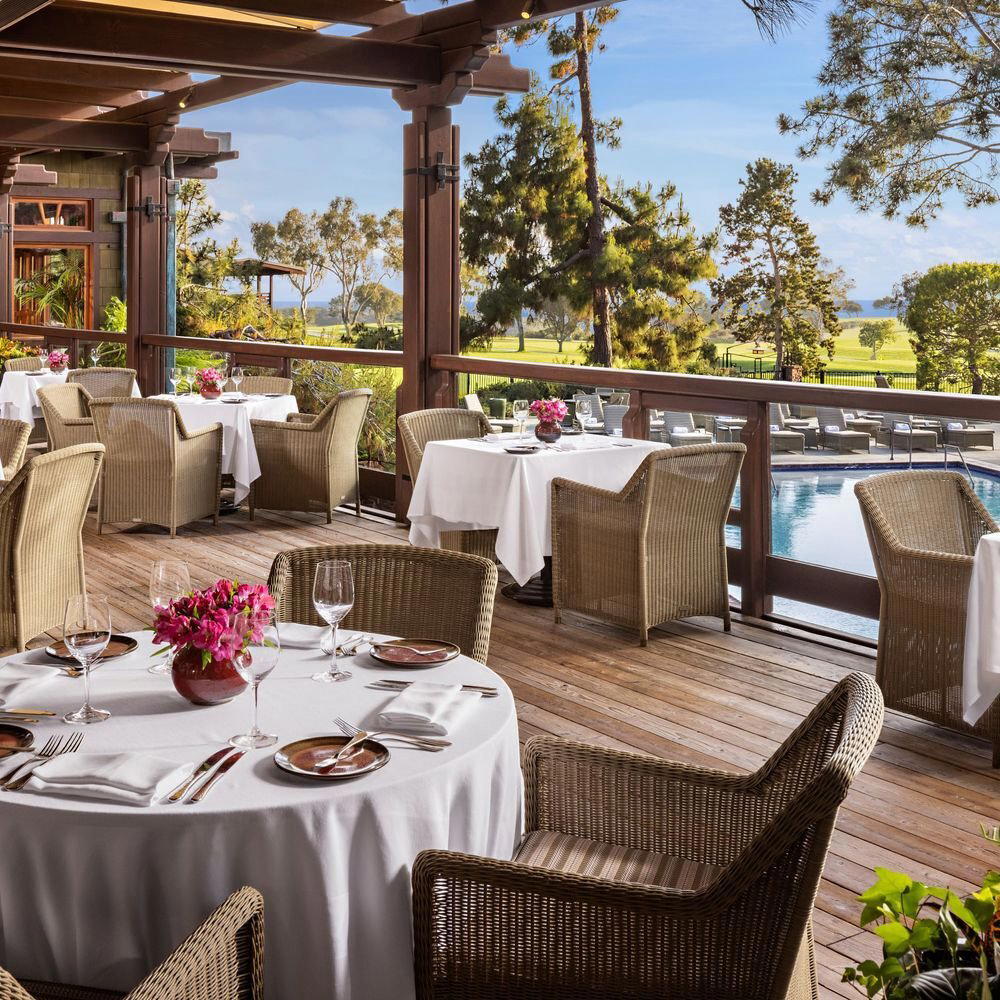
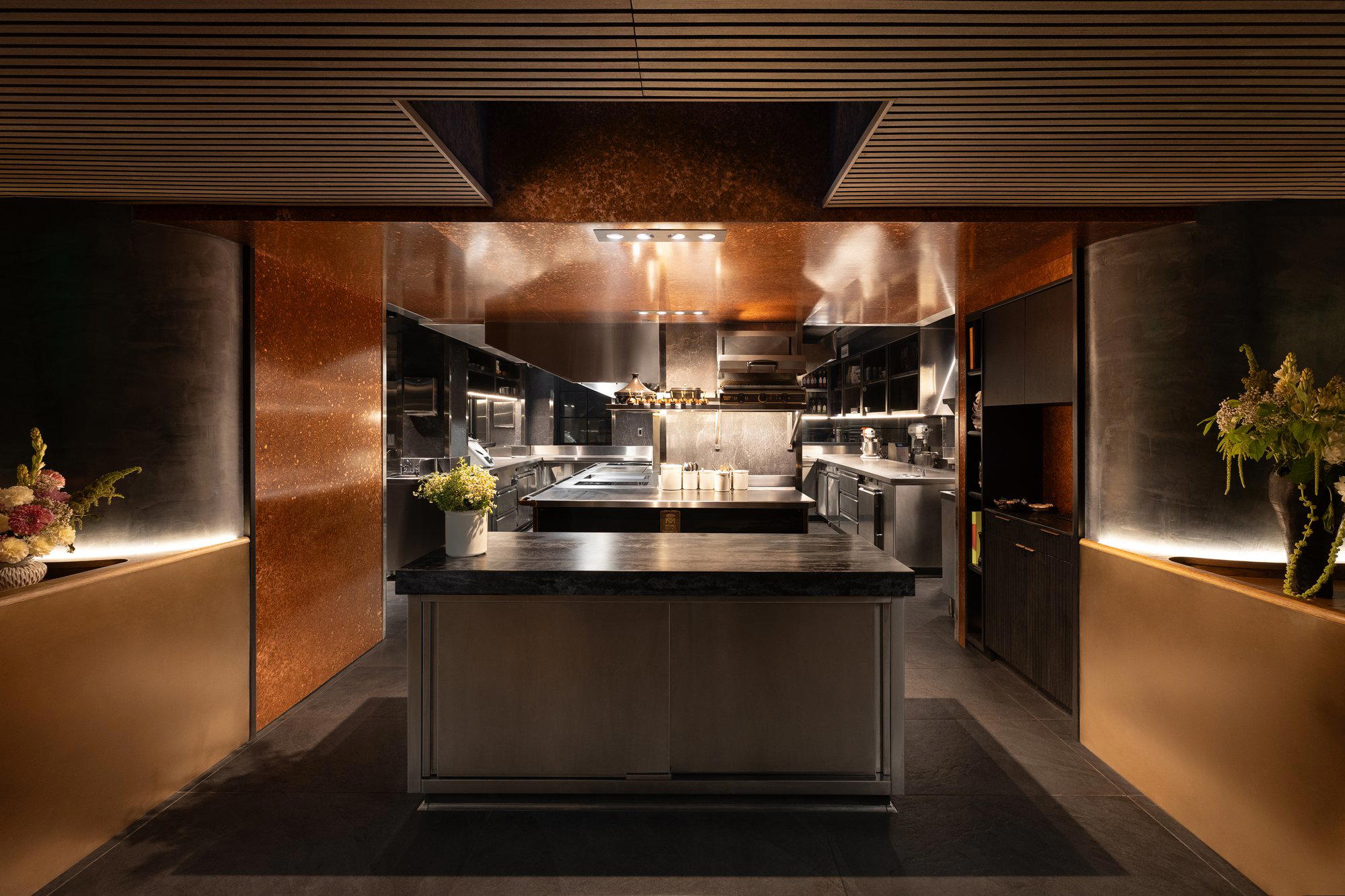
Bars in San Diego
Browse all →
At a Glance
- Trendy
- Lively
- Modern
- Industrial
- Casual Hangout
- Group Dining
- After Work
- Open Kitchen
- Craft Cocktails
Current opening hours
- Monday
- 11 AM–9 PM
- Tuesday
- 11 AM–9 PM
- Wednesday
- 11 AM–9 PM
- Thursday
- 11 AM–9 PM
- Friday
- 11 AM–10 PM
- Saturday
- 11 AM–10 PM
- Sunday
- 11 AM–5 PM
Hours can change for holidays and private events. Last verified .
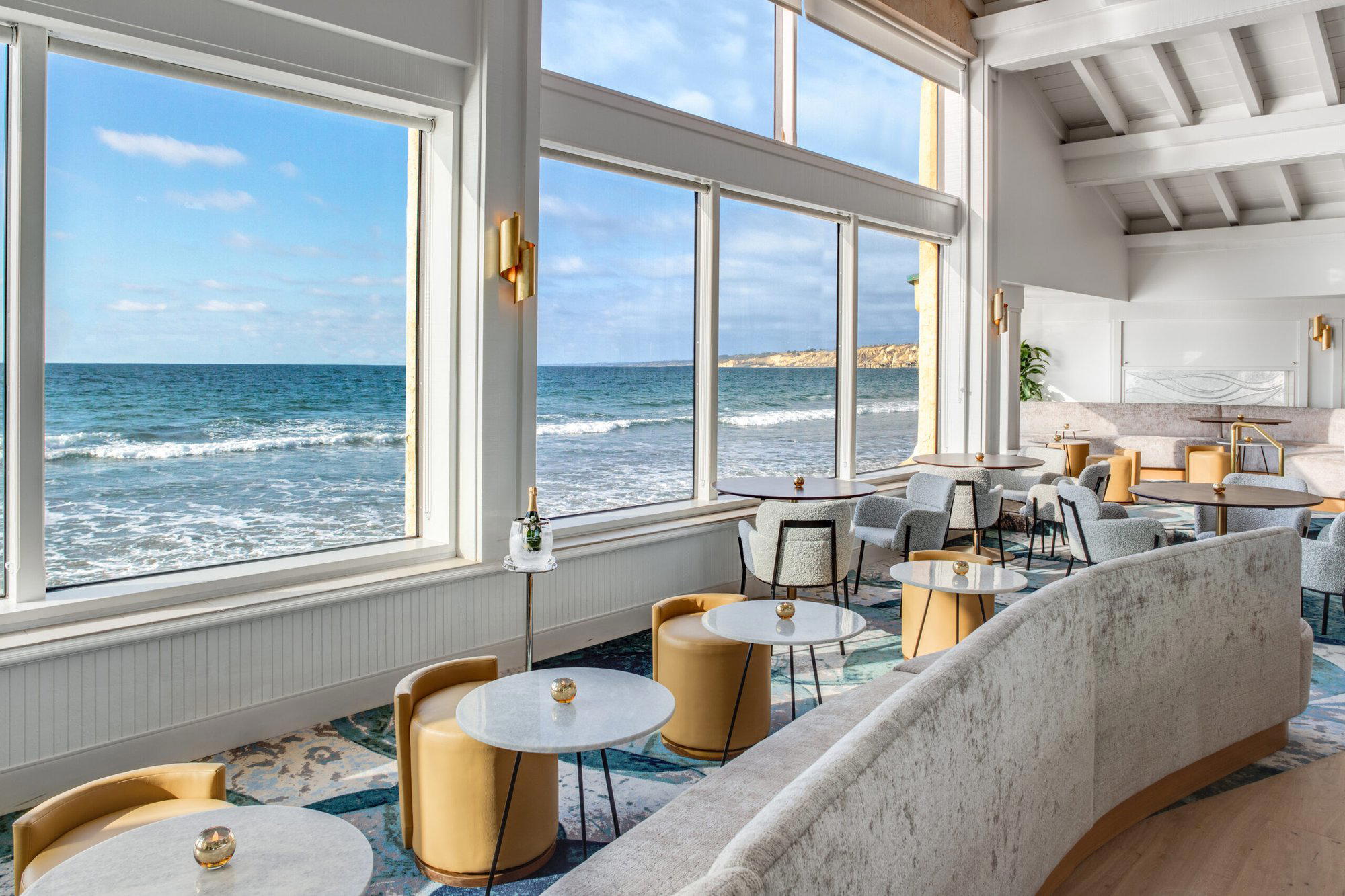
Modern industrial space with high ceilings, steel beams, and south pacific decor influences creating a fun, trendy atmosphere.