Strandlächeln Hohenfelde
Our verdict
On the Schleswig-Holstein coastline, Strandlächeln Hohenfelde occupies a direct address on Strandstraße in the small Baltic Sea village of Hohenfelde. The setting places it squarely within northern Germany's tradition of waterfront dining, where proximity to the catch defines what ends up on the plate. For those moving along the Kieler Förde, it represents a local reference point rather than a destination requiring advance planning.

Pearl is the En Primeur Club membership app — saves, bookings, and concierge access live there. Same editors, same standards.
- Address
- Strandstraße 23, 24257 Hohenfelde, Germany
- Phone
- +4943852169970
- Hours
- Mon–Tue ClosedWed–Sat 5–9 PMSun 12:30–4 PM, 5–9 PM
- Website
- xn--strandlcheln-mcb.de
- Directions
- Get directions
- Booking
- Book on the venue's website
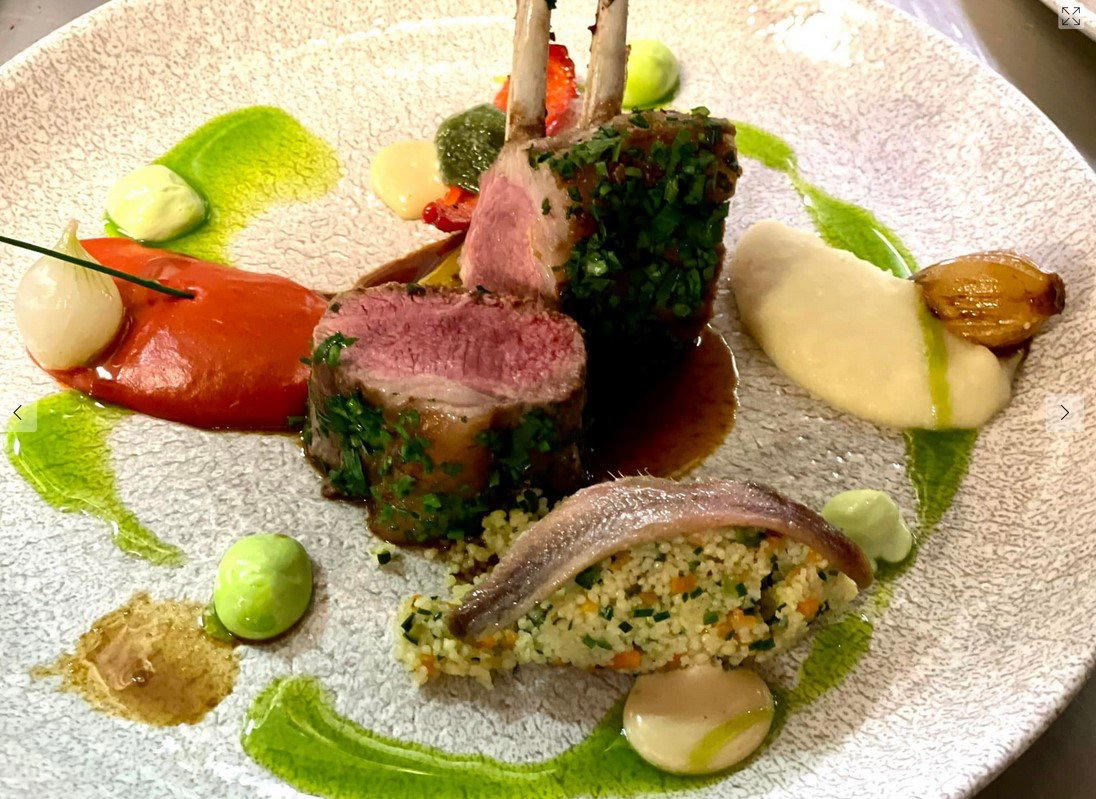
The menu
What to order
- Kaltgeräucherte Garnelen
- Fischsuppe
Where the Baltic Sets the Menu
Hohenfelde is not a dining destination in the way that Hamburg or Kiel pulls in restaurant-goers. It is a small settlement along the Kieler Förde, the long fjord inlet that cuts into Schleswig-Holstein's eastern coast, and the village functions primarily as a shoreline stop: a place where the water is close enough that it shapes daily life rather than merely providing a view. Strandlächeln sits on Strandstraße 23, which translates without subtlety as Beach Street, and that address is the first and most direct thing the venue communicates about itself. When a restaurant occupies a building this close to the waterline in a region defined by its fishing traditions, the kitchen's relationship to local sourcing is not a marketing position — it is a logistical reality.
Northern Germany's coastal dining tradition operates differently from the fine-dining circuits that run through Hamburg's Altstadt or the Michelin-mapped restaurants further inland. Venues like Restaurant Haerlin in Hamburg operate within an entirely different competitive and sourcing framework — formal, metropolitan, and aligned with classical European technique. The Schleswig-Holstein coastline produces a parallel tradition: smaller, more informal, and oriented around whatever the Kieler Förde and the wider Baltic yielded that morning. That tradition is the context in which Strandlächeln belongs, and it is a tradition worth understanding before arriving.
Sourcing at the Waterline
The Kieler Förde has a specific ecological character. As a fjord inlet, it carries Baltic salinity levels considerably lower than the North Sea, which shapes the fish and shellfish that populate it. Herring has historically been the economic anchor of this coastline, but the broader catch includes flounder, eel, and seasonal species that move in and out of the fjord's brackish water. Restaurants positioned directly on the shoreline in villages like Hohenfelde have proximity advantages that urban venues cannot replicate: the supply chain between water and kitchen is measured in hundreds of metres rather than hours of refrigerated transport.
This geography places Strandlächeln within a category of northern European coastal venues where ingredient sourcing is defined more by what is reachable than by what is fashionable. Compare this to the sourcing philosophies at work in southern Germany's premium dining scene. ES:SENZ in Grassau draws on Alpine and Bavarian regional producers; Schanz in Piesport works within the Moselle valley's agricultural identity. Each region produces a distinct sourcing logic, and the Baltic coastline's version of that logic is among Germany's most direct: proximity to a specific body of water and the species it produces.
For visitors accustomed to the formal sourcing narratives of urban fine dining, the carefully curated supplier lists, the named farms, a Baltic shoreline venue operates with a different kind of transparency. The proximity is the credential. The Hohenfelde shoreline sits close enough to active fishing operations along the Kieler Förde that seasonal availability, rather than menu planning cycles, tends to govern what appears on local menus. That seasonal discipline, when it functions as intended, produces cooking that reflects the actual moment of the year rather than a constructed version of regionality.
The Setting and What It Communicates
The physical approach to Strandlächeln along Strandstraße follows a pattern common to small Baltic coastal villages: a narrow road running parallel to the waterline, with buildings on the landward side and an open or lightly developed shoreline toward the Kieler Förde. In Hohenfelde, this produces a setting where the separation between inside and outside is minimal, and where the light and weather conditions of the Baltic coast become part of the dining experience in a way that is difficult to replicate in a landlocked or urban setting. The Baltic coast in this stretch of Schleswig-Holstein runs grey and flat in winter, and clear and windswept in summer, the atmosphere shifts dramatically by season, which affects both the character of a visit and the practical logistics of getting there.
For those comparing this to other waterfront dining contexts in Germany, it is worth noting that the experience sits in a different register from destination venues like ammolite - The Lighthouse Restaurant in Rust, which operates with a formal fine-dining positioning. Strandlächeln's address and village context suggest something closer to the informal end of the coastal dining spectrum, a venue defined by its location rather than by its position in a culinary awards hierarchy.
Planning a Visit to Hohenfelde
Hohenfelde is accessible by road from Kiel, which lies roughly 15 kilometres to the northwest along the fjord. The village does not have rail access, which makes private transport the practical default. The Kieler Förde coastline road offers a direct route that follows the water for much of the journey from Kiel, and the drive itself provides context for the landscape that defines this stretch of Schleswig-Holstein. Summer weekends draw visitors from Kiel and further afield to the coastline villages, which affects parking and seat availability at smaller venues along the shoreline. Outside the summer peak, the coast is considerably quieter, and the character of a visit shifts accordingly.
For those planning a broader Schleswig-Holstein itinerary that includes formal dining further along the Baltic coast or inland, our full Hohenfelde restaurants guide maps the local options and places them within the region's wider dining context. Those seeking the Michelin-level northern German coastal and urban dining scene should cross-reference with Restaurant Haerlin in Hamburg as the regional benchmark at the formal end, or look further afield to venues like Aqua in Wolfsburg, Vendôme in Bergisch Gladbach, or Waldhotel Sonnora in Dreis for Germany's broader premium dining tier. For creative formats further afield, CODA Dessert Dining in Berlin and Atomix in New York City represent the kind of structured tasting-menu innovation that sits in a different category entirely from waterfront village dining.
Frequently asked questions
Is Strandlächeln Hohenfelde okay with children?
Hohenfelde itself is a quiet Baltic coastal settlement rather than a resort town, which sets expectations for the pace and scale of venues along Strandstraße. Contacting the venue directly via their address at Strandstraße 23 is advisable before visiting with young children.
What is the atmosphere like at Strandlächeln Hohenfelde?
The address on Strandstraße — a narrow road running parallel to the Kieler Förde — places the venue within the unhurried rhythm of a small North German coastal village rather than any urban dining scene. The name itself, translating roughly as 'beach smile,' signals an easy, unpretentious character oriented toward the water. Hohenfelde draws visitors seeking the fjord rather than gastronomy as a destination, which shapes the tone of everything along that shoreline.
How far is Strandlächeln Hohenfelde from Kiel, and how do you get there?
Hohenfelde sits approximately 15 kilometres southeast of Kiel along the Kieler Förde, accessible by road but without rail connections to the village. The drive from Kiel follows the fjord shoreline and takes roughly 20 minutes depending on traffic. There is no public transit route to Strandstraße 23, so a car or taxi from Kiel is the practical option for visitors arriving by train.
What should I order at Strandlächeln Hohenfelde?
The Kieler Förde is a Baltic fjord inlet with salinity levels lower than the North Sea, which influences the character of local seafood — particularly shellfish and flatfish species common to this stretch of Schleswig-Holstein coastline. Given the venue's position directly on Strandstraße at the water's edge in Hohenfelde, dishes drawing on that immediate fjord sourcing represent the logical focus.
A Quick Peer Check
Comparable venues nearby, for context on price, style, and recognition.
| Venue | Cuisine | Price | Notes |
|---|---|---|---|
| Strandlächeln HohenfeldeThis venue — the venue you are viewing | Modern German Seafood | $20–30 | Not listed |
| Gasthaus an der Alster | Traditional German Bistro | $20–30 | Hamburg-Altstadt |
| Alt Helgoländer Fischerstube | Traditional North German Seafood | $20–30 | Altona-Altstadt |
| DAS LOEWEN | Seasonal Regional German | Not listed | Anscharhoehe |
| Fritz Reuter Stuben | Traditional North German | Not listed | Kröpeliner-Tor-Vorstadt |
| Bärenkrug | Traditional German Regional | $20–30 | Molfsee |
Continue exploring
More in Hohenfelde
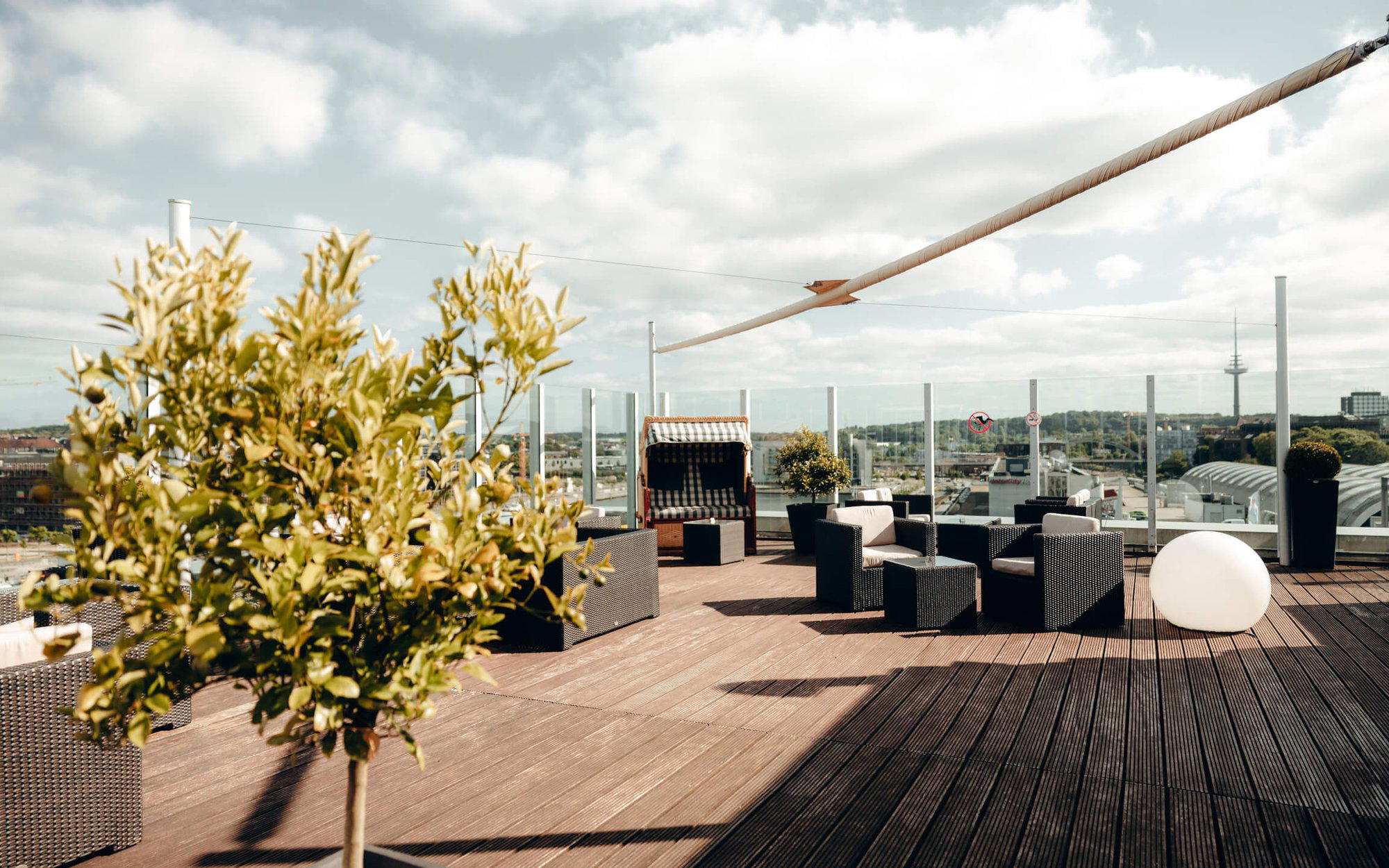
Restaurants in Hohenfelde
Browse all →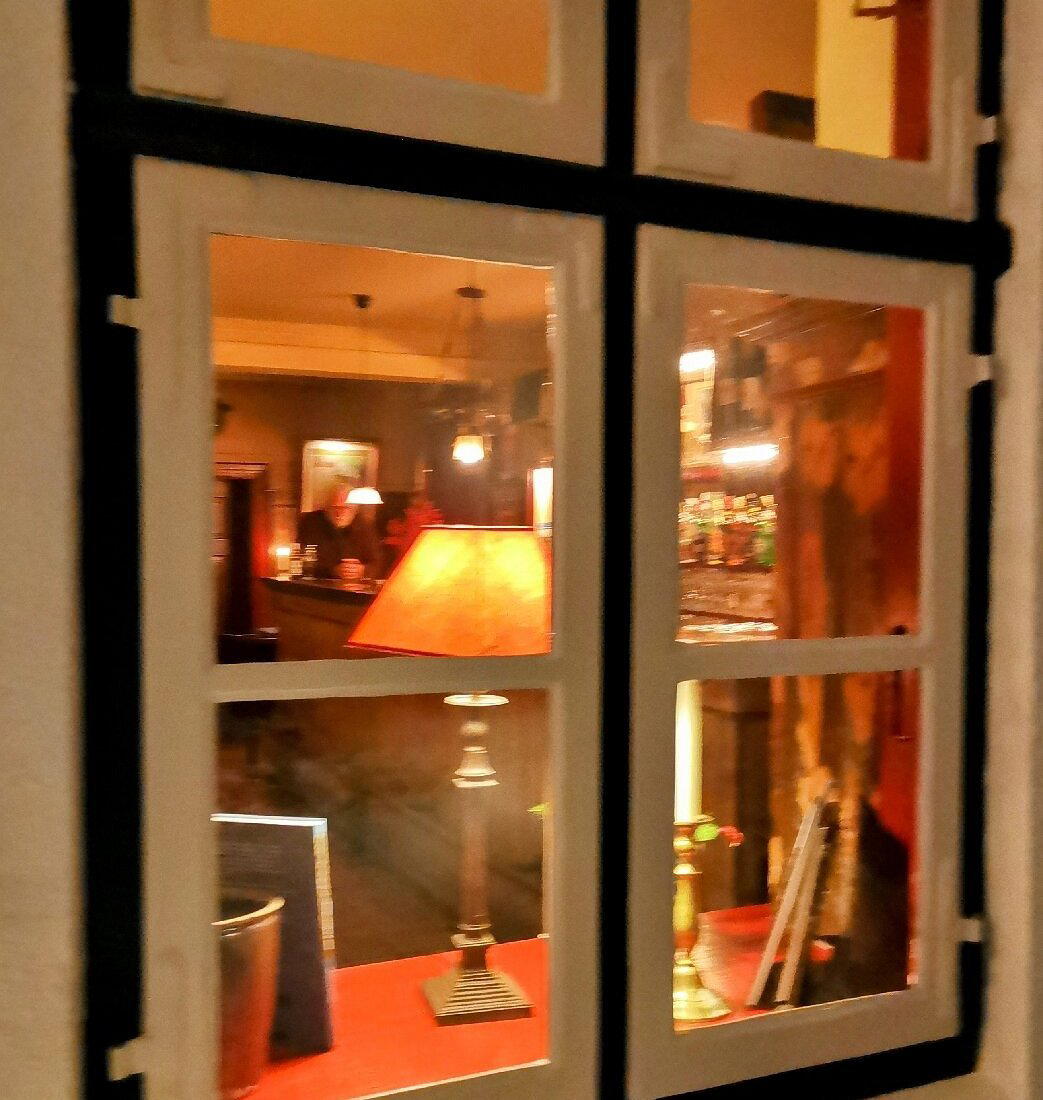
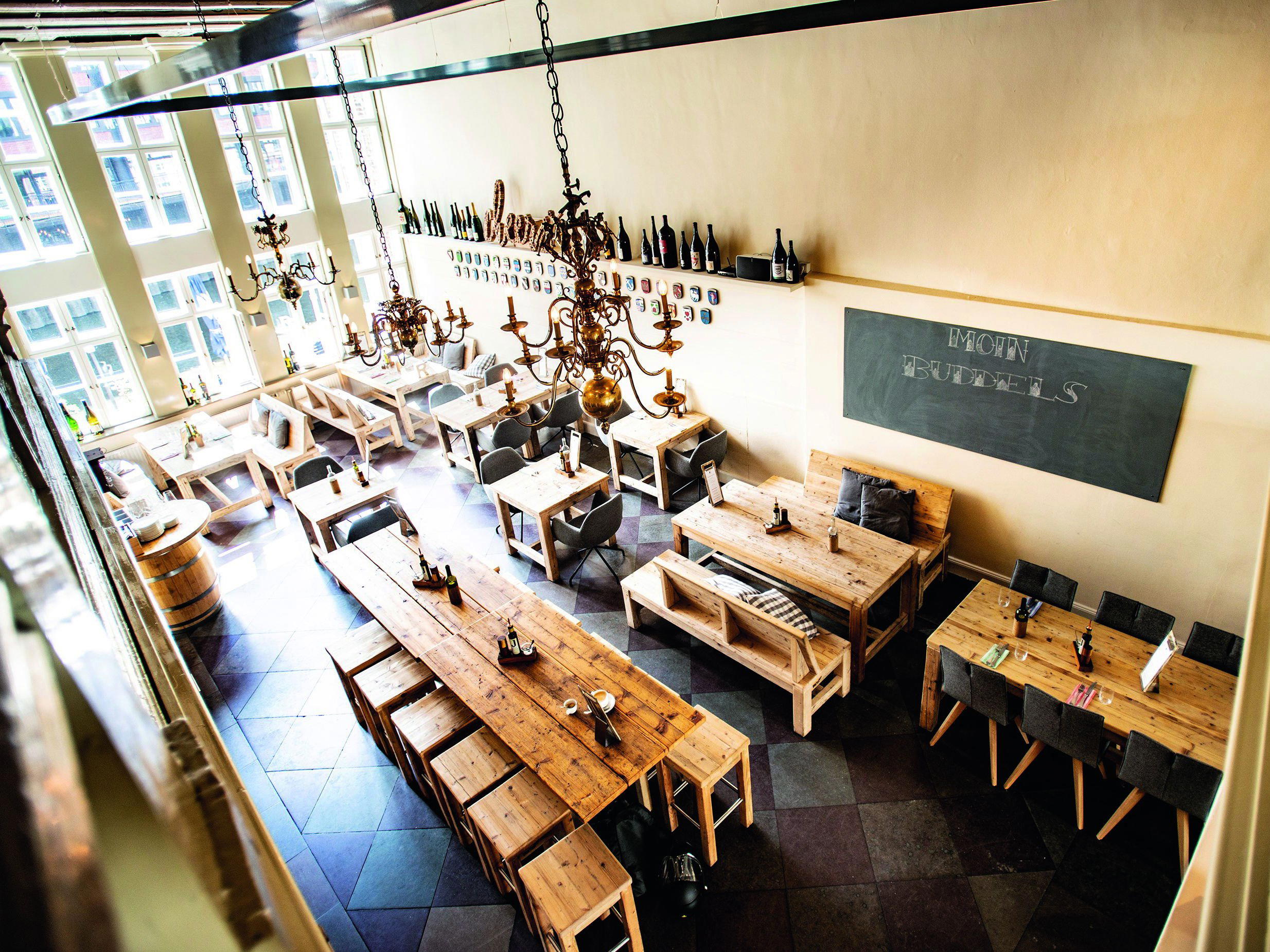
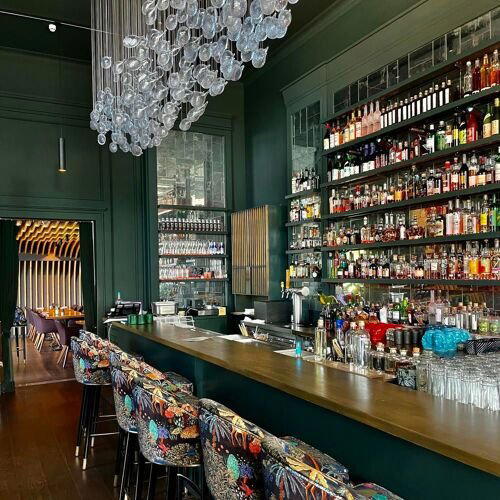
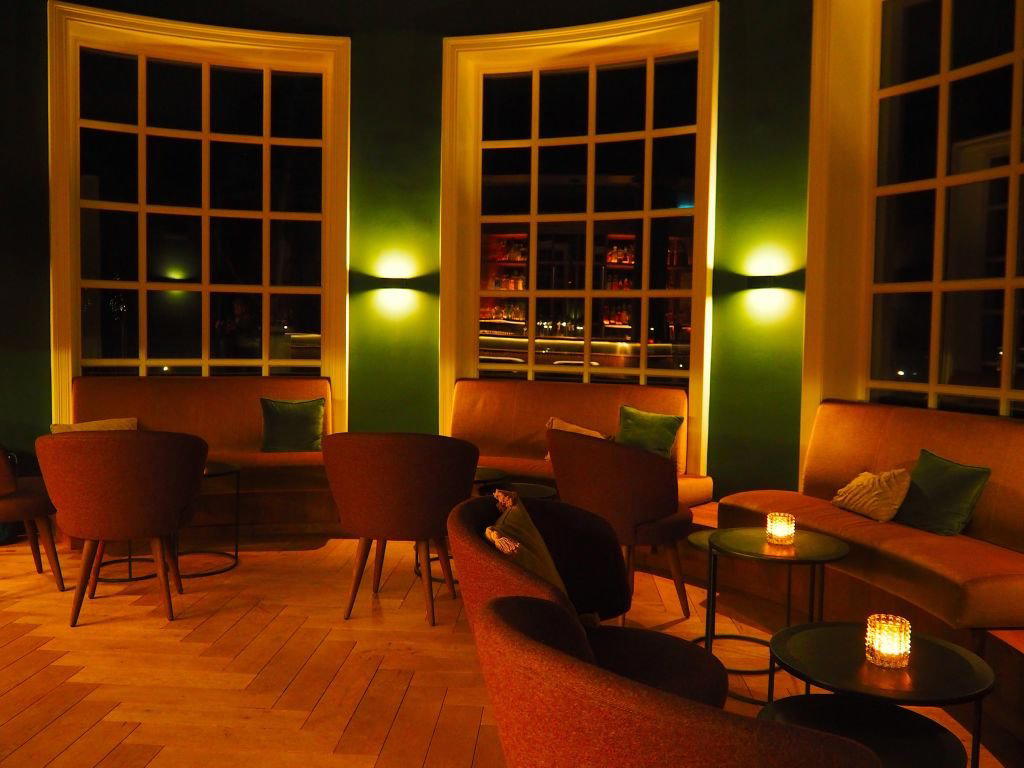
Bars in Hohenfelde
Browse all →

Hotels in Hohenfelde
Browse all →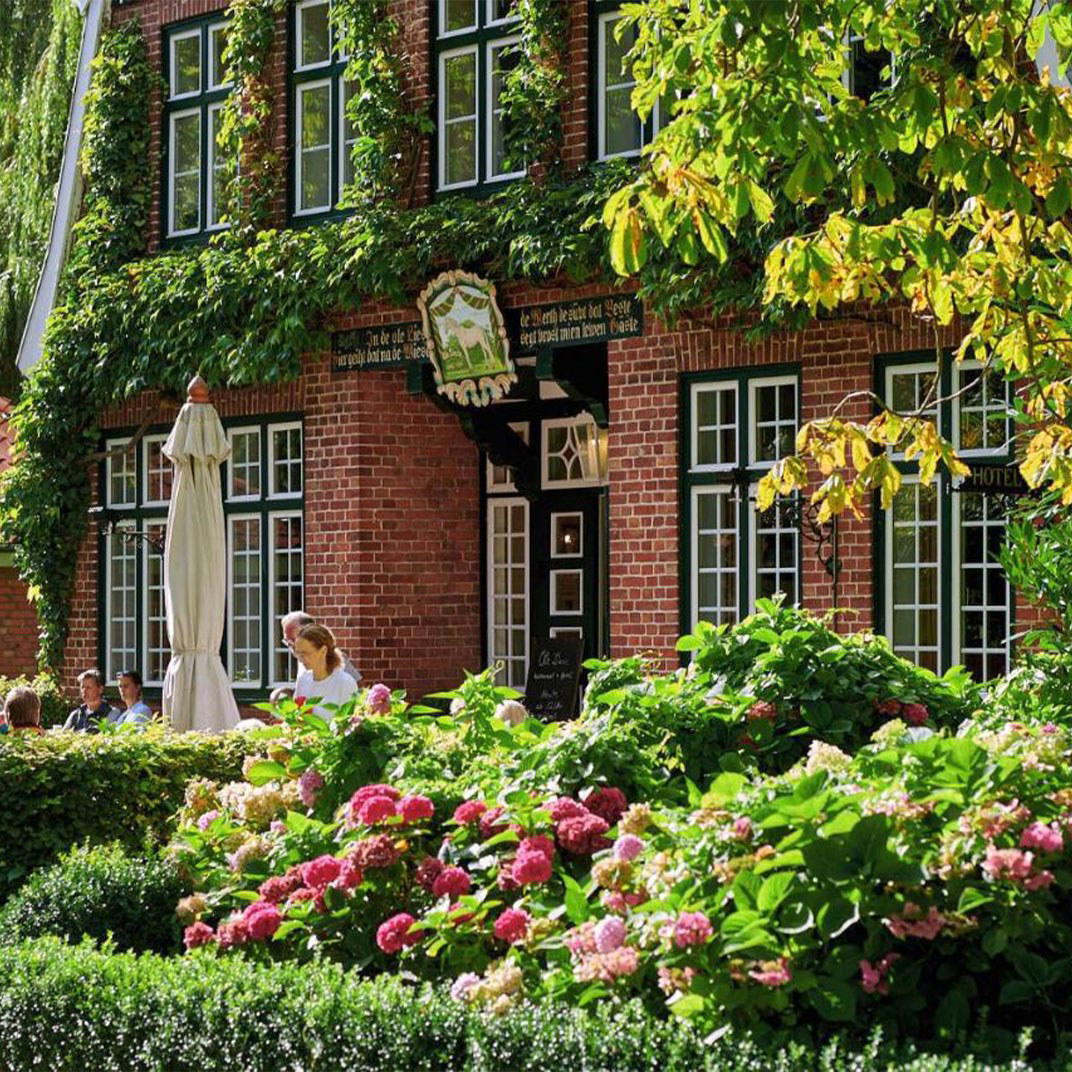
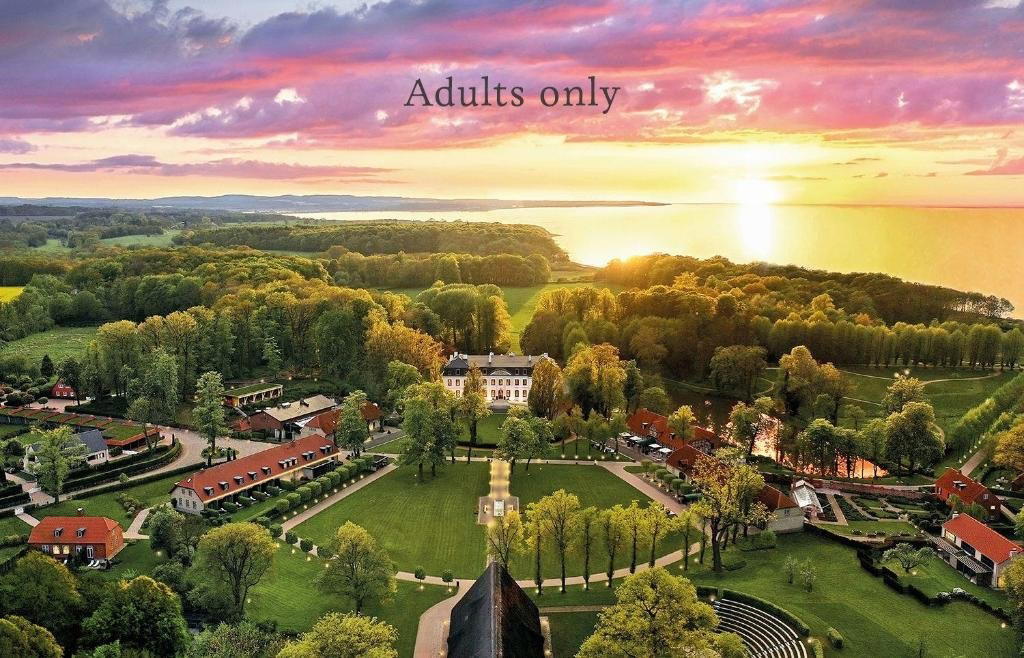
Wineries in Hohenfelde
Browse all →
Strandlächeln Hohenfelde
The wine
- Wine program
- Curated wine list
- Extensive wine list
Details
- Cozy
- Scenic
- Casual Hangout
- Date Night
- Waterfront
- Terrace
- Extensive Wine List
- Waterfront
- A La Carte
- Vegetarian Friendly
Current opening hours
- Monday
- Closed
- Tuesday
- Closed
- Wednesday
- 5–9 PM
- Thursday
- 5–9 PM
- Friday
- 5–9 PM
- Saturday
- 5–9 PM
- Sunday
- 12:30–4 PM, 5–9 PM
Hours can change for holidays and private events. Last verified .
Bright, friendly dining rooms with a relaxed beach bar atmosphere and generous terrace.