
Michelin Plate
Our verdict
Stiftsschmiede serves contemporary regional fish on a waterfront terrace, with an extensive wine list and a 2026 Michelin Plate that suits a longer dinner.

Pearl is the En Primeur Club membership app, where members save venues, book tables and use the concierge.
The menu
What to order
- Lake Ossiach sheatfish with turnips
- Char with organic lemon aroma
- Lake trout with asparagus
Where the Forge Meets the Lake: Dining at the Edge of Carinthia's Monastic Shore
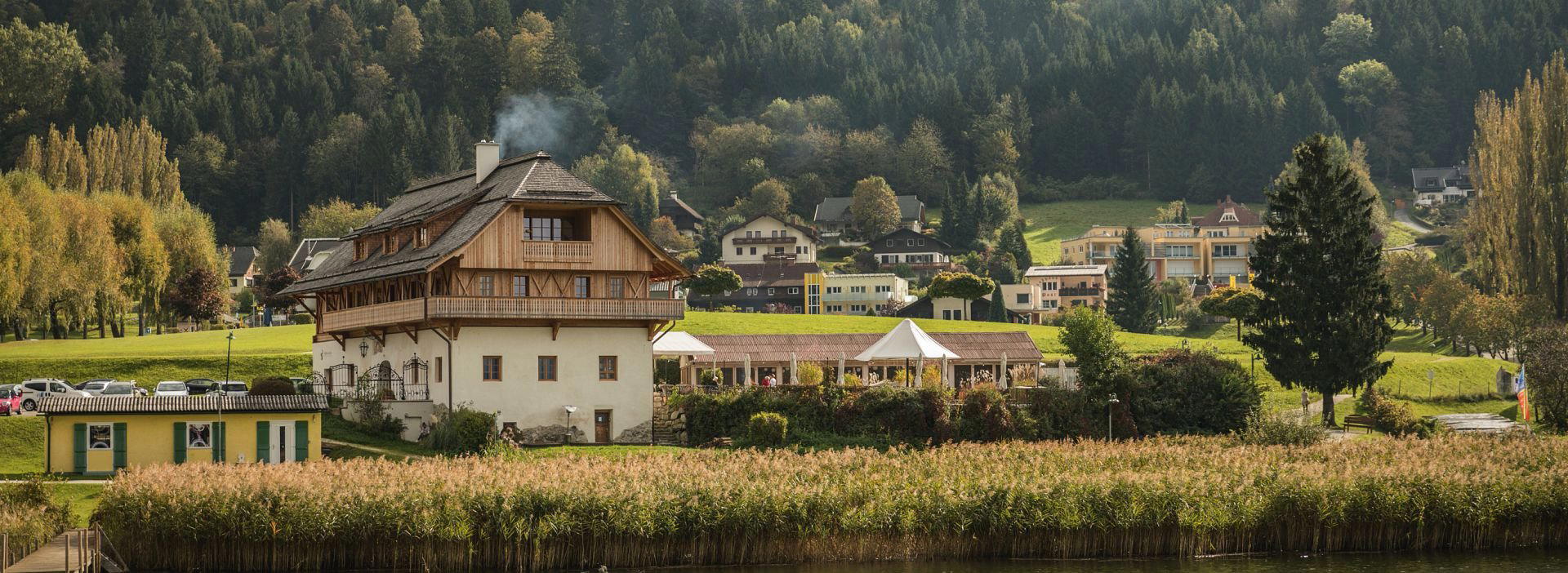
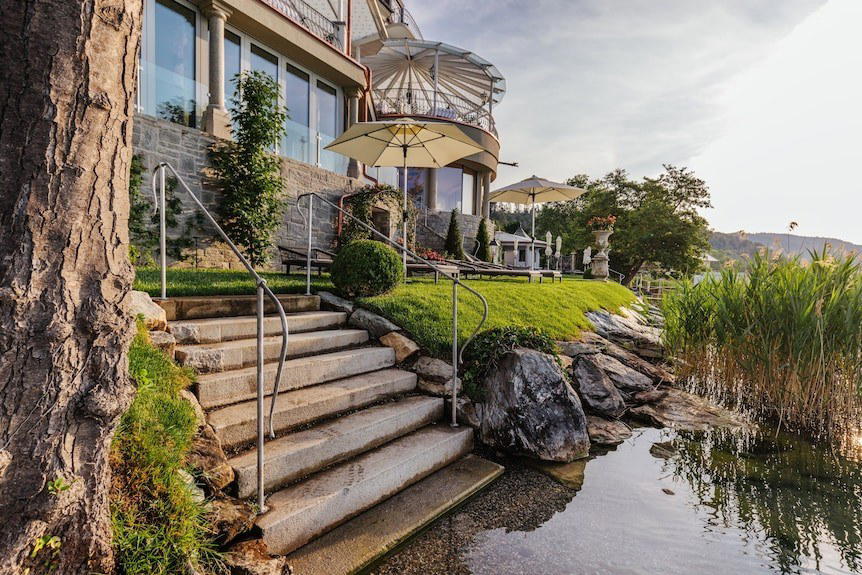
The approach to Ossiach sets a particular expectation. The village sits on a narrow tongue of land along the southern shore of the Ossiacher See, Carinthia's third-largest lake, with the forested slopes of the Ossiacher Tauern rising behind it. The Benedictine monastery that gives Ossiach much of its character has stood here since the eleventh century, and the cluster of buildings around it carries that weight of accumulated time. Stiftsschmiede, the name translates roughly as the monastery's forge, occupies one of those historic structures, and the physical setting does the first work before any plate arrives: stone walls, the proximity of the lake, the particular quiet of a village that functions at a remove from the main Carinthian resort circuit.
Austria's Ingredient-Led Middle Ground
Austrian restaurant culture has spent the past decade sorting itself into recognisable tiers. At one end, the grand Viennese address like Steirereck im Stadtpark in Vienna operates at the level of international competition, with a kitchen that treats domestic produce as raw material for ambitious technique. At the other end, Gasthäuser across the provinces hold to a regional repertoire that changes slowly if at all. The more interesting category sits between those poles: restaurants in scenic rural settings that use local sourcing as an organisational principle rather than a marketing claim. Döllerer in Golling an der Salzach and Landhaus Bacher in Mautern an der Donau both operate in this space, using regional identity as the frame for what arrives at the table. Stiftsschmiede in Ossiach belongs to this broader pattern, where the sourcing geography is inseparable from the sense of place the kitchen is trying to articulate.
Carinthia has particular assets in this respect. The lake system supports freshwater fish traditions, Reinanke, Saibling, Hecht, that do not translate to menus in Vienna or Salzburg with the same directness. The valley agriculture around the Ossiacher See produces dairy, vegetables, and meat at a scale and specificity that favours kitchens close to the source. For a restaurant operating out of a monastery outbuilding on the lake's southern edge, the argument for proximity-based sourcing is not rhetorical: the raw materials are, in many cases, within walking distance or a short drive across the Carinthian basin.
The Sourcing Logic of Carinthian Lakeside Cooking
Ingredient sourcing in the Austrian provinces follows a different logic than it does in the major cities. Urban fine dining depends on distribution networks and supplier relationships that can reach across the country or beyond it. Rural kitchens in strong agricultural regions have the option, and in some cases the obligation, if they are serious about their identity, to work more directly with what surrounds them. This is the tradition that produced the herb-forward cooking now associated with venues like Kräuterreich by Vitus Winkler in Sankt Veit im Pongau, where the sourcing radius is itself an editorial statement about what regional Austrian cuisine can mean. In Carinthia, the lake is the most visible part of that radius. A kitchen at Ossiach that does not engage with the freshwater catch of the Ossiacher See would be ignoring its most geographically specific asset.
The broader Austrian pattern is confirmed by how seriously destination restaurants in the country's scenic regions have committed to this principle. Obauer in Werfen has built decades of recognition on Salzburg province produce. Atelier Fischer in Sankt Gilgen works the Wolfgangsee territory. The logic repeats across the Alpine republic: proximity to source is both an ethical position and a competitive one, because it produces flavours and textures that cannot be replicated by kitchens working from the same national distribution channels.
The Setting as Context, Not Decoration
Historic buildings attached to religious foundations present a specific hospitality character. The architecture was not designed for dining; it was repurposed into it. The result, when handled without over-restoration, tends toward a layered physicality: thick walls, irregular proportions, the residual presence of a function long discontinued. This is the atmospheric register that the Stiftsschmiede address carries. Restaurants that operate in such settings, the converted mill, the monastery outbuilding, the repurposed forge, draw a visitor whose interest is partly in the building itself and partly in the logic of eating inside it. That visitor is making a different kind of choice than the one who books a table at a contemporary restaurant in Klagenfurt or Villach, the two nearest urban centres. The Ossiach address is, by definition, a deliberate excursion. The lake and the monastery are the destination; the table is the reason to stay.
Comparable settings in Austria tend to attract a similar profile. Taubenkobel in Schützen am Gebirge uses its Burgenland winery estate setting as a frame for serious cooking. Ois in Neufelden operates in the Upper Austrian countryside where the location is itself a filter. In each case, the setting signals to the visitor that the experience is organised around place rather than convenience, and that the journey is part of the proposition.
Placing Stiftsschmiede in the Carinthian Scene
Carinthia does not generate the same volume of international food press as Salzburg or Tyrol, where restaurants like Gourmetrestaurant Tannenhof in Sankt Anton am Arlberg, Griggeler Stuba in Lech, and Stüva in Ischgl benefit from a winter ski economy that concentrates affluent visitors and raises the median dining spend across entire valleys. Carinthia's season is summer-weighted, tied to the lake system and the hiking and cycling infrastructure around it. That seasonal profile shapes what works commercially for a restaurant in Ossiach: the dining public arrives in warmer months, and the kitchen's sourcing calendar aligns with that concentration.
For a reader planning a Carinthian itinerary, the Stiftsschmiede address occupies a specific role. It is not a destination that competes with Vienna's top tier, venues like Ikarus in Salzburg or Schwarzer Adler in Hall in Tirol operate with different ambitions and different kitchen infrastructure. It competes instead on sense of place: a historic building, a lake setting, a regional sourcing argument, and an address that functions as a reason to stop in Ossiach rather than passing through it on the way to Villach or Klagenfurt. For international visitors comparing it against the technical ambition of a New York address like Le Bernardin or Atomix, the frame of reference is entirely different: Stiftsschmiede is an argument for place over technique, for regional specificity over cosmopolitan ambition.
Planning a Visit
Ossiach is accessible by road from Klagenfurt in under 30 minutes and from Villach in approximately 20. The village is small and parking is limited in summer; arriving outside peak afternoon hours makes the approach considerably easier. For a fuller picture of where Stiftsschmiede sits in the regional context, our full Ossiach restaurants guide covers the dining options around the Ossiacher See with the same degree of sourcing-level analysis. Visitors coming from Graz might also consider Artis in Graz as a complementary stop on a wider Carinthian and Styrian circuit.
Frequently asked questions
Is Stiftsschmiede a family-friendly restaurant?
The setting in Ossiach, a small lakeside village on the Ossiacher See, suits families travelling the Carinthian lake district. The historic forge building provides a distinctive physical context that tends to hold the attention of older children. Booking ahead is advisable, particularly in summer when the region draws significant visitor traffic.
What is the atmosphere like at Stiftsschmiede?
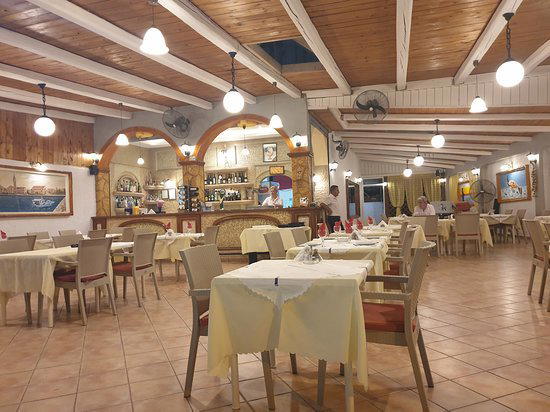
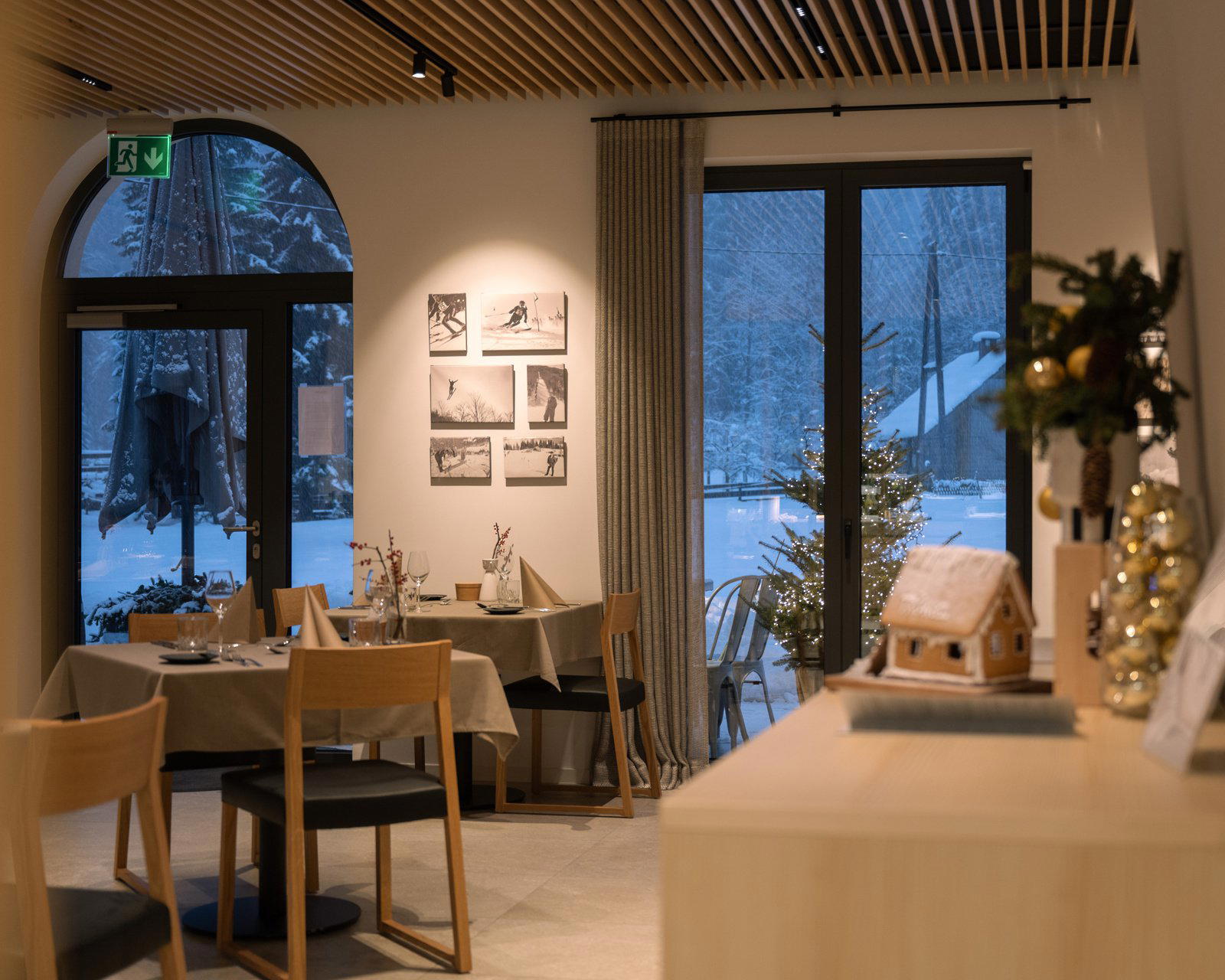
The restaurant occupies a converted forge attached to the Ossiach monastery complex, which means the architecture was built for utility, not hospitality. Stone, iron, and aged timber characterise the interior, a material register that reads as grounded rather than formal. The lakeside village setting reinforces that register: Ossiach is quiet by Austrian standards, and the dining pace reflects it.
What makes Stiftsschmiede different from other restaurants along the Ossiacher See?
Stiftsschmiede sits at Ossiach 4, physically within the monastery precinct, a location that places it inside one of Carinthia's historically significant religious foundations rather than alongside it. Few restaurants in the region share that architectural context. Where other Ossiacher See addresses trade on lake views and terrace seating, the forge building offers a material and historical character that is specific to this site.
What do regulars order at Stiftsschmiede?
Carinthian kitchens in this position, between a working lake and productive farmland, tend to anchor their menus in freshwater fish and local produce.
Where is Stiftsschmiede located?
Stiftsschmiede is located at Ossiach 4, 9570 Ossiach, Austria, Ossiach.
How far ahead should I plan for Stiftsschmiede?
Ossiach draws summer visitors to the Ossiacher See from late June through August, and lakeside restaurants in the village fill quickly during that period. Planning two to three weeks ahead for peak summer is a reasonable baseline. Outside the main season, the village is considerably quieter and walk-in availability is more likely.
Comparable Venues
Comparable venues nearby, for context on price, style, and recognition.
| Venue | Cuisine | Price | Awards | Notes |
|---|---|---|---|---|
| StiftsschmiedeThis venue (the venue you are viewing) | Contemporary Regional Fish | $50–100 | Michelin Plate | Not listed |
| Marktamt | Seafood & Mediterranean | Not listed | Not listed | Baden bei Wien |
| Bistrot Bertarelli | Northern Italian Bistro with Viennese Influences | Not listed | Not listed | Wieden (4th district) |
| Antoan | French-Italian Brasserie | Not listed | Not listed | center of Villach |
| Adria Fischrestaurant | Mediterranean Seafood | $30–50 | Not listed | Bahnhofstrasse |
| El Pescador | Mediterranean Seafood | $30–50 | Not listed | Innere Stadt |
Recognition history
Dated appearances from independent guides and award organizations, with the underlying list record or original source where available.
Michelin Plate
Michelin
Continue exploring
More in Ossiach
Restaurants in Ossiach
All restaurants in Ossiach →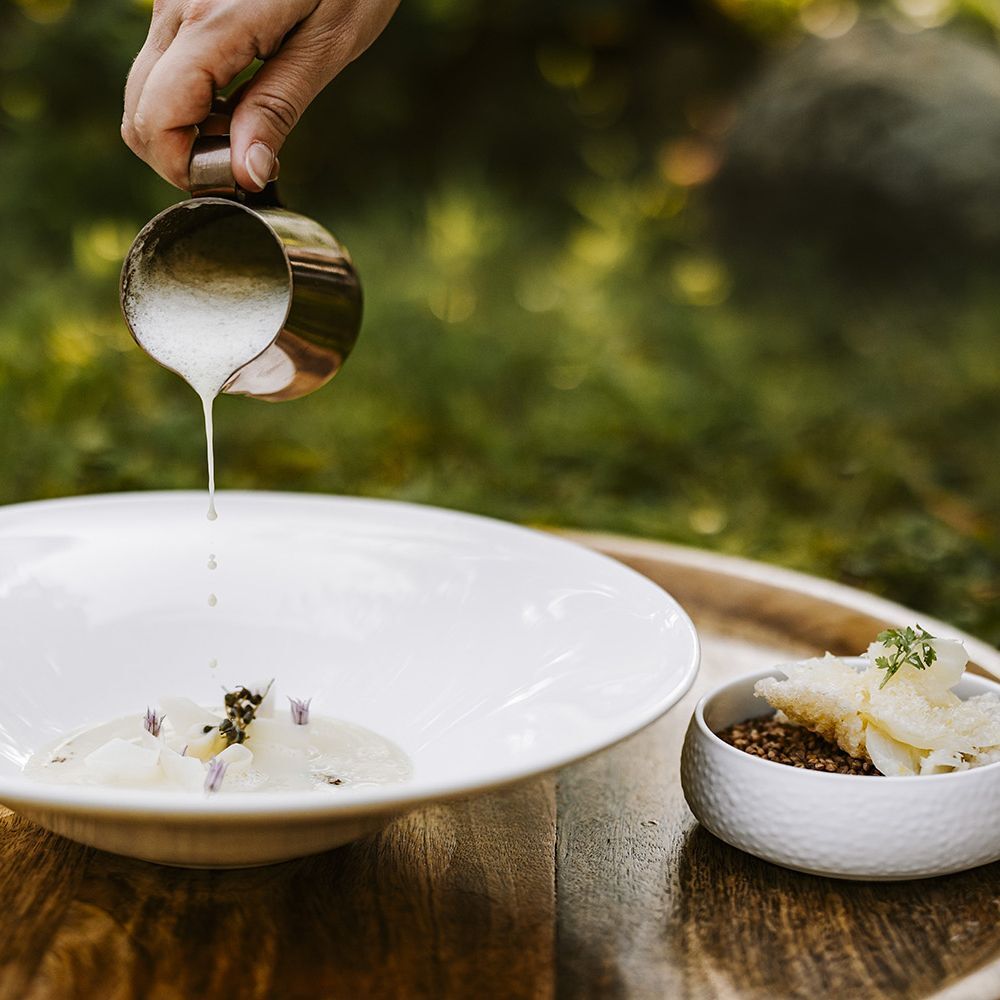
Bars in Ossiach
Browse all →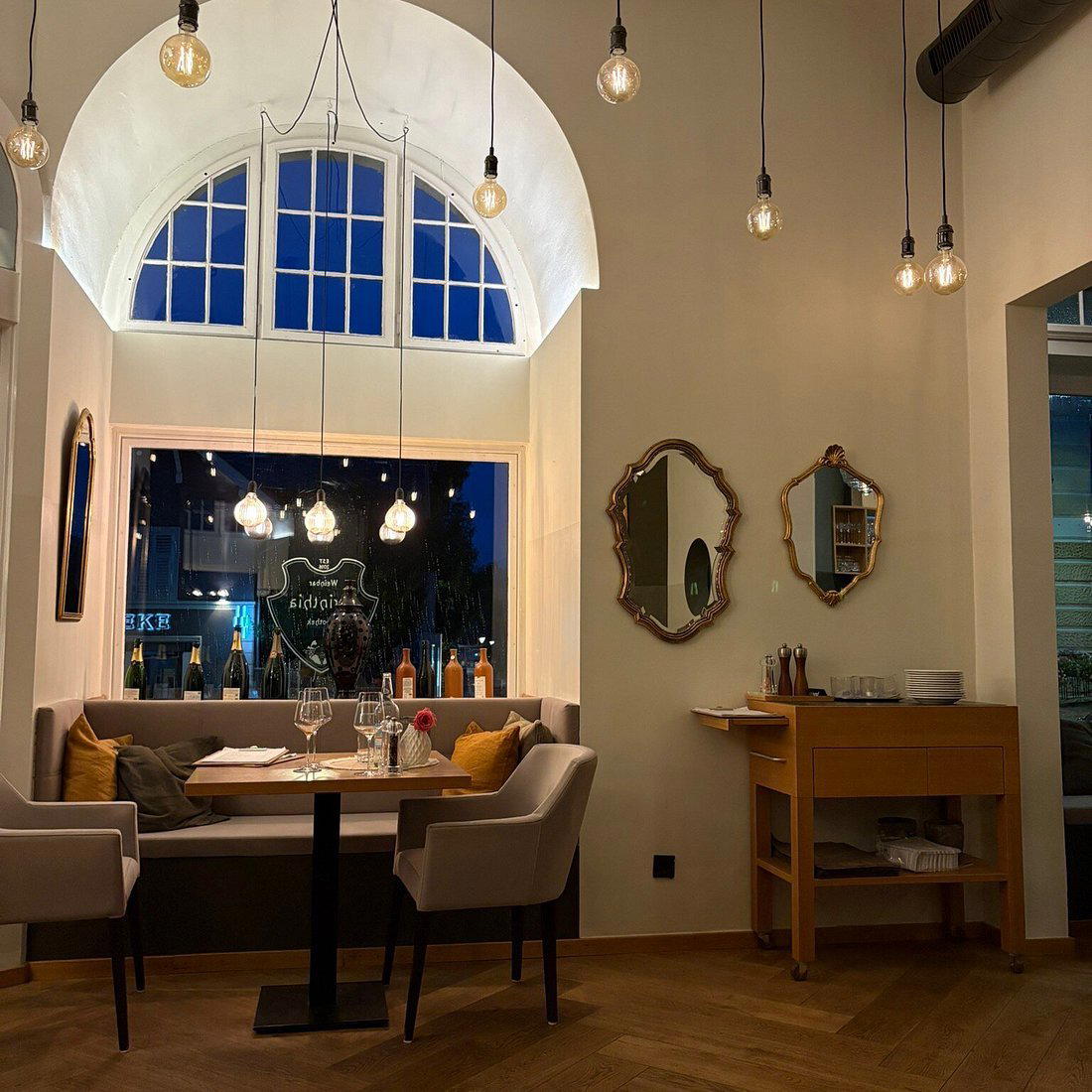

Details
- Scenic
- Rustic
- Cozy
- Elegant
- Intimate
- Date Night
- Special Occasion
- Celebration
- Waterfront
- Historic Building
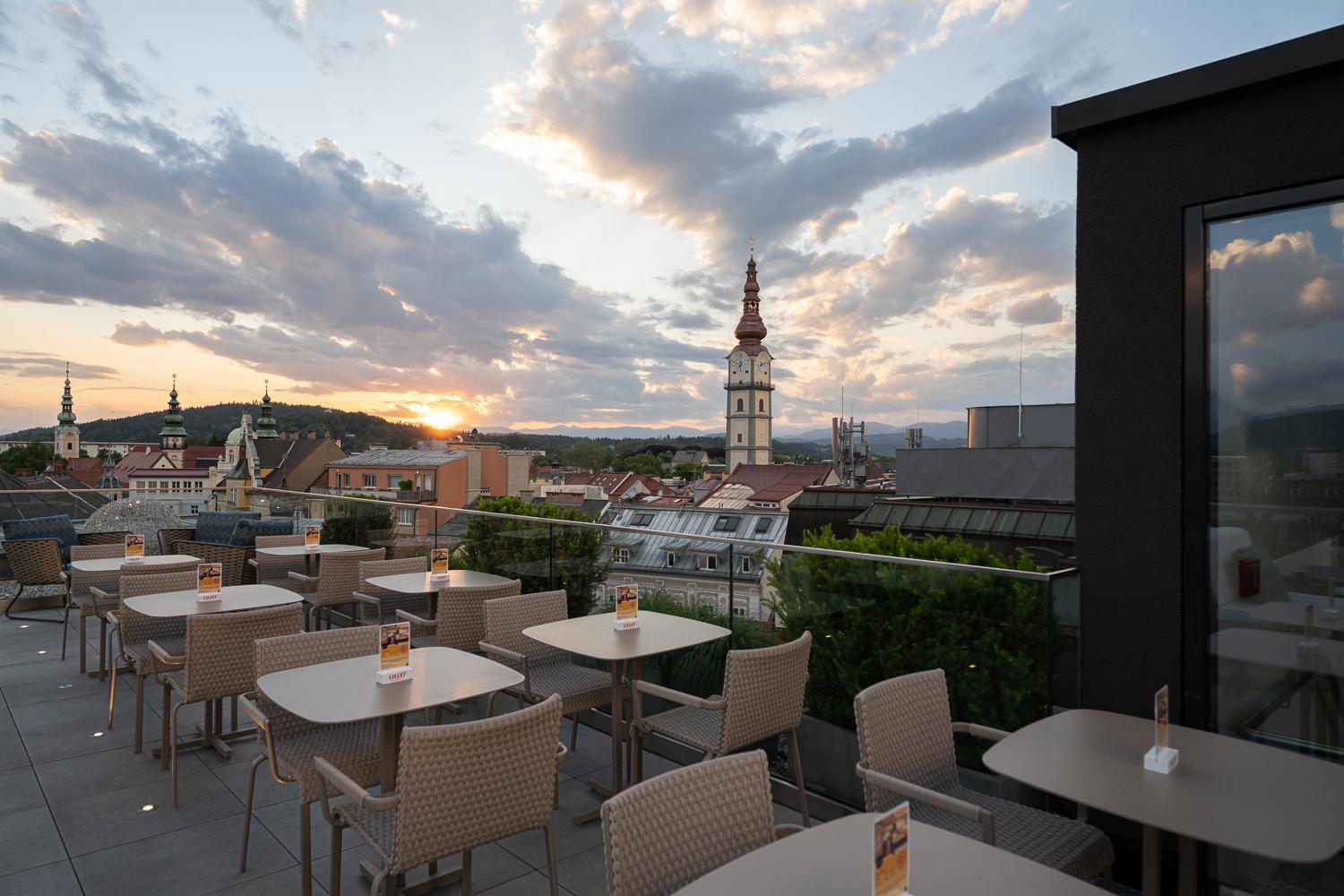
- Terrace
- Extensive Wine List
- Local Sourcing
- Sustainable Seafood
- Waterfront
- Mountain
- A La Carte
- Set Menu
- Vegetarian Friendly
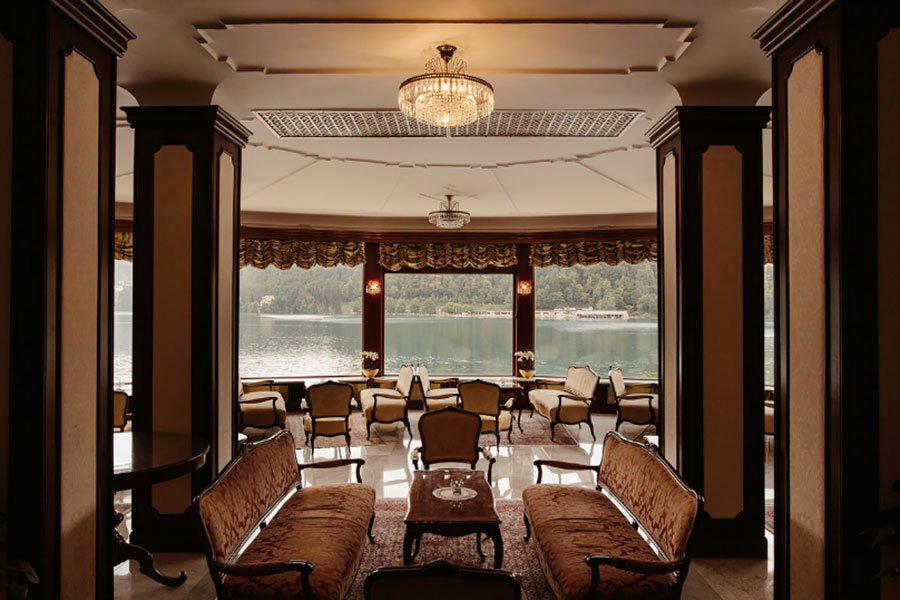
Classically styled dining space with lovely cross-vaulted ceiling, warm kaminatmosphäre, and exceedingly friendly service.