Østergade sits at the centre of Randers' pedestrian shopping district, giving it a street-level presence that few addresses in the city can match. The address places it naturally within the flow of the city's daily life, accessible year-round and particularly animated during the warmer months when the surrounding streets fill with foot traffic. For a full picture of dining in the area, the EP Club Randers guide covers the wider scene.
Pearl is the En Primeur Club membership app — saves, bookings, and concierge access live there. Same editors, same standards.
- Address
- Østergade 1, 8900 Randers, Denmark
- Phone
- +4586430255
- Website
- oestergade1.dk
- Directions
- Get directions
 Saves & bookings on Pearl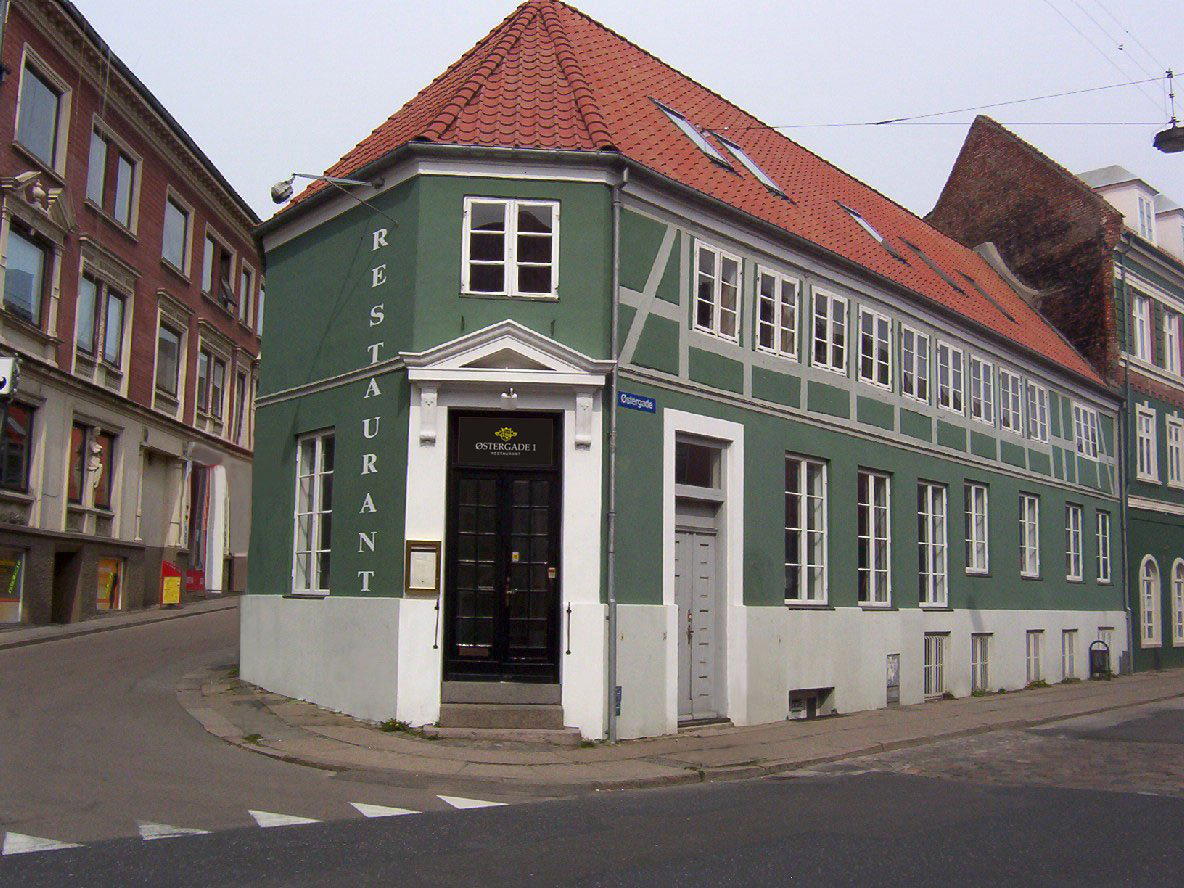
A Street Address as Context: What Østergade Tells You About Randers
In Danish provincial cities, the main pedestrian street functions as the civic spine — the axis around which retail, cafés, and casual dining arrange themselves. Randers follows this pattern precisely. Østergade, the street, is the city's commercial and social centre, and an address at Østergade 1 places any venue at the sharpest corner of that activity. Before considering what happens inside, the location itself carries meaning: this is where Randers shows up, moves through, and pauses. The physical approach, along a pedestrianised corridor flanked by low-rise brick buildings typical of Jutland's market towns, sets a tone that is neither Copenhagen cosmopolitan nor rural quiet. It occupies a particular middle register that defines much of Denmark's secondary-city dining scene.
That context matters when placing Randers within the broader Danish dining conversation. The country's most-discussed restaurants — Geranium in Copenhagen, Jordnær in Gentofte, and Frederikshøj in Aarhus, operate in a different register entirely, anchored by Michelin recognition and tasting menus that require advance planning measured in weeks. Provincial addresses like those on Østergade serve a different function: they are where a city's everyday hospitality character reveals itself, outside the performance of fine dining.
The Sensory Register of a Central Randers Address
Street-level addresses on Randers' pedestrian core share a sensory grammar. In spring and summer, the outdoor rhythm accelerates: café seating spills onto cobblestone, the smell of coffee and bread drifts from ground-floor establishments, and the ambient noise shifts from the hum of indoor conversation to the more diffuse sound of open-air foot traffic. By late afternoon on a weekday, the pedestrian zone carries the particular density of a working provincial city winding down, shoppers, office workers, students from the nearby educational institutions. An address at this end of Østergade puts any venue directly inside that flow rather than at a remove from it.
In winter, the dynamic compresses. The pedestrian streets of Jutland market towns become more contained: awnings come in, heating lamps appear, and the social energy moves indoors. For a venue at Østergade 1, that seasonal shift changes the physical approach entirely, from a permeable, visually open street presence to something more self-contained. Danish dining culture accommodates both registers; the country's relationship with hygge, the social warmth of enclosed winter dining, is not incidental to how restaurants here read across seasons.
Randers in the Regional Dining Picture
Randers sits roughly equidistant between Aarhus and Aalborg, which means it occupies a zone that neither city fully claims. Aarhus has developed into one of Scandinavia's more interesting mid-sized dining cities, with venues like Frederikshøj carrying Michelin weight and a broader restaurant culture that punches above the city's size. Aalborg has its own growing scene, with Alimentum in Aalborg among the addresses that signal seriousness. Randers, by contrast, has remained more of a local dining city, one that serves its own residents well without attracting significant destination traffic from outside the region.
That positioning is neither a criticism nor a disadvantage. Secondary-city dining in Denmark has its own coherence. Across Jutland, addresses like Domæne in Herning and LYST in Vejle demonstrate that ambition in provincial Danish dining is not confined to the major urban centres. The pattern tends to involve locally sourced ingredients, seasonal menus calibrated to what Jutland's agricultural hinterland produces, and a format that balances quality with the practicalities of a smaller customer base. Randers' dining scene operates within that same frame, with its pedestrian-core addresses serving the city's daily appetite rather than positioning themselves primarily for visiting food media.
For comparison at the more rural end of the Danish dining spectrum, Henne Kirkeby Kro in Henne and Dragsholm Slot Gourmet in Hørve represent a different expression of Danish provincial fine dining, destination-led, landscape-rooted, and operating with a different competitive logic than a market-town high-street address. Frederiksminde in Præstø occupies a similar position. These contrasts help locate Randers' Østergade within the right peer category: urban provincial, rather than rural destination.
The Randers Dining Mix: Where Østergade Fits
The restaurants currently operating in Randers' centre reflect the range that a Danish city of this size typically supports. Atami Sushi Restaurant and Banana Leaf represent the international formats that provincial Danish cities now support routinely, Japanese and Asian cuisine having become sufficiently embedded in Danish food culture that their presence in Randers carries no particular novelty. Bistroteket occupies the bistro-format space that anchors many European provincial dining scenes, while Bone's and Cafe Hugo represent the broader casual end of the market. This is a normal distribution for a Jutland city of Randers' size and demographic profile.
For a thorough breakdown of the city's options across price points and formats, our full Randers restaurants guide maps the scene in detail. The international reference points that define serious Danish dining, the precision-driven tasting menus of ARO in Odense, or the globally-referenced technique of venues like Le Bernardin in New York City and Atomix in New York City, sit at a considerable remove from the everyday dining that Østergade represents. That distance is not a deficiency; it reflects the different role that provincial city dining plays in a country where the gap between high-street and destination fine dining has always been philosophically as much as practically wide.
Planning a Visit
Østergade 1 is in the pedestrian centre of Randers, reachable on foot from Randers Station in under ten minutes. The address sits at the northern end of the main shopping corridor, which makes it a practical stop before or after the station or the city's central market square. Randers is directly connected to Aarhus by frequent rail services taking approximately 35 minutes, making a day visit from Aarhus direct. No booking details, hours, or pricing information are currently confirmed for this address, so checking local listings or walking the street directly remains the most reliable approach for current operational status.
Continue exploring
More in Randers
Restaurants in Randers
Browse all →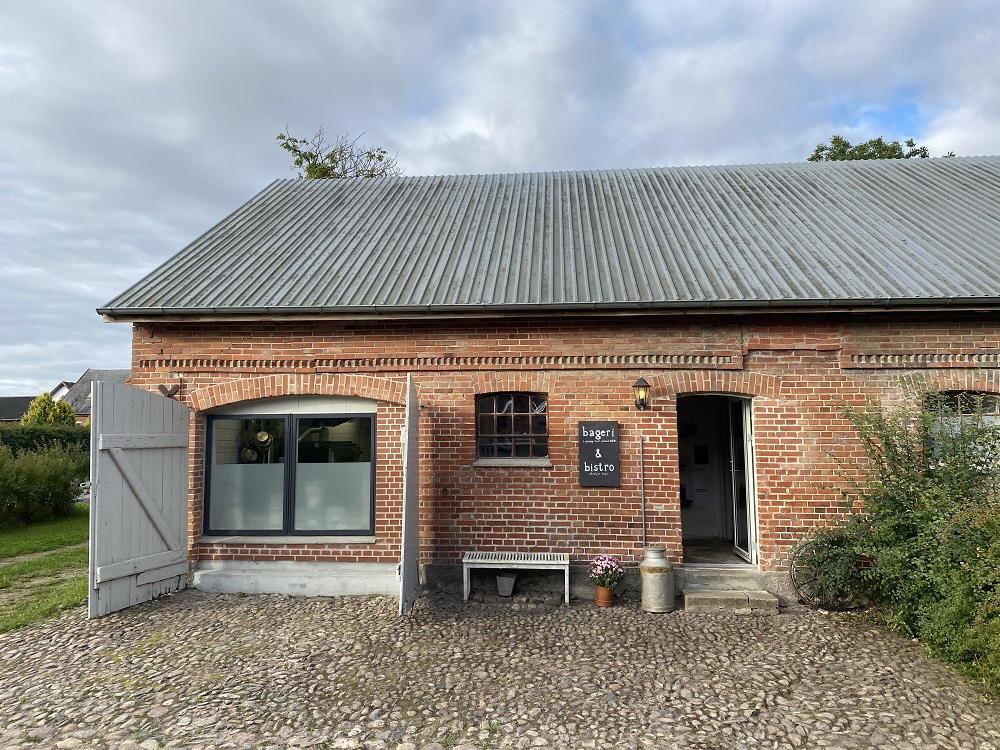
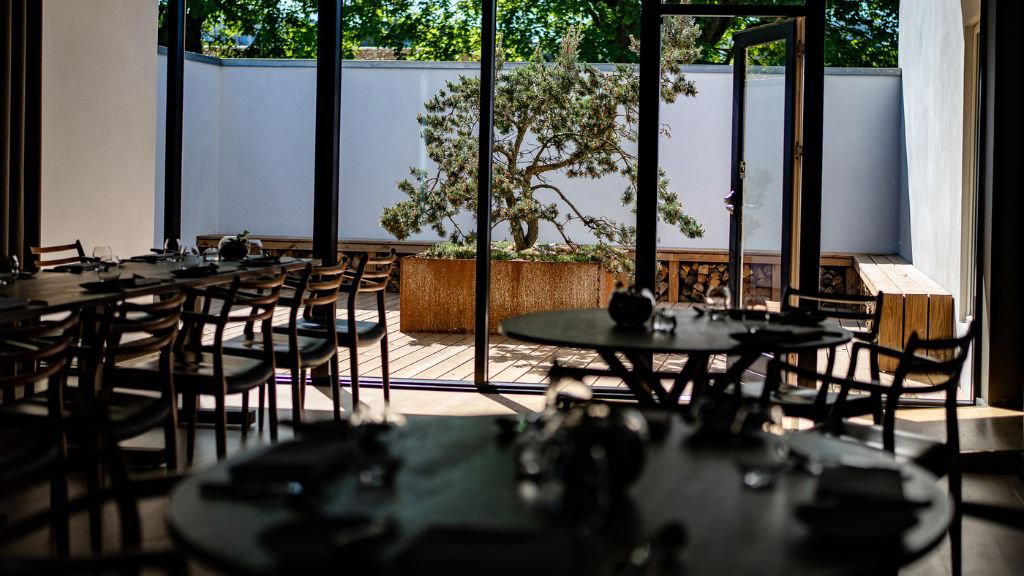
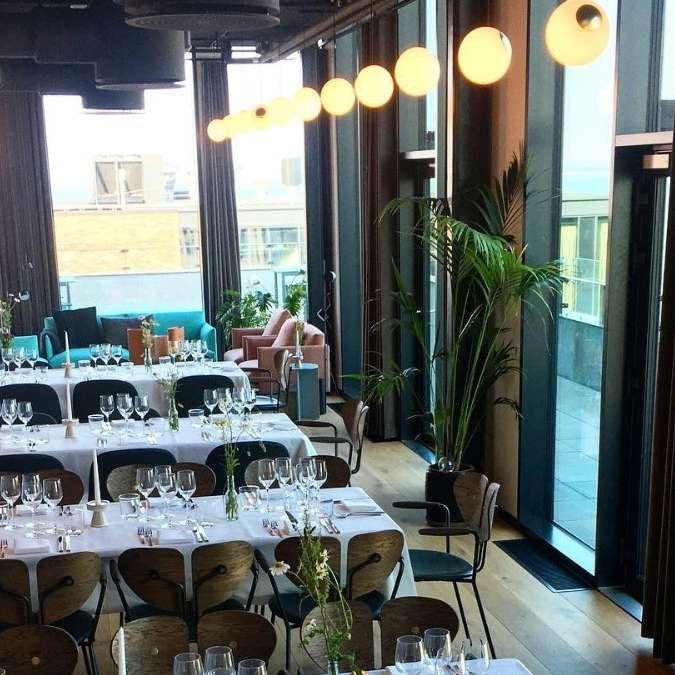
Bars in Randers
Browse all →

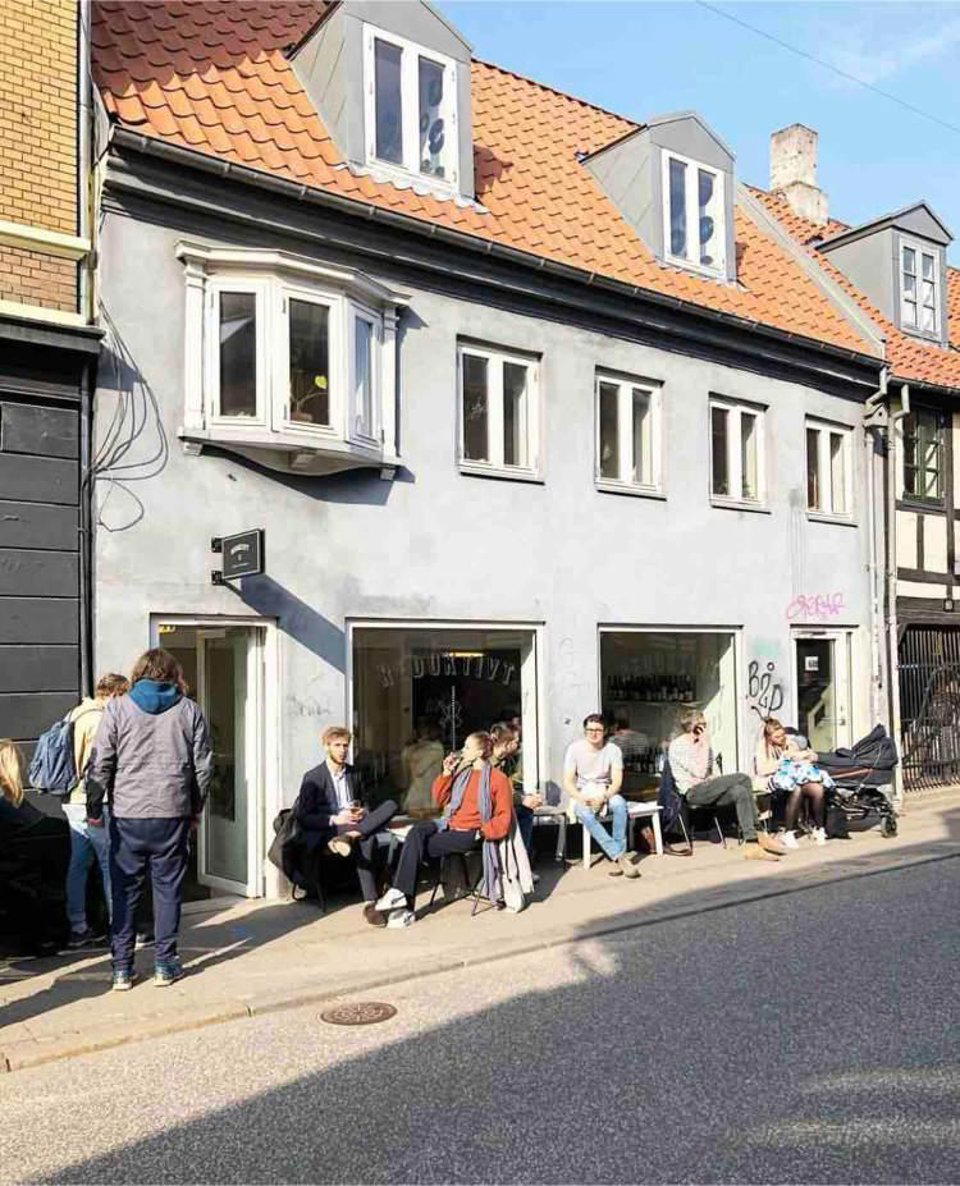
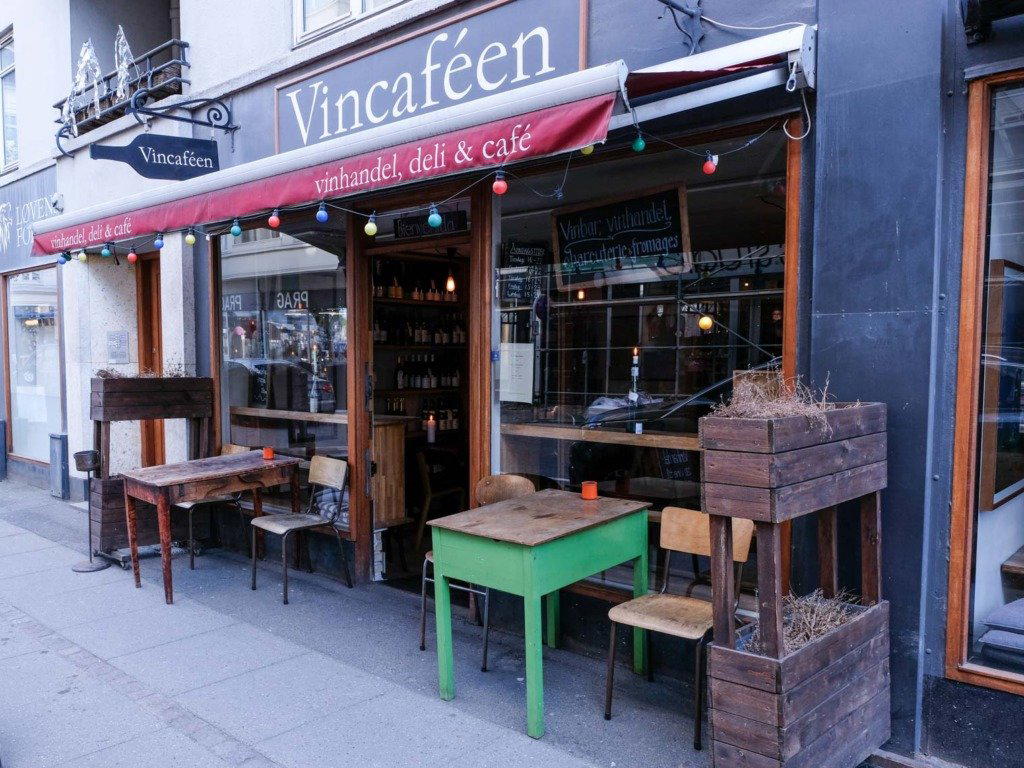
Hotels in Randers
Browse all →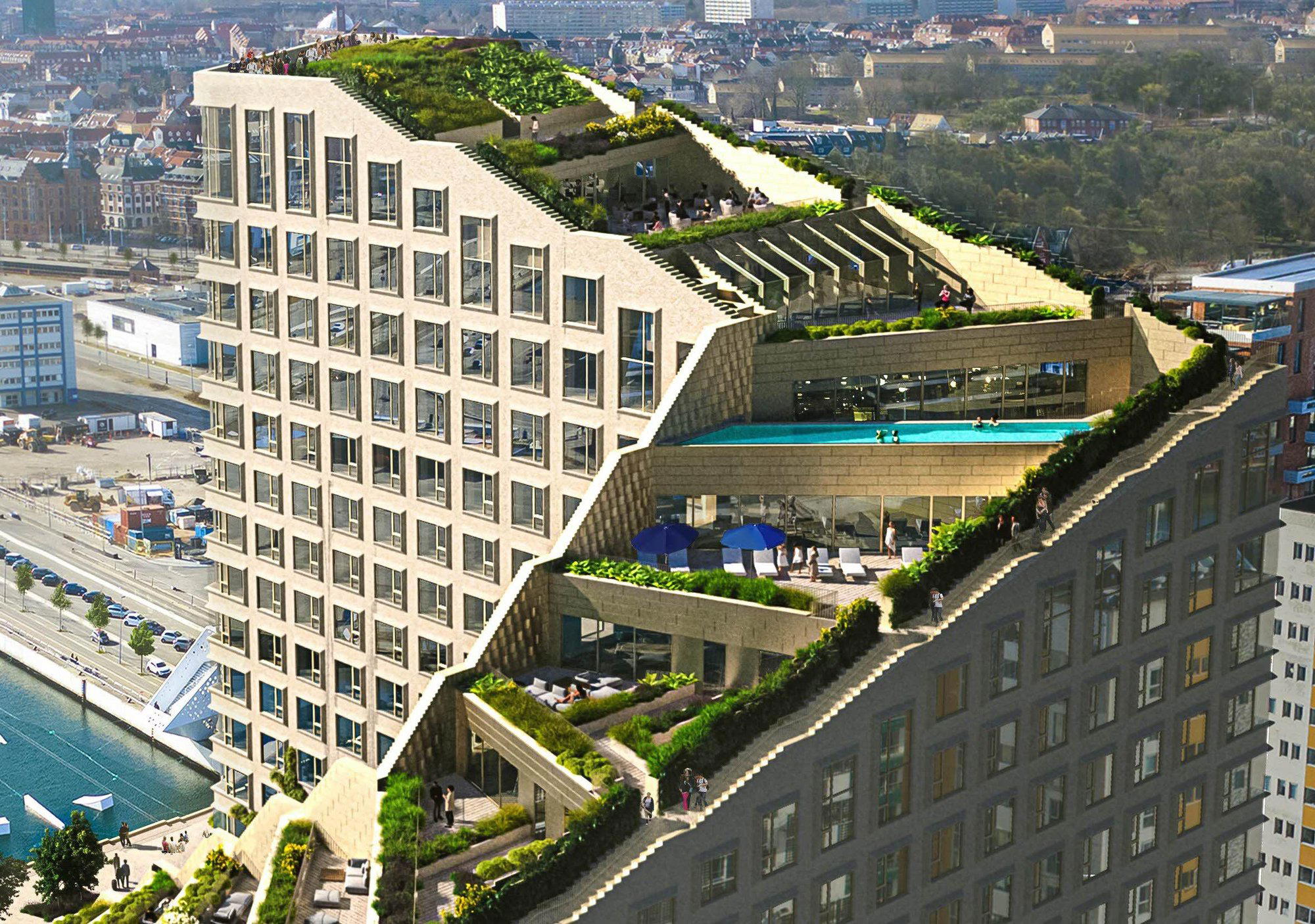
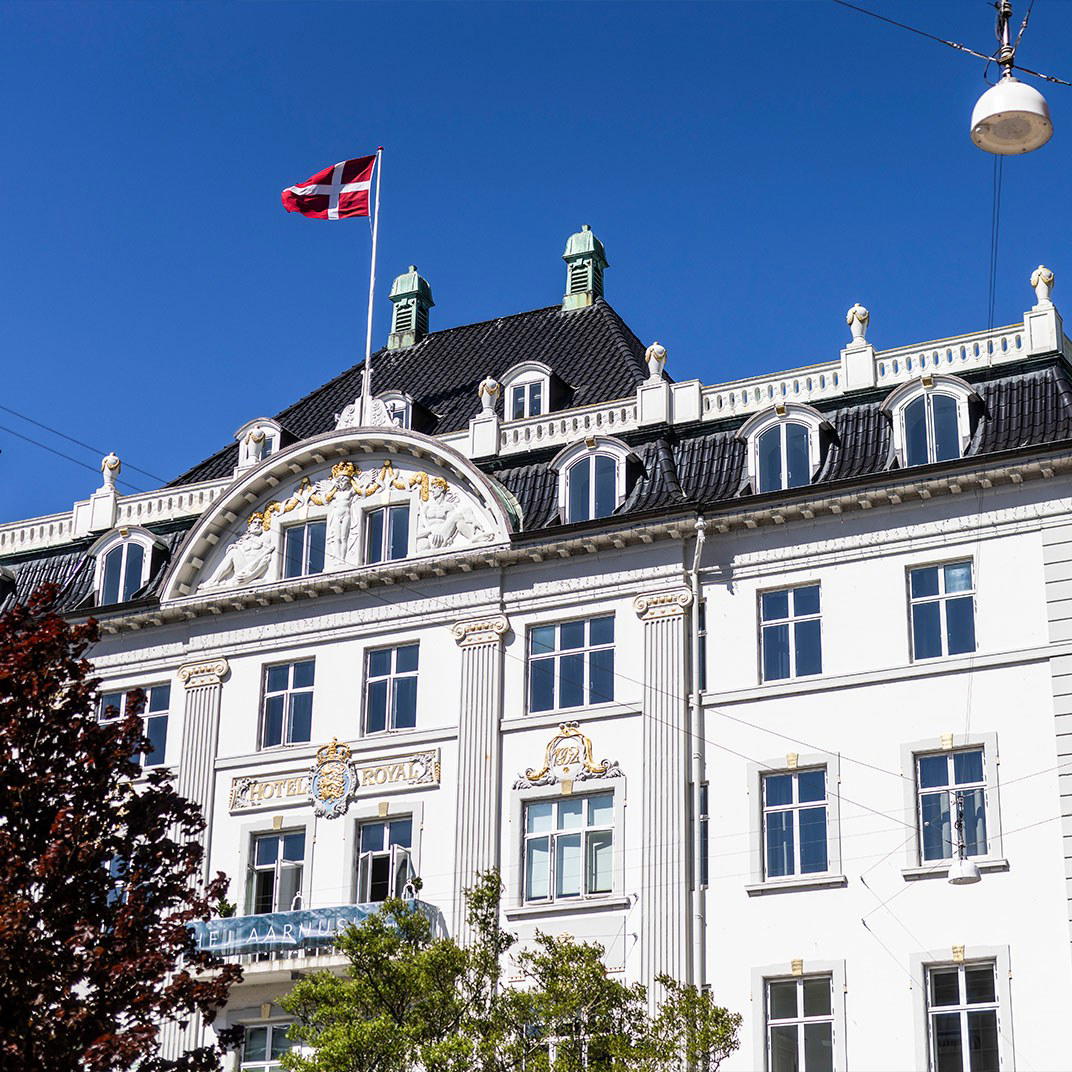
Wineries in Randers
Browse all →

At a Glance
- Elegant
- Intimate
- Cozy
- Sophisticated
- Classic
- Special Occasion
- Business Dinner
- Date Night
- Historic Building
- Open Kitchen
- Extensive Wine List
- Organic
- Local Sourcing
- Street Scene
Current opening hours
- Monday
- Closed
- Tuesday
- 11:30 AM–12 AM
- Wednesday
- 11:30 AM–12 AM
- Thursday
- 11:30 AM–12 AM
- Friday
- 11:30 AM–12 AM
- Saturday
- 11:30 AM–12 AM
- Sunday
- Closed
Hours can change for holidays and private events. Last verified .
Low warm lighting, white tablecloths, candlelight, and thoughtfully spaced tables create a refined, relaxed, and calm atmosphere ideal for conversation.
Know Before You Go
- Getting there
- Østergade 1, 8900 Randers, Denmark