
Tabelog 100 #1
Our verdict
Steak Iguchi belongs to Osaka’s compact counter-steak tradition, where teppanyaki, Western technique and wagyu culture meet in rooms built for close attention rather than scale. Its Tabelog 100 Steak / Teppanyaki WEST selections in 2022, 2024 and 2025 place it in a serious local bracket for travellers weighing a small-format Kitashinchi dinner against flashier Osaka reservations.

Pearl is the En Primeur Club membership app — saves, bookings, and concierge access live there. Same editors, same standards.
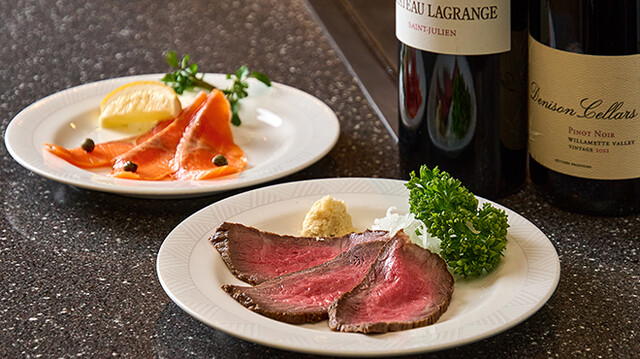
The menu
What to order
- Black Wagyu sirloin steak course
- Black Wagyu filet steak course
- Garlic rice cooked on teppan
- Grilled seafood such as abalone (advance order)
Osaka changes character as the evening settles in. Office towers and late-night bars give way to smaller rooms where the counter can become the room, the grill can become the stage, and conversation moves at the pace of a focused service. In Osaka, steak at this tier is less about grand dining-room theatre than proximity: heat, timing, cut selection and the discipline of a room handled with focus.
That is the context for Steak Iguchi, an Osaka steak and teppanyaki address with Tabelog Hyakumeiten recognition in 2025. The recognition matters because Osaka’s beef culture is crowded at every price level, from everyday grill counters to polished specialist rooms. A place that remains visible in a steak and teppanyaki context is competing in a lane where regulars notice technique, pacing and value rather than spectacle.
Osaka's small-counter steak culture rewards planning, not improvisation
Osaka dining often splits between high-volume appetite and tiny-room precision. The city has long served business dinners, after-work drinking and late evening meals, which helps explain why serious steak counters here tend to feel intimate rather than ceremonial. The appeal is not necessarily a long tasting-menu narrative; it is the controlled sequence of beef, grill work and drinks in a room where the cooking is close to the guest.
The format also changes the way travellers should think about the meal. A focused counter is a different proposition from a large hotel teppanyaki room: less buffer, less anonymity, more dependence on timing and party size. In the same city, Bobino and Kamayaki Steak Fukuda help show how Osaka steak can move across different specialist settings. Steak Iguchi occupies a dinner band listed at JPY 10,000 to JPY 14,999, which is part of its interest for visitors who want a focused beef meal without assuming the city’s heaviest luxury tier.
There is also a broader Osaka point here. The city is often reduced to takoyaki, kushikatsu and casual eating, but its premium dining culture has a quieter side: counter-led rooms, sushi counters, yakitori specialists and steak addresses that depend on repeat local custom. For a wider read on that spread, Our full Osaka restaurants guide is the useful starting point, while Our full Osaka hotels guide, Our full Osaka bars guide, Our full Osaka wineries guide and Our full Osaka experiences guide map the rest of the trip around the table.
A steak address defined by category discipline rather than chef mythology
The strongest signal here is category discipline. The listing sits across steak, teppanyaki and European categories, a combination that reflects a familiar Japanese pattern: Western grill culture filtered through local counter service and Japanese expectations around ingredient handling. The recognition is tied to a specific source, not a general restaurant catch-all, and that specificity helps the reader understand the competitive set. This is not Osaka fine dining in the abstract; it is Osaka steak and teppanyaki considered within a specialist frame.
That matters because steak in Japan is not one format. There are beef katsu counters, sukiyaki rooms, yakiniku houses, hotel teppanyaki counters, Western-style grills and small independent steak rooms. Travellers comparing categories should not treat them as interchangeable. A meal built around teppanyaki rhythm has different expectations from other beef formats, and a steak counter in Osaka sits far from the quick-service comfort of more casual local eating.
The surrounding Osaka scene also shows how varied the city’s appetite has become. Bakeries, cafe addresses, pizza specialists and Italian dining rooms all compete for traveller attention, but none answer the same question. Steak Iguchi is for the night when the point is beef, counter proximity and the Osaka habit of letting a focused room do the work.
How to fit it into an Osaka eating itinerary
The smart itinerary leaves this kind of meal with space around it. Osaka rewards grazing, but a steak counter asks for a cleaner evening: fewer snacks beforehand, a later bar only if the schedule allows, and a party small enough to suit the format. Smaller specialist rooms also mean that larger groups need more advance thought than solo diners or pairs. The decision is less about chasing a scene and more about matching the restaurant’s style to the occasion.
Budget expectations also belong in the planning conversation. Steak Iguchi is listed at JPY 10,000 to JPY 14,999 for dinner and JPY 2,000 to JPY 2,999 for lunch, which gives travellers a clearer sense of where it sits before they start arranging the rest of the day. Those details will not define the meal, but they can define whether an evening runs smoothly. The tighter the room and the more specific the brief, the more useful it is to plan rather than improvise.
For readers building a Japan route around specialist formats, the comparison extends beyond a single meal. Other Osaka dining rooms, as well as specialist restaurants elsewhere, show how narrow-format restaurants can anchor a trip. Even outside the most formal dining categories, a clear focus is often the real luxury. In Osaka, that specificity at Steak Iguchi is a steak-focused brief, a counter-led sensibility and enough third-party recognition to justify building a night around it.
Frequently asked questions
What price level is Steak Iguchi?
Pricing at Steak Iguchi is listed as dinner JPY 10,000 - JPY 14,999 and lunch JPY 2,000 - JPY 2,999.
What part of town is Steak Iguchi in?
Osaka.
Should I book Steak Iguchi in advance?
Yes. Steak Iguchi is a specialist steak and teppanyaki address, and planning ahead is sensible for a restaurant with Tabelog Hyakumeiten recognition in 2025.
What makes Steak Iguchi worth seeking out?
Its strongest credential is Tabelog Hyakumeiten recognition for 2025, along with a listed score of 3.63. The appeal is the focused steak and teppanyaki format in Osaka, not a large dining room or a broad all-purpose menu.
Can Steak Iguchi adjust for dietary needs?
The kitchen is listed in steak, teppanyaki and European categories, so the menu is built around a tight format rather than broad customization. Any dietary request should be raised directly when booking.
Does Steak Iguchi work for a family meal?
It may suit some small groups, but the steak and teppanyaki focus makes it better for diners who specifically want that style of meal in Osaka rather than an easy all-purpose family lunch.
Cuisine-First Comparison
Comparable options at the same price tier.
| Venue | Cuisine | Price | Awards | Notes |
|---|---|---|---|---|
| Steak IguchiThis venue (the venue you are viewing) | Classic Wagyu Steak & Teppanyaki Counter | $50–100 | Tabelog 100 #1 | Not listed |
| STEAK HOUSE NARIKIYO | Charcoal-Grilled Wagyu Steakhouse with Counter Dining | $100–150 | Tabelog 100 #20 | Nishi |
| Pineapple | Teppanyaki Kuroge Wagyu Steakhouse | $50–100 | Tabelog 100 #31 | Kita |
| Kakigori Laboratory | Modern Kakigori (Shaved Ice) | $10–20 | Not listed | Nishi-ku |
| WINE Shokudo Ono | Modern Italian Wine Bistro with Awaji Island Ingredients | $150–200 | Tabelog 100 #1 | Kita |
| Korean Ryori Mugunfa | High-end Korean | $100–150 | Tabelog 100 #9 | Kita |
Recognition history
Dated appearances from independent guides and award organizations, with the underlying list record or original source where available.
Tabelog 100 #1 · No. 1
Tabelog · Tabelog 100 - Steak / Teppanyaki - WEST - 2025
Continue exploring
More in Osaka
Restaurants in Osaka
All restaurants in Osaka →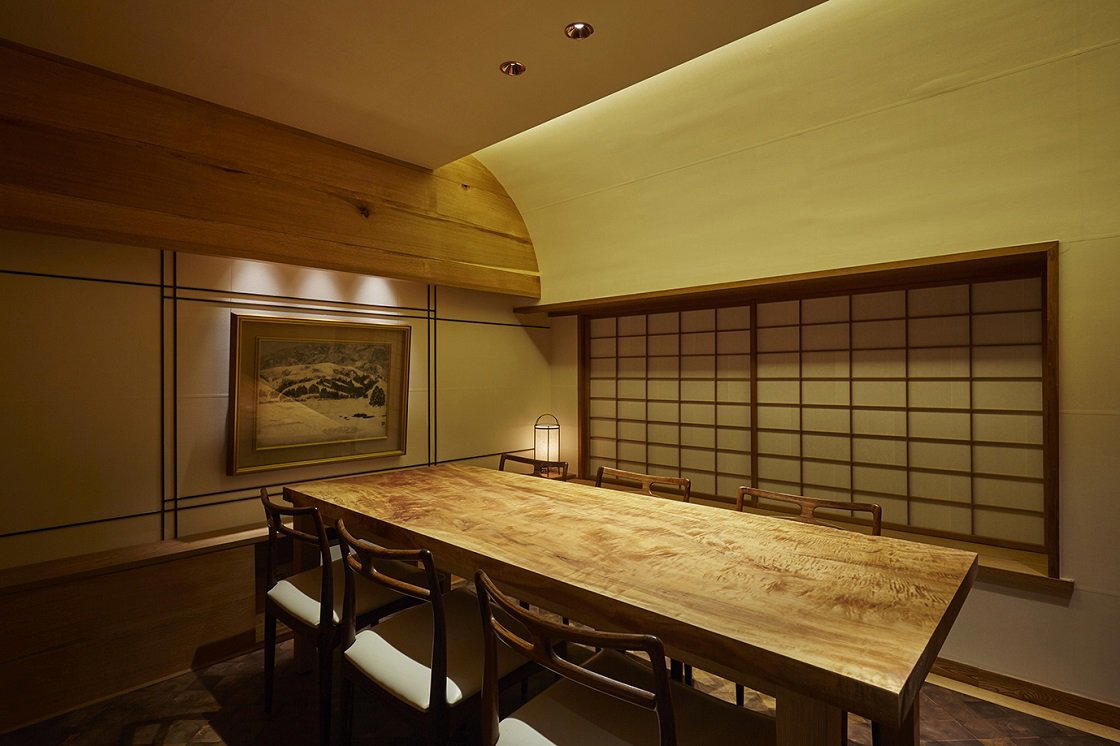


Bars in Osaka
All bars in Osaka →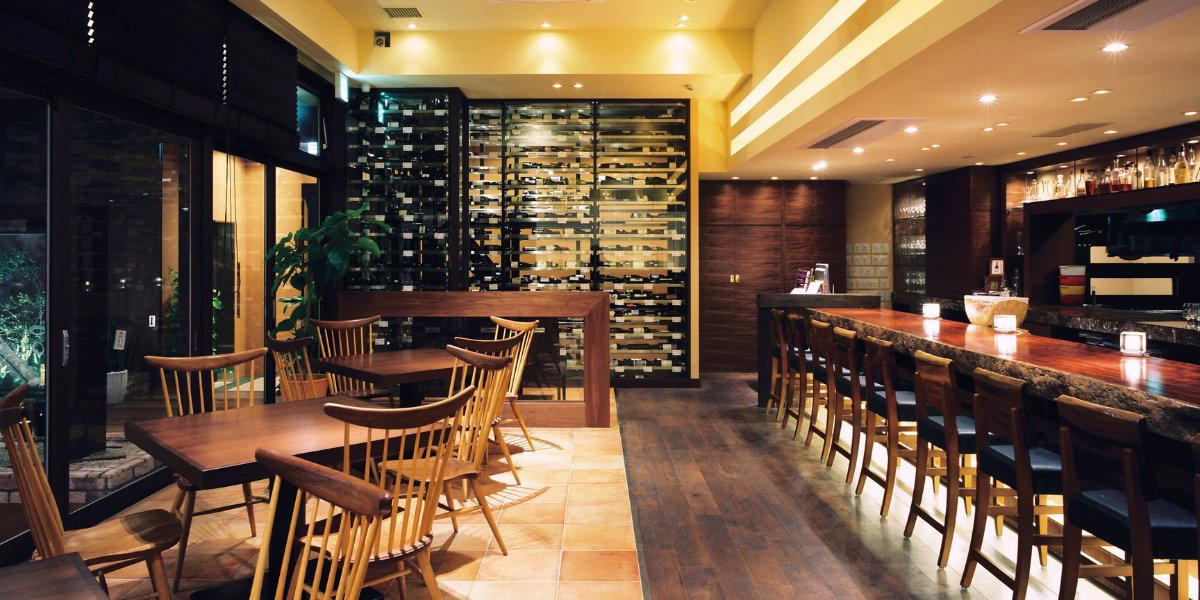

Hotels in Osaka
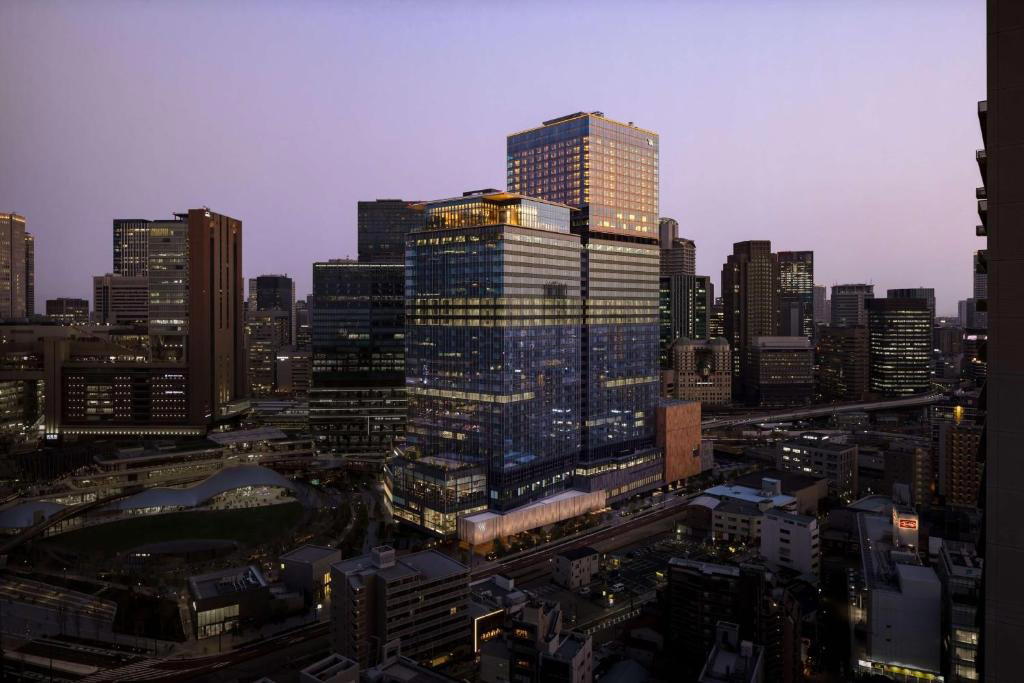
All hotels in Osaka →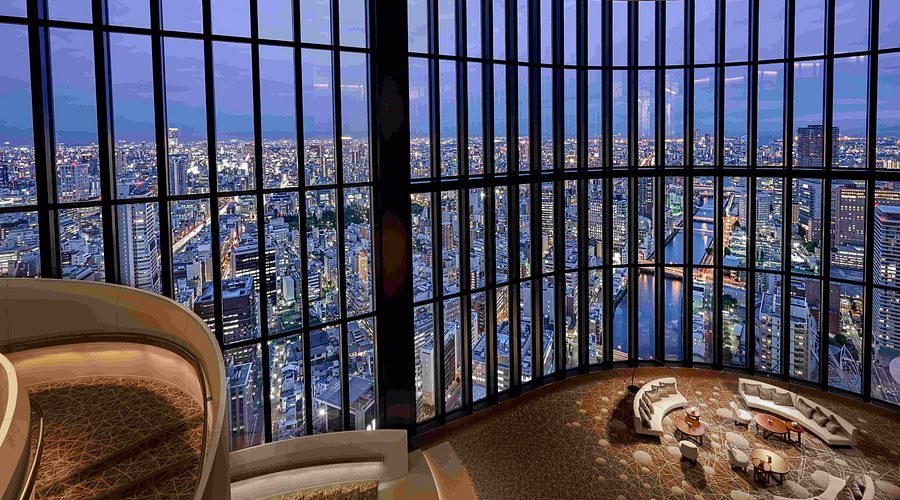


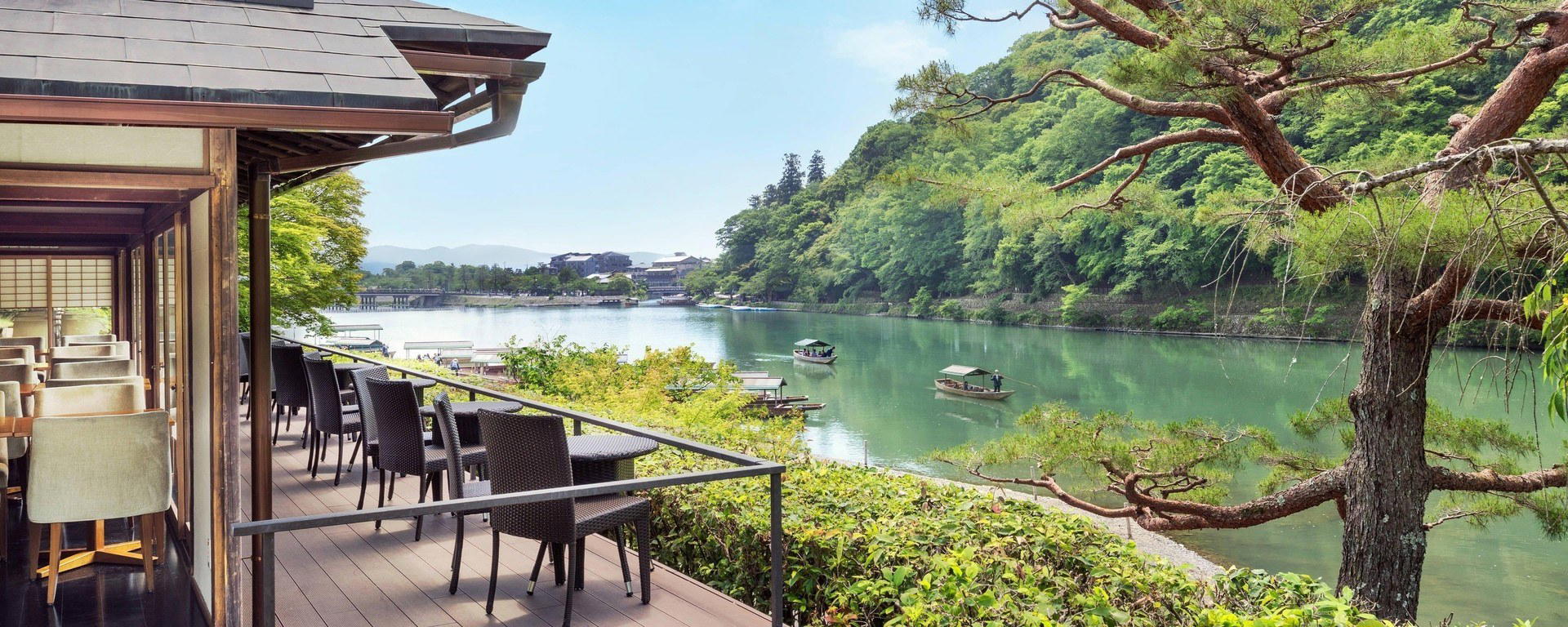
Wineries in Osaka
Browse all →
Steak Iguchi
The wine
- Wine program
- Curated wine list
- Extensive wine list
- Corkage allowed
- BYO wine
- Sake program
Details
- Cozy
- Classic
- Intimate
- Date Night
- Business Dinner
- After Work
- Group Dining
- Private Event
- Chefs Counter
- Open Kitchen
- Standalone
- Extensive Wine List
- Sake Program
- Corkage Allowed
- Byob
- Local Sourcing
- Tasting Menu
- Counter Dining
- Set Menu
- Wine
- Whisky
- Shochu
- Sake
An intimate, classic teppanyaki counter with just eight seats, creating a relaxed, homey atmosphere where guests interact directly with the chef while steaks are grilled in front of them.