
Tabelog 100 #1
Our verdict
WINE Shokudo Ono is a compact Kitashinchi Italian and wine-bar address selected for Tabelog Italian WEST “Tabelog 100” 2025. Its appeal sits in Osaka’s small-room dining ritual: counter pacing, wine-led service, fish-conscious cooking, and the polished after-dark etiquette of Kita-ku rather than a grand dining-room performance.

Pearl is the En Primeur Club membership app, where members save venues, book tables and use the concierge.
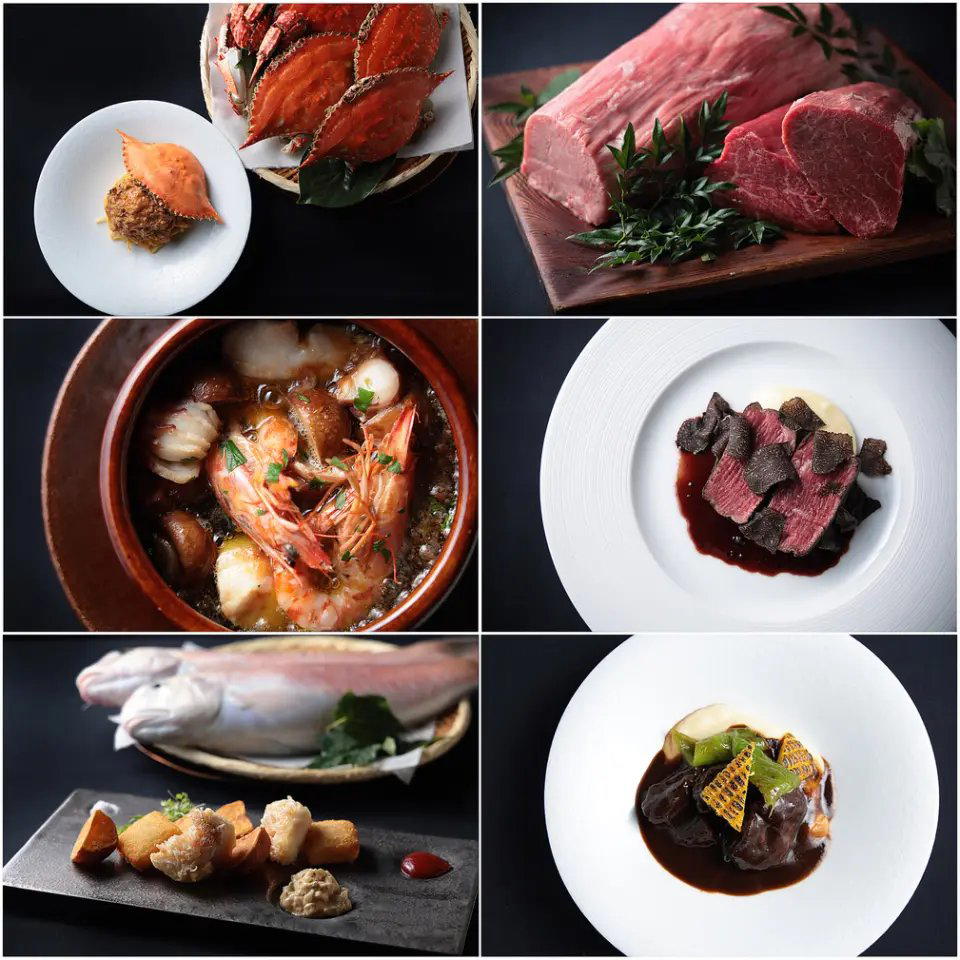
The menu
What to order
- Chef's Recommended Course using Awaji Island ingredients
- Kunugiza beef hayashi rice with Awaji Island onions
Osaka changes character after office hours: elevators open onto discreet dining rooms, voices drop, and dinner becomes less about spectacle than sequence. Across the city, the serious meal often happens behind a modest entrance, with the evening shaped by pacing as much as décor. WINE Shokudo Ono belongs to that after-dark grammar: an Osaka Italian and wine-bar address whose appeal is best read through food, wine, and a dinner format made for attention rather than volume.
The city’s Italian category has matured beyond pasta-and-trattoria shorthand. Osaka now supports several distinct lanes, from casual specialists to polished cooking and wine-led rooms where dinner can behave more like a controlled evening than a casual bottle-and-plate stop. The 2025 Tabelog Hyakumeiten recognition puts WINE Shokudo Ono in that conversation, where attention depends on consistency across food, drink, and rhythm rather than a single calling-card dish.
Osaka's small-room ritual, translated through Italian cooking
Osaka dining is often discussed through immediacy: takoyaki, okonomiyaki, kushikatsu, standing counters, and station-side queues. The city also has a quieter register, built around adult pacing, smaller parties, and rooms designed for a longer evening. That matters here because Italian food in Japan can drift in two directions: lively shared-table informality or more precise, course-by-course service. WINE Shokudo Ono sits within the latter conversation, with a dinner identity closer to a composed meal than a drop-in stop.
The wine emphasis is significant. Western Japan’s Italian dining has long been comfortable adapting seasonal ingredients within Italian technique, particularly in cities with strong food culture and a taste for lighter, wine-compatible cooking. Rather than treating heavy luxury as the default, this style tends to prize progression: a sequence that can move from delicate flavours into richer moments without exhausting the palate. In this kind of restaurant, wine service is not decoration; it becomes part of the evening’s architecture, helping set tempo and weight from course to course.
That makes the restaurant useful for a particular kind of Osaka dinner. It is not the democratic, queue-driven pleasure represented by other casual Osaka dining, nor the daytime bakery or café cadence found elsewhere in the city. It sits at the quieter end of the food spectrum, where the guest is paying for controlled progression, wine focus, and a room that can hold a conversation.
Where the pricing tier places it in Osaka
At this level, Osaka becomes a city of format choices. Names such as Kitashinchi Tentomi, LIBRO VERDE, Kamayaki Steak Fukuda, LES SOUVENIRS, and 食堂うちの show how varied the city’s serious dining map can be, even before broader unnamed options are considered. Those comparisons matter because WINE Shokudo Ono is not competing with casual Italian restaurants on portion size or spontaneity. It competes in a destination-dinner context where the bill reflects wine, staffing, and a carefully managed format.
The 2025 Tabelog Hyakumeiten recognition is the public trust signal to pay attention to. Tabelog recognition is especially meaningful in Japan because it reflects a competitive domestic review culture rather than international award tourism. A score of 3.77 also places the restaurant in serious local territory on a platform where incremental differences carry weight among Japanese diners. For travellers, that combination is more useful than vague praise: it says this is a known quantity within Osaka’s Italian and wine-bar category, not merely an attractive name in a polished city.
The restaurant’s style also shapes etiquette. Serious dining in Japan rewards punctuality, compact decision-making, and attention to pacing. A dinner like this belongs to the restaurant’s sequence rather than to a free-form table, even when the mood is relaxed. This is the distinction that separates a wine-focused dining room from a bar that happens to serve food. The guest reads the room, follows the cadence, and lets wine service carry part of the decision-making.
How to read it within an Osaka itinerary
Osaka rewards range. A sharp itinerary might put WINE Shokudo Ono after a day of markets, cafés, and street-level eating, then treat the evening as a slower counterpoint to the city’s louder pleasures. The restaurant makes the strongest sense for travellers who already understand that Osaka dining is not only about speed and abundance; it is also about restraint, timing, and the intimacy of smaller dining rooms.
For broader planning, use Our full Osaka restaurants guide to balance this kind of dinner with more casual daytime stops, and pair the city with an Osaka hotels guide if staying nearby. Drink-led evenings can be mapped through Osaka bar planning, while category completists can scan wider Osaka guides for the broader city frame.
Readers building a Japan-wide food route can contrast Osaka’s compact Italian-wine model with other dining in Japan and abroad without forcing direct comparisons. WINE Shokudo Ono is best understood on its own terms: an Osaka Italian and wine-bar address with 2025 Tabelog Hyakumeiten recognition, a JPY 20,000 - JPY 29,999 dinner band, and a local score strong enough to make it a serious planning candidate.
Frequently asked questions
What price level is WINE Shokudo Ono?
Pricing at WINE Shokudo Ono is listed as JPY 20,000 - JPY 29,999.
What's WINE Shokudo Ono's location?
Osaka.
What's the best way to book WINE Shokudo Ono?
Use the listed phone number, +81-6-6342-1118, and expect the JPY 20,000 - JPY 29,999 dinner range.
What is WINE Shokudo Ono known for?
WINE Shokudo Ono is known as an Osaka Italian and wine bar with 2025 Tabelog Hyakumeiten recognition.
Cuisine and Awards Snapshot
Comparable venues by cuisine and category.
| Venue | Cuisine | Price | Awards | Notes |
|---|---|---|---|---|
| WINE Shokudo OnoThis venue (the venue you are viewing) | Modern Italian Wine Bistro with Awaji Island Ingredients | $150–200 | Tabelog 100 #1 | Not listed |
| Tachinomi Bakery Urapane | Italian Bakery Bar | $10–20 | Tabelog 100 #71 | Nishi |
| gucite | Italian Fusion Counter | $150–200 | Tabelog Silver #28 | Kita |
| La Pinata | Southern Italian (Puglia-focused) trattoria | $50–100 | Tabelog 100 #92 | Chūō |
| Chinese Sai Es Sawada | Modern Hong Kong Chinese with Japanese Technique | $50–100 | Michelin Plate · Tabelog 100 #60 | Kita |
| Bullet | Reservation-only seasonal Chinese course at an 8-seat counter | $50–100 | Tabelog 100 #35 | Nishi |
Recognition history
Dated appearances from independent guides and award organizations, with the underlying list record or original source where available.
Tabelog 100 #1 · No. 1
Tabelog · Tabelog 100 - Italian - WEST - 2025
Continue exploring
More in Osaka
Restaurants in Osaka
All restaurants in Osaka →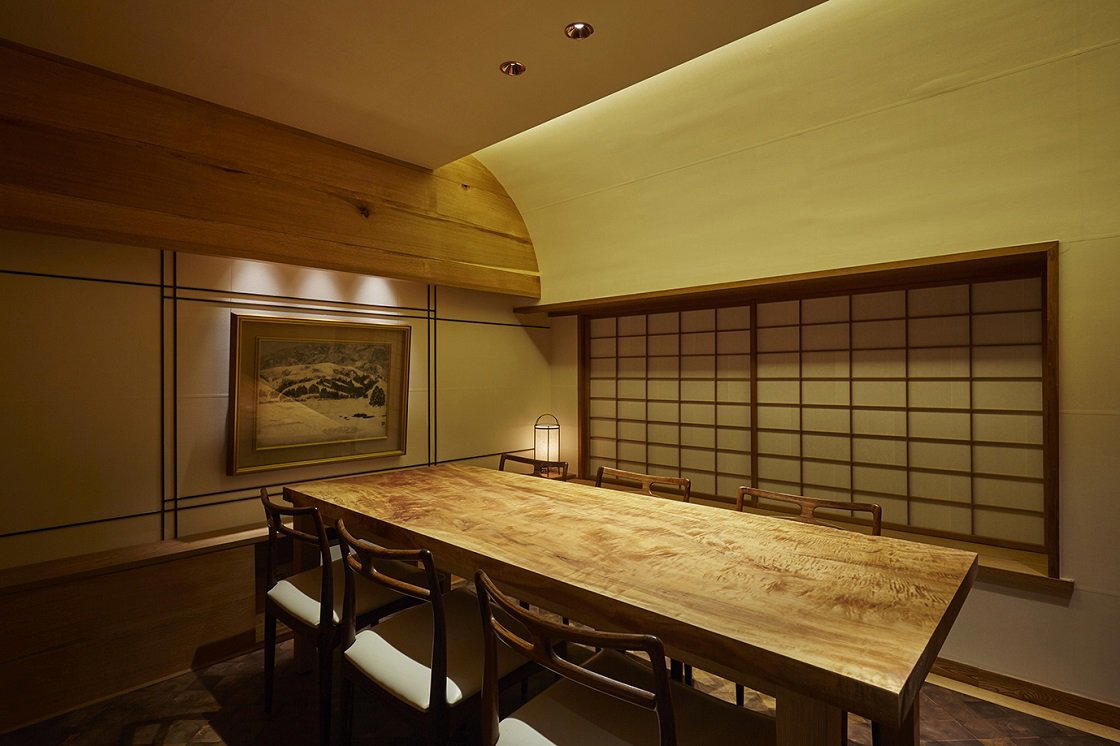


Bars in Osaka
All bars in Osaka →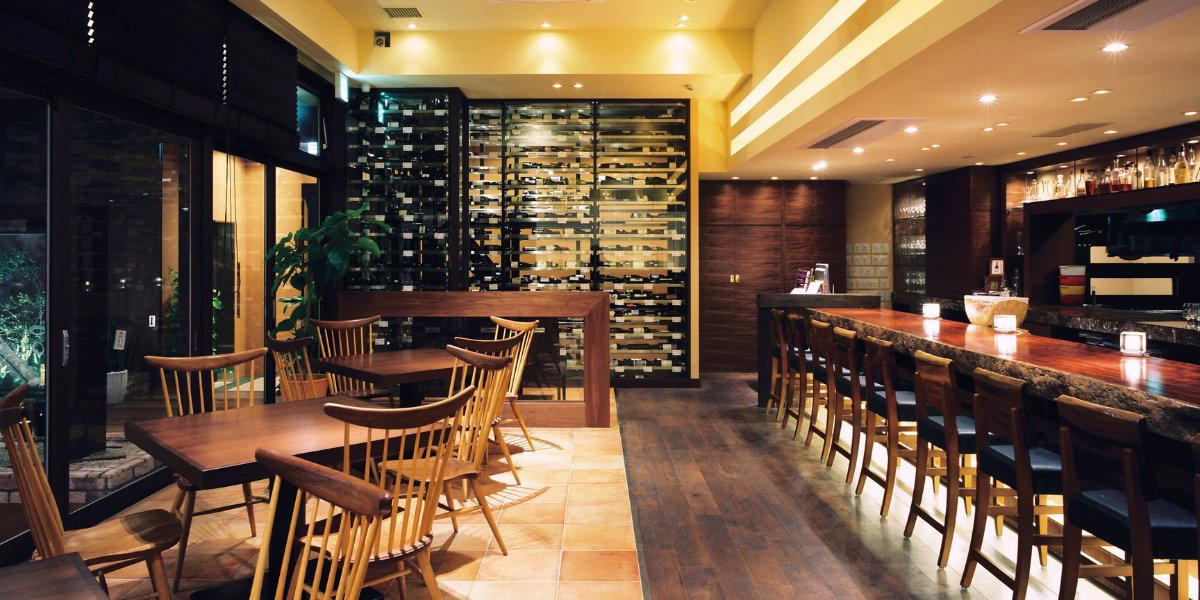

Hotels in Osaka
All hotels in Osaka →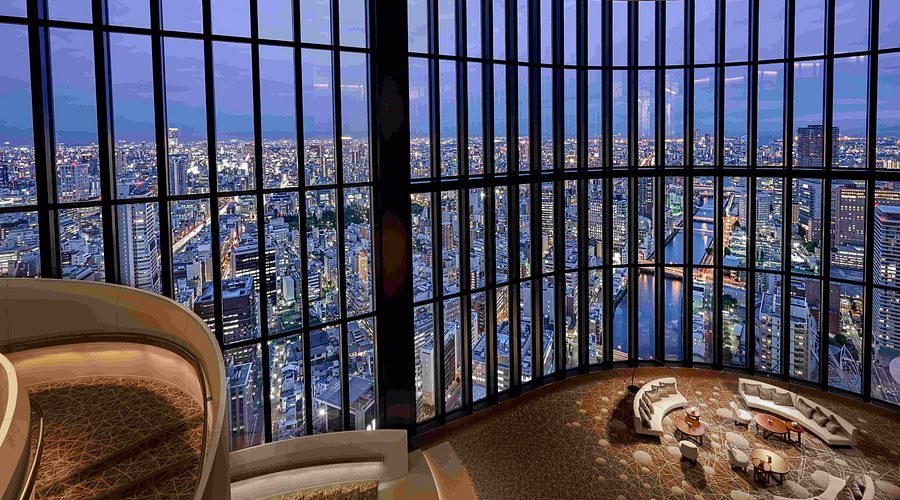



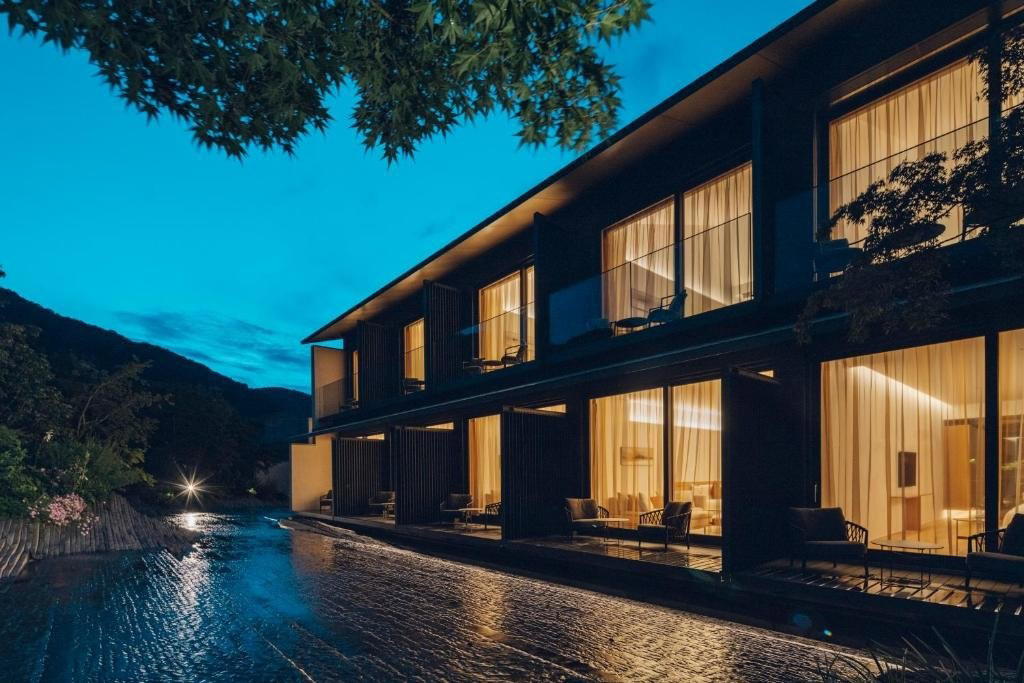
Wineries in Osaka
Browse all →
WINE Shokudo Ono
The wine
- Wine program
- Deep wine list
- Extensive wine list
- Sommelier-led
Details
- Elegant
- Cozy
- Sophisticated
- Modern
- Intimate
- Date Night
- Business Dinner
- Celebration
- Special Occasion
- After Work
- Private Event
- Chefs Counter
- Private Dining
- Standalone
- Design Destination
- Wine Cellar
- Extensive Wine List
- Sommelier Led
- Local Sourcing
- Farm To Table
- Sustainable Seafood
- Tasting Menu
- Set Menu
- Counter Dining
- Wine
- Champagne
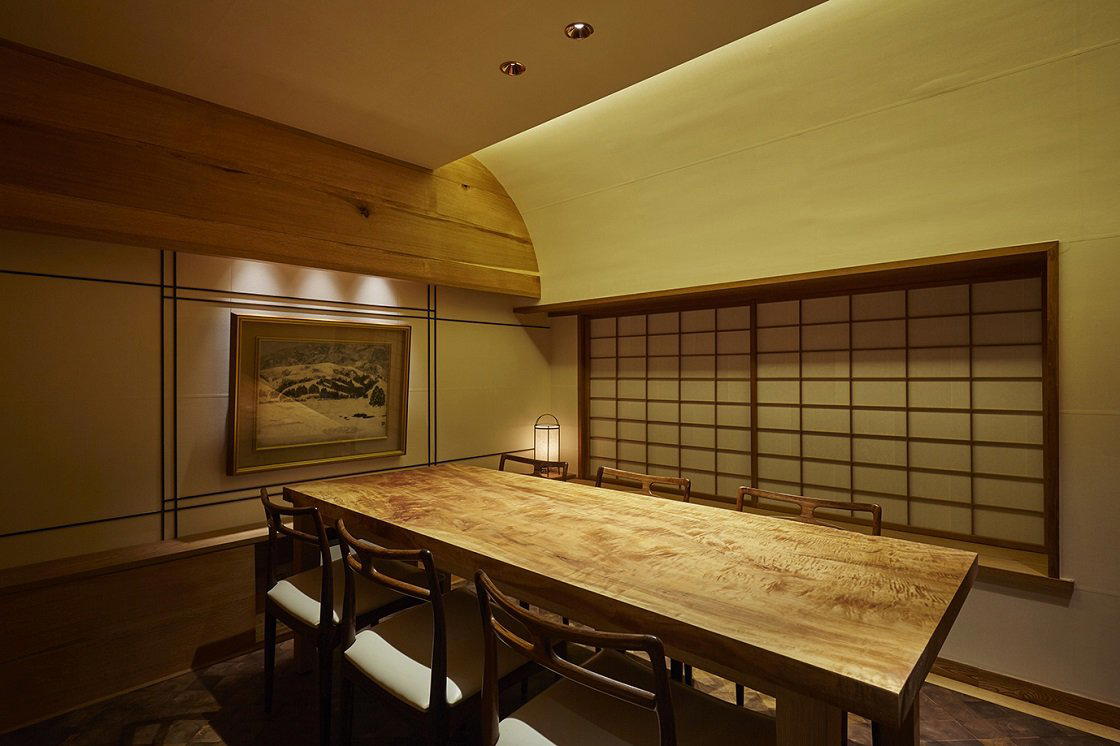
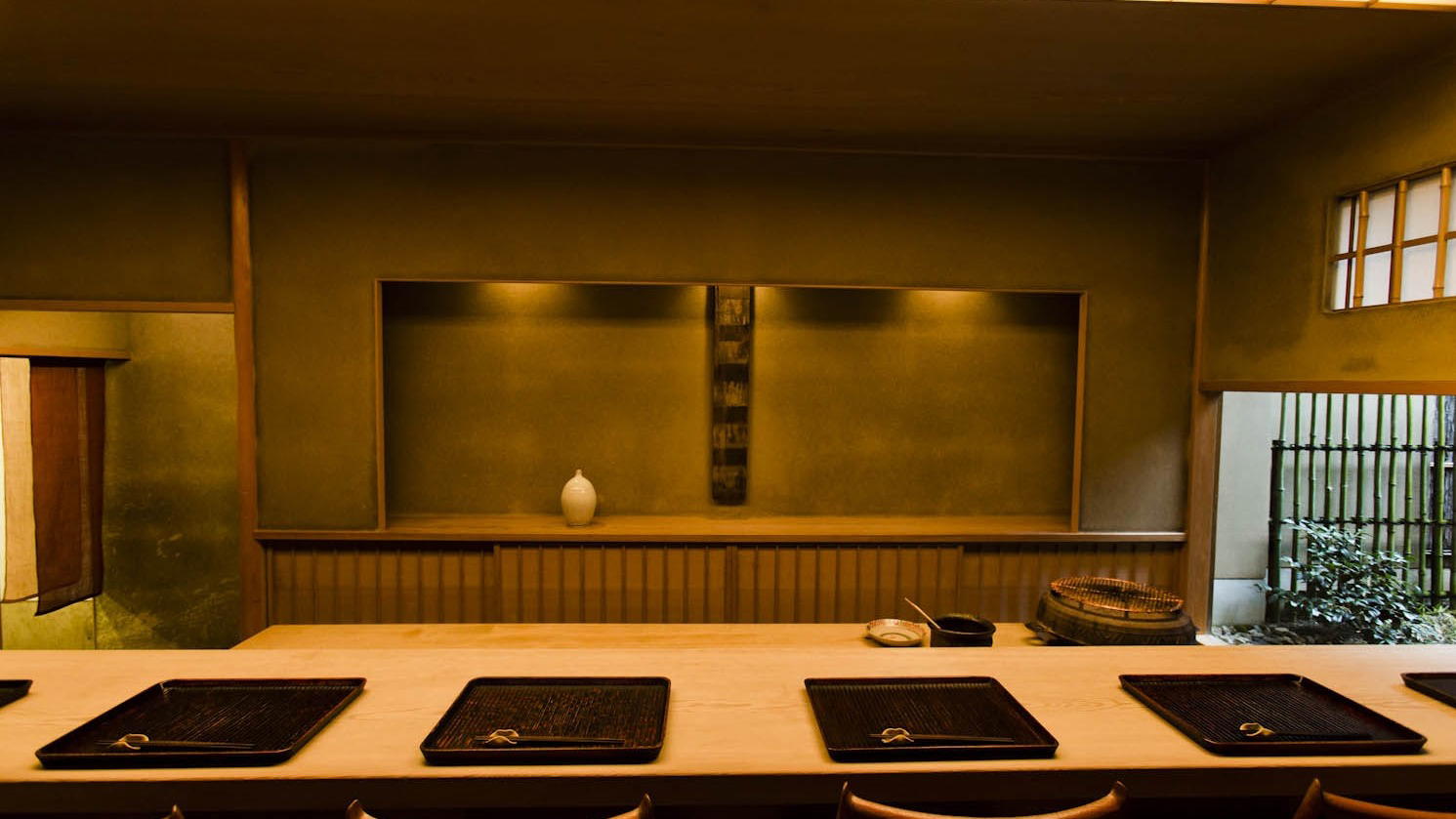
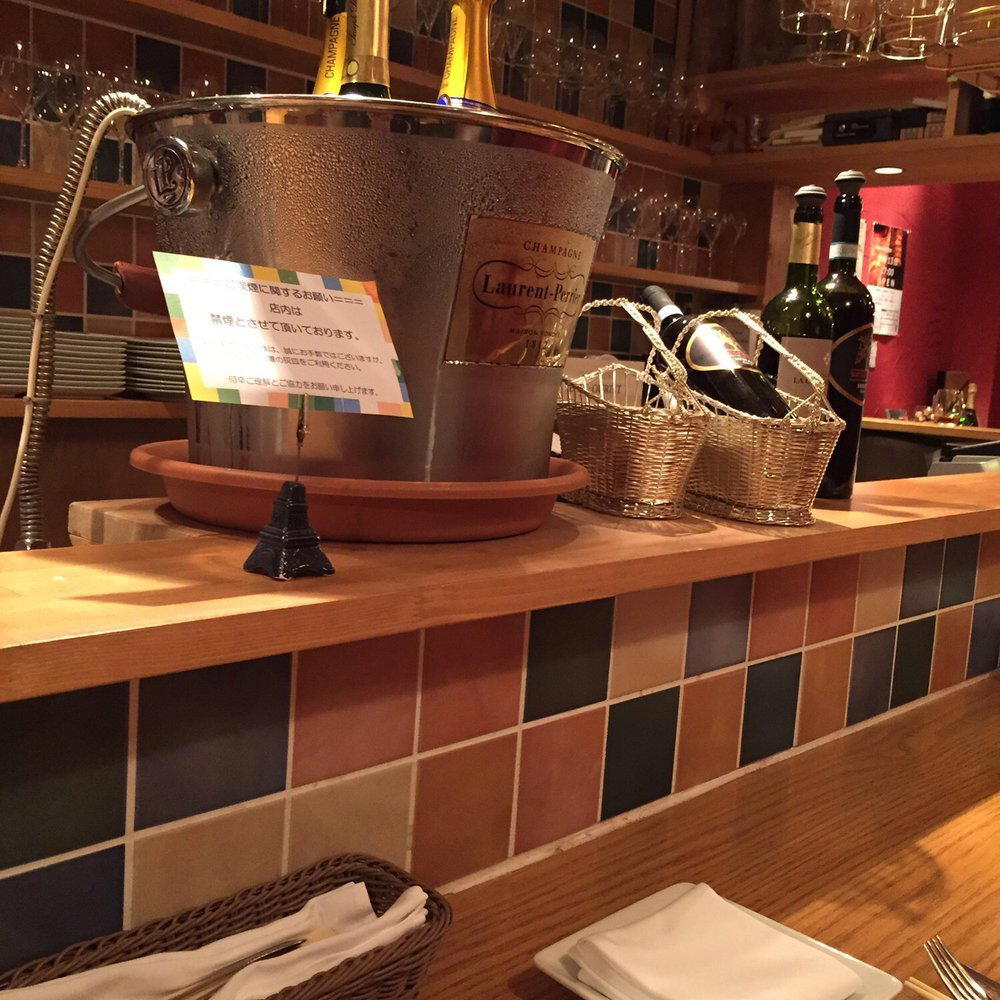
A small, stylish and relaxing hideout-style space with counter seating and a private room, designed around nature and environmental consideration, offering an elegant yet casual atmosphere suited to lingering over wine-paired courses.