Stancija Stare Staze sits in the Istrian interior near Kršan, where the cuisine is shaped by the peninsula's tradition of estate-grown and locally foraged ingredients. The setting places it firmly in the agritourism register that defines inland Istrian dining, where the distance from the coast is measured less in kilometres than in the shift from seafood to slow-cooked land produce, truffle, and estate olive oil.
Pearl is the En Primeur Club membership app — saves, bookings, and concierge access live there. Same editors, same standards.
- Address
- Kršan 26, 52232, Kršan, Croatia
- Phone
- +38552863259
- Website
- stare-staze.com
- Directions
- Get directions
 Saves & bookings on Pearl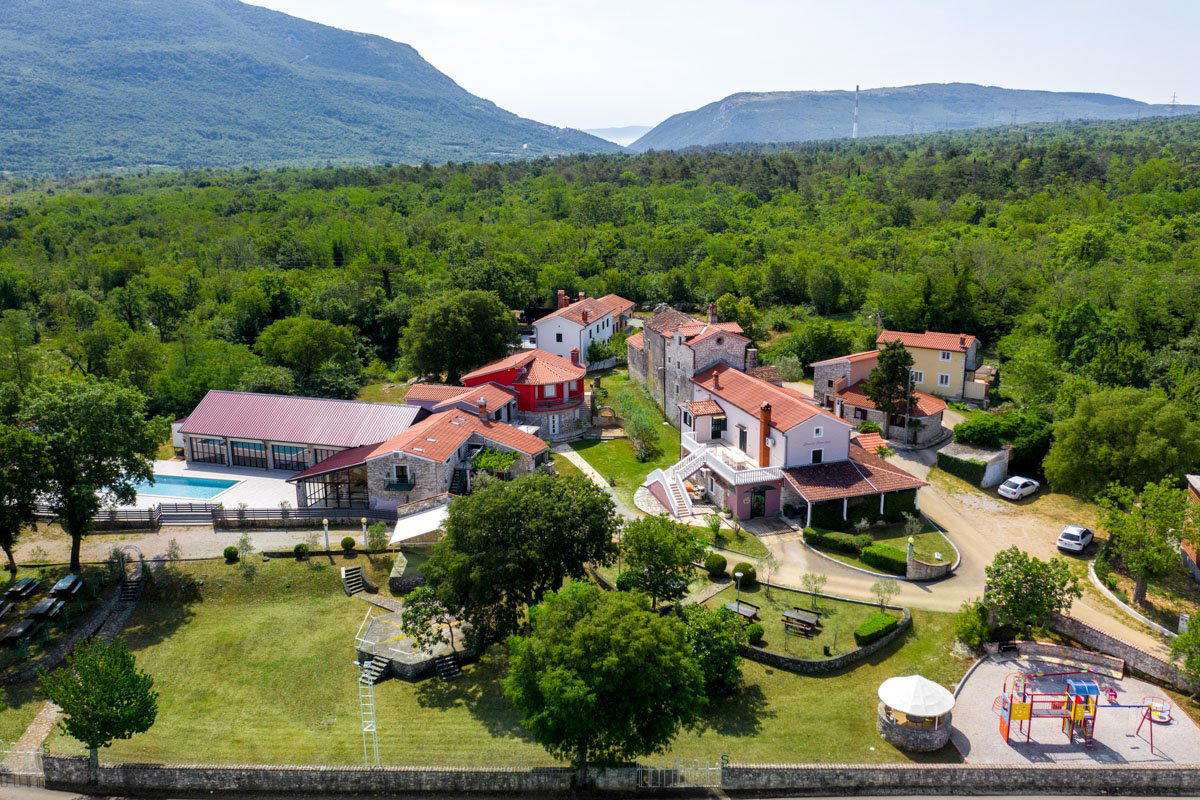
The Istrian Interior and What It Means to Eat Inland
The Istrian peninsula divides cleanly between two dining registers. Coastal towns from Rovinj to Poreč trade on Adriatic seafood, tourist-season volumes, and a Mediterranean shorthand that travels well internationally. The interior is a different proposition: hill villages, working estates, oak forests where truffles are hunted through autumn, and a slower relationship between land and plate that coastal restaurants rarely replicate. Kršan sits in this inland belt, and Stancija Stare Staze is the kind of address that only makes sense in that context. The word stancija itself signals the frame: it refers to a traditional Istrian farmstead, a working property where animals, crops, and kitchen were historically part of a single system. That agricultural logic is not decoration here, it is the structural premise of what you eat.
Approaching the Property: What the Setting Signals
The road into Kršan from the coast climbs through a range of stone-walled olive groves, scrubby woodland, and occasional vineyards. The village itself is compact, the kind of settlement where the population has contracted over generations but the built fabric remains, old stone, working farms, a geography that resists the renovation pressures that have reshaped coastal Istria. Arriving at a stancija address in this context carries specific expectations: a working courtyard, materials that have not been staged, produce that comes from the surrounding fields rather than a wholesale market. The physical environment sets the editorial frame before you eat a single course. For readers accustomed to the high-end coastal registers of Agli Amici Rovinj in Rovinj or Pelegrini in Sibenik, the shift here is deliberate and instructive: ceremony gives way to rootedness.
Where the Ingredients Come From
Inland Istrian cooking draws from a supply chain that coastal restaurants spend considerable effort and money trying to access. The peninsula's interior produces particularly discussed agricultural outputs in Croatian gastronomy: black and white truffles from the Motovun forest and surrounding oak woodland, olive oil from centuries-old groves, cured meats from heritage pig breeds, and seasonal vegetables from kitchen gardens attached to working farms. A stancija setting like Stancija Stare Staze places the kitchen within proximity of these inputs in a way that urban or coastal restaurants structurally cannot. This is the sourcing advantage that the agritourism format was built around: not farm-to-table as a positioning statement, but farm-to-table as a literal description of geography.
The truffle season concentrates in autumn, when the Istrian interior draws a different kind of visitor, not the Adriatic summer crowd but food-focused travellers who track the harvest. White truffle, locally called tartufo bianco, commands serious attention from chefs across Croatia and beyond. Inland Istrian kitchens are positioned closest to the supply, and the pricing differential versus importing truffle to coastal restaurants is measurable. For comparison, the upper-tier urban restaurants elsewhere in Croatia, such as Dubravkin Put in Zagreb or Nebo by Deni Srdoč in Rijeka, source Istrian truffle at a remove; an inland stancija has a different relationship with the supply entirely.
The Agritourism Register in Croatian Dining
Croatia's premium dining conversation has concentrated on a coastal tier that includes addresses like Restaurant 360 in Dubrovnik, LD Restaurant in Korčula, and Krug in Split. These are restaurants built around service format, tasting menus, and fine-dining architecture. The inland agritourism format operates on different terms: the value proposition is provenance, setting, and the integrity of the production chain rather than culinary technique as performance. Both are legitimate, and they attract different readers. The stancija format in particular has a long regional precedent, it predates the tourism economy entirely, and its revival as a dining destination reflects a broader European reassessment of estate-based hospitality. Comparable movements appear in Tuscany, Sardinia, and the Basque interior, where working farms have repositioned around gastronomy without abandoning agricultural function.
Readers researching inland Croatian dining will find a smaller field than the coast. Boskinac in Novalja offers one point of reference for estate-based hospitality in a Croatian island context. Korak in Jastrebarsko represents the Zagreb hinterland version of the same instinct. The Istrian interior has its own distinct character, shaped by the truffle economy, the Venetian and Austro-Hungarian architectural inheritance, and a culinary grammar that borrows across borders, Italian techniques, Slavic ingredients, Central European curing traditions, in a way that coastal Croatian menus rarely do.
Planning a Visit to Kršan
Kršan is accessible by car from Pula (approximately 35 kilometres north on regional roads) and from Rijeka to the northeast. The surrounding terrain makes a car the practical option for reaching a farmstead address. The inland Istrian countryside is most visited between May and early November; the shoulder months of September and October align with both the truffle season and cooler temperatures that suit the heavier land-based cooking the region specialises in. Visitors combining an inland Istrian stop with coastal dining in Rovinj or Pula should allow a full day for the interior rather than treating it as a detour. Additional addresses in the area can help structure an itinerary around the village and surrounds. For readers building a broader Croatian itinerary, the contrast between an inland stancija meal and a coastal fine-dining address such as Cubo in Opatija or Burin in Crikvenica captures the full range of what the Kvarner and Istrian regions offer.
Fast Comparison
Comparable venues nearby, for context on price, style, and recognition.
| Venue | Cuisine | Price | Notes |
|---|---|---|---|
| Stancija Stare StazeThis venue — the venue you are viewing | Istrian Mediterranean | $$ | Not listed |
| Konoba HIBERNICIA | Croatian Lamb Specialist | $$ | Lubenice |
| Hotel & Restoran Degenija | Traditional Croatian Regional Grill | $$ | Selište Drežničko, Rakovica |
| Mondo | Modern Istrian Truffle Cuisine | $$ | Motovun |
| Restaurant Dijana | Mediterranean | $$ | Crveni Vrh |
| Konoba Galija | Mediterranean Seafood & Pizza | $$ | Krk town |
Continue exploring
More in Krsan
Restaurants in Krsan
Browse all →
Bars in Krsan
Browse all →
Hotels in Krsan
Browse all →
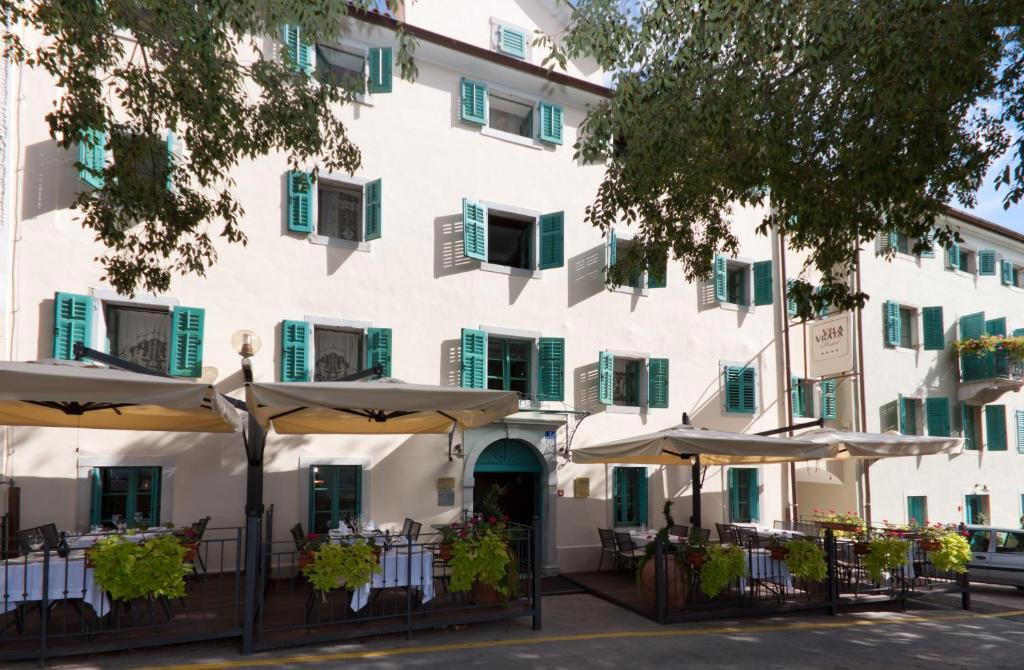
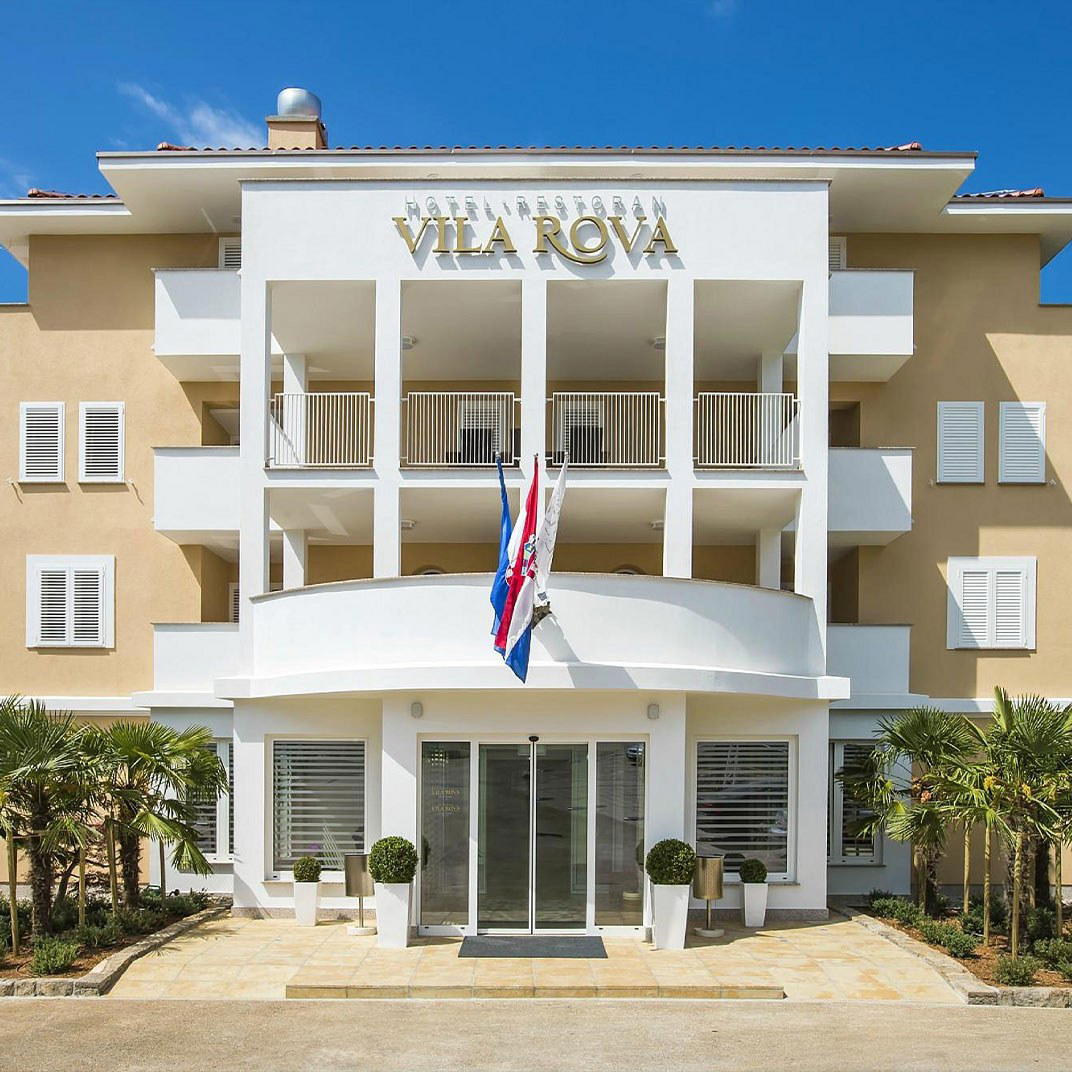

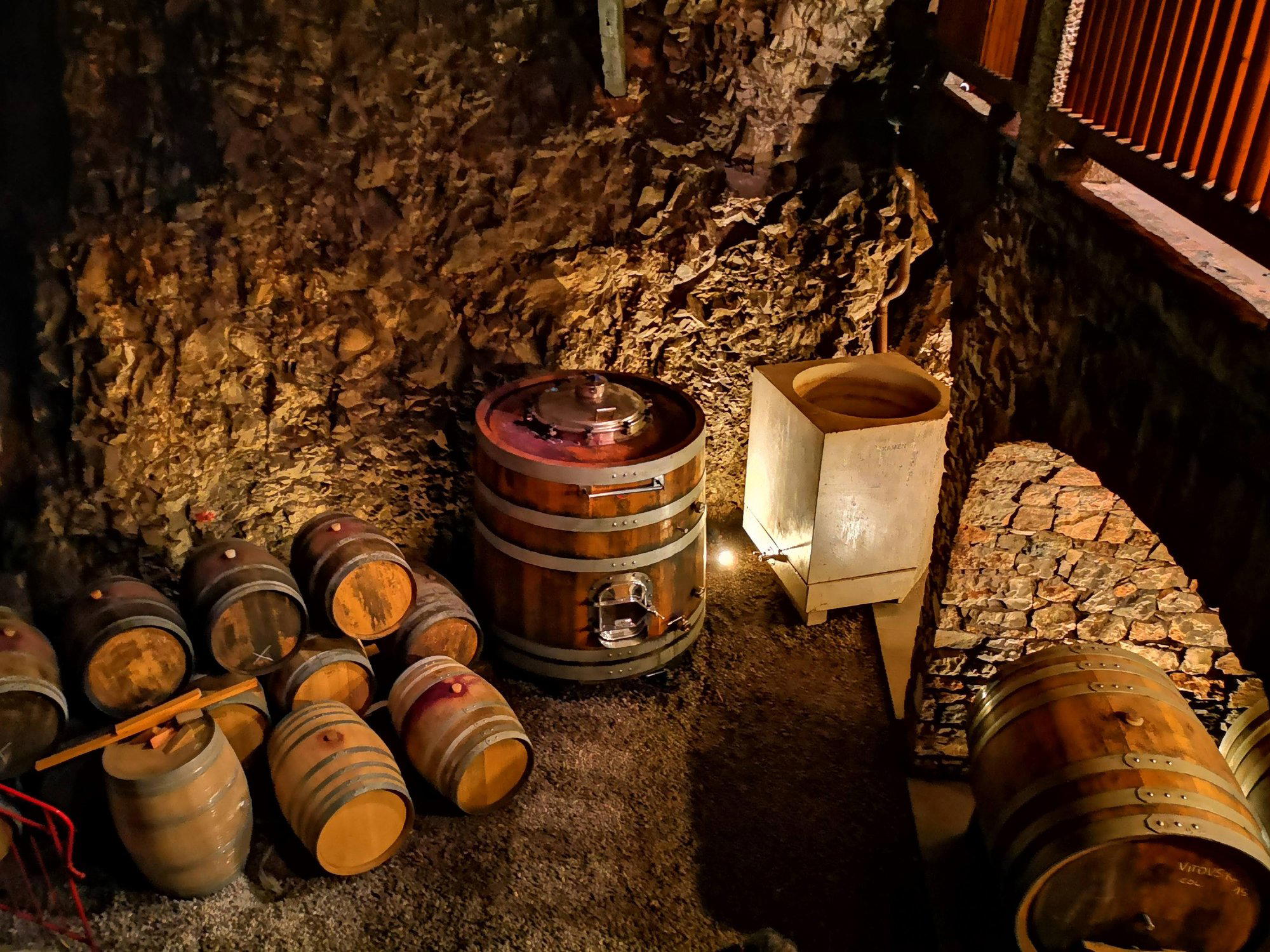
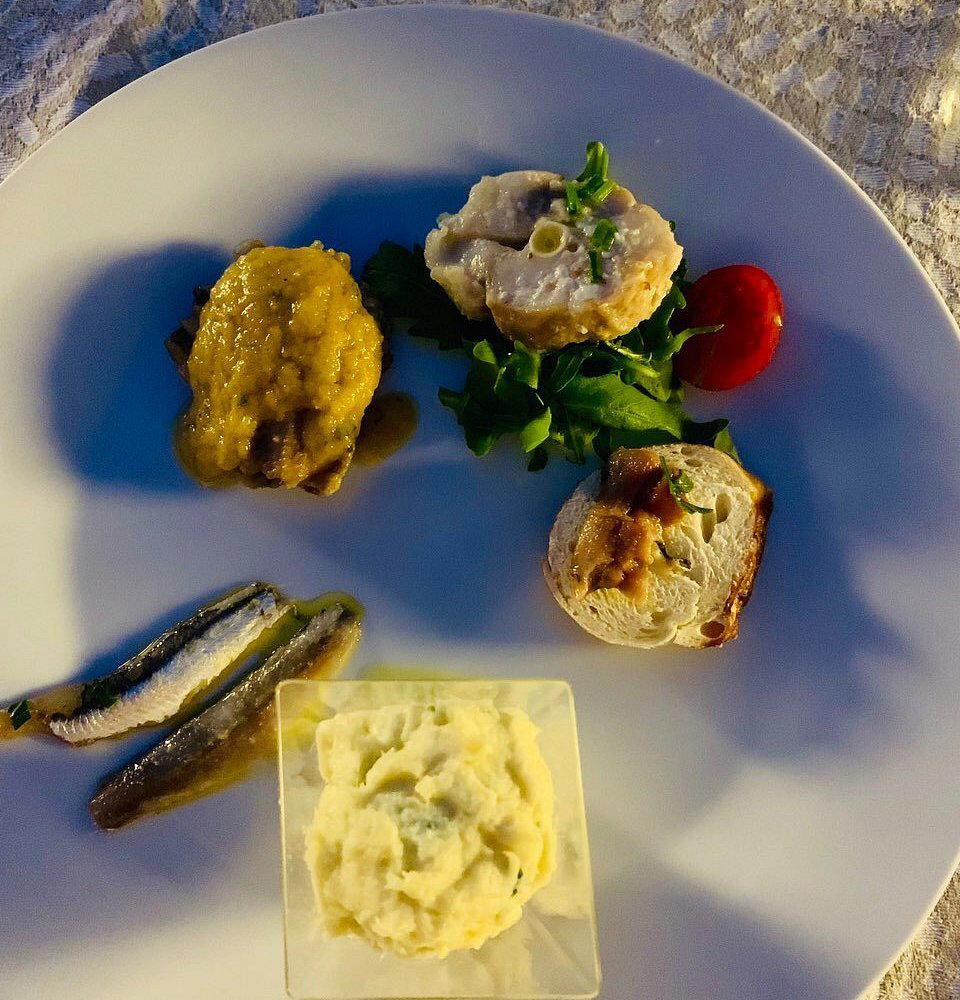
At a Glance
- Rustic
- Cozy
- Quiet
- Special Occasion
- Celebration
- Date Night
- Standalone
- Historic Building
- Extensive Wine List
- Local Sourcing
- Garden
Current opening hours
- Monday
- 12–10 PM
- Tuesday
- 12–10 PM
- Wednesday
- Closed
- Thursday
- 12–10 PM
- Friday
- 12–10 PM
- Saturday
- 12–10 PM
- Sunday
- 12–10 PM
Hours can change for holidays and private events. Last verified .
Calming and relaxing authentic Istrian ambiance surrounded by tranquility.