Stage House Tavern
Stage House Tavern on Park Avenue has anchored the Scotch Plains dining scene for decades, occupying the kind of mid-century tavern space that newer restaurant concepts spend considerable money trying to replicate. The kitchen works within an American tavern tradition where sourcing decisions and seasonal availability shape the menu more than trend cycles. For Union County residents seeking a serious local table without driving to Manhattan, it remains a practical and dependable choice.
Pearl is the En Primeur Club membership app — saves, bookings, and concierge access live there. Same editors, same standards.
- Address
- 366 Park Ave, Scotch Plains, NJ 07076
- Phone
- +19083224224
- Website
- stagehousetavern.com
- Directions
- Get directions
 Saves & bookings on Pearl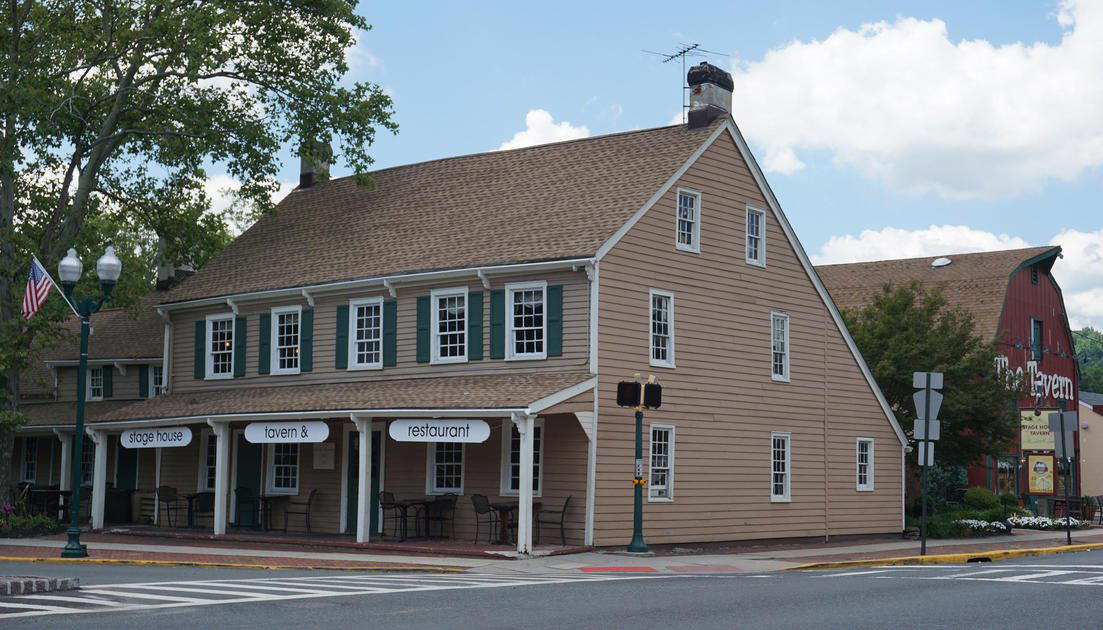
A Tavern Format That Predates the Farm-to-Table Label
Stage House Tavern is an American tavern at 366 Park Ave, Scotch Plains, NJ 07076. Across the tristate area, tavern-format restaurants with serious kitchens have repositioned themselves not as alternatives to city dining but as local institutions in their own right. Stage House Tavern, at 366 Park Ave, belongs to that repositioned category.
The tavern format itself matters here. American taverns operating at this level occupy a middle ground that is harder to maintain than either end of the price spectrum. They are expected to deliver neighborhood familiarity and a broad appeal while keeping kitchen standards closer to the focused restaurants that have defined American ingredient-driven cooking over the past two decades. The names that defined that movement at its most ambitious sit at the higher end of the American dining register. Stage House Tavern operates at a different register, but the sourcing question that underpins those projects applies here too: where does the food come from, and does the kitchen's relationship with those sources show up on the plate?
What Ingredient Sourcing Looks Like at the Tavern Level
Particularly honest kitchens in the American tavern category work with regional supply chains that reflect their geography. In Union County, that means access to New Jersey's substantial agricultural output. The state's farming sector produces dairy, produce, and proteins across a relatively small but densely cultivated land area, and restaurants close enough to source from it directly occupy a different position than those importing the same categories from further afield. The question for any tavern operating in this zip code is how deliberately it engages with that proximity.
This is where the comparison set becomes instructive. At the progressive end of American cooking, sourcing is foregrounded and documented. Lazy Bear in San Francisco and Alinea in Chicago operate with sourcing programs that are inseparable from their culinary identity. Bacchanalia in Atlanta built its reputation on a similar regional commitment. At the tavern level, that documentation tends to be quieter, expressed in what appears on the seasonal menu rather than in printed provenance notes. The tavern that sources well usually signals it through consistency across seasons rather than through marketing language.
Across the American dining scene more broadly, the restaurants that have held their local relevance longest share a common characteristic: they adapt their menus to what the season and their suppliers can reliably provide, rather than locking into a fixed identity that requires airfreighting ingredients to maintain. Frasca Food and Wine in Boulder built a two-decade reputation on this kind of disciplined regional focus. The measure for the restaurant, in that context, is how its kitchen uses its New Jersey location.
The Scotch Plains Dining Context
The restaurant anchors a dining scene that is more developed than the town's profile might suggest. Union County has a residential density and income profile that supports genuine restaurant culture, and Park Avenue in Scotch Plains has functioned as a local dining corridor for long enough that the address carries meaning for regular visitors. The tavern format at this location benefits from that accumulated local identity in ways that newer openings in the same market cannot replicate quickly.
The comparison that matters most for Scotch Plains diners is not between the restaurant and Michelin-starred rooms in Manhattan or elsewhere along the coasts. The relevant comparison is between taverns operating in similar suburban New Jersey and Connecticut markets, where the question is usually whether the kitchen commitment matches the room's reputation. At that scale, longevity is itself a form of evidence. Restaurants that maintain a serious local following across multiple decades in competitive suburban markets are doing something right in the kitchen, even when the specifics are harder to document than a James Beard nomination.
Travelers arriving from New York can reach the restaurant by car or via the Raritan Valley Line to Fanwood station. The tavern format means walk-ins are more viable than at destination restaurants, though weekend evenings in established suburban rooms tend to fill from regulars.
How Stage House Tavern Sits Relative to the National Scene
The restaurants that define American dining at the highest tier share a commitment to sourcing. The French Laundry in Napa maintains its own kitchen garden. Providence in Los Angeles built its identity around the sourcing of domestic seafood. Addison in San Diego and The Inn at Little Washington in Virginia both operate farm relationships that are integral to the menu architecture. Le Bernardin in New York City has maintained its sourcing discipline across four decades. The restaurant operates at a different price point and public profile, but the sourcing logic that drives those kitchens is the same logic that separates a serious tavern from a competent one at any tier.
Other American kitchens worth tracking for how they handle the gap between sourcing ambition and practical execution include Bruto in Denver, Causa in Washington, D.C., ITAMAE in Miami, and Atomix in New York City. Each occupies a different price tier and culinary tradition, but each demonstrates how sourcing decisions shape a restaurant's identity at the level that matters to serious diners. At the global end of that spectrum, 8 1/2 Otto e Mezzo Bombana in Hong Kong and Emeril's in New Orleans offer further reference points for how ingredient focus translates across different culinary contexts. The principle holds across all of them: sourcing is the first decision, and everything else follows from it.
Planning a Visit
The restaurant is located at 366 Park Ave in Scotch Plains, NJ 07076. Given the tavern format and its established local following, arriving with a reservation on weekend evenings is advisable. The Fanwood NJ Transit station on the Raritan Valley Line provides rail access from Penn Station, placing the restaurant within a manageable walk from the platform.
At-a-Glance Comparison
Comparable venues nearby, for context on price, style, and recognition.
| Venue | Cuisine | Price | Notes |
|---|---|---|---|
| Stage House TavernThis venue — the venue you are viewing | American Tavern | $$ | Not listed |
| dullboy | Modern American Gastropub | $$ | Waterfront |
| Sweet Lula's | Modern American Fine Dining | $$ | Pitman |
| The Farm & Fisherman Tavern | Modern American Gastropub | $$ | Cherry Hill |
| Kelsey & Kim's Southern Cafe | Southern Soul Food | $$ | Melrose Park |
| Halifax | Northeastern Farm-to-Table Coastal American | $$$ | waterfront |
Continue exploring
More in Scotch Plains
Restaurants in Scotch Plains
Browse all →
Bars in Scotch Plains
Browse all →
Hotels in Scotch Plains
Browse all →



At a Glance
- Rustic
- Cozy
- Historic
- Lively
- Casual Hangout
- Group Dining
- Brunch
- Late Night
- Live Music
- Historic Building
- Private Dining
- Craft Cocktails
- Beer Program
Current opening hours
- Monday
- 11:30 AM–11 PM
- Tuesday
- 11:30 AM–11 PM
- Wednesday
- 11:30 AM–11 PM
- Thursday
- 11:30 AM–12 AM
- Friday
- 11:30 AM–1 AM
- Saturday
- 11:30 AM–1 AM
- Sunday
- 11 AM–11 PM
Hours can change for holidays and private events. Last verified .
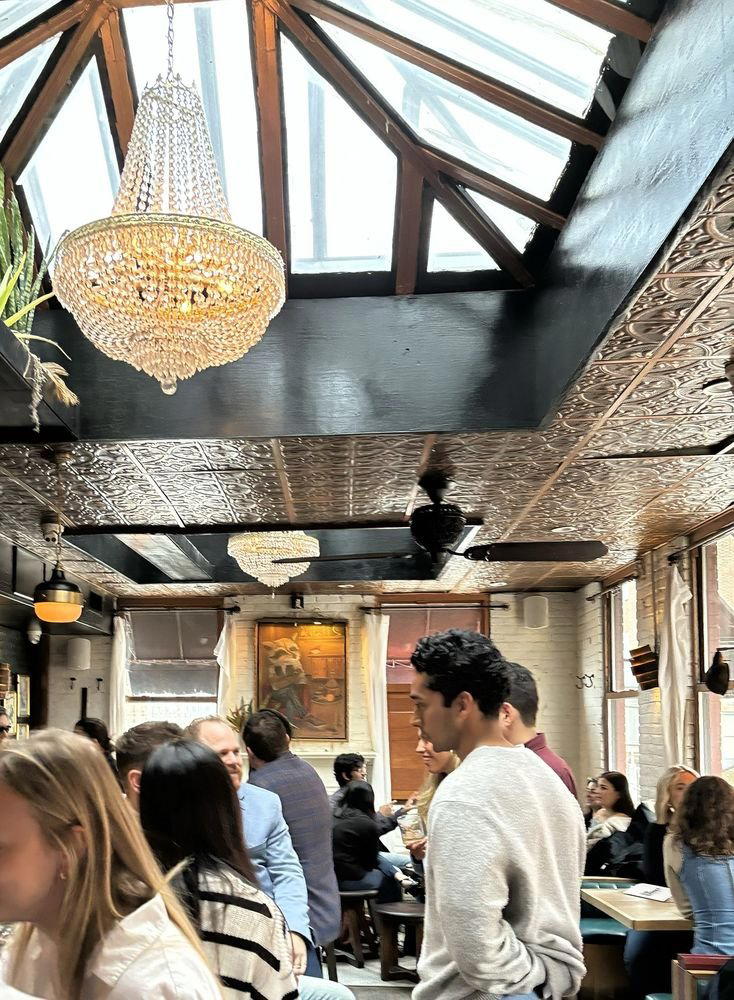
Cozy historic ambiance with fireplaces, rustic tavern setting, lively outdoor patio, and renovated bar area.