The Farm & Fisherman Tavern
The Farm & Fisherman Tavern on Marlton Pike brings a farm-to-table ethos to Cherry Hill's competitive dining corridor, where ingredient sourcing and kitchen-floor collaboration shape the experience as much as any single dish. It occupies a distinct position among the township's sit-down restaurants, drawing on seasonal Mid-Atlantic produce and local seafood traditions to anchor a menu that rewards repeat visits across the calendar year.
Pearl is the En Primeur Club membership app — saves, bookings, and concierge access live there. Same editors, same standards.
- Address
- 1442 Marlton Pike, Cherry Hill Township, NJ 08034
- Phone
- +18563562282
- Website
- fandftavern.com
- Directions
- Get directions
 Saves & bookings on Pearl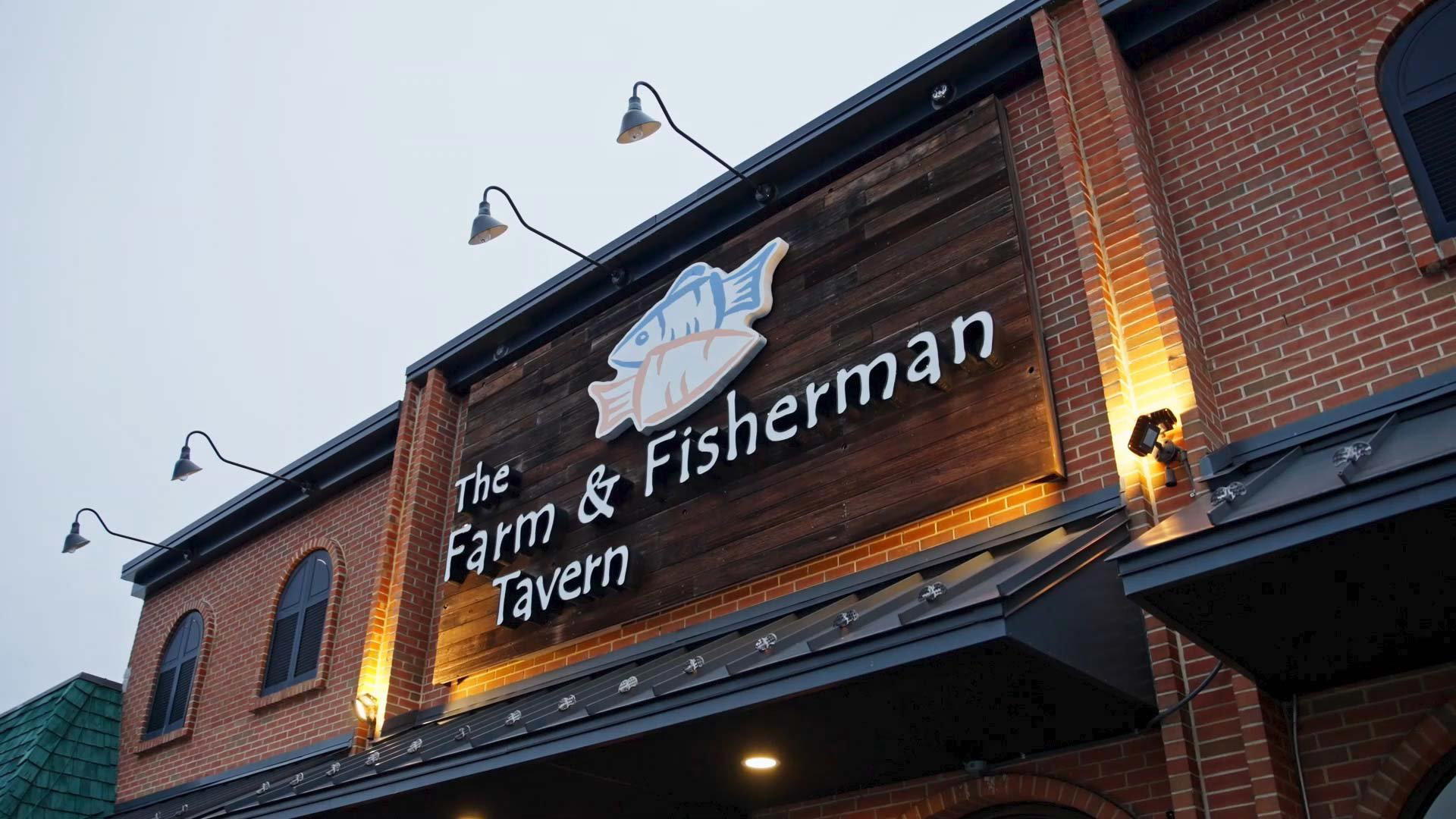
Cherry Hill's Farm-to-Table Tier and Where the Tavern Sits
Southern New Jersey's restaurant corridor along Route 70 and Marlton Pike has spent the past decade sorting itself into recognizable tiers. At one end you have the long-standing Italian-American institutions, places like Caffe Aldo Lamberti and AMICI RESTAURANT & EVENTS BYOB, which anchor the market in white-tablecloth familiarity. At another you have the Asian-led concepts, from the Japanese precision of Koi Matsu Japanese Restaurant to the pan-Asian register of Kooma Cherry Hill and the distinct Latin voice of La Cita. Between those poles, a smaller subset of kitchens has committed to a market-driven, sourcing-first format. The Farm & Fisherman Tavern at 1442 Marlton Pike falls squarely in that subset.
The name itself is programmatic. Farm ingredients, fisherman-sourced proteins, and a tavern format that keeps the register approachable without abandoning technical ambition. That combination is harder to execute than it sounds, and it places the Tavern in a competitive conversation that extends well beyond Cherry Hill's township limits. The broader movement it belongs to, farm-driven American cooking grounded in regional supply chains, is the same one that defines restaurants like Blue Hill at Stone Barns in Tarrytown and Single Thread Farm in Healdsburg at the upper end of the national market. The Tavern operates at a different price point and scale, but it shares the same foundational logic: the sourcing decision is the first creative decision.
The Physical Register: What Marlton Pike Doesn't Prepare You For
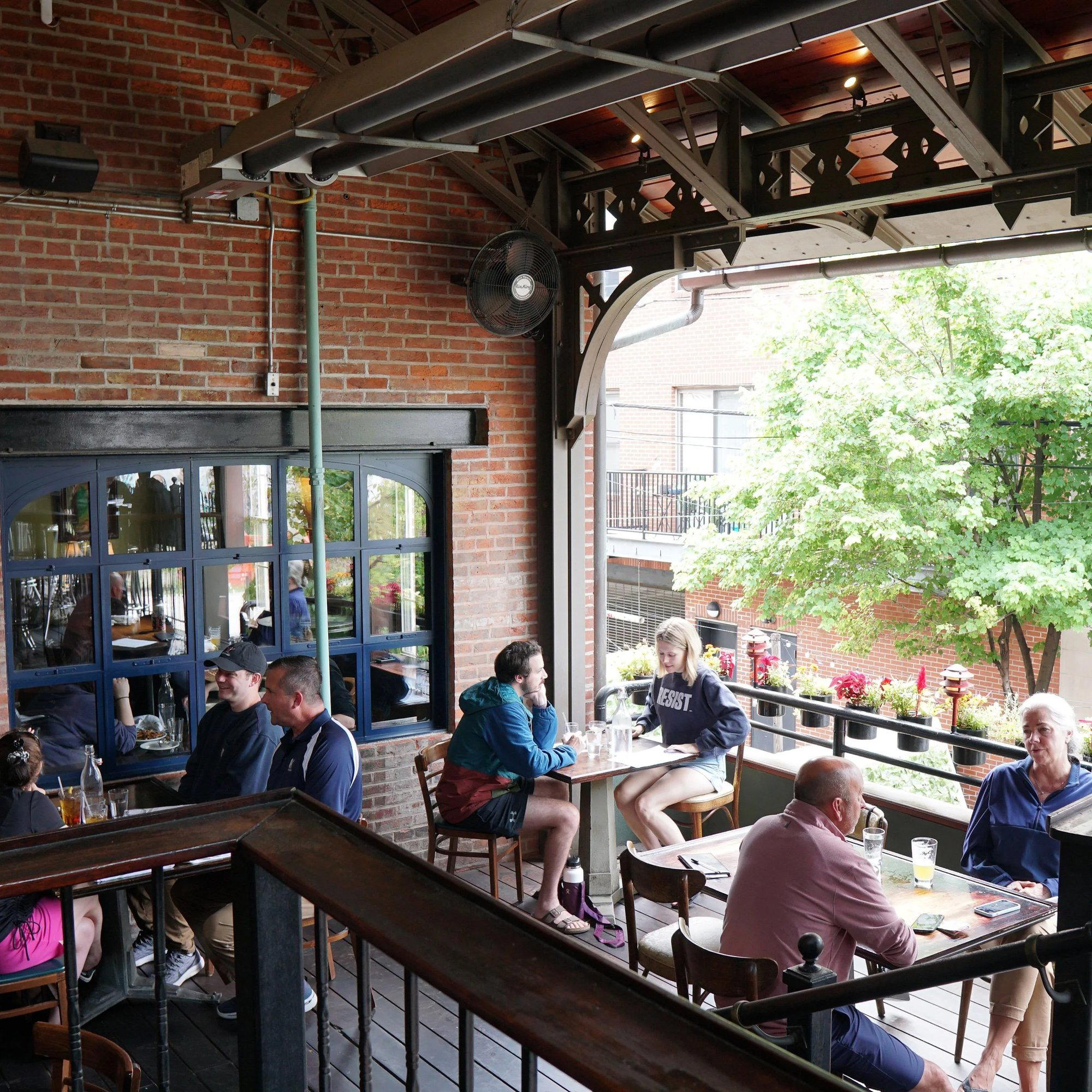
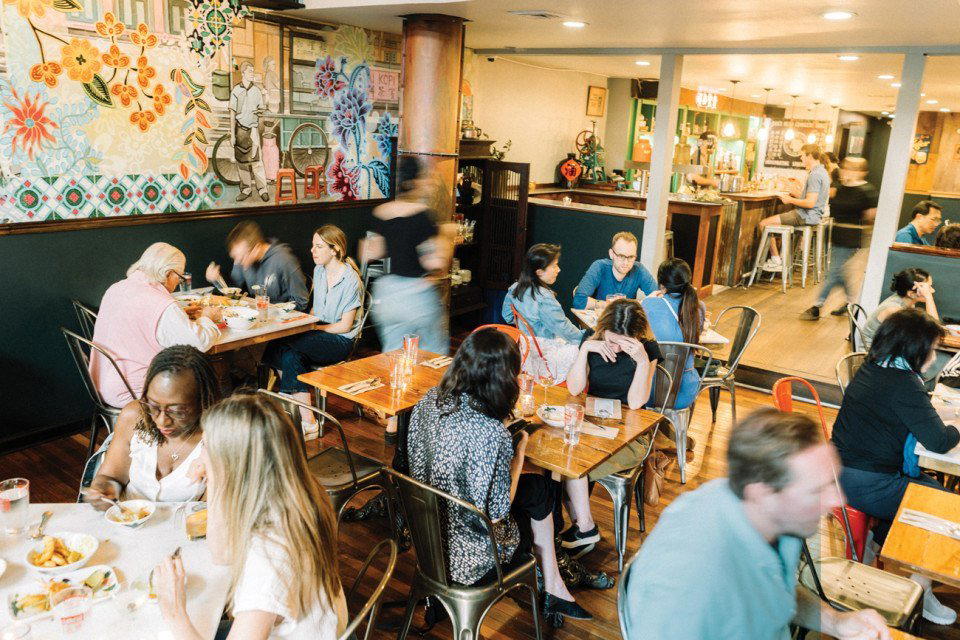
Marlton Pike is not a destination strip. It is a working commercial corridor, the kind of road where your eye slides past strip centers and parking lots without pausing. The Farm & Fisherman Tavern sits within that context, which means the transition from roadside to dining room carries a mild but real contrast. Suburban New Jersey farm-to-table restaurants have learned to solve this problem architecturally: reclaimed materials, warm lighting, a bar program visible enough to signal intention. The tavern format, as a category, uses the informality of bar-adjacent seating and shared spaces to lower the threshold for entry while sustaining a level of culinary seriousness that a purely casual format would undercut.
That structural choice matters for how the room functions. A tavern layout tends to blur the division between bar guests and dining guests, which in turn creates pressure on the front-of-house to manage two different paces and expectations simultaneously. The kitchens that handle this well do so through coordinated service rather than through rigid rules: floor staff who know the sourcing well enough to discuss it, a bar program that reads as an extension of the food philosophy rather than a separate department, and a general rhythm that doesn't make the table-service guest feel like they've wandered into a gastropub or, conversely, a dining room that's too formal for the room.
The Collaboration Model: Kitchen, Bar, and Floor as One Department
The farm-to-table format lives or dies on the quality of information moving between departments. When sourcing changes week to week based on what Mid-Atlantic farms and fishermen are delivering, the team's ability to communicate those changes to guests in real time becomes a core part of the product. This is not incidental. Restaurants that do this well, from Lazy Bear in San Francisco to Emeril's in New Orleans, have built internal cultures where kitchen knowledge flows outward to the floor without the guest having to extract it.
At the Tavern level, that collaborative model plays out in a more compressed format. The kitchen team works with whatever the season and the supply chain are delivering. The floor team translates that into menu guidance. The bar, if it's working in concert, is pulling from the same seasonal references, which means a cocktail or beer selection that mirrors what the kitchen is doing rather than contradicting it. Achieving that alignment in a tavern format, where the bar draws its own crowd with its own rhythms, is a discipline that separates the serious operators from the places that simply label themselves farm-to-table without the sourcing to back it up.
The Mid-Atlantic context is worth noting here. New Jersey's agricultural output is substantial enough to have earned the state its Garden State identity, and the Delaware Valley's proximity to both the Chesapeake and the Atlantic coast creates a supply picture that genuinely rewards a dual farm-and-fisherman focus. Seasonal crab, mid-Atlantic flounder, Jersey tomatoes and sweet corn in summer, root vegetables and hardy greens in winter: this is a region where the sourcing story has actual content rather than being aspirational branding.
How the Farm & Fisherman Tavern Compares Nationally
The national farm-to-table movement now spans an enormous range of ambition and execution. At the formal end, venues like The French Laundry in Napa, Alinea in Chicago, Providence in Los Angeles, Le Bernardin in New York City, Atomix in New York City, Addison in San Diego, and The Inn at Little Washington in Washington have made sourcing philosophy central to tasting menus that run into the hundreds of dollars per head. At the other end, the label has become generic enough that it requires scrutiny. The tavern format, when executed with discipline, represents a functional middle path: lower price of entry than fine dining, but a higher standard of sourcing commitment than a typical neighborhood bistro. For global comparison, 8 1/2 Otto e Mezzo Bombana in Hong Kong illustrates how sourcing-driven philosophy scales into a different cultural register entirely.
Given the menu's dependence on seasonal supply, visiting across different seasons will produce meaningfully different experiences: the summer and early fall harvest window is typically one productive period for Mid-Atlantic farm-driven kitchens, while winter menus test a kitchen's ability to work with a narrower, more demanding set of ingredients.
Booking and Cost Snapshot
Comparable venues nearby, for context on price, style, and recognition.
| Venue | Cuisine | Price | Notes |
|---|---|---|---|
| The Farm & Fisherman TavernThis venue — the venue you are viewing | Cherry Hill, Modern American Gastropub | $$ | Not listed |
| Randall's Restaurant | Not listed | $$$ | Cherry Hill, Italian Steakhouse with American Classics |
| Tutti Toscani | Cherry Hill, Traditional Tuscan Italian | $$ | Not listed |
| Koi Matsu Japanese Restaurant | Not listed | $$$ | Cherry Hill, Modern Japanese Sushi and Izakaya |
| Steak38 | Cherry Hill, Classic American Steakhouse | $$$$ | Not listed |
| The Boiling House | Cherry Hill, Viet-Cajun Seafood Boil | $$ | Not listed |
Continue exploring
More in Cherry Hill
Restaurants in Cherry Hill
Browse all →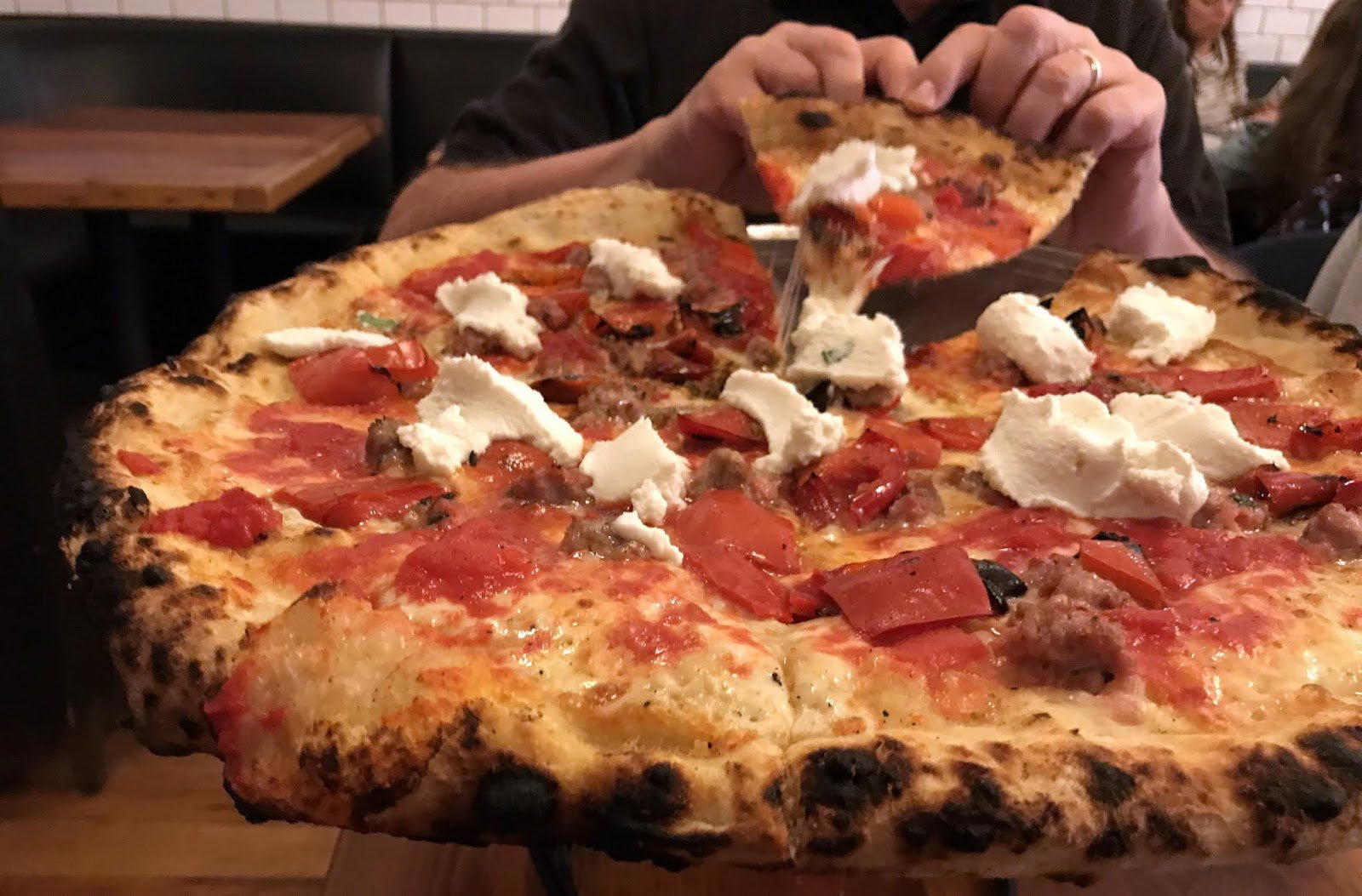
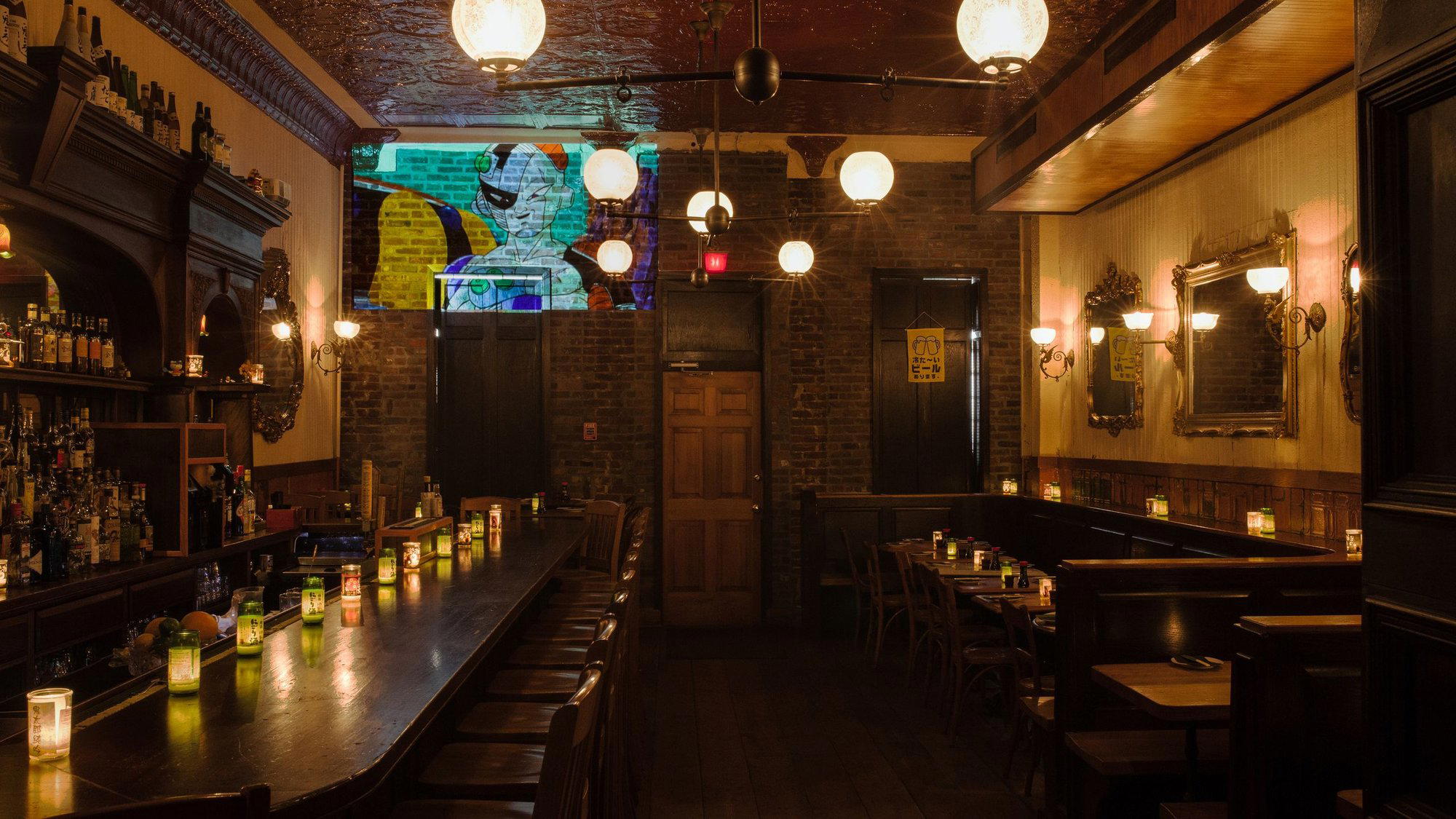
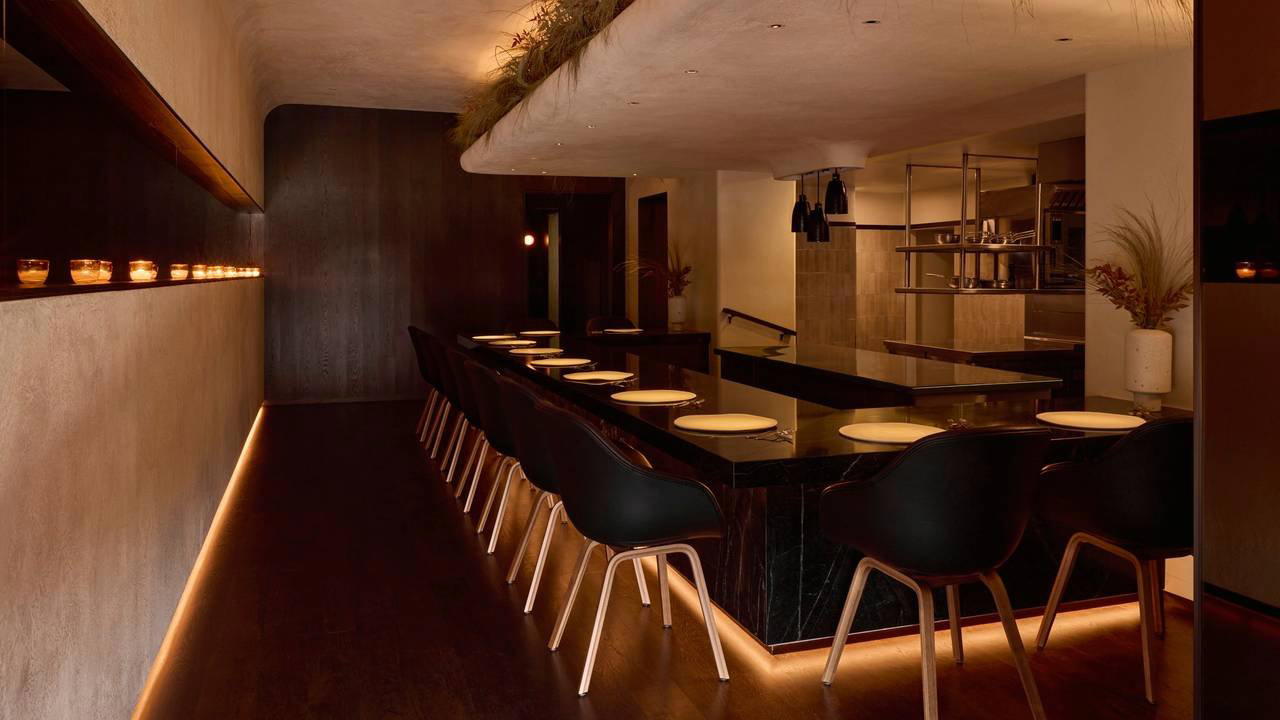
Bars in Cherry Hill
Browse all →
At a Glance
- Cozy
- Rustic
- Modern
- Family
- Brunch
- Casual Hangout
- Open Kitchen
- Craft Cocktails
- Farm To Table
- Local Sourcing
Current opening hours
- Monday
- 11:30 AM–8 PM
- Tuesday
- 11:30 AM–8 PM
- Wednesday
- 11:30 AM–8 PM
- Thursday
- 11:30 AM–9 PM
- Friday
- 11:30 AM–10 PM
- Saturday
- 11:30 AM–10 PM
- Sunday
- 11 AM–3 PM, 4–8 PM
Hours can change for holidays and private events. Last verified .
Comfortable, family-friendly tavern atmosphere with focus on local ingredients and casual dining.