Sr. Godzilla Playa del Carmen
On Quinta Avenida at Calle 30, Sr. Godzilla sits in the middle of Playa del Carmen's busiest pedestrian corridor, where the Riviera Maya's appetite for casual dining meets Yucatán-inflected street food tradition. The restaurant draws from the region's indigenous pantry while operating in a format shaped by tourist-volume demand, placing it at a crossroads that defines much of coastal Quintana Roo's mid-market food scene.
Pearl is the En Primeur Club membership app — saves, bookings, and concierge access live there. Same editors, same standards.
- Address
- Quinta Avenida esquina Calle 30 Nte 30, Gonzalo Guerrero, 77710 Playa del Carmen, Q.R., Mexico
- Phone
- +529981514539
- Website
- srgodzilla.com.mx
- Directions
- Get directions
 Saves & bookings on Pearl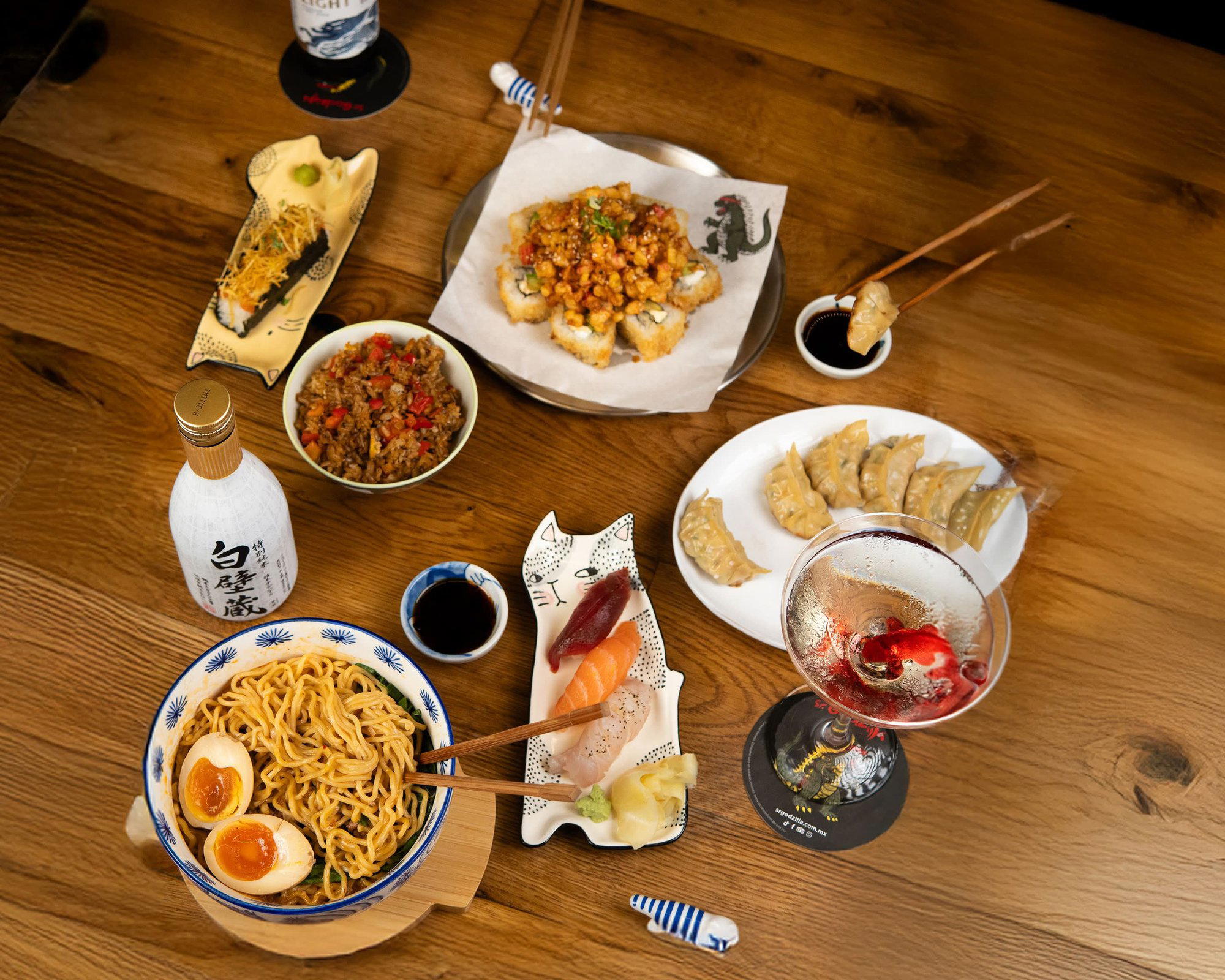
Where Quinta Avenida's Foot Traffic Meets the Yucatán Pantry
Quinta Avenida in Playa del Carmen functions less like a street and more like a busy pedestrian corridor. Visitors flow north from the ferry terminal past an almost unbroken ribbon of restaurant terraces, beach clubs, and taco stands, and the choices they make tend to reflect how far they've walked and how hungry they've become rather than any particular culinary conviction. Sr. Godzilla, positioned at the corner of Calle 30 in the Gonzalo Guerrero neighbourhood, sits far enough up the avenue that the crowds thin slightly without disappearing entirely. That positioning matters: it places the restaurant in a block where casual dining and local character coexist more naturally than they do near the southern tourist concentration.
Quintana Roo's restaurant scene has fragmented into distinct tiers over the past decade. At one end, Riviera Maya has developed a small cluster of ambitious tasting-menu operations, led by Le Chique in Puerto Morelos, which applies European technique to regional Yucatán ingredients with considerable precision. At the other end, Playa del Carmen's street-level casual market runs on volume, speed, and proximity to foot traffic. The restaurants that occupy the middle ground, neither white-tablecloth nor counter-only, define most of what visitors actually eat on the strip.
The Riviera Maya's Ingredient Logic
The Yucatán Peninsula produces a pantry that is genuinely distinct from the rest of Mexico. Recado negro, achiote paste, habanero, chaya, cochinita pibil marinades, and a range of citrus varieties that reflect both Maya and Spanish colonial influence give the region a flavour profile that resists reduction to generic Mexican-restaurant shorthand. What makes the Riviera Maya's coastal dining interesting, and sometimes contradictory, is how those indigenous products interact with the techniques that international tourism has imported. The coastal strip between Cancún and Tulum has absorbed culinary workers and influences from across Mexico and beyond, which means a kitchen operating in Playa del Carmen might draw on Oaxacan mole logic, northern Mexican grill traditions, or European sauce techniques without any single approach dominating.
This cross-pollination is more pronounced in the Riviera Maya than in most Mexican coastal regions, partly because of the volume of culinary migration the hotel and restaurant industry has generated since the 1990s. Restaurants that operate at Sr. Godzilla's position in the market, accessible pricing, high-traffic location, broad menu appeal, often serve as the practical intersection of these competing influences. Particularly compelling mid-market operations in the Riviera Maya, including Axiote Cocina de Mexico, navigate this tension by keeping regional products visible in the actual structure of dishes rather than relegating them to garnish or naming convention.
Playa del Carmen's Competitive Middle Ground
Comparison helps locate Sr. Godzilla within Playa del Carmen's dining structure. The city's premium Mexican tier, represented by HA' at the higher price point, applies a more formal editorial lens to the same regional pantry. At the entry level, operations like Asadero El Pollo concentrate on a single protein category with the efficiency of a specialist. Between those poles, a venue at Quinta Avenida and Calle 30 competes primarily on accessibility: accessible pricing, accessible format, accessible geography. That's not a criticism, it's a description of a real and necessary tier in any functioning tourist city's dining ecosystem.
What separates the more considered operations in this bracket from the interchangeable ones is usually kitchen discipline and ingredient sourcing. Mexico's broader fine-dining movement, documented at venues like Pujol in Mexico City, Alcalde in Guadalajara, KOLI Cocina de Origen in Monterrey, Pangea in San Pedro Garza Garcia, and Levadura de Olla Restaurante in Oaxaca, has pushed indigenous-ingredient rigor into broader public consciousness. That influence has filtered down even to mid-market Quintana Roo kitchens, raising the baseline expectation of what regional cooking should look like. Comparable patterns appear in other regions: Animalón in Valle de Guadalupe, Lunario in El Porvenir, Olivea Farm to Table in Ensenada, and Huniik in Merida have all contributed to a national conversation about what local sourcing and technique integration actually require at the operational level.
International dining movements have added another layer. The technical ambition visible at Le Bernardin in New York City or the fermentation-led precision of Atomix in New York City represents the far end of the global-technique spectrum. What travels from those environments into coastal Mexican casual dining is rarely technique in its purest form, but it does influence how younger cooks in the Riviera Maya think about preparation, timing, and flavour layering. Babe's Noodles & Bar on the same strip illustrates how international format imports operate in Playa del Carmen, in that case applying an Asian noodle-bar concept to the same tourist-volume dynamics. Sr. Godzilla occupies a parallel space in the local taxonomy, drawing on the Quinta Avenida foot traffic that sustains this entire tier.
Planning a Visit
Sr. Godzilla's address on Quinta Avenida at Calle 30 Nte in the Gonzalo Guerrero neighbourhood puts it within walking distance of the central ADO bus terminal and the ferry dock, making it reachable on foot from most central accommodation without any additional transport. Quinta Avenida restaurants at this latitude generally operate through lunch and dinner, with peak demand falling in the early evening when beach traffic shifts inland. Given the venue's location on among the more-visited pedestrian corridors in the Riviera Maya, walk-in availability is the standard mode of entry, the volume of foot traffic in this neighbourhood sustains that format. For visitors with a specific evening in mind, arriving early in the dinner window is the practical hedge. Alux Restaurante represents the opposite end of the local formality spectrum for comparison.
Recognition, Side-by-Side
Comparable venues nearby, for context on price, style, and recognition.
| Venue | Cuisine | Price | Notes |
|---|---|---|---|
| Sr. Godzilla Playa del CarmenThis venue — the venue you are viewing | Asian Street Food Fusion | $$$ | Not listed |
| Makimori | Authentic Japanese Nigiri Bar | $$$ | 2300800010372 |
| La Perla Pixan Cuisine & La Carboneria | Traditional Mayan & Oaxacan Cuisine | $$$ | 2300800011012 |
| CATALINA Restaurante | Contemporary Mexican Cocina de Madre | $$$ | 2300800011012 |
| Babe's Noodles & Bar | Swedish-Thai Fusion Noodles | $$ | 2300800010033 |
| Alux Restaurante | Contemporary Mexican Cave Dining | $$$$ | 2300800010404 |
Continue exploring
More in Playa del Carmen
Restaurants in Playa del Carmen
Browse all →
Bars in Playa del Carmen
Browse all →
At a Glance
- Lively
- Trendy
- Energetic
- Group Dining
- Date Night
- Casual Hangout
- Late Night
- Open Kitchen
- Terrace
- Craft Cocktails
- Street Scene
Current opening hours
- Monday
- 5 PM–12 AM
- Tuesday
- 5 PM–12 AM
- Wednesday
- 5 PM–12 AM
- Thursday
- 5 PM–1 AM
- Friday
- 5 PM–1 AM
- Saturday
- 2 PM–1 AM
- Sunday
- 2–11 PM
Hours can change for holidays and private events. Last verified .
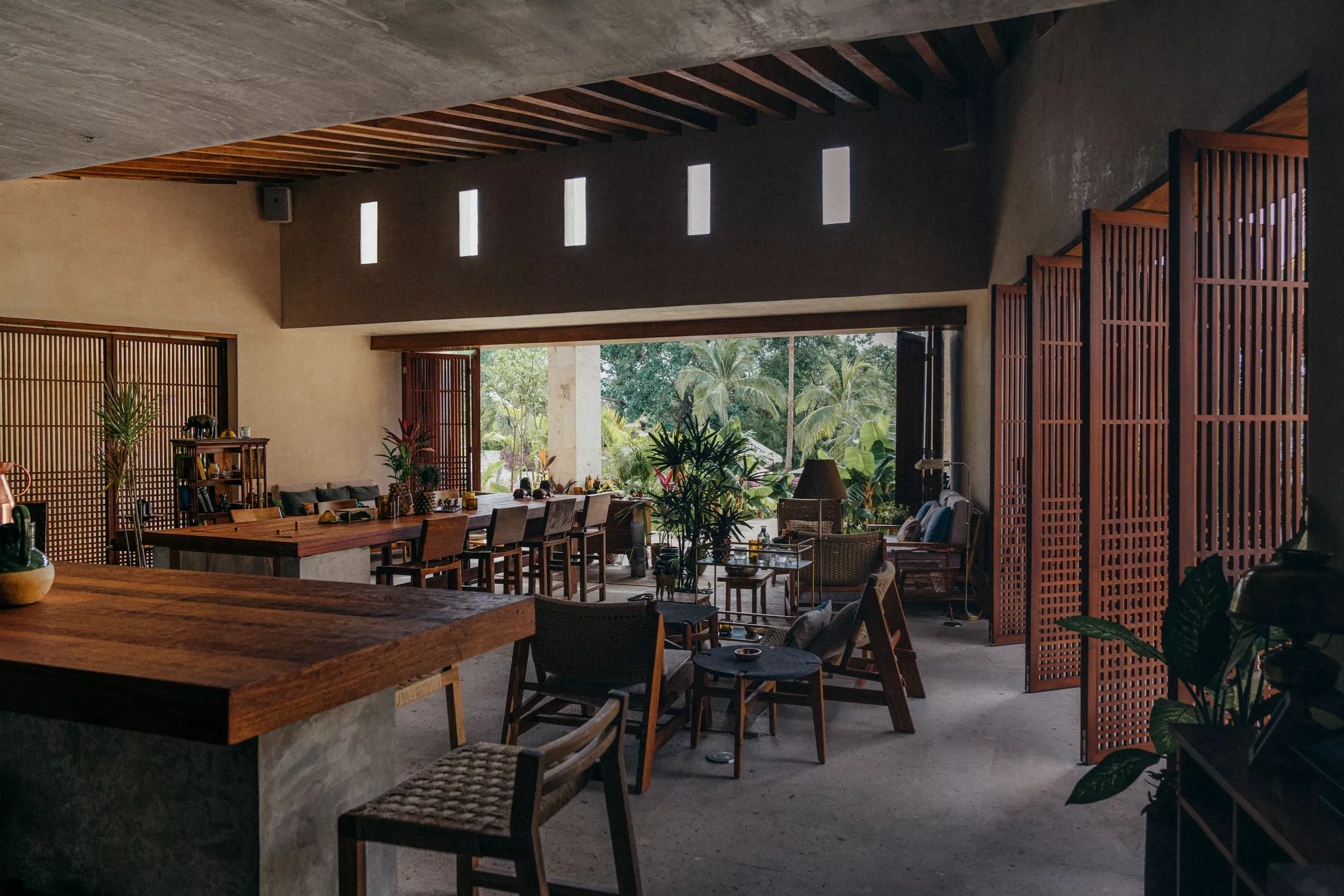
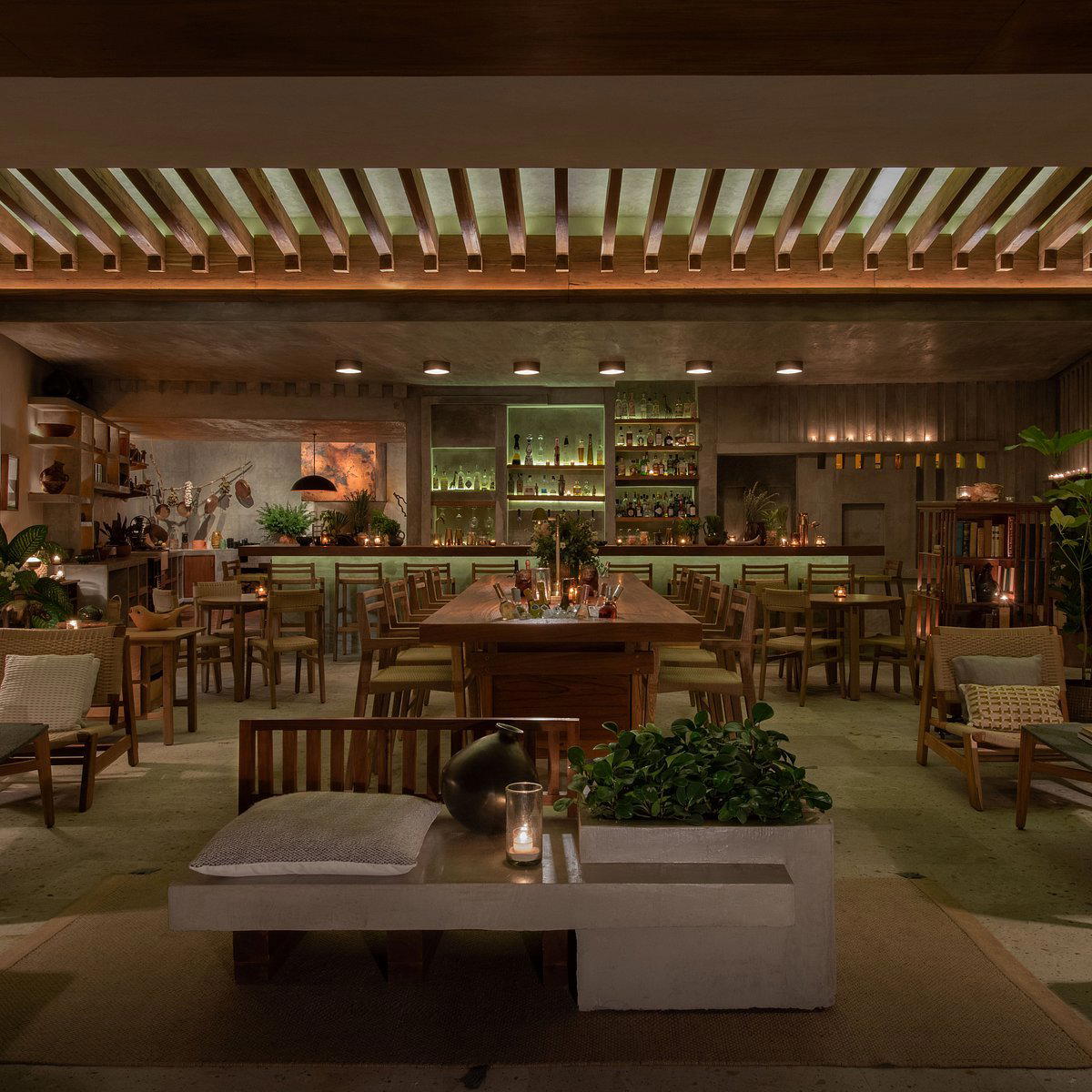
Energetic atmosphere with Tokyo mood, Hong Kong vibe, live music, and beachy rhythm on the lively terrace and main salon.