CATALINA Restaurante
Located on Calle 44 in Playa del Carmen's Zazil-ha neighbourhood, CATALINA Restaurante occupies a quieter register than the resort strip's louder dining formats. The kitchen operates within a Mexican coastal context where floor staff, bar, and kitchen coordination shape the experience as much as any single dish. Booking directly and arriving without rigid expectations tends to yield the most from an evening here.
 Discover on Pearl
Pearl is the En Primeur Club membership app — saves, bookings, and concierge access live there. Same editors, same standards.
- Address
- calle 44, 1a. Nte. mzn 157, Zazil-ha, 77720 Playa del Carmen, Q.R., Mexico
- Phone
- +529842174187
- Website
- toptablegroup.com
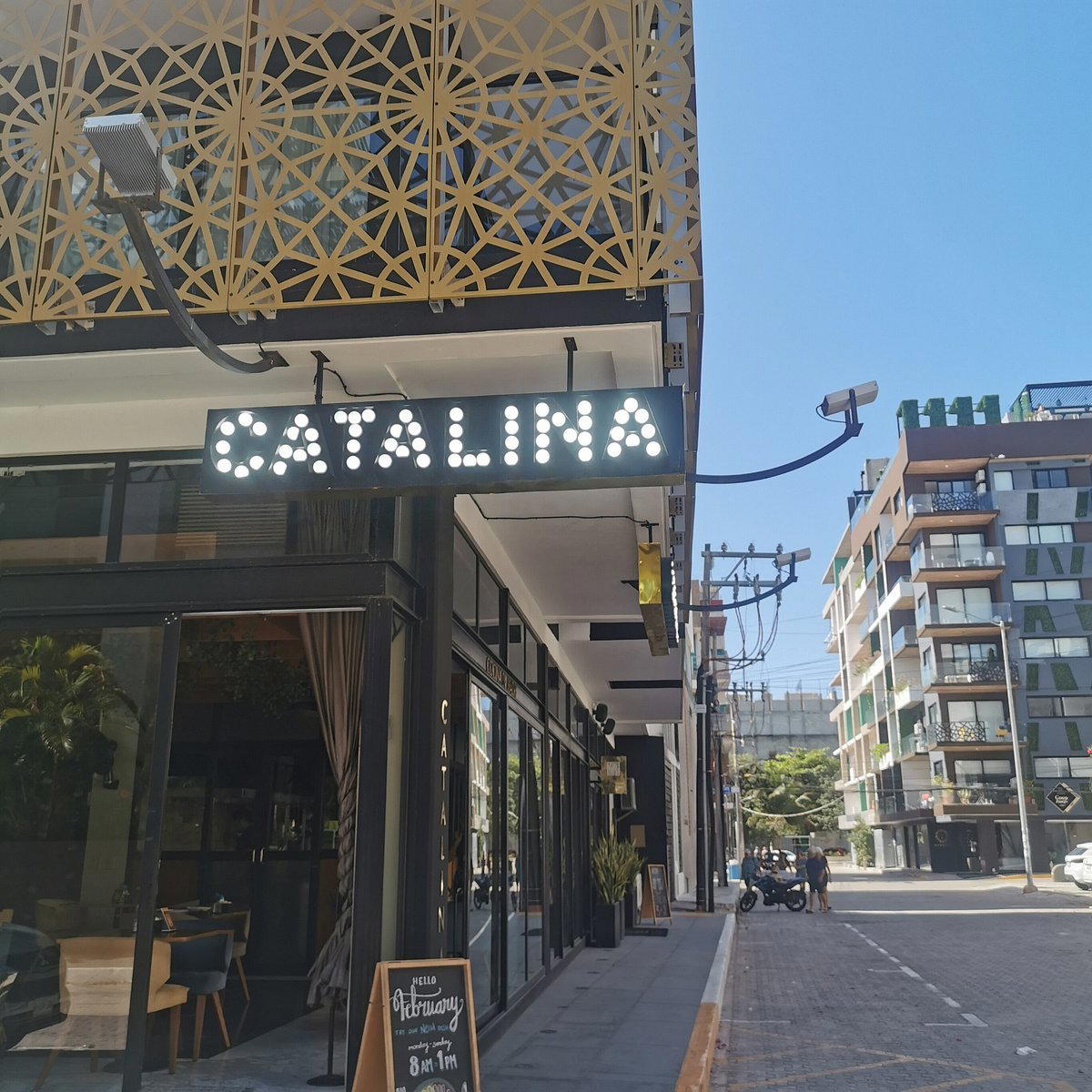
Dining in Playa del Carmen's Residential Fringe
The Riviera Maya's dining scene has sorted itself into two broad camps: the high-visibility tourist corridor anchored along Quinta Avenida, and a quieter tier of neighbourhood restaurants that operate on local rhythms rather than resort foot traffic. CATALINA Restaurante sits in the latter category, addressed to Calle 44 in the Zazil-ha district, a few blocks from the beach strip's commercial density. That positioning is itself a signal: venues that open away from the tourist artery are calibrating to a different audience.
Playa del Carmen's restaurant market has diversified considerably since the early 2000s, when the town functioned primarily as a transit point to Cozumel. The city now anchors serious dining within a coastal corridor that extends south to Tulum, where Arca has established a reference point for open-fire coastal cooking, and north to Puerto Morelos, where Le Chique runs one of Mexico's most technically precise tasting menus. Within that corridor, the mid-tier and neighbourhood-facing venues are where Playa del Carmen's actual dining character lives, and Zazil-ha is part of that fabric.
The Shape of the Room
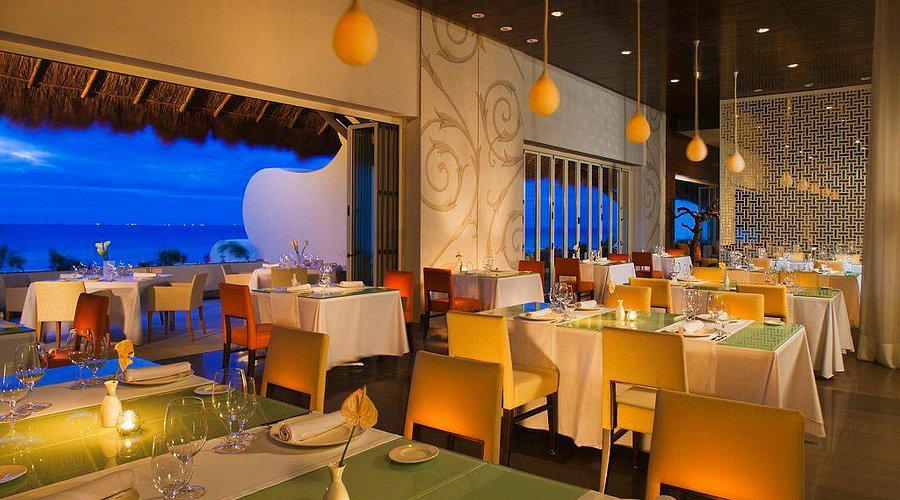
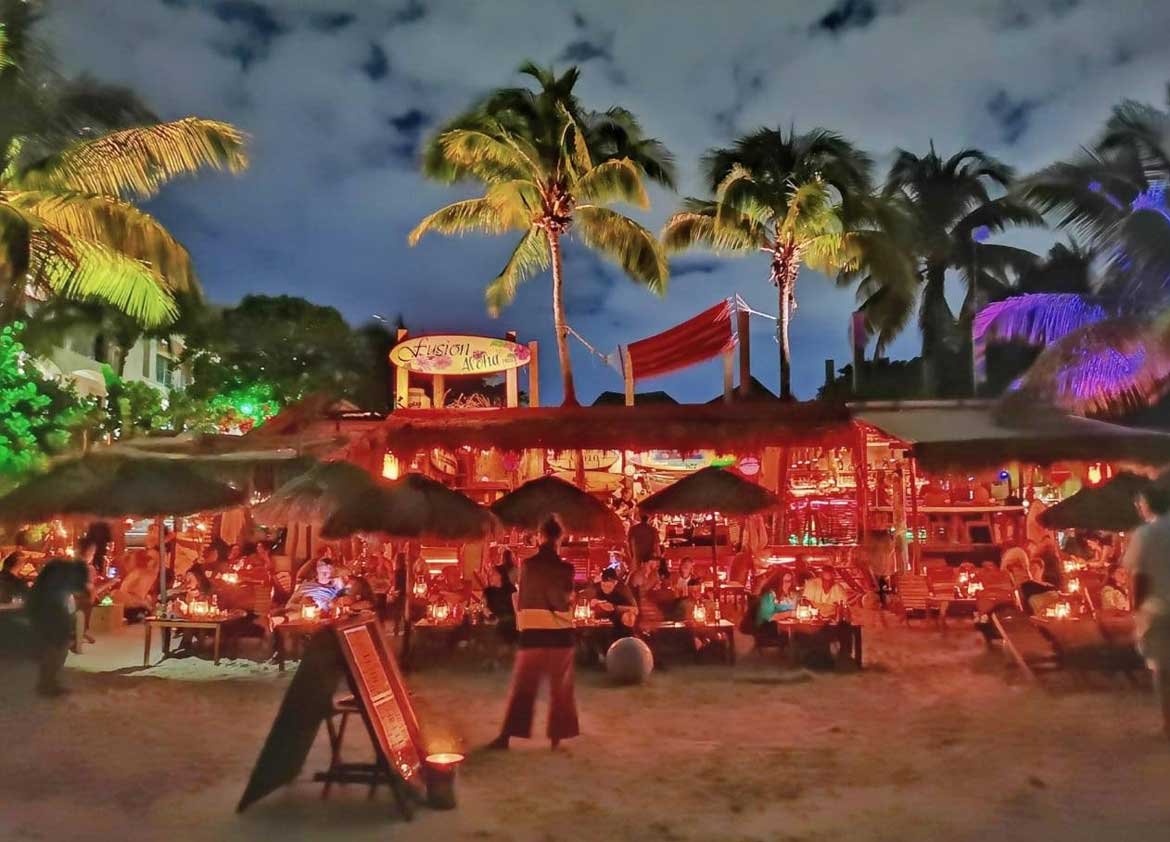
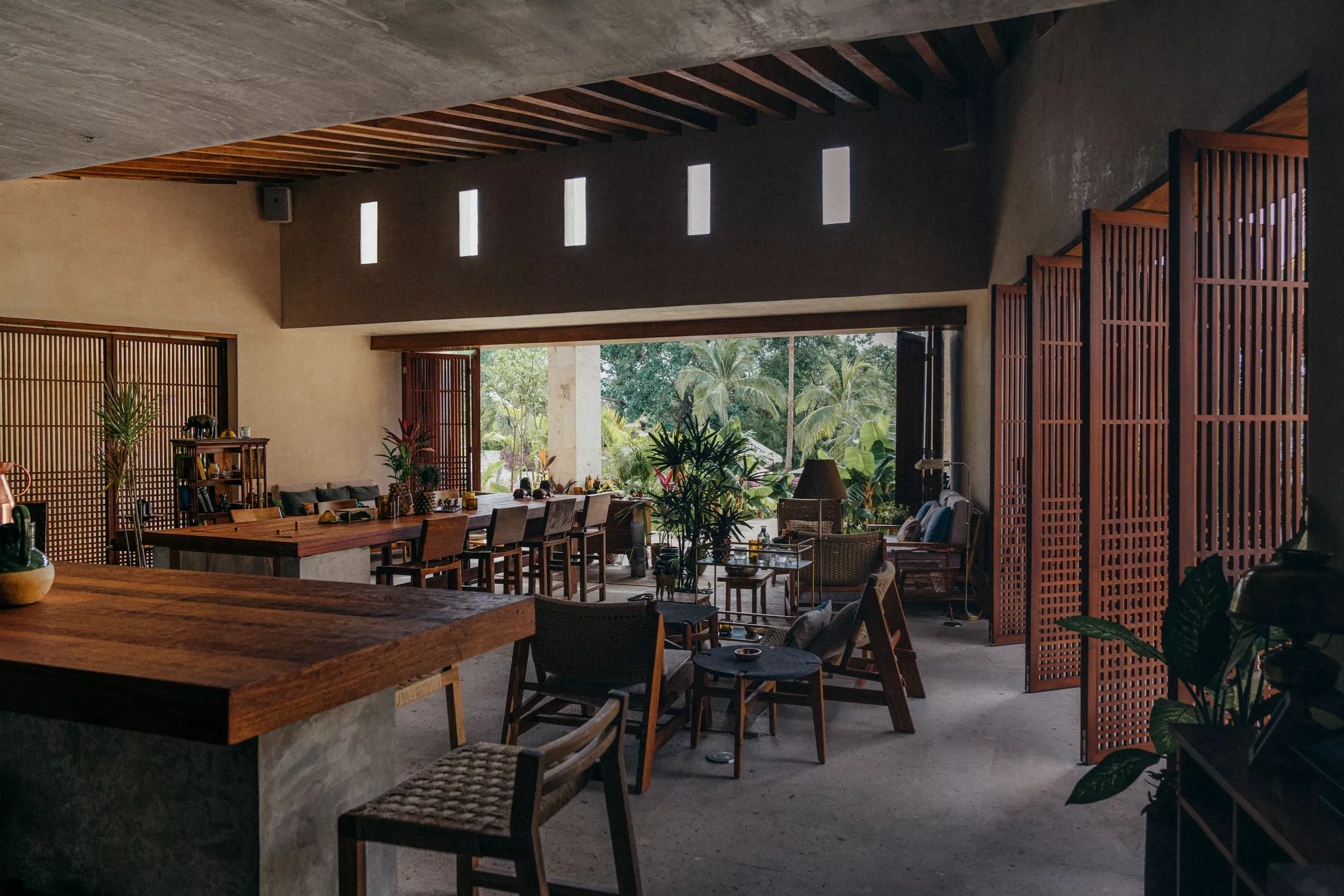
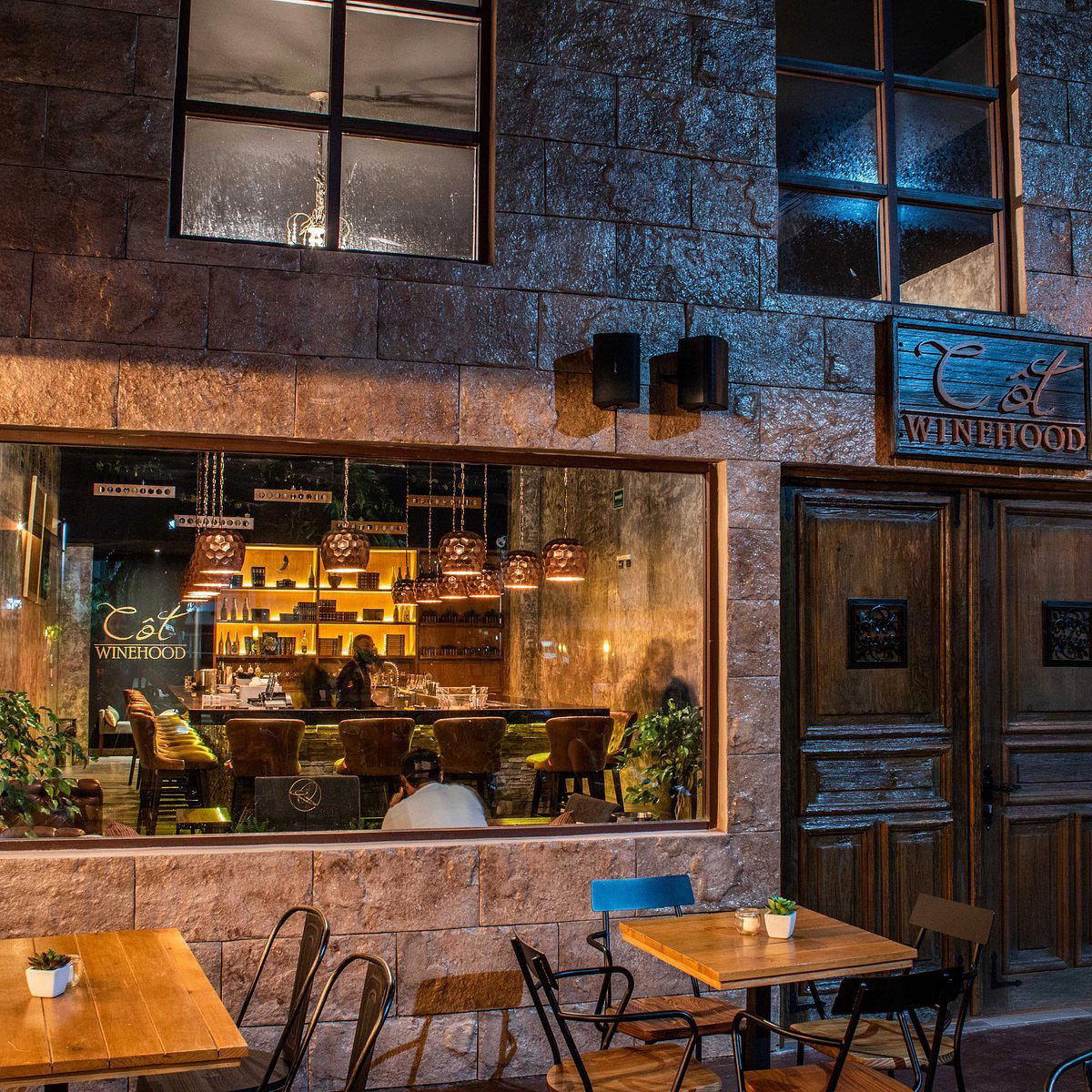
Zazil-ha's streets run quieter than the central tourist zone, and arriving at CATALINA on Calle 44 places you in a residential-adjacent context that most resort visitors never reach. Mexican coastal restaurants operating outside the main strip tend to carry a different physical register: the light changes more gradually, street noise is ambient rather than commercial, and the room's orientation reflects a local clientele whose dining tempo is unhurried. That environmental framing matters, because it shapes how a service team positions itself.
In markets like Playa del Carmen, where dining competition is intense across every price tier, the coordination between kitchen, bar, and floor becomes a differentiating variable. The most consistent neighbourhood restaurants in this city, comparable in spirit to Axiote Cocina de Mexico at the accessible end, or Alux Restaurante at the experiential end, succeed because their service architecture holds across a full evening. The floor team's ability to pace courses, communicate kitchen timing, and translate a drinks program without hard-selling are the mechanics behind what reads, from the guest side, as a relaxed and well-run room.
Mexican Coastal Cooking and What It Requires
The Yucatan Peninsula's culinary tradition is one of the most regionally specific in Mexico. It draws on Mayan agricultural heritage, Caribbean proximity, and a spice vocabulary, achiote, habanero, xcatik chile, sour orange, that doesn't translate directly from the central plateau cooking more commonly associated with Mexican cuisine internationally. Restaurants on the Riviera Maya that take this tradition seriously, rather than softening it for international palates, occupy a different position than those running generic Mexican menus calibrated to tourist comfort zones.
Across Mexico's serious restaurant tier, the integration of kitchen and front-of-house knowledge matters. At Pujol in Mexico City, the service team carries enough culinary context to narrate the mole madre without a script. At KOLI Cocina de Origen in Monterrey and Levadura de Olla in Oaxaca, the floor team functions as an extension of the kitchen's argument, not merely as order-takers with good manners. The same standard applies at neighbourhood scale: when the service team understands what they're serving well enough to answer follow-up questions, the cooking lands differently.
That coherence matters most when the cuisine requires context. A habanero-based preparation needs a floor team that can flag heat levels without diminishing the dish. A aguachile needs someone who can explain the curing medium. These are not dramatic service gestures, they are baseline fluency, and they distinguish a room that takes its food seriously from one that doesn't.
Where CATALINA Sits in the Local comparable set
Playa del Carmen's dining tier spreads across a wide price and ambition range. At one end, Asadero El Pollo and comparable grill-format spots serve the city's everyday dining demand at minimal price points. At the accessible neighbourhood tier, Axiote operates a focused Mexican kitchen that prioritizes ingredient sourcing over theatrical presentation. The full-service experiential tier includes Alux, set inside a cenote cave system, and HA' (Mexican), which has positioned itself as one of the more serious contemporary Mexican addresses in the city.
CATALINA's Zazil-ha address places it outside the mainstream tourist routing that drives covers at the Quinta Avenida-adjacent venues. That's an operational trade-off: lower walk-in volume means a room that depends more heavily on repeat guests, local referrals, and visitors who research before they travel. Restaurants in this position either develop a genuinely distinctive reason to be sought out, or they don't survive the next cycle of openings. The Riviera Maya's dining market is not forgiving to the merely competent.
For a broader orientation to serious dining within Mexico, the reference points are worth knowing. Animalón in Valle de Guadalupe, Alcalde in Guadalajara, Pangea in San Pedro Garza Garcia, Lunario in El Porvenir, and Olivea Farm to Table in Ensenada collectively illustrate how Mexico's regional dining tier has developed into something worth tracking at the national level. Playa del Carmen's strongest venues compete for attention within that broader conversation, even if the city's tourism economy sometimes obscures that ambition.
Planning a Visit
CATALINA Restaurante is on Calle 44 in Zazil-ha, a quieter residential neighbourhood north of the main tourist corridor. For those staying along Quinta Avenida, the location is walkable or a short taxi ride, and arriving in the evening after the street-side restaurants have peaked means a calmer entry. Checking current arrangements directly with the venue before visiting is advised, particularly if you're traveling with dietary requirements or a larger group. For a curated view of where CATALINA sits among the city's broader options, Playa del Carmen's restaurant map groups the field by format, price tier, and neighbourhood. If the Zazil-ha area is unfamiliar, pairing CATALINA with a visit to nearby spots like Babe's Noodles & Bar gives a sense of how varied the neighbourhood dining register can be away from the main strip.
Booking and Cost Snapshot
Comparable venues nearby, for context on price, style, and recognition.
| Venue | Price | Awards | Notes |
|---|---|---|---|
| CATALINA RestauranteThis venue — the venue you are viewing | $$$ | , | |
| Restaurante La Silla | $$$ | , | 230080001153A, Nuevo León Mexican Cuisine |
| La Perla Pixan Cuisine & La Carboneria | $$$ | , | 2300800011012, Traditional Mayan & Oaxacan Cuisine |
| Plantivoros | $$ | , | 2300800010029, Vegan Mexican |
| Alux Restaurante | $$$$ | , | 2300800010404, Contemporary Mexican Cave Dining |
| Fuego Restaurante y Cantina | $$$ | , | 2300800010067, Mexican Seafood Grill |
Continue exploring
More in Playa del Carmen
Restaurants in Playa del Carmen
Browse all →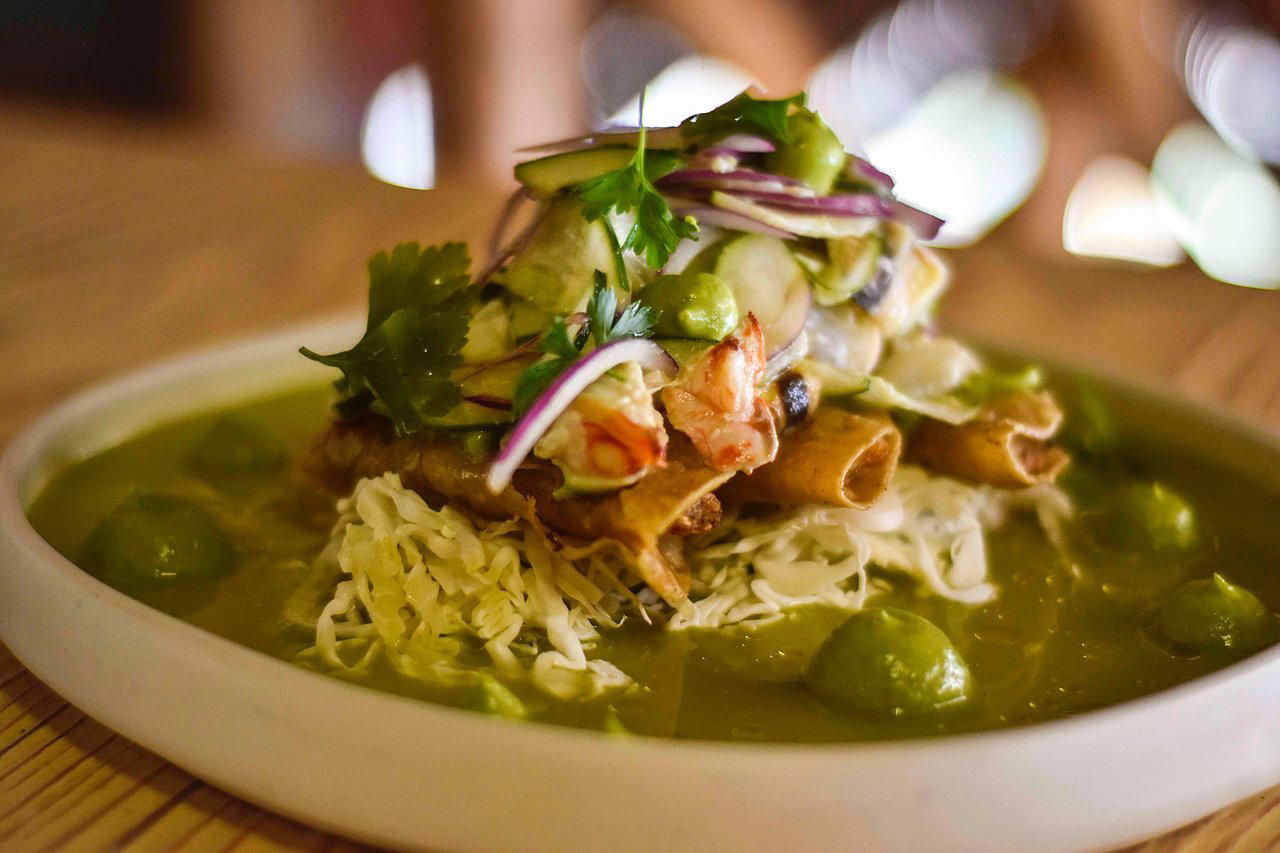
Bars in Playa del Carmen
Browse all →



At a Glance
- Cozy
- Elegant
- Intimate
- Family
- Brunch
- Casual Hangout
- Live Music
- Hotel Restaurant
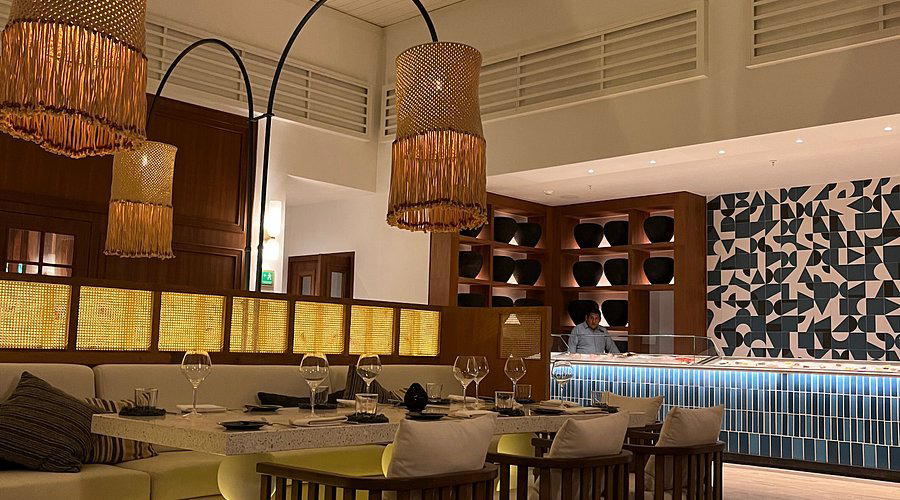
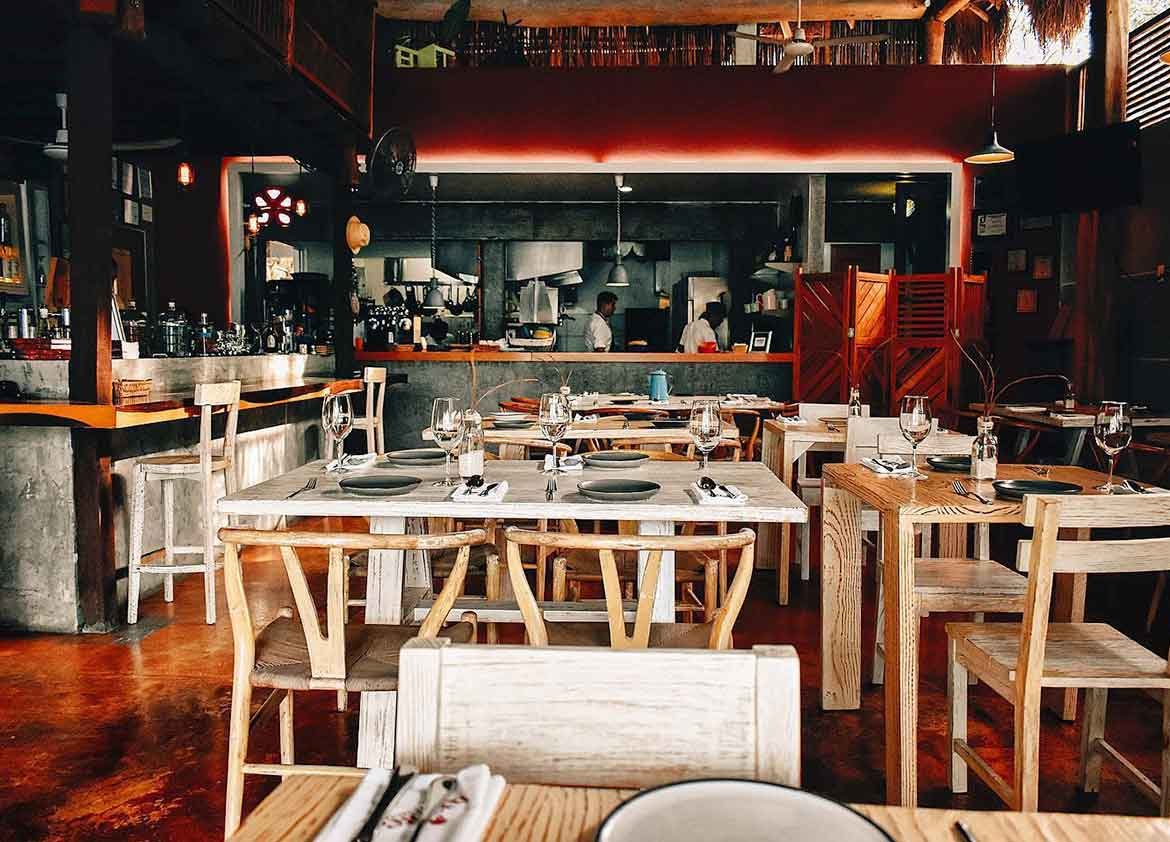
Cozy and relaxed atmosphere with warm lighting, soft music, and a home-like feel that comforts and connects diners.