Makimori
Our verdict
Makimori sits in Playa del Carmen's Zazil-ha neighbourhood, where the Riviera Maya's dining scene has quietly grown beyond its resort-strip reputation. With the Yucatán Peninsula producing a distinct culinary tradition and the Caribbean coast drawing increasingly serious kitchens, Makimori occupies a position worth understanding in relation to the broader Mexican dining conversation now happening along this coastline.

Pearl is the En Primeur Club membership app, where members save venues, book tables and use the concierge.
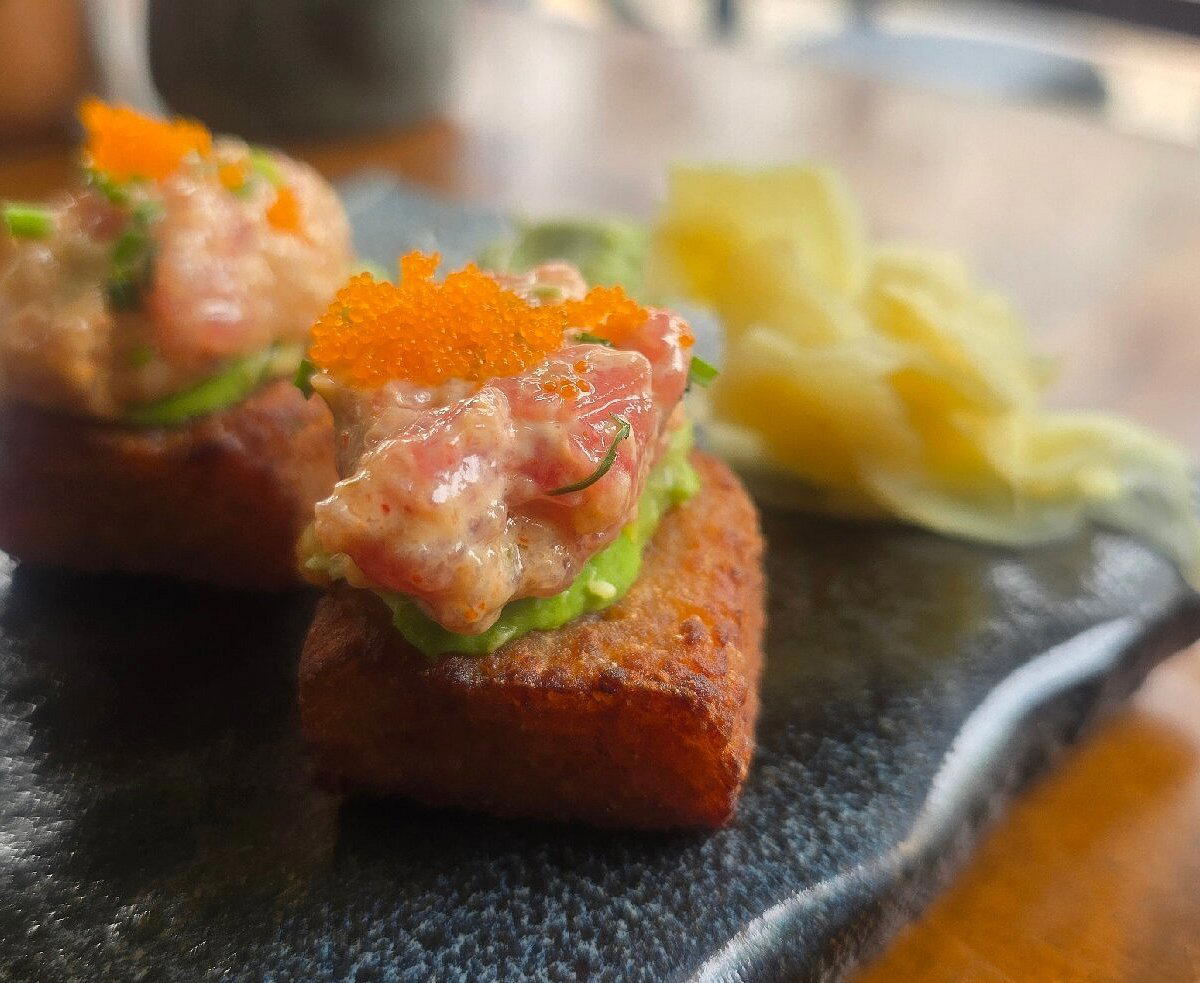
The menu
What to order
- Rib Eye Nagari
- Dragon Roll
- Toro Sashimi
- Crispy Salmon Rice
- Soft Shell Crab
Where Playa del Carmen's Dining Scene Finds Its Footing
Playa del Carmen has spent the last decade arguing with itself about what kind of food destination it wants to be. The tourist-facing strip along Quinta Avenida still pulls the majority of foot traffic toward frozen margaritas and queso fundido served to sunburned crowds, but a different category of restaurant has been consolidating in the residential and semi-local neighbourhoods that bracket the centre. Zazil-ha, where Makimori is addressed, sits in that transitional zone: close enough to the tourist corridor to attract visitors who are paying attention, far enough removed to draw a more local-leaning, repeat-visit crowd. In a city where the dining room often tells you more about who a restaurant is for than the menu does, neighbourhood placement is a meaningful signal.
The Riviera Maya coastline has developed something of a two-speed dining pattern. At the higher end, all-inclusive resort properties have invested in credentialled creative kitchens, with Le Chique in Puerto Morelos representing the most discussed example of that model: a tasting-menu format attached to a resort context, drawing a destination-dining audience that extends well beyond hotel guests. At the independent end, a smaller cluster of operators has been building more grounded, ingredient-led programmes that reference Yucatecan and broader Mexican traditions without leaning on the molecular-gastronomy theatrics that defined the region's premium tier a decade ago.
The Booking Question: How to Approach Makimori
The practical reality of dining in Playa del Carmen at this level is that the planning window matters. The city's restaurant ecosystem is smaller than its tourist volume would suggest, and the kitchens worth seeking out operate at limited capacity relative to the number of visitors arriving each week from North America and Europe. That imbalance means that the most considered tables can fill quickly, particularly during the December-to-April high season when the Yucatán coast draws its heaviest inbound travel. For Makimori, with a Zazil-ha address that places it slightly off the main tourist routing, the recommendation is to treat booking as part of the pre-trip research rather than an on-the-night decision.
Playa del Carmen's better independent restaurants often respond faster to Spanish-language inquiries, a practical detail worth noting for non-Spanish-speaking visitors who are relying on a concierge to bridge the gap. Timing your visit outside the peak holiday windows, particularly around Christmas, Semana Santa, and the major American long weekends, will generally improve both availability and the quality of the experience in the room.
Playa del Carmen's restaurant market runs a fairly compressed price range by international standards, with the premium tier represented by venues like HA', which works Mexican cuisine at the higher end of the local price bracket, and Alux Restaurante, which occupies a long-running position in the city's fine-dining conversation. In the mid-market, Axiote Cocina de Mexico has built a following for its approach to regional Mexican cooking at an accessible price point, while Asadero El Pollo and Babe's Noodles and Bar address different parts of the casual dining demand. Makimori's positioning within that spread is leading understood once you have confirmed current pricing and format directly with the restaurant, since the city's independent dining scene adjusts more fluidly to seasonal conditions than the resort-attached venues do.
For the wider Mexican dining conversation, the reference points that matter most are the kitchens that have redefined what serious cooking looks like outside Mexico City. Pujol remains the benchmark against which Mexican fine dining is measured internationally, but the more instructive comparisons for a Riviera Maya kitchen may be venues like Huniik in Merida, which works Yucatecan tradition at a serious level, or Levadura de Olla in Oaxaca, where the emphasis on regional grain and fermentation culture has influenced kitchens across the country. The question for any Playa del Carmen restaurant operating above the tourist-volume tier is how specifically it engages with the Yucatán's distinct ingredient base, which includes annatto, habanero, sour orange, and a range of endemic squash and legume varieties that don't travel well and reward kitchens that source close to home.
Dietary Needs and Allergy Communication
Across the Riviera Maya's independent restaurant sector, allergy and dietary communication is handled with varying degrees of formality. The established resort kitchens, operating under international hospitality standards, tend to have structured protocols. Independent restaurants in neighbourhoods like Zazil-ha are more variable, and the safest approach is to communicate dietary requirements at the point of booking rather than on arrival. Playa del Carmen's kitchen teams are generally responsive to dietary needs, particularly for the most common categories of restriction, but the specific protocols at Makimori should be confirmed directly before your visit.
Makimori in the Context of Mexico's Broader Restaurant Moment
The Riviera Maya sits in an interesting position relative to Mexico's current dining conversation. The kitchens drawing international attention are concentrated in Mexico City, Oaxaca, and increasingly in Guadalajara, where venues like Alcalde have built programmes that attract serious food travel from North America and Europe. In the north, KOLI Cocina de Origen in Monterrey and Pangea in San Pedro Garza Garcia represent a northern Mexican dining seriousness that rarely gets adequate coverage in international food media. On the Baja peninsula, Animalón in Valle de Guadalupe and Olivea Farm to Table in Ensenada have developed a wine-country dining culture that competes with international reference points. Against all of that, the Yucatán Peninsula's contribution has been somewhat underrepresented, which makes the independent kitchens building genuine programmes in cities like Playa del Carmen and Merida worth watching closely. For international visitors more accustomed to destination dining at the level of Le Bernardin or Atomix, the Riviera Maya's premium independent tier will feel accessible in format and price, which is part of its appeal.
Planning Your Visit
Makimori's address in Zazil-ha, Playa del Carmen, places it in the 77720 postal zone, which sits north of the main tourist district and is reachable by taxi or rideshare from anywhere along the hotel zone in under fifteen minutes. The most practical approach is to verify current hours, booking availability, and any menu format details directly with the restaurant before your trip, since independent venues in this market adjust their operations seasonally. For a fuller picture of what the city's dining scene offers at every price point and cuisine category, the EP Club Playa del Carmen restaurants guide covers the field in more depth and is updated to reflect current openings and closures. Similarly, Lunario in El Porvenir offers a useful reference point for the kind of wine-country dining that has been developing in northern Mexico, for visitors building a longer Mexico itinerary around serious food.
Frequently asked questions
What part of town is Makimori in?
Makimori is located at 77720, Zazil-ha, 77720 Playa del Carmen, Q.R. Mexico, Playa Del Carmen.
Is Makimori a good option for visitors staying outside the Zazil-ha area of Playa del Carmen?
Makimori's address in the 77720 postal zone places it north of the Quinta Avenida tourist district, reachable by taxi or rideshare from most Playa del Carmen accommodation in under fifteen minutes. Zazil-ha has developed as a quieter dining cluster distinct from the main strip, which makes the short transfer worthwhile for visitors looking to eat outside the tourist-facing concentration. Factor in return transport when planning an evening visit, as pedestrian routes from the zone back toward central Playa del Carmen are less straightforward after dark.
What should I order at Makimori?
The most reliable approach is to check the venue's official channels before visiting. Zazil-ha restaurants in Playa del Carmen's 77720 zone tend to operate with tighter, more focused menus than the tourist-strip volume kitchens, which typically means the kitchen's current offerings are worth asking about when you book.
How far ahead should I plan for Makimori?
Playa del Carmen's high season runs December through April, with sharp demand spikes around Christmas, Semana Santa, and US public holidays. Restaurants in the Zazil-ha district, north of the main tourist corridor, draw a more local and repeat-visitor crowd, which means tables at well-regarded spots fill faster than their low-profile addresses suggest. Booking at least one to two weeks ahead during peak periods is a reasonable baseline; same-week availability is more realistic in the May-to-November shoulder season.
What's Makimori best at?
No award data or confirmed menu record is publicly available to substantiate a category claim. What the Zazil-ha address does confirm is a positioning outside Playa del Carmen's heavily touristed Quinta Avenida corridor, which in this market typically signals a kitchen oriented toward repeat local diners rather than one-time visitors. That distinction tends to produce more consistent cooking than the tourist-strip volume model, though direct verification from current guests or the venue itself is the surest check.
How does Makimori handle allergies?
No phone number or website is confirmed in current public records for Makimori, which limits remote communication options. Across Playa del Carmen's independent restaurant sector, allergy handling varies considerably, and the Zazil-ha address puts this outside the large resort-hotel infrastructure that typically has standardized allergy protocols. Arriving early and speaking directly with staff before being seated is the most reliable approach, particularly for severe or anaphylactic-level restrictions.
Comparable Spots, Quickly
Comparable venues nearby, for context on price, style, and recognition.
| Venue | Cuisine | Price | Notes |
|---|---|---|---|
| MakimoriThis venue (the venue you are viewing) | Authentic Japanese Nigiri Bar | $30–50 | Not listed |
| Sr. Godzilla Playa del Carmen | Asian Street Food Fusion | $30–50 | 2300800010067 |
| Kobma | Modern Asian Fusion | $20–30 | 2300800010033 |
| Rolandis Playacar | Italian Pizzeria | $30–50 | 2300800010809 |
| XAL | Manila Galleon Fusion: Mexican-Filipino-Basque Tasting Menu | Not listed | Rancho Xcaret |
| Peccato Exclusive Rooftop | Italian Rooftop with Mediterranean Influences | $30–50 | 2300800011012 |
Continue exploring
More in Playa del Carmen
Restaurants in Playa del Carmen
All restaurants in Playa del Carmen →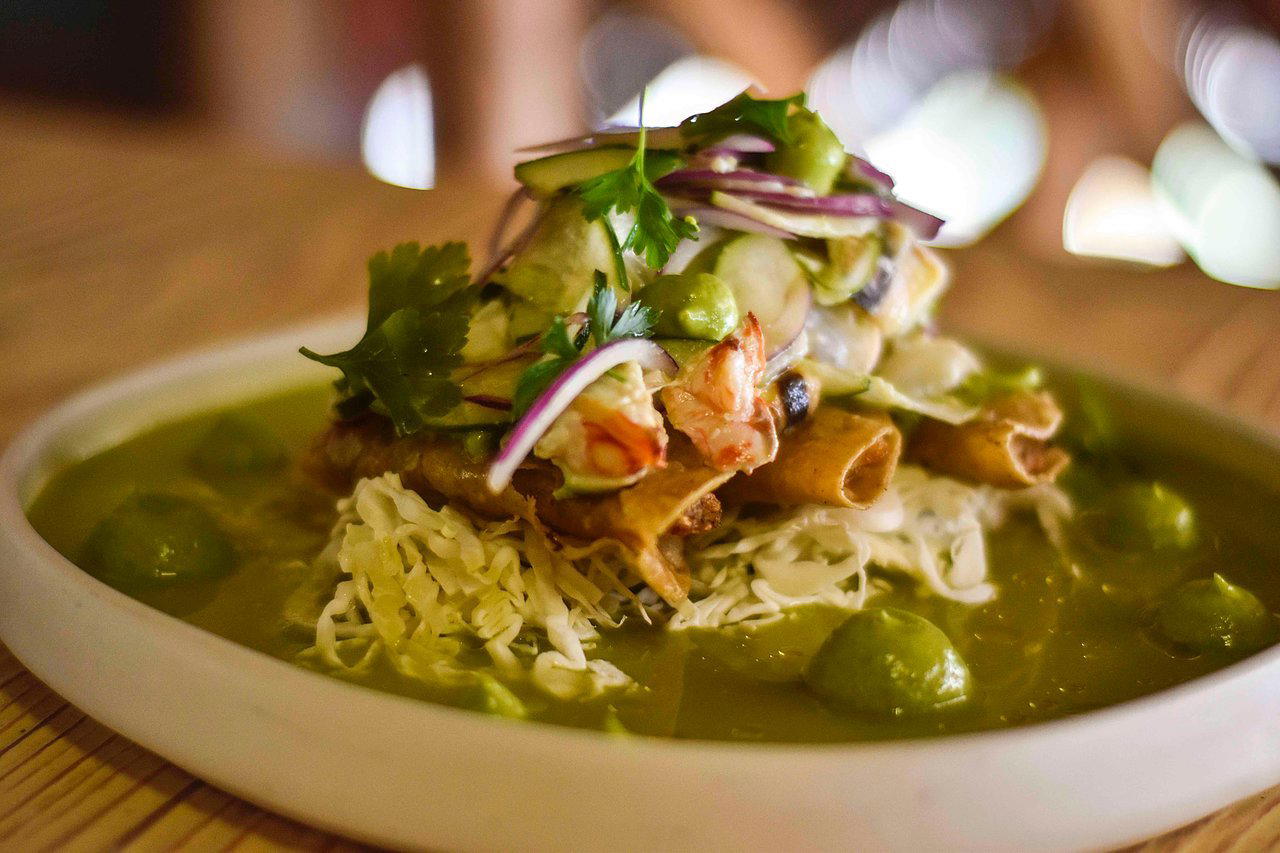
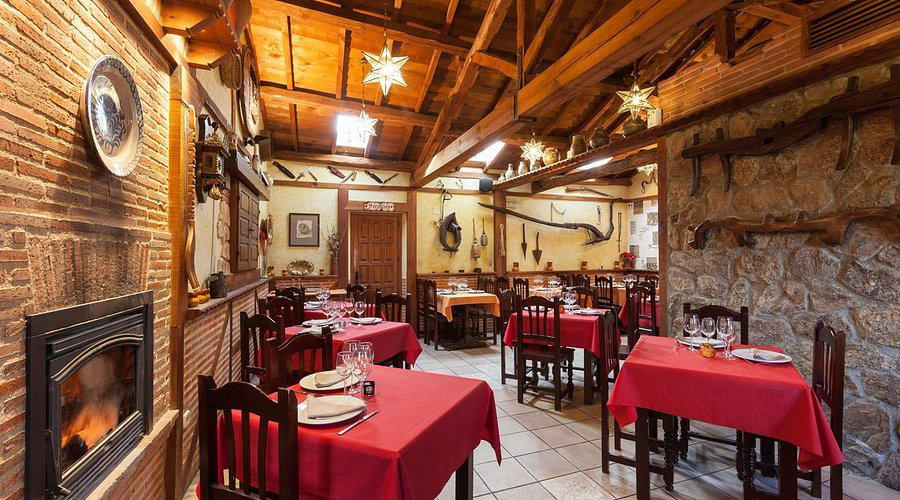
Bars in Playa del Carmen
All bars in Playa del Carmen →
Details
- Cozy
- Modern
- Intimate
- Date Night
- Special Occasion
- Terrace
- Sake Program
- Craft Cocktails
- Street Scene
- A La Carte
- Small Plates
- Sake
- Cocktails
- Vegetarian Friendly
- Vegan Options
- Gluten Free Options
Current opening hours
- Monday
- 2–11 PM
- Tuesday
- 2–11 PM
- Wednesday
- 2–11 PM
- Thursday
- 2–11 PM
- Friday
- 2–11 PM
- Saturday
- 2–11 PM
- Sunday
- 2–11 PM
Hours can change for holidays and private events. Hours as of .
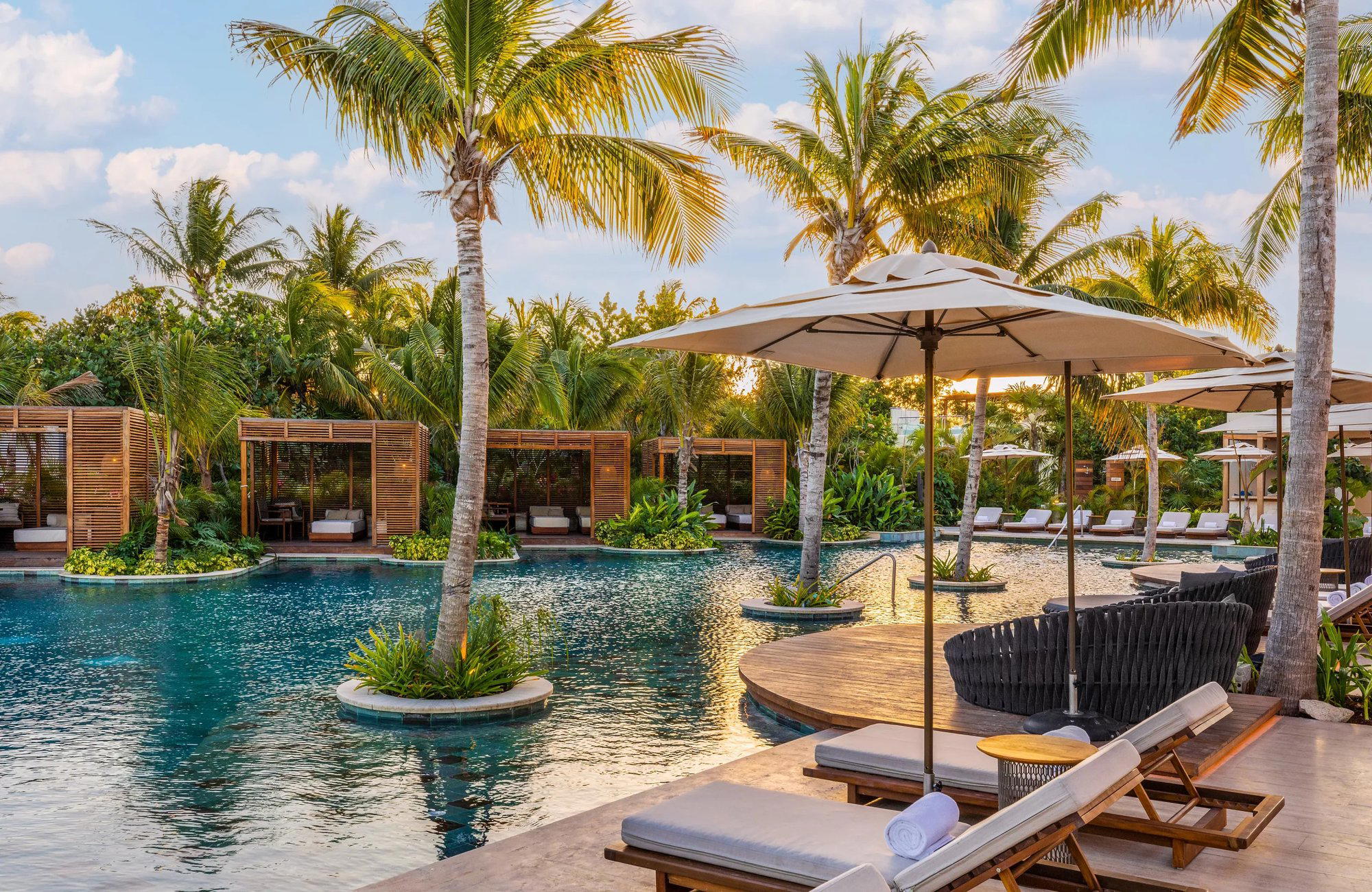
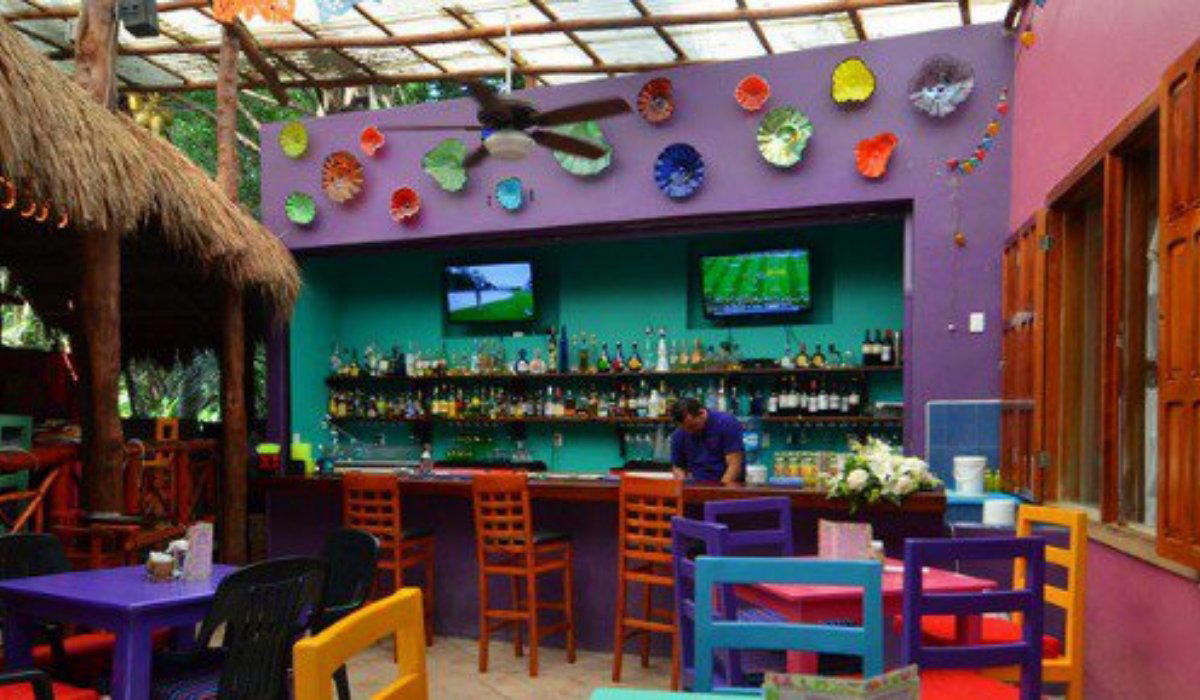
Warm, inviting, and cozy atmosphere with lounge vibes on the terrace, described as quiet by diners.