Estero
.png?width=120&quality=80)

La Liste Top Restaurants · AAA 5 Diamond
Our verdict
Earning both a La Liste 2025 placement (75 points) and AAA 5 Diamond recognition, Estero brings serious formal credentials to Playa del Carmen's Mexican dining scene. Located on Boulevard Playa del Carmen, it operates in the upper tier of the Riviera Maya's restaurant market, where street-rooted Mexican traditions meet structured, kitchen-driven technique..

Pearl is the En Primeur Club membership app — saves, bookings, and concierge access live there. Same editors, same standards.
- Address
- Estero, Boulevard Playa del Carmen, 77710 Playa del Carmen, ROO, Mexico
- Website
- laliste.com
- Directions
- Get directions
The menu
What to order
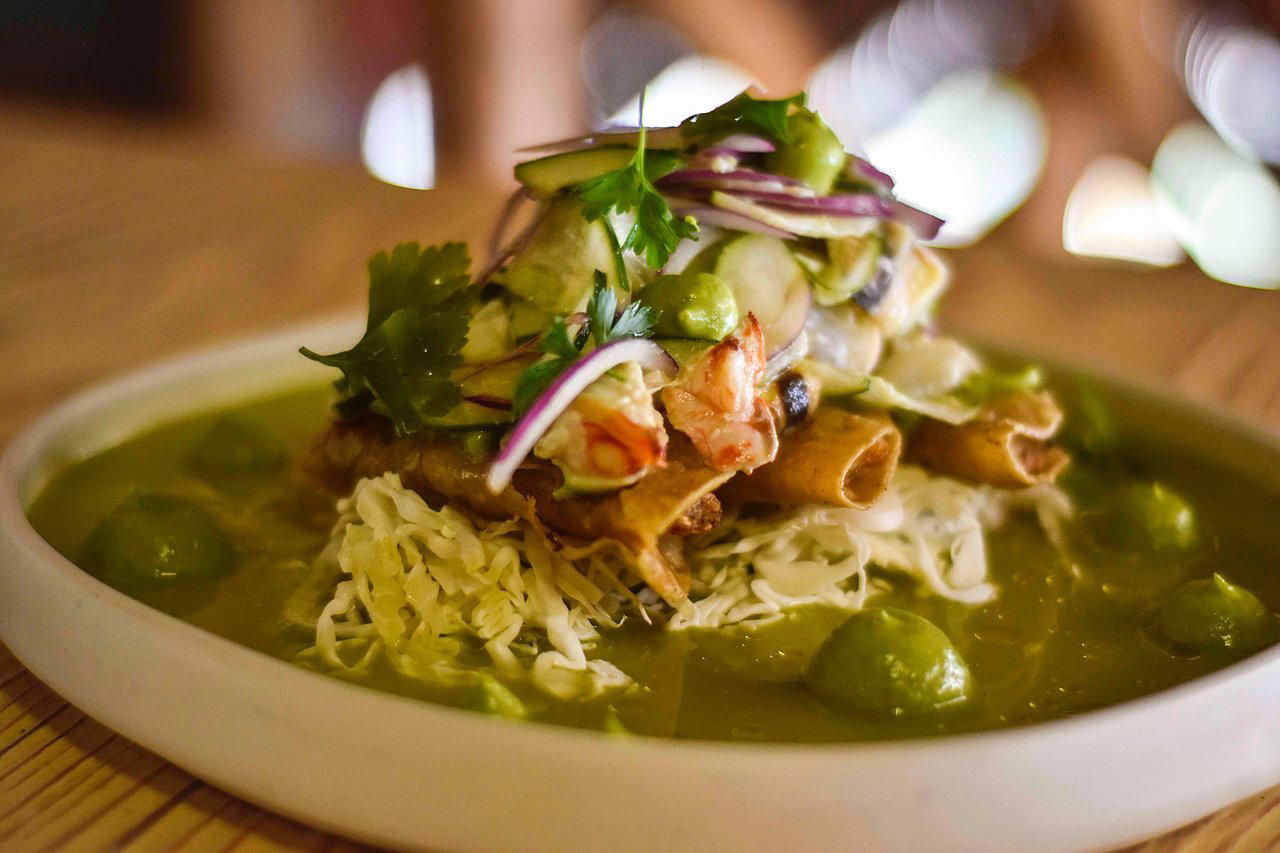
- Coastal Ceviche
- Smoked Seafood Plate
- Amazon Forage Course
Where Playa del Carmen's Formal Dining Tier Takes Shape
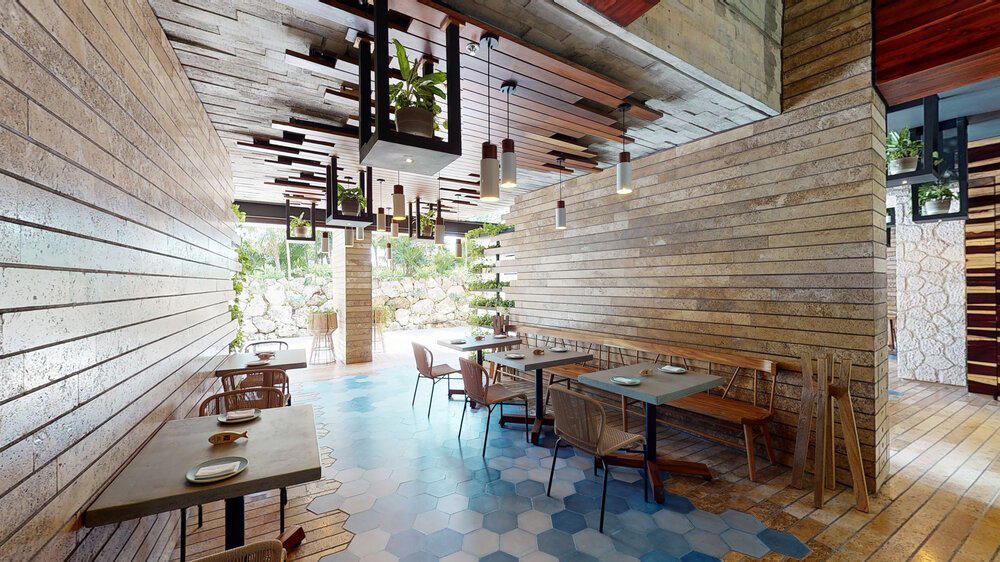
The boulevard approach to Estero sets the register immediately. This is not the strip-side casualness of a palapa taqueria or the open-air looseness of a beachfront grill. The setting signals intention before a dish arrives, placing Estero firmly within the tier of Riviera Maya restaurants where physical environment and culinary ambition operate as a matched pair. In a coastal corridor where dining ranges from single-dollar tacos al pastor to multi-course modernist menus, that positioning matters as a first piece of information for the guest deciding how to spend an evening.
That range is worth understanding as context. Playa del Carmen's restaurant market has stratified over the past decade into at least four distinct price tiers, each with its own competitive logic. At the entry level, places like El Fogón define what the region does with accessible, high-volume Mexican cooking. In the mid-market, Axiote Cocina de Mexico works with regional Mexican references in a sit-down format. At the formal end, HA', which holds a Michelin star, represents the territory where tasting menus and fine-dining technique converge.
Street Food as the Foundation, Not the Ceiling
Mexican cuisine's most enduring structural argument is that its foundational formats — the taco, the tostada, the torta — already constitute complete culinary ideas. The masa base, the layering of fat, acid, and heat, the interplay between cooked protein and raw garnish: these are not simple preparations that require refinement to become serious food. They are already serious food. What changes in a formal restaurant context is not the logic of the dish but the resolution at which it is executed.
This distinction matters because it separates the stronger entries in Mexico's refined dining tier from the weaker ones. Restaurants that treat street-food formats as raw material to be transformed into something unrecognisably different tend to lose the coherence that made those formats compelling. The ones that work, from Pujol in Mexico City to Levadura de Olla in Oaxaca, operate on a different principle: they increase the precision of the technique and the quality of the sourcing without abandoning the structural grammar that gives Mexican cooking its identity. A tostada at this level is still a tostada. The tortilla is better, the topping more carefully calibrated, the balance of textures more considered. The form survives; the execution deepens.
Estero's positioning within Mexican cuisine follows this logic. The AAA 5 Diamond designation, which evaluates service, physical environment, and culinary consistency across a rigorous multi-visit inspection process, indicates that the kitchen is operating with the kind of repeatability that formal dining demands. La Liste's scoring, which aggregates critical assessments from multiple sources internationally, reinforces the picture. A 75-point score in La Liste's 2025 edition places Estero in recognised territory at the national level, within a cohort of Mexican restaurants that includes properties like Le Chique in Puerto Morelos, which has its own long-standing critical presence in the Riviera Maya, and KOLI Cocina de Origen in Monterrey.
The Riviera Maya's Formal Mexican Register
Playa del Carmen sits in a section of the Yucatán Peninsula where hospitality infrastructure has been built at scale around international resort tourism, which creates both an opportunity and a tension for serious Mexican cooking. The opportunity is an audience with high spending capacity and time to sit for longer meals. The tension is that the same audience often arrives with limited familiarity with regional Mexican culinary traditions, which can push kitchens toward a smoothed-out, broadly appealing version of the cuisine rather than one rooted in specific geographic and cultural reference points.
The restaurants that have built lasting critical reputations along this coast have generally resolved that tension by committing to the cuisine's own internal logic, even when serving an international guest base. Cocina de Autor Riviera Maya approaches it through creative technique. Bu'ul takes a more ingredient-driven approach.
For comparison, the elevation of Mexican street-food formats in formal settings is a national movement with critical mass. Animalón in Valle de Guadalupe and Lunario in El Porvenir work through this same logic in Baja California's wine country. Even in the United States, where Mexican culinary traditions travel with their own constraints, places like Carnitas Uruapan in Chicago and Burritos La Palma in Los Angeles demonstrate how deeply the foundational formats hold their structural integrity across contexts. What Estero represents is the Riviera Maya's contribution to that national conversation.
Planning Your Visit
Estero is located on Boulevard Playa del Carmen in the 77710 postal zone, which places it within the main hotel and commercial corridor of the city rather than on Quinta Avenida's pedestrian strip. That distinction is worth noting for logistics: boulevard addresses tend to be more accessible by vehicle and better connected to the resort zone than the pedestrian-only sections of town. Booking practices, current hours, and specific pricing are best confirmed through direct contact, as this information is not publicly listed at time of writing. Given the venue's dual award recognition in 2025, demand during high season (December through March and July through August) is likely to warrant advance planning. Guests building a broader Playa del Carmen itinerary will find additional context in our full Playa del Carmen restaurants guide, as well as the hotels guide, bars guide, wineries guide, and experiences guide for the region.
Frequently asked questions
What's the address for Estero?
Estero is located at Estero, Boulevard Playa del Carmen, 77710 Playa del Carmen, ROO, Mexico, Playa del Carmen.
Is Estero award-winning?
Estero has received recognition including: La Liste Top Restaurants (2025): 75pts; AAA 5 Diamond (2025).
What's the must-try dish at Estero?
No single dish has been publicly documented with enough consistency to name with confidence. What the record does establish is that Estero earned La Liste Top Restaurants recognition in 2025 with 75 points alongside AAA 5 Diamond status — both indicators of a kitchen operating at a defined standard within Mexican cuisine. That points toward structured, composed cooking rather than casual formats, so the tasting or chef's selection menu, if offered, is likely where the kitchen's position is most clearly stated.
What's the best way to book Estero?
No direct website or phone number is publicly listed for Estero at this stage. The most reliable approach is an in-person inquiry at the Boulevard Playa del Carmen address in the 77710 corridor, or contact through the hotel or resort property the restaurant is associated with. Given the AAA 5 Diamond recognition, the concierge desk of any major property on the same boulevard should be able to facilitate a reservation.
Recognition Snapshot
| Venue | Cuisine | Price | Awards | Notes |
|---|---|---|---|---|
| EsteroThis venue — the venue you are viewing | Mexican-Peruvian Tasting Menu | Not listed | La Liste Top Restaurants · AAA 5 Diamond | Not listed |
| HA' | Modern Mexican Fine Dining | $150–200 | 1 Michelin Star · La Liste Top Restaurants | Mexican |
| Axiote Cocina de Mexico | Modern Mexican Cocina | $30–50 | Michelin Bib Gourmand | Not listed |
| Cocina de Autor Riviera Maya | Avant-Garde Molecular Fusion Tasting | $150–200 | 1 Michelin Star · La Liste Top Restaurants | Not listed |
| El Fogón | Authentic Mexican Taqueria | $10–20 | Michelin Plate | Not listed |
| KI'IS | Contemporary Mexican with Mayan Accent | $150–200 | Michelin Plate | Not listed |
Recognition history
Dated appearances from independent guides and award organizations, with the underlying list record or original source where available.
La Liste Top Restaurants
La Liste
AAA 5 Diamond
AAA
Continue exploring
More in Playa del Carmen
Restaurants in Playa del Carmen
Browse all →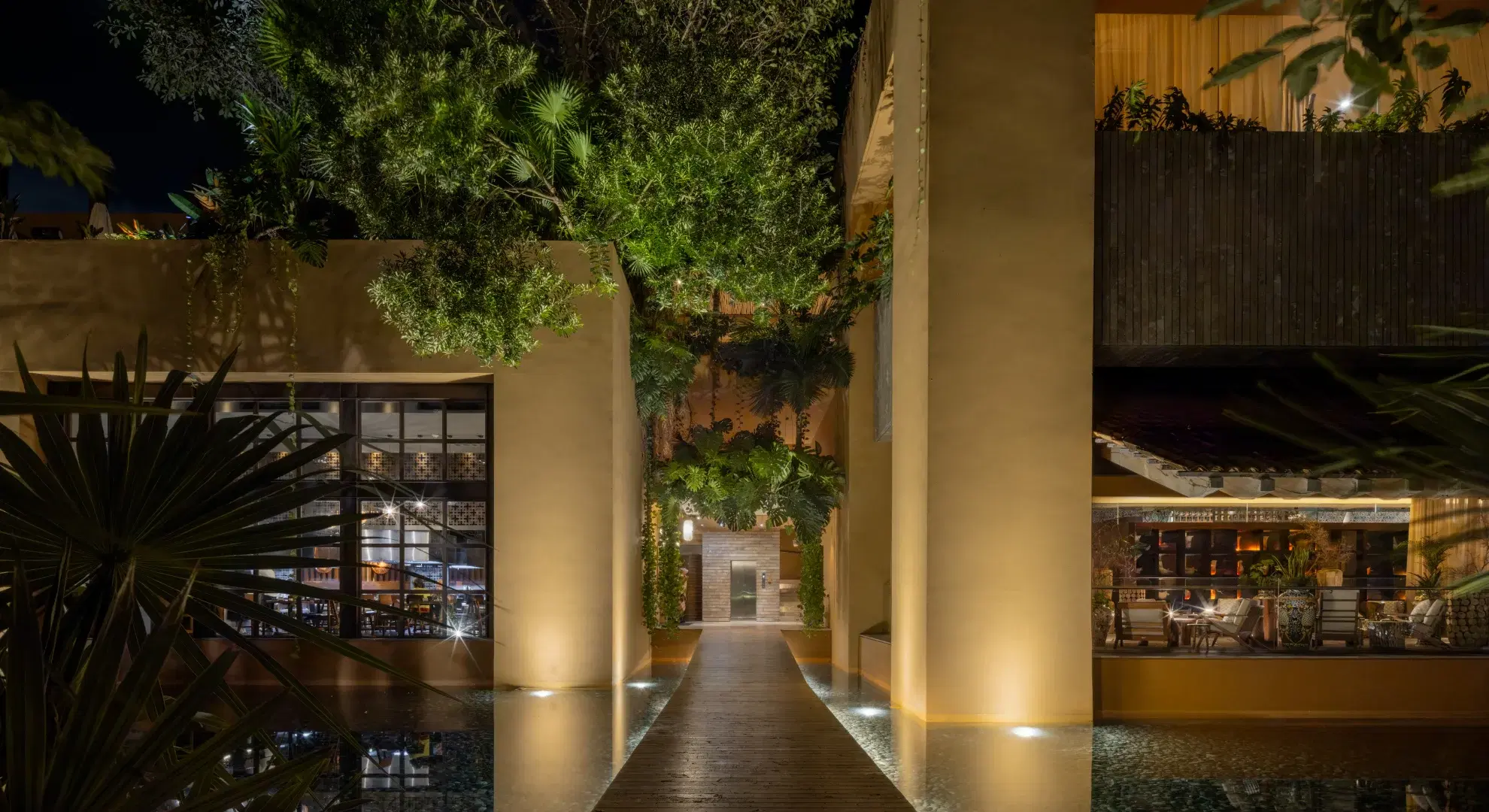
Bars in Playa del Carmen
Browse all →
Details
- Intimate
- Elegant
- Sophisticated
- Special Occasion
- Date Night
- Hotel Restaurant
- Extensive Wine List
- Local Sourcing
- Sustainable Seafood
- Tasting Menu
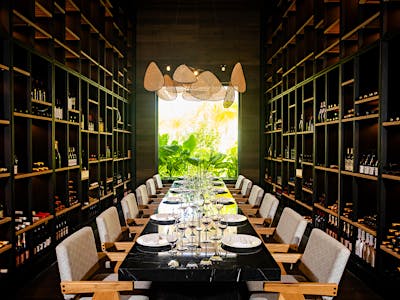
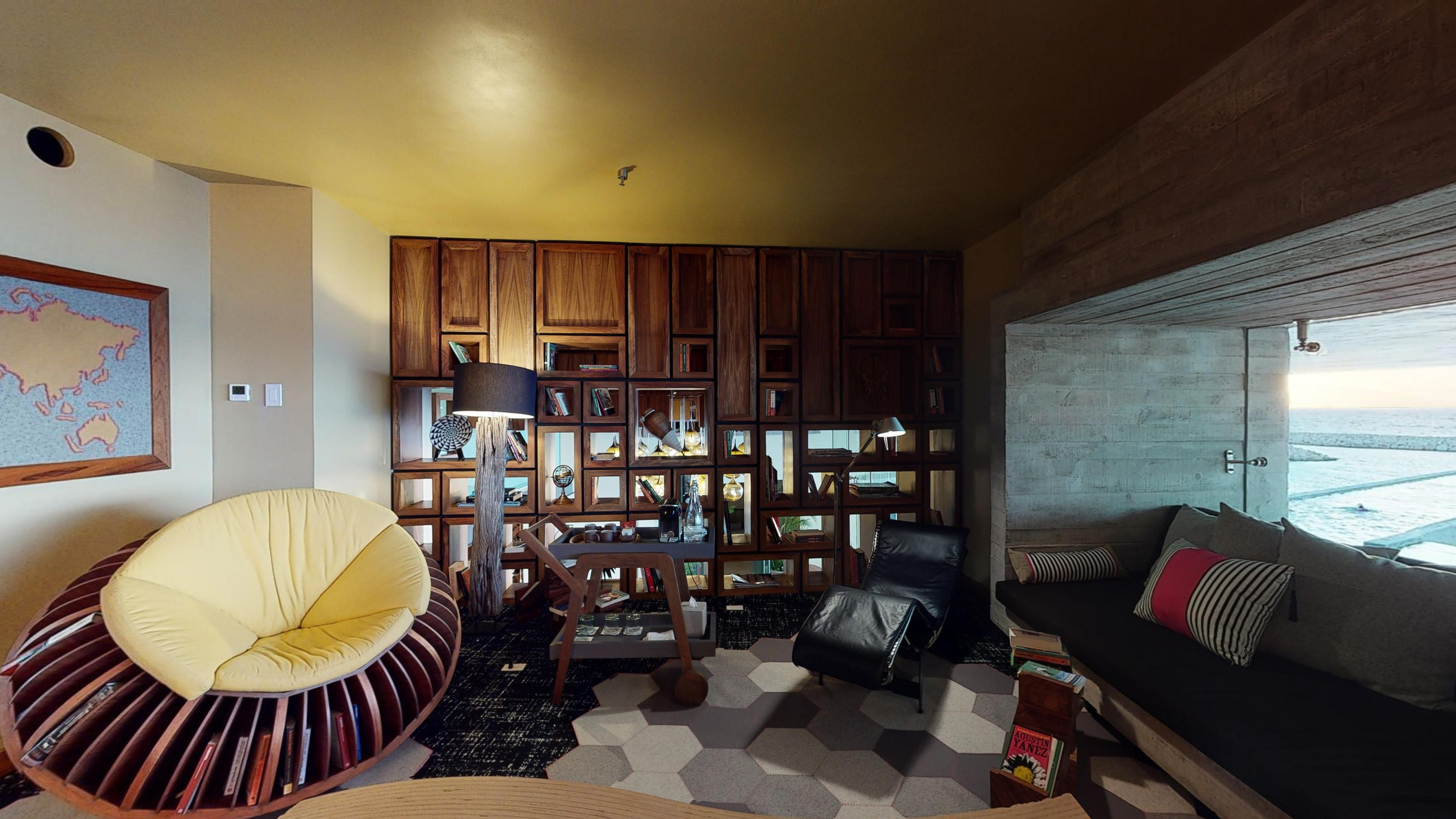
Intimate dining room with low lighting, warm woods, textured fabrics, and plant accents evoking coast and jungle.