La Perla Pixan Cuisine & La Carboneria
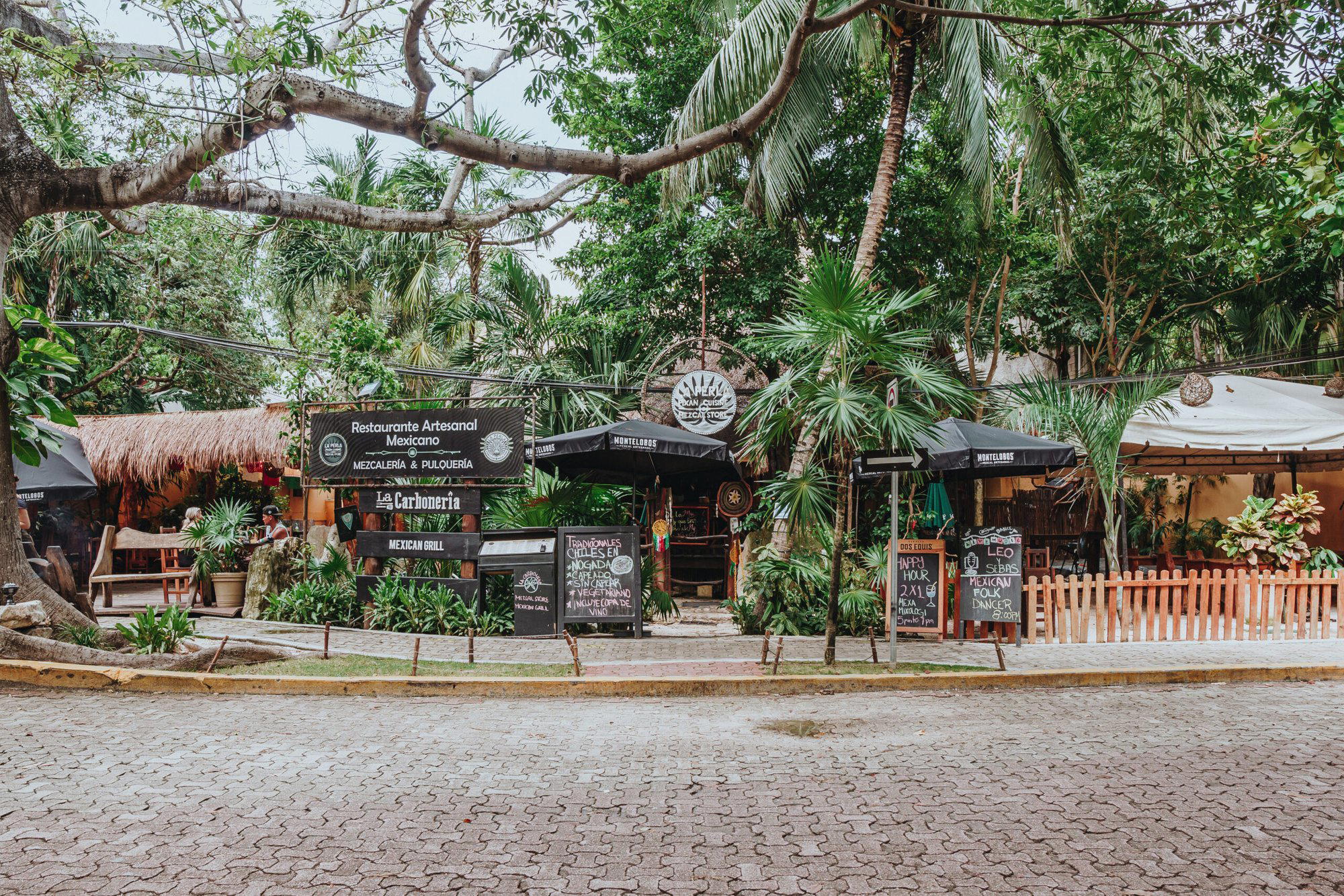
On a block between Quinta Avenida and the beach in Playa del Carmen's Gonzalo Guerrero neighbourhood, La Perla Pixan Cuisine and La Carboneria brings Mayan culinary tradition into a contemporary dining format. The dual concept explores pre-Hispanic ingredients and technique alongside live-fire cooking, placing it within a growing tier of Riviera Maya restaurants treating indigenous foodways as a serious editorial subject rather than a decorative theme.
 Discover on Pearl
Pearl is the En Primeur Club membership app — saves, bookings, and concierge access live there. Same editors, same standards.
- Address
- Calle 38 Norte Entre 5ta y la playa, Gonzalo Guerrero, 77720 Playa del Carmen, Q.R., Mexico
- Phone
- +52 984 120 2616
- Website
- laperlacarboneria.com
Where Mayan Foodways Meet the Riviera Maya Dining Scene
Calle 38 Norte sits one block north of the tourist corridor's heaviest foot traffic, close enough to the beach that the air carries salt, far enough from Quinta Avenida's main drag that the pace drops noticeably. It is in this transitional zone of Gonzalo Guerrero that La Perla Pixan Cuisine and La Carboneria operates, a dual-concept address that puts pre-Hispanic Mayan culinary tradition and live-fire cooking under one roof. The physical setting matters because context in Playa del Carmen is everything: the strip rewards volume, and restaurants that survive off it tend to do so because the food earns its own reputation independent of foot traffic.
The Riviera Maya has spent the better part of two decades defining itself as a serious dining region rather than a resort ancillary. That shift accelerated with international recognition landing at properties like Le Chique in Puerto Morelos and with Tulum's ingredient-forward movement, exemplified by kitchens like Arca in Tulum, making indigenous produce and technique central rather than decorative. La Perla Pixan sits inside that broader regional shift, with the word pixan itself signalling intent: in Yucatec Maya, it refers to the soul or animating spirit, a name that frames the kitchen's relationship to its source material as something more considered than surface-level regionalism.
Pixan Cuisine and the Politics of Pre-Hispanic Cooking
Across Mexico, the most consequential dining conversation of the past decade has not been about technique or theatre. It has been about legitimacy: whose foodways get taken seriously, which ingredients get promoted from peasant staples to fine-dining centrepieces, and which kitchens are doing the work to understand provenance rather than simply borrowing aesthetics. Pujol in Mexico City opened that conversation at scale; Levadura de Olla Restaurante in Oaxaca grounds it in a specific regional tradition; and kitchens across northern Mexico, from KOLI Cocina de Origen in Monterrey to Pangea in San Pedro Garza Garcia, have built reputations around locating cuisine precisely in place and lineage.
La Perla Pixan operates in the Yucatecan chapter of that same conversation. Mayan cuisine is one of Mesoamerica's most distinct culinary traditions, shaped by the milpa agricultural system, by recado spice pastes, by cochinita pibil slow-cooked in underground pits, by achiote, chaya, habanero, and a pharmacopoeia of chiles that do not appear on most menus north of the peninsula. The challenge for any kitchen claiming this lineage is the gap between invoking it and actually knowing it, and Playa del Carmen has no shortage of restaurants that invoke it. The dual format here, pairing Pixan cuisine with La Carboneria's live-fire cooking, suggests a kitchen interested in technique as much as tradition: open-flame cooking and pit-based Mayan methods share a fundamental logic around heat, time, and smoke, even if their culinary genealogies differ.
For comparison within Playa del Carmen's Mexican dining tier, HA' (Mexican) operates at the leading price bracket with a polished contemporary format, while Axiote Cocina de Mexico addresses a more accessible price point with regional Mexican cooking. La Perla Pixan carves a different position: culturally specific rather than broadly regional, with La Carboneria adding a live-fire dimension that gives the concept two distinct but related registers.
The Carboneria Dimension: Live Fire as Method and Context
Live-fire cooking has moved from niche affectation to established format across serious dining internationally. Kitchens from Le Bernardin in New York City to Lazy Bear in San Francisco have each staked out positions relative to this shift, even when flame is not their primary tool. In the Mexican context, la carboneria, a charcoal-cooking tradition, connects directly to asador culture and to the northern and central Mexican traditions of open-fire meat preparation, visible at direct local formats like Asadero El Pollo and in more considered iterations at restaurants like Animalón in Valle de Guadalupe or Alcalde in Guadalajara.
Pairing La Carboneria with Pixan cuisine under one address is a legible editorial choice: both formats prioritise heat as transformation rather than heat as mere cooking mechanism. Mayan pit cooking, with its reliance on indirect heat and long cook times, and carboneria's direct charcoal contact produce different flavour results but share a foundational logic. That conceptual coherence gives the dual concept more internal logic than a simple two-restaurant format would suggest.
Playa del Carmen Context: Where This Address Sits
Playa del Carmen's dining scene has diversified significantly beyond its resort-facing origins. The Gonzalo Guerrero neighbourhood, which encompasses the area between the beach and Quinta Avenida north of the main tourist zone, has attracted a cluster of restaurants with stronger local and regional credentials. The area rewards walking rather than planning: several good options exist in proximity, including the subterranean cave setting of Alux Restaurante and casual international options like Babe's Noodles and Bar. For anyone building a multi-day eating itinerary, the full Playa del Carmen restaurants guide maps the city's dining tiers in detail.
The Riviera Maya's broader culinary ambitions also extend inland and down the coast. Lunario in El Porvenir and Olivea Farm to Table in Ensenada represent the farm-proximity model that has gained traction across Mexico's serious dining tier. La Perla Pixan's approach is more tradition-anchored than farm-anchored, which positions it differently within the regional conversation.
Planning a Visit
La Perla Pixan Cuisine and La Carboneria is located on Calle 38 Norte between Quinta Avenida and the beach in the Gonzalo Guerrero district of Playa del Carmen, Quintana Roo. The address is walkable from both the main strip and the beach, making it accessible from most accommodation in the northern part of the city centre.
- pozole verde
- chile relleno
- tacos gobernador
- cochinita pibil
- chapulines
- mole
Budget and Context
Comparable venues nearby, for context on price, style, and recognition.
| Venue | Cuisine | Price | Awards | Notes |
|---|---|---|---|---|
| La Perla Pixan Cuisine & La CarboneriaThis venue — the venue you are viewing | $$$ | , | ||
| CATALINA Restaurante | $$$ | , | 2300800011012, Contemporary Mexican Cocina de Madre | |
| Kascabal | $$$ | , | 2300800010033, Mayan-Inspired Seafood Fusion | |
| Chiltepin Marisquillos | Centro, Mexican Seafood | $$ | , | |
| Las Hijas de la Tostada - Calle 38 | $$ | , | 2300800011012, Modern Mexican Seafood Tostadas | |
| La Vagabunda | $$ | , | 2300800010067, Mexican Fusion |
Continue exploring
More in Playa del Carmen
Restaurants in Playa del Carmen
Browse all →
Bars in Playa del Carmen
Browse all →
At a Glance
- Rustic
- Lively
- Bohemian
- Cozy
- Hidden Gem
- Celebration
- Group Dining
- Date Night
- Casual Hangout
- Special Occasion
- Live Music
- Garden
- Open Kitchen
- Private Dining
- Craft Cocktails
- Beer Program
- Local Sourcing
- Farm To Table
- Garden
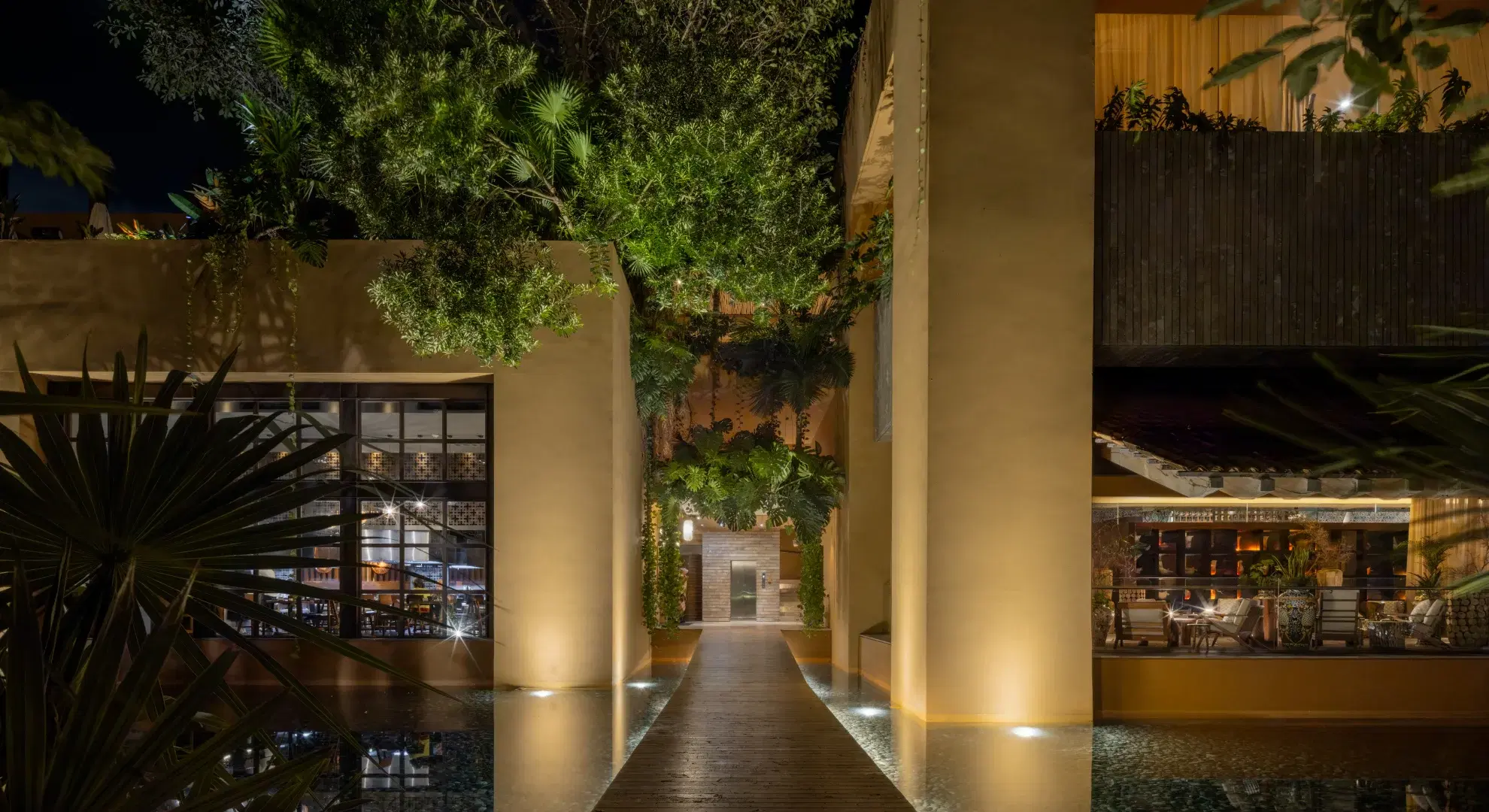
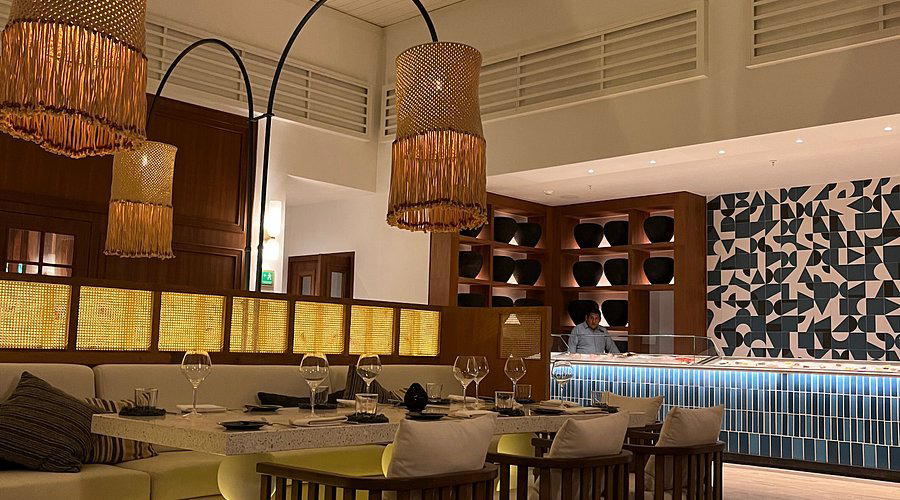
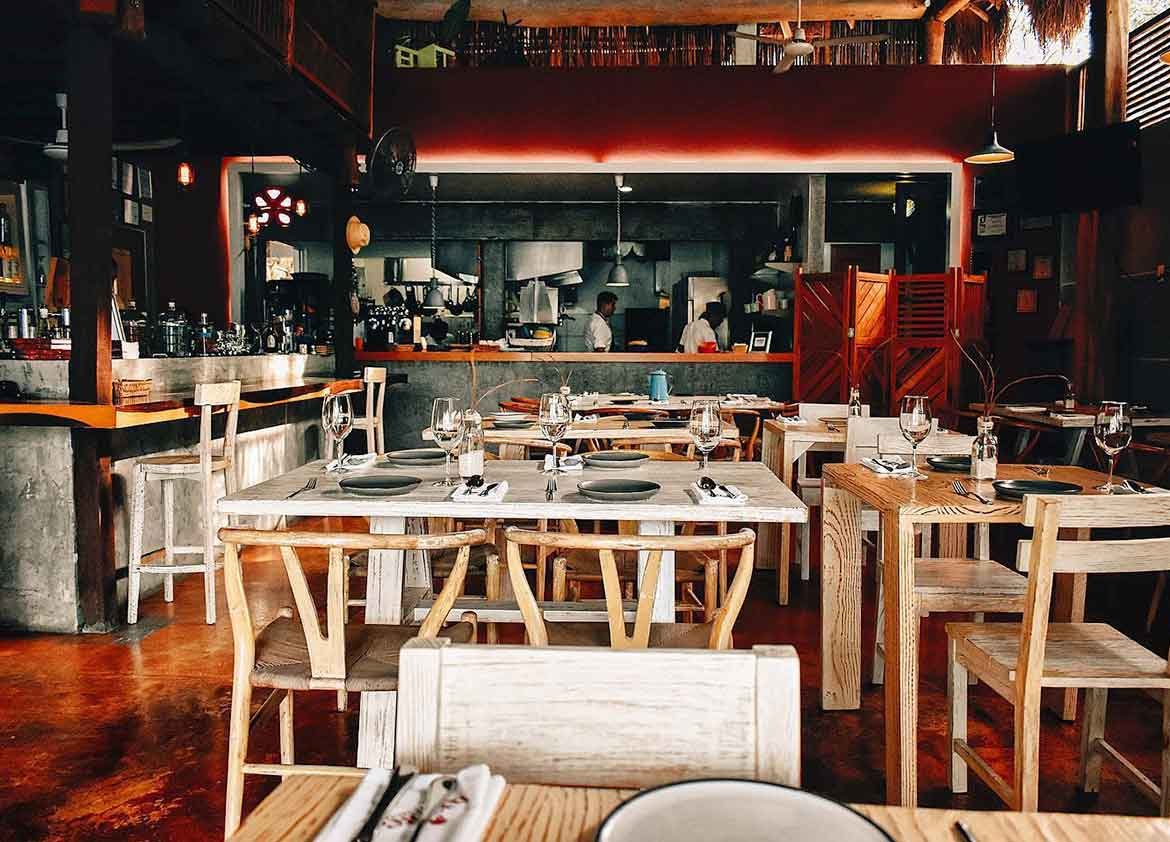
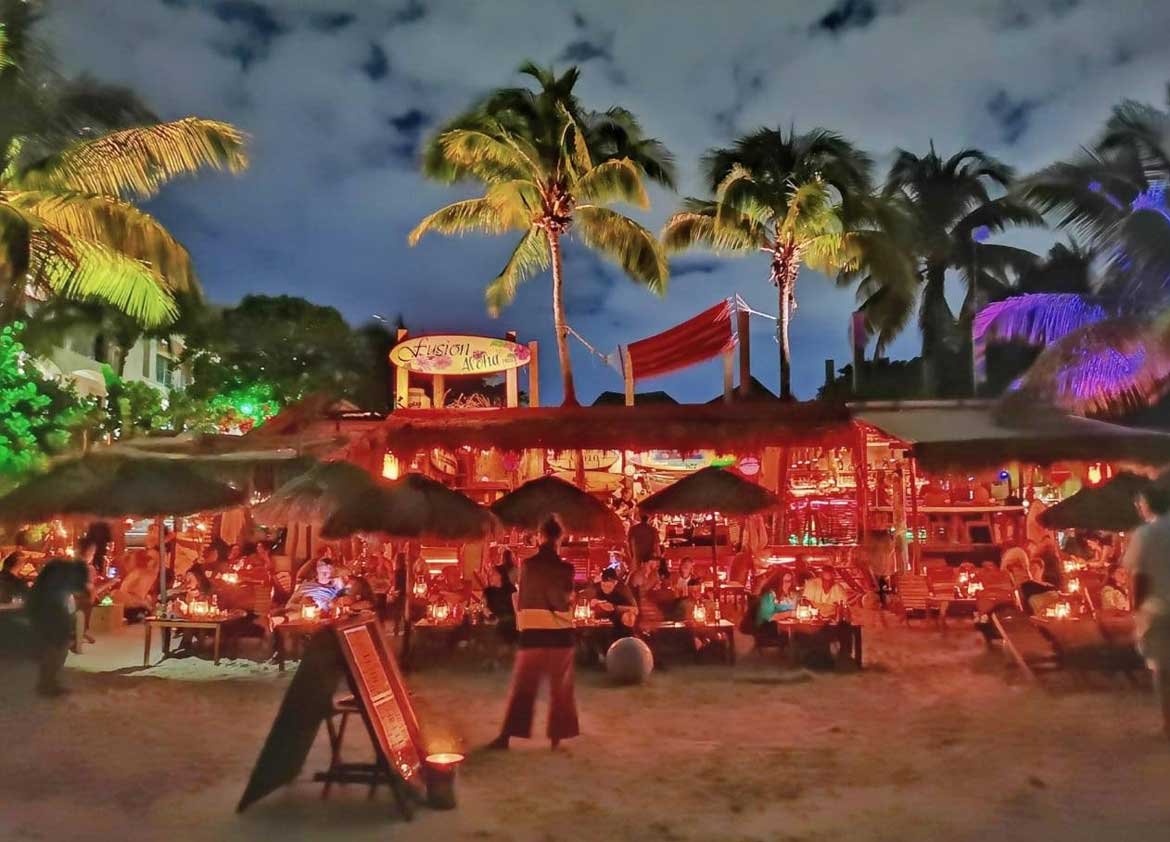
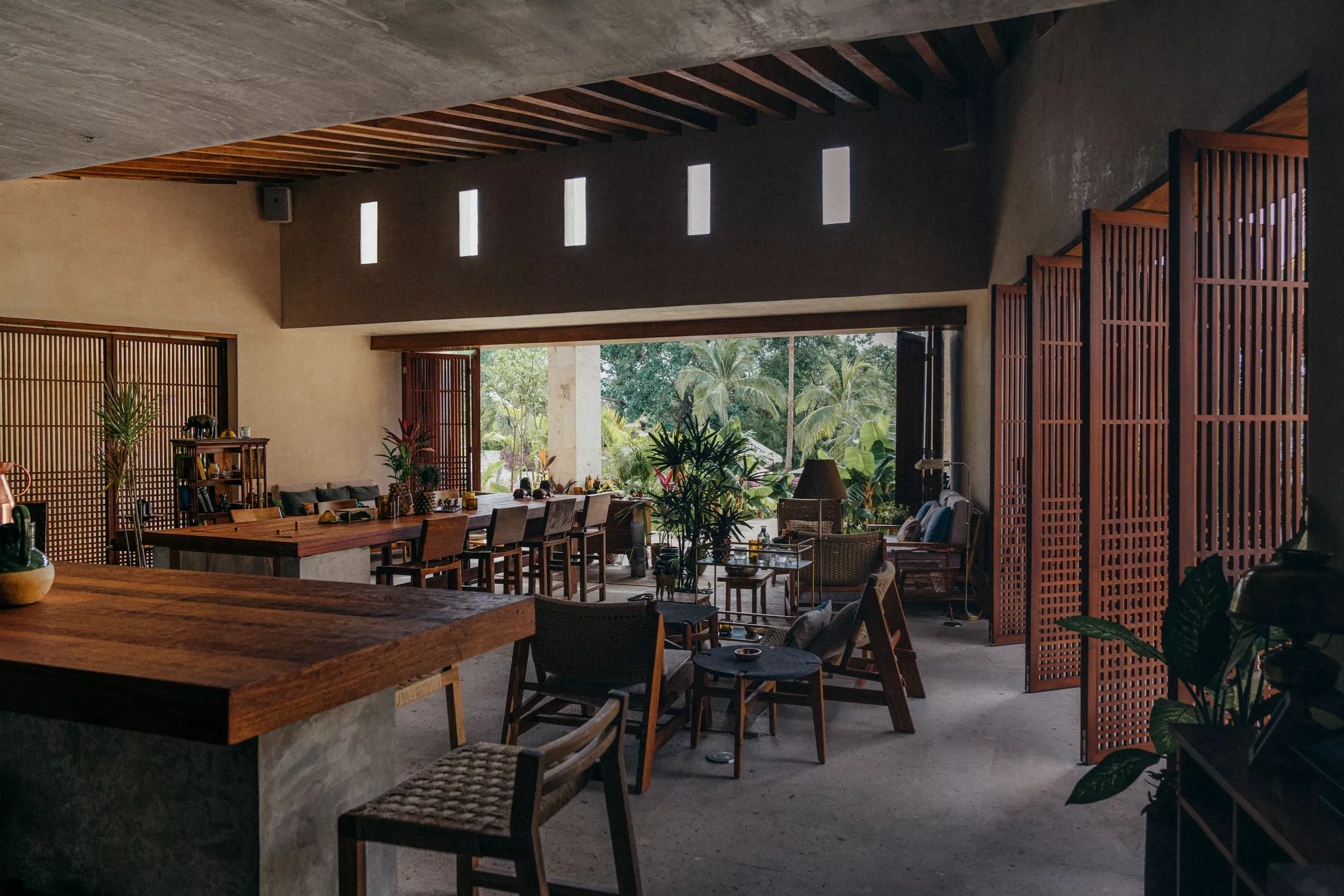
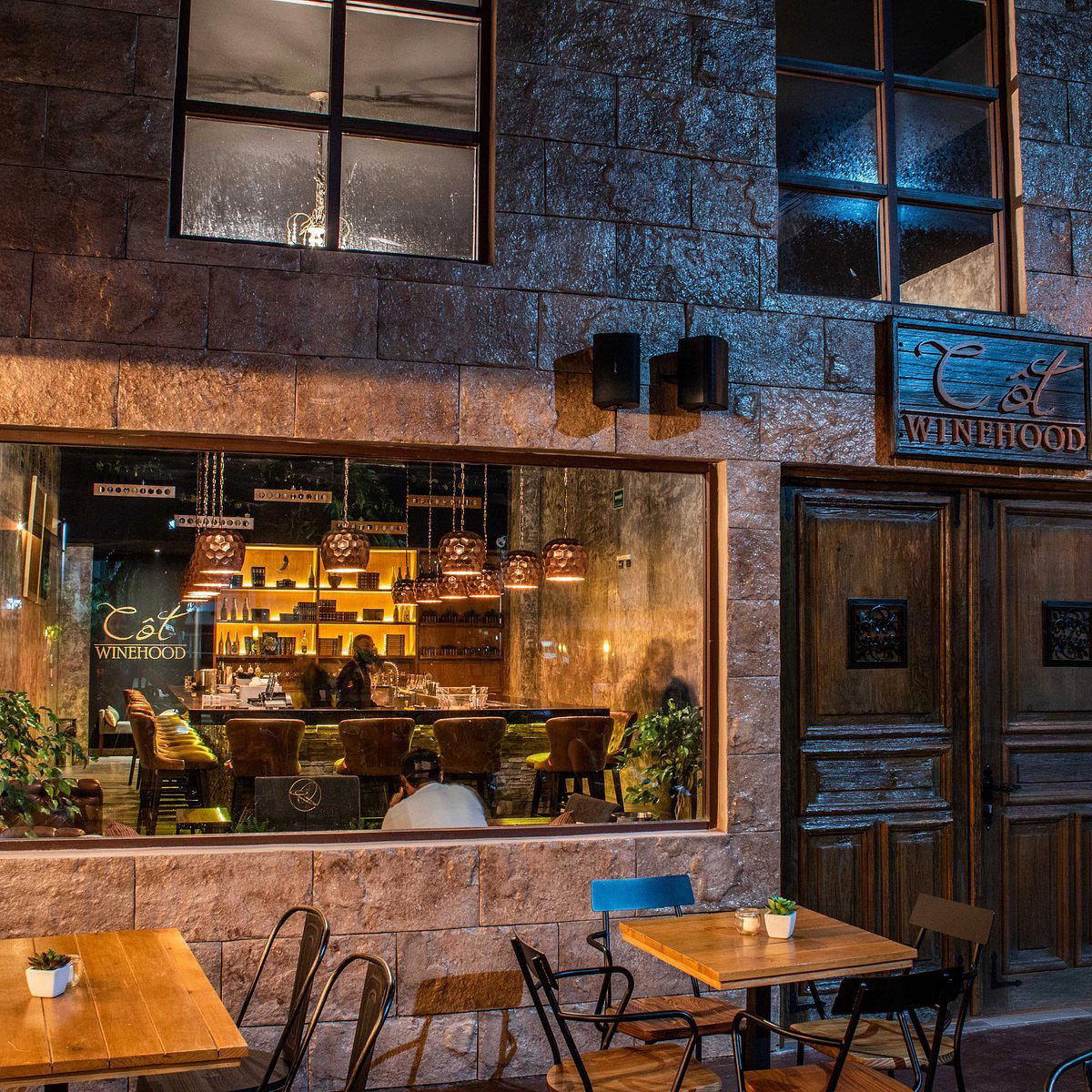
Warm lanterns and colorful festoons create a welcoming atmosphere; wooden tables and rustic design evoke tradition; the air is scented with copal incense, and the space buzzes with both locals and tourists.
- pozole verde
- chile relleno
- tacos gobernador
- cochinita pibil
- chapulines
- mole