Asadero El Pollo
Asadero El Pollo serves Sinaloa-Style Mexican Roast Chicken in a casual, conversational format with an open kitchen and a quick-bite pace, suited to lunch or dinner plans.
Pearl is the En Primeur Club membership app — saves, bookings, and concierge access live there. Same editors, same standards.
- Address
- 20 Avenida Nte. 652, Centro, 77710 Playa del Carmen, Q.R., Mexico
- Phone
- +52 981 816 7557
- Directions
- Get directions
 Saves & bookings on Pearl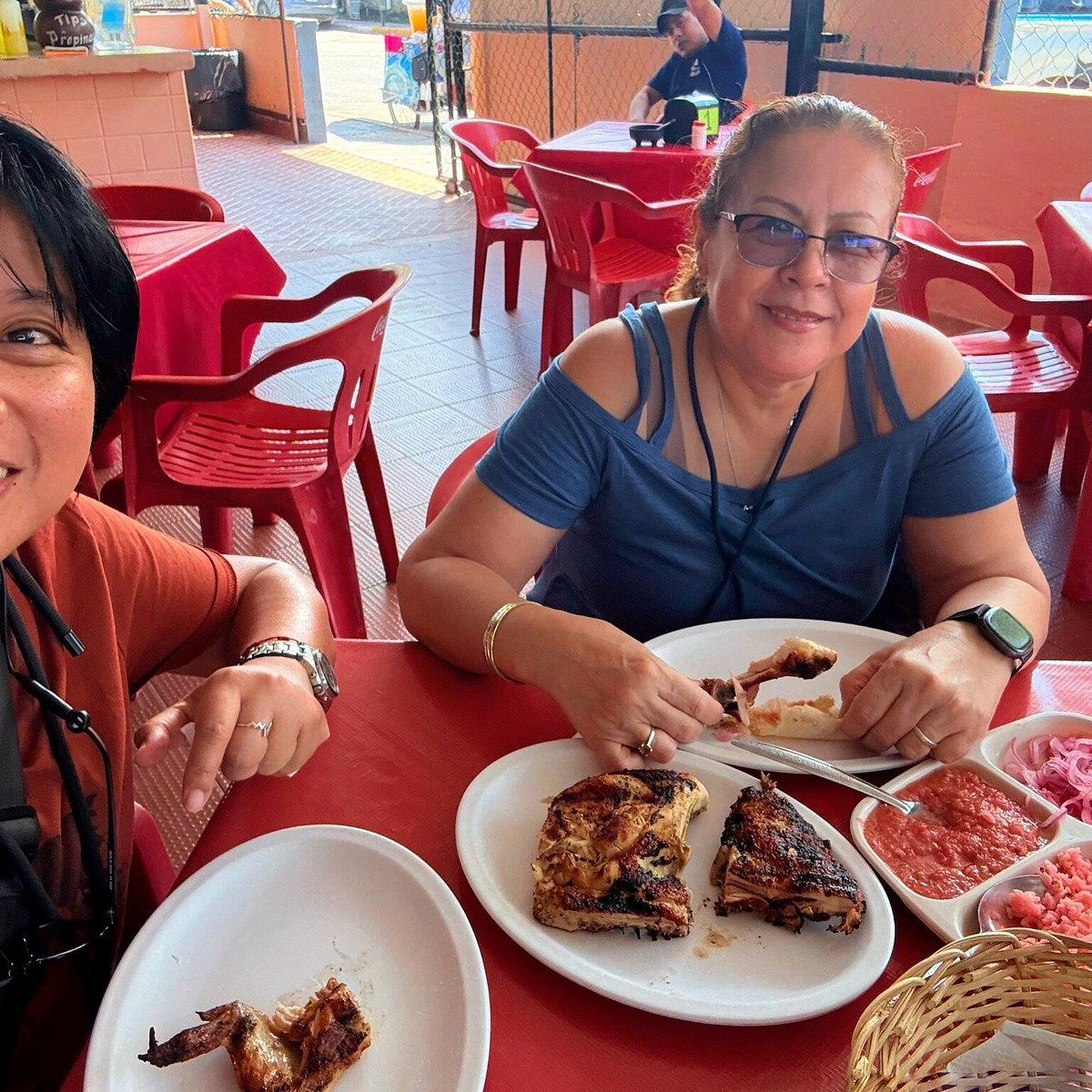
Fire, Smoke, and the Source: Playa del Carmen's Asador Tradition
Walk past the polished hotel lobbies and mezcal bars that define much of Playa del Carmen's tourist corridor and the city's older, more elemental food culture comes into focus. Asaderos, open-fire grilling spots rooted in northern Mexican ranching tradition, occupy a different register than the resort-facing restaurants that crowd La Quinta Avenida. Asadero El Pollo belongs to that tradition, a format where the cooking method and the quality of the bird are the entire argument. In a coastal city that has spent two decades layering international cuisine on top of its Yucatecan foundations, a well-run asadero still reads as a counter-statement.
The asador format is worth understanding on its own terms before the specifics of any single venue. Pollo asado, at its most disciplined, is not rotisserie in the European sense. The bird is typically marinated in a compound of citrus, achiote, and dried chiles, then cooked over hardwood or charcoal at a temperature managed by proximity and airflow rather than digital controls. The result when done correctly is skin that crackles under pressure and meat that absorbs smoke without losing its structural moisture. That technique has deep roots across Jalisco, Sinaloa, and the Bajío, and it has migrated into the Riviera Maya alongside the northern Mexican workers who built and now staff much of the region's hospitality infrastructure.
What the Sourcing Question Actually Means Here
The ingredient sourcing debate in Mexican restaurant culture has sharpened considerably over the past decade. At the fine-dining end, restaurants like Pujol in Mexico City and Animalón in Valle de Guadalupe have made provenance a central editorial point, naming suppliers and regions on menus as a form of guarantee. At the casual end, the sourcing question is quieter but no less consequential. The difference between a forgettable asadero and a memorable one almost always comes down to the bird: its age, its feed, and how it was raised. A commercial broiler cooked over a proper hardwood fire still tastes like a commercial broiler. A bird with actual fat reserves and muscle density, the kind that comes from slower, more traditional rearing, responds differently to smoke and char.
In the Yucatan Peninsula context, this matters because the region has its own poultry heritage. The Yucatecan black chicken, a local breed used in dishes like pavo en escabeche and cochinita-adjacent preparations, represents one strand of that tradition. More broadly, the peninsula's backyard poultry culture, where birds are fed on corn and kitchen scraps and slaughtered to order, still operates alongside industrial supply chains in many towns. The gap between those two sourcing realities is audible in the first bite.
For visitors moving through Playa del Carmen's dining options, this context helps calibrate expectations. The city has a full tier of formally composed Mexican cuisine, HA' and Axiote Cocina de Mexico both work within that bracket, as does Alux Restaurante with its cave-set dining room. Asadero El Pollo operates at a different price point and with a different intention. Its comparable set is not the tasting-menu tier but the everyday-meal tier, where consistency of execution matters more than formal creativity.
Playa del Carmen's Broader Casual Dining Character
Playa del Carmen's casual food culture is genuinely mixed in character. The city draws a resident population of Mexican nationals from across the country, a large service-industry workforce from Chiapas, Oaxaca, and Veracruz, and a permanent expat community that has pushed certain international formats (Korean, Italian, Thai) to a quality level that surprises first-time visitors. Babe's Noodles and Bar is a useful example of that cross-cultural confidence. Within the Mexican tier itself, the range runs from roadside taquerias to mid-century cantina formats to the newer generation of chef-driven spaces.
Asaderos sit in their own lane within that range. They are not taco spots, though tacos are often available as a delivery format for the roasted meat. They are not parrillas in the Argentine or Uruguayan sense, focused on beef cuts and the sommelier-style selection of a wine. The asadero format is more specific and more provincial: one protein, one technique, a small number of accompaniments, and a price that reflects the efficiency of that focus. The leading comparisons in Mexico's broader dining culture are probably the rotisserie-style pollo asado spots in Guadalajara's working-class neighborhoods or the coastal asaderos of Sinaloa, where the same format has been refined over generations without ever requiring a tasting menu to justify its existence. For context on how Mexico's most ambitious restaurants approach sourcing and tradition in more formal settings, see KOLI Cocina de Origen in Monterrey, Levadura de Olla Restaurante in Oaxaca, and Alcalde in Guadalajara.
Planning a Visit
For travelers building an itinerary across Playa del Carmen, the practical approach is to treat asadero visits as flexible rather than scheduled: the format typically runs through midday and into the early evening, and a useful option is to arrive when the fire has been running for an hour or two rather than at opening. For the wider picture of where Asadero El Pollo sits within the city's restaurant range, Nearby alternatives within the casual and mid-range Mexican tier include Blue Restaurant.
A Quick Peer Check
Comparable venues nearby, for context on price, style, and recognition.
| Venue | Cuisine | Price | Notes |
|---|---|---|---|
| Asadero El PolloThis venue — the venue you are viewing | Sinaloa-Style Mexican Roast Chicken | $ | Not listed |
| Tacos de Barba Birria | Jalisco-Style Birria Tacos | $ | La Floresta |
| La Vagabunda | Mexican Fusion | $$ | 2300800010067 |
| La Vagabunda 38 | Mexican Fusion | $$ | 2300800011012 |
| La Birria | Authentic Mexican Birria Taqueria | $ | 2300800010052 |
| Plantivoros | Vegan Mexican | $$ | 2300800010029 |
Continue exploring
More in Playa del Carmen
Restaurants in Playa del Carmen
Browse all →
Bars in Playa del Carmen
Browse all →
At a Glance
- Rustic
- Lively
- Casual Hangout
- Family
- Group Dining
- Open Kitchen
Current opening hours
- Monday
- 10 AM–6 PM
- Tuesday
- 10 AM–6 PM
- Wednesday
- 10 AM–6 PM
- Thursday
- 10 AM–6 PM
- Friday
- 10 AM–6 PM
- Saturday
- 10 AM–6 PM
- Sunday
- 10 AM–6 PM
Hours can change for holidays and private events. Last verified .
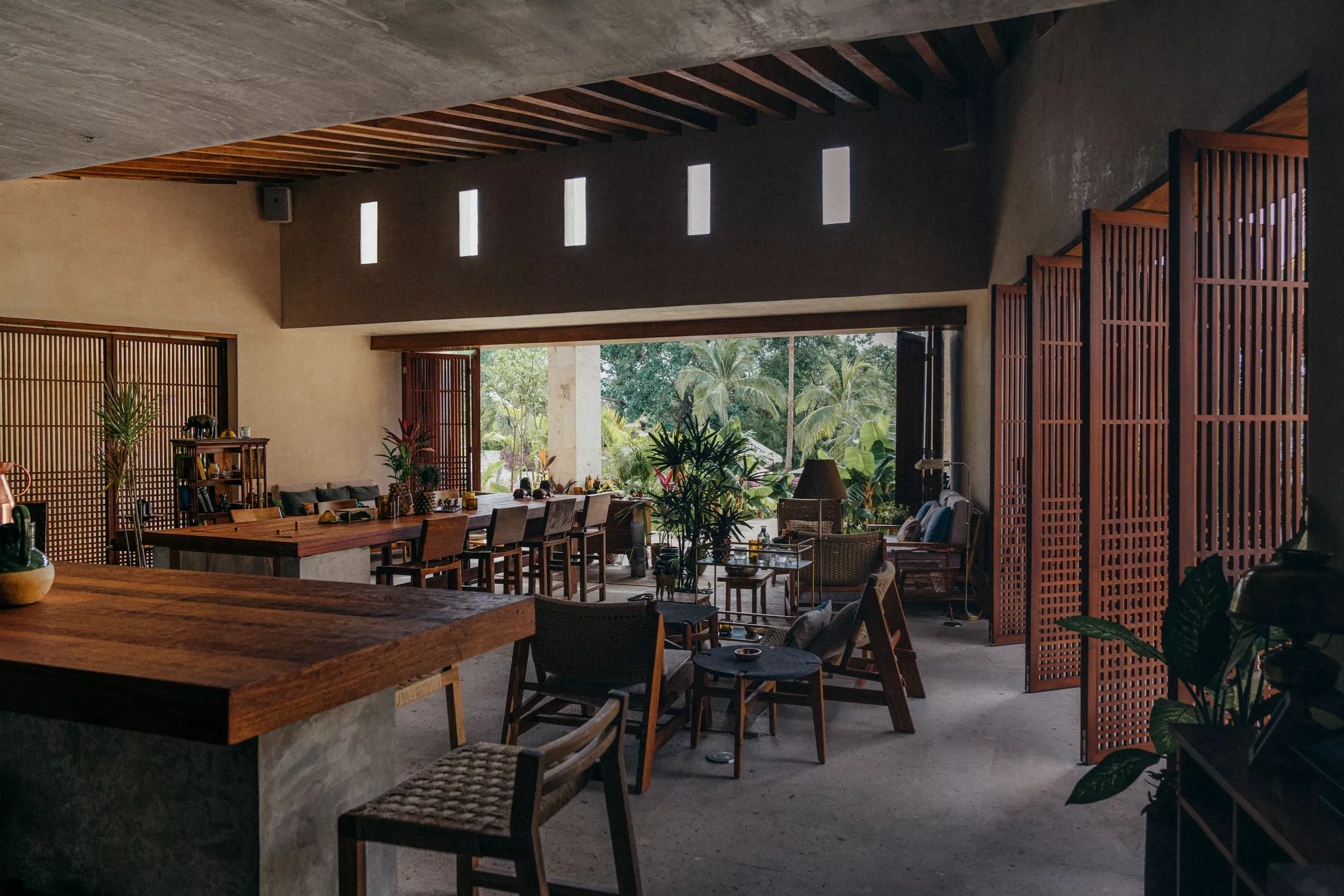
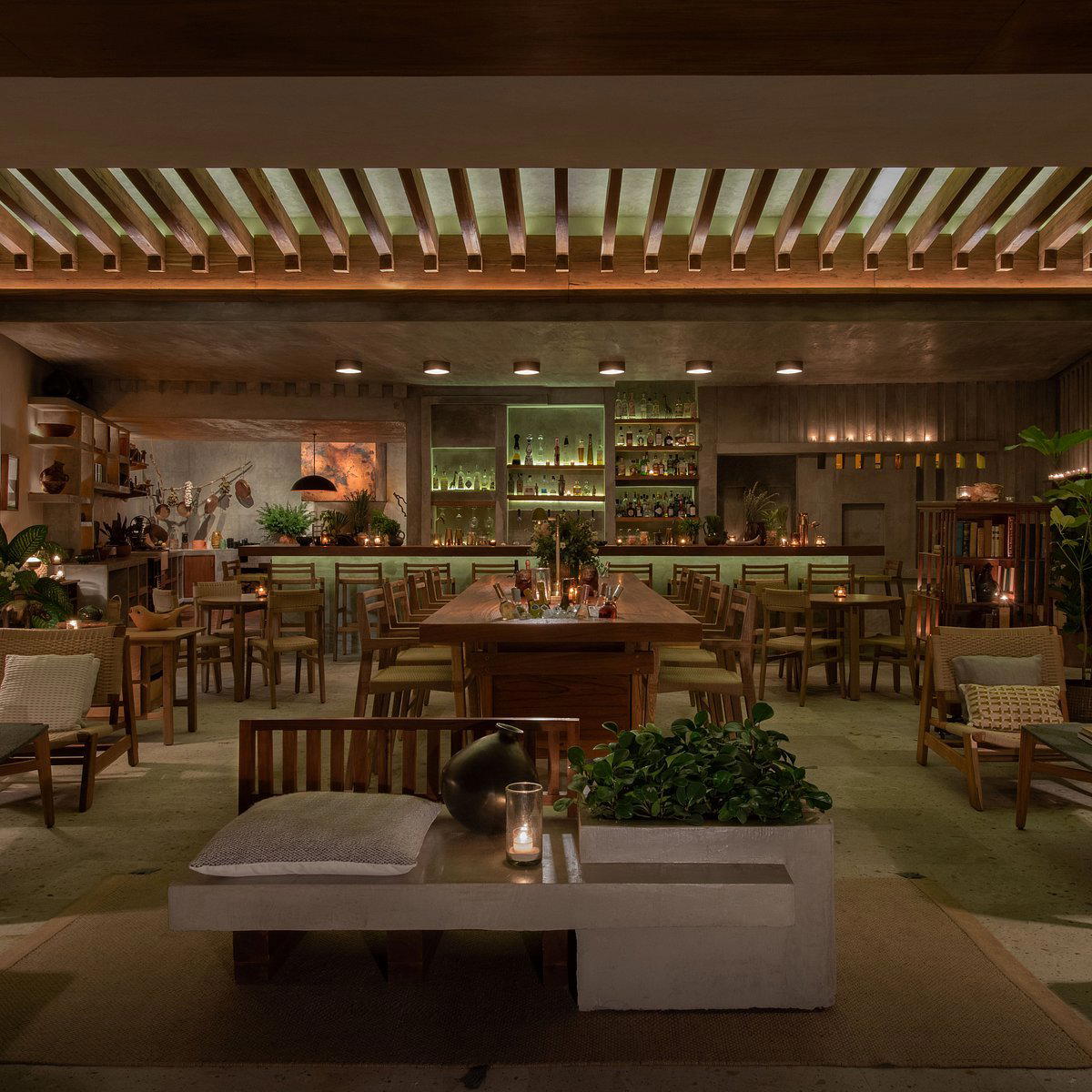
Casual open-air patio with plastic tables, chainlink fencing, gravel floor, and a massive visible grill creating a lively, no-frills local atmosphere.