Spicy Thai Restaurant Maputo
Our verdict
On Avenida Julius Nyerere, Maputo's main diplomatic corridor, Spicy Thai Restaurant occupies a niche that few restaurants in Mozambique's capital attempt: Southeast Asian cooking in a city whose dining identity is built on piri-piri seafood and Portuguese-inflected grills. For travelers moving between the Indian Ocean coast and the city center, it represents one of the few places to step outside the local idiom entirely.

Pearl is the En Primeur Club membership app, where members save venues, book tables and use the concierge.
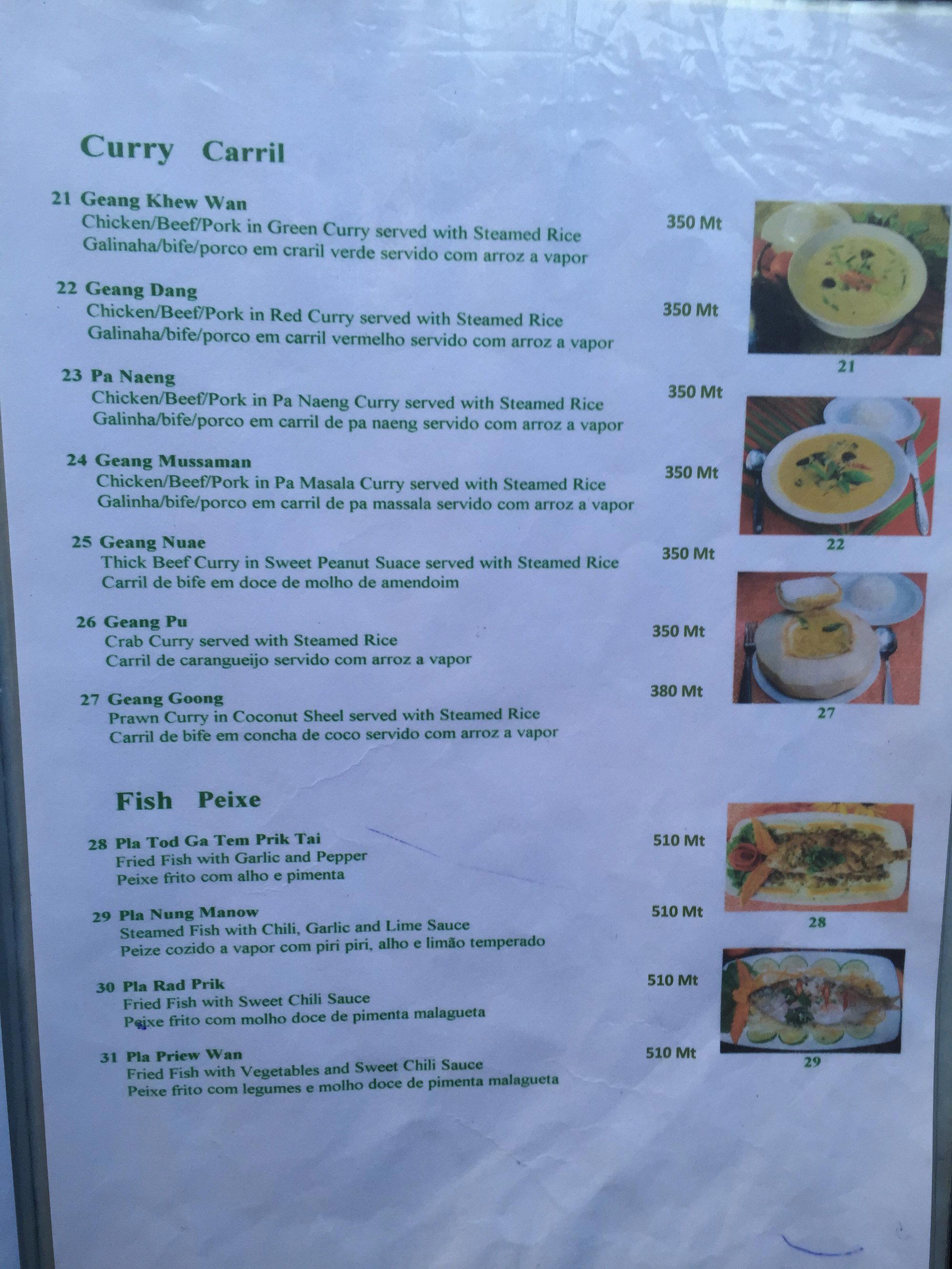
The menu
What to order
- Green curry
- Pickled mussels in coconut milk
- Crab dishes
- Steamed grouper
Thai Cooking in a Portuguese-African City
Maputo's dining identity is shaped by a specific convergence: the Indian Ocean at its doorstep, a Portuguese colonial legacy in its kitchens, and a growing expatriate and diplomatic population along Avenida Julius Nyerere that has quietly diversified the city's restaurant options over the past two decades. The avenue runs through the heart of what locals call the Polana district, where embassies, international hotels, and a handful of independent restaurants occupy the same stretch of tree-lined road. It is in this context that Thai cooking arrives in the city, offering a contrast to the grilled prawns and piri-piri chicken that anchor most menus here.
Southeast Asian cuisines have historically been slow to establish themselves in sub-Saharan African capitals, with the notable exception of cities with larger South or East Asian diaspora communities. Maputo is not among those cities by population, which makes the presence of a dedicated Thai restaurant on its main commercial corridor worth understanding as a dining signal rather than a curiosity. The same forces that brought Korean Restaurant to Maputo's dining scene have created the conditions for other Asian cuisines to find a foothold: a steady flow of NGO workers, diplomats, and business travelers who eat out frequently and seek variety beyond the local tradition.
The Ritual of the Thai Meal in an Unfamiliar City
Thai dining has its own pacing logic that sits at odds with the slower, sharing-heavy rhythm of a Mozambican meal. In Bangkok or Chiang Mai, dishes arrive in a loose, overlapping sequence rather than in the strict course progression of European service. Proteins, vegetables, soups, and rice land roughly together, with the table functioning as a communal surface where flavors can be combined and adjusted mid-meal. That format, when transplanted to a city like Maputo, either adapts to local expectations or holds its ground as a point of difference.
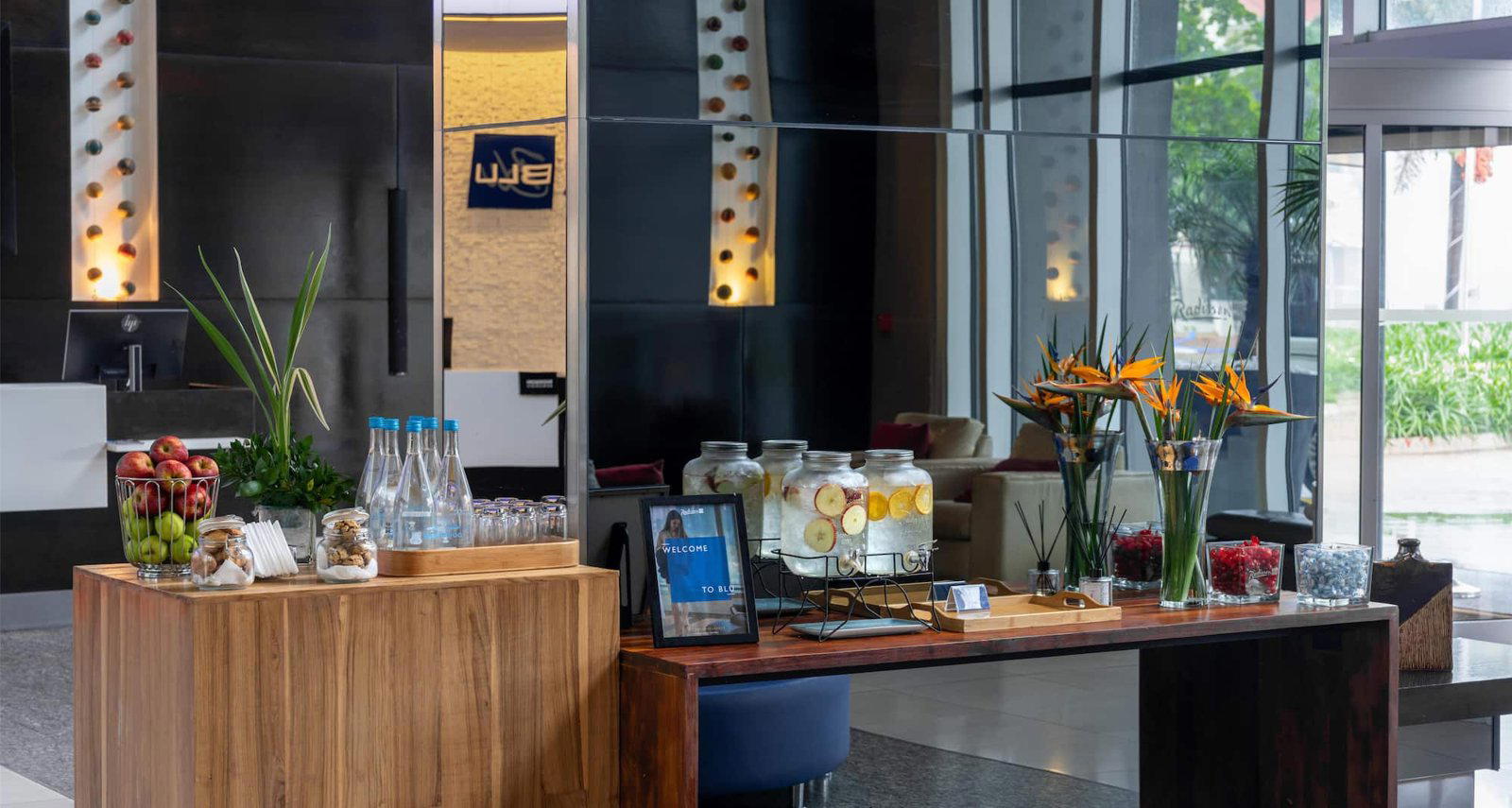
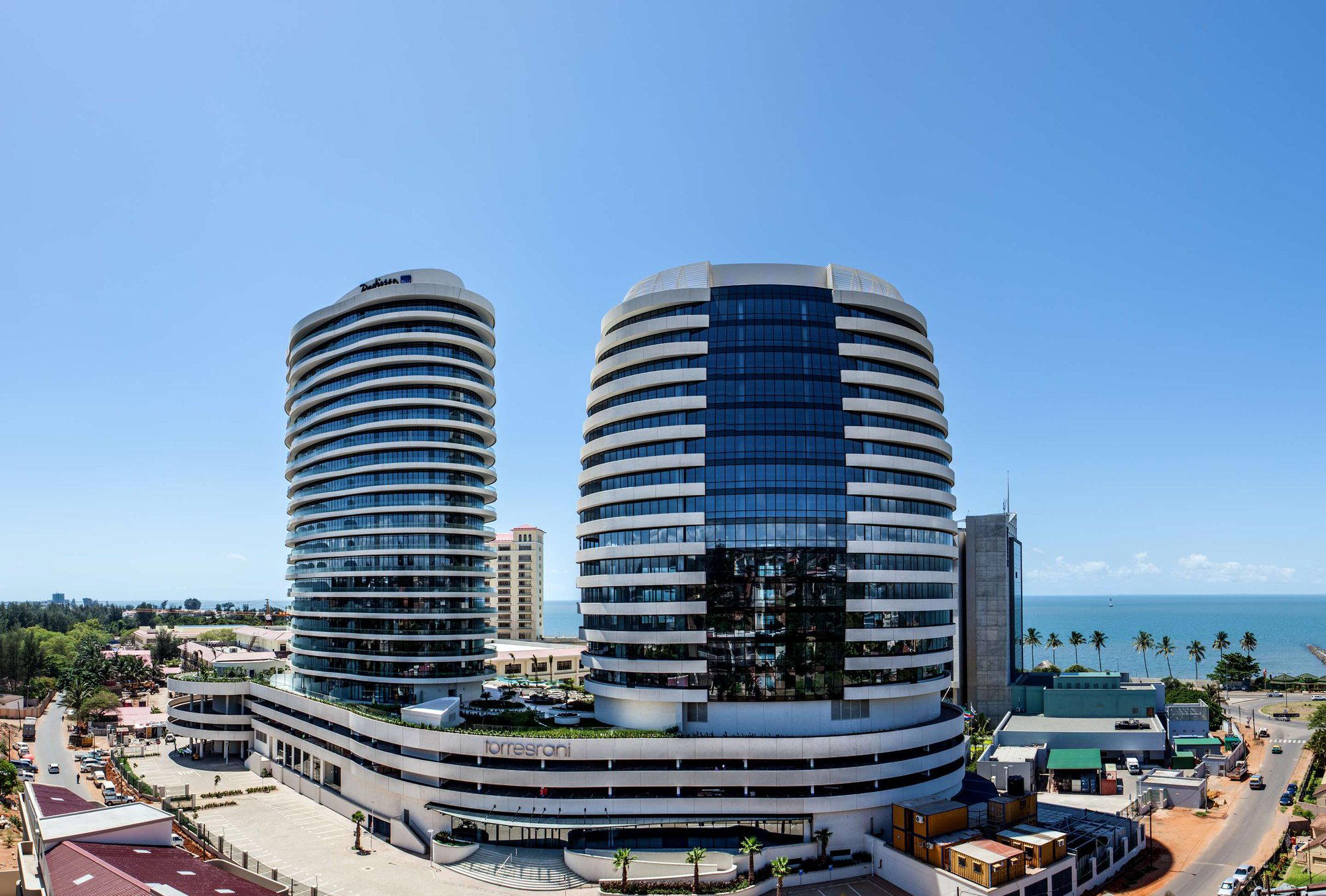
The address at 657 Avenida Julius Nyerere places the restaurant squarely within Maputo's mid-tier dining corridor, a few minutes from the Radisson Blu Hotel, Maputo, which anchors the upper end of the area's accommodation options and draws its own share of international guests. That proximity matters for understanding the likely clientele: business travelers and NGO workers who know Thai food from other postings, returning to a familiar format in an unfamiliar city.
The ritual dimensions of Thai eating, the shared plates, the balance between chili heat and cooling herbs, the role of jasmine rice as a neutral base rather than a side dish, are the things that make a Thai meal legible to a regular diner and opaque to a first-timer. In Maputo, where the broader dining culture has no deep framework for Southeast Asian food, that distinction shapes how a restaurant like this one functions. It serves two audiences simultaneously: those already fluent in the format, and those encountering it fresh.
Where It Sits in Maputo's Dining Range
Maputo's restaurant scene in 2024 is more layered than its regional reputation suggests. The city has a functioning fine-dining tier anchored by hotel restaurants and a small number of independent addresses, a mid-range of international and fusion concepts along the main avenues, and a street-food and casual layer that reflects the city's Mozambican, Indian, and Portuguese food traditions. Thai cooking, when done with any seriousness, requires a specific pantry: galangal, kaffir lime leaves, lemongrass, fish sauce, and Thai basil, none of which are native to Mozambique's supply chains. The logistics of sourcing those ingredients in Maputo are not trivial, and they tend to determine whether a Thai restaurant operates at a credible standard or defaults to generic pan-Asian simplification.
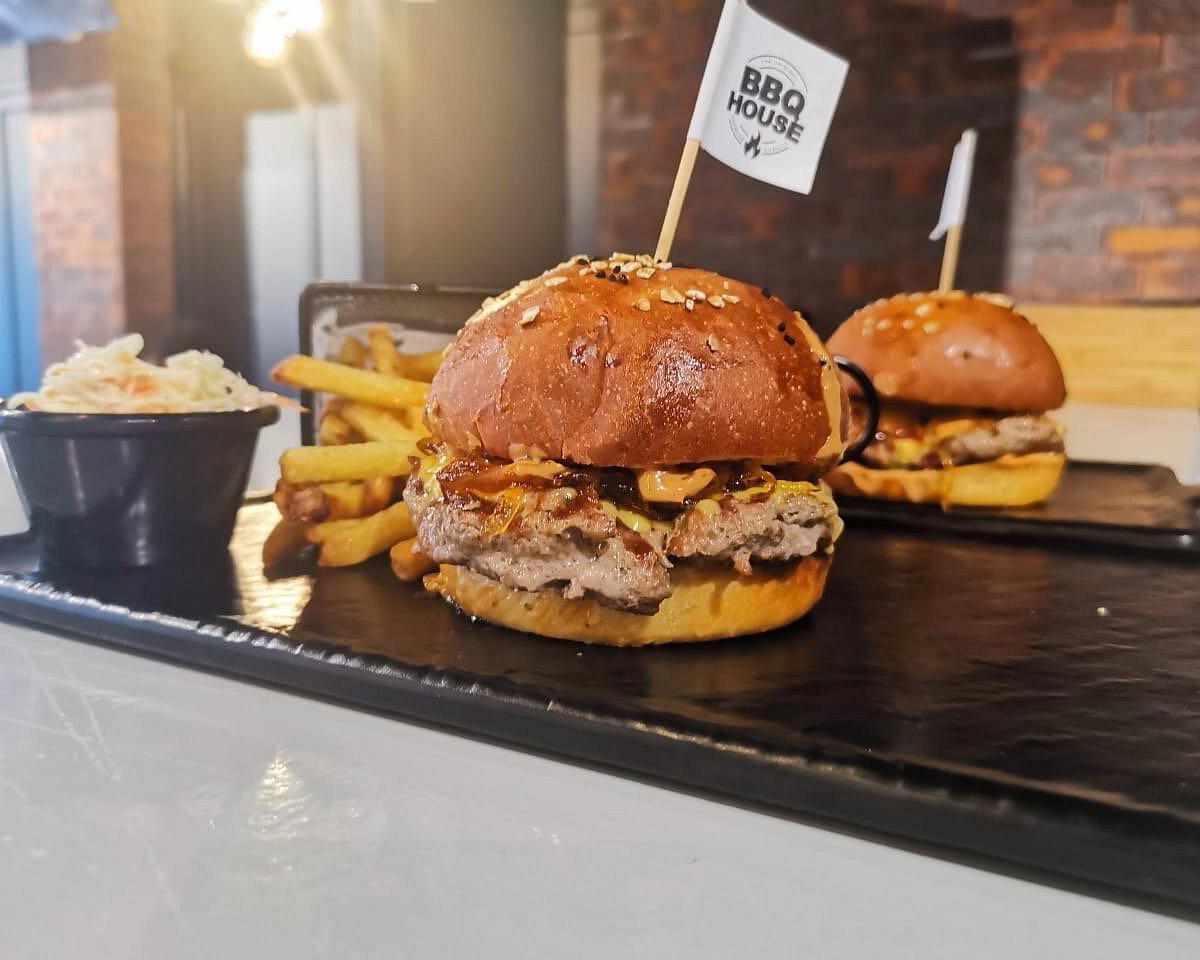
Compared to the city's BBQ House, which occupies the casual end of Maputo's international dining spectrum, a Thai restaurant working with authentic ingredients and traditional preparation sits in a different competitive tier. It is also a different proposition from the kind of technically sophisticated restaurant one would encounter in a city with a deeper fine-dining infrastructure. To put it in global context: the precision and sourcing depth that define addresses like Le Bernardin in New York City or Atomix in New York City represent a different category entirely. In Maputo, the frame of reference is narrower, and the achievement of consistent Thai cooking at a recognizable standard is itself a meaningful data point about the city's expanding culinary range.
What to Order and How to Eat It
Thai menus in cities outside Thailand tend to cluster around the same reliable anchors: tom yum and tom kha soups, green and red curry, pad thai, and a selection of stir-fried dishes. Those dishes persist globally because they travel well as formats and because they communicate Thai cooking's core flavor logic, the interplay of sour, sweet, salty, and heat, without requiring deep culinary literacy from the diner.
What the dining ritual does suggest, regardless of menu specifics, is that the Thai meal format rewards a certain approach: ordering across the table rather than individually, treating the rice as a constant rather than an afterthought, and calibrating the heat level early. In a city where most restaurant meals are built around a single main with sides, that communal logic can feel counterintuitive, particularly for solo diners or small groups eating here for the first time.
For those planning ahead, Avenida Julius Nyerere is accessible from most of Maputo's central hotels and the Polana neighborhood without difficulty. The corridor has reliable taxi and app-based transport links. Beyond the city, travelers heading toward central Mozambique might consider Restaurante Chikalango in Parque Nacional De Gorongosa as a later reference point for regional cooking in a very different setting. For a broader map of where this restaurant sits within the city's options, the full Maputo restaurants guide provides additional context across categories and price points.
Frequently asked questions
Can I bring kids to Spicy Thai Restaurant Maputo?
Thai menus generally accommodate younger diners through milder curry and noodle dishes, and a restaurant at this address on Av. Julius Nyerere, a main commercial corridor in Maputo, operates in a neighbourhood context that skews accessible rather than formal. Spice levels are worth flagging to staff on arrival, as Thai cooking defaults to a heat register that can catch children off guard. Nothing in the venue's profile signals an adults-only format.
What should I expect atmosphere-wise at Spicy Thai Restaurant Maputo?
Maputo's mid-range dining rooms tend toward relaxed, neighbourhood-oriented settings rather than the hotel-anchored formality of the city's fine-dining tier. A Thai restaurant on Av. Julius Nyerere sits in one of Maputo's more trafficked corridors, which typically means an informal, walk-in-friendly room rather than a reservation-heavy counter. Expect the pacing of a casual sit-down meal rather than a structured tasting sequence.
Is Spicy Thai Restaurant Maputo the only Thai restaurant in the city?
Thai restaurants are sparse across sub-Saharan Africa outside of major South African cities, and Maputo's international dining scene, while more layered than its regional reputation suggests, is dominated by Portuguese, Indian Ocean, and pan-African cuisines. That makes a dedicated Thai kitchen on Av. Julius Nyerere a relatively uncommon option in the city rather than one choice among many. Travellers seeking Southeast Asian cooking in Maputo have limited alternatives to compare it against.
What should I eat at Spicy Thai Restaurant Maputo?
Thai menus outside Thailand consistently anchor around a short set of proven dishes: tom yum and tom kha soups, green and red curry, pad thai, and larb-style salads. In Maputo, where the local palate is shaped by Portuguese and East African coastal traditions, these dishes translate well because the city already has a working familiarity with bold, aromatic cooking. Start with soup, order a curry alongside a noodle or rice dish, and use the sharing format that most Thai kitchens in this context support.
How do I find Spicy Thai Restaurant Maputo?
Spicy Thai Restaurant Maputo is located at 657 Av. Julius Nyerere, Maputo 1000, Mozambique, Maputo.
Cuisine Lens
Comparable venues nearby, for context on price, style, and recognition.
| Venue | Cuisine | Price | Notes |
|---|---|---|---|
| Spicy Thai Restaurant MaputoThis venue (the venue you are viewing) | Authentic Thai Cuisine | $10–20 | Not listed |
| BBQ House | American BBQ & Grill | $10–20 | Baia Mall |
| Radisson Blu Hotel, Maputo | Italian & Mozambican-International | $30–50 | Avenida Marginal |
| Korean Restaurant | Authentic Korean | $10–20 | Av. 24 de Julho |
| Restaurante Chikalango | International Cuisine | Not listed | Chitengo |
Continue exploring
More in Maputo
Restaurants in Maputo
All restaurants in Maputo →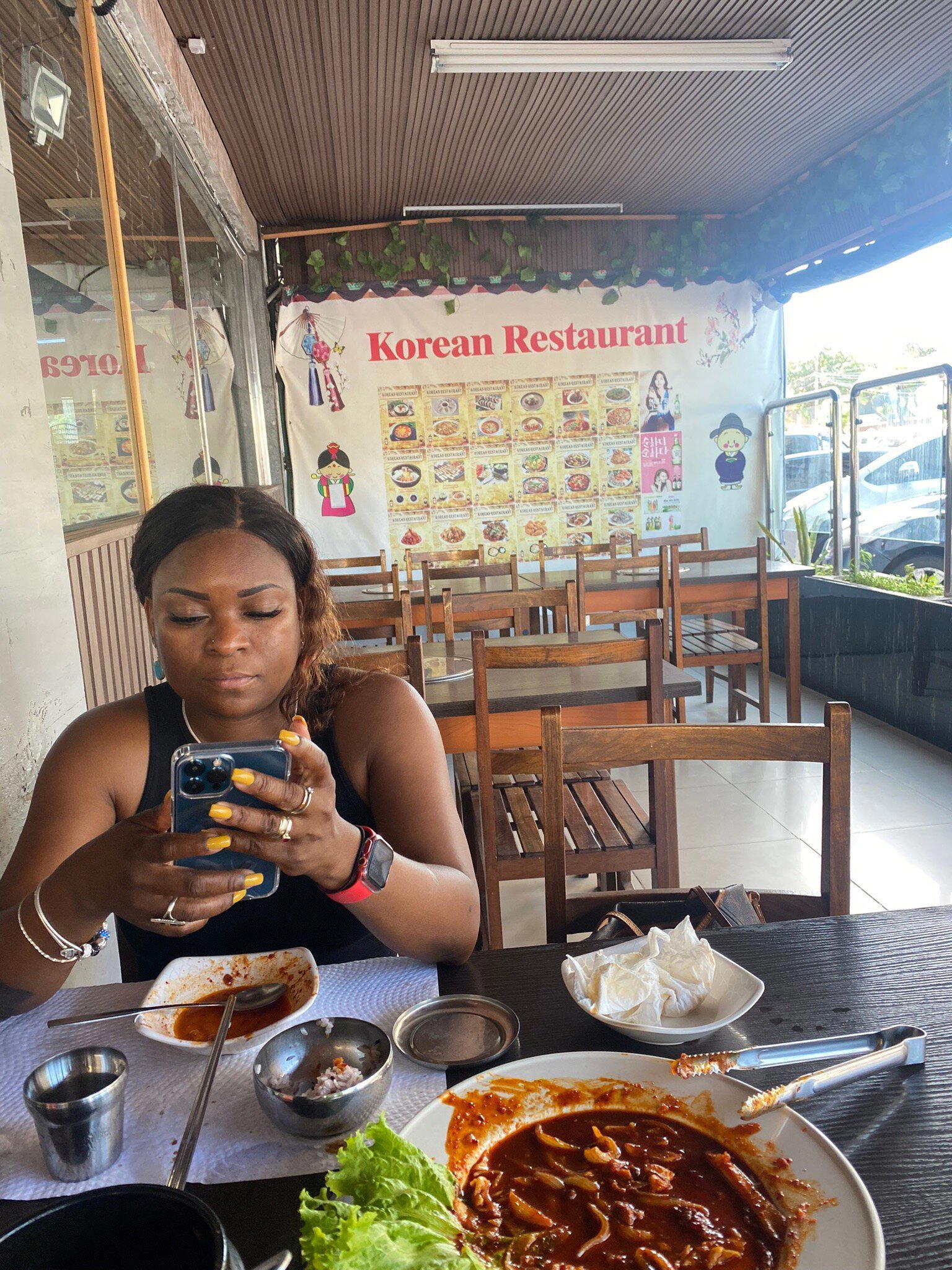
Details
- Casual
- Lively
- Casual Hangout
- Group Dining
- Standalone
- Buffet
- A La Carte
Current opening hours
- Monday
- 10 AM–10 PM
- Tuesday
- 10 AM–10 PM
- Wednesday
- 10 AM–10 PM
- Thursday
- 10 AM–10 PM
- Friday
- 10 AM–10 PM
- Saturday
- 10 AM–10 PM
- Sunday
- 10 AM–10 PM
Hours can change for holidays and private events. Last verified .
Warm and refined decor with a welcoming atmosphere; features a prominent photo from a 2013 visit by the Thailand prime minister.