Radisson Blu Hotel, Maputo
Our verdict
On Maputo's Avenida da Marginal, the Radisson Blu sits where the Indian Ocean shapes both the view and the plate. The hotel occupies a position in the city's mid-to-upper accommodation tier, drawing on Mozambique's coastal larder, prawns from the Bazaruto channel, peri-peri from local markets, to anchor its dining offer within the broader southern African seafood tradition.

Pearl is the En Primeur Club membership app, where members save venues, book tables and use the concierge.
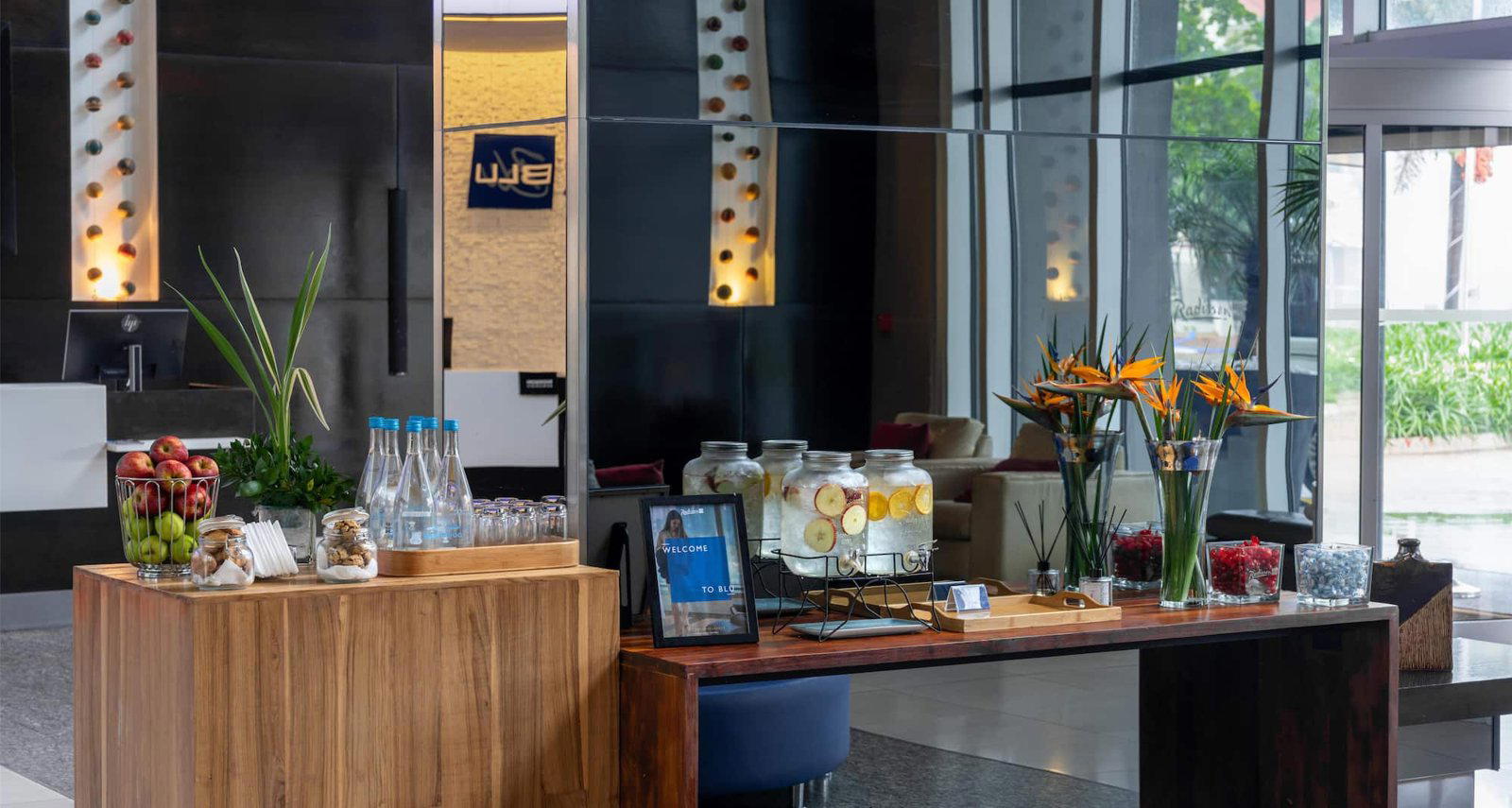
Where the Marginal Meets the Indian Ocean Kitchen
Maputo's seafront boulevard, Avenida da Marginal, functions as the city's most legible index of its hospitality tier. Hotels here address the bay directly, and the Indian Ocean is not incidental to the experience: it is the sourcing infrastructure. At 141 Avenida da Marginal, the Radisson Blu Hotel occupies that waterfront position, placing it within a small cohort of properties where proximity to the ocean translates into a specific dining logic rooted in what Mozambique's coastline actually produces.
That logic matters because Mozambican coastal cuisine is one of southern Africa's most ingredient-driven traditions. The country's 2,500-kilometre coastline yields prawns of a scale and sweetness that have made Maputo's restaurants a reference point across the region. The Bazaruto Archipelago channel, further north, supplies spiny lobster. Closer in, the bay's fishing communities land catches that move through the city's markets before reaching hotel kitchens. A hotel kitchen positioned on the Marginal sits, structurally, at the end of a very short supply chain, and that compression is the culinary argument for the address.
The Sourcing Tradition Behind the Plate
Southern African coastal cooking developed at the intersection of Bantu, Arab, Indian, and Portuguese culinary traditions, each of which left a distinct mark on what gets cooked and how. Peri-peri, the chilli-based seasoning that has since been globalised beyond recognition, originated in Mozambican and Angolan kitchens as a way of treating locally caught protein. In Maputo, it remains a live cooking tradition rather than a condiment brand, applied to prawns and chicken with the kind of frequency that signals genuine culinary identity rather than tourist-menu accommodation.
Hotel dining in this context occupies an interesting position. The leading hotel kitchens in coastal Mozambique tend to function as a translation layer: taking ingredients that are already excellent at source, the prawns, the reef fish, the coconut-based preparations borrowed from the city's Indian Ocean trade history, and presenting them in formats legible to an international guest, without entirely flattening the sourcing story in the process. That balance is where Maputo's hotel dining is most interesting to watch, and it is the frame through which the Radisson Blu's food and beverage offer makes most sense.
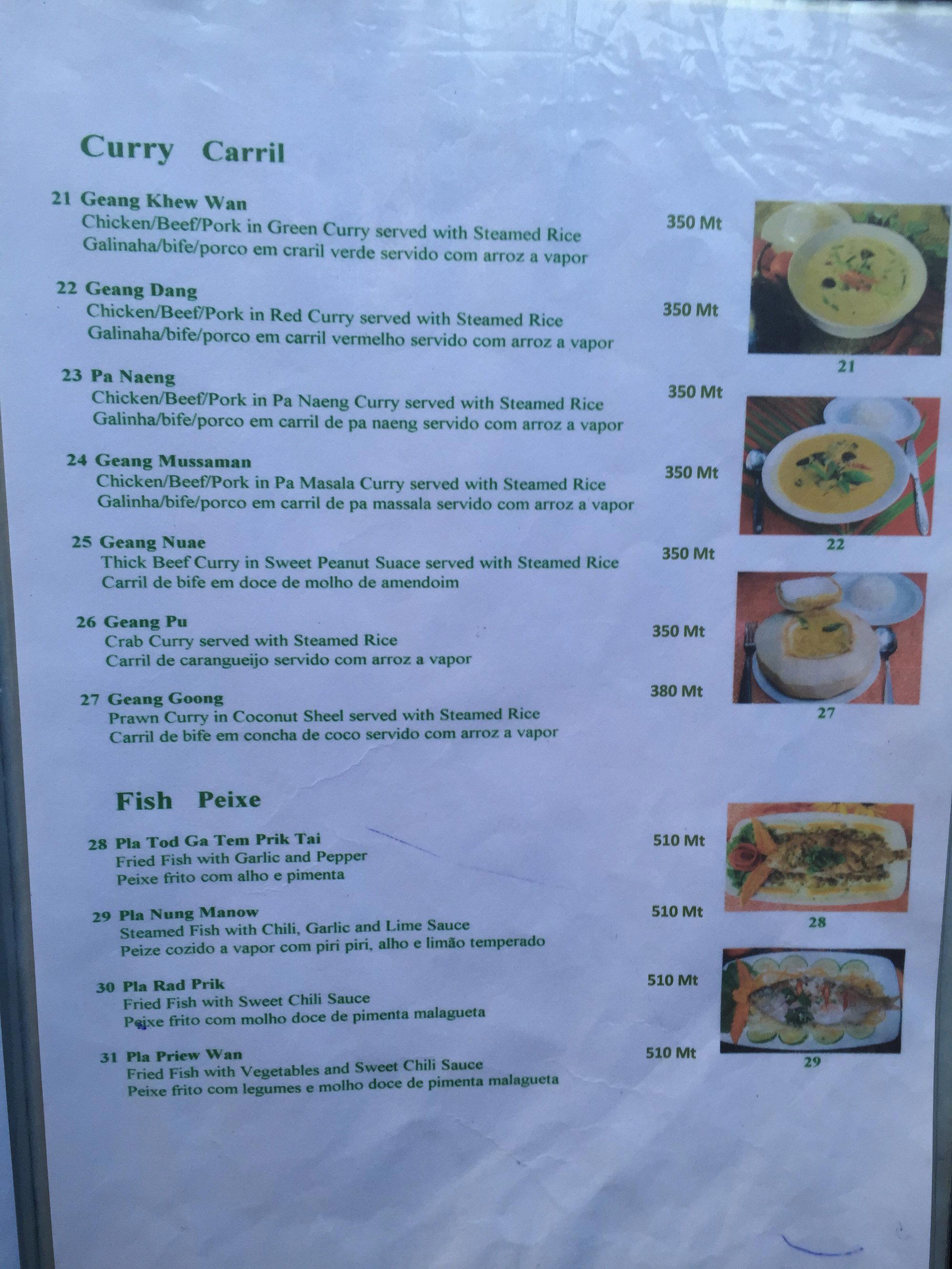
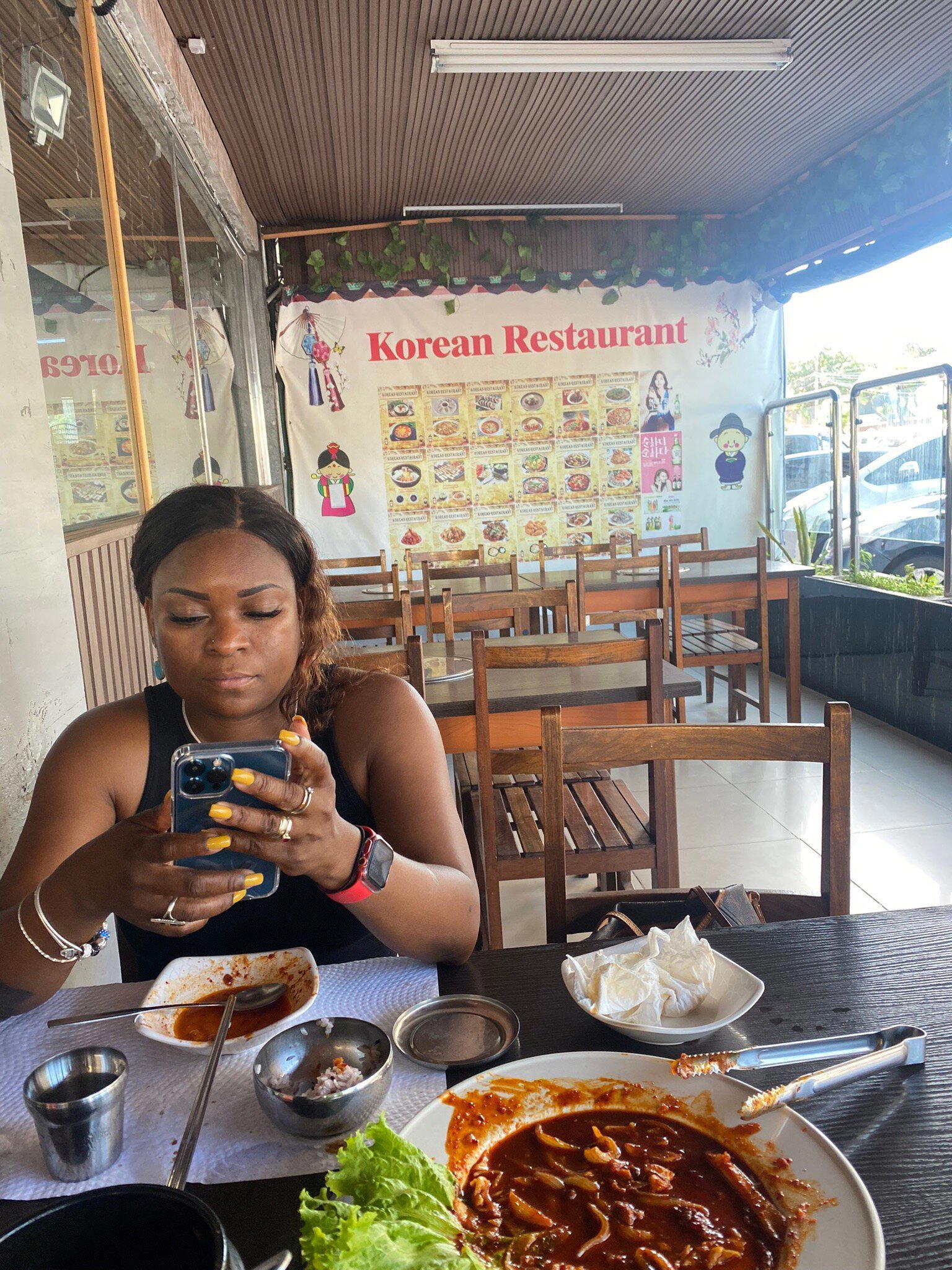
For context on how other Maputo kitchens handle the same sourcing question, the city's dining scene ranges from specialist operators like BBQ House and Spicy Thai Restaurant Maputo to Korean-influenced formats like Korean Restaurant, each representing a different relationship between Maputo's imported dining culture and its local larder. The Radisson Blu, as an international-brand property, inevitably operates within a broader menu framework, but the address on the Marginal keeps the coastal ingredient logic present.
Maputo's Position in the Regional Dining Conversation
It is worth placing Maputo's dining offer in a regional frame. Southern Africa's hotel dining has long been dominated by South African properties, which hold the infrastructure advantage and the international recognition. Mozambique's capital operates as a counterpoint: smaller in scale, more dependent on its own coastal larder, and shaped by a Portuguese culinary inheritance that South Africa does not share. That inheritance shows in the bread, the espresso culture, the prawn preparations, and the wine list skews, where Alentejo and Dão bottles appear alongside South African Chenin Blanc and Pinotage.
At the more formal end of the global dining spectrum, properties like Alain Ducasse at Louis XV in Monte Carlo or Arpège in Paris set the international reference points for ingredient-driven hotel and restaurant dining. Closer to home, Restaurante Chikalango in Parque Nacional de Gorongosa shows what Mozambican lodge dining looks like when it leans into its bush and freshwater ingredient context rather than its coastal one. Maputo's hotel kitchens, the Radisson Blu among them, operate in a different register: urban, internationally oriented, but geographically tethered to one of Africa's more compelling coastlines.
The Address and What It Implies
The Rua José Craveirinha intersection places the hotel at a point where Maputo's colonial-era street grid meets the bay. The neighbourhood around the Marginal contains the city's largest concentration of mid-to-upper hotel stock, several of the better-regarded restaurants, and the walkable waterfront strip that functions as the city's evening social circuit. Guests staying here are within reach of the Baixa district's market infrastructure and the Polana area's dining options without requiring a car for most of the relevant destinations.
Maputo itself is a city that rewards the traveller prepared to read its Portuguese-African urban grammar. The wide seafront boulevard, the bougainvillea-draped buildings, the fish market activity in the early morning, these are not backdrop details but indicators of where the kitchen's raw material begins its journey. For anyone arriving with a serious interest in Mozambican cooking, the hotel's location on the Marginal is a functional starting point, not merely an aesthetic one. Our full Maputo restaurants guide maps the wider dining picture across the city's neighbourhoods.
Planning Your Stay
The Radisson Blu Hotel at 141 Avenida da Marginal is accessible from Maputo's Mavalane International Airport, approximately 7 kilometres to the north of the city centre, a journey of 20 to 30 minutes depending on traffic, which in Maputo is a variable worth taking seriously during morning and evening peaks. The hotel's waterfront position makes it a logical base for guests combining city dining with excursions to the Mozambique Island coast or Bazaruto, both of which require onward domestic flights from Mavalane. Booking well in advance is advisable during peak travel months, which in southern Mozambique run broadly from June through August when dry-season conditions attract regional and international visitors. Specific rates, current availability, and dining reservation protocols are best confirmed directly with the property, as published details change seasonally.
Frequently asked questions
Where is Radisson Blu Hotel, Maputo in Maputo?
Radisson Blu Hotel, Maputo is located at 141 Avenida da Marginal (at Rua José Craveirinha), Maputo, Maputo.
Where is Radisson Blu Hotel Maputo located relative to Mavalane International Airport?
The hotel sits at 141 Avenida da Marginal, at the intersection with Rua José Craveirinha, on Maputo's Indian Ocean seafront. Mavalane International Airport lies approximately 7 kilometres to the north, making the transfer manageable for both short-haul and connecting regional flights into Mozambique. The Marginal address also places the property within Maputo's core business and government quarter.
What's the must-try dish at Radisson Blu Hotel, Maputo?
Maputo's coastal position on the Indian Ocean, combined with southern Mozambique's Portuguese, Indian, and Arab culinary heritage, means prawn and seafood preparations are the category to focus on at any serious hotel kitchen along Avenida da Marginal.
Do I need a reservation for Radisson Blu Hotel, Maputo?
For hotel stays, booking ahead is advisable given the Radisson Blu's position on Avenida da Marginal, Maputo's primary hospitality corridor, which draws both business travellers and regional visitors. check the venue's official channels at 141 Avenida da Marginal (at Rua José Craveirinha) to confirm room and dining availability, particularly around peak travel periods into Mozambique.
What's the standout thing about Radisson Blu Hotel, Maputo?
The address is the defining factor: 141 Avenida da Marginal places the hotel directly on Maputo's seafront boulevard, with orientation toward Maputo Bay. In a city where proximity to the Marginal signals tier within the hotel market, this location puts the property in the upper tier of the city's accommodation geography.
How does Radisson Blu Hotel, Maputo handle allergies?
Given Maputo's multi-strand culinary traditions, Portuguese, Indian, and Bantu influences all appear in the regional kitchen, dishes can carry shellfish, nut, and dairy components that require advance disclosure. Contact the hotel at its Avenida da Marginal address before arrival to confirm how the kitchen manages specific dietary requirements.
Is Radisson Blu Hotel, Maputo overpriced or worth every penny?
As a reference point, Radisson Blu properties in comparable African coastal cities typically occupy the upper-mid to premium tier of the local market. The Marginal address in Maputo commands a location premium that is justified by bay access and proximity to the city's business and diplomatic districts.
Fast Comparison
Comparable venues nearby, for context on price, style, and recognition.
| Venue | Cuisine | Price | Notes |
|---|---|---|---|
| Radisson Blu Hotel, MaputoThis venue (the venue you are viewing) | Italian & Mozambican-International | $30–50 | Not listed |
| BBQ House | American BBQ & Grill | $10–20 | Baia Mall |
| Spicy Thai Restaurant Maputo | Authentic Thai Cuisine | $10–20 | BICA |
| Korean Restaurant | Authentic Korean | $10–20 | Av. 24 de Julho |
| Restaurante Chikalango | International Cuisine | Not listed | Chitengo |
Continue exploring
More in Maputo
Restaurants in Maputo
All restaurants in Maputo →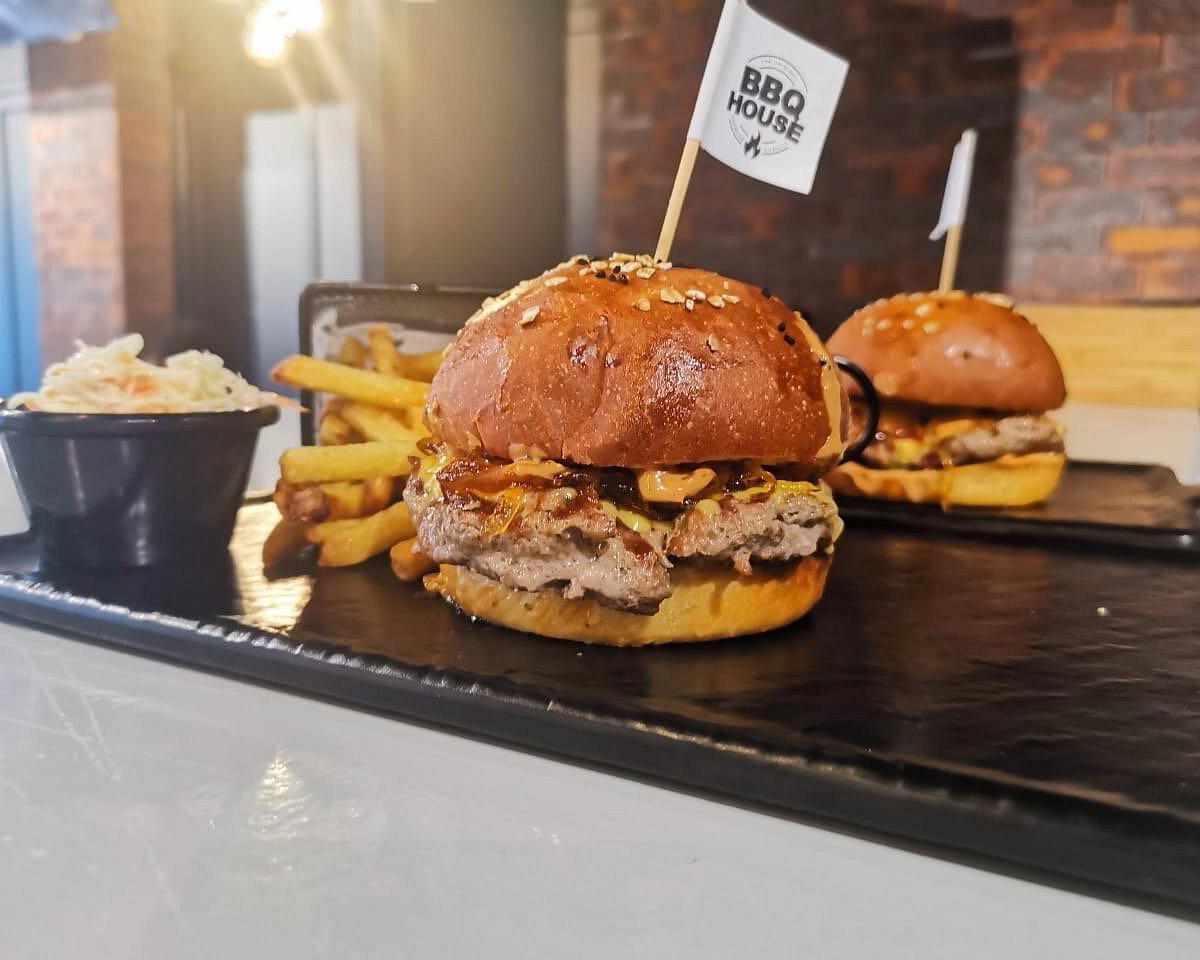
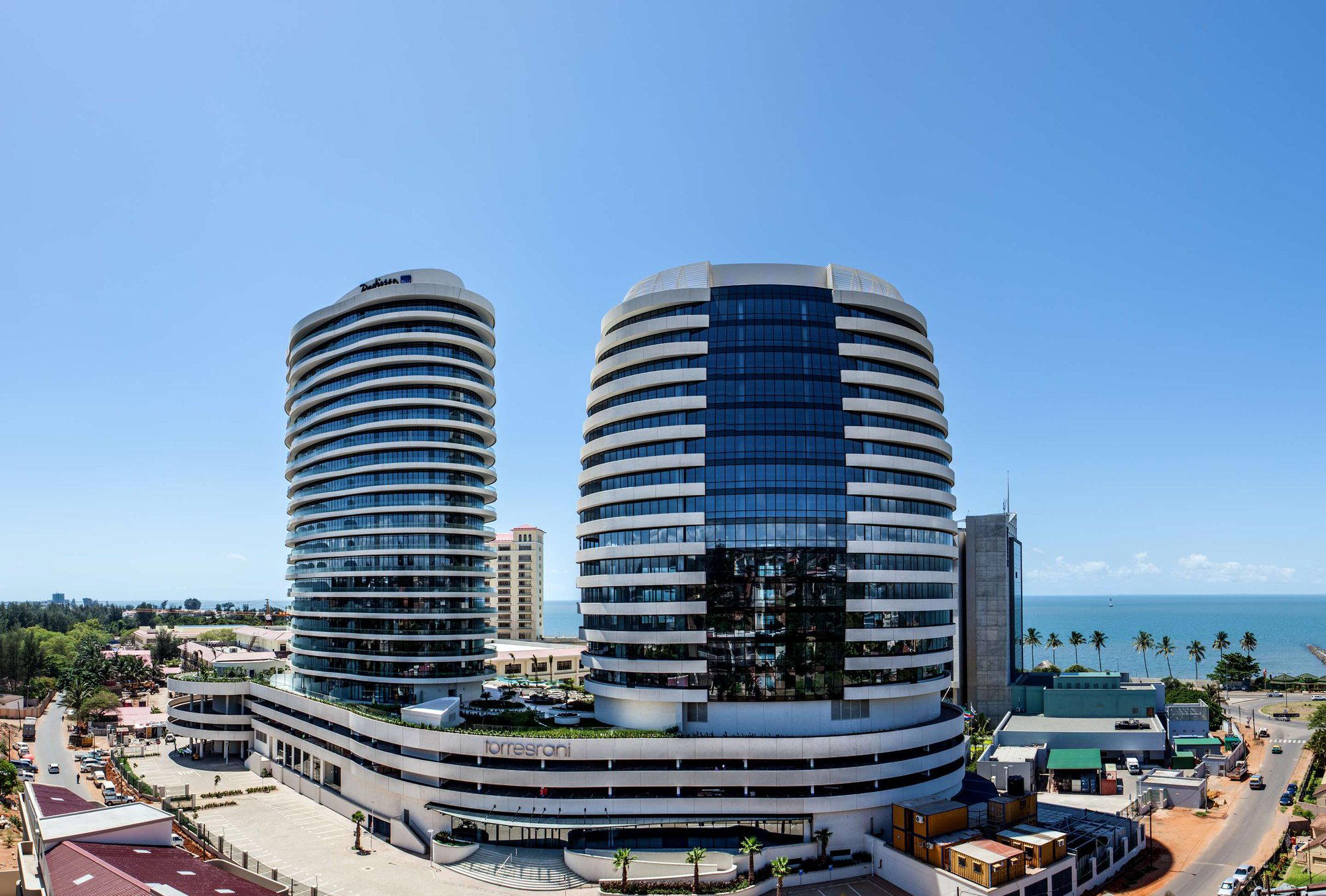
Radisson Blu Hotel, Maputo
The wine
- Extensive wine list
- Craft cocktails
Details
- Elegant
- Sophisticated
- Date Night
- Business Dinner
- Hotel Restaurant
- Terrace
- Open Kitchen
- Extensive Wine List
- Craft Cocktails
- Waterfront
- A La Carte
- Vegetarian Friendly
Elegant and inviting with panoramic ocean views, terrace dining, and warm lighting ideal for romantic dinners or business lunches.