Korean Restaurant
Our verdict
One of Maputo's few addresses bringing Korean cuisine to the Mozambican capital, Korean Restaurant sits on Avenida 24 de Julho in the heart of the city. In a dining scene shaped by Portuguese, Indian, and East African traditions, its presence signals a slow but steady diversification of the city's restaurant options. Details on pricing and hours are best confirmed on arrival or through local inquiry.

Pearl is the En Primeur Club membership app, where members save venues, book tables and use the concierge.
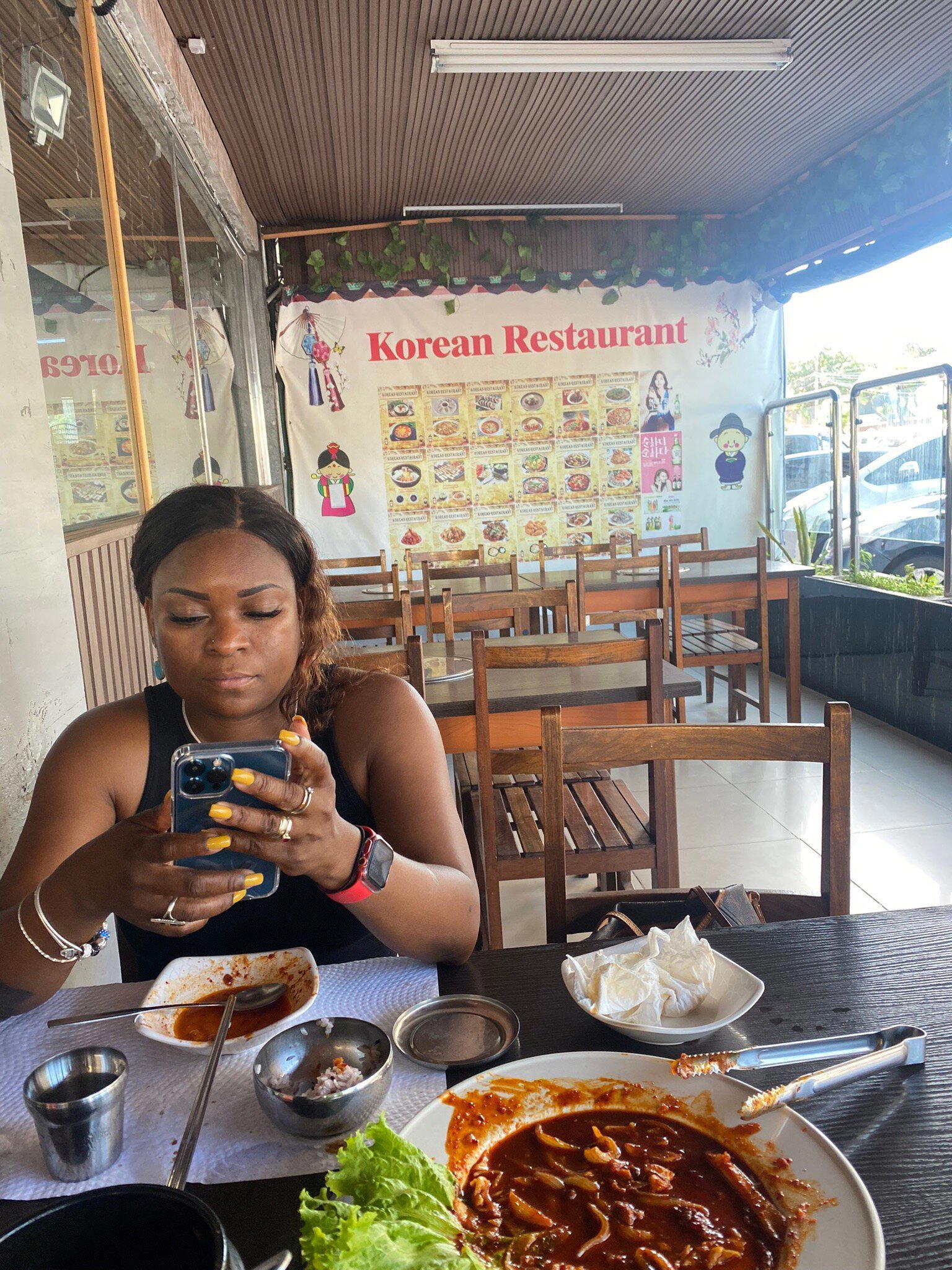
The menu
What to order
- Bulgogi
- Kimchi
- Glass noodles
- Spicy pork
Korean Cooking in an Unexpected Capital
Avenida 24 de Julho, also known locally as Avenida Vladimir Lenine, runs through one of Maputo's most commercially active corridors. Minibuses, traders, and office workers share the pavement at most hours, and the avenue's restaurant options have historically reflected the city's dominant culinary inheritances: Portuguese grills, South African-influenced steakhouses, and the peri-peri tradition that ties Mozambique to its Lusophone neighbours. Against that backdrop, a Korean restaurant is not the obvious arrival. It is, in fact, a minor curatorial surprise.
Sub-Saharan Africa's Korean restaurant footprint is concentrated in larger economic hubs with established Korean expat or diplomatic communities, cities like Johannesburg, Nairobi, and Lagos. Maputo's position on that map is peripheral, which makes Korean Restaurant's presence on this avenue something worth reading carefully. It is not a mainstream dining choice in this city. It is a niche address serving a specific appetite, and the gap between that niche and the city's broader dining habits is part of what defines the experience of eating there.
The Cultural Roots of What Arrives at the Table
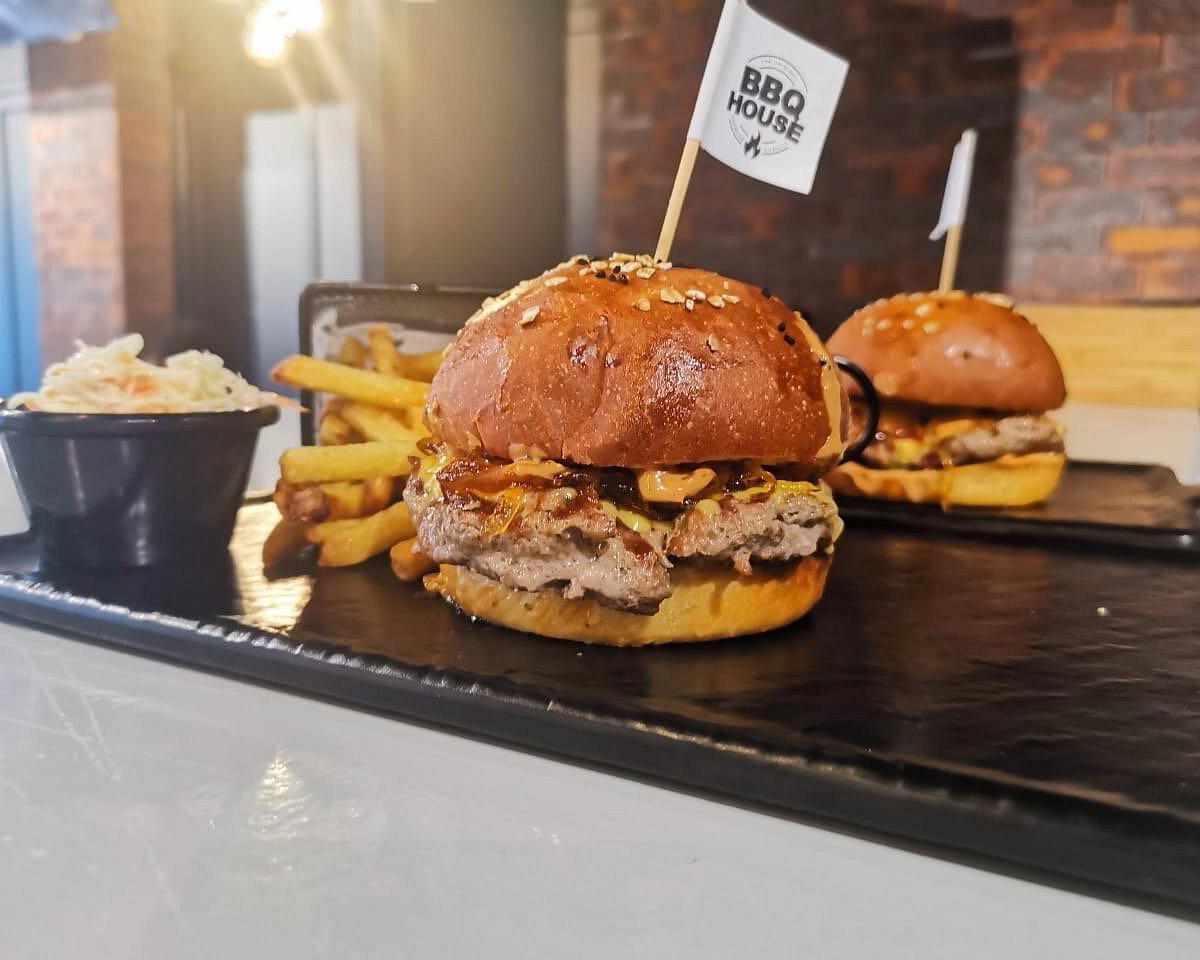
Korean cuisine's foundational logic is fermentation, contrast, and communal eating. The banchan system, small shared plates that arrive before and alongside a main, is structurally different from the Portuguese service sequence that most Maputo diners encounter as a baseline. Fermented vegetables, soybean pastes, gochujang-based heat, and the char of tabletop grilling are flavour registers that do not appear elsewhere on Avenida 24 de Julho. That gap in the local flavour vocabulary is worth naming: for a diner whose reference points are the prawn dishes of the Maputo waterfront or the churrasco tradition represented by venues like BBQ House, the shift in register here is significant.
Korean barbecue, the most globally recognised format, is built around proximity: diners cook protein over charcoal or gas at the table, wrapping meat in perilla or lettuce, building flavour from condiments applied by hand. It is a format that collapses the distance between kitchen and guest.
The broader Korean dining canon, beyond barbecue, runs from the slow heat of kimchi jjigae (fermented cabbage stew) to the clean cold of naengmyeon noodles to the structured theatre of a dolsot bibimbap arriving in a sizzling stone bowl. Each of these represents a different argument about temperature, texture, and timing, arguments that Korean cuisine makes with more formal insistence than most traditions. At venues like Atomix in New York City, that formal insistence has been extended into fine dining territory at the highest level. What arrives in a city like Maputo is necessarily a different expression of the same tradition: practical, community-facing, and shaped by the constraints of supply chains that do not prioritise fermented black bean paste or perilla leaf.
Maputo's Dining Scene and Where This Fits
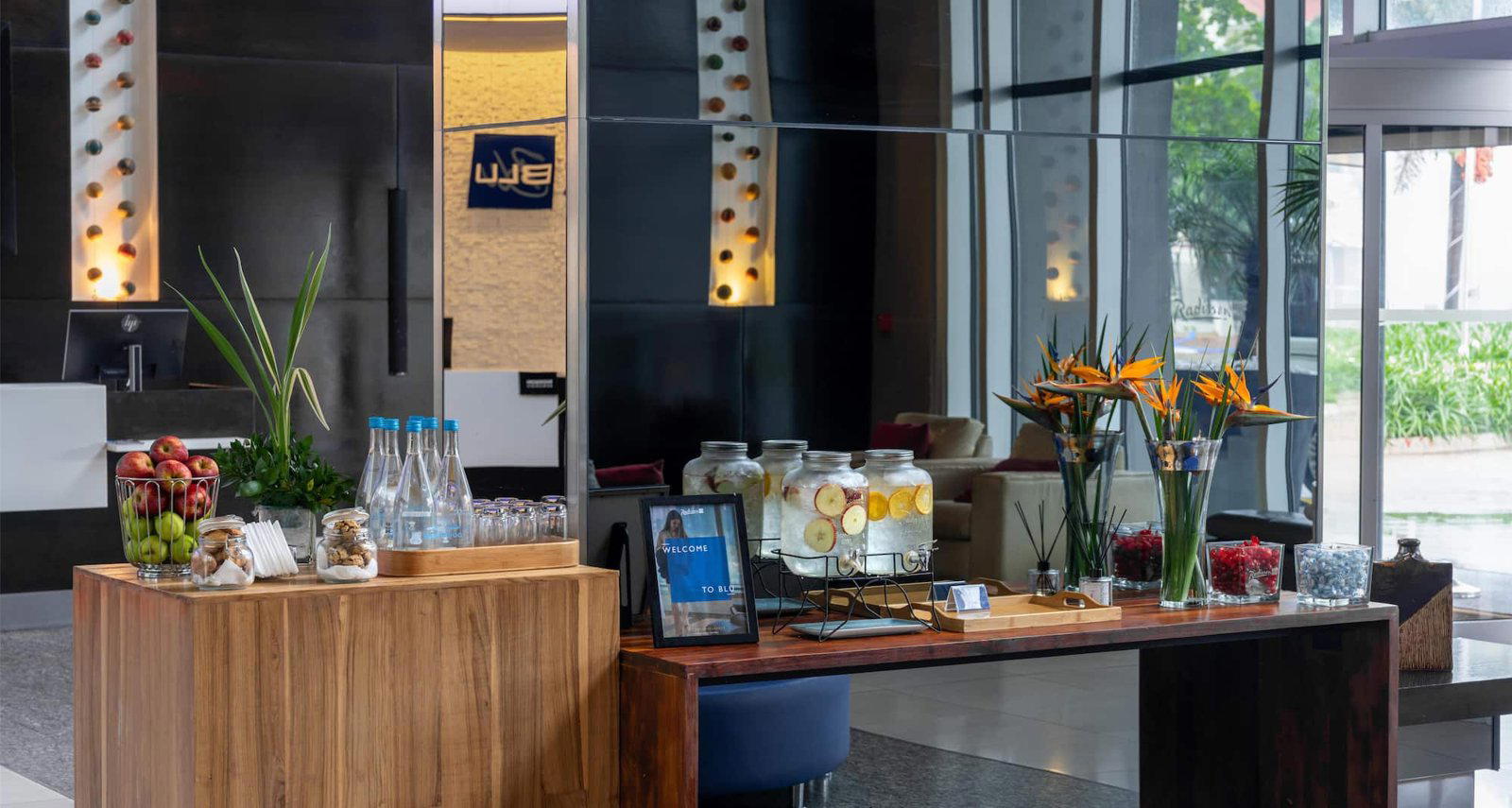
Maputo's restaurant offering has grown more varied over the past decade, though the city remains underserved relative to its status as a regional capital. The waterfront and the Polana neighbourhood carry the higher-end addresses, including the dining options at the Radisson Blu Hotel, Maputo, which operates within the international hotel tier and prices accordingly. Independent restaurants occupy a more diverse range, from mid-market neighbourhood spots to specialist cuisine addresses like this one and Spicy Thai Restaurant Maputo, which represents a parallel move toward Southeast and East Asian cuisines in a city where neither has deep historical roots.
Asian cuisine restaurants in Maputo generally occupy the mid-market. They are not competing with the hotel dining tier for occasion spending, nor are they positioned as casual fast-food. They serve a mixed clientele: expat workers, Korean or Asian diaspora communities (where present), and locally resident diners curious about flavour systems outside the domestic mainstream. For comparative context at the far end of the prestige spectrum, Korean cuisine has achieved Michelin-level recognition in cities like New York, where Atomix operates at two Michelin stars, and in the broader global circuit that includes three-star references like Alléno Paris au Pavillon Ledoyen or Arzak in San Sebastián. These references are not peer comparisons for a neighbourhood Korean restaurant in Maputo. They are, however, evidence of how seriously the global dining community now takes non-European culinary traditions at the highest levels, a shift that gives any Korean address, regardless of scale, a more interesting cultural backstory than it might have carried twenty years ago.
Planning a Visit
Avenida 24 de Julho is accessible by taxi and within reasonable distance of central Maputo, but for anyone travelling from further afield, including from national park areas like those near Restaurante Chikalango in Parque Nacional de Gorongosa, Maputo is the logical urban base rather than a day-trip destination. The avenue runs through a busy commercial district, and the practical advice for any visitor is to confirm opening hours and availability directly before planning an evening around the address. Walkability from central hotels is reasonable, though the avenue's traffic and pavement conditions make taxi or rideshare the more direct approach for unfamiliar visitors.
For a broader read of where this venue sits within the city's options, our full Maputo restaurants guide maps the dining scene across neighbourhoods and price tiers.
Frequently asked questions
Where exactly is Korean Restaurant?
Korean Restaurant is located at Av 24 De Julho (Av. Vladimir Lenine), Maputo, Maputo.
Is Korean Restaurant in Maputo one of the few places serving Korean food in Mozambique?
Korean cuisine has a minimal footprint across Mozambique, making a dedicated Korean address on Avenida 24 de Julho, one of Maputo's most commercially active streets, notable by context alone. Maputo's dining scene has broadened over the past decade, but Korean cooking remains among its rarer international offerings. No awards or published reviews are on file.
What's the signature dish at Korean Restaurant?
No confirmed menu has been published for Korean Restaurant on Avenida 24 de Julho. Korean cuisine broadly centres on fermented staples such as kimchi alongside shared banchan plates, so those elements are likely present, but specific dishes can change without current menu documentation. Check the venue's official channels for the latest details.
Can I walk in to Korean Restaurant?
Walking in is a reasonable approach for a first visit, though arriving early or during off-peak hours reduces the chance of a wait on a busy corridor like Avenida 24 de Julho.
Booking and Cost Snapshot
| Venue | Cuisine | Price |
|---|---|---|
| Korean RestaurantThis venue (the venue you are viewing) | Authentic Korean | $10–20 |
| Radisson Blu Hotel, Maputo | Italian & Mozambican-International | $30–50 |
| BBQ House | American BBQ & Grill | $10–20 |
| Spicy Thai Restaurant Maputo | Authentic Thai Cuisine | $10–20 |
Continue exploring
More in Maputo
Restaurants in Maputo
All restaurants in Maputo →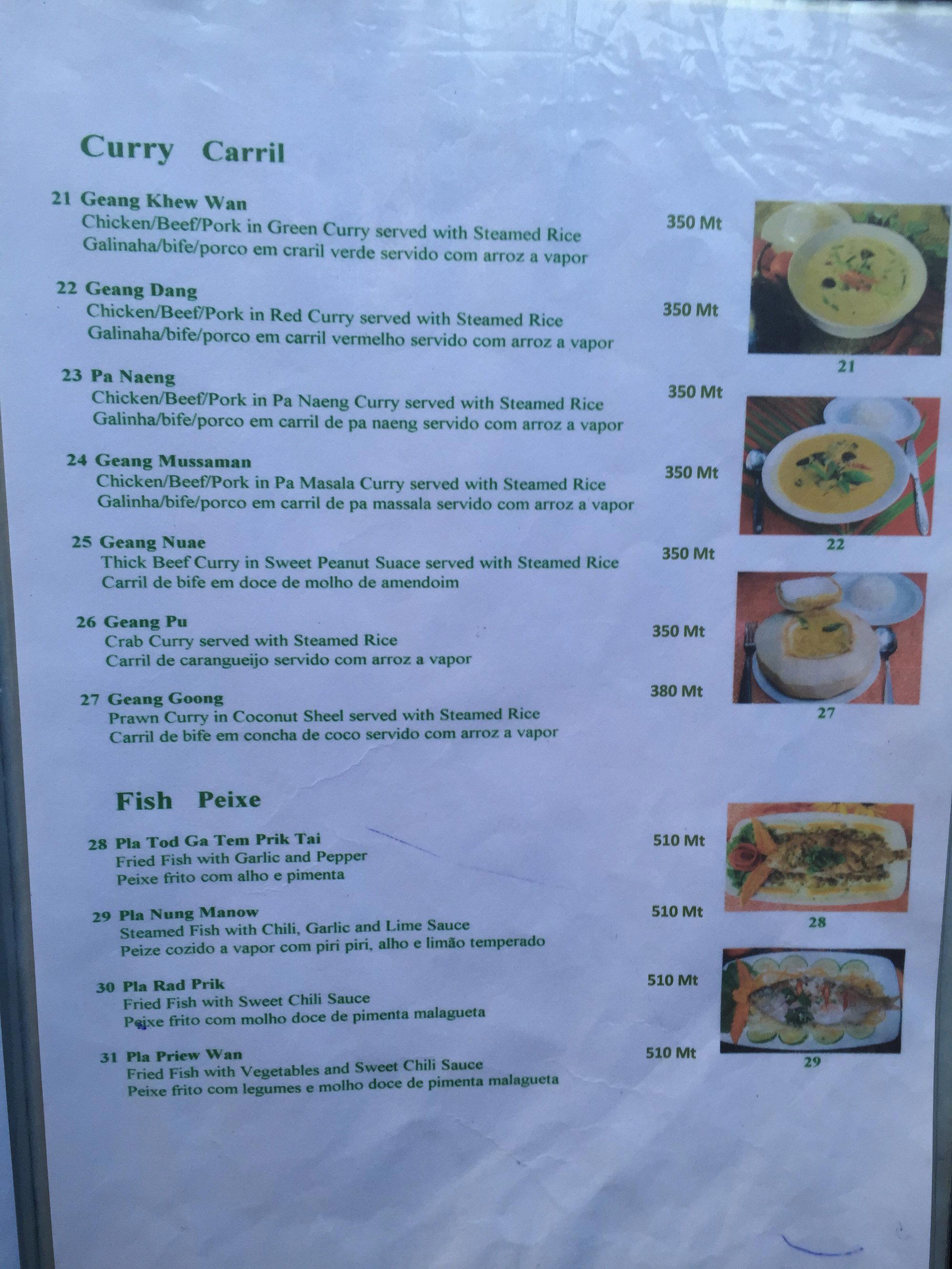
Details
- Cozy
- Casual Hangout
- Special Occasion
- A La Carte
Warm and inviting atmosphere ideal for casual dining and special occasions.