
Tabelog 100 #92
Our verdict
Spice Box brings Tokyo’s South Indian and curry conversation into a compact Uchikanda dining room, with a dining-bar format that suits spice-led courses as much as after-work drinks. Its repeated Tabelog 100 selections across curry and Asian / ethnic categories place it in a serious local cohort rather than the city’s casual curry fringe.

Pearl is the En Primeur Club membership app, where members save venues, book tables and use the concierge.
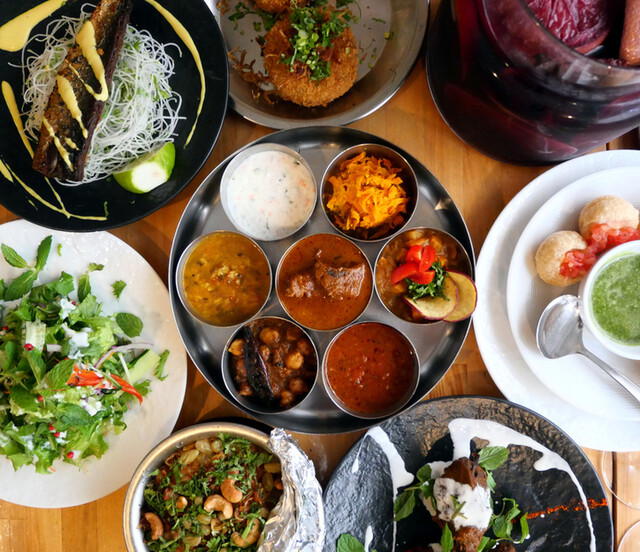
The menu
What to order
- Chicken Biryani
- Kerala Chicken Roast
- Fresh fish wrapped in banana leaves
- Daily biryani lunch
- Bean and vegetable curry
Tokyo’s restaurant rhythm is practical before it is theatrical: office workers moving between appointments; modest rooms doing brisk lunch trade; evening meals stretching into a slower pace. Spice Box belongs to that Tokyo pattern, but the public identity is built around Indian cooking rather than the ramen, yakitori, and izakaya grammar that dominates many parts of the city.
The restaurant’s appeal is best read through its listed categories: Indian, Indian curry, and dining bar. That matters in Tokyo, where Indian restaurants can serve very different occasions, from quick lunch curry sets to more planned evening meals. Spice Box sits in that conversation with a format that connects curry, spice, and dining-bar pacing rather than presenting itself only as a simple curry stop.
Indian cooking treated as an evening ritual
Tokyo has become a demanding city for Indian food. Diners know the difference between generic curry-rice comfort and restaurants with a sharper point of view; Tabelog’s separate recognition for curry and Asian / ethnic restaurants reflects that maturity. Spice Box is listed in 2024 Tabelog Hyakumeiten recognition, with a published score of 3.66 and categories of Indian, Indian curry, and dining bar.
The useful way to read the restaurant is not as a novelty Indian address, but as part of Tokyo’s broader move toward specialised, format-driven dining. Biriyani Osawa, another Tokyo Indian reference point, signals a different decision: biriyani-focused eating rather than a curry-and-dining-bar format. SONG KEE JEE FAN, by contrast, belongs to the wider Asian dining conversation in Tokyo. Spice Box sits in its own lane, with enough structure for dinner and enough informality to remain tied to the city’s after-work culture.
The stated public categories are Indian, Indian curry, and dining bar. Those details are not decorative; they explain the restaurant’s place in Tokyo’s curry scene. Rather than reading the meal as a single bowl of curry alone, the better frame is a dining-bar setting where spice, rice, and the rhythm of the table can shape the progression of the meal. In that context, spice becomes pacing, not just intensity.
Why the drinks-bar format changes the meal
“Indian curry, dining bar” classification is the key to the house style. Tokyo has many lunch curry counters where the meal is engineered for speed. Here, the category points to a dining-bar rhythm, with the food positioned for a meal that can be more than a quick curry stop. That does not make the restaurant a cocktail destination in the bar-guide sense; it makes spice the anchor for a Tokyo dining-bar experience.
That format also affects etiquette. The meal rewards ordering with progression in mind: not necessarily a table crowded with everything at once, but a sequence that lets heat, rice, and the dining-bar tempo do their work. In a specialist restaurant, pacing has social consequences. Arriving with a clear plan matters in this style of operation, and the dining room should not be treated like a large all-purpose restaurant. The better mental model is a focused Tokyo restaurant where the meal has a beginning, middle, and finish.
The kitchen’s public identity is best understood through its categories rather than through unsupported biography. Spice Box is not simply another generic curry stop; it is a Tokyo dining bar built around Indian curry. Diners who come expecting only a standard curry-and-rice lunch may be reading the wrong script; the stronger case here is for Indian curry adapted to the scale and tempo of a Tokyo dining bar.
How to place it in a Tokyo itinerary
For travellers mapping Tokyo by neighbourhood rather than by isolated reservations, Spice Box is a useful Tokyo stop. A meal here can sit beside the city’s broader casual-serious dining culture, from unnamed seafood and charcoal rooms to other curry-focused restaurants, without needing to become a grand formal reservation.
The practical reading is simple: this is not framed here as a grand-occasion dining room, but it has enough recognition and format discipline to justify planning around it. The better use case is a spice-led meal in Tokyo, especially for diners who want an Indian curry meal without turning the night into a formal tasting-menu exercise. Published budget guidance places dinner at JPY 3,000 - JPY 3,999 and lunch at JPY 1,000 - JPY 1,999, which helps explain its usefulness as a planned but approachable stop.
Tokyo rewards those who build meals by district. For a broader scan, see Our full Tokyo restaurants guide, with adjacent planning through Our full Tokyo hotels guide, Our full Tokyo bars guide, Our full Tokyo wineries guide, and Our full Tokyo experiences guide. Other Tokyo and Japan references in the wider dining map include unnamed casual dining rooms, specialist counters, cafes, curry shops, sake bars, and quick-service formats across the city and beyond.
Frequently asked questions
How do I find Spice Box?
Tokyo.
Is Spice Box expensive?
Published budget guidance for Spice Box is Dinner: JPY 3,000 - JPY 3,999; Lunch: JPY 1,000 - JPY 1,999.
Should I book Spice Box in advance?
For current booking rules, check the venue’s official channels before you go. The safer planning assumption is to treat Spice Box as a Tokyo dining-bar address rather than a large walk-in restaurant.
What is Spice Box known for?
Spice Box was listed in 2024 Tabelog Hyakumeiten recognition. The house is identified as an Indian, Indian curry, and dining bar address, with a published Tabelog score of 3.66.
Can Spice Box handle vegetarian requests?
Check the venue's official channels for the latest menu details and request policies before visiting.
Can I bring kids to Spice Box?
Check the venue’s official channels for the latest policy. For families, the useful planning point is that Spice Box is a dining-bar style restaurant in Tokyo rather than a large all-purpose dining room.
Cuisine and Recognition
Comparable venues for cuisine and category context.
| Venue | Cuisine | Price | Awards | Notes |
|---|---|---|---|---|
| Spice BoxThis venue (the venue you are viewing) | Kerala-style South Indian Curry & Dining Bar | $30–50 | Tabelog 100 #92 | Not listed |
| Tandoor Bar Kamalpur Kiba ten | Creative Indian Tandoor Bar | $20–30 | Tabelog 100 #71 | Kōtō |
| Spicy Curry House Hangetsu | Indian Curry | Not listed | Tabelog 100 #63 | Shinjuku |
| spice kitchen moona | Spice-driven Indian & Asian curry bar | $20–30 | Tabelog 100 #11 | Setagaya |
| Indian Street Food & Bar GOND | Indian Street Food & Curry | $20–30 | Tabelog 100 #55 | Chiyoda |
| KHAN KEBAB BIRYANI | Halal Indian & Pakistani Curries, Kebabs and Biryani | $20–30 | Tabelog 100 #96 | Chūō |
Recognition history
Dated appearances from independent guides and award organizations, with the underlying list record or original source where available.
Tabelog 100 #92 · No. 92
Tabelog · Tabelog 100 - Asian cuisine / Ethnic cuisine - TOKYO - 2024
Continue exploring
More in Tokyo
Restaurants in Tokyo
All restaurants in Tokyo →









Details
- Cozy
- Lively
- Casual
- After Work
- Group Dining
- Casual Hangout
- Solo
- Celebration
- Private Event
- Standalone
- Private Dining
- Beer Program
- A La Carte
- Set Menu
- Small Plates
- Beer
- Wine
- Lassi
- Vegetarian Friendly
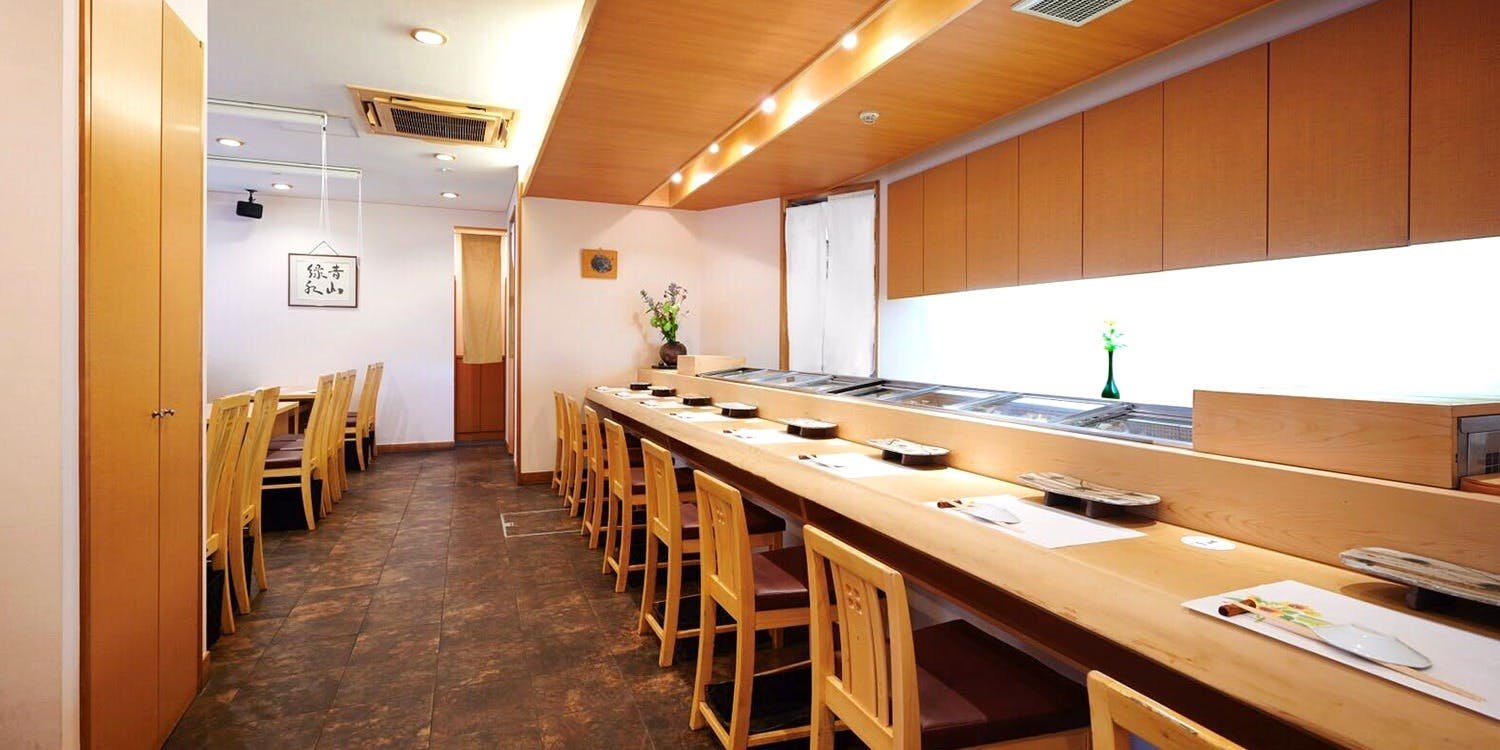
Warm and casual with a cozy wooden interior, the atmosphere feels like a compact neighborhood curry bar that gets lively at night with groups enjoying shared plates and drinks.