Soutine
Our verdict
Soutine occupies a corner of St John's Wood High Street where the pace of North London slows to something more residential and considered. The room draws on a French brasserie lineage that values continuity over novelty, placing it in a different register from the tasting-menu circuit. For neighbourhood dining with genuine culinary ambition, it earns a close look.

Pearl is the En Primeur Club membership app, where members save venues, book tables and use the concierge.

The menu
What to order
- Steak Tartare
- Steak Frites
- Soupe à l'Oignon
- Coq au Riesling
- Ravioles du Dauphiné
- Confit Duck Leg Cassoulet
- Crème Brûlée
- Apple Tart Fine
St John's Wood and the Case for Neighbourhood Ambition
London's premium dining conversation tends to collapse into a handful of postcodes: Mayfair, Knightsbridge, the City fringe. What gets overlooked is the quieter register of North London, where NW8's St John's Wood High Street supports a residential dining culture that rewards deliberate sourcing and consistent execution over spectacle. Soutine, at number 60, sits inside that tradition rather than outside it. The street-level setting reads as unhurried in a way that the West End rarely manages, and that unhurriedness shapes what happens at the table.
The broader pattern across London's neighbourhood restaurants is worth understanding before arriving. Where the Michelin-starred circuit, places like CORE by Clare Smyth or The Ledbury, operates on tasting-menu logic with long booking windows and formal price points, the neighbourhood brasserie model runs on something different: a broader menu, shorter visits, and a clientele that returns weekly rather than annually. Soutine positions itself in that second category, and the implications for sourcing and kitchen discipline are real.
The French Brasserie Lineage in a British Context
The name Soutine references Chaïm Soutine, the early-twentieth-century expressionist painter associated with richly worked surfaces and an intensity of feeling that sits some distance from decorative prettiness. Whether that reference is decorative or substantive matters less than what it signals: an appetite for character over polish, and a willingness to occupy a position slightly apart from the mainstream. The French brasserie tradition that the room draws on has a long history in London, threading through the postwar influx of Soho dining rooms and the Conran-era revival of proper plat du jour culture.
That tradition, at its most considered, treats sourcing as infrastructure rather than marketing. A brasserie that genuinely commits to the format understands that the cassoulet or the bavette only works if the supply chain is managed carefully over time, not seasonally reconfigured for a tasting menu. In a city where Dinner by Heston Blumenthal and Sketch, The Lecture Room and Library operate at the opposite end of the conceptual spectrum, the unglamorous reliability of a well-run neighbourhood room deserves its own accounting.
Sustainability as Kitchen Discipline, Not Marketing Exercise
Across British restaurant culture, sustainability has split into two distinct modes. The first is performative: menu copy about named farms, carbon pledges framed for press releases, and sourcing language that addresses the diner rather than the supplier. The second is structural: buying patterns built around minimising waste, maintaining supplier relationships through the year rather than cherry-picking seasonal moments, and kitchen processes that treat by-products as ingredients rather than disposal problems. The more compelling venues in the UK countryside, L'Enclume in Cartmel, Moor Hall in Aughton, or Le Manoir aux Quat'Saisons in Oxford, tend to operate in the second mode, where the kitchen garden or the named local butcher represents a logistics commitment, not a talking point.
For an urban neighbourhood restaurant, the structural version of sustainability is harder to perform because the space and the supply volumes are different. What replaces it, when done well, is menu discipline: shorter lists, less waste, a cooking philosophy that values whole-animal or whole-vegetable approaches because they make economic sense as well as ethical ones. The French brasserie tradition is actually well-suited to this, historically relying on cuts and preparations that larger, showier kitchens ignore. Whether Soutine applies that discipline consistently is the right question to carry through the door.
The broader UK dining circuit has demonstrated that ethical sourcing at the neighbourhood level is achievable without the acreage of a country house. Hand and Flowers in Marlow and hide and fox in Saltwood both operate in smaller formats with considered sourcing programs that are legible in the cooking rather than just the menu language. The comparison is instructive: kitchen ambition does not require scale, but it does require clarity about what the room is for.
Where Soutine Sits in the London Dining Picture
London's restaurant geography divides into concentric rings of intensity. The innermost ring, centred on Mayfair and the immediate West End, clusters the city's highest-price, highest-profile rooms. Restaurant Gordon Ramsay and its peers operate there, drawing destination diners from across the country and internationally. For context on what that circuit looks like globally, Le Bernardin in New York City and Atomix in New York City occupy a parallel tier in their own city, with comparable booking lead times and price points.
Soutine operates in a different ring, where the competitive set is not defined by awards but by neighbourhood loyalty and repeat custom. St John's Wood supports a resident population with high expectations and limited patience for theatrics, which is actually a more demanding brief than it sounds. A room that can hold that audience through the week, across lunch and dinner, without a tasting-menu format to anchor the proposition, is doing something worth noting. For comparison with how other cities handle this middle tier, Midsummer House in Cambridge and Opheem in Birmingham both demonstrate that sustained culinary ambition outside London's centre is viable when the kitchen has a clear point of view.
Readers building a broader London itinerary should consult our full London restaurants guide, which maps the city's dining tiers from Michelin-starred destinations to neighbourhood rooms worth knowing. The UK's most decorated country-house dining, Waterside Inn in Bray, Gidleigh Park in Chagford, and Restaurant Andrew Fairlie in Auchterarder, represents a different travel logic entirely, built around the overnight stay and the multi-course format, and should be planned separately from a London visit.
Planning a Visit
Soutine is located at 60 St John's Wood High Street, NW8 7SH. St John's Wood Underground station on the Jubilee line is the practical arrival point for most visitors coming from central London, with the restaurant a short walk from the exit. The neighbourhood's residential character means parking is possible for those arriving by car, though NW8 operates standard London parking restrictions on the High Street itself.
Given the neighbourhood positioning, the room is appropriate for a broad range of occasions, from a weekday lunch to an unhurried weekend dinner. Booking is advisable at weekends when neighbourhood demand is highest; midweek slots are generally more available.
Quick reference: 60 St John's Wood High St, London NW8 7SH. Nearest station: St John's Wood (Jubilee line).
Frequently asked questions
Can I bring kids to Soutine?
A neighbourhood brasserie in NW8 at this price positioning is a reasonable environment for older children, though the room's character is better suited to adult dining than to very young families.
What kind of setting is Soutine?
Soutine occupies a corner of St John's Wood High Street in a format that sits closer to the French brasserie tradition than to London's Mayfair tasting-menu circuit. It operates in a residential neighbourhood register, distinct from the destination dining rooms that define the city's higher-priced tier.
What dish is Soutine famous for?
The French brasserie format that Soutine draws on historically centres on preparations where cooking technique and sourcing quality are more legible than in elaborately constructed dishes, a useful frame for what to expect, even without confirmed menu specifics.
Should I book Soutine in advance?
If visiting on a Friday or Saturday evening, booking ahead is the sensible approach: St John's Wood supports a dense residential population with consistent weekend demand, and a room at this standard does not hold walk-in capacity reliably. Midweek is more forgiving, but a reservation removes uncertainty at any point in the week.
What do critics highlight about Soutine?
Look for coverage that addresses the room's sourcing consistency and kitchen discipline rather than individual dish pyrotechnics. The French brasserie format is judged differently from the tasting-menu circuit, and the most useful critical assessments will track execution across the full menu rather than spotlighting a single signature preparation.
Is Soutine connected to any well-known London restaurant figures?
Soutine sits within a St John's Wood dining tradition that draws on North London's long association with considered, non-theatrical cooking.
Budget Reality Check
Comparable venues nearby, for context on price, style, and recognition.
| Venue | Cuisine | Price | Awards | Notes |
|---|---|---|---|---|
| SoutineThis venue (the venue you are viewing) | Classic French Bistro & Parisian Café | $50–100 | Not listed | Not listed |
| Bebe Bob | French Rotisserie Chicken | $50–100 | Not listed | Soho, French Rotisserie Chicken |
| Galvin at Windows | Modern French Haute Cuisine | $150–200 | Not listed | Mayfair, Modern French Haute Cuisine |
| Colbert | Classic French Brasserie | $30–50 | Not listed | Sloane Square, Classic French Brasserie |
| Amélie Restaurant | French Wine House | $50–100 | Star Wine List · World's Best Wine Lists Awards WBWL 3-Star | Belgravia, French Wine House |
| Café Boulud | High-end French all-day café-brasserie | Not listed | Not listed | The Mall / Westminster, High-end French all-day café-brasserie |
Continue exploring
More in London
Restaurants in London
All restaurants in London →
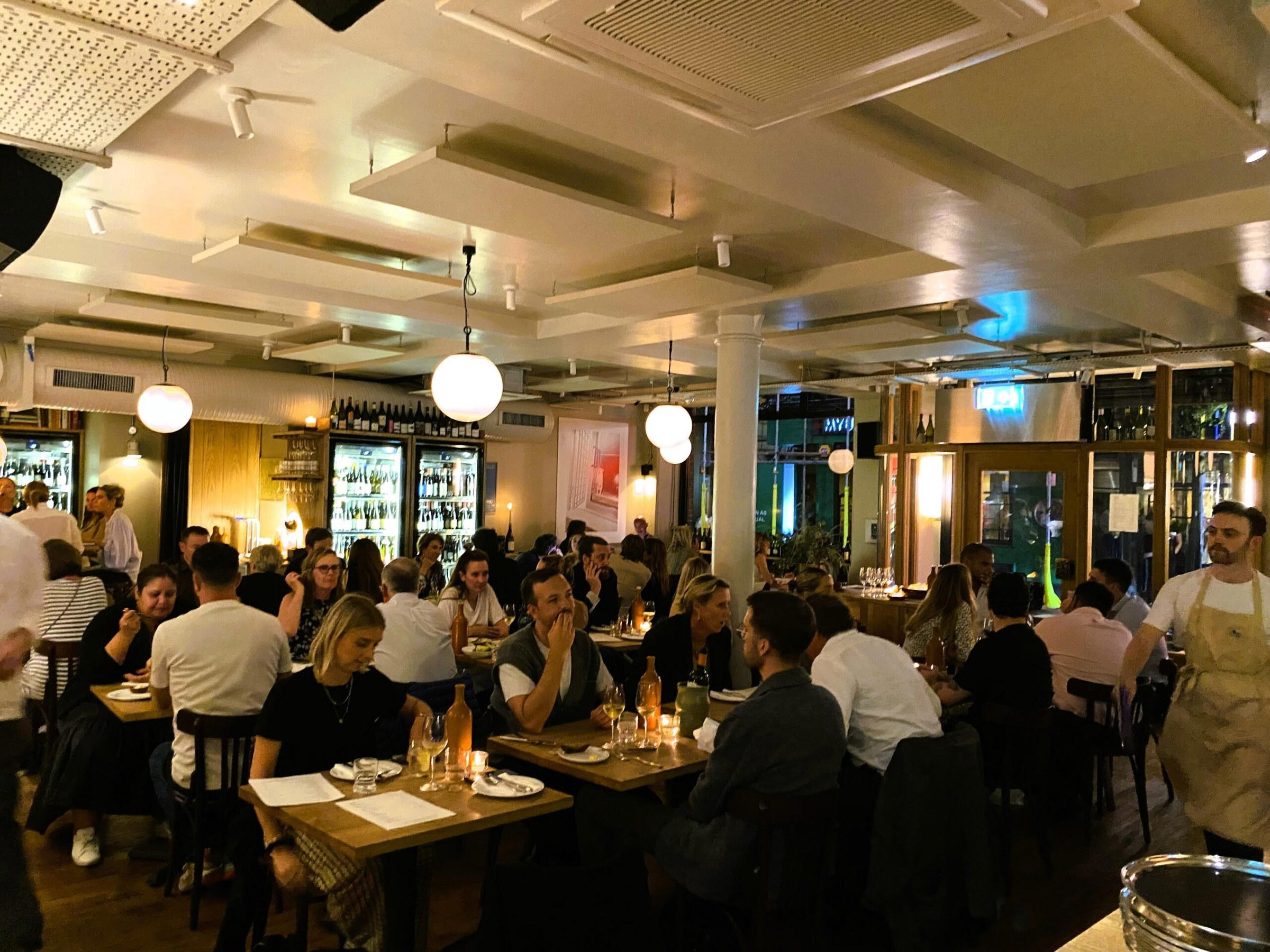
Bars in London
All bars in London →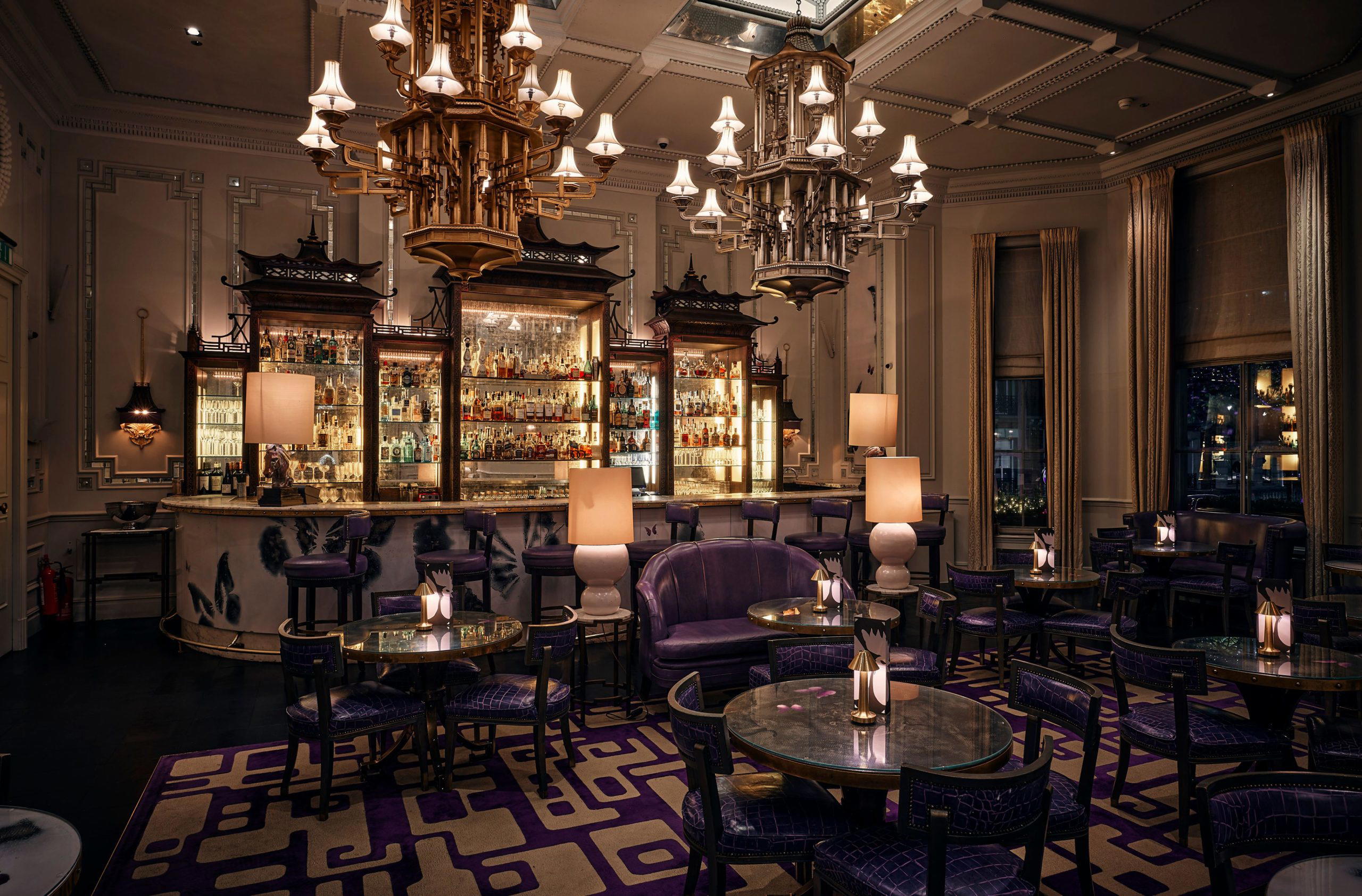
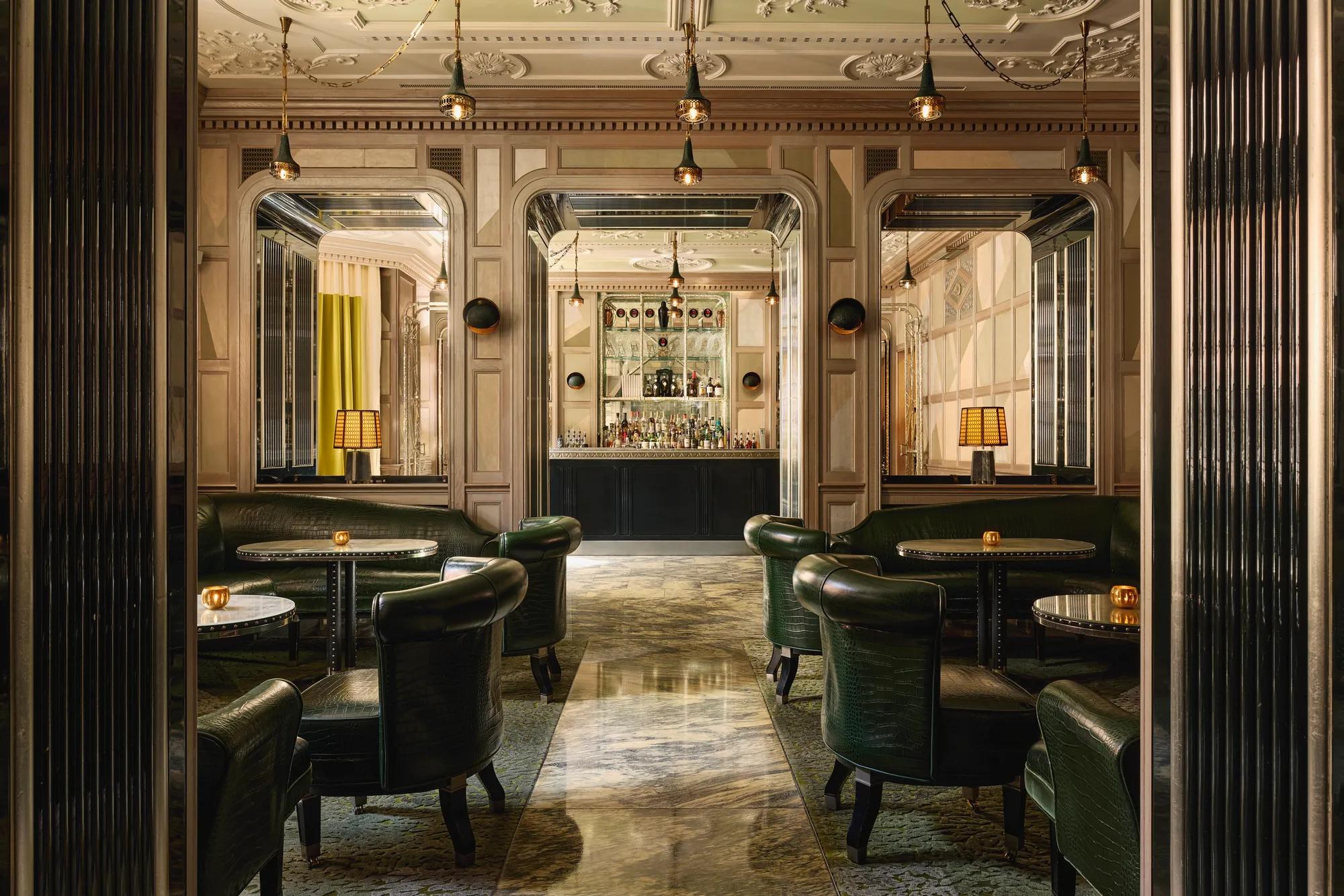
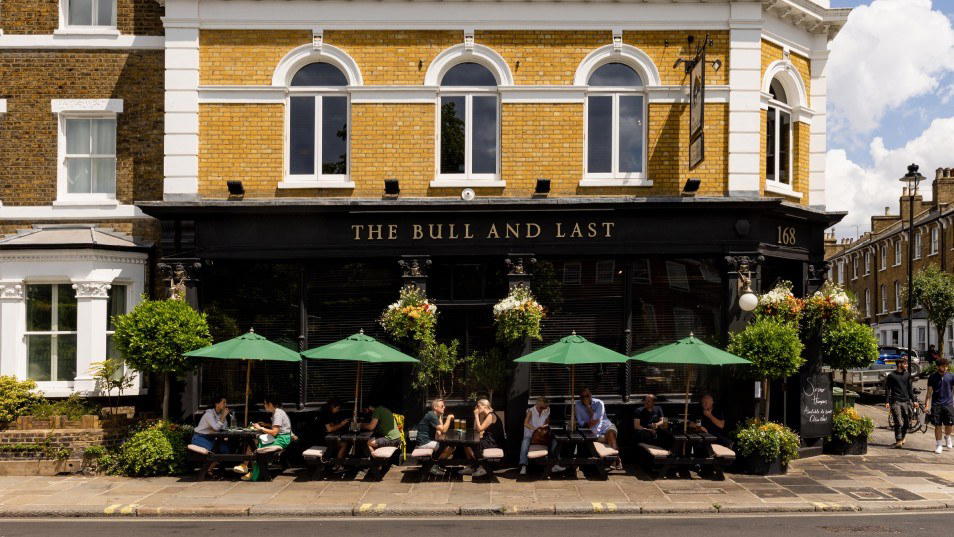




Details
- Classic
- Elegant
- Romantic
- Sophisticated
- Date Night
- Business Dinner
- Brunch
- Casual Hangout
- After Work
- Standalone
- Terrace
- Extensive Wine List
- Street Scene
- A La Carte
- Wine
- Cocktails
- Vegetarian Friendly
Current opening hours
- Monday
- 11 AM–9:30 PM
- Tuesday
- 11 AM–9:30 PM
- Wednesday
- 11 AM–10 PM
- Thursday
- 11 AM–10 PM
- Friday
- 11 AM–10 PM
- Saturday
- 9 AM–10 PM
- Sunday
- 9 AM–9 PM
Hours can change for holidays and private events. Hours as of .
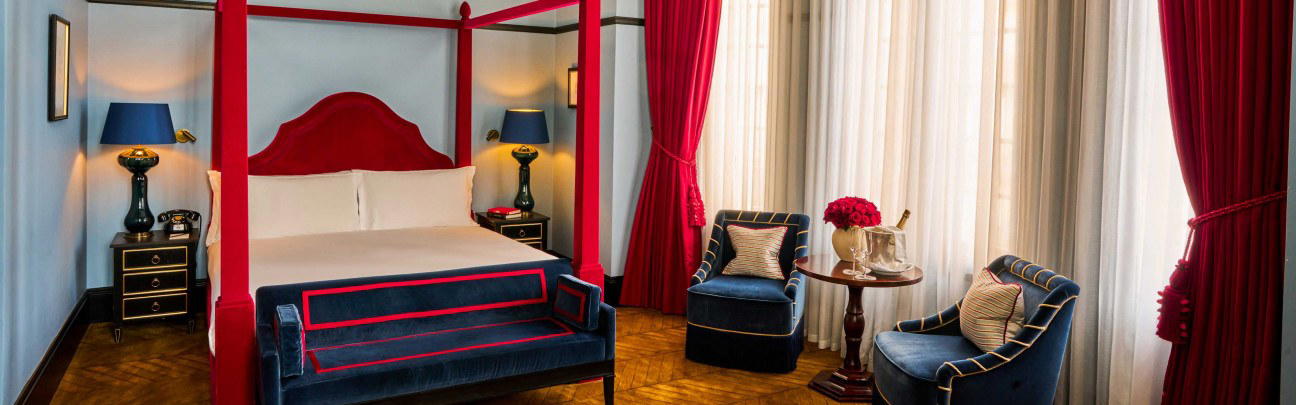
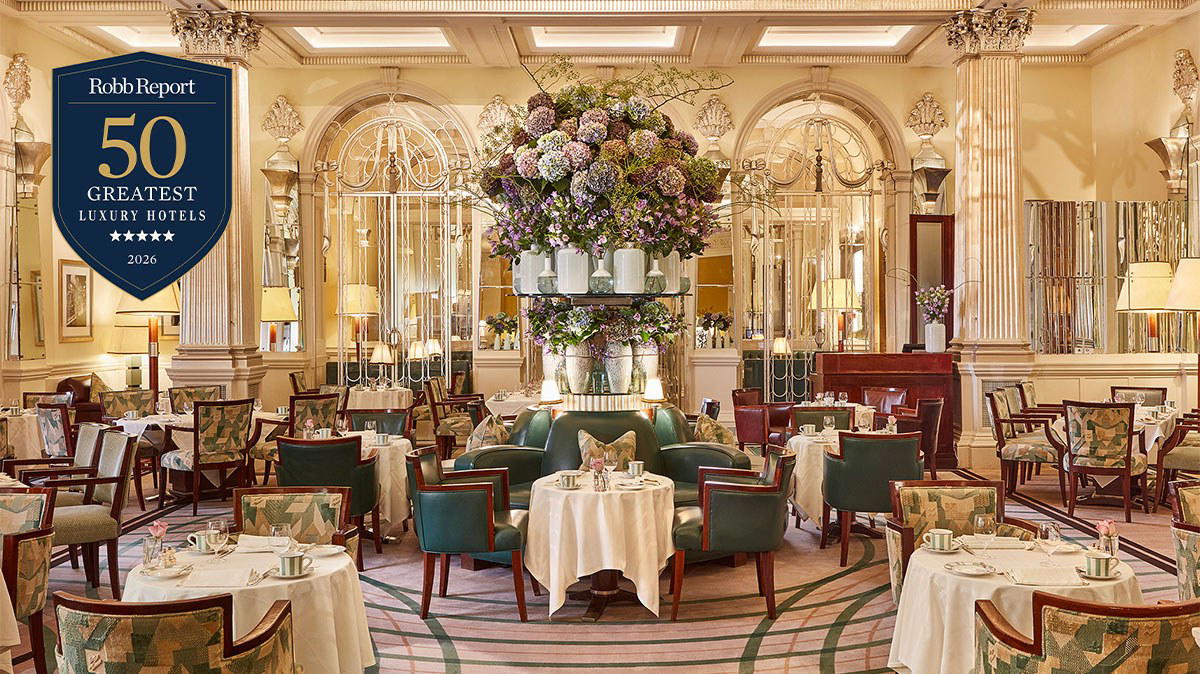
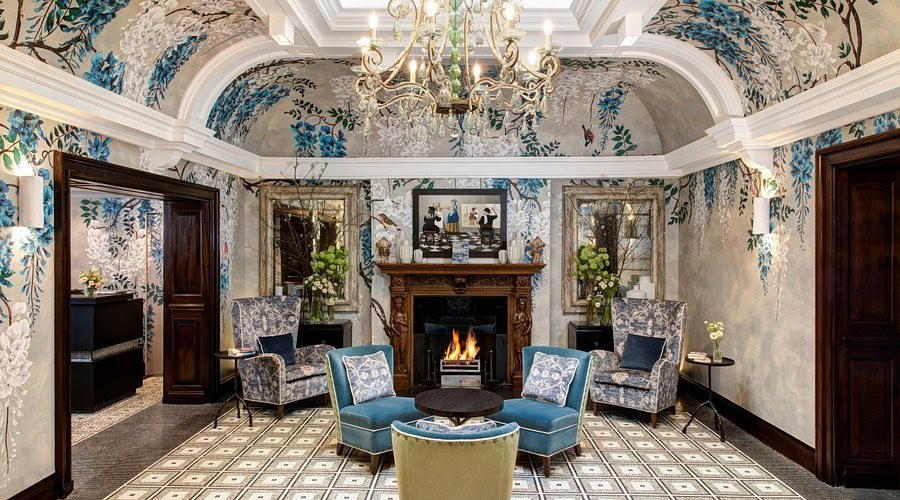
Warm, sophisticated lighting with a classic Parisian café atmosphere; front room and pavement offer relaxed café seating while the rear dining space is slightly more formal. Low noise level with attentive service.