Amélie Restaurant


Amélie Restaurant occupies the ground and first floors of the Pantechnicon in Belgravia's Motcomb Street, a converted Victorian building that draws a considered crowd to one of London's more architecturally distinctive dining addresses. The restaurant holds a White Star recognition from Star Wine List and a 3-Star accreditation from the World of Fine Wine awards, placing its wine program among the more seriously curated in the neighbourhood.
Pearl is the En Primeur Club membership app — saves, bookings, and concierge access live there. Same editors, same standards.
- Address
- Ground Floor & First Floor, Pantechnicon, 19 Motcomb Street, London
- Phone
- 020 7034 5406
- Website
- amelie-restaurants.com
- Directions
- Get directions
 Saves & bookings on Pearl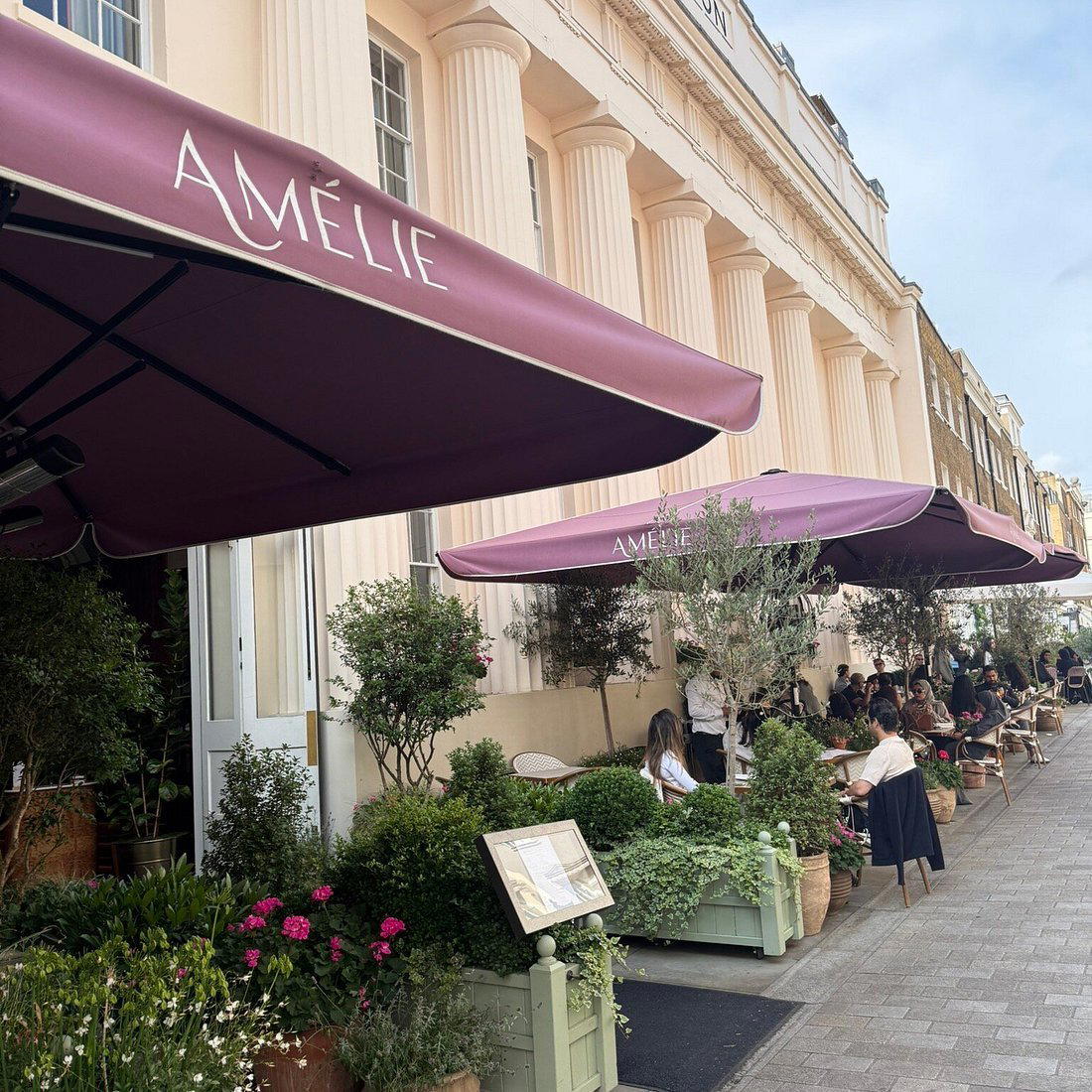
Belgravia's Pantechnicon and What It Says About London's Dining Tier
Motcomb Street runs through the quieter, residential side of Belgravia, a stretch where the density of serious restaurants thins out compared to Mayfair or the City. The Pantechnicon, a Grade II listed Greek Revival building at number 19, has housed a range of tenants across its history, but its current incarnation as a multi-floor retail and dining destination places it in an interesting category: the kind of address where the building itself frames expectations before a single dish arrives. Amélie Restaurant occupies the ground and first floors of this space, and the architecture sets a particular register, high ceilings, considered proportions, the kind of room that asks a kitchen and floor team to meet it at a certain level.
That dynamic between physical environment and operational discipline matters more than it might seem. London's premium dining tier, represented by addresses like CORE by Clare Smyth and The Ledbury, operates in rooms shaped around a specific service philosophy. Amélie works from a different position: an existing architectural landmark, inherited rather than purpose-built, which places a different kind of pressure on the team to read and animate a space they did not design from scratch.
The Wine Program as the Clearest Signal
Where Amélie has drawn the clearest external recognition is in its wine credentials. The restaurant holds a White Star from Star Wine List, a distinction awarded to London addresses with wine programs that exceed the standard of their category, and a 3-Star accreditation from the World of Fine Wine awards. These are meaningful credentials in a specific domain: they signal that the list has been reviewed by specialists and found to be structured, sourced, and priced above the generic.
In London's Belgravia specifically, wine programs at the upper tier tend to skew toward French classics, with Burgundy and Bordeaux forming the backbone of most serious lists. The World of Fine Wine accreditation suggests Amélie's program engages with that tradition at depth. For context, restaurants like Alain Ducasse at The Dorchester and Ikoyi have built wine lists that are treated as integral to the overall experience rather than ancillary to the kitchen. A 3-Star World of Fine Wine accreditation places Amélie in proximity to that tier of seriousness, even if its kitchen profile is less publicly documented.
The wine-forward positioning also implies something about the floor team. A list of that calibre requires a sommelier with both depth of knowledge and the communication instinct to make selections accessible without being condescending. At restaurants where the wine program carries equal or greater weight than the food program, the dynamic between sommelier and kitchen tends to be more genuinely collaborative: menus are built with wine in mind, courses paced to open drinking windows, and the floor team given latitude to lead conversations rather than simply respond to orders.
The Collaborative Dynamic in a Dining Room Like This
The editorial angle worth holding on to at a place like Amélie is what happens when a strong wine program, an architecturally significant room, and a kitchen operate in synchrony. London has plenty of restaurants where the kitchen is the clear protagonist and the wine list a capable but secondary supporting character. Fewer have rooms where the wine credentials genuinely lead, which shifts the internal hierarchy of the team in interesting ways.
At addresses where the sommelier holds standing equivalent to the head chef, service tends to run differently. The front-of-house team is more likely to open conversations about food and wine together from the first moments of seating, rather than segmenting the interaction into a food order phase and a wine order phase. Pacing decisions, which are ordinarily a kitchen function, become negotiated between floor and kitchen. This kind of collaboration produces a more integrated experience for the diner, though it requires a particular kind of mutual respect between departments that is harder to build and maintain than it looks from the outside.
Comparable dynamics exist at addresses that have been recognised specifically for the depth of their beverage programs alongside serious kitchens, including some of the UK's destination restaurants outside London such as Moor Hall in Aughton and L'Enclume in Cartmel, where the wine list is treated as part of the editorial identity of the restaurant rather than a revenue mechanism.
Where Amélie Sits in the Broader London Picture
London's restaurant scene in the ££££ tier is anchored by a relatively small number of addresses with multiple Michelin stars or consistent placement in global ranking lists. Below that tier sits a wider band of serious restaurants that operate with genuine technical ambition but without the same level of external validation. Amélie's wine credentials position it as a serious address within that second tier, particularly for diners for whom the wine experience carries meaningful weight in the overall calculation.
Belgravia operates at a different pace and atmosphere to Soho or Fitzrovia, where the density of dining options makes spontaneity easier. Motcomb Street rewards deliberate visits.
The creative end of London's restaurant market, represented by places like The Clove Club and Ikoyi, operates with a different set of priorities: kitchen-forward, often tasting-menu-led, with wine lists that are considered but secondary. Amélie's positioning inverts some of that emphasis, which makes it a different kind of proposition and a useful counterpoint in a London itinerary that risks becoming too kitchen-centric.
Beyond London, the UK's dining geography extends to addresses that pair serious kitchens with considered wine programs in destination settings, including Waterside Inn in Bray, Gidleigh Park in Chagford, and Hand and Flowers in Marlow. Further afield, the emphasis on wine-integrated dining has international parallels at Le Bernardin in New York City, where the relationship between kitchen and cellar has been central to the restaurant's identity for decades.
Planning a Visit
Amélie Restaurant is located at the ground and first floors of the Pantechnicon, 19 Motcomb Street, London. The address places it a short walk from Knightsbridge and Sloane Square, both served by the Circle and District lines, as well as the Piccadilly line at Knightsbridge. Given the wine credentials and the nature of the space, booking ahead is recommended. For those exploring the wider Belgravia and Chelsea dining picture, offer additional context for building a programme around the area.
Cuisine and Awards Snapshot
Comparable venues nearby, for context on price, style, and recognition.
| Venue | Cuisine | Price | Notes |
|---|---|---|---|
| Amélie RestaurantThis venue — the venue you are viewing | French Wine House | $$$ | Not listed |
| Henri at Henrietta Hotel | Modern French Bistro | $$$ | Covent Garden |
| Cafe Monico | French-Italian Brasserie | $$$ | Soho |
| La Compagnie, Neal’s Yard | French Wine Bar with Natural Wines & Small Plates | $$$ | St Giles |
| Cigalon | Contemporary Provençal French | $$$ | Holborn |
| Balthazar | Classic French Brasserie | $$$ | Covent Garden |
Recognition history
Dated appearances from independent guides and award organizations, with the underlying list record or original source where available.
Star Wine List
Star Wine List
World's Best Wine Lists Awards WBWL 3-Star
World's Best Wine Lists Awards
Continue exploring
More in London
Restaurants in London
Browse all →
Bars in London
Browse all →
Hotels in London
Browse all →

At a Glance
- Elegant
- Cozy
- Intimate
- Date Night
- Casual Hangout
- Wine Cellar
- Extensive Wine List
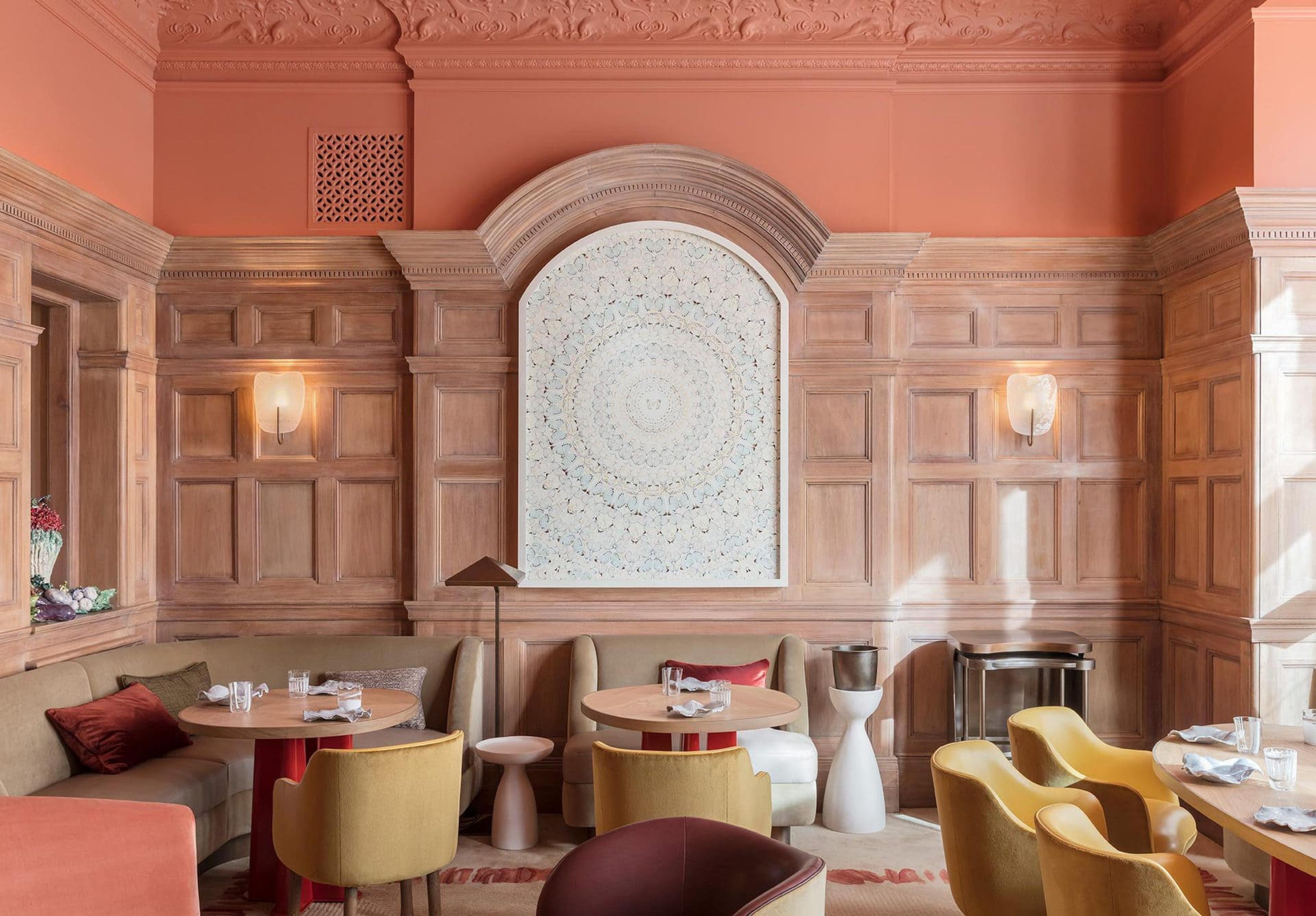
Cosy and intimate with warm lighting, beautiful artwork, and a welcoming French bistro atmosphere.