Bebe Bob
Bebe Bob sits on Golden Square in Soho, a pocket of central London where the neighbourhood's creative industry crowd and serious diners have long overlapped. The address places it within walking distance of some of London's most decorated restaurant rooms, yet the atmosphere here reads differently, closer to the convivial informality that Soho has always done better than anywhere else in the city.
Pearl is the En Primeur Club membership app — saves, bookings, and concierge access live there. Same editors, same standards.
- Address
- 37 Golden Square, London W1F 9LB, United Kingdom
- Phone
- +44 20 7242 1000
- Website
- bebebob.com
- Directions
- Get directions
 Saves & bookings on Pearl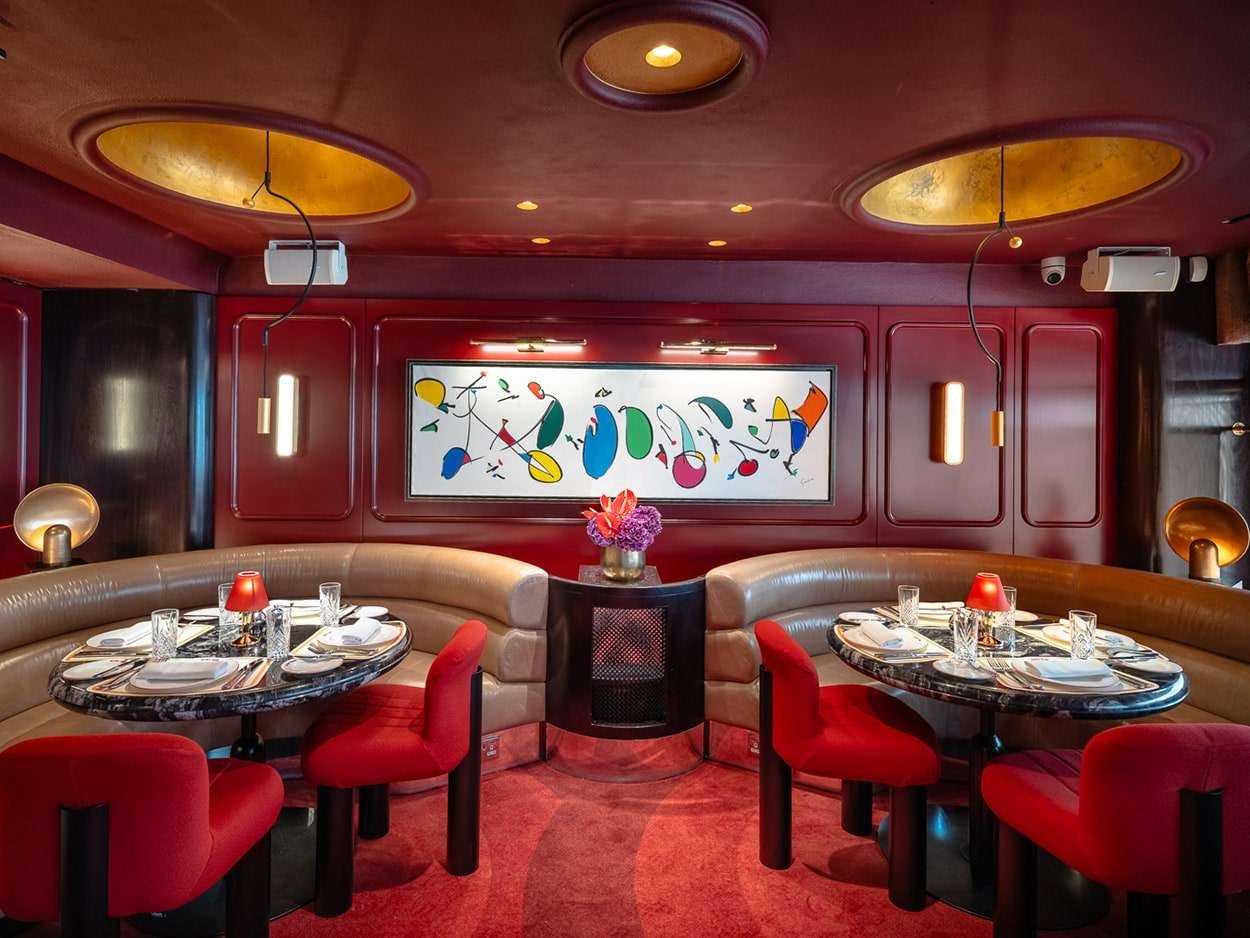
Golden Square and the Soho Dining Register
Soho has operated as London's most reliably contradictory dining neighbourhood for decades. It is home to both the city's most casual late-night eating and, within a few hundred metres, some of its most technically demanding kitchens. Golden Square sits at the western edge of this tension, a Georgian garden square that functions more as a shortcut between Brewer Street and Carnaby than as a destination in its own right. That relative anonymity is precisely what gives addresses on this square their particular character: less foot-traffic theatre, more deliberate arrival.
The restaurants that tend to succeed in this pocket of W1 are ones that understand Soho's social contract, the expectation of energy without excess formality, of a room that sounds like people are genuinely enjoying themselves rather than performing enjoyment for the occasion. Bebe Bob at 37 Golden Square operates within that register. Its position in the neighbourhood places it in a different comparable set from the Michelin-heavy rooms a short distance north and west: the three-star seriousness of CORE by Clare Smyth, the formal grandeur of Restaurant Gordon Ramsay, or the theatrical precision of Sketch, The Lecture Room and Library. Bebe Bob is not competing in that register, and the address makes that clear before you walk through the door.
The Atmosphere at Street Level
Approaching Golden Square from the south, the shift in pace is immediate. The compressed streetscape of Brewer Street gives way to the relative openness of the square itself, a small park ringed by Georgian and early Victorian facades that have been repurposed, over generations, for advertising agencies, music industry offices, and the kind of small restaurants that thrive when their neighbours are creative professionals on expense accounts and locals who know their way around a neighbourhood menu.
What defines the sensory experience of eating in this part of Soho is not grandeur but compression: rooms that feel inhabited rather than staged, noise levels that indicate confidence in the kitchen's ability to hold attention without demanding silence, and light that tends toward the warmer end of the spectrum as the evening progresses. This is Soho's particular gift to its diners, the sense that the room was already in motion before you arrived, and will continue after you leave. It is an atmosphere that London's more formally appointed dining rooms, however accomplished, cannot easily replicate.
The broader Soho dining context is worth holding in mind when assessing Bebe Bob. London's mid-market restaurant scene has consolidated significantly over the past several years, with a divergence emerging between high-end tasting menus and genuinely casual neighbourhood formats. Venues that occupy the ground between those poles, comfortable, confident, without the overhead of a multi-course kitchen brigade, have become the more interesting proposition in areas like Soho, where rents pressure margins from one direction and diner expectations from another.
Contextualising the W1 Dining Scene
London's decorated restaurant tier is well-mapped. The Ledbury anchors Notting Hill's fine dining credentials with three Michelin stars and a Modern European format that has sustained serious critical attention across multiple years. Dinner by Heston Blumenthal in Knightsbridge operates at two-star level with a format, historical British cooking rendered through contemporary technique, that sits outside the mainstream tasting menu mode. Beyond London, the comparison points shift further: The Fat Duck in Bray, L'Enclume in Cartmel, and Moor Hall in Aughton represent the country house and destination end of British fine dining, where the journey to the table is part of the experience's architecture.
The restaurant's Golden Square address positions it nowhere near that destination-restaurant logic. It belongs instead to the tradition of the Soho neighbourhood restaurant, a format that, at its leading, delivers cooking and atmosphere calibrated for regulars and repeat visits rather than single-occasion pilgrimage. That is not a lesser ambition. In a city where the tasting menu has become the default expression of culinary seriousness, the well-executed neighbourhood room is increasingly the harder proposition to sustain.
For international comparison, the tradition the restaurant inhabits finds its closest parallels in the kind of serious-but-unstuffy bistro format that cities like Paris and New York have long cultivated alongside their formal fine dining tiers. Le Bernardin in New York City represents the formal apex of that city's dining scene in a way that illuminates, by contrast, what the neighbourhood restaurant format is and is not trying to do. Atomix in New York City shows a different path: a small-format tasting menu operation where intimacy serves technical ambition. The restaurant's Soho positioning suggests a different set of priorities altogether.
Planning Your Visit
Golden Square is most directly reached from Oxford Circus or Piccadilly Circus Underground stations, both within a ten-minute walk. The surrounding neighbourhood shifts character across the day and week: lunch service draws from the advertising and media offices that occupy much of the square's perimeter, while evening service pulls a broader mix of Soho regulars, theatre-goers, and visitors staying in the immediate area. Booking ahead is advisable for evenings, particularly Thursday through Saturday, when the square's restaurant density means demand tracks consistently above capacity across the neighbourhood.
For dining beyond the capital, Gidleigh Park in Chagford, Hand and Flowers in Marlow, and hide and fox in Saltwood represent strong regional options at varying price points and formality levels.
Know Before You Go
- Address: 37 Golden Square, London W1F 9LB
- Nearest Tube: Oxford Circus or Piccadilly Circus (both approx. 10-minute walk)
- Booking: Advisable for evenings, especially Thursday to Saturday
- Neighbourhood character: Soho creative-industry crowd; informal but considered
- Context: Mid-market Soho neighbourhood restaurant format
A Quick Peer Check
Comparable venues nearby, for context on price, style, and recognition.
| Venue | Cuisine | Price | Notes |
|---|---|---|---|
| Bebe BobThis venue — the venue you are viewing | French Rotisserie Chicken | $$$ | Not listed |
| Boulestin | Classic French Bistro | $$$ | St. James's |
| Soutine | Classic French Bistro & Parisian Café | $$$ | St. John's Wood |
| Elsa | Alsace-Inspired French Bistro | $$$ | Fitzrovia |
| Seven Park Place | Modern French Fine Dining | $$$$ | St. James's |
| Orrery By Pierre Minotti | Modern French Fine Dining | $$$$ | Marylebone |
Continue exploring
More in London
Restaurants in London
Browse all →
Bars in London
Browse all →
Hotels in London
Browse all →


At a Glance
- Ornate
- Elegant
- Trendy
- Sophisticated
- Date Night
- Casual Hangout
- Open Kitchen
- Craft Cocktails
- Local Sourcing
Current opening hours
- Monday
- 12–11 PM
- Tuesday
- 12–11 PM
- Wednesday
- 12–11:30 PM
- Thursday
- 12–11:30 PM
- Friday
- 12–11:30 PM
- Saturday
- 12–11:30 PM
- Sunday
- 12–5 PM
Hours can change for holidays and private events. Last verified .
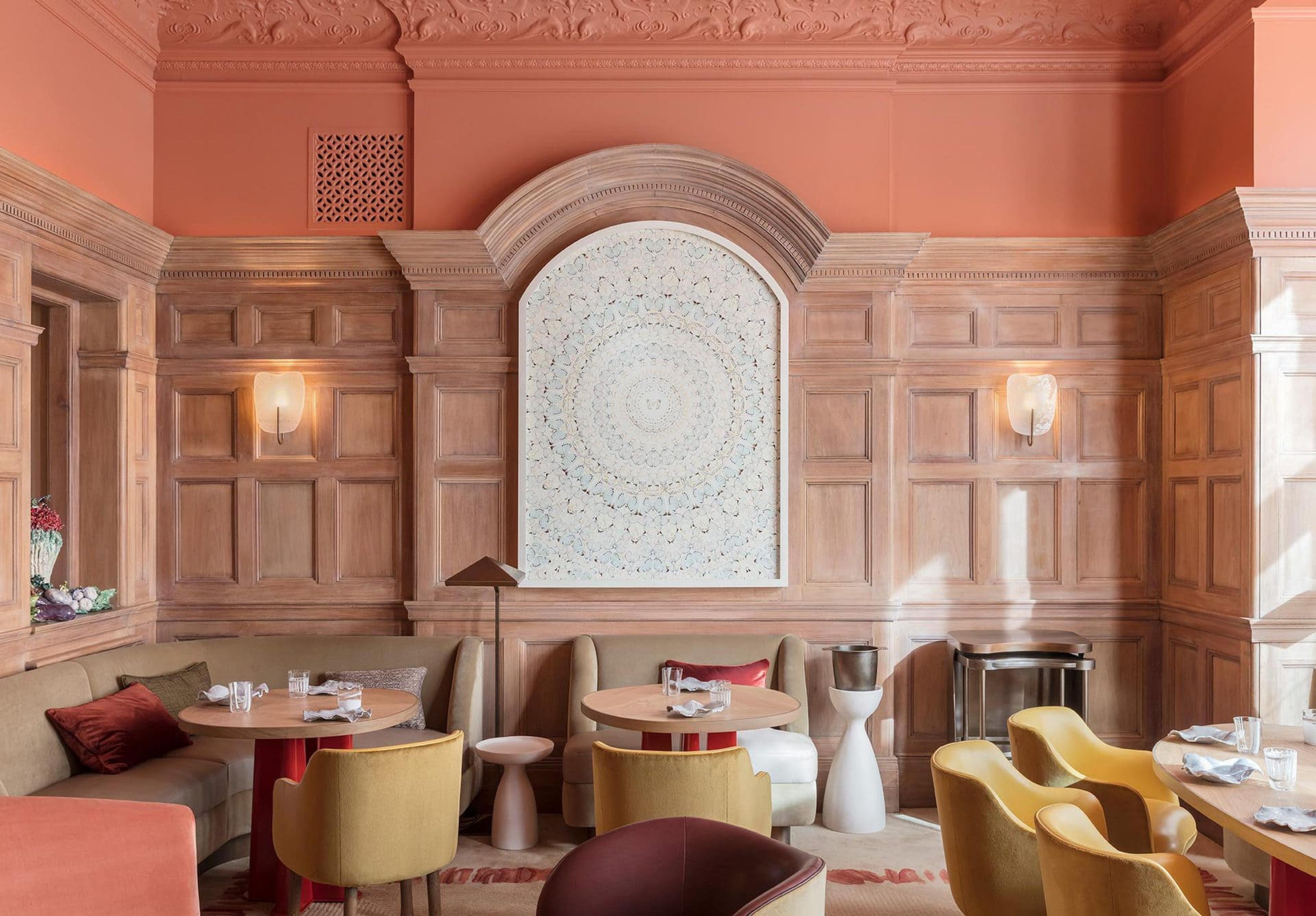
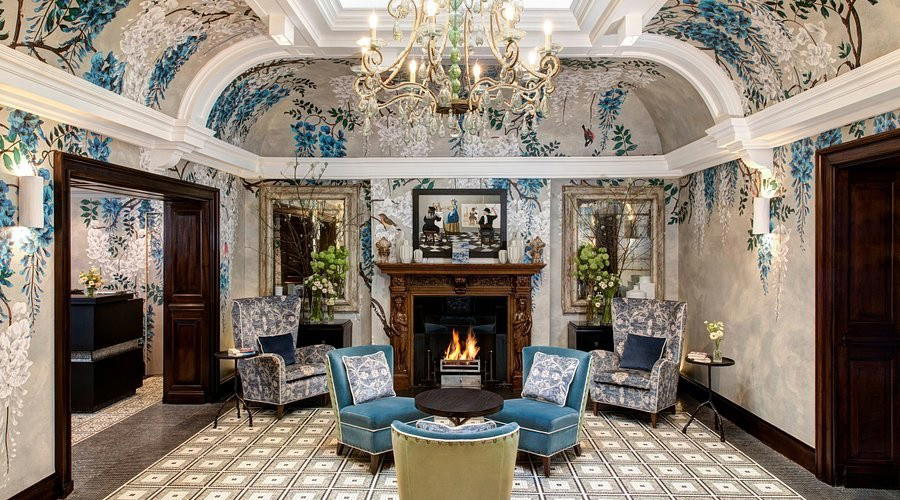
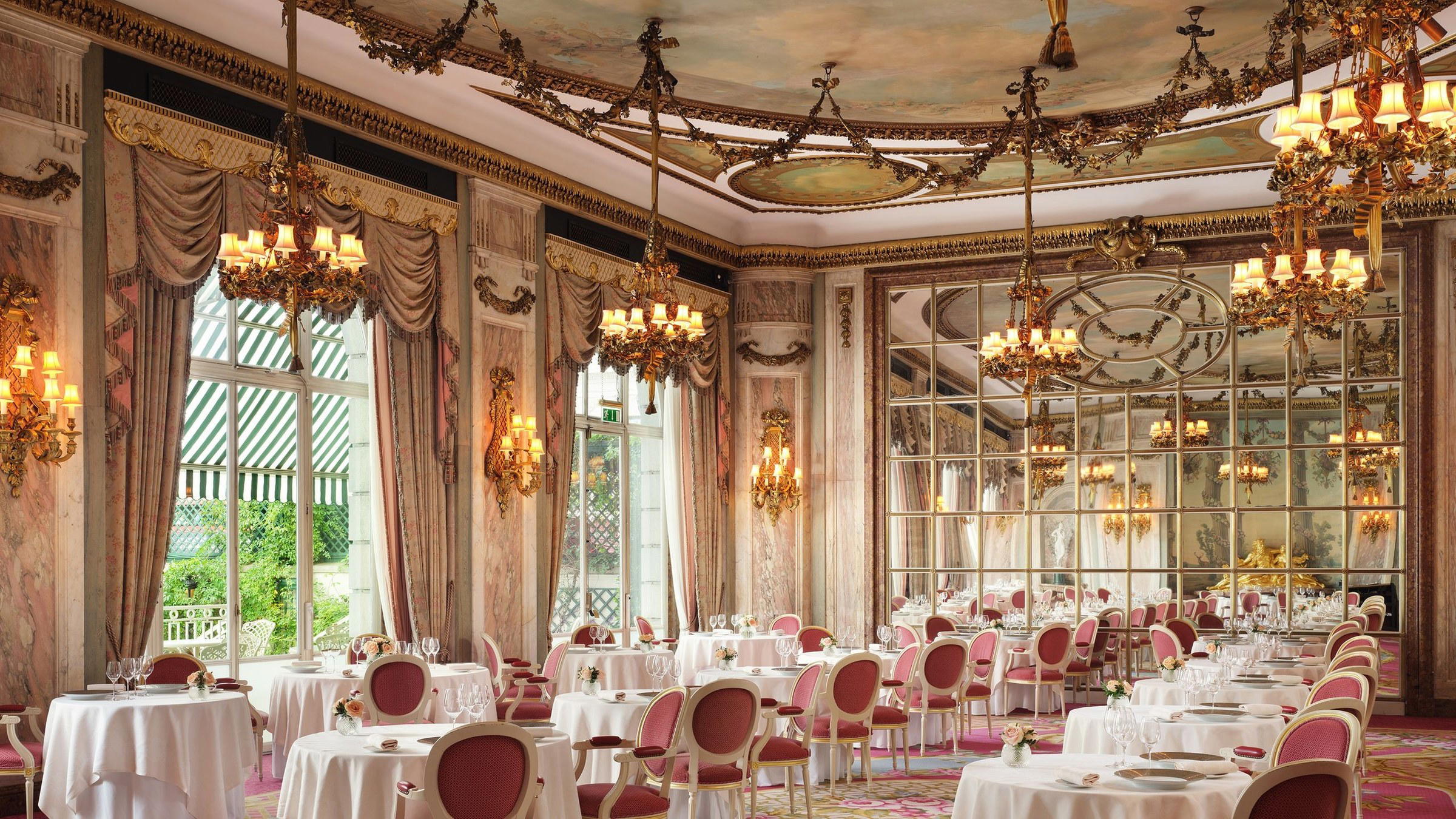
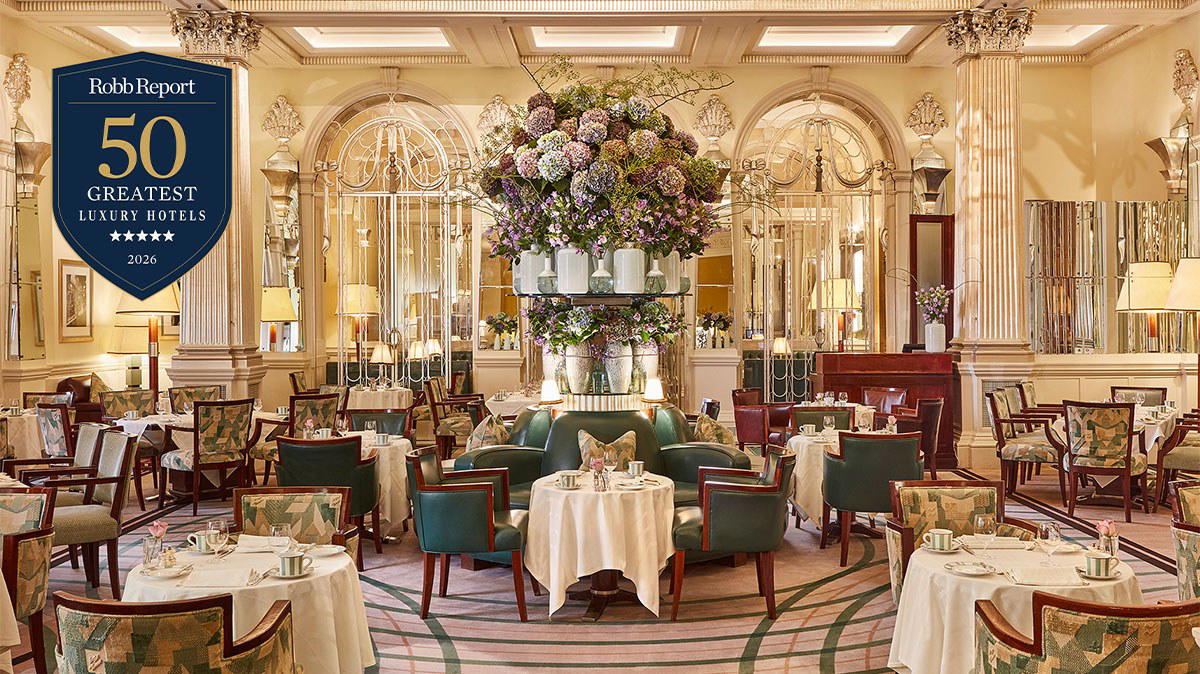
Ornate and glamorous with 1930s vibe, low-slung velvet seating, black marble tables, Art Deco artwork, and intimate lighting creating a stylish, buzzy atmosphere.