Sorellina

Sorellina occupies a prominent address on Huntington Avenue in Boston's Back Bay, positioning itself within the city's upper tier of Italian-influenced fine dining. The room draws a crowd that skews toward pre-symphony diners and business entertaining, and the kitchen's commitment to sourced ingredients places it in conversation with the broader farm-to-table movement reshaping American fine dining.
Pearl is the En Primeur Club membership app — saves, bookings, and concierge access live there. Same editors, same standards.
- Address
- 1 Huntington Ave, Boston, MA 02116
- Phone
- +16174124600
- Website
- sorellinaboston.com
- Directions
- Get directions
 Saves & bookings on Pearl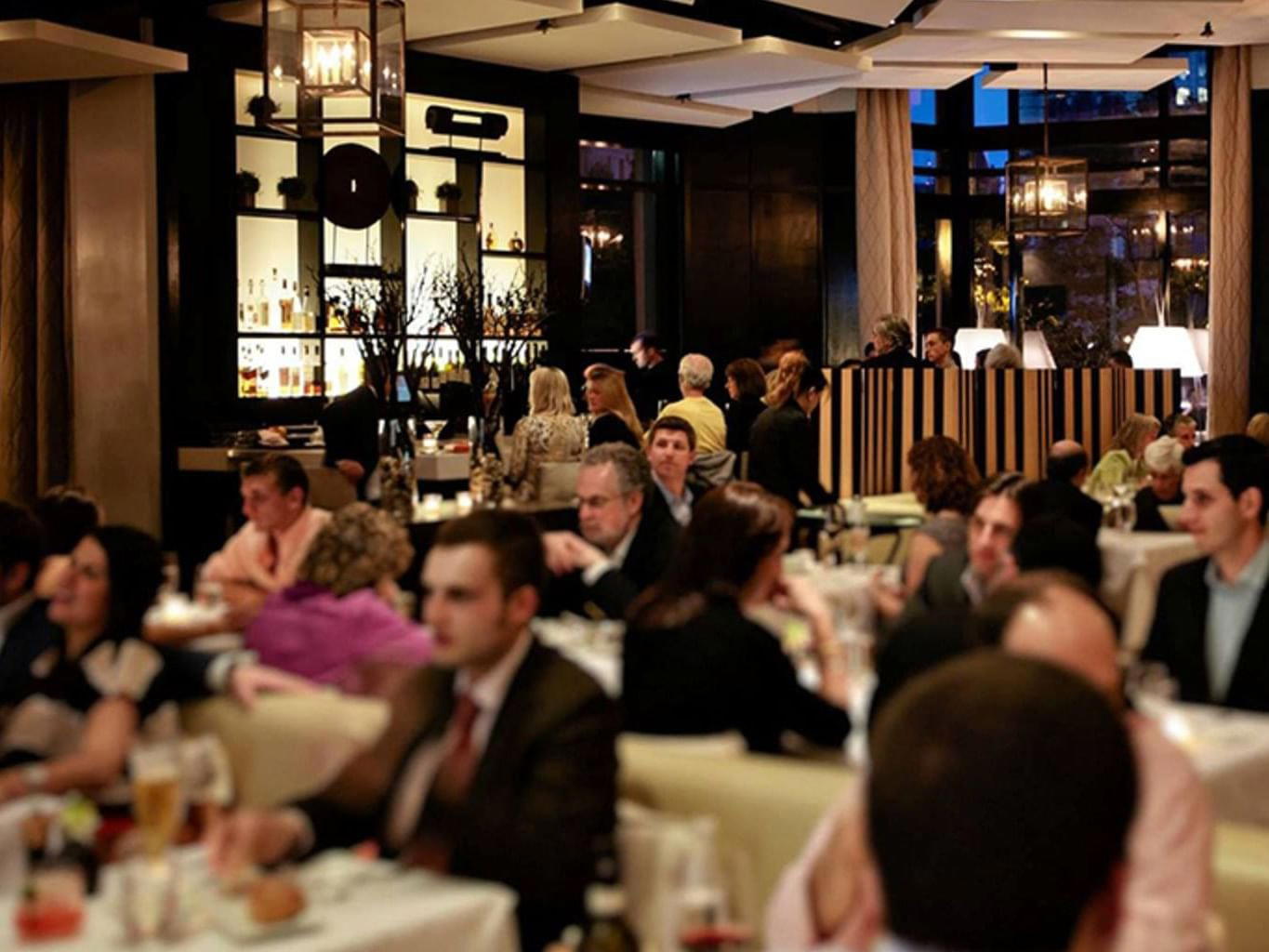
Back Bay Fine Dining and the Italian-American Tradition
Boston's Back Bay has long served as the city's most reliable address for formal dining, a corridor where proximity to the Symphony Hall calendar and the concentration of hotel and corporate spending create conditions that sustain ambitious, full-service restaurants. Sorellina sits at 1 Huntington Avenue, at the junction where the Back Bay bleeds into the South End, a location that places it within walking distance of the BSO and a short ride from the financial district.
The Italian-American fine dining format that Sorellina inhabits occupies a specific position in the American restaurant hierarchy. It is neither the tightly scripted tasting-menu format of a Alinea in Chicago nor the casual red-sauce trattoria that anchors neighborhood blocks across the Northeast. Instead, it belongs to a cohort of restaurants that take Italian culinary architecture, the progression from crudo to pasta to secondi, and apply American sourcing discipline and service formality to it. That model has proven durable across American cities, from Le Bernardin in New York City (which applies French rigor to seafood) to Emeril's in New Orleans, where regional identity shapes a European framework.
Ingredient Sourcing as Editorial Position
The substantive trend reshaping upper-tier American Italian dining over the past decade is not technique, it is provenance. The question of where ingredients come from has moved from marketing footnote to menu architecture. At the level where Sorellina operates, sourcing decisions function as a statement of competitive alignment: a kitchen that names its farms and fishing boats is positioning itself against peers who do the same, not against the neighborhood pasta spot that does not.
New England's larder supports this kind of commitment in ways that few American regions can match. The Massachusetts coastline produces oysters, littlenecks, and day-boat fish that arrive at Boston kitchens with a supply chain measured in hours rather than days. Vermont and western Massachusetts farms supply dairy and produce through growing seasons that, while shorter than California's, yield ingredients of sharp intensity. This regional sourcing infrastructure is what separates the serious upper tier of Boston dining from its middle tier, and it is the framework within which a kitchen at 1 Huntington Avenue must operate to hold its position.
For comparison, consider what sourcing discipline looks like at its most systematic elsewhere. Single Thread Farm in Healdsburg builds its entire menu around a working farm the ownership operates directly. Blue Hill at Stone Barns in Tarrytown sits on the farm itself. Those are the far end of the spectrum. Boston's upper-tier restaurants, including Sorellina, operate in the more common model: sourcing relationships with regional producers rather than vertical integration. The distinction matters because it affects menu flexibility and the degree to which the kitchen can respond to what arrives each morning.
Where Sorellina Sits in Boston's Current Dining Tier
Boston's fine dining field has narrowed and deepened over the past several years. The middle tier of ambitious-but-casual restaurants has expanded considerably, while the top tier has become more selective and more international in its reference points. Sorellina occupies the formal end of that spectrum, a category that also includes Agosto, which operates a Portuguese-influenced tasting-menu chef's counter, and 311 Omakase, which applies Japanese counter discipline to the same Back Bay audience.
The seafood-forward competition is worth noting specifically. Ostra runs a seafood grill format that competes for the same occasion-dining dollar, while Neptune Oyster operates at a lower price point but with a raw bar sourcing reputation that commands serious attention. An Italian kitchen at Huntington Avenue that wants to hold its position on the New England seafood question needs to demonstrate at least comparable sourcing credibility to these specialists.
Beyond Boston, the American fine dining comparisons that contextually frame Sorellina's tier include Providence in Los Angeles, which has sustained Michelin recognition through a seafood-focused tasting menu, and Addison in San Diego, which holds a similar position of formal French-influenced dining in a market that skews casual. The French Laundry in Napa and The Inn at Little Washington represent the upper ceiling of American formal dining in their respective regions. Sorellina's Italian framework places it in a different stylistic lane than these French-rooted institutions, but the audience expectations around service, pacing, and sourcing transparency overlap considerably.
The Room and the Rhythm
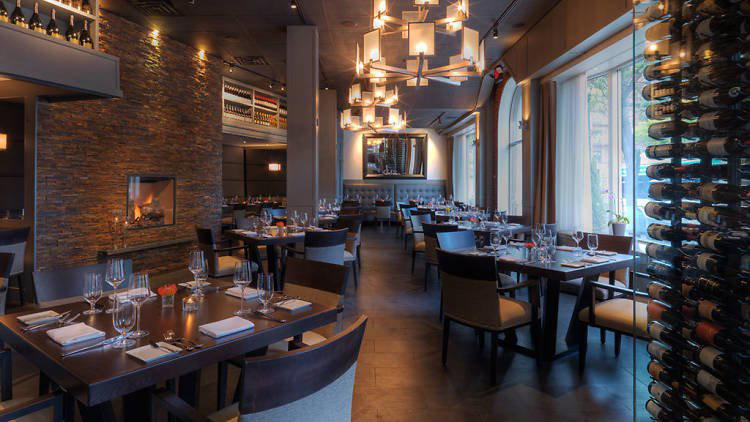
Approaching Sorellina from Huntington Avenue, the address reads as hotel-adjacent luxury, a Back Bay building at a prominent corner. Inside, the format is consistent with what the address suggests: a room designed for extended dinners, where the pace is set by courses rather than by turnover pressure. This is the kind of space where the Boston Symphony Orchestra schedule creates a secondary service rhythm, with early seatings filling before curtain time and later reservations inheriting a quieter room.
That double rhythm is common to the leading formal dining rooms in American cities with major performing arts calendars. It is also a pressure test: kitchens that handle both the rush of a pre-show seating and the slower late-evening pace without visible compromise in either direction are demonstrating operational consistency that matters as much as any single dish. 1928 Rowes Wharf and 75 on Liberty Wharf both operate in Boston waterfront formats that have their own pacing considerations, but the Back Bay pre-theatre window is its own specific logistical challenge.
Planning Your Visit
| Venue | Format | Location | Booking Approach | Occasion Fit |
|---|---|---|---|---|
| Sorellina | Italian fine dining, full-service | Back Bay, 1 Huntington Ave | Contact directly; plan ahead for weekend and pre-symphony slots | Business dining, occasion, pre-BSO |
| Agosto | Portuguese tasting menu, chef's counter | Boston | Limited seats; book well in advance | Specialist tasting-menu experience |
| Abe & Louie's | American steakhouse | Back Bay | Standard reservation | Business, group dining |
| 311 Omakase | Japanese omakase counter | Boston | Advance booking essential | Intimate, counter-format occasion |
How It Stacks Up
Comparable venues nearby, for context on price, style, and recognition.
| Venue | Cuisine | Price | Notes |
|---|---|---|---|
| SorellinaThis venue — the venue you are viewing | Modern Italian-Mediterranean | $$$$ | Not listed |
| Davio's - Boston Seaport | Northern Italian Steakhouse | $$$$ | Inner Harbor |
| Venezia Restaurant | Classic Italian Waterfront | $$$$ | Dorchester |
| Tony & Elaine's | Red Sauce Italian | $$$ | North End |
| Ristorante Saraceno | Classic Italian/Napoletana | $$$ | North End |
| Porto | Coastal Italian Seafood | $$$ | Back Bay |
Recognition history
Dated appearances from independent guides and award organizations, with the underlying list record or original source where available.
Wine Spectator Award of Excellence
Wine Spectator
Continue exploring
More in Boston
Restaurants in Boston
Browse all →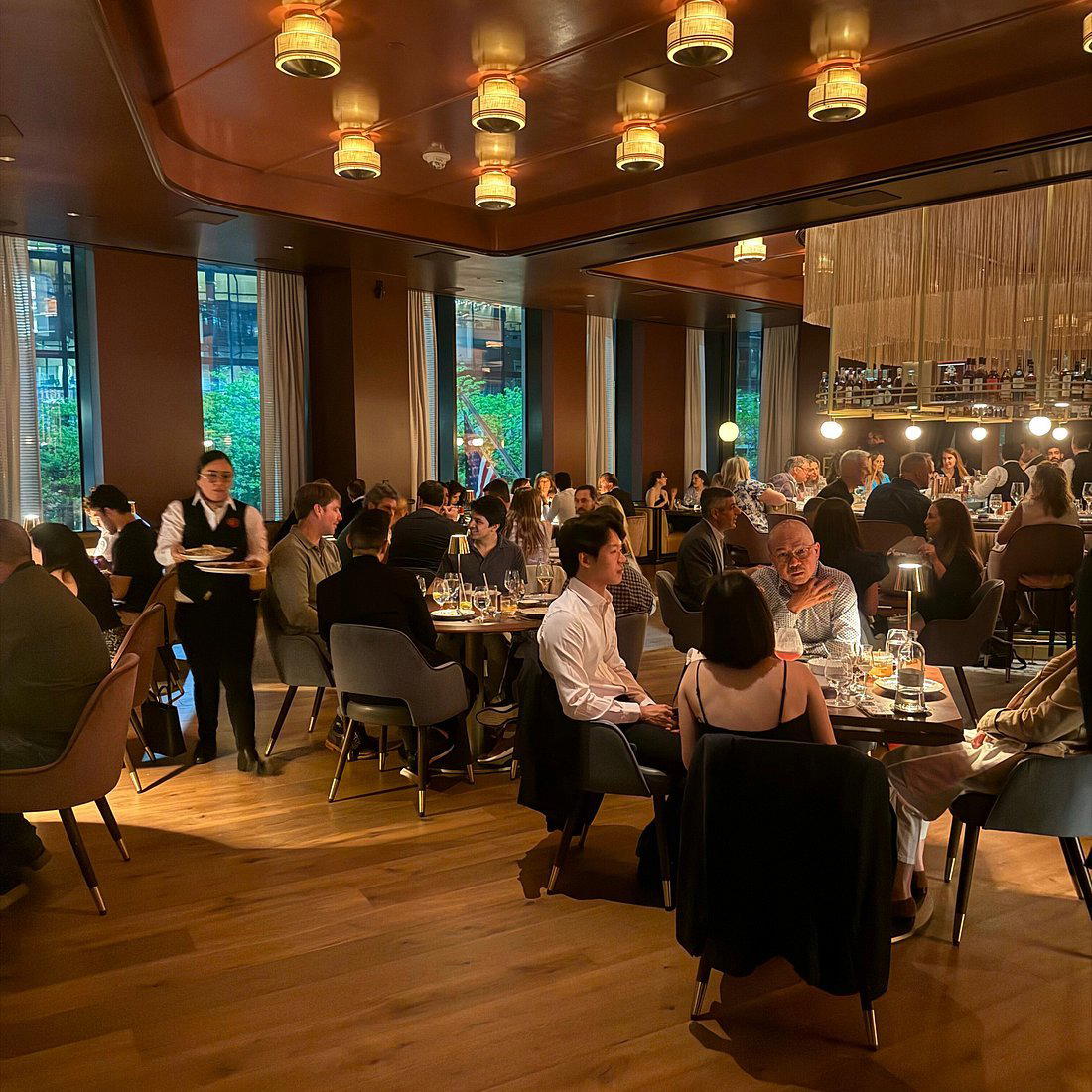
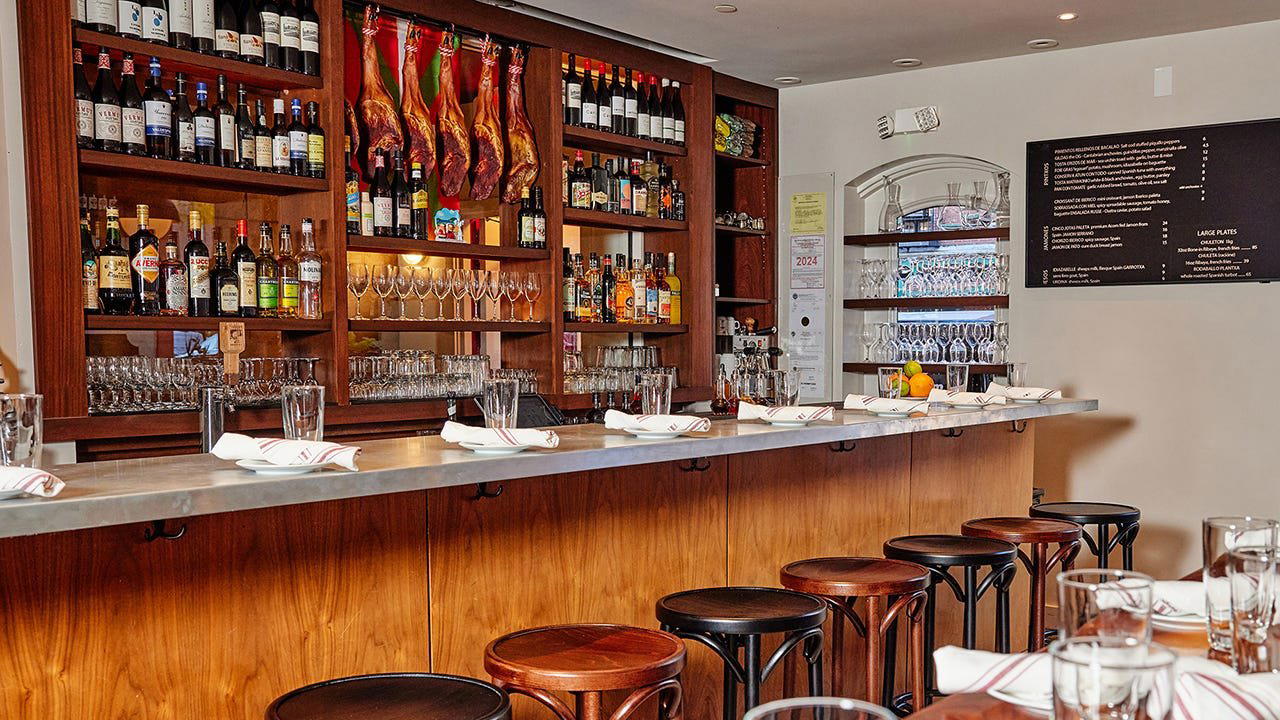
Bars in Boston
Browse all →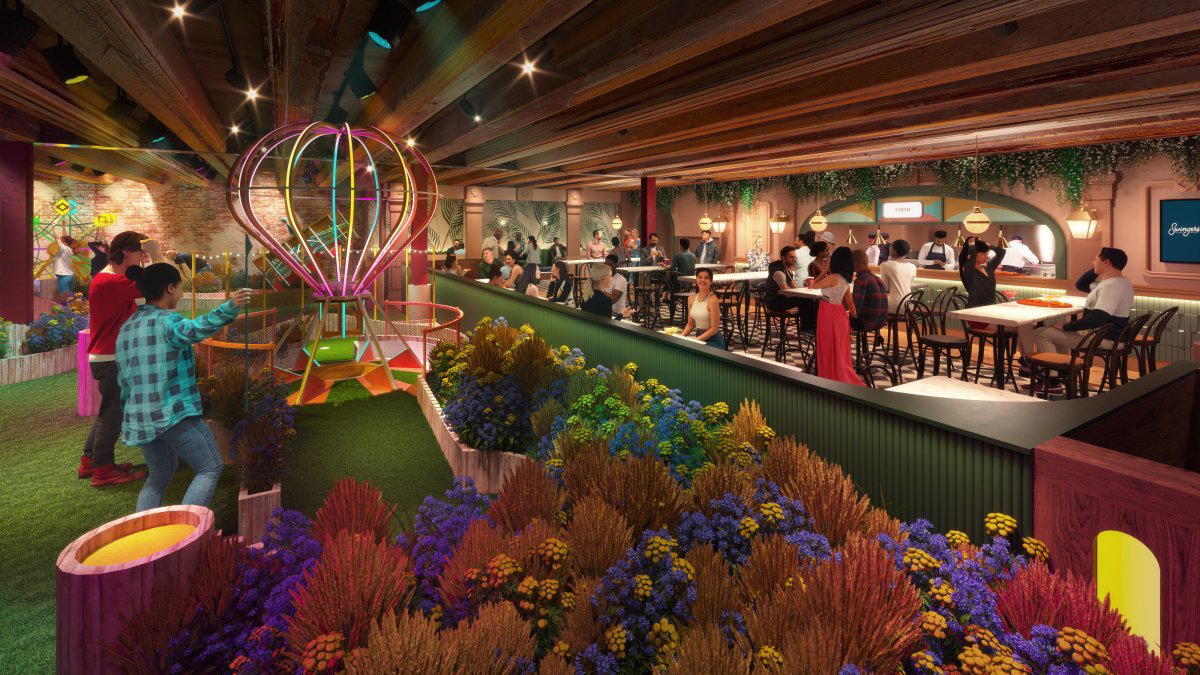
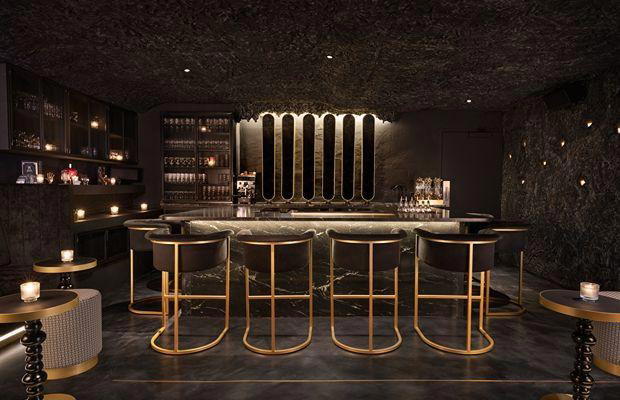
Hotels in Boston
Browse all →

Wineries in Boston
Browse all →
At a Glance
- Elegant
- Sophisticated
- Modern
- Date Night
- Special Occasion
- Business Dinner
- Private Dining
- Extensive Wine List
Current opening hours
- Monday
- 5:30–8:30 PM
- Tuesday
- 5:30–8:30 PM
- Wednesday
- 5:30–8:30 PM
- Thursday
- 5:30–8:30 PM
- Friday
- 5:30–9:30 PM
- Saturday
- 5:30–9:30 PM
- Sunday
- 4:30–8:30 PM
Hours can change for holidays and private events. Last verified .
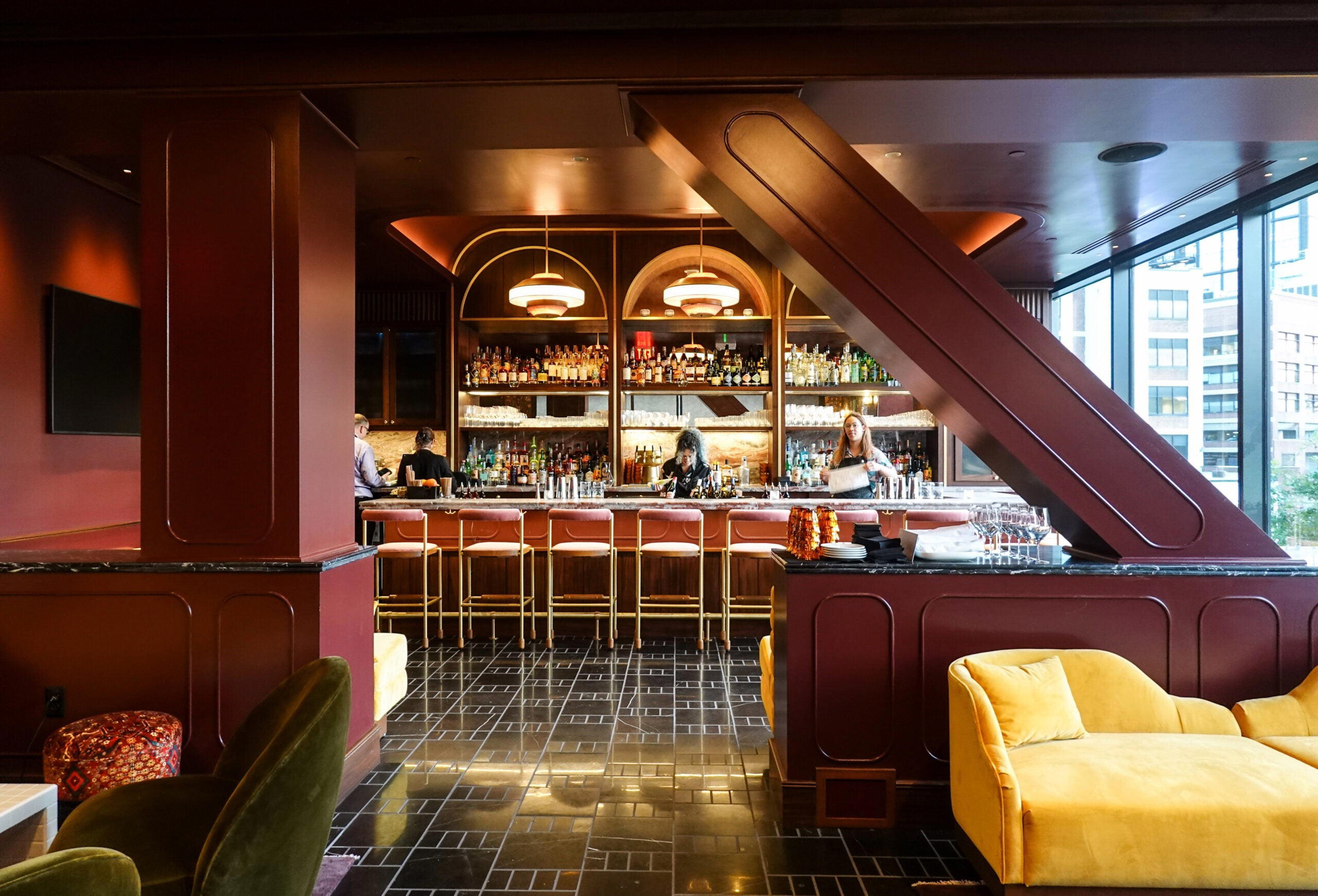
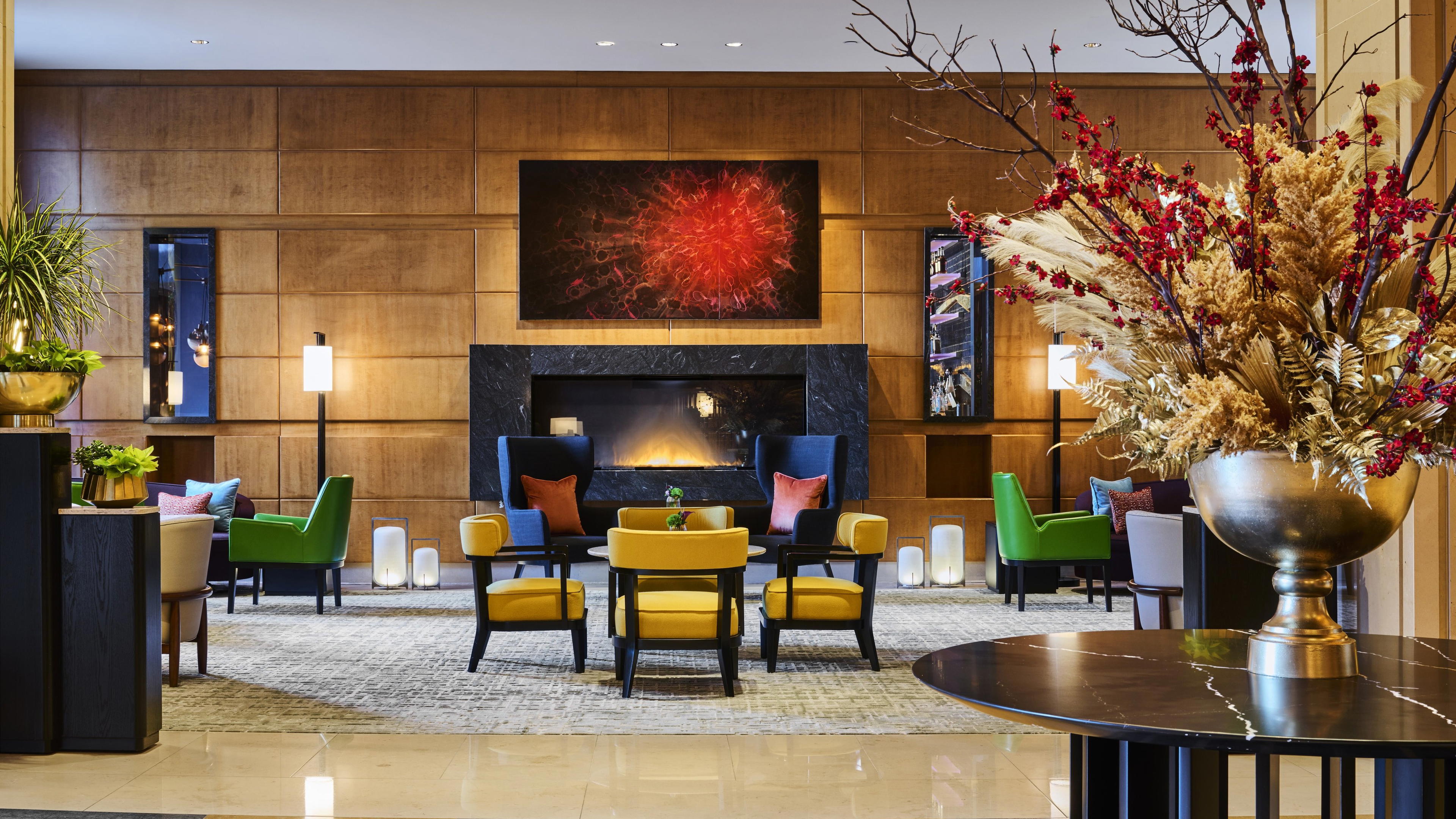
Warm-modern aesthetic with chic décor, floor-to-ceiling windows, backlit wall mural, and a sense of comfort and sophistication.