
A nine-seat counter near Toyonaka Station, Soratobu Udon Yamabuki Ya belongs to Osaka’s serious everyday udon tier rather than its occasion-dining circuit. Its Tabelog Udon WEST 100 selections in 2020, 2022, and 2024 mark it as a repeat name in the Kansai noodle conversation, with Sanuki-style craft and curry udon anchoring the appeal.
Pearl is the En Primeur Club membership app — saves, bookings, and concierge access live there. Same editors, same standards.
- Address
- 大阪府豊中市岡上の町2-2-5
- Website
- tabelog.com
 Saves & bookings on Pearl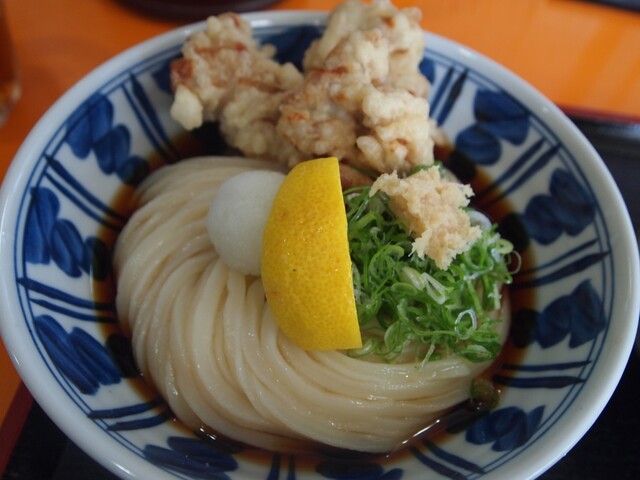
The room is small enough for the counter to define everything: nine seats, no private rooms, and the close-focus rhythm of a noodle shop for people who know exactly what they came for. In Osaka, udon is more than quick lunch; it tests texture, broth discipline, queue patience, and repeatability, especially in northern suburbs where regulars judge shops over years, not one destination meal.
Soratobu Udon Yamabuki Ya sits squarely in that world. Its Tabelog Udon WEST 100 recognition in 2020, 2022, and 2024 matters because the category is crowded with inexpensive specialists, not high-ticket tasting rooms. Repeat selection signals consistency where the margin between a good bowl and a memorable one is narrow: noodle pull, temperature, broth clarity, and a kitchen’s ability to keep pace as seats turn quickly.
Sanuki technique in an Osaka commuter-town setting
Osaka’s udon culture is often framed through soft Kansai dashi, but the city and surrounding municipalities have long absorbed stronger regional styles. Sanuki udon, associated with Kagawa, brings firmer chew and a tactile kind of pleasure. Its appeal is not theatrical; it lies in how the noodle resists, then gives, and how a simple bowl exposes weak technique faster than a loaded one.
The shop’s positioning points to that Sanuki lineage, with the owner having trained at Sanukiya Masajiro in Yao and Sando in Kawanishi. The credential matters less as biography than context: Osaka’s serious noodle rooms are often built through apprenticeship networks rather than celebrity-chef branding. Craft passes through repetition, and regulars reward shops that treat lunch-counter food with specialist-kitchen discipline.
Curry udon matters here, too. In Japan, outsiders too often treat it as comfort food rather than a technical branch of the form. It asks different questions from clear dashi: how sauce grips the noodle, how sweetness, spice, and stock carry without heaviness, and whether wheat character stays visible beneath the curry. Listing both udon and curry udon tells diners the range is narrow by design, not limited by ambition.
That focus places Soratobu Udon Yamabuki Ya closer to a daily-use specialist than to Osaka restaurant theatre. Toyonaka Mente Tsu occupies a similar affordable noodle bracket in Osaka, while Kodou moves into a higher dinner spend band, and Nick&Renée Toyonaka honten plays a different casual category altogether. The comparison clarifies the value: not a long menu or dressed-up room, but a compact format where technique has fewer places to hide.
Why regulars read the counter better than the menu
At counter-only noodle shops, loyal customers develop fluency. They notice pacing before décor, know a short service window shapes the room, and understand the kitchen may finish early when noodles run out. The quietest seats can be most revealing, because udon is assembled in plain view and judged in minutes.
This is the regulars’ perspective: return not because the format changes, but because it does not need to. A nine-seat counter creates a narrow social contract. Solo diners fit naturally. Small groups should behave like a counter audience, not a lingering dining room. Families are accepted, though the format is not built around bulky gear or slow table turnover. Food sets the tempo; the customer adapts.
The Tabelog score of 3.74 reinforces that this is not just neighborhood convenience. In Japan’s user-review culture, especially on Tabelog, numbers above the mid-threes in humble categories can signal a serious local following. Awards add another layer, but the revealing signal is the combination: repeat WEST 100 inclusion, compact seat count, and a price category that keeps the shop in everyday reach. That is where many of Japan’s strongest noodle counters live.
For travelers building an Osaka eating map, this address corrects the city’s louder clichés. Dotonbori snacks and department-store dining have their place, but Osaka’s depth often appears in stationside rooms where cooking is narrow, practiced, and priced for repeat custom. Readers comparing it with broader city options can place it alongside casual stops such as 551 Horai (551蓬莱), bakery-focused addresses like 52CHO-ME BAKERY, coffee stops such as .cafe, and more restaurant-led rooms including a canto (Italian) or 99 Pizza Napoletana Gourmet.
How to place it in an Osaka itinerary
Soratobu Udon Yamabuki Ya best suits diners who value format discipline over ceremony. The counter is compact, the cooking category specific, and the recognition sits in a field where many compelling meals cost far less than a cocktail in a luxury hotel bar. It is not for a long, wine-led evening. It is for a focused bowl, a quick read of Osaka’s suburban noodle culture, and a reminder that Japan’s most persuasive dining categories are often built on repetition rather than novelty.
Toyonaka also changes the mental map of eating in Osaka. The city’s restaurant conversation often concentrates on central wards, but the Hankyu corridor has its own commuter rhythm: practical, local, and full of small specialists that do not need to perform for tourists. For a broader plan, use Our full Osaka restaurants guide alongside Our full Osaka hotels guide, Our full Osaka bars guide, Our full Osaka wineries guide, and Our full Osaka experiences guide. For cross-city Japanese dining context, compare casual specialization with -Grilled beef Sukiyaki- KAMAKURA TANUKIAN 鎌倉 たぬき庵 in Kamakura. 鮪と炭火焼き うお炭 秋葉原店 in Tokyo.know in Kumamoto, (Shoku) Vietnam in Kawasaki, [Curry Senmon Ten] Maruyama Kyoju. in Sapporo, [ki:] in Kyoto, Jōdo Saké Bar in Los Angeles, and Onigiri Time in Pasadena.
Recognition Snapshot
Side-by-side context: comparable cuisine and price.
| Venue | Cuisine | Price | Notes |
|---|---|---|---|
| Soratobu Udon Yamabuki YaThis venue — the venue you are viewing | Japanese Udon | $ | Not listed |
| Udon Izakaya Edobori | Udon izakaya | $ | Nishi |
| Kikujudo Yoshinobu | Traditional Japanese wagashi & tea cafe | $ | Chūō |
| Gyokusei Ya | Traditional Japanese wagashi & ohagi specialty shop | $ | Chūō |
| Gokuraku Udon Ah-Men | Casual Udon Noodle Shop | $ | Ikuno |
| Tonkatsu Hiroki Tokuan honten | Casual Tonkatsu & Deep-Fried Diner | $ | Higashi-Osaka |
Recognition history
Dated appearances from independent guides and award organizations, with the underlying list record or original source where available.
Tabelog 100 #55 · No. 55
Tabelog · Tabelog 100 - Udon - WEST - 2024
Continue exploring
More in Osaka
Restaurants in Osaka
Browse all →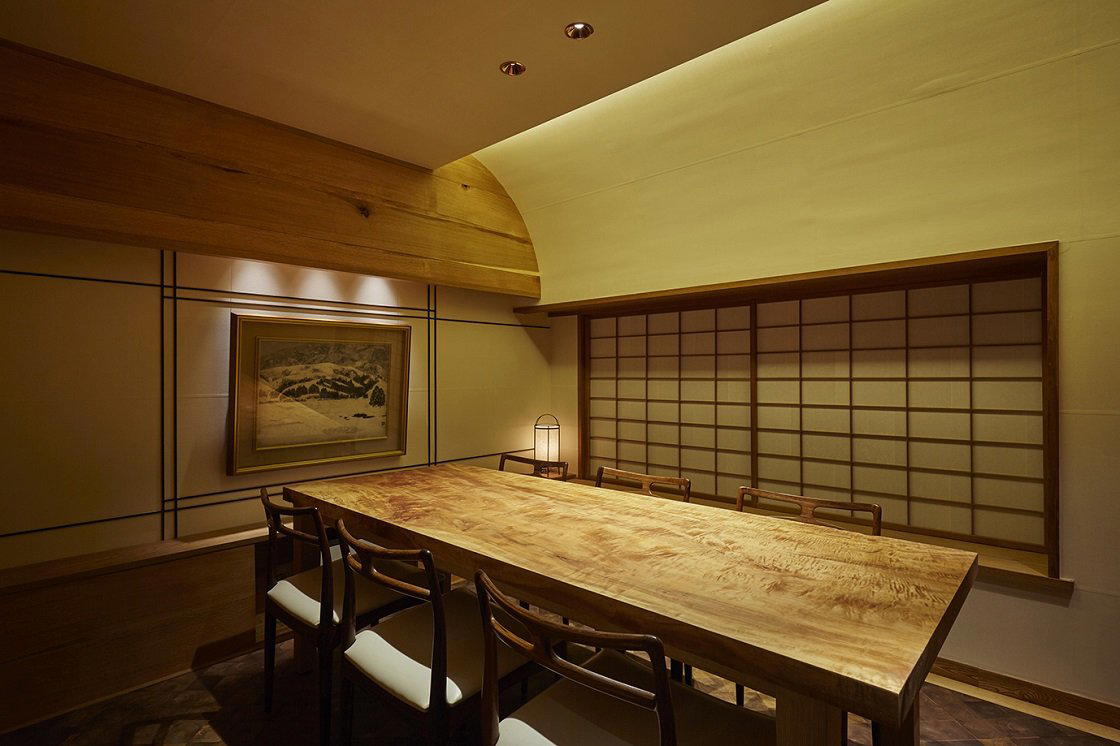




Bars in Osaka
Browse all →




Hotels in Osaka
Browse all →


Wineries in Osaka
Browse all →
At a Glance
- Classic
- Cozy
- Solo
- Family
- Casual Hangout
- Standalone
Compact, no-frills counter dining with a calm, casual neighborhood feel; the focus is on the noodles rather than décor.