
Tabelog 100 #77
Our verdict
Kikuya Yogashi Ho Motomachi honten belongs to Yokohama’s old Western-style sweets tradition rather than the city’s newer dessert-café circuit. Its Tabelog Sweets EAST “Tabelog 100” selections in 2018, 2019, 2020, 2022, and 2023 place it among the region’s better-documented cake shops, with a takeout-only format that keeps the focus on the counter, packaging, and Motomachi’s retail rhythm.

Pearl is the En Primeur Club membership app, where members save venues, book tables and use the concierge.
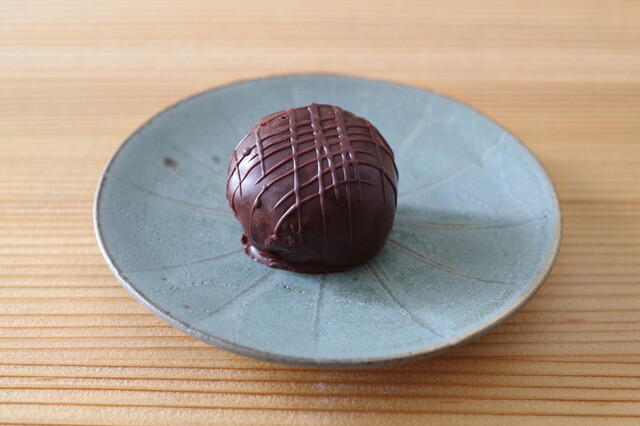
Yokohama has always understood the theatre of the shopfront. The city reads less like a single food district than a sequence of polished thresholds: fashion windows, confectionery counters, and small retail rooms where the buying ritual matters as much as the purchase. Kikuya Yogashi Ho Motomachi honten fits that Yokohama register. This is framed here as a focused cake-shop stop rather than a full restaurant occasion; it belongs to the city’s habit of sweets as gifts, errands, and after-dinner boxes carried home through the day.
That distinction matters in Yokohama, where the dining identity often tilts toward ports, crossings, and imported forms made local. Cake has a different role here than in Tokyo’s hotel pâtisserie corridors or Kyoto’s tea-sweets axis. In Yokohama, it sits close to retail culture: composed, compact, and tied to the city’s history of international taste. The shop’s 2023 recognition from Tabelog Hyakumeiten gives it a measurable signal in a category where nostalgia can sometimes get mistaken for quality.
A pastry counter shaped by Yokohama's retail manners
The counter experience changes the visit in a useful way. The format reads as a buying room rather than a drawn-out restaurant occasion, and the decision-making is compressed into the encounter with the case. That format suits Yokohama. The city rewards purposeful browsing: a quick choice, a wrapped box, then another stop. Compared with Yokohama Motomachi Mutekiro, which sits in a restaurant register, or INDU, where the meal structure is fuller and more social, this category asks less of the schedule and more of the eye.
The comparison within Yokohama’s sweets and bakery circuit is more revealing. Uchiki Pan operates at the everyday bakery end of the same city appetite, while Pavlov Motomachi honten occupies a more dessert-focused purchase tier. Kikuya Yogashi Ho Motomachi honten sits between memory and utility: a cake shop with awards recognition, modest spend expectations, and a format that treats the purchase itself as the main event. That makes it useful for travelers who want Yokohama food culture without committing to a full restaurant sitting.
Design, here, is not about spectacle. The relevant detail is discipline: a shop experience arranged around selection, payment, and exit. In an era when many dessert venues turn the room into social content, this restraint is almost a category statement. The pastry counter remains a counter, not a backdrop. The customer’s attention stays on what will travel well, what can be carried, and what fits into the day’s route.
Yokohama's Western-sweets tradition, without café inflation
Yogashi in Japan has never been a simple borrowing from Europe. It has its own grammar: individual cakes, gift boxes, restrained sweetness by local standards, and seasonal cues that often appear through fruit, packaging, or occasion rather than a formal tasting menu. Yokohama’s port history gives that grammar extra weight. The city has long absorbed foreign foodways and domesticated them into everyday habits, from bread and cakes to wider styles of dining.
For that reason, a pastry stop in Yokohama can say as much about the city as a formal dinner. The city’s range is broad: other Yokohama dining rooms, casual counters, spice-led meals, bakery culture, and regional everyday eating all point to a port city comfortable with adaptation. For a wider map, Our full Yokohama restaurants guide gives the better frame than treating a single sweet shop as an isolated stop.
The awards signal should be read carefully. Tabelog’s Hyakumeiten lists do not turn a cake shop into a luxury restaurant, and they do not erase personal preference in sweets. They do, however, separate recognized specialists from the large field of pleasant neighborhood counters. A Tabelog score of 3.70, paired with 2023 Hyakumeiten recognition, is a stronger indicator than social-media visibility alone. In Yokohama, where legacy names and visitor routes overlap, that matters.
How to fold it into a Yokohama day
The strongest use case is not a detour built only around dessert. It is a Yokohama day shaped by walking, shopping, and a later meal elsewhere. The compact format makes the shop easy to pair with other plans, especially when the rest of the itinerary includes another reservation across town. Travelers comparing Yokohama stays can situate the stop alongside Our full Yokohama hotels guide, then decide whether it belongs in a first afternoon or a slower final day.
For drink-led evenings, Our full Yokohama bars guide is the natural companion; for broader category planning, Our full Yokohama wineries guide and Our full Yokohama experiences guide help keep the city from being reduced to a single dining lane. The appeal of this stop is its scale: it occupies a short, precise slot in the day, then lets Yokohama continue.
Readers building a wider Japan itinerary can also treat it as one data point in the country’s specialist-counter culture. Focused meals, grill counters, casual cafés, and Japanese food formats abroad all show how narrow formats can carry a city’s habits. The same logic helps explain why a cake shop in Yokohama can feel meaningful without needing to become a full restaurant occasion.
The verdict is practical rather than sentimental. Kikuya Yogashi Ho Motomachi honten is for travelers who read pastry shops as part of urban culture: how a city buys, carries, gifts, and repeats. It is not presented here as a long sit-down pause, and that is part of the point. In Yokohama, the compact retail room tells the story cleanly.
Frequently asked questions
Is Kikuya Yogashi Ho Motomachi honten good for families?
Yes, especially for a casual cake stop in Yokohama. The listed spending information is modest, which makes it an easy addition to a wider day in the city.
How would you describe the vibe at Kikuya Yogashi Ho Motomachi honten?
It feels like a compact pastry counter rather than a formal restaurant. The Tabelog Hyakumeiten 2023 recognition gives it local weight, but the mood is practical, focused, and retail-oriented.
Is Kikuya Yogashi Ho Motomachi honten expensive?
Pricing at Kikuya Yogashi Ho Motomachi honten is listed as - JPY 999 JPY 1,000 - JPY 1,999 View spending breakdown.
What is Kikuya Yogashi Ho Motomachi honten known for?
Kikuya Yogashi Ho Motomachi honten is known as a Yokohama cake shop with a Tabelog score of 3.70 and 2023 Hyakumeiten recognition.
Nearby-ish Comparables
Comparable venues by cuisine and category.
| Venue | Cuisine | Price | Awards | Notes |
|---|---|---|---|---|
| Kikuya Yogashi Ho Motomachi hontenThis venue (the venue you are viewing) | Japanese Confectionery / Cake Shop | $1–10 | Tabelog 100 #77 | Not listed |
| Yokohama Motomachi Mutekiro | French Fine Dining | $50–100 | Tabelog 100 #84 | JPY 10,000 - JPY 14,999 JPY 8,000 - JPY 9,999 |
| INDU | Ayurvedic South Indian with Indian & natural wines | $30–50 | Tabelog 100 #36 | JPY 3,000 - JPY 3,999 JPY 2,000 - JPY 2,999 |
| Uchiki Pan | Japanese Bakery | Not listed | Tabelog 100 #1 | JPY 999 - JPY 999 |
| Pavlov Motomachi honten | French-style pound cake patisserie & cafe | $10–20 | Tabelog 100 #85 | JPY 2,000 - JPY 2,999 JPY 2,000 - JPY 2,999 |
| ecomo Bakery YOKOHAMA MOTOMACHI | Not listed | Not listed | Tabelog 100 #99 | Not listed |
Recognition history
Dated appearances from independent guides and award organizations, with the underlying list record or original source where available.
Tabelog 100 #77 · No. 77
Tabelog · Tabelog 100 - Sweets - EAST - 2023
Continue exploring
More in Yokohama
Restaurants in Yokohama
All restaurants in Yokohama →


Bars in Yokohama
Browse all →

Details
- Classic
- Cozy
- Casual Hangout
- Family
- Solo
- Standalone
- Street Scene
- A La Carte
Current opening hours
- Monday
- 10 AM–6:20 PM
- Tuesday
- 10 AM–6:20 PM
- Wednesday
- 10 AM–6:20 PM
- Thursday
- 10 AM–6:20 PM
- Friday
- 10 AM–6:20 PM
- Saturday
- 10 AM–6:50 PM
- Sunday
- 10 AM–6:20 PM
Hours can change for holidays and private events. Last verified .
A simple, no-frills confectionery atmosphere with a traditional neighborhood-shop feel rather than a sit-down restaurant setting.