
Song Kee Teochew Fish Porridge in Ang Mo Kio holds consecutive Michelin Plate recognition in 2024 and 2025, placing it among Singapore's most decorated hawker stalls in the congee tradition. The menu centres on Teochew-style fish porridge, a format defined by clean, restrained broth and fresh fish rather than heavy seasoning. Prices remain firmly in the single-dollar bracket, making this one of the city's most accessible Michelin-recognised addresses.
Pearl is the En Primeur Club membership app — saves, bookings, and concierge access live there. Same editors, same standards.
- Address
- Ang Mo Kio Ave 10, Blk 409, Singapore 560409
- Phone
- +65 9818 1338
- Directions
- Get directions
 Saves & bookings on Pearl
Ang Mo Kio and the Hawker Congee Tradition
Singapore's hawker centres occupy a specific position in the city's food culture that no other format replicates. They are not merely cheap eating options; they are the primary venues where cooking traditions that predate the city-state itself are preserved, debated, and occasionally recognised by the same international bodies that evaluate multi-course tasting menus. The Ang Mo Kio corridor has long held a reputation for workaday stalls that outlast trends precisely because they serve residents rather than tourists. Song Kee Teochew Fish Porridge operates in that context: a restaurant in Singapore serving Traditional Teochew Fish Porridge at Ang Mo Kio Ave 10, Blk 409, with a 2025 Michelin Plate and a casual, walk-in-friendly setup.
The Teochew community's contribution to Singapore's hawker culture is traceable through several distinct dishes, and fish porridge is among the more technically specific. Unlike Cantonese-style congee, which relies on extended cooking to break down rice into a thick, starchy base, Teochew fish porridge is built around a lighter, cleaner broth. The rice retains more texture. The fish, typically sliced fresh and added at the last moment, is cooked by residual heat rather than sustained simmering. The result is a bowl where the quality of the fish cannot be obscured by seasoning or technique. There is nowhere to hide.
What the Menu Reveals About the Tradition
The menu architecture at a Teochew fish porridge stall is intentionally narrow, and that narrowness is itself a statement of purpose. Stalls of this type do not diversify into adjacent dishes to attract passing custom. The depth is vertical rather than horizontal: a small number of preparations, executed with accumulated precision over years of daily service. At Song Kee, the format follows this pattern. Fish porridge is the anchor, with variations typically built around fish choice and accompaniments rather than structural changes to the dish itself.
This structure places significant pressure on sourcing. Because the Teochew method does not mask the fish behind a reduced or spiced broth, the daily quality of the catch directly determines the quality of the bowl. Hawker operators working in this tradition typically build supplier relationships that function more like a chef's market connections than a standard retail purchase. The constraint is also the quality signal: a stall that has held Michelin Plate recognition for two consecutive years within this format is, by definition, maintaining sourcing standards that reviewers with access to Singapore's full dining range consider worth flagging.
Accompaniments in the Teochew fish porridge format tend toward the precise and unfussy: preserved vegetables, ginger, light soy, occasionally a soft-boiled egg or fried you tiao for texture contrast. These are not decorative additions. They exist to modulate the clean broth without overwhelming it, each element calibrated to its specific function. A stall that handles these accompaniments well is demonstrating the same kind of ingredient-level thinking found in much more expensive kitchens. The price point at Song Kee sits at about US$8 per person, which makes the Michelin recognition more pointed: the inspectors are evaluating the cooking, not the setting.
Situating Song Kee in Singapore's Michelin Hawker Tier
Singapore's Michelin Guide has consistently recognised hawker stalls since its first local edition, a decision that generated significant international attention and positioned the city as a place where formal culinary evaluation could coexist with plastic-stool dining. The Michelin Plate designation sits below the star tier but above the general listings, signalling that the food merits attention without placing it in the same bracket as restaurants with full kitchen brigades and wine programmes. Song Kee's consecutive Plate recognition places it in a cohort that includes stalls across several hawker disciplines.
For comparison, Singapore's upper-end dining scene runs from three-Michelin-star European contemporary operations to one-star modern Cantonese. The distance between a $$$$ tasting menu and a single-dollar porridge bowl is not a hierarchy of quality so much as a hierarchy of format and resource intensity. Song Kee's Michelin Plate sits on the same list as far more expensive addresses, which is precisely the point the Guide has been making about Singapore since its first edition. For readers cross-referencing against other Michelin-recognised hawker formats, Hill Street Tai Hwa Pork Noodle and 545 Whampoa Prawn Noodles offer points of comparison in the noodle category, while 91 Fried Kway Teow Mee and A Noodle Story extend the picture across wok-based and contemporary hawker formats. Adam Rd Noo Cheng Big Prawn Noodle rounds out the prawn-centred tradition in a different register.
The Teochew fish porridge format is less represented in tourist itineraries than char kway teow or bak chor mee, partly because it requires a degree of familiarity with clean-broth cooking to fully appreciate. Visitors accustomed to bolder flavour profiles sometimes underread a well-made bowl at first encounter. The residential Ang Mo Kio location reinforces this: Song Kee draws a customer base that understands what it is eating, which is one reason the consistency required for repeated Michelin recognition is plausible at this address.
Regional Street Food Context
The Teochew diaspora spread across Southeast Asia from southern China's Chaoshan region, and fish porridge traditions with recognisable family resemblances appear in Bangkok, George Town, and across the Malaysian peninsula. George Town in particular holds several street food operations that share lineage with Singapore's Teochew hawker culture. For context on how the format travels, 888 Hokkien Mee (Lebuh Presgrave), Ah Boy Koay Teow Th'ng, Air Itam Duck Rice, Air Itam Sister Curry Mee, and Ali Nasi Lemak Daun Pisang each represent different threads of the same Penang hawker tradition. Further afield, A Pong Mae Sunee in Phuket and Anuwat in Phang Nga show how street food recognition has expanded across Thailand's Andaman coast, while Banana Boy in Hong Kong illustrates how the format evolves in a different urban context.
Planning a Visit
Song Kee operates from a hawker centre at Blk 409, Ang Mo Kio Ave 10, in a residential precinct that sees heavy local traffic at peak breakfast and lunch hours. Queue behaviour at recognised hawker stalls in Singapore is structured: arrive outside peak hours or accept a wait. No booking is possible or expected at this format. The price range places a full bowl well below S$10.
Quick reference: Blk 409, Ang Mo Kio Ave 10, Singapore 560409. Price range: $. Michelin Plate 2024 and 2025. No booking required or available.
What's the Leading Thing to Order at Song Kee Teochew Fish Porridge?
The core order at Song Kee Teochew Fish Porridge is the fish porridge itself, and the Michelin recognition rests on that dish specifically. The Teochew method produces a lighter, more delicate bowl than Cantonese congee: the broth is clean rather than starchy, and fresh fish slices are the primary ingredient rather than a garnish. The quality signal is in the fish, not the seasoning. At a stall holding Michelin Plate recognition in this format, ordering the signature fish porridge is the point of the visit. Accompaniments vary by availability but typically include preserved vegetables and condiments that allow each diner to adjust the broth without altering its fundamental character.
Price and Positioning
Comparable venues nearby, for context on price, style, and recognition.
| Venue | Cuisine | Price | Awards | Notes |
|---|---|---|---|---|
| Song Kee Teochew Fish PorridgeThis venue — the venue you are viewing | Street Food | $ | Michelin Plate | Not listed |
| Nam Sing Hokkien Fried Mee | ALJUNIED, Hokkien Fried Mee | $ | Michelin Plate | Not listed |
| Sheng Seng Fried Prawn Noodle | Not listed | $ | Michelin Plate | KAMPONG JAVA, Singaporean Fried Hokkien Mee |
| Boon Tong Kee Kway Chap‧Braised Duck | Not listed | $ | Michelin Plate | CHATSWORTH, Teochew Kway Chap & Braised Duck |
| Hong Wen Mutton Soup | Not listed | $ | Michelin Plate | ANAK BUKIT, Traditional Chinese Mutton Soup |
| Shi Le Yuan | REDHILL, Singaporean Kway Chap | $ | Michelin Plate | Not listed |
Recognition history
Dated appearances from independent guides and award organizations, with the underlying list record or original source where available.
Michelin Guide Bib Gourmand
Michelin Guide
Michelin Plate
Michelin
Michelin Plate
Michelin
Continue exploring
More in Singapore
Restaurants in Singapore
Browse all →
Bars in Singapore
Browse all →
At a Glance
- Classic
- Quiet
- Casual Hangout
- Solo
- Open Kitchen
- Local Sourcing
- Sustainable Seafood
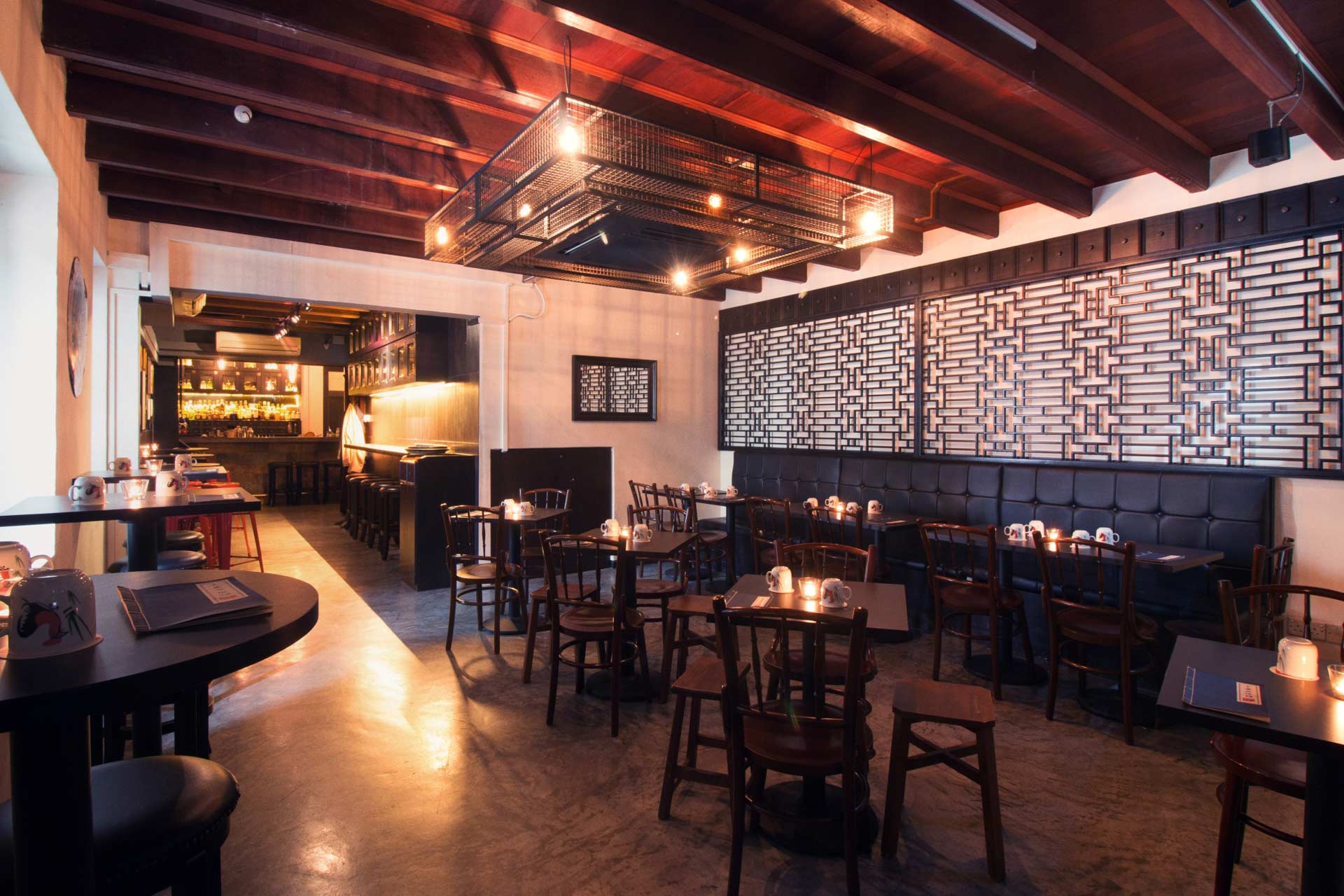
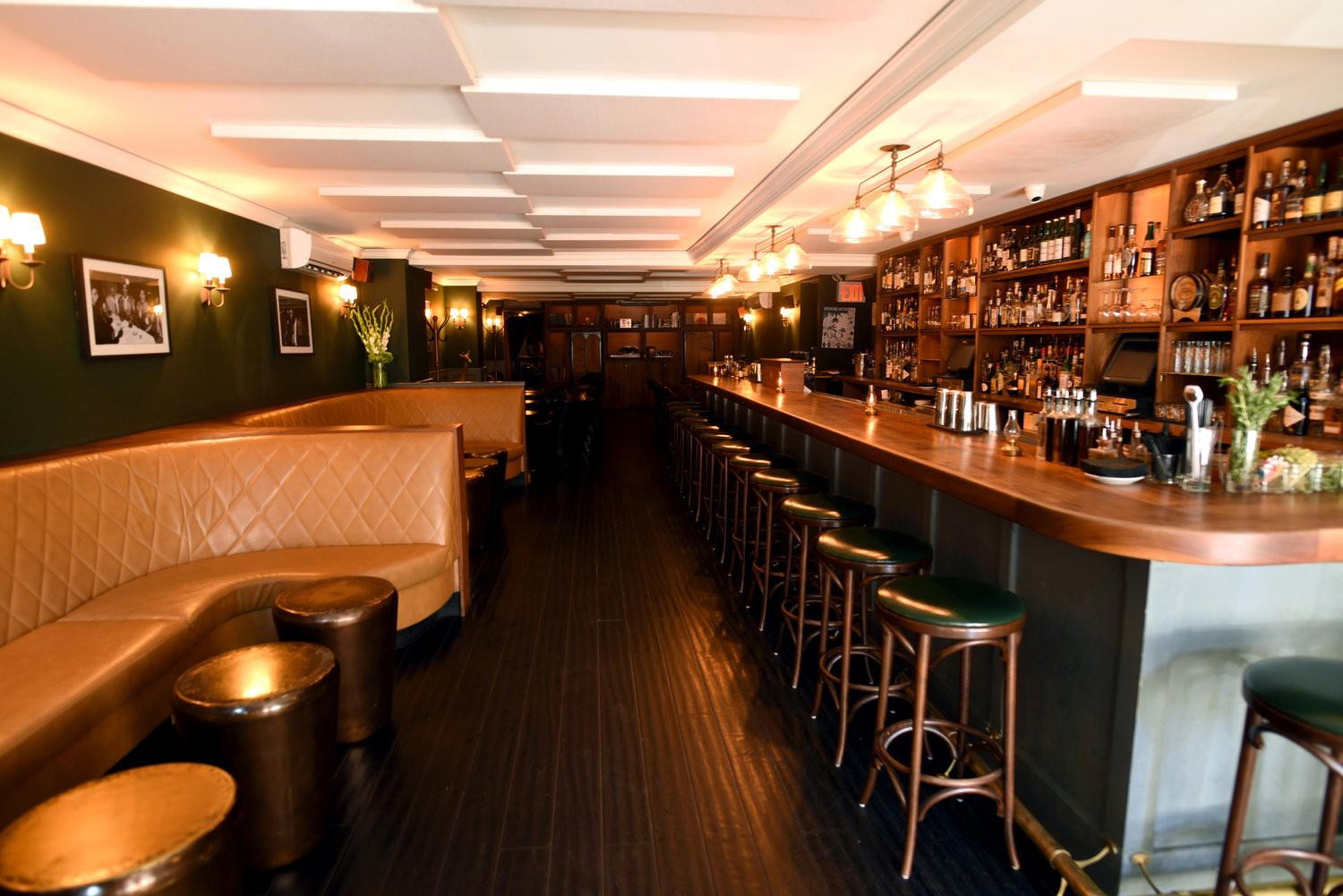
Simple, no-frills hawker stall atmosphere with efficient counter service; bright and utilitarian with focus on food quality over decor.