Somtum Der

Our verdict
Somtum Der on Avenue A has tracked a steady upward trajectory on Opinionated About Dining's North America Casual list, moving from Recommended in 2023 to a #202 ranking in 2025. The kitchen, led by Chef Kornthanut Thongnum, focuses on Isan-rooted Thai cooking in a Lower East Side room that draws serious eaters rather than novelty-seekers. Among New York's Thai options, it sits in a tier defined by ingredient discipline and regional specificity rather than by price point alone.

Pearl is the En Primeur Club membership app, where members save venues, book tables and use the concierge.
The menu
What to order
- Som Tum (Papaya Salad)
- Fried Chicken Thigh
- Grilled Pork
Isan Cooking in New York: A Regional Tradition Finds Its Footing
Thai food in New York spent decades filtered through a generalized Central Thai register: milder curries, sweeter sauces, menus calibrated for a broad audience. The shift toward regional specificity, particularly Isan cooking from Thailand's northeast, arrived more slowly here than in cities with larger Thai diaspora communities. Somtum Der, operating out of a modest room at 85 Avenue A in the East Village, is one of the clearest signs that the shift has taken hold. Its name references the papaya salad central to Isan cuisine, and the menu holds to that regional logic rather than expanding into a pan-Thai survey. For context on how Bangkok's own serious dining scene handles this tradition, the approach at Nahm in Bangkok and Samrub Samrub Thai in Bangkok illustrates how Thai chefs apply similar regional precision at the source.
A Trajectory Worth Reading
The Opinionated About Dining ranking system, which polls a network of engaged eaters rather than relying on anonymous inspector visits, provides one of the more useful proxies for kitchen consistency in the casual tier. Somtum Der appeared as a Recommended entry in 2023, moved to #508 on the North America Casual list in 2024, and climbed to #202 in 2025. That kind of upward movement across three consecutive years is less common than it appears; many restaurants stabilize or slide once initial buzz fades.
Chef Kornthanut Thongnum leads the kitchen. Within the broader context of New York Thai dining, the restaurant occupies a middle tier by price but a higher tier by regional specificity, placing it in a different competitive set from the pan-Asian casual chains and from the handful of higher-priced Thai restaurants operating more elaborate tasting formats, such as Bangkok Supper Club. Peer comparisons within the New York Thai scene are instructive: Fish Cheeks anchors a Southern Thai seafood identity in NoHo, Ayada in Elmhurst draws from a Queens Thai community context, and Chalong and Eim Khao Mun Kai each stake out their own regional or dish-specific positions. Somtum Der's Isan focus makes it complementary rather than directly competitive with most of these.
The Isan Tradition and What It Demands of Ingredients
Isan cooking is structurally different from Central Thai cooking in ways that matter for how sourcing decisions affect the final plate. The cuisine relies heavily on fermented and preserved ingredients: padaek (fermented fish paste), dried shrimp, pickled vegetables, and raw proteins that carry significant flavor load. Somtum itself, the green papaya salad, achieves its character from the quality of those fermented components and the freshness of the papaya, not from a sauce made in advance. Laab, the minced meat salad seasoned with toasted rice powder and fresh herbs, depends on the cut and temperature of the meat and the ratio of dried to fresh aromatics. These are dishes that reveal sourcing decisions immediately, without the buffer of long cooking or heavy sauce work.
From an ingredient integrity standpoint, Isan cooking is an honest format: shortcuts show. The sustainability argument here is less about formal certification programs and more about the direct relationship between ingredient quality and dish outcome. Restaurants operating in this register have a practical incentive to source carefully, because the cuisine has nowhere to hide a weak component. This aligns with a broader movement in American regional ethnic cooking, where chefs are increasingly insisting on imported or specialty-sourced fermented components rather than substituting domestic approximations that alter the dish's fundamental character.
East Village Placement and the Neighbourhood's Role
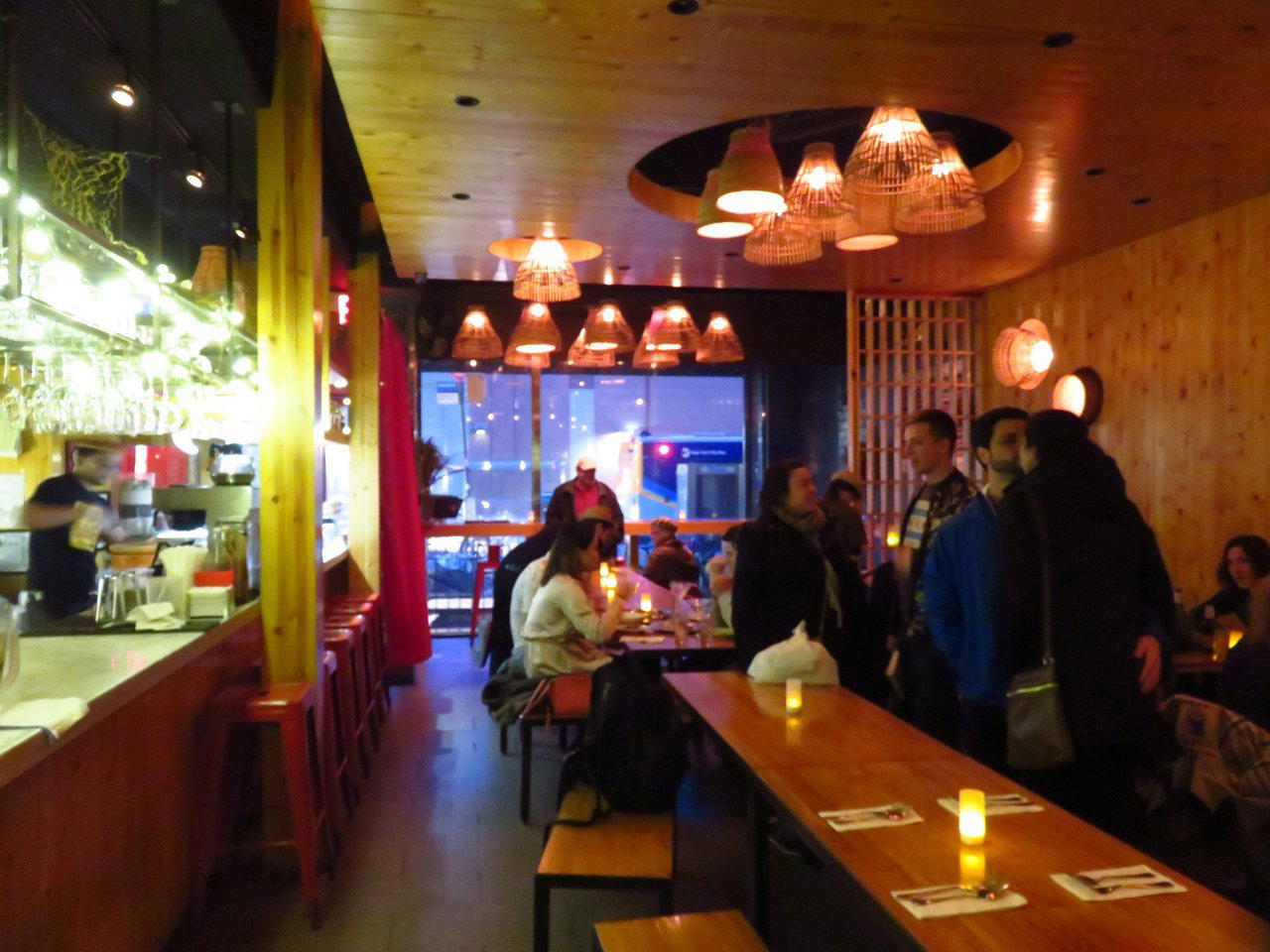
Avenue A sits in the core of the East Village, a neighbourhood that has hosted successive generations of affordable, serious eating across multiple cuisines. The address places Somtum Der within walking distance of a dense cluster of bars and restaurants that draw a food-curious rather than tourist-primary crowd. This neighbourhood self-selects for guests willing to engage with less familiar formats, which matters for a kitchen that does not soften Isan heat or adjust fermented flavors for a broader palate. That self-selection is part of what sustains the OAD ranking trajectory: the guest base tends to evaluate on regional accuracy rather than on assimilation to generic expectations.
The East Village's position relative to the rest of New York Thai dining is worth noting. Elmhurst in Queens remains the most community-rooted node of Thai eating in the city, and restaurants there like Ayada operate with a different relationship to their audience. Manhattan Thai restaurants, by contrast, draw more heavily from non-Thai diners, which historically pushed menus toward accommodation. Somtum Der's OAD recognition suggests it has resisted that pressure more successfully than most.
How Somtum Der Sits Against New York's Broader Fine Dining Field
The comparison set for Somtum Der is not the $300-per-head French and Japanese rooms that dominate New York's trophy dining tier. Venues like Alinea in Chicago, The French Laundry in Napa, Lazy Bear in San Francisco, Providence in Los Angeles, Single Thread Farm in Healdsburg, and Emeril's in New Orleans operate in a different register entirely: tasting menus, formal service, multi-hour commitments. Somtum Der's value proposition is the opposite: accessible price point, regional specificity, and a ranking trajectory that signals genuine kitchen quality rather than tablecloth prestige. Within the OAD Casual North America framework, a #202 position represents meaningful recognition in a category that tracks thousands of entries across the continent.
Planning Your Visit
Somtum Der is open Tuesday through Friday with split service (12–4 pm and 6–10 pm weekdays, 6–10:30 pm on Fridays), all-day Saturday noon to 10:30 pm, and Sunday noon to 10 pm. Monday follows the same weekday split. Reservations:Dress: Budget: Getting there: 85 Avenue A is accessible via the L train (First Avenue station) or the F/M trains (Second Avenue station). For broader planning across the city, see our full New York City restaurants guide, our full New York City hotels guide, our full New York City bars guide, our full New York City wineries guide, and our full New York City experiences guide.
Frequently asked questions
Who is the chef or culinary lead at Somtum Der?
The chef associated with Somtum Der is Kornthanut Thongnum.
When is Somtum Der open?
Hours at Somtum Der: Hours: Monday 12–4 pm, 6–10 pm Tuesday 12–4 pm, 6–10 pm Wednesday 12–4 pm, 6–10 pm Thursday 12–4 pm, 6–10 pm Friday 12–4 pm, 6–10:30 pm Saturday 12–10:30 pm Sunday 12–10 pm.
What's the best thing to order at Somtum Der?
The kitchen is built around Isan cooking, which means somtum (green papaya salad) and laab (minced meat salad with toasted rice powder and fresh herbs) are the dishes that most directly reflect the restaurant's focus. These are not supporting items on a generalized Thai menu, they are the cuisine's structural core. Opinionated About Dining ranked Somtum Der #202 in North America for 2025, a jump from #508 the prior year, driven largely by eaters who seek out exactly this kind of regional specificity.
The Quick Read
| Venue | Cuisine | Price | Awards | Notes |
|---|---|---|---|---|
| Somtum DerThis venue (the venue you are viewing) | Authentic Isan Thai | $30–50 | Not listed | Not listed |
| Le Bernardin | French Seafood Fine Dining | $300–500 | 3 Michelin Stars · World's 50 Best #13 | French, Seafood |
| Atomix | Modern Korean Tasting Menu | $300–500 | 2 Michelin Stars · World's 50 Best #7 | Modern Korean, Korean |
| Masa | Seasonal Hokkaido Tempura Omakase | $150–200 | Tabelog 100 #34 | Sushi, Japanese |
| Per Se | French Fine Dining Tasting Menu | $300–500 | 3 Michelin Stars · World's 50 Best #40 | French, Contemporary |
| Eleven Madison Park | Contemporary Plant-Based Fine Dining | $300–500 | 3 Michelin Stars · World's 50 Best #4 | French, Vegan |
Recognition history
Dated appearances from independent guides and award organizations, with the underlying list record or original source where available.
Opinionated About Dining Casual in North America Recommended
Opinionated About Dining
Full recognition history (4 entries)
Opinionated About Dining Casual in North America Ranked #202
Opinionated About Dining
Opinionated About Dining Casual in North America Ranked #508
Opinionated About Dining
Opinionated About Dining Casual in North America Recommended
Opinionated About Dining
Continue exploring
More in New York City
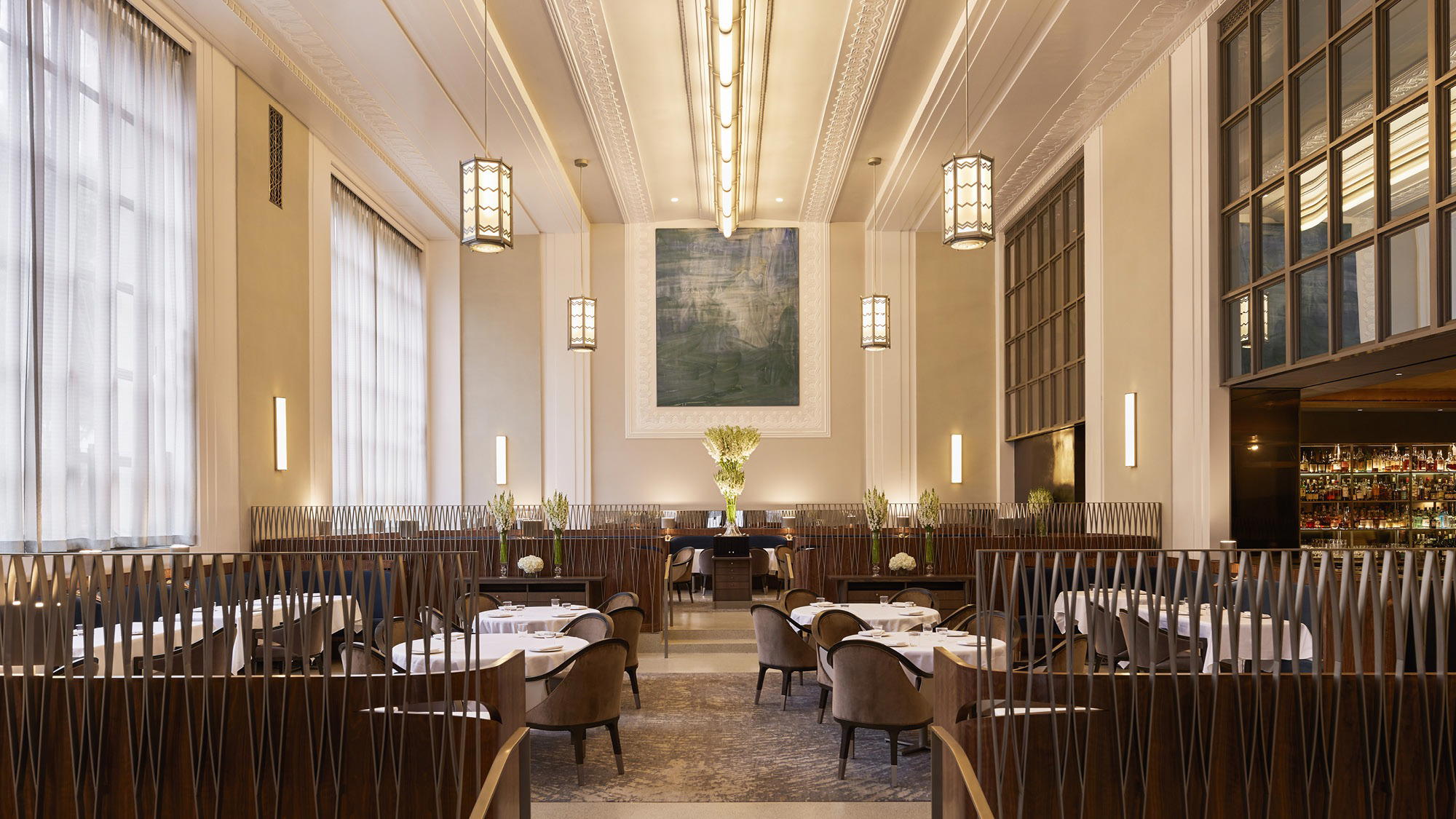
Restaurants in New York City
All restaurants in New York City →

Bars in New York City
All bars in New York City →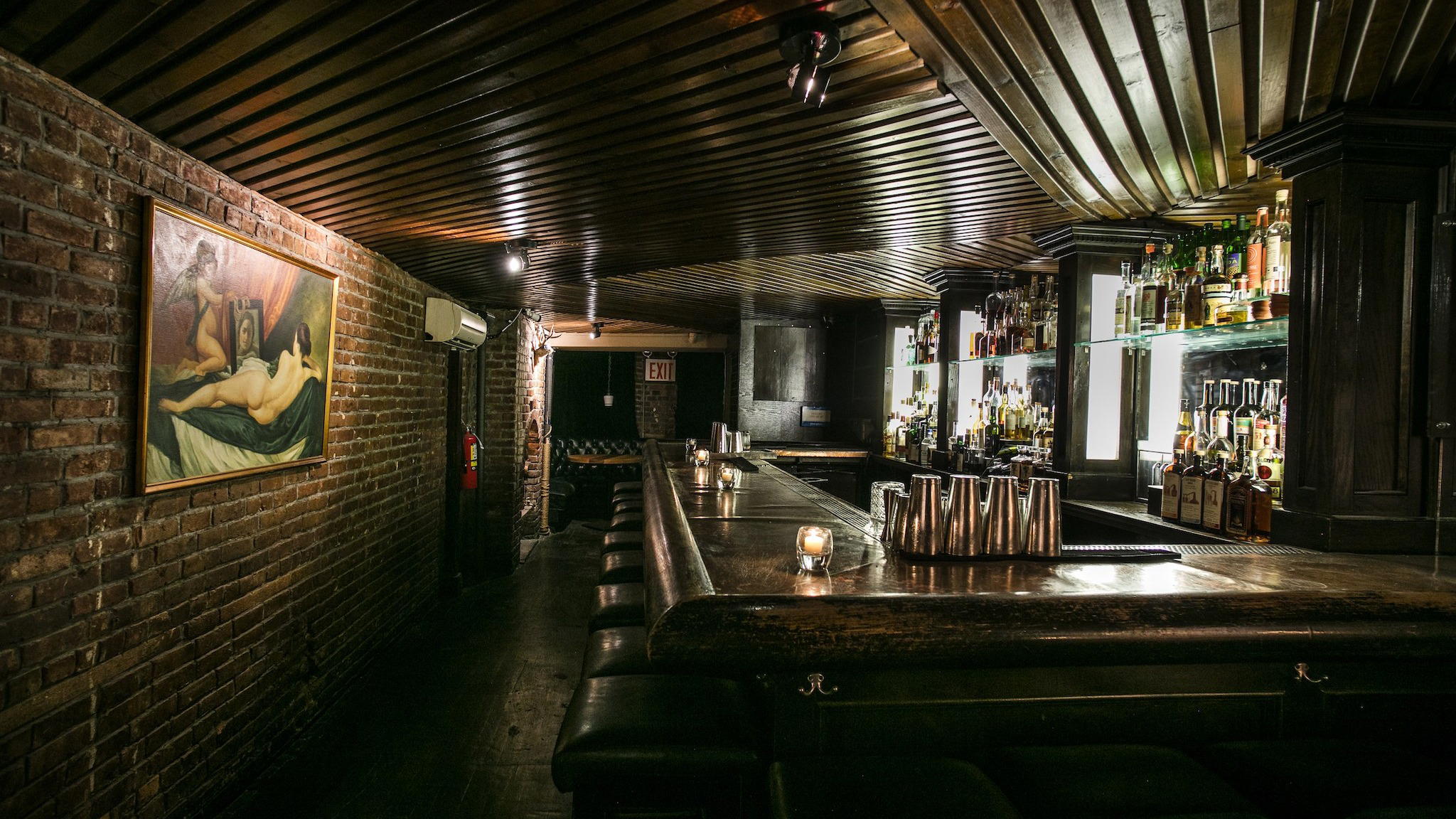






Details
- Lively
- Trendy
- Cozy
- Group Dining
- Casual Hangout
- Open Kitchen
- Craft Cocktails
- Small Plates
- A La Carte
- Vegetarian Friendly
- Vegan Options
- Gluten Free Options
Current opening hours
- Monday
- 12–3:30 PM, 5:30–10 PM
- Tuesday
- 12–3:30 PM, 5:30–10 PM
- Wednesday
- 12–3:30 PM, 5:30–10 PM
- Thursday
- 12–3:30 PM, 5:30–10 PM
- Friday
- 12–3:30 PM, 5:30–10:30 PM
- Saturday
- 12–10:30 PM
- Sunday
- 12–10 PM
Hours can change for holidays and private events. Hours as of .
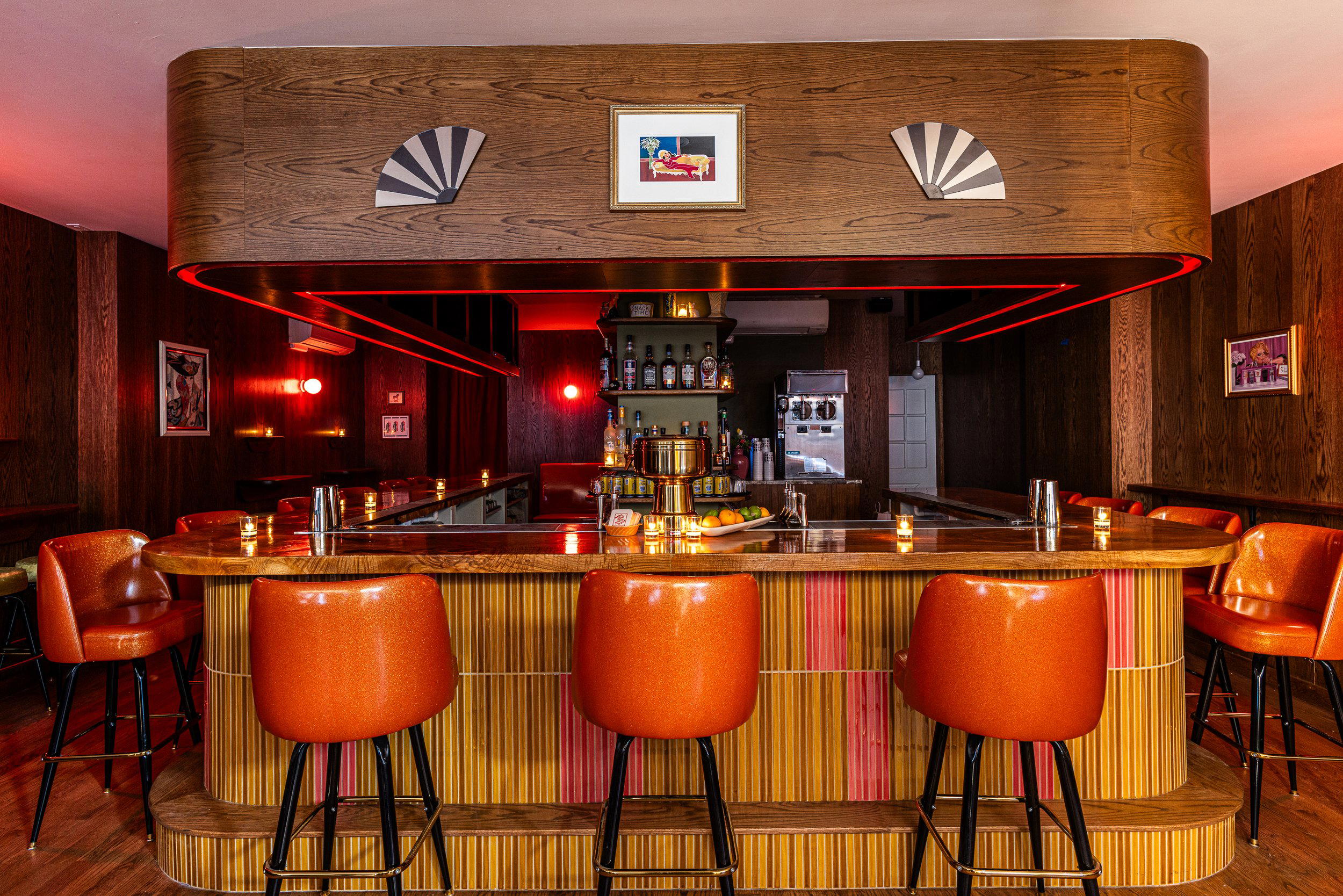
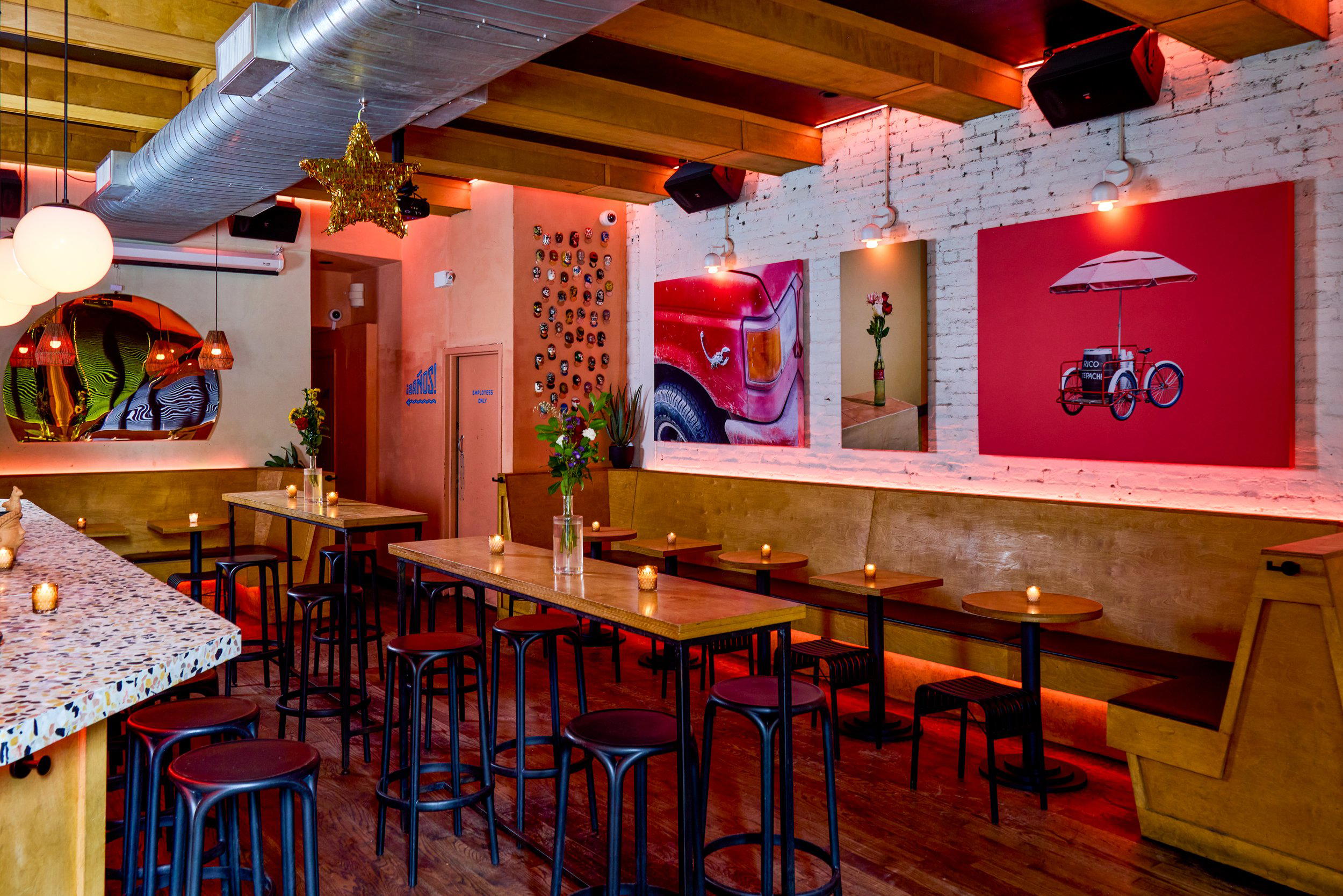
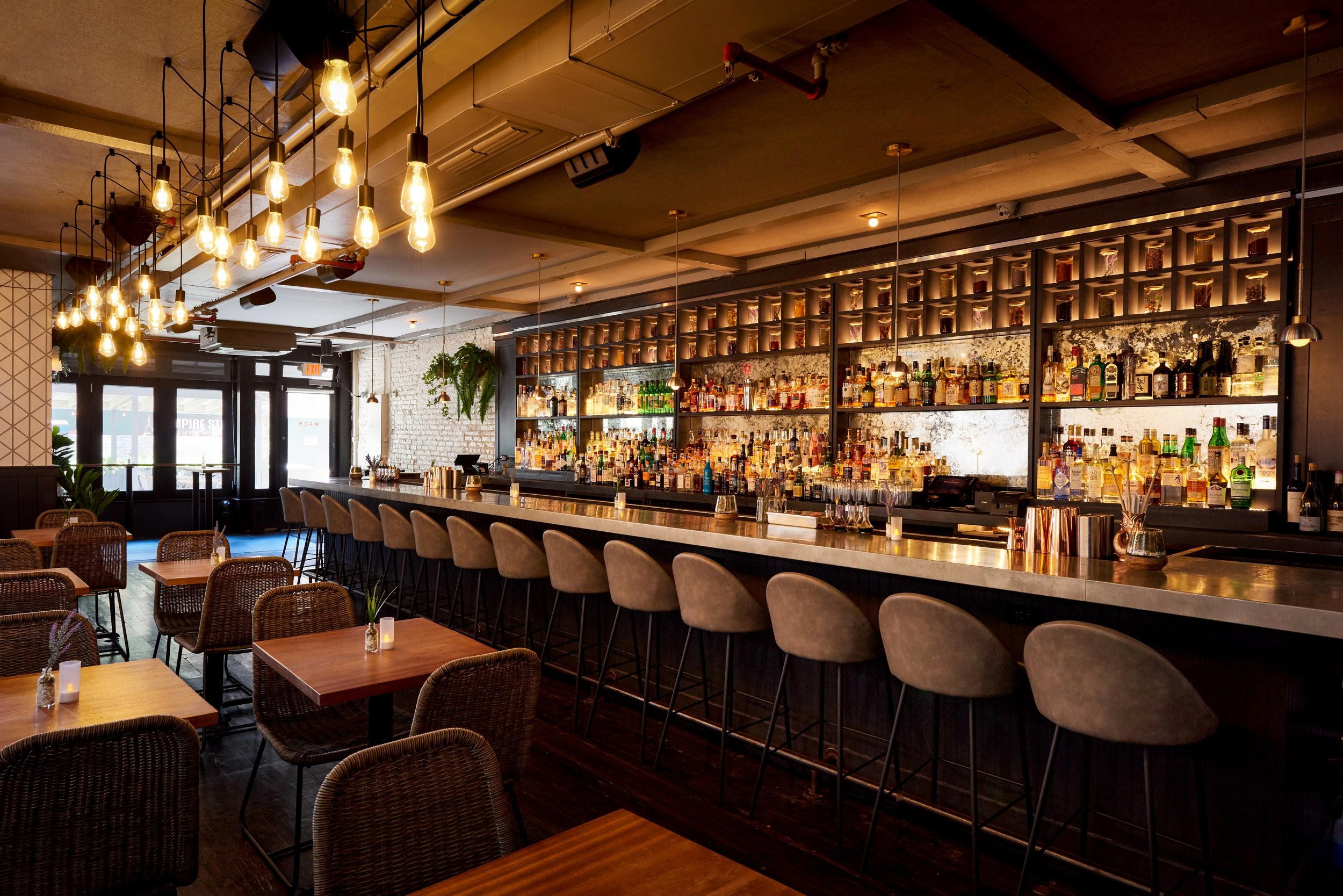
Lively and hip with an open kitchen, wooden decor, distinctive lanterns, and a trendy East Village atmosphere.