Chalong


A Michelin Plate-recognized Thai restaurant in Hell's Kitchen, Chalong draws on Southern Thai tradition with a shared-plates format suited to pre-theatre crowds and post-work tables alike. The menu moves through curries, grilled seafood, and rice dishes rooted in the flavors of Thailand's south, served in a simply designed room of dark wood, rattan lighting, and blue bar accents.
Pearl is the En Primeur Club membership app — saves, bookings, and concierge access live there. Same editors, same standards.
- Address
- 749 9th Ave, New York, NY 10019
- Phone
- (212) 466-6456
- Website
- chalongnyc.com
- Directions
- Get directions
 Saves & bookings on Pearl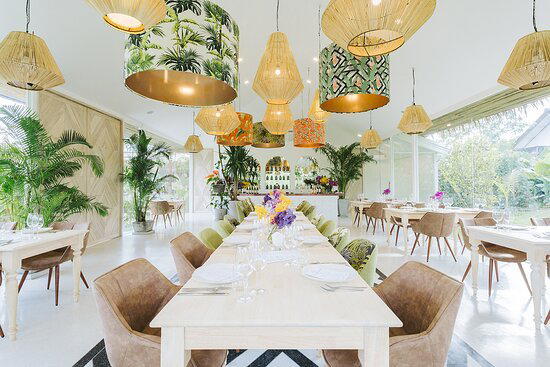
Southern Thai in a Hell's Kitchen Room
Hell's Kitchen has long functioned as one of Manhattan's more democratic dining corridors: close enough to Midtown to catch theatre-goers and office workers, far enough from the tourist center to maintain a neighborhood character. The stretch of 9th Avenue where Chalong sits is lined with restaurants that range from Dominican lunch counters to Italian red-sauce institutions, and Thai cooking occupies a meaningful share of that mix. What separates the stronger entries in this corridor from the generic pad-thai-and-spring-roll format is specificity of regional focus, and Chalong's case is built on Southern Thailand.
Southern Thai cooking is, in relative terms, the least exported of the country's regional traditions. Bangkok street food, the wok-fried noodles, the larb, the grilled skewers sold from carts along Yaowarat Road, has the widest international footprint, partly because it travels easily and partly because Bangkok's tourism industry has done the marketing work. Southern Thai cuisine is harder to simplify: it draws on a different spice vocabulary, heavier use of coconut milk in its curries, dried shrimp in its relishes, and a saltier, more pungent baseline than the central Thai dishes that most Western diners recognize. Restaurants in New York that commit to this register rather than blending it back toward a pan-Thai middle are doing something editorially distinct. Chalong holds that position in the Hell's Kitchen tier, and the Michelin Plate recognition it received in 2025 places it among Thai restaurants recognized for kitchen seriousness.
What the Room Signals
The interior design at 749 9th Ave reads as considered rather than theatrical. Dark wood surfaces set the base tone; blue accents at the bar introduce color without disrupting the calm. The rattan light fixtures are especially visually distinctive element, pulling in a material associated with coastal Southeast Asian spaces and reinforcing the Southern Thai identity without resorting to the gold-Buddha-and-orchid shorthand that cheaper concepts lean on. The overall effect is a room that feels like it belongs to the neighborhood while communicating that the kitchen takes its reference points seriously.
The shared-plates format aligns with the pre-theatre and post-work windows that define Hell's Kitchen's dinner traffic. Ordering across multiple dishes at a table allows the kitchen to show range: the progression from a coconut-forward curry to a grilled seafood plate to a fried rice dish covers more of the Southern Thai pantry than a single-entrée approach would permit. For diners used to navigating Thai menus that flatten regional differences into a single undifferentiated list, the structure here is more instructive.
The Dishes That Define the Kitchen's Range
Baerng golae is the dish the Michelin team specifically flagged, and the construction explains why: grilled shrimp tossed in coconut curry and finished with fried coconut sits at the intersection of street food technique and Southern Thai flavor logic. Golae seasoning originates in the Muslim communities of Thailand's far south, where it functions as a marinade for grilled meats sold from roadside stalls. Applying that register to shrimp and grounding it in coconut curry is a kitchen decision that shows both fluency with the tradition and awareness of what translates to a New York dining room.
Garlic-braised ribs, fried and served with rice, follow the model of Thai street stalls where a single protein preparation arrives with a starch and is considered a complete plate. In Bangkok, this kind of dish is a lunch plate, not a composed restaurant course. The fact that it reads as satisfying in a sit-down format is a function of execution rather than reinvention. The mango sticky rice, paired with coconut ice cream and diced mango, closes the meal in the dessert register that has crossed out of Thailand's street markets into restaurant menus globally, though the version here works as a closing argument for the meal rather than an afterthought.
Where Chalong Sits in New York's Thai Scene
New York's Thai restaurant tier is wider and more differentiated than it was a decade ago. The downtown end of the spectrum includes Fish Cheeks, which built its reputation on coastal Thai cooking and has attracted sustained press attention, and Bangkok Supper Club, which operates in a more theatrical register. In Queens, Ayada and Eim Khao Mun Kai represent the borough's deeper Thai traditions, while MayRee has carved its own position in the premium tier. Chalong's Michelin Plate places it in formal company with the stronger entries across that range, and its Hell's Kitchen address gives it a geographic foothold that none of the Queens options share for Midtown-adjacent diners.
For a calibration point outside New York, the Thai restaurants that have attracted critical attention for regional specificity are concentrated in Bangkok itself. Nahm built a case for traditional Thai cooking in a fine-dining format, and Samrub Samrub Thai operates in a research-led, documentation-focused mode that treats regional Thai cuisine as an archive worth preserving. What New York restaurants like Chalong do is occupy the space between those poles and the generic export version: specific enough to be educational, accessible enough to serve a neighborhood dining function on a Wednesday night.
A high average across a thin review base is easy to manufacture; sustaining it past two thousand data points, with the variance that comes from different occasions, different expectations, and the hell's-kitchen-pre-theatre crowd rather than a self-selected tasting-menu audience, is a more durable indicator of consistent delivery.
For context on how Chalong fits within the broader New York dining picture, see our full New York City restaurants guide. If you're planning around a theatre night or an extended stay in the area, our New York City hotels guide, bars guide, wineries guide, and experiences guide cover the surrounding territory. For other serious dining rooms across the US, the programmes at Emeril's in New Orleans, Lazy Bear in San Francisco, Alinea in Chicago, Single Thread Farm in Healdsburg, The French Laundry in Napa, and Providence in Los Angeles represent the broader range of what formal American dining rooms are doing right now.
Know Before You Go
- Address: 749 9th Ave, New York, NY 10019
- Neighbourhood: Hell's Kitchen, Manhattan
- Cuisine: Southern Thai, shared plates
- Price range: $$$
- Recognition: Michelin Plate (2025) 9 (3,446 reviews)
- Format note: Shared plates; suited to groups of two to four ordering across the menu
What Regulars Order
The dishes that come up consistently in the venue's Michelin citation are the baerng golae (grilled shrimp in coconut curry with fried coconut), the garlic-braised ribs served with rice, and the mango sticky rice with coconut ice cream and diced mango. The Michelin team explicitly flags the mango sticky rice as non-negotiable, which in the context of a Plate-level citation carries weight. The shared-plates structure means ordering broadly is both practical and expected: the kitchen's range across curries, noodle and rice dishes, and grilled seafood is where the Southern Thai identity of the menu becomes legible. Regulars familiar with the pre-theatre window tend to arrive early and order across protein categories rather than anchoring on a single dish.
Cuisine and Awards Snapshot
Comparable venues nearby, for context on price, style, and recognition.
| Venue | Cuisine | Price | Awards | Notes |
|---|---|---|---|---|
| ChalongThis venue — the venue you are viewing | Southern Thai | $$$ | Bib Gourmand | Not listed |
| Pranakhon | Bangkok Street Food Thai | $$$ | Bib Gourmand | Greenwich Village |
| KRU | Modern Thai | $$$ | Michelin Plate | Williamsburg |
| Untable | Modern Unconventional Thai | $$$ | Bib Gourmand | Carroll Gardens-Cobble Hill-Gowanus-Red Hook |
| SaRanRom Thai | Regional Thai | $$ | Bib Gourmand | Elmhurst |
| Thai Diner | Thai-American Fusion | $$ | Bib Gourmand | SoHo-Little Italy-Hudson Square |
Recognition history
Dated appearances from independent guides and award organizations, with the underlying list record or original source where available.
James Beard Award Semi Finalist
James Beard Award
Michelin Bib Gourmand
Michelin
Michelin Plate
Michelin
Continue exploring
More in New York City
Restaurants in New York City
Browse all →
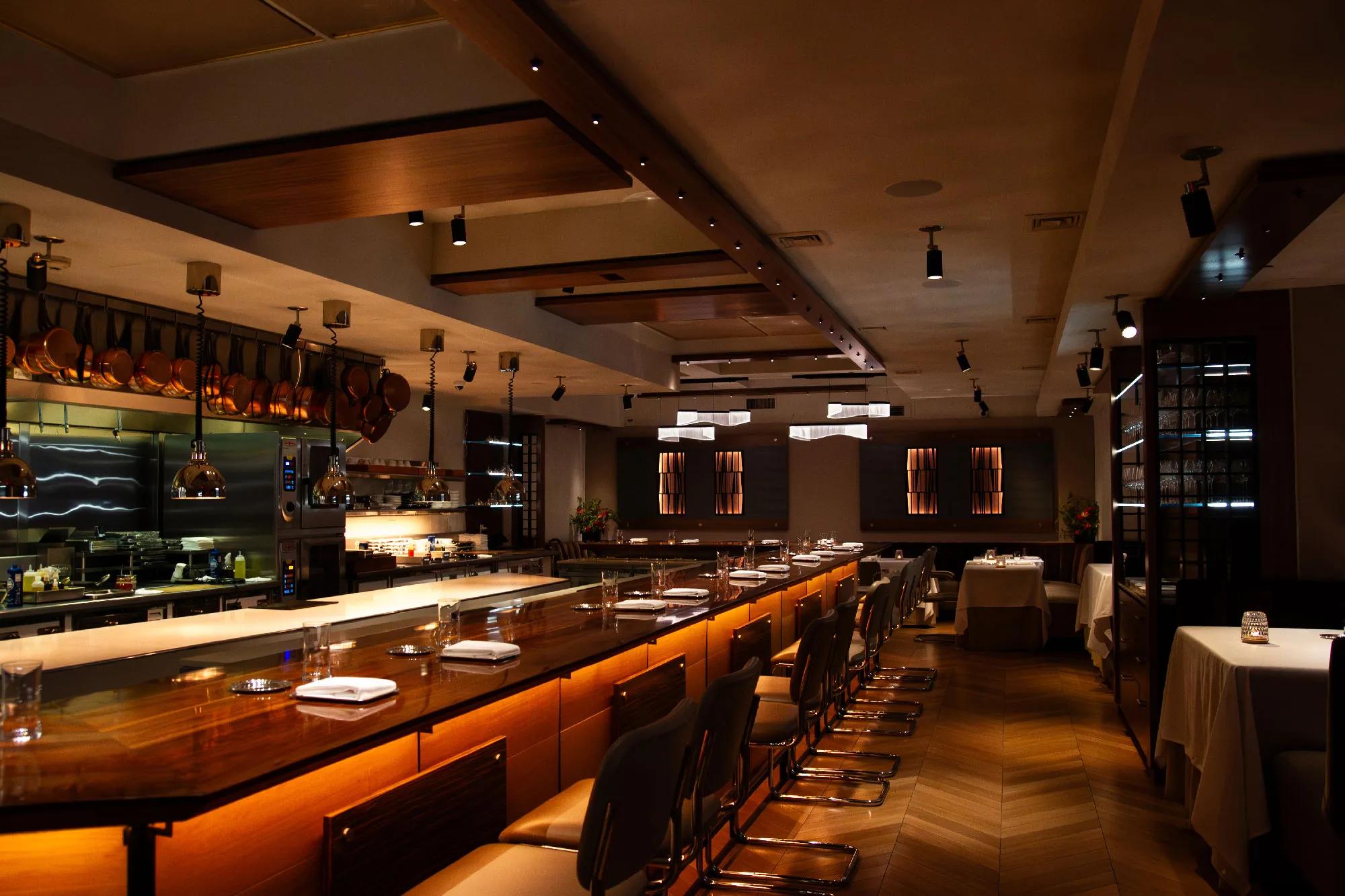
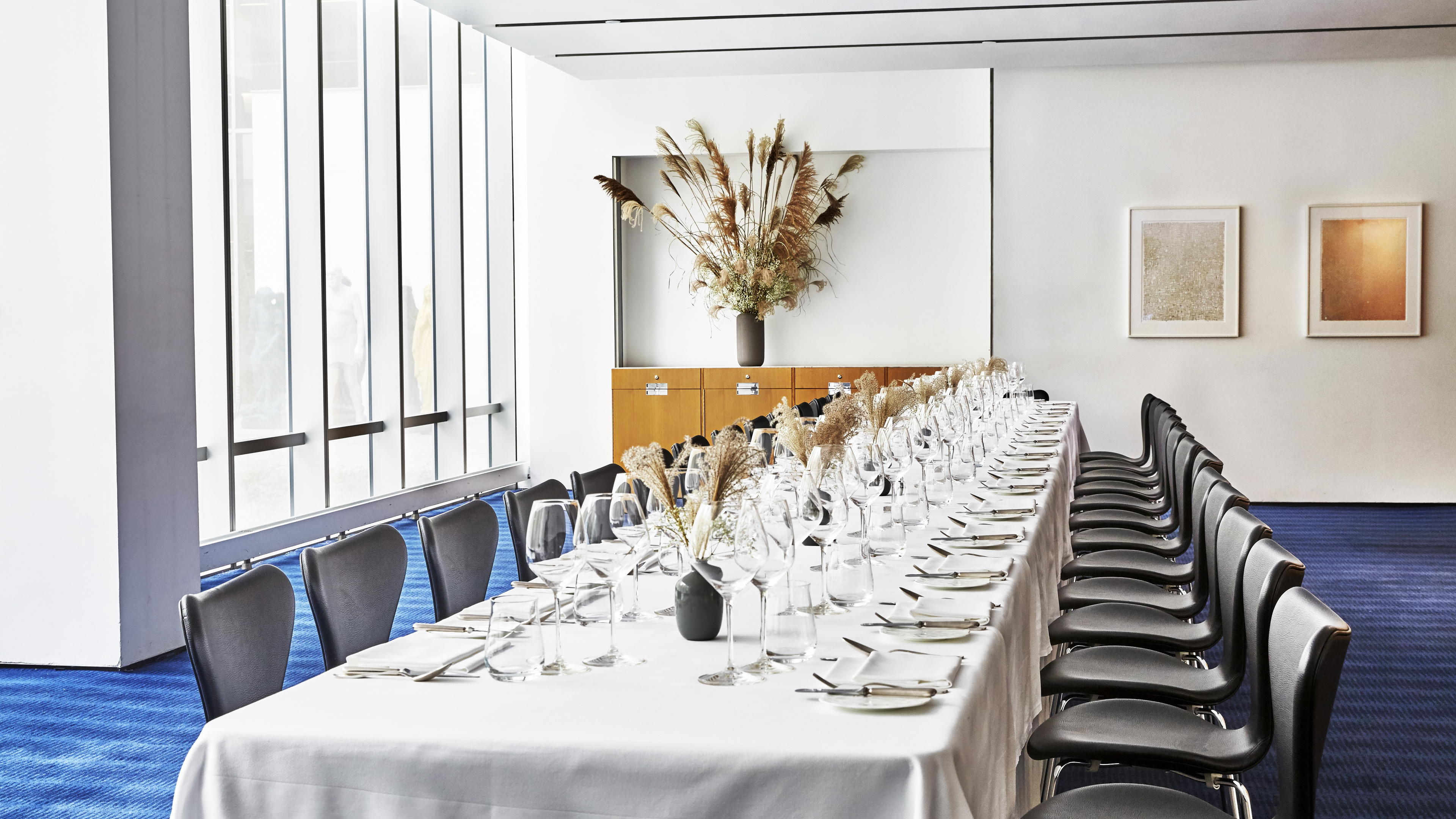
Bars in New York City
Browse all →
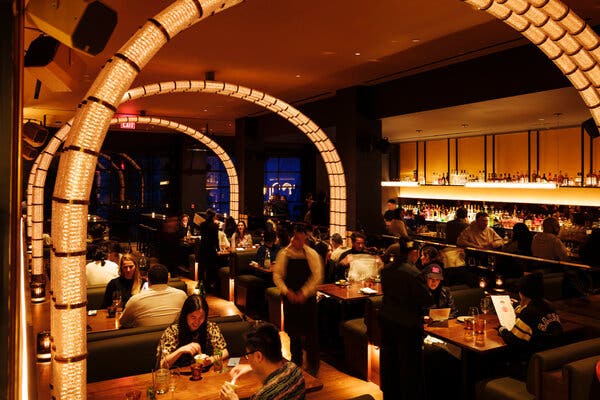

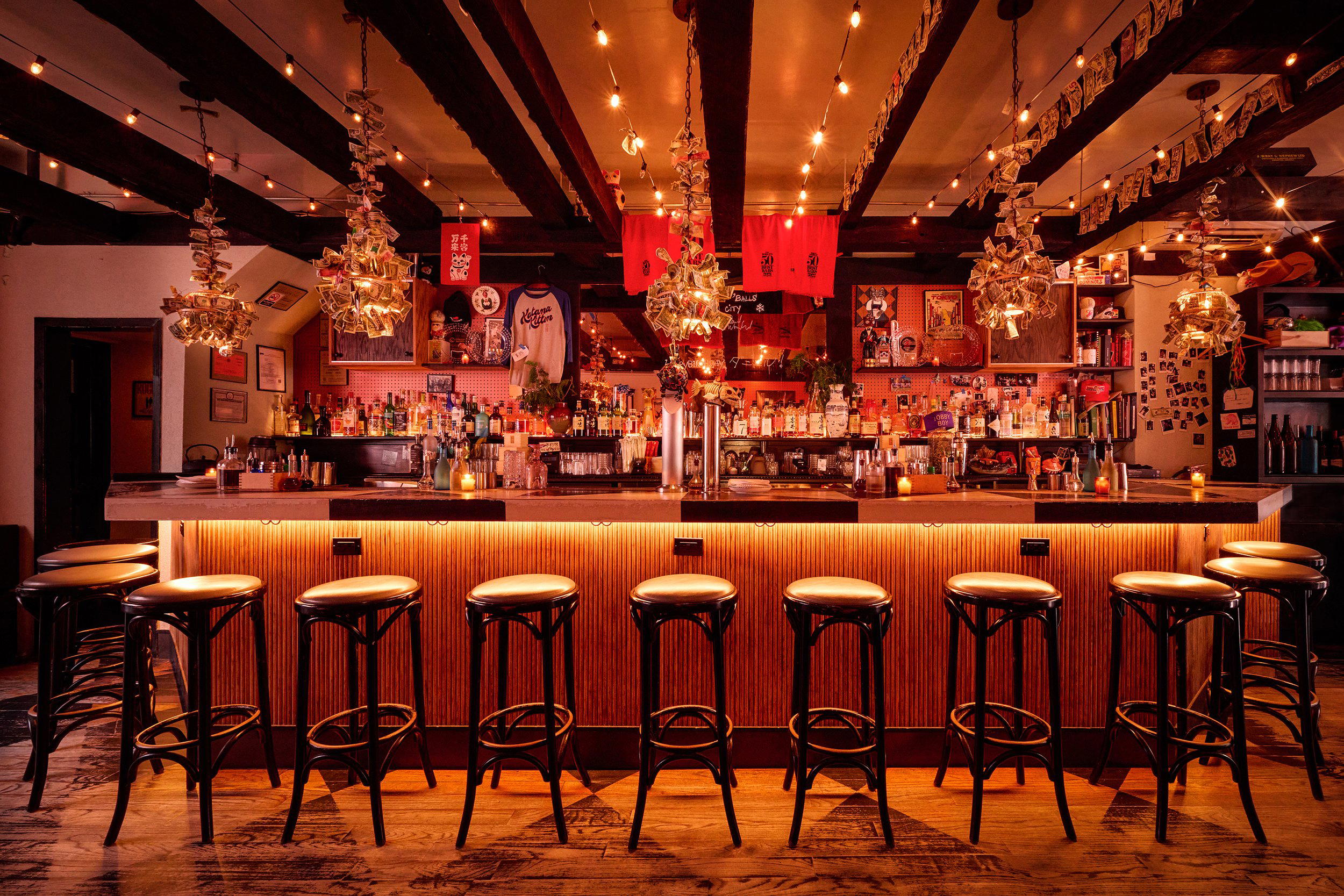
Hotels in New York City
Browse all →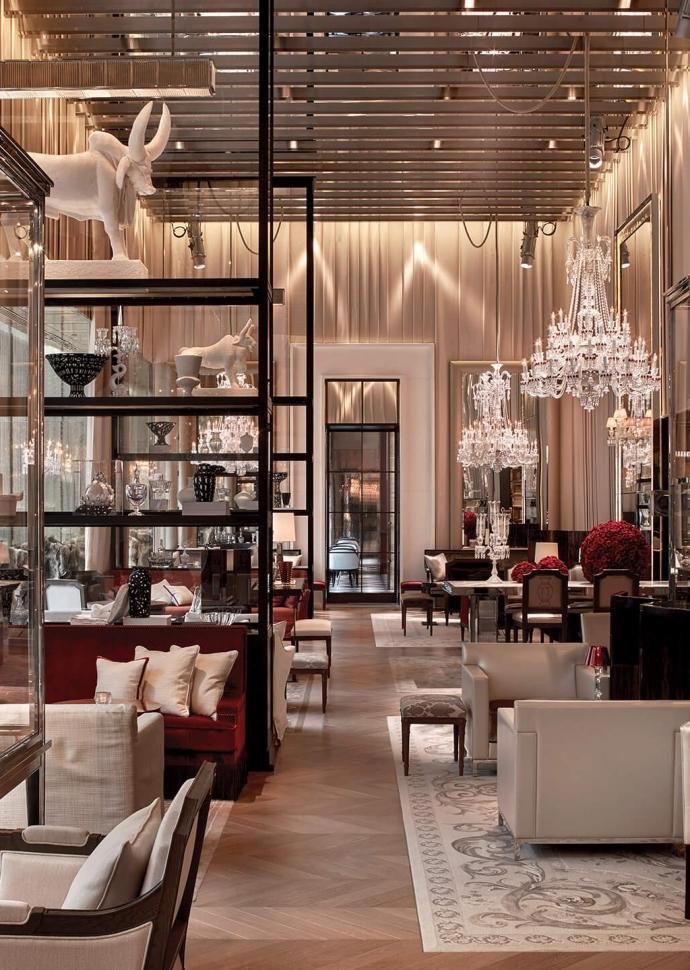





At a Glance
- Lively
- Trendy
- Modern
- Group Dining
- Family
- After Work
- Special Occasion
- Open Kitchen
- Craft Cocktails
Current opening hours
- Monday
- 12–3:30 PM, 5–10 PM
- Tuesday
- 12–3:30 PM, 5–10 PM
- Wednesday
- 12–3:30 PM, 5–10 PM
- Thursday
- 12–3:30 PM, 5–10 PM
- Friday
- 12–3:30 PM, 5–11 PM
- Saturday
- 12–3:30 PM, 5–11 PM
- Sunday
- 12–3:30 PM, 5–10 PM
Hours can change for holidays and private events. Last verified .
Cramped dining room with simple dark wood design, rattan light fixtures, and a lively, noisy atmosphere.