Tuk Tuk
Tuk Tuk occupies a Vernon Boulevard address in Long Island City, positioning itself at the edge of a Queens dining corridor that has been quietly absorbing restaurants priced out of Manhattan. The venue's name gestures toward Southeast Asian street culture, though what that means in practice, format, depth, price tier, is best confirmed directly before visiting.
Pearl is the En Primeur Club membership app — saves, bookings, and concierge access live there. Same editors, same standards.
- Address
- 49-06 Vernon Blvd, Long Island City, NY 11101
- Phone
- +1 718 472 5598
- Website
- tuktukny.com
- Directions
- Get directions
 Saves & bookings on Pearl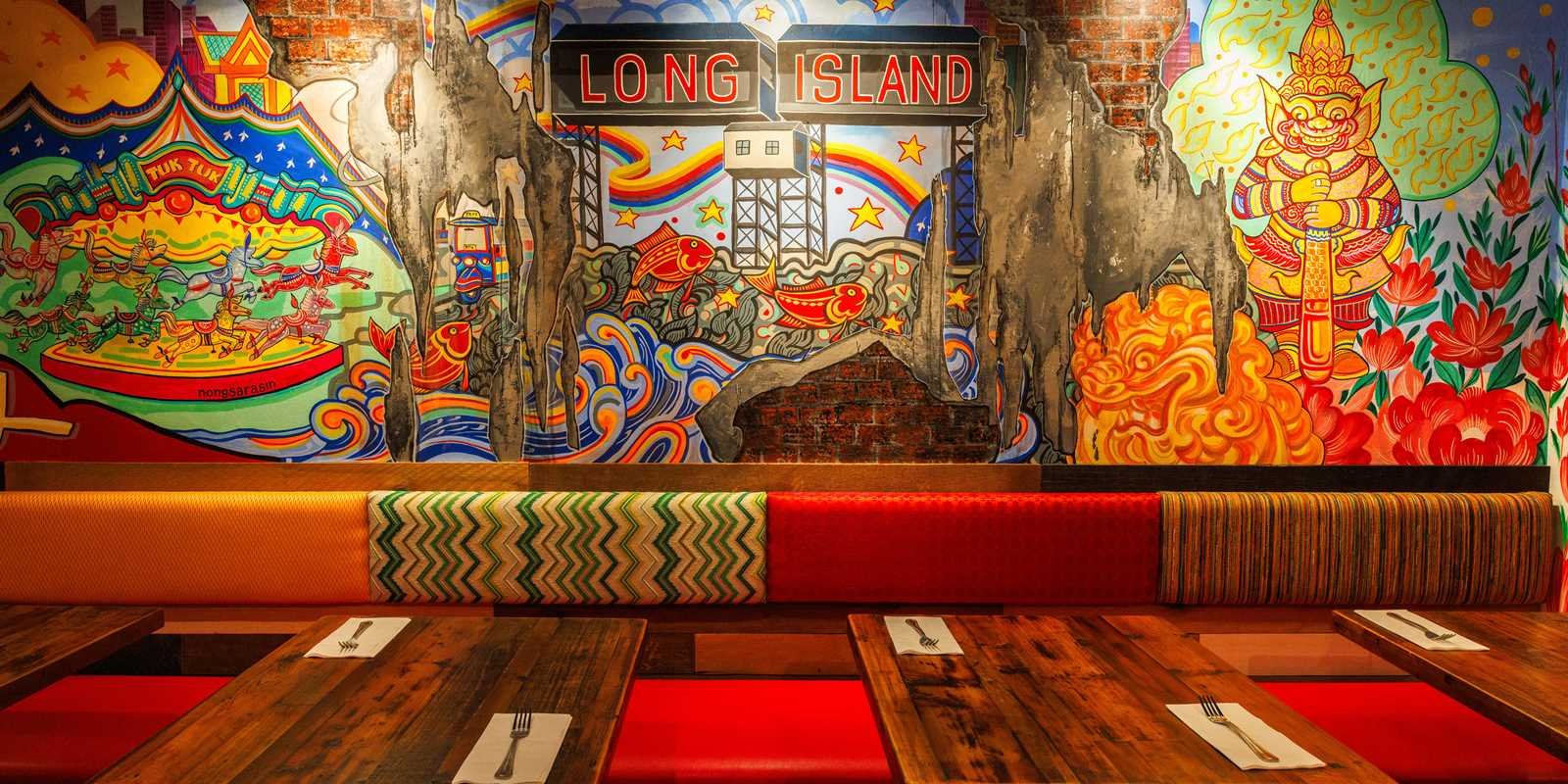
Long Island City's Shifting Restaurant Geography
The stretch of Vernon Boulevard running through Long Island City has accumulated restaurants in a pattern familiar to anyone who has tracked Brooklyn's dining expansion over the past two decades: Manhattan economics push operators across a bridge or through a tunnel, and a secondary corridor inherits both the spillover talent and a more flexible cost structure. Tuk Tuk sits at 49-06 Vernon Blvd inside that corridor, a neighbourhood that now holds a range of independent operators serving a residential base that grew substantially after the waterfront's residential development accelerated through the 2010s.
Long Island City is not a dining destination in the way that Flushing or Astoria are, those neighbourhoods carry decades of immigrant food culture dense enough to anchor destination trips from Manhattan. Vernon Boulevard operates differently: it is a neighbourhood strip, where the audience is primarily local and restaurants succeed by earning repeat visits rather than first-time tourism. That context shapes what Tuk Tuk is working with, and what a visitor should expect from the experience.
The Name, the Reference Point, and What It Signals
The tuk-tuk, the three-wheeled motorised vehicle ubiquitous across Thailand, Sri Lanka, and much of South and Southeast Asia, has become one of the more travelled shorthand references in Western restaurant naming. In the American market, it has been applied to Thai street food concepts, Pan-Asian small-plates formats, and at least one cocktail bar. The name alone does not settle the cuisine category, but it anchors the venue in a broadly Southeast Asian register, positioning it outside the fine-dining codes of Manhattan's top tier entirely.
That matters as a frame of reference. New York's highest-profile tasting-menu restaurants, Le Bernardin, Atomix, Eleven Madison Park, Masa, and Per Se, occupy a pricing tier and a format discipline that a neighbourhood restaurant on Vernon Boulevard is not competing with. The comparison set for Tuk Tuk is the Queens independent restaurant field, not the midtown tasting-menu circuit.
Southeast Asian Beverage Culture and What a Wine Program Means Here
The editorial angle that rewards closest attention at any Southeast Asian restaurant in the American market is the beverage program. The cuisine tradition itself, built around fermented condiments, high-heat wok cooking, fresh herb loads, chilli heat, and sour-sweet balance, is among the more demanding for conventional wine pairing. European fine-dining wine programmes designed around French classical or Italian regional cuisine do not translate cleanly to a Thai or Vietnamese flavour matrix.
In the American market, operators who take this seriously have moved in two directions. The first is a short, curated list weighted toward aromatic whites, Alsatian Riesling and Gewurztraminer, German Spätlese, dry Vouvray, alongside skin-contact wines and low-intervention pours that carry enough texture to hold against high-acid, high-spice food. The second is a spirits-forward approach: sake, shochu, and Thai herbal spirits alongside a cocktail program built around Southeast Asian aromatics. The leading regional operations nationally, from Lazy Bear in San Francisco to Single Thread Farm in Healdsburg, have shown that beverage programs do not need to mirror European models to carry real depth; they need to mirror the food.
For a neighbourhood restaurant operating outside Manhattan's fine-dining tier, the wine list is typically short and functional rather than cellar-deep. That is not a criticism; it reflects an accurate read of what the local audience is ordering and what the price structure will support. Whether Tuk Tuk has made deliberate choices in its pours, toward aromatic whites, toward natural wine, toward a cocktail-first model, is a question worth asking directly, since the answer shapes how to approach the drink side of a meal there. Venues across the country that have thought carefully about this problem, from Frasca Food and Wine in Boulder to Providence in Los Angeles, demonstrate that a focused, food-matched list outperforms a large but generic one regardless of category.
The Broader Queens Dining Context
Queens holds more distinct food cultures per square mile than any other borough in New York, and more than any other urban county in the United States. That density, concentrated in corridors like Jackson Heights, Flushing, and Woodside, means that Southeast Asian cooking in Queens is benchmarked against immigrant-community originals rather than approximations. A Thai or Southeast Asian restaurant operating in this borough is implicitly measured against that standard, which creates both pressure and opportunity: the audience is knowledgeable, the ingredient supply chains are well-established, and the cost-to-quality ratio in the neighbourhood market runs higher than in Manhattan.
The parallel is worth drawing to farm-to-table operations that relocated from high-cost urban centres to find better alignment between their sourcing commitments and their economics, the logic that led places like Blue Hill at Stone Barns in Tarrytown to operate outside city limits, or that defines the calculus behind Smyth in Chicago's neighbourhood positioning. In each case, geography is a deliberate choice rather than a default. For our full orientation to the New York restaurant scene across all boroughs and price tiers, see our full New York City restaurants guide.
Planning a Visit
Long Island City is accessible from midtown Manhattan via the 7 train to Vernon Blvd-Jackson Ave, a short ride that places Vernon Boulevard within practical reach for a dinner that does not require a cab. The neighbourhood lacks the infrastructure of a formal dining district, there is no cluster of pre-dinner bars or post-dinner pastry operations on the same block, so the meal itself is the full event. Visitors arriving from further afield, or comparing the Queens experience to destinations like Emeril's in New Orleans, Addison in San Diego, or The Inn at Little Washington, should calibrate expectations for a neighbourhood format rather than a destination dining production.
For readers who track ambitious regional restaurant operations outside major metros, the kind of quality-focused independent work visible at The French Laundry in Napa, Atelier Moessmer Norbert Niederkofler in Brunico, or Dal Pescatore in Runate, the restaurant operates in a different register entirely. It is a neighbourhood restaurant in a borough with genuine food depth, and should be visited on those terms.
Know Before You Go
Address: 49-06 Vernon Blvd, Long Island City, NY 11101
Getting There: 7 train to Vernon Blvd-Jackson Ave is one direct option from midtown Manhattan.
Hours: Confirm current service hours directly with the venue before visiting.
Price Range: Not published; consistent with a Queens neighbourhood independent.
Quick Comparison
Comparable venues nearby, for context on price, style, and recognition.
| Venue | Cuisine | Price | Notes |
|---|---|---|---|
| Tuk TukThis venue — the venue you are viewing | Thai Street Food | $$ | Not listed |
| Mitr Thai Restaurant | Regional Thai Fine Dining | $$ | Midtown-Times Square |
| Lil Chef Mama | Authentic Thai Street Food | $$ | Financial District-Battery Park City |
| Little Tiffin | Thai Home Cooking | $$ | Greenpoint |
| Dagg Thai | Authentic Thai | $$ | Midtown-Times Square |
| V{IV} | Modern Thai Street Food | $$ | Hell's Kitchen |
Continue exploring
More in New York City
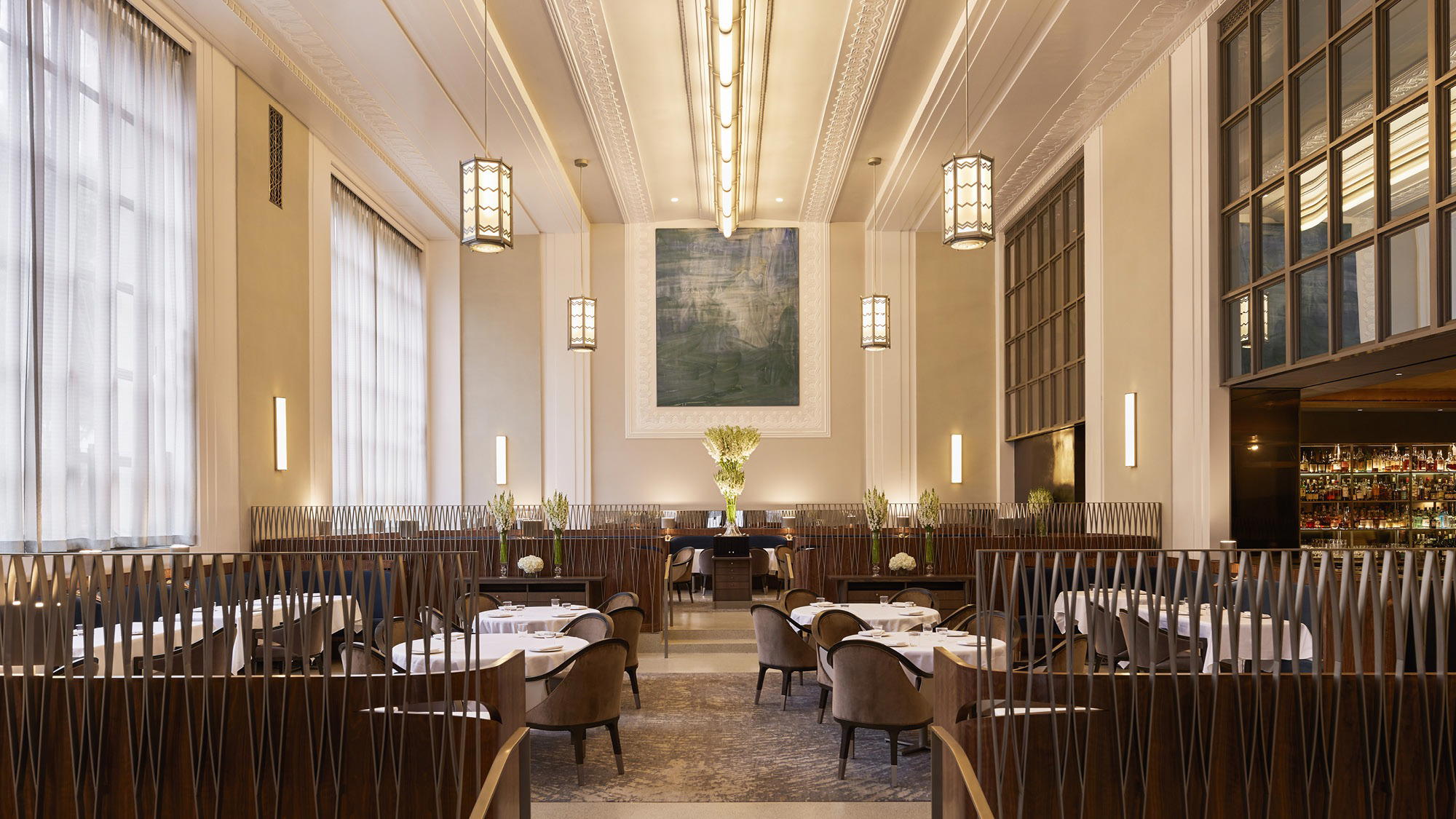
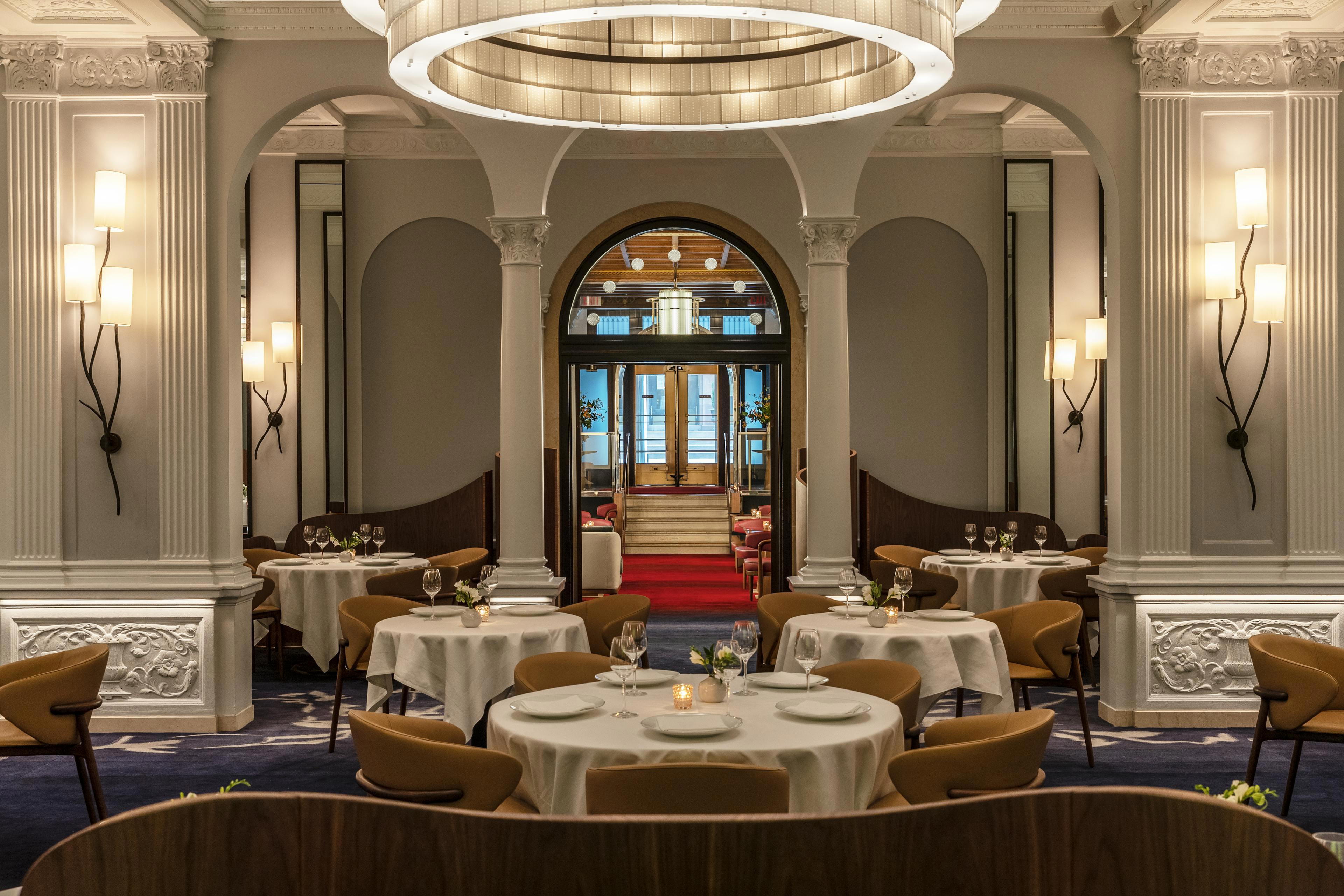
Restaurants in New York City
Browse all →
Bars in New York City
Browse all →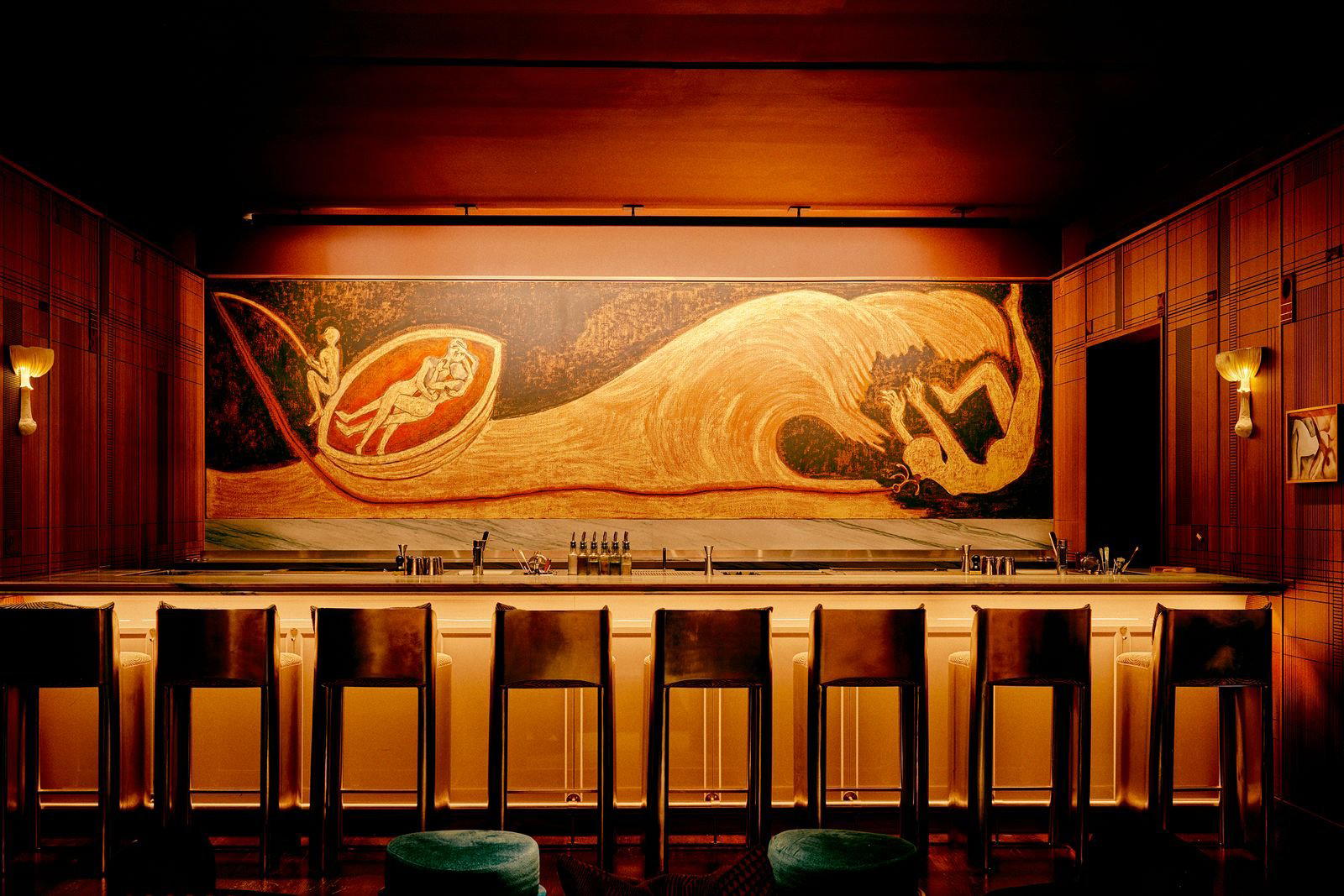
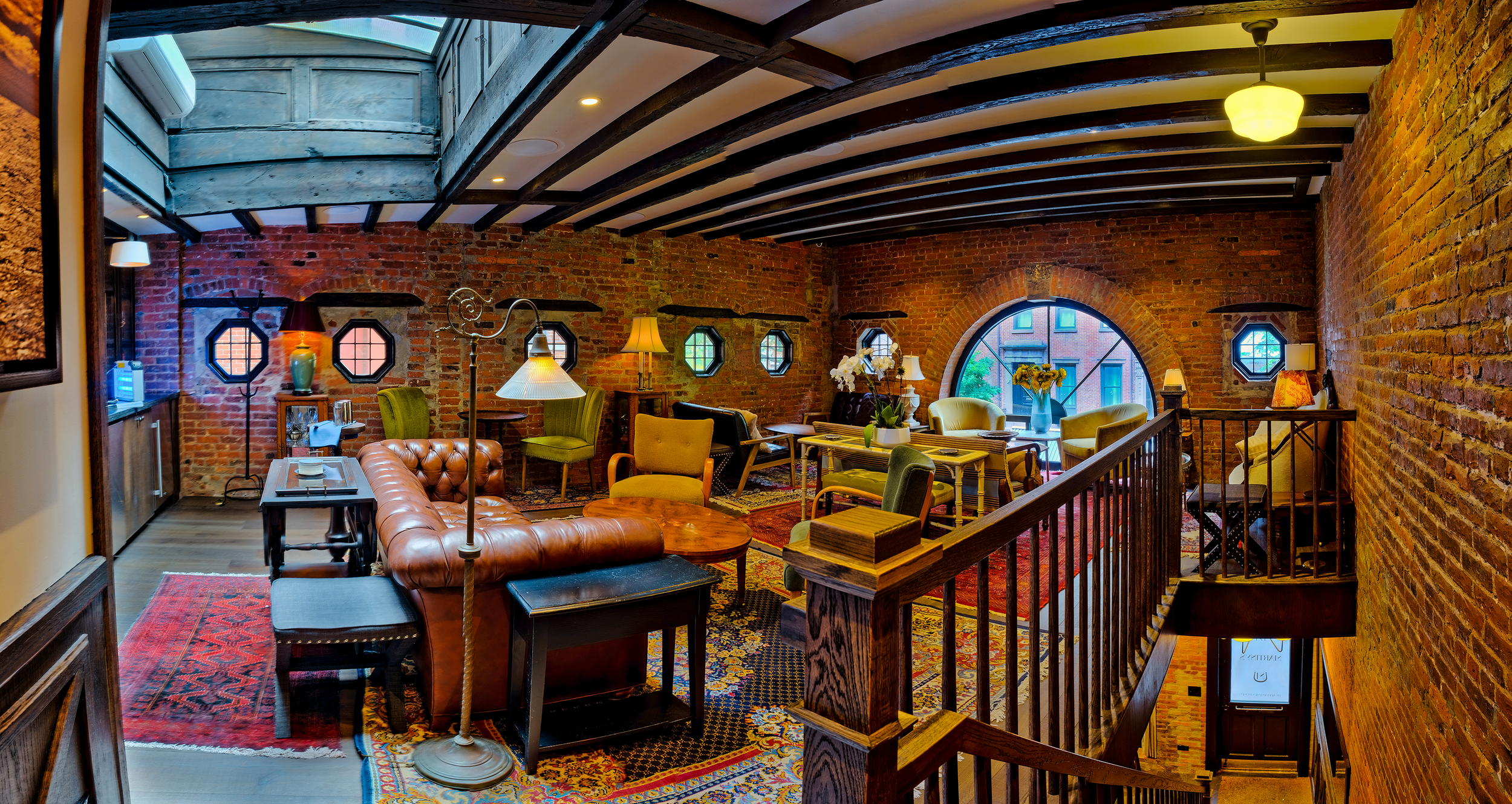
Hotels in New York City
Browse all →





At a Glance
- Cozy
- Trendy
- Casual Hangout
- Group Dining
- Open Kitchen
- Street Scene
Current opening hours
- Monday
- 4:30–9:30 PM
- Tuesday
- Closed
- Wednesday
- 4:30–9:30 PM
- Thursday
- 12–3 PM, 4:30–10 PM
- Friday
- 12–3 PM, 4:30–10 PM
- Saturday
- 12–3 PM, 4:30–10 PM
- Sunday
- 12–3 PM, 4:30–9:30 PM
Hours can change for holidays and private events. Last verified .
No-frills, spacious mom-and-pop atmosphere with fast service and local charm.