

On a quiet stretch of Carrer de Casanova in Eixample, Soluna runs a six-seat counter and a handful of tables around Japanese-Mediterranean cooking that resists easy categorisation. Chef Teppei Nii holds a 2025 Michelin Plate, and the restaurant's two rotating menus change roughly every two months. The cod cheek okonomiyaki has become the dish most discussed by those who have eaten here.
Pearl is the En Primeur Club membership app — saves, bookings, and concierge access live there. Same editors, same standards.
- Address
- Carrer de Casanova, 157, Eixample, 08036 Barcelona, Spain
- Phone
- +34 930 10 01 39
- Website
- solunabcn.com
- Directions
- Get directions
 Saves & bookings on Pearl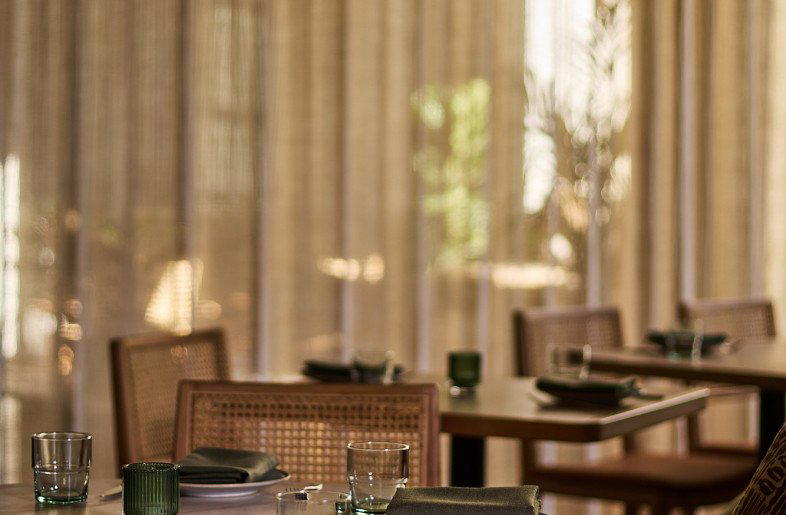
Counter Culture: How Soluna Fits Into Barcelona's Creative Dining Conversation
Barcelona's creative restaurant tier has consolidated around a handful of high-profile addresses, Disfrutar, Cocina Hermanos Torres, ABaC, Lasarte, where the format is large, the tasting menus are long, and the price point is €€€€. Below that tier, a smaller set of restaurants operates with tighter rooms, lower seat counts, and a more focused culinary argument. Soluna, on Carrer de Casanova in the Eixample, belongs to that second group. For Barcelona diners looking beyond the headline addresses, this is the category worth understanding.
The Room and the Ritual
The physical setup at Soluna frames the meal before a dish arrives. A counter seating six runs alongside standard tables, and the choice between them is itself an editorial decision about how you want to eat. Counter seats position the diner inside the preparation sequence, the pace, the order, the handling of ingredients become visible rather than inferred. Table seats allow a different rhythm: more private, more conversational, slightly removed from the kitchen's tempo. Neither is wrong, but they produce different evenings.
This counter-versus-table split is increasingly common in European restaurants drawing on Japanese dining customs. The omakase counter format, where the chef controls sequencing and the diner surrenders the menu decision entirely, has moved well beyond Japan over the past decade. In cities like Barcelona, it has hybridised with local habits: a counter may exist alongside a conventional menu, service in Spanish or Catalan, and a wine list that leans Iberian rather than sake-led. Soluna operates within that hybridised model, and the choice of two named menus, Soluna and Festival, rather than a single chef's whim, reflects that accommodation of different expectations.
Both menus change approximately every two months.
The Japanese-Mediterranean Argument
Japan-meets-Mediterranean cooking has become a distinct category in European dining. Spain has particular affinity for it: the country's coastal ingredient culture, live shellfish, salt cod, preserved fish, high-acid citrus, translates naturally into Japanese preparation logics that prize clean protein, textural contrast, and umami depth. The challenge, in any kitchen working this seam, is avoiding the impression that the fusion is decorative rather than structural.
At Soluna, the dish that has generated particularly discussion makes the structural argument plainly. The cod cheek okonomiyaki combines pil-pil, the Basque emulsion technique built from the collagen released by slow-cooked salt cod, with tuna katsuobushi, the fermented, smoke-dried fish that forms the backbone of Japanese dashi. Both techniques are about coaxing maximum flavour from fish through low-intervention processes. Placing them together is not a cultural collision so much as a recognition of shared logic. The fact that this dish is described internally as a "pizza" gestures at the layered, slightly irreverent presentation that okonomiyaki invites.
This kind of Japanese-Mediterranean synthesis is being pursued across Europe, see The Japanese Restaurant in Andermatt and Eika in Taipei for different takes on the format, but the Barcelona context gives it particular coherence. The city has strong Basque culinary ties, access to premium Mediterranean seafood, and a diner base comfortable with long, technique-driven meals. Soluna draws on all three.
Where Soluna Sits in the Wider Spanish Scene
Spain's starred and Plate-recognised restaurants form a geographically spread field. El Celler de Can Roca in Girona, Arzak in San Sebastián, DiverXO in Madrid, Aponiente in El Puerto de Santa María, Quique Dacosta in Dénia, and Azurmendi in Larrabetzu represent the country's upper tier, where Michelin stars anchor a highly competitive comparable set. Within Barcelona specifically, the comparison point is the cluster of €€€€ creative restaurants that have defined the city's international dining reputation for two decades.
Soluna's Michelin Plate, awarded in 2025, positions it as a restaurant the guide considers worth noting without yet placing in its starred cohort. That designation, combined Suggests consistent execution rather than occasional brilliance. For the €€€ price tier in Barcelona, that combination of critical recognition and diner consensus is unusual. Most €€€ restaurants in the city either hold reviews but not recognition, or recognition without the review depth to support it.
Within Barcelona's creative dining tier, the contrast with Enigma is instructive. Enigma operates at a larger scale with a more theatrical format. Soluna's six-seat counter and two-menu structure suggest a different set of priorities: proximity, repetition, and a tighter feedback loop between kitchen and diner. These are not competing philosophies so much as different answers to what a serious meal in Barcelona can be.
Know Before You Go
| Detail | Information |
|---|---|
| Address | Carrer de Casanova, 157, Eixample, 08036 Barcelona |
| Cuisine | Japanese Contemporary with Mediterranean influence |
| Price range | €€€ |
| Menus | Soluna and Festival, changing approximately every two months |
| Counter seating | Six seats at the counter; additional table seating available |
| Recognition | Michelin Plate (2025); Google 4.8 / 459 reviews |
| Booking | Advance reservation recommended given the limited counter capacity |
Cuisine and Awards Snapshot
Comparable venues nearby, for context on price, style, and recognition.
| Venue | Cuisine | Price | Awards | Notes |
|---|---|---|---|---|
| SolunaThis venue — the venue you are viewing | Japanese-Mediterranean Fusion Omakase | $$$$ | Michelin Plate | Not listed |
| âme | Modern French-Mediterranean Tasting Menu | $$$$ | Michelin Plate | l'Antiga Esquerra de l'Eixample |
| Pakta | Nikkei (Peruvian-Japanese Fusion) | $$$$ | Not listed | Poble Sec |
| Casa Xica | Catalan-Asian Fusion | $$$ | Not listed | el Poble Sec |
| Xerta | Modern Catalan - Ebro Delta Regional Cuisine | $$$$ | Michelin Plate | la Dreta de l'Eixample |
| Can Bo | Modern Catalan Tapas with Italian Touch | $$$ | Michelin Plate | Sant Pere, Santa Caterina i la Ribera |
Recognition history
Dated appearances from independent guides and award organizations, with the underlying list record or original source where available.
Macarfi 8 Food Rating
Macarfi
Michelin Plate
Michelin
Michelin Plate
Michelin
Continue exploring
More in Barcelona
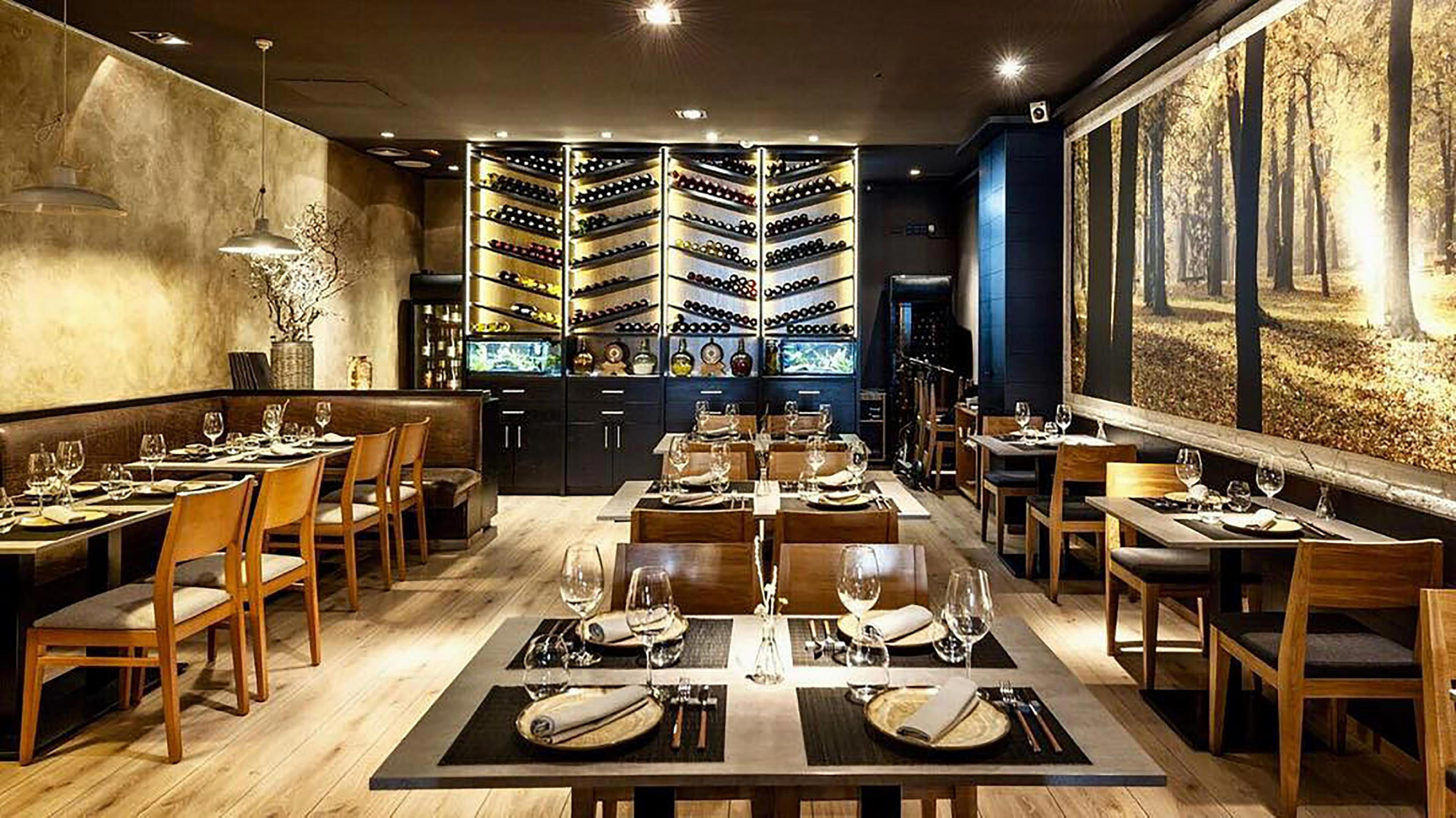
Restaurants in Barcelona
Browse all →
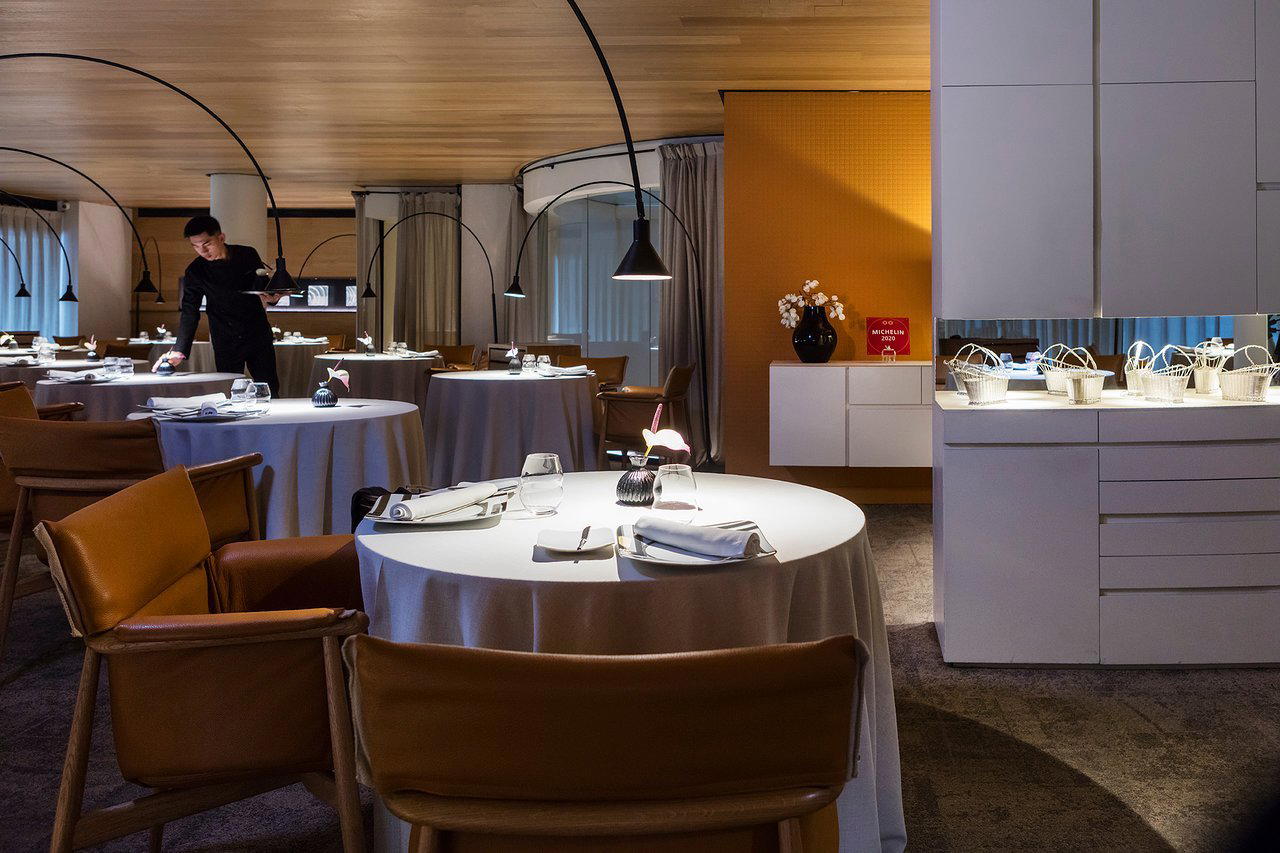
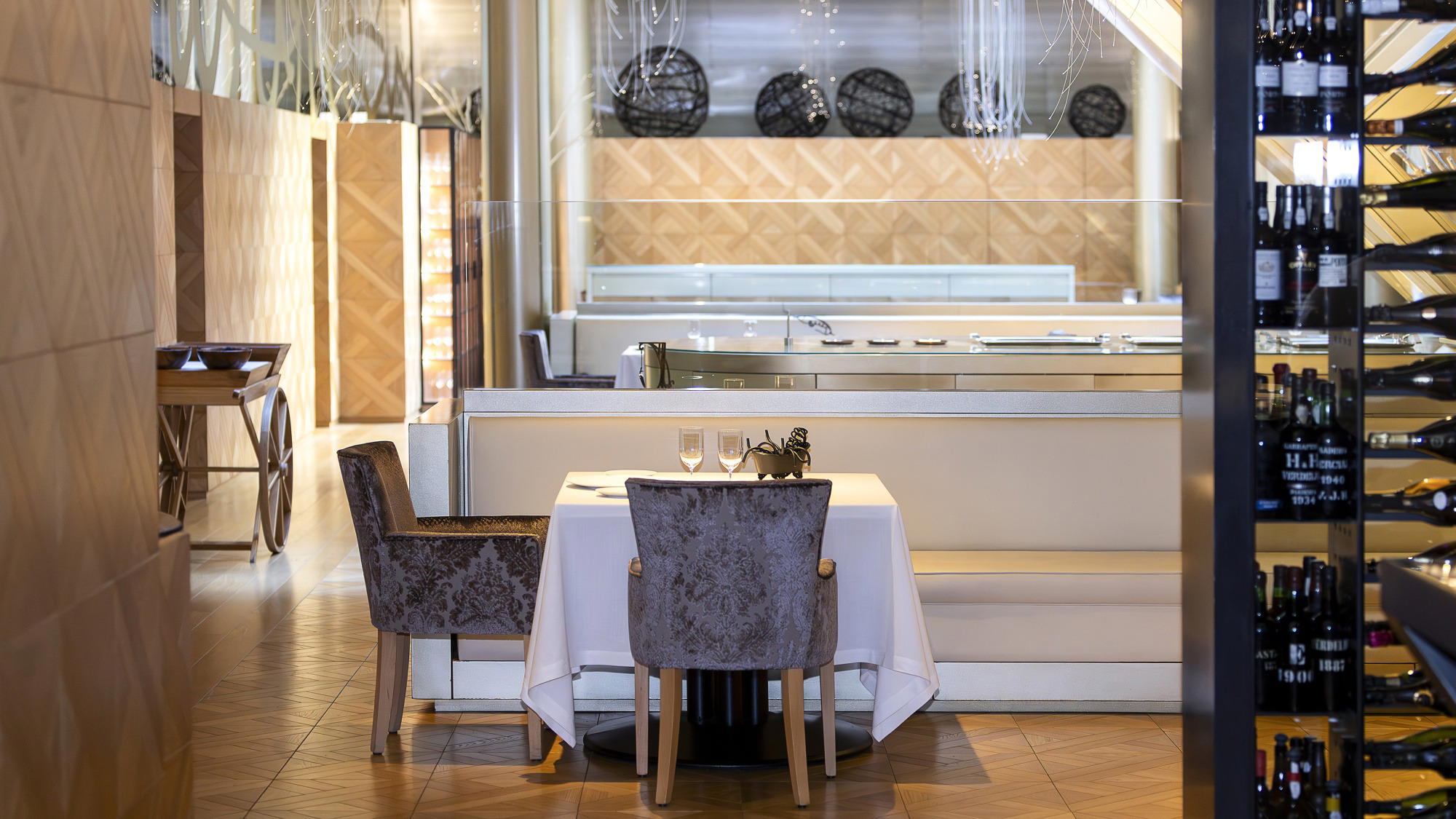
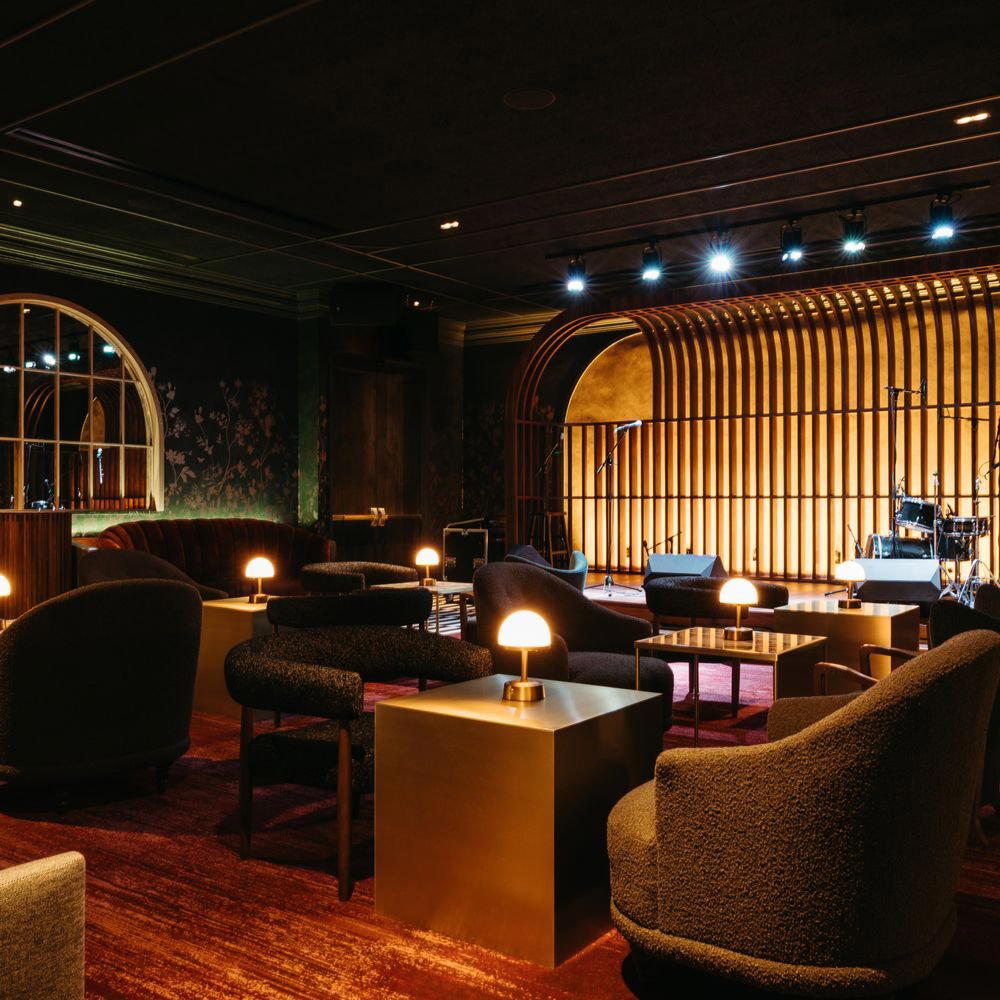
Bars in Barcelona
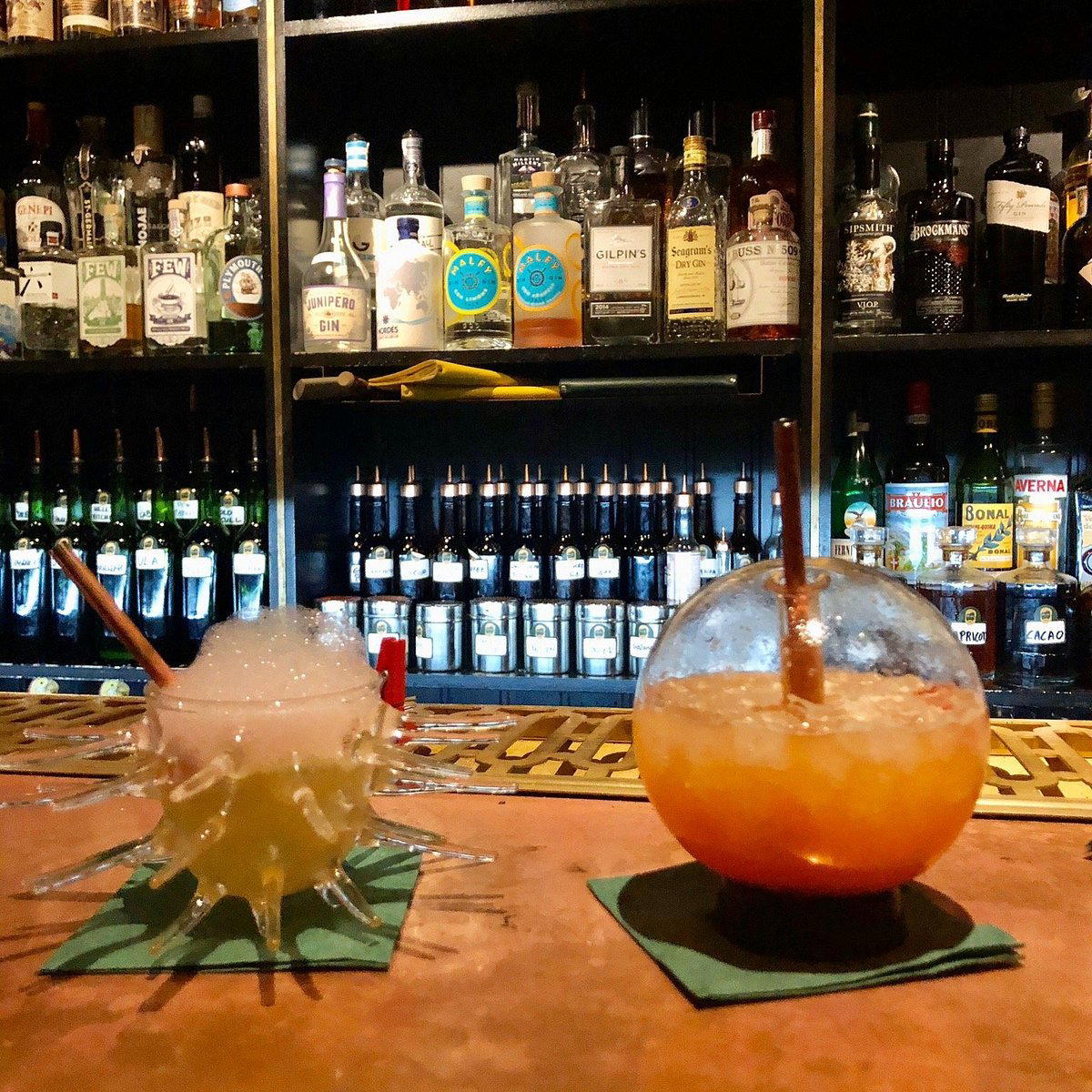
Browse all →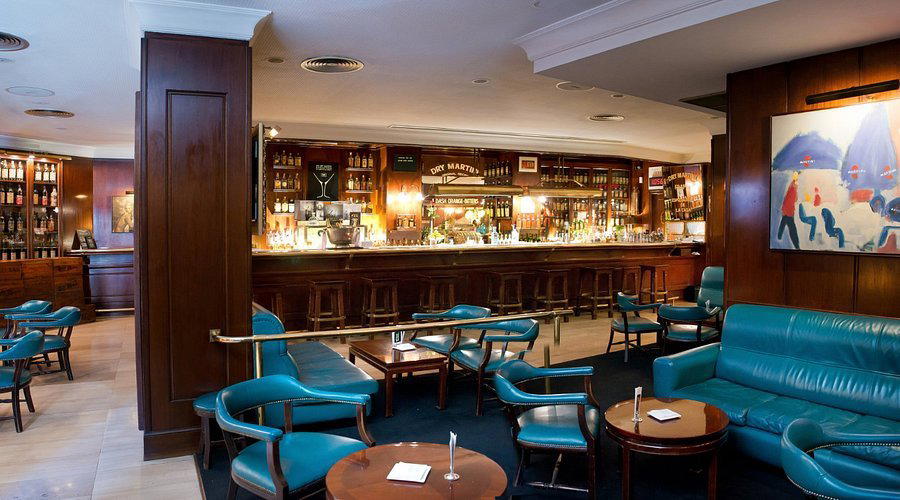
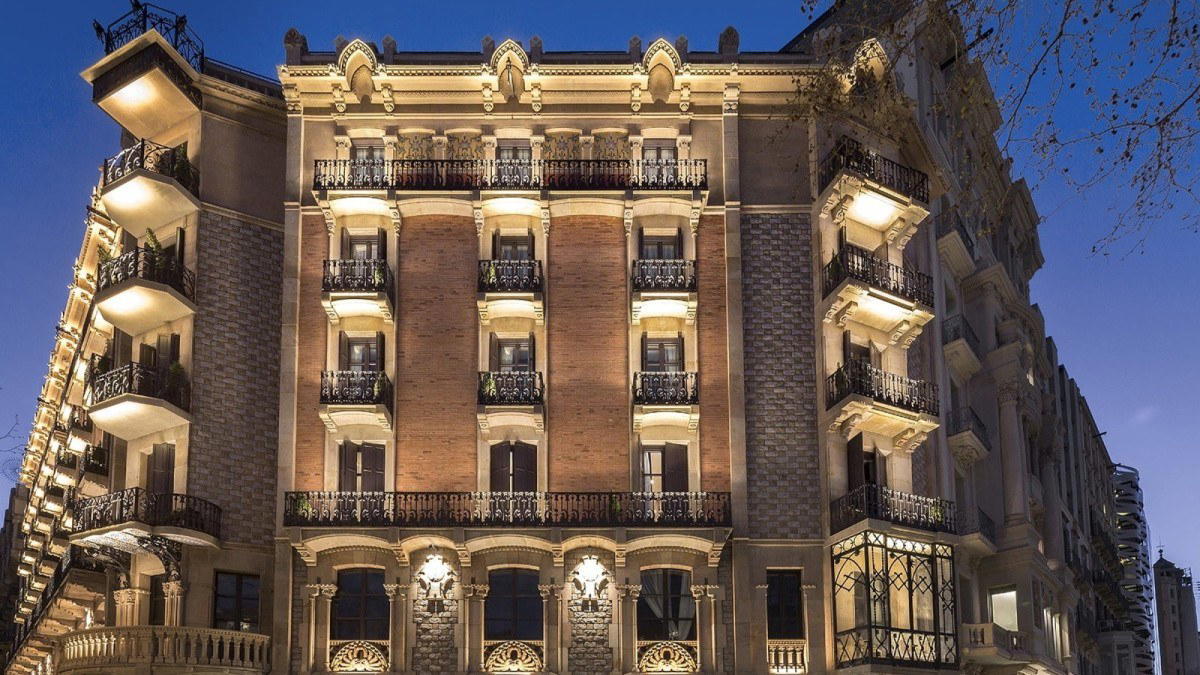
Hotels in Barcelona
Browse all →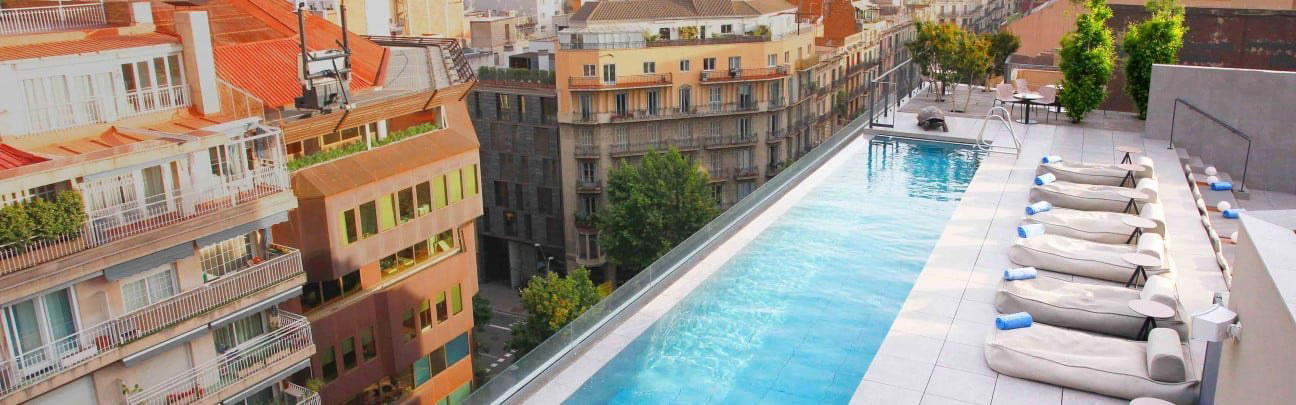
At a Glance
- Minimalist
- Elegant
- Intimate
- Sophisticated
- Quiet
- Date Night
- Special Occasion
- Celebration
- Open Kitchen
- Chefs Counter
- Sake Program
- Sustainable Seafood
- Local Sourcing
Current opening hours
- Monday
- Closed
- Tuesday
- 8:30–11 PM
- Wednesday
- 8:30–11 PM
- Thursday
- 1:30–3:30 PM, 8:30–11 PM
- Friday
- 1:30–3:30 PM, 8:30–11 PM
- Saturday
- 1:30–3:30 PM, 8:30–11 PM
- Sunday
- Closed
Hours can change for holidays and private events. Last verified .
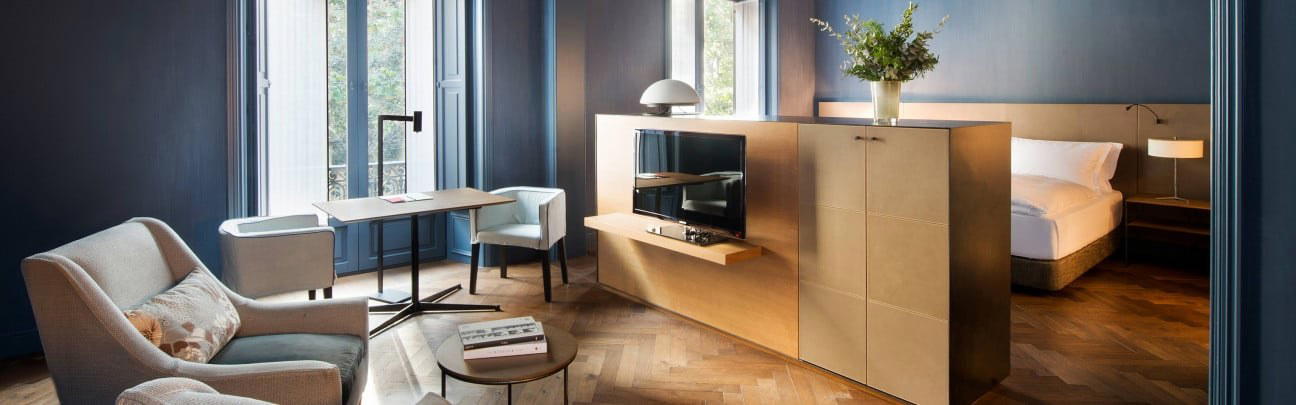
Minimalist and welcoming space with soft, refined lighting and an exposed kitchen counter seating for six, creating an intimate and serene dining atmosphere focused on culinary artistry.