
Can Bo occupies a storied building on Via Laietana, its Catalan Modernist interiors and 150-label wine cellar placing it firmly in the mid-tier tapas-and-wine category that sits between Barcelona's casual pintxos bars and its constellation of Michelin-starred tasting menus. The menu centres on ingredient-led sharing plates rooted in local Catalan produce, backed by wine pairings drawn from one of the more considered cellars in the Ciutat Vella neighbourhood.
Pearl is the En Primeur Club membership app — saves, bookings, and concierge access live there. Same editors, same standards.
- Address
- Via Laietana, 30, Ciutat Vella, 08003 Barcelona, Spain
- Phone
- +34 932 95 79 05
- Website
- grandhotelcentral.com
- Directions
- Get directions
 Saves & bookings on Pearl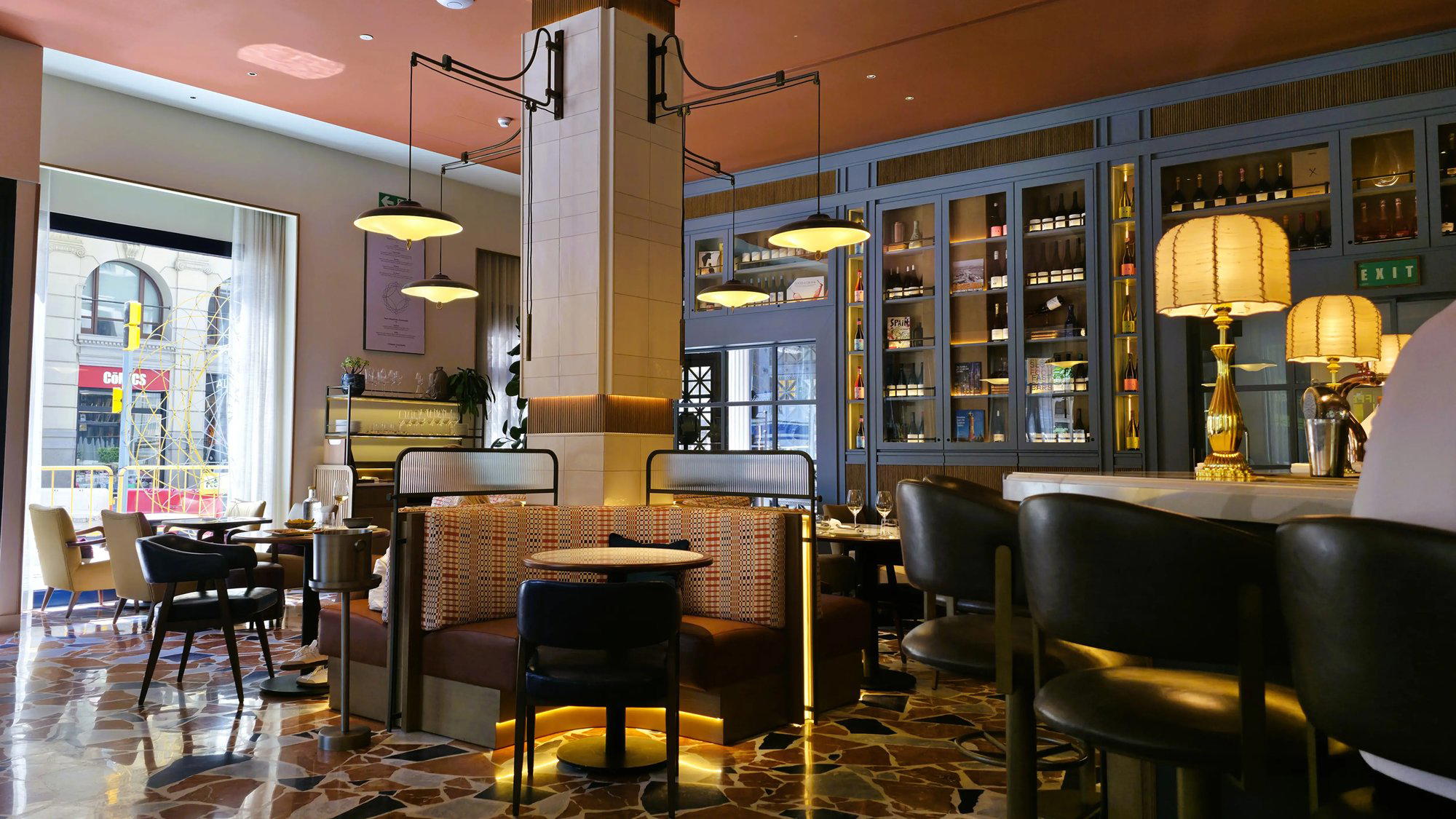
Via Laietana and the Modernist Interior
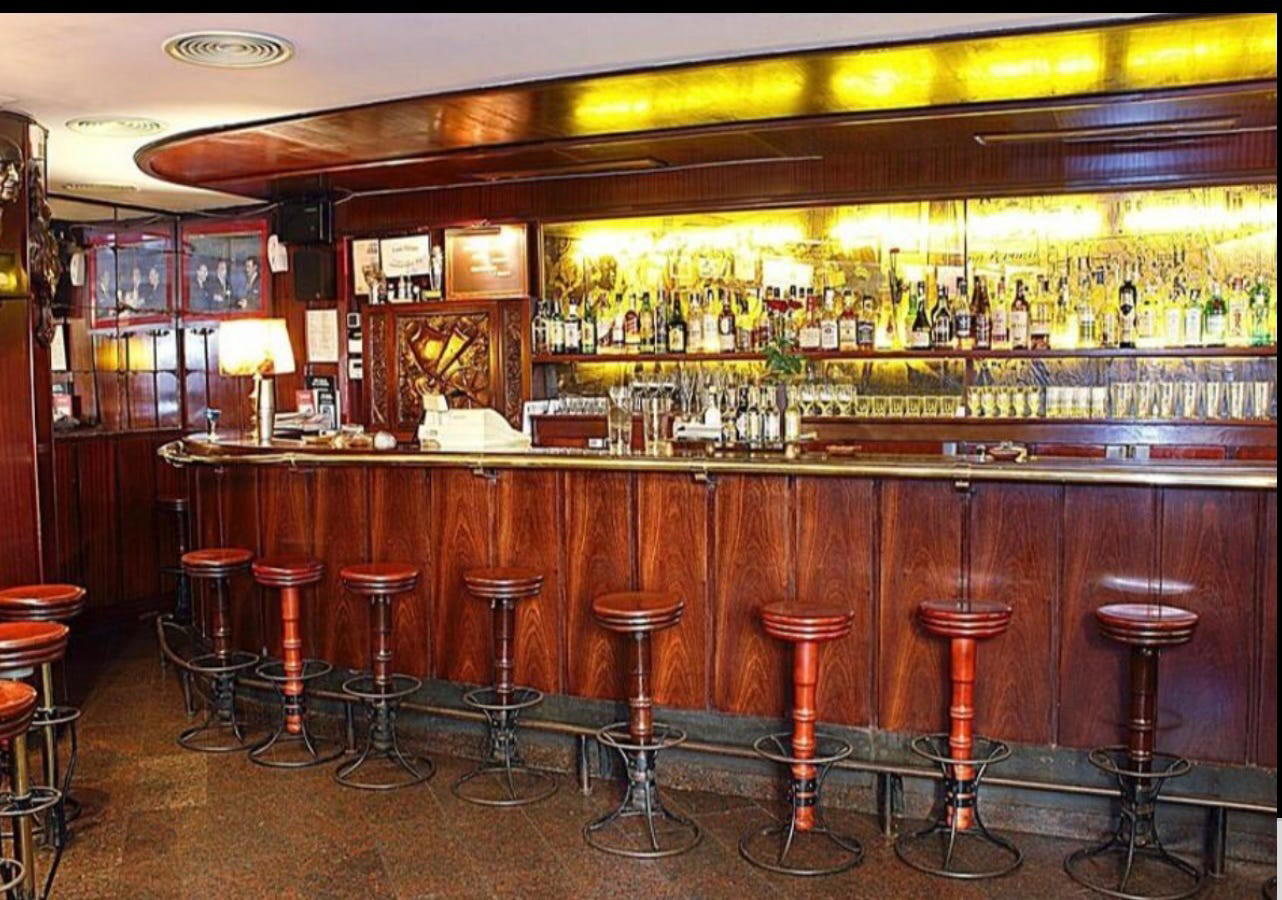
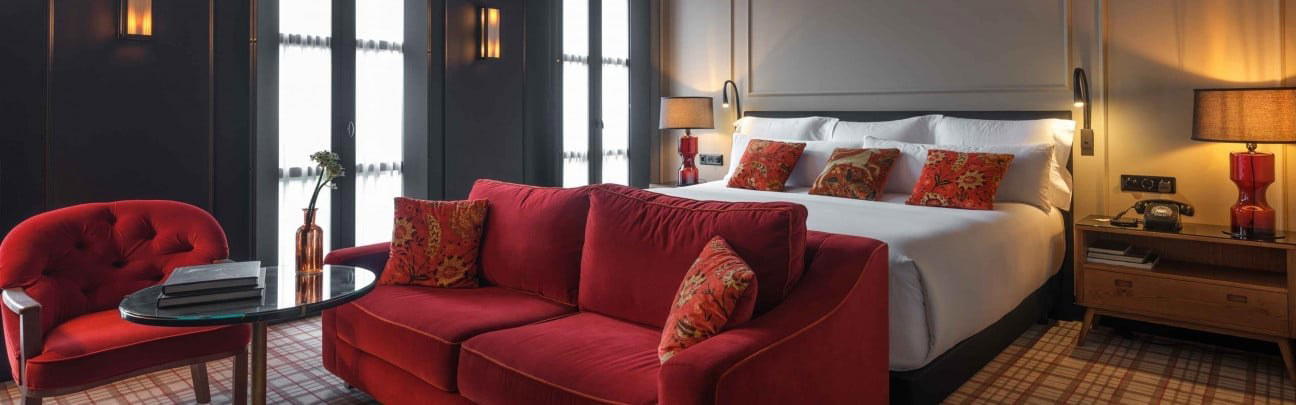
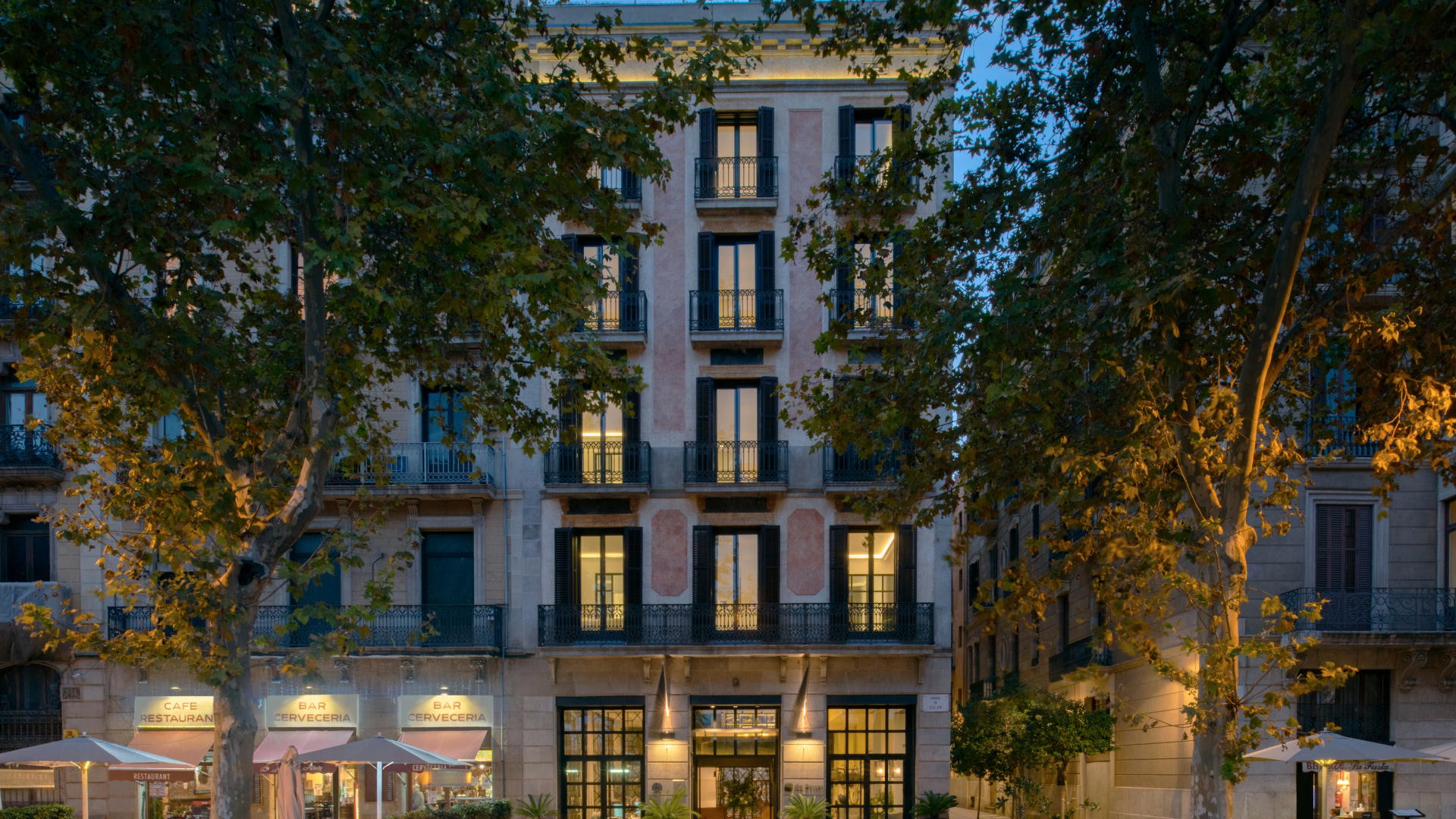
Can Bo is a restaurant in Ciutat Vella, Barcelona, serving modern Catalan tapas with Italian touches at about €50 per person. Can Bo belongs to the second group. The space occupies the ground floor of the historic building at Via Laietana, 30, originally developed under the auspices of Francesc Cambó, the bar's name is a phonetic nod to the building's founder, a detail that rewards those who notice it. Large windows pull natural light across a room decorated in Catalan Modernist references: architectural detail, warm Mediterranean tones, and an atmosphere that reads as genuinely comfortable rather than staged. The effect is a room that functions differently across the day, which matters considerably when choosing when to visit.
The Lunch and Dinner Divide
Barcelona's mid-tier tapas and wine addresses split sharply between their lunch and dinner identities, and Can Bo is no exception to that pattern. Midday service here draws a different crowd than the evening does. Lunch in Catalan culture is the primary meal, longer, more social, less hurried, and a wine bar on a central artery like Via Laietana fills during that window with a mix of local professionals and visitors who have learned to eat the way the city eats. The natural light that floods through those large windows makes the architectural detail easier to read, the Mediterranean palette more apparent, and the whole atmosphere more relaxed than it becomes after dark.
Evening service at addresses like this one tilts toward the wine program. With 150 labels in the cellar, a number that places Can Bo well above the average neighbourhood bar's offering, the evening format encourages a slower pace through the wine list, with sharing plates acting as the supporting structure rather than the main event. The practical implication for visitors is clear: come at lunch for the full Catalan sharing-plate experience at what is likely to be easier pacing; return in the evening if the wine selection is the primary draw. Neither visit will replicate the other.
This lunch-versus-evening split is characteristic of a particular tier of Barcelona wine bar that sits below the formal tasting-menu format of places like Disfrutar, Lasarte, or Cocina Hermanos Torres, all operating at the €€€€ Michelin three-star tier, and above the purely casual end of the market. Can Bo occupies a middle ground that suits a different kind of eating occasion: lower commitment than a full tasting menu, higher intentionality than a walk-in pintxos stop.
The Wine Cellar
A cellar of over 150 labels is not notable at the upper end of the Barcelona restaurant market, but it carries more weight at the wine-bar tier, where most addresses rely on a rotating short list of house pours. The curation signal matters here: which in the context of Catalan wine culture implies attention to Penedès, Priorat, and Montsant producers alongside broader Spanish and European representation. Barcelona's wine-bar category has developed a sharper set of expectations over the past decade, partly under the influence of the natural and biodynamic movements that have reshaped cellar choices across the city. A 150-label cellar that is described as curated positions Can Bo toward the more considered end of that spectrum.
For context on how this wine focus compares to Barcelona's broader food and drink scene, map the full range of options across the city.
Tapas and Sharing Plates: What the Format Implies
The sharing-plate format at Can Bo reflects a standard Catalan approach to mid-meal eating: a spread of ingredient-focused dishes that allow the table to move through textures and flavours without committing to a fixed progression. This is distinct from the structured tasting-menu logic of Barcelona's creative fine-dining tier, represented by addresses like ABaC or Enigma, where sequence and authorship are the point. At Can Bo, the kitchen's role is to source and execute well rather than to narrate a chef's perspective, a distinction that defines the category as much as the price point.
The emphasis on local ingredients and Catalan cuisine within the sharing-plate format also aligns Can Bo with a regional identity that Barcelona's upper-end restaurants assert in more technically elaborate ways. The same underlying commitment to Catalan produce that drives the tasting menus at El Celler de Can Roca in Girona or Azurmendi in Larrabetzu runs, at a different register, through the mid-tier tapas format. Spain's broader restaurant culture, from Arzak in San Sebastián to Aponiente in El Puerto de Santa María, is grounded in the same principle: that quality ingredients handled with restraint outperform technical complexity applied to mediocre produce.
Where Can Bo Sits in the City
Via Laietana connects the Gothic Quarter to the Eixample and runs along the edge of El Born, which means Can Bo is positioned within easy reach of several of Barcelona's most visited neighbourhoods. That location puts it in a competitive corridor alongside dozens of eating and drinking options, which makes the decision to anchor the offer in a historic building with architectural credibility and a serious cellar a clear differentiator. The Catalan Modernist aesthetic is not an ornamental choice in this context, it connects the bar to the broader cultural identity of a city whose architectural heritage is one of its most coherent assets.
For those building a broader Barcelona itinerary, our full Barcelona restaurants guide, our full Barcelona hotels guide, and our full Barcelona experiences guide cover the full range of options across the city's neighbourhoods.
Planning Your Visit
Can Bo is located at Via Laietana, 30, in the Ciutat Vella district, walkable from the Gothic Quarter, El Born, and the waterfront. Reservations are recommended, and the restaurant is open daily from 12:30 PM to 12 AM. Given the bar's positioning in a high-footfall central corridor, walk-in availability is more likely during off-peak lunch hours on weekdays than on weekend evenings, when demand across the Ciutat Vella neighbourhood is at its highest. If the wine program is the primary draw, an evening visit with time to work through the list properly is the more logical choice; if the sharing-plate lunch format is the objective, a midday arrival on a quieter day gives the leading conditions. For the wider Barcelona fine-dining context, Can Bo operates at a considerably different register, which is precisely its function in a well-structured Barcelona itinerary.
The Short List
Comparable venues nearby, for context on price, style, and recognition.
| Venue | Price | Notes |
|---|---|---|
| Can BoThis venue — the venue you are viewing | $$$ | Not listed |
| Passadis des Pep | $$$ | Sant Pere, Santa Caterina i la Ribera, Traditional Catalan Seafood |
| Taberna Noroeste | $$$ | el Poble Sec, Galician Seafood Tasting Menu |
| Bar Mut | $$$ | la Dreta de l'Eixample, Modern Spanish Tapas |
| Maitea Taberna | $$ | l'Antiga Esquerra de l'Eixample, Traditional Basque Pintxos & Tapas |
| Aranda's Grill | $$$ | Sant Gervasi - la Bonanova, Traditional Spanish Grill |
Recognition history
Dated appearances from independent guides and award organizations, with the underlying list record or original source where available.
Michelin Plate
Michelin
Continue exploring
More in Barcelona
Restaurants in Barcelona
Browse all →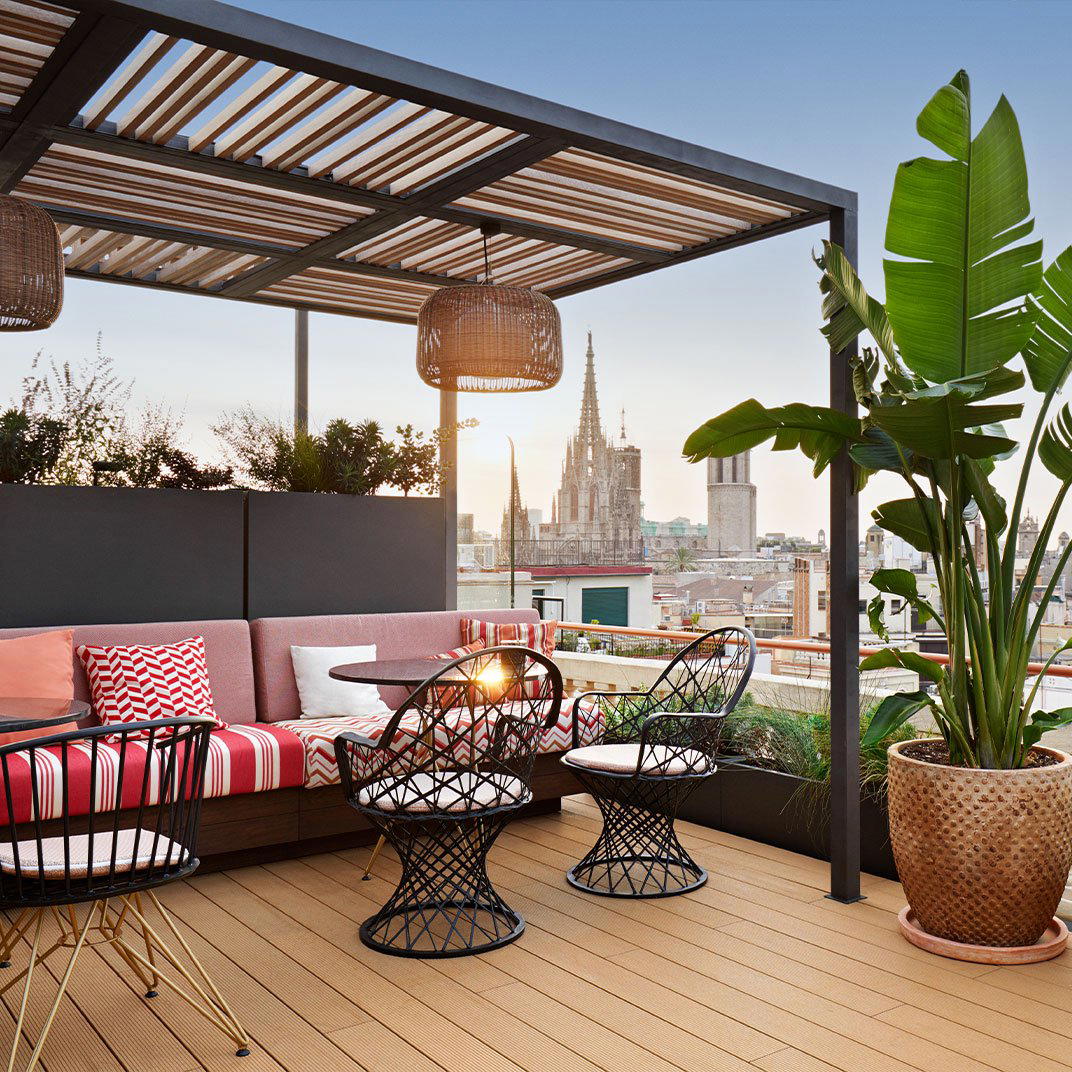
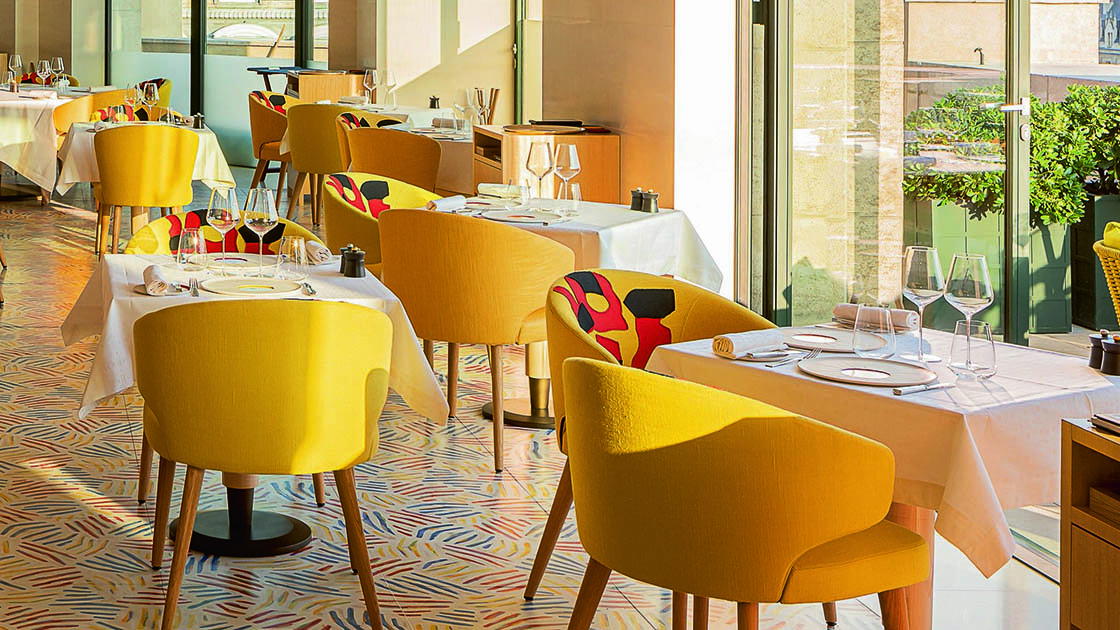
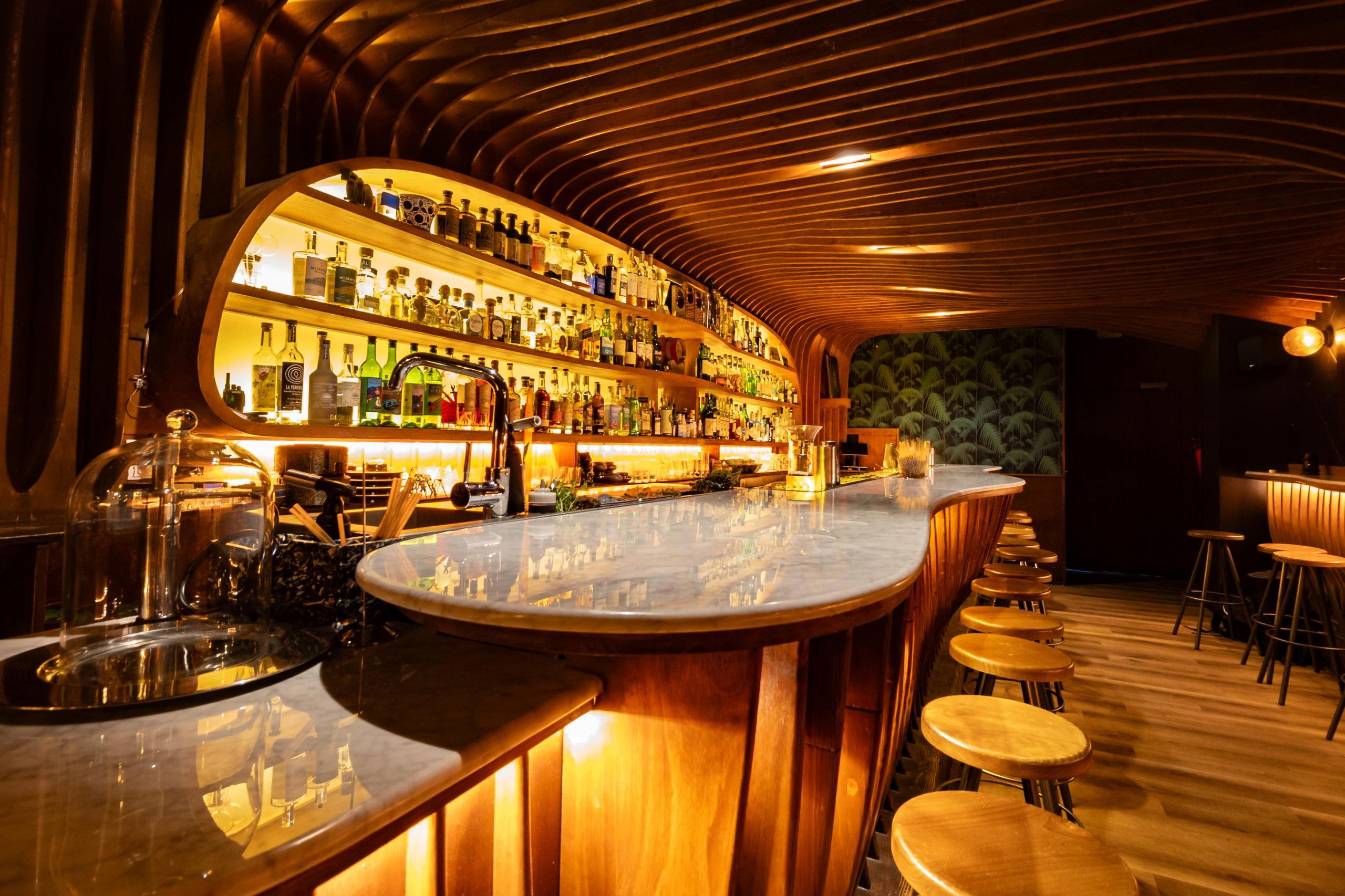
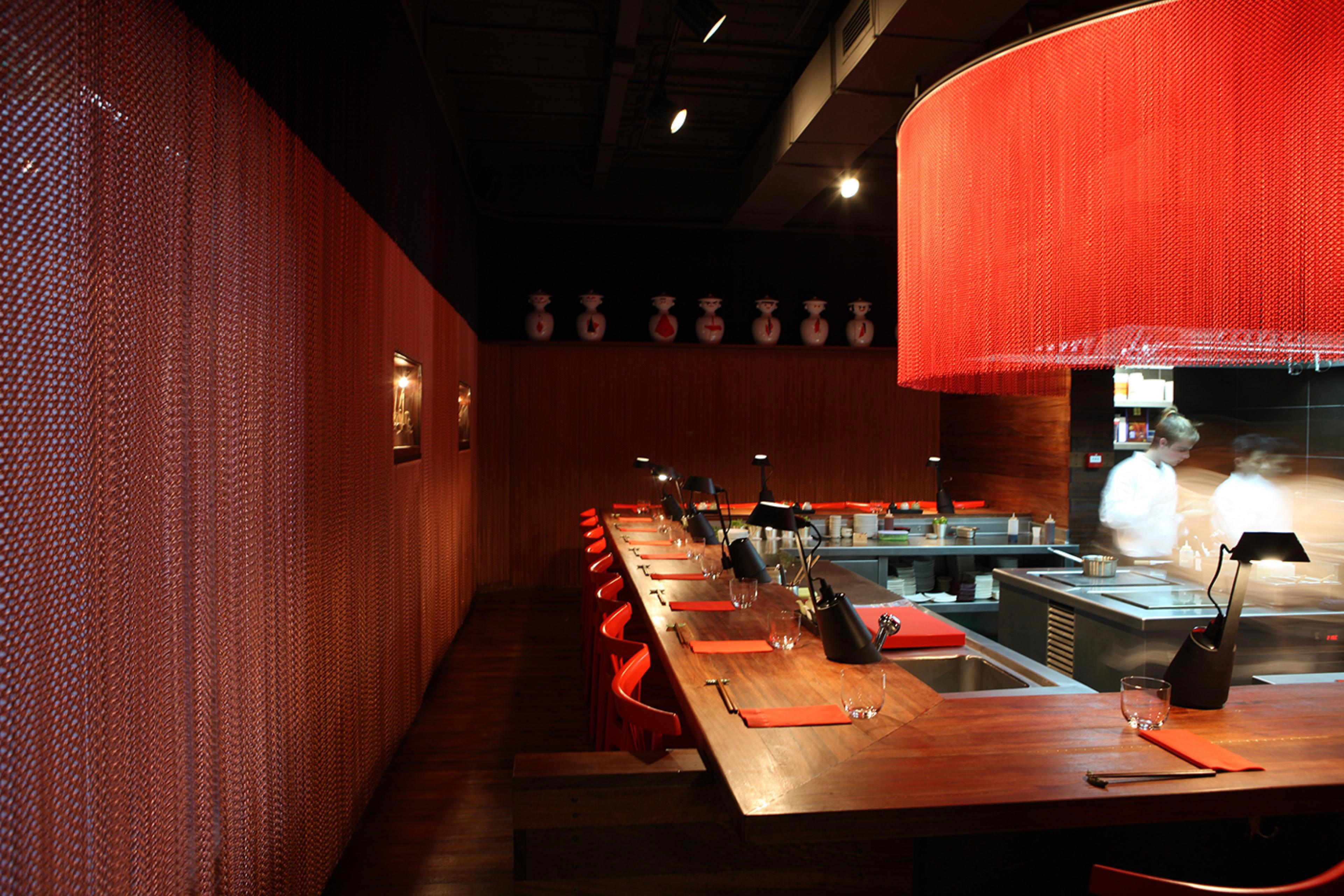
Bars in Barcelona
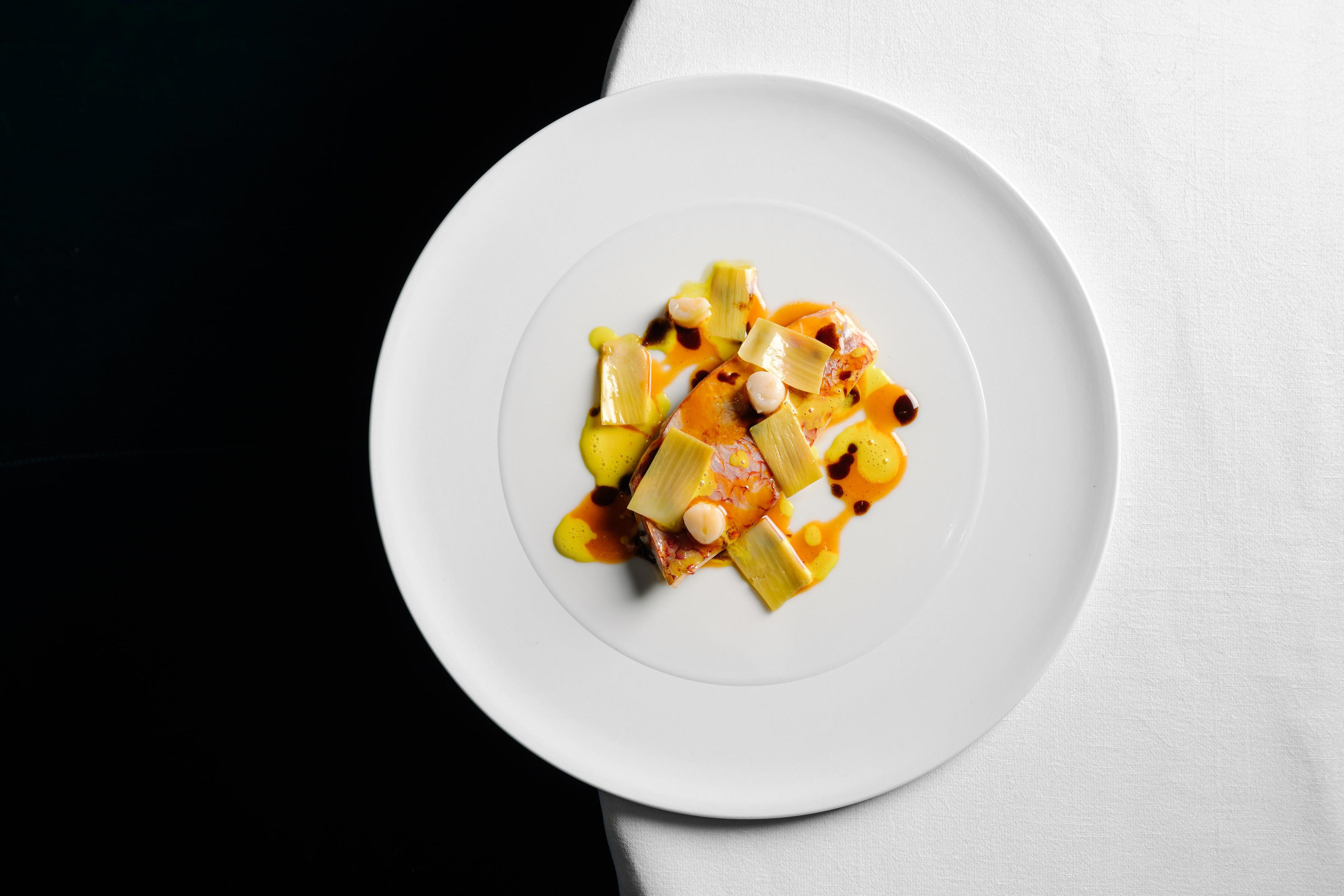
Browse all →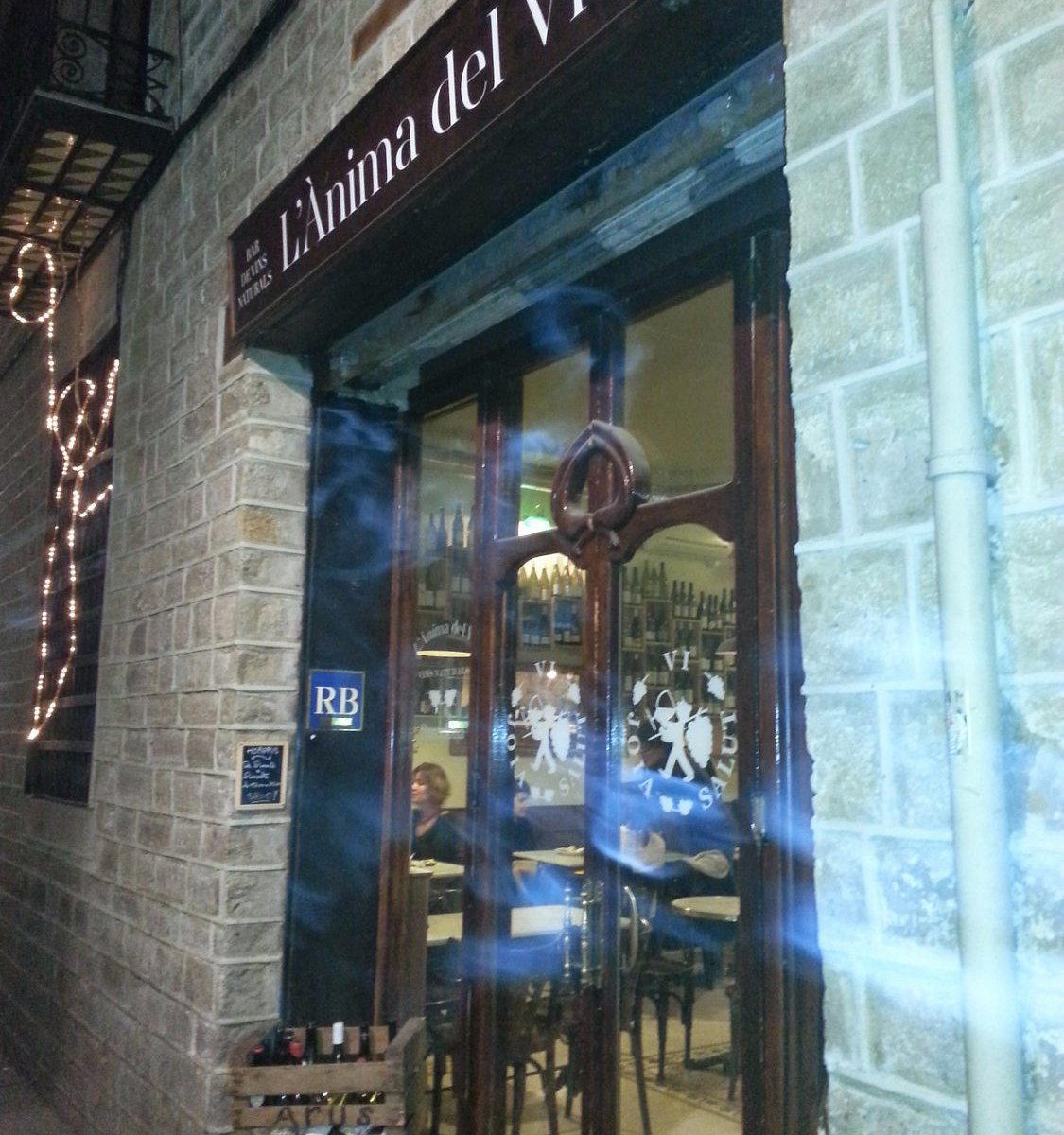
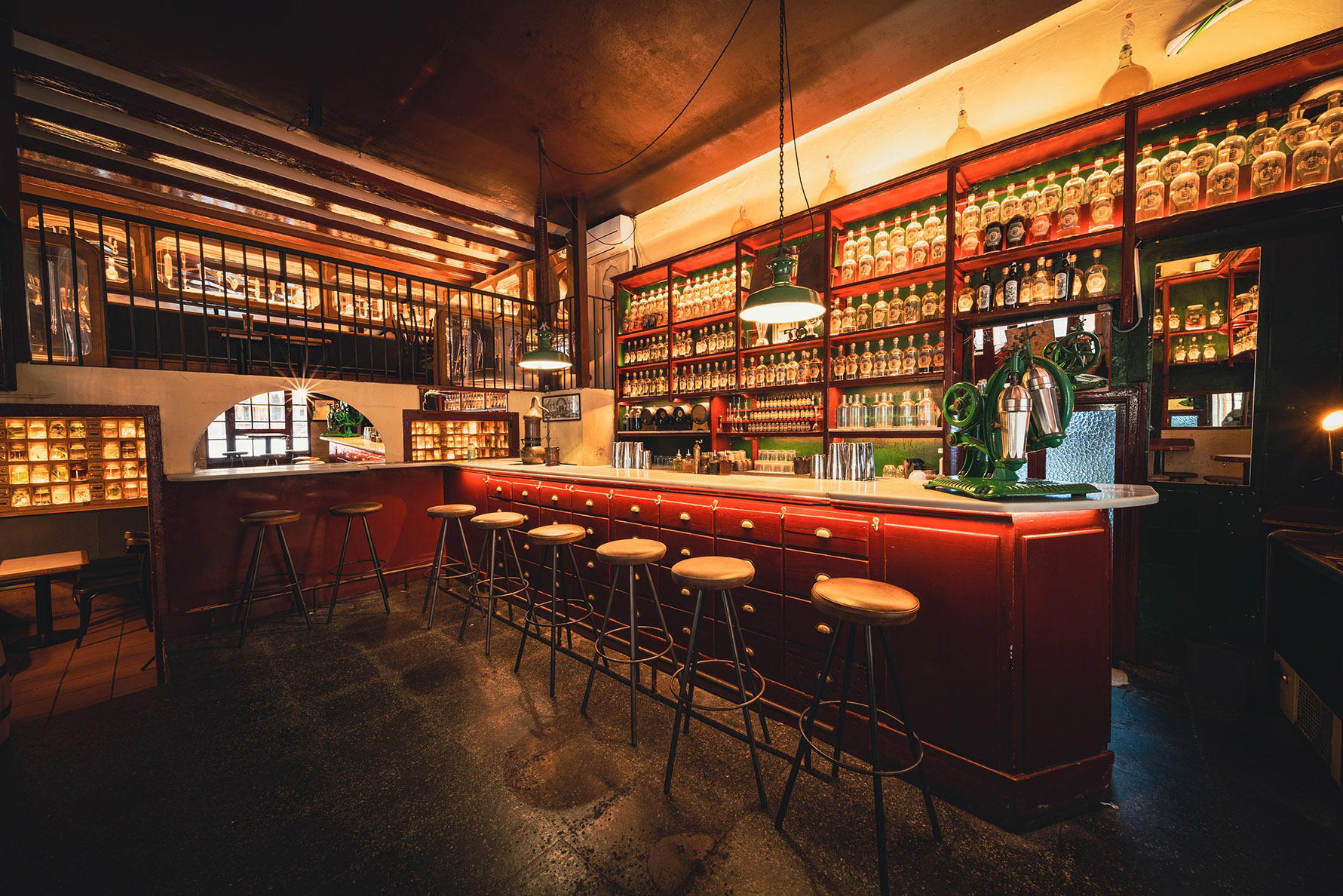
Hotels in Barcelona
Browse all →
At a Glance
- Elegant
- Sophisticated
- Cozy
- Classic
- Date Night
- Business Dinner
- Special Occasion
- Open Kitchen
- Historic Building
- Hotel Restaurant
- Extensive Wine List
- Local Sourcing
- Street Scene
Current opening hours
- Monday
- 12:30 PM–12 AM
- Tuesday
- 12:30 PM–12 AM
- Wednesday
- 12:30 PM–12 AM
- Thursday
- 12:30 PM–12 AM
- Friday
- 12:30 PM–12 AM
- Saturday
- 12:30 PM–12 AM
- Sunday
- 12:30 PM–12 AM
Hours can change for holidays and private events. Last verified .
Elegant Mediterranean décor inspired by Catalan Modernism, with large windows flooding natural light into a cosy, sophisticated space.