Sogno occupies a quiet address in Paris's 16th arrondissement, a district where Italian-accented dining has found a distinct foothold among the city's more formal restaurant traditions. Positioned within walking distance of the Trocadéro and the affluent residential streets of the 16th, it sits in a neighbourhood tier that values restraint and a certain seriousness of purpose over spectacle.
Pearl is the En Primeur Club membership app — saves, bookings, and concierge access live there. Same editors, same standards.
- Address
- 42 Rue de l'Amiral Hamelin, 75016 Paris, France
- Phone
- +33147551081
- Website
- opentable.com
- Directions
- Get directions
 Saves & bookings on Pearl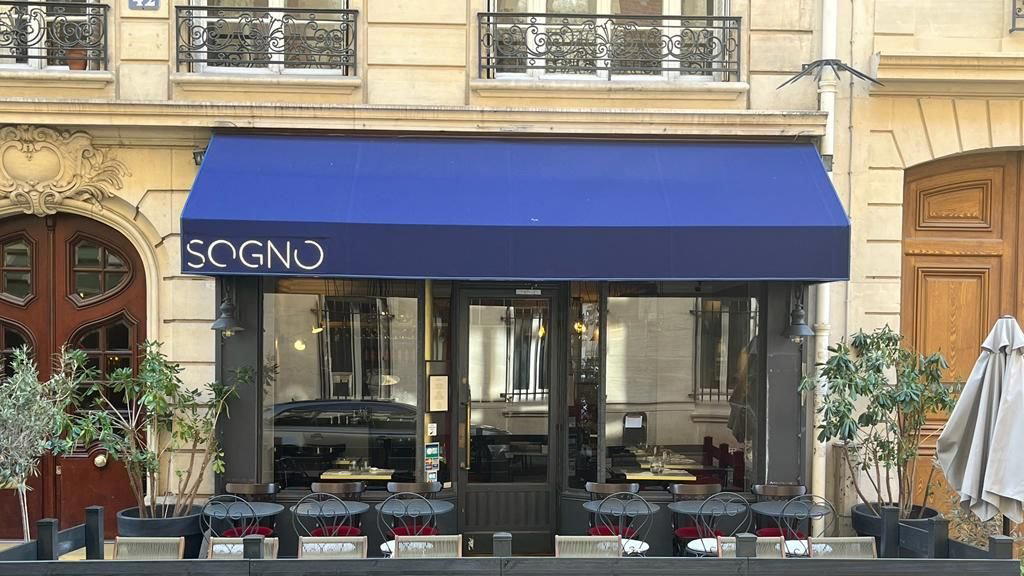
The 16th's Quieter Register
Sogno is an Authentic Italian Regional restaurant in Paris's 16th arrondissement, at 42 Rue de l'Amiral Hamelin, with a recommended reservation policy and a price point around $40 per person. The neighbourhood running west from the Trocadéro toward the Bois de Boulogne has long sustained a restaurant culture built on discretion: fewer open kitchens, less visible chef celebrity, more attention paid to the room and the service pace. Rue de l'Amiral Hamelin, where Sogno sits at number 42, belongs to this quieter register. The street connects the Trocadéro axis to the residential blocks around the Victor Hugo metro, a short distance from some of Paris's most formally conducted dining rooms.
That neighbourhood context matters when assessing where Sogno fits inside the city's broader picture. The 16th is not where Paris's most experimentally forward addresses tend to cluster. That energy concentrates closer to the 8th, where Alléno Paris au Pavillon Ledoyen operates its creative program, or in the 7th, where Arpège has built a vegetable-led philosophy over decades. The 16th asks something different of its restaurants: composure, consistency, and a sense that the room will not perform for you but will, instead, receive you properly.
Italian Inflection in a French City
The name Sogno is Italian for dream, a signal worth reading carefully in a city where French culinary tradition tends to set the reference point for everything else. Italian fine dining in Paris occupies an interesting position. It is neither the dominant idiom nor a marginal one, but it operates with less institutional scaffolding than French haute cuisine. There are no Italian equivalents of the Carême-to-Escoffier lineage forming the backbone of Parisian restaurant culture. Italian cooking in this city earns its authority differently: through the directness of its ingredients, the clarity of its technique, and its resistance to the architectural plating logic that French kitchens have exported globally.
How Sogno positions itself within that tension, between the Italian cooking tradition it invokes with its name and address and the French fine-dining neighbourhood it inhabits, is the question that makes it editorially interesting. The 16th has historically supported a handful of Italian-accented addresses alongside its French houses, though without the institutional density that Italian dining has achieved in, say, London or New York. Kei, not Italian but instructive as a non-French fine-dining address that has navigated Paris on its own terms, offers a useful comparison: it took years and a Michelin star to establish the legitimacy of its Japanese-French synthesis in a city that can be slow to grant authority to outside culinary traditions.
The Neighbourhood as Frame
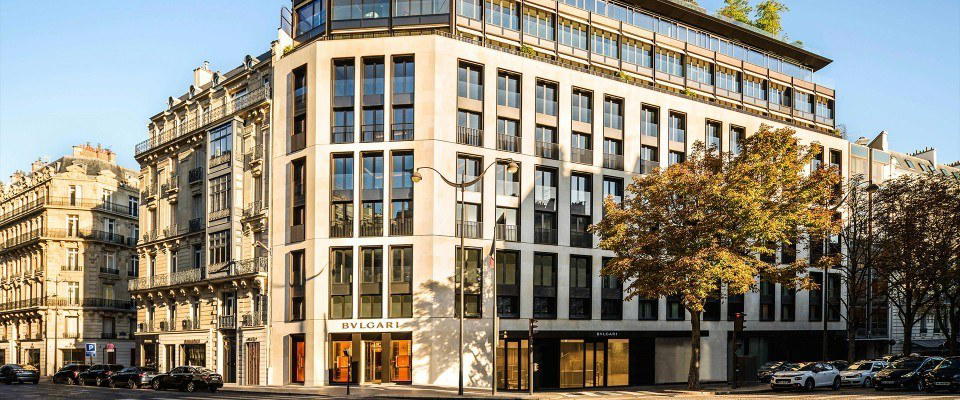
Rue de l'Amiral Hamelin sits within the triangle formed by Place du Trocadéro, Avenue Kléber, and Avenue Victor Hugo, a concentration of Haussmann-era architecture that signals wealth without announcing it. Restaurants in this pocket tend to draw a clientele that lives locally, works in the financial and legal districts nearby, or is staying in the large hotels flanking the Champs-Élysées a short walk east. This is not a destination-dining neighbourhood in the way that the Marais or Saint-Germain function for tourists arriving with a list; it is a neighbourhood where you go because you know where you are going.
That dynamic shapes what a restaurant like Sogno needs to be. The addresses that have sustained themselves in this quarter over time, including L'Ambroisie on Place des Vosges and Le Cinq at the George V, succeed partly because they understand their clientele's expectations around service formality, room tone, and a certain undemonstrative reliability. Sogno's position at this address places it in conversation with that tradition, even if its Italian name suggests a different culinary grammar.
France's Wider Fine Dining Circuit
Situating any Paris restaurant requires acknowledging that the city competes within a national fine-dining network of considerable depth. France's provincial table has produced particularly closely watched addresses of the past decade: Mirazur in Menton reached stronger examples from the World's 50 Best list; Flocons de Sel in Megève has built a reputation for mountain-inflected precision; and institutions like Troisgros in Ouches, Auberge de l'Ill in Illhaeusern, and Bras in Laguiole have maintained Michelin distinction across generations. Even Paul Bocuse's Auberge du Pont de Collonges continues to hold its place as a historical reference point in Collonges-au-Mont-d'Or. Regionally, AM par Alexandre Mazzia in Marseille, Assiette Champenoise in Reims, Au Crocodile in Strasbourg, and Auberge du Vieux Puits in Fontjoncouse each represent the provinces' continued authority in the national conversation. Paris is the capital but not the only point of gravity.
For readers who have also tracked Italian-accented fine dining outside France, the contrast with heavily credentialed European peers is worth holding in mind. Le Bernardin in New York demonstrates how a French-trained sensibility can build lasting authority in a foreign city, while Atomix in New York shows a more recent model of immigrant-cuisine fine dining that earns recognition on purely technical and creative grounds rather than institutional lineage. Sogno, reading its name and address together, is working in a version of that same space: a restaurant whose identity makes a cultural claim that it must then substantiate through what arrives at the table.
Planning Your Visit
Address: 42 Rue de l'Amiral Hamelin, 75016 Paris. Budget: Around $40 per person.
A Lean Comparison
Comparable venues nearby, for context on price, style, and recognition.
| Venue | Cuisine | Price | Notes |
|---|---|---|---|
| SognoThis venue — the venue you are viewing | Not listed | $$$ | Not listed |
| ROMI DE LUCA | Not listed | $$$ | 17th arrondissement, Traditional Italian Trattoria |
| La Famiglia | Ternes, Traditional Campania Italian | $$$ | Not listed |
| Restaurant Epoca | Not listed | $$$ | 7th Arr. - Palais-Bourbon, Authentic Italian Bistro |
| Assaporare 10 sur 10 | Bastille, Authentic Italian Trattoria | $$$ | Not listed |
| Giulio Rebellato | Not listed | $$$ | 16th Arr. - Passy, Authentic Italian Trattoria |
Continue exploring
More in Paris
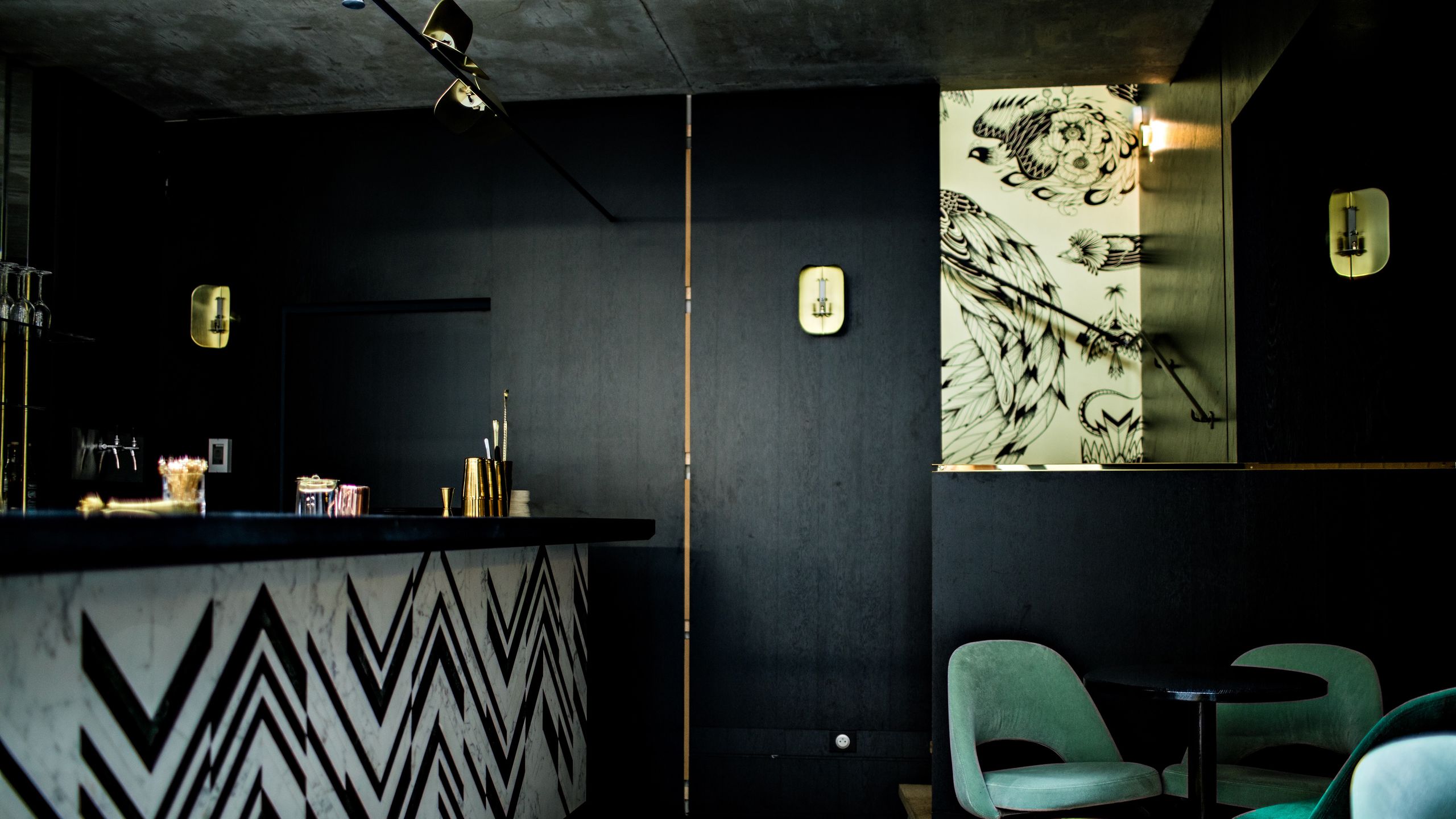
Restaurants in Paris
Browse all →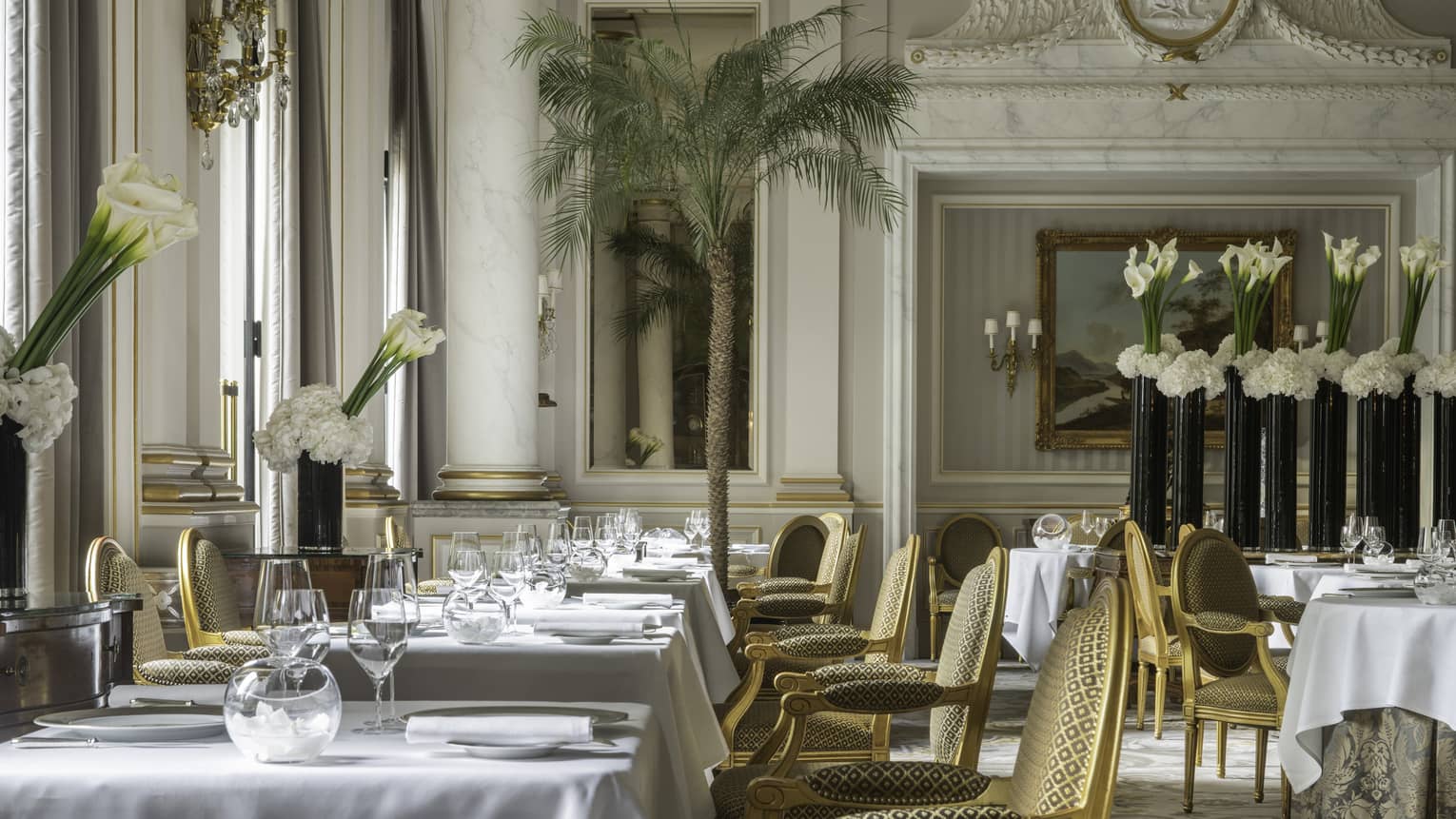
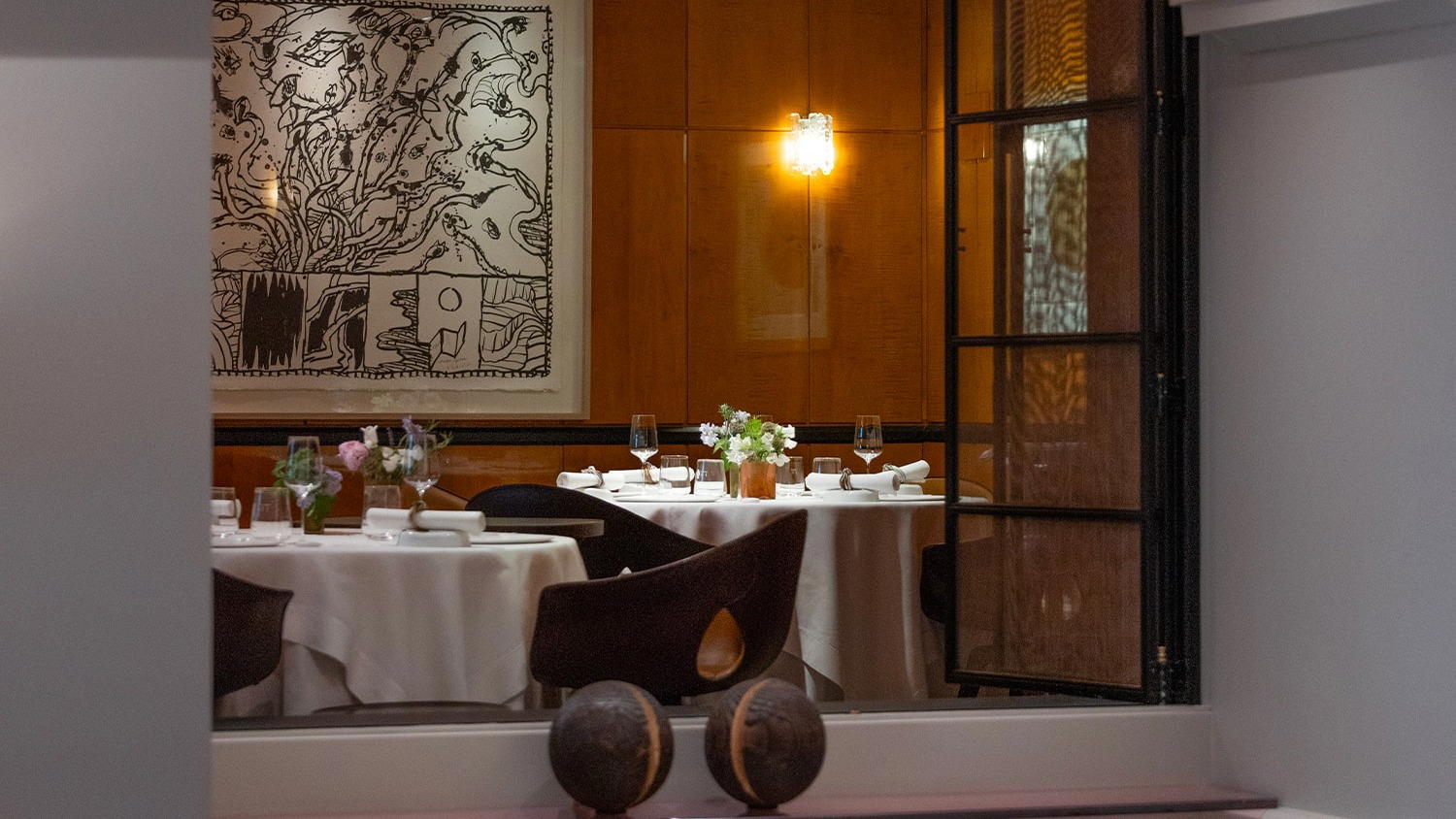

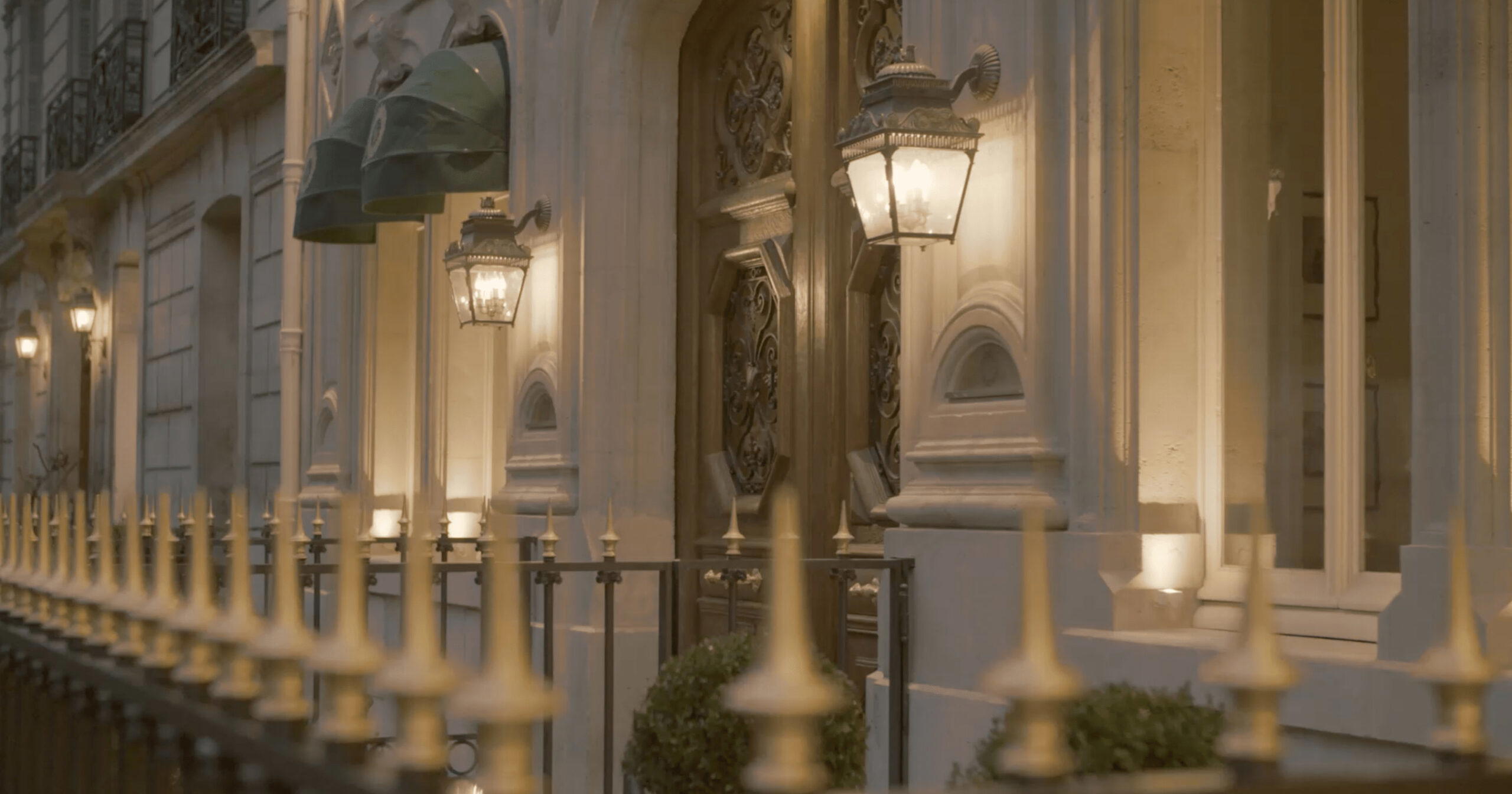
Bars in Paris
Browse all →
Hotels in Paris
Browse all →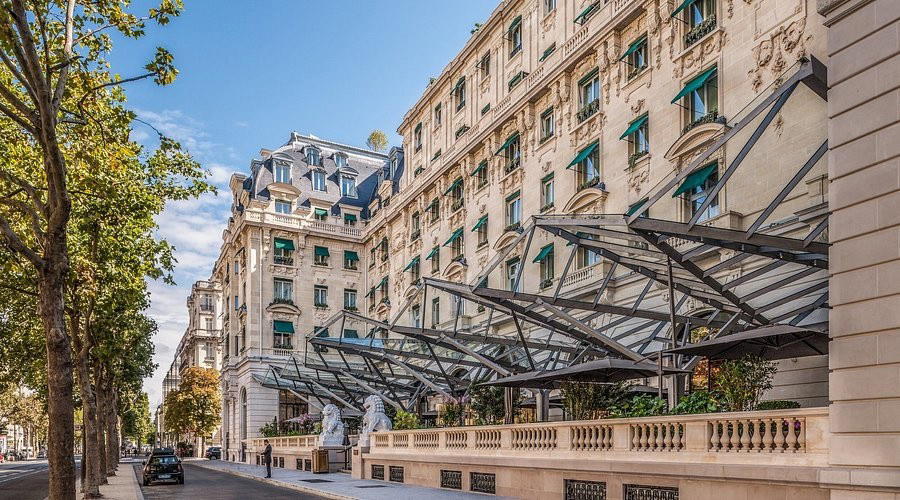



At a Glance
- Romantic
- Cozy
- Elegant
- Date Night
- Special Occasion
- Open Kitchen
- Extensive Wine List
- Local Sourcing
- Skyline
Current opening hours
- Monday
- 12–2 PM, 7–10 PM
- Tuesday
- 12–2 PM, 7–10 PM
- Wednesday
- 12–2 PM, 7–10 PM
- Thursday
- 12–2 PM, 7–10 PM
- Friday
- 12–2 PM, 7–10 PM
- Saturday
- 7–10 PM
- Sunday
- 7–9:45 PM
Hours can change for holidays and private events. Last verified .
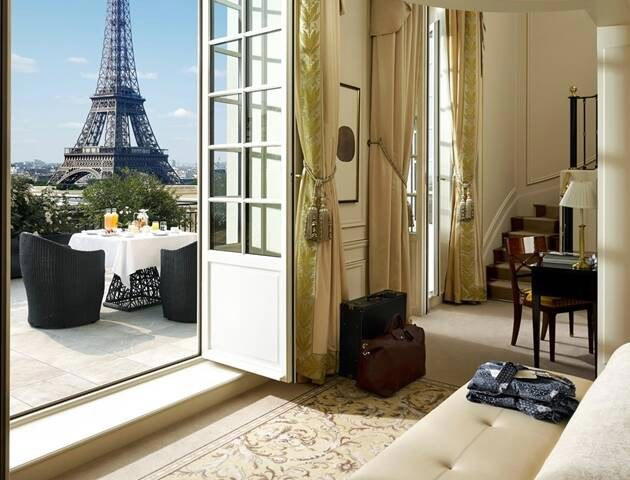
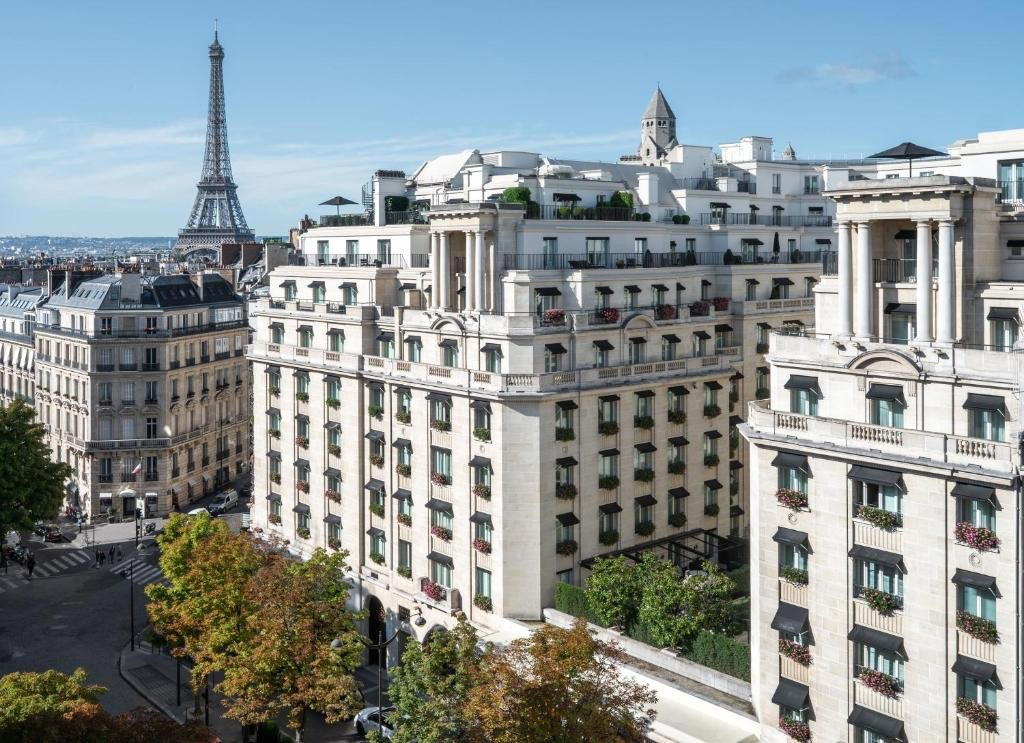
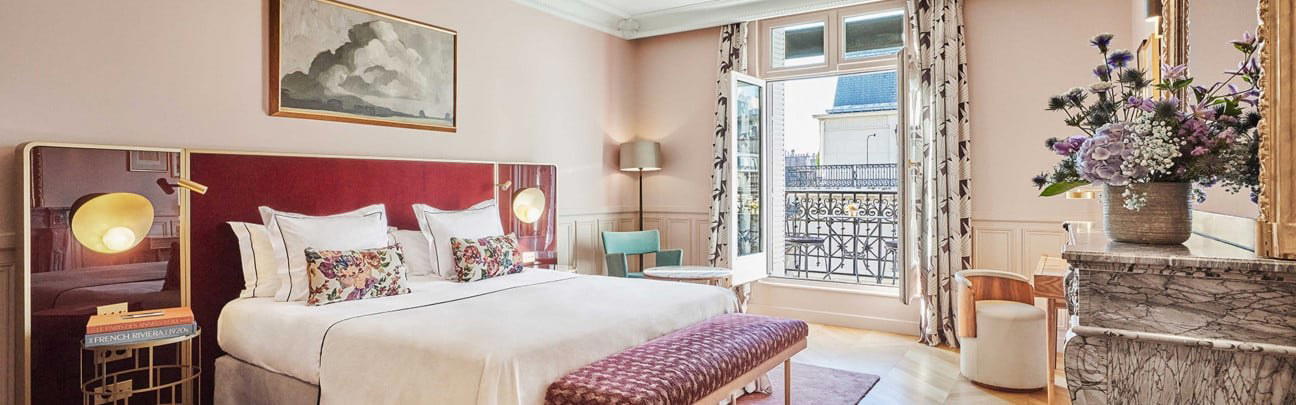
Cozy and romantic atmosphere with Eiffel Tower views, warm welcoming vibes, and an exposition kitchen.