On a quiet street in Paris's 17th arrondissement, La Famiglia occupies a corner of the city where neighbourhood dining still operates on its own unhurried terms. The address at 2 Rue Waldeck-Rousseau places it away from the high-traffic circuits of the 8th and 1st, in a residential pocket where the rhythm of a meal is set by the room rather than the reservation system. For visitors tracking the texture of Parisian dining beyond the grand boulevard addresses, it is worth noting as a reference point.
Pearl is the En Primeur Club membership app — saves, bookings, and concierge access live there. Same editors, same standards.
- Address
- 2 Rue Waldeck-Rousseau, 75017 Paris, France
- Phone
- +33145742028
- Website
- restaurantlafamiglia.com
- Directions
- Get directions
 Saves & bookings on Pearl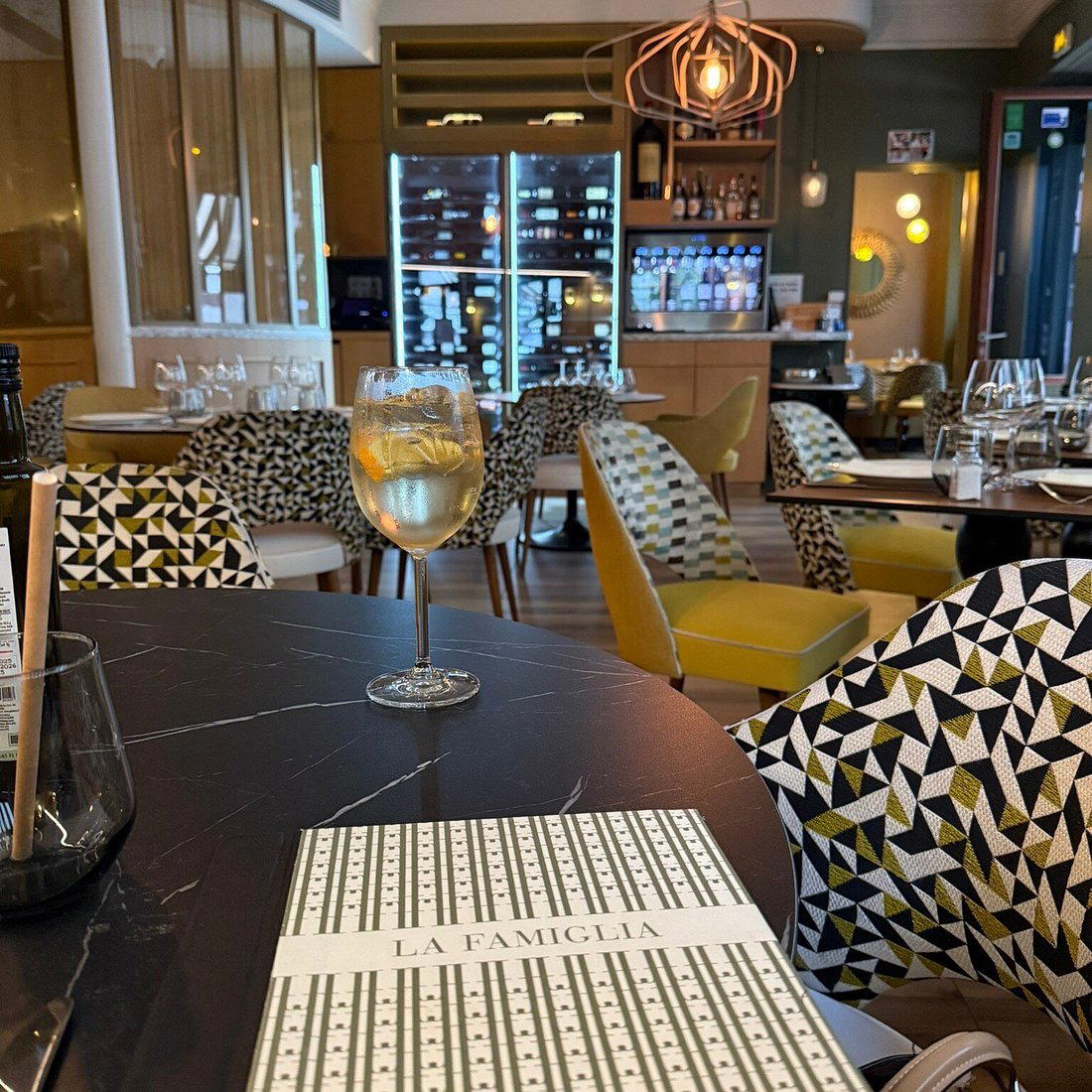
Where the 17th Finds Its Own Register
Paris dining has long been sorted by arrondissement reputation: the 8th for grand rooms and formal ceremony, the 6th for literary tradition, the 11th and 10th for the natural wine generation. The 17th operates differently. Centred on the Batignolles quarter and the quieter streets running toward Parc Monceau, it houses a tier of neighbourhood restaurants that serve a predominantly local clientele, running at a pace closer to the domestic lunch table than to the tasting-menu theatre found closer to the Seine. La Famiglia, at 2 Rue Waldeck-Rousseau, sits inside this pattern. The address is residential in character, the kind of street where the ambient noise is footfall rather than traffic, and where a restaurant earns its reputation from the people who live within walking distance rather than from visitors arriving by taxi from across the city.
That neighbourhood dynamic shapes everything about how a meal here is likely to unfold. French dining ritual, in its classic form, is not simply about food sequence; it is about calibrated pace, about the understood contract between kitchen and table. The apéritif arrives before you have finished settling. The bread comes without asking. The rhythm of courses is measured against conversation rather than against a turn-time. In the 17th, away from the pressure of high-volume tourist circuits, that contract is more reliably honoured than in the destinations that appear on every shortlist. Compare this with the formal precision of L'Ambroisie on the Place des Vosges, where the ritual is equally deliberate but set within a context of significant institutional weight, or the technical ambition of Alléno Paris au Pavillon Ledoyen, where the pacing serves a more elaborate creative programme. La Famiglia belongs to a quieter tier, where the ritual is the point rather than the frame for something more architecturally complex.
The Dining Ritual as the Experience Itself
In Italian-influenced neighbourhood dining in Paris, a tradition with roots going back decades in certain arrondissements, the meal structure carries its own internal logic. The antipasto or equivalent opening is not a formality but a statement of generosity: the kitchen showing its hand early, establishing trust before the main act. Pasta, where it appears, is treated not as a supporting course but as the intellectual centre of the meal, the moment where technique is most visible and most vulnerable. The second course, if the format extends that far, allows for a different register, something more substantial but less scrutinised. This sequencing, when it works, produces the sensation of having eaten within a logic rather than simply in an order.
The 17th's restaurant stock tends toward formats that respect this logic without making a performance of it. You are unlikely to find tasting-menu theatrics of the kind offered at Kei in the 1st, where French technique is reinterpreted through a Japanese sensibility, or the grand-hotel formality of Le Cinq at the Four Seasons George V. What the 17th offers instead is the version of the dining ritual that Parisians themselves return to on a Tuesday night: less curated, more comfortable, and in many ways more demanding of the kitchen because there is no spectacle to compensate for a dish that does not hold up.
Situating La Famiglia in the Wider French Table
France's restaurant culture does not exist only in its three-star rooms. The country's most instructive dining, for anyone trying to understand how the French actually eat, happens across a distributed network of neighbourhood addresses, regional institutions, and family-run formats that attract no Michelin attention but define the lived experience of the table. Addresses like Auberge de l'Ill in Alsace, Bras in Laguiole, or Troisgros in Ouches represent one end of French culinary seriousness: documented, credentialled, and discussed internationally. Paul Bocuse in Collonges-au-Mont-d'Or and Flocons de Sel in Megève occupy a similarly well-mapped tier. Closer in character to the neighbourhood scale, addresses like Au Crocodile in Strasbourg or Auberge du Vieux Puits in Fontjoncouse show how deeply embedded the serious dining impulse is in France's provincial towns, far from Paris's visibility.
La Famiglia sits at a different point on this map: urban, neighbourhood-scaled, and operating within a tradition of Italian cooking in Paris that has its own internal hierarchy. Italian restaurants in Paris range from quick pasta counters in the Marais to more ambitious addresses with serious wine programmes and kitchen pedigree. The 17th has historically supported the middle tier of this range, where the cooking is honest but the room is not competing for column inches. For visitors who have covered the well-documented addresses, including the garden-facing ambition of Arpège or the Mediterranean momentum of Mirazur in Menton, La Famiglia represents a different kind of research: what the city eats when it is not performing for an audience.
For reference points outside France, the neighbourhood-Italian format in Paris is closest in spirit to the kind of serious but unselfconscious rooms found in New York at the tier below the headline addresses. The creative rigour of Atomix or the seafood precision of Le Bernardin represent something entirely different in ambition and presentation. The neighbourhood Italian in Paris, by contrast, asks less of the diner in terms of preparation and more in terms of patience: the willingness to let the meal set its own pace.
Planning a Visit
La Famiglia is at 2 Rue Waldeck-Rousseau in the 17th arrondissement. The nearest metro access is via Villiers or Wagram on Line 3, both within a short walk. The address is residential enough that the surrounding streets are quiet by Paris standards, and the approach on foot from the metro gives a clear sense of the neighbourhood register before you arrive. As with many neighbourhood addresses in this part of the city, reservations are advisable rather than optional, particularly later in the week. For a fuller picture of where La Famiglia sits within the city's dining options, the EP Club Paris restaurants guide maps the full range across arrondissements, price tiers, and cuisine categories. The guide is updated regularly and is the practical starting point for building a multi-day itinerary that covers both the credentialled addresses and the neighbourhood rooms that do not appear on shortlists but consistently reward the visit. Similarly, for readers tracking Italy-adjacent dining ambition at a higher register, addresses like AM par Alexandre Mazzia in Marseille or Assiette Champenoise in Reims show how regional French kitchens are absorbing Mediterranean influences at a more technically intensive level.
Continue exploring
More in Paris
Restaurants in Paris
Browse all →

Bars in Paris
Browse all →
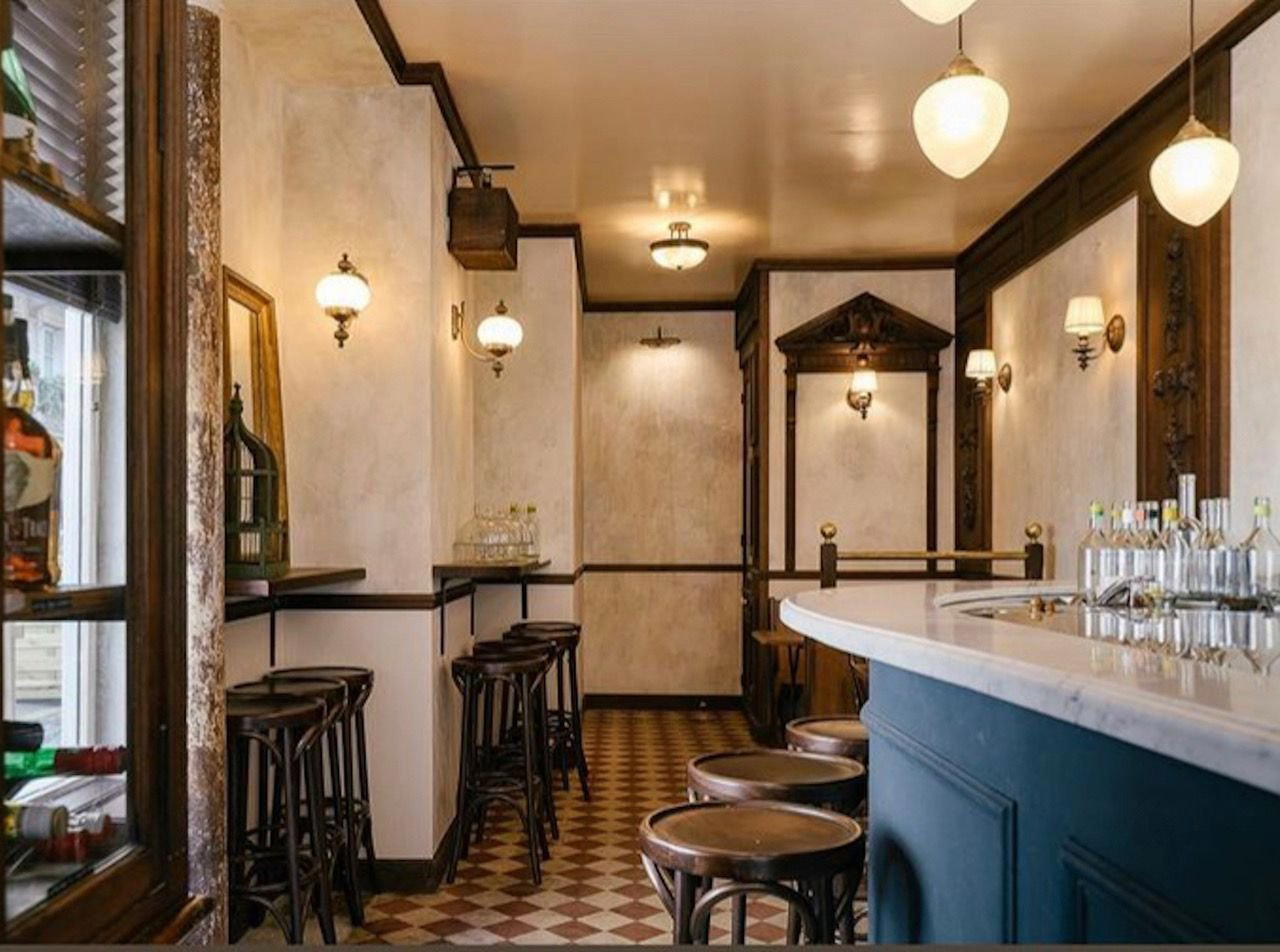
Hotels in Paris
Browse all →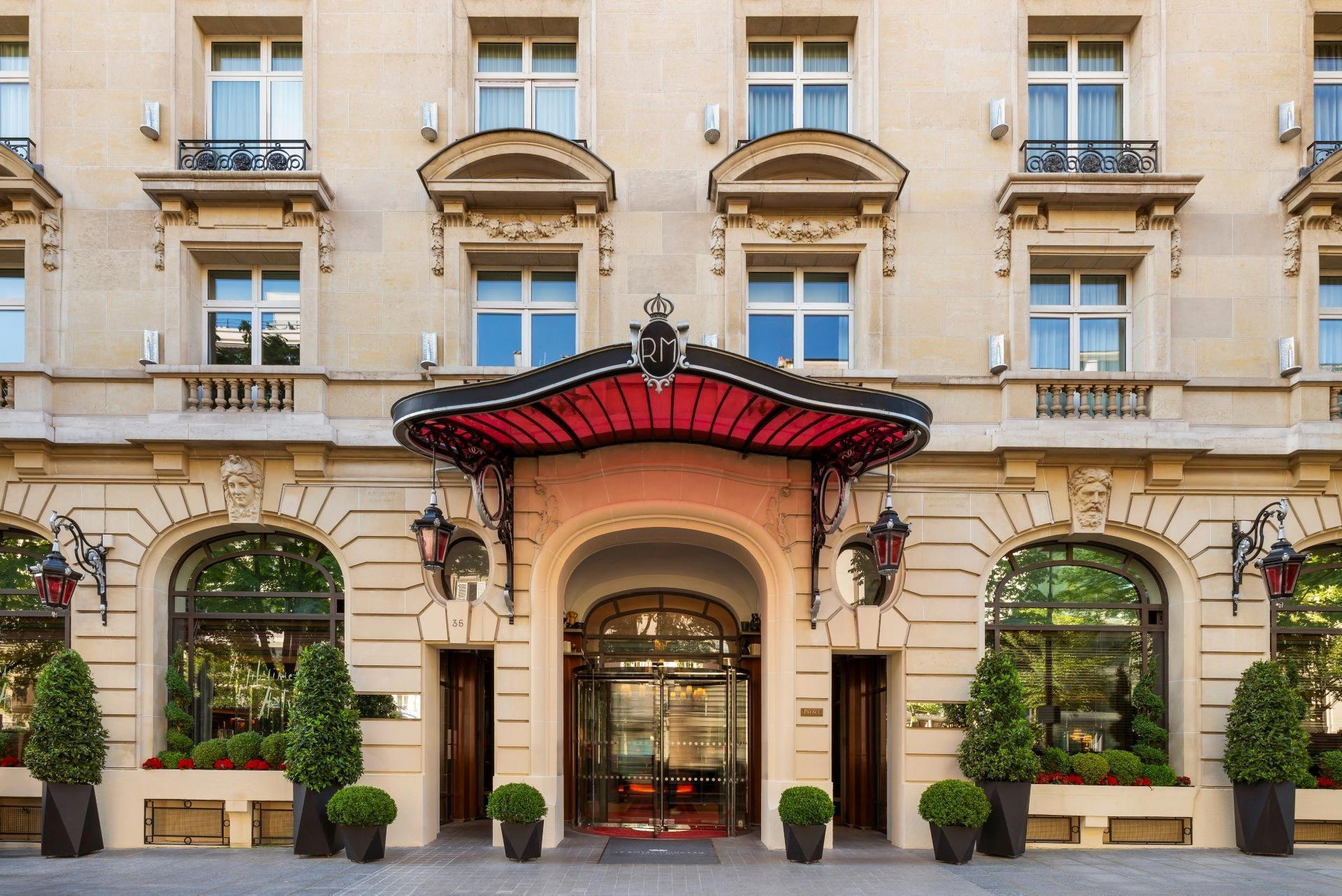



At a Glance
- Classic
- Intimate
- Elegant
- Cozy
- Date Night
- Business Dinner
- Celebration
- Special Occasion
- Private Event
- Private Dining
- Standalone
- Extensive Wine List
- Beer Program
- Local Sourcing
Current opening hours
- Monday
- 12–3 PM, 7–11 PM
- Tuesday
- 12–3 PM, 7–11 PM
- Wednesday
- 12–3 PM, 7–11 PM
- Thursday
- 12–3 PM, 7–11 PM
- Friday
- 12–3 PM, 7–11 PM
- Saturday
- 7–11 PM
- Sunday
- Closed
Hours can change for holidays and private events. Last verified .
Intimate and warmly serviced, with enveloping decor and a chic traditional Italian atmosphere.